Top 18 Natural Monuments around Dersenow
Best natural monuments around Dersenow offer diverse landscapes and unique natural features in northern Germany. This region is characterized by its riverine environments, including the Elbe stream and its tributaries, as well as inland dunes. Visitors can explore areas shaped by glacial history and observe a variety of flora and fauna. The natural monuments provide opportunities for outdoor activities and insights into the area's ecological significance.
Best natural monuments around Dersenow
- The most popular natural monuments is Mahnkenwerder, a…
Last updated: May 12, 2026
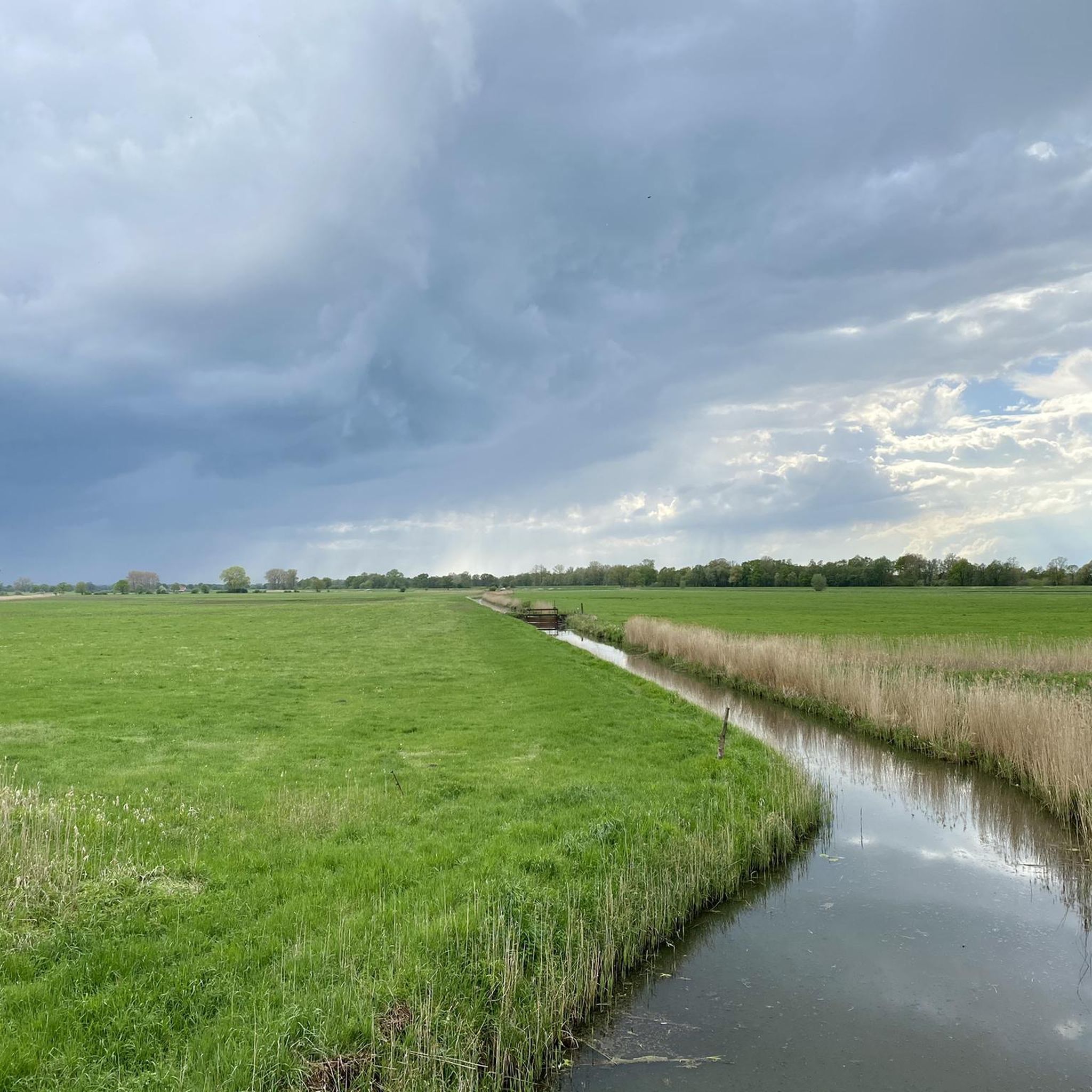
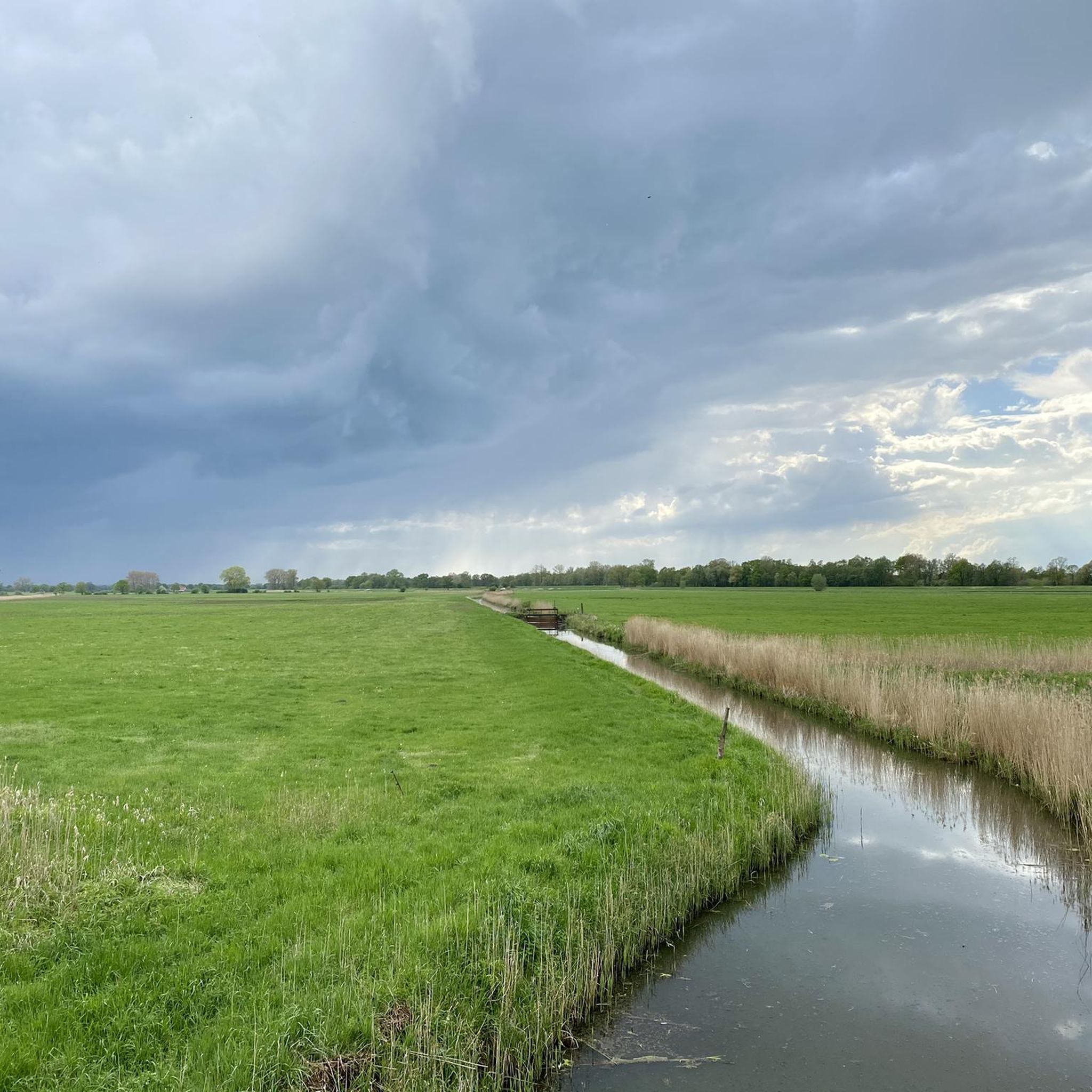
Mahnkenwerder
Highlight • Viewpoint
-------------------------------------------------
....Let's make it clear how the land looks and flows....
Translated by Google •
Tip by

Boizenburg Weidenschneck (Willow Cathedral)
Highlight • Structure
Translated by Google •
Tip by

Sign up now to discover places like this
Get recommendations on the best single tracks, peaks, & plenty of other exciting outdoor places.
Sign up for free
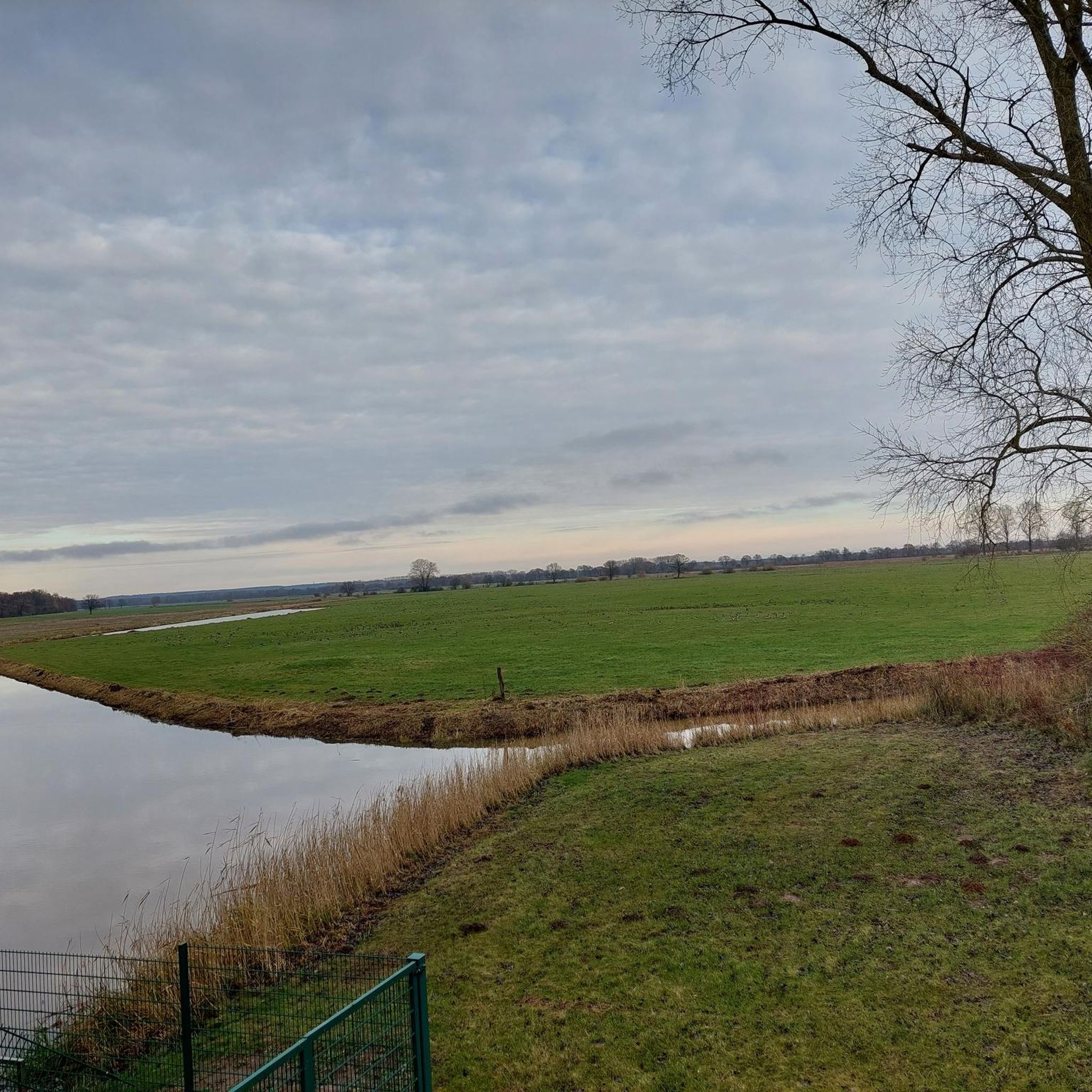
Sude River
Highlight • River
Translated by Google •
Tip by

Gothmann Inland Dunes Trail
Highlight (Segment) • Trail
Translated by Google •
Tip by
Inland dune near Gothmann
Highlight • Natural Monument
Translated by Google •
Tip by

Sign up for free to discover even more natural monuments around Dersenow.
Sign up for free
Already have an account?
Start today with a free account
Your next adventure awaits.
Login or Signup
Tips from the Community

A cathedral of willow trees. Very beautiful to look at. Unfortunately, the willow walkway is a bit run down.
1
0

Very nice here, I report on it myself on my platform www.mvp-tourismus.de
0
0

An interesting symbiosis of art and nature
1
0

Great willows artfully tied together... perfect to incorporate into a walk.
7
0
Very nice path along the Sude, either on the dike or next to it...
7
0

An absolute peace and dream setting.
3
0

Wonderful natural landscapes are to be discovered
3
0
Very interesting body of water to watch a lot of birds.
10
2
Frequently Asked Questions
What unique natural features can I explore around Dersenow?
The region around Dersenow is characterized by diverse natural features. You can discover extensive riparian landscapes along the Elbe stream and its tributaries, including floodplains and oxbow lakes. A particularly unique feature is the presence of inland dunes, such as those near Klein Schmölen and Gothmann. These sandy areas support distinct ecosystems with rare plant species. Additionally, the Sternberg Lake District Nature Park features dramatic steep slopes in the Warnow-Mildenitz Breakthrough Valley and the largest inland salt marsh in Mecklenburg-Western Pomerania near Sülten.
Are there any family-friendly natural monuments to visit near Dersenow?
Yes, several natural monuments around Dersenow are suitable for families. The Boizenburg Weidenschneck (Willow Cathedral) is a unique living structure made of willows that serves as a meeting place and offers a fascinating experience for all ages. The Sude River provides paths along its banks, perfect for easy walks and birdwatching. The educational paths within the Mecklenburg Elbe Valley Nature Park, such as the Lübtheen Reedbed Educational Path, are also great for families to learn about local flora and fauna.
What outdoor activities can I do near the natural monuments around Dersenow?
The natural monuments around Dersenow offer excellent opportunities for various outdoor activities. You can enjoy extensive hiking and cycling, particularly along the Elbe Cycle Route which traverses diverse landscapes. The Sternberg Lake District Nature Park is ideal for water sports like paddling and canoeing on its many lakes and waterways. For more specific routes, you can explore hiking trails around Dersenow or MTB trails around Dersenow, which include routes like the 'Sudeniederung Nature Reserve – Niendorf Weir loop'.
What historical sites are integrated with the natural landscape in this region?
The region offers a unique blend of natural beauty and historical significance. The Former Border Watchtower near Boizenburg, a remnant of the inner-German border, is now used for natural history purposes by NABU, showcasing how nature reclaims historically significant areas. Other preserved border towers in the region, like those in Neu Bleckede, also feature exhibitions that combine border history with ecological recovery. This allows visitors to reflect on Germany's past while observing ecological resilience.
Where can I find panoramic views of the natural landscapes?
For expansive views, visit Mahnkenwerder, a popular viewpoint offering tranquility and panoramic scenery. In the Mecklenburg Elbe Valley Nature Park, you can find observation towers along the steep Elbe valley sides near Boizenburg and Dömitz, providing magnificent views of the Elbe water meadows. The Inland dune near Gothmann also offers a great vantage point to look out over the wide Sude-Niedung.
What kind of wildlife can I expect to see in the natural monuments around Dersenow?
The natural monuments, especially within the Mecklenburg Elbe Valley Nature Park, are rich in biodiversity. You might spot Elbe beavers, otters, and various amphibian species. The area is a paradise for birds, including cranes, storks, sea eagles, and ospreys. The inland salt marsh near Sülten in the Sternberg Lake District Nature Park is particularly known for supporting rare plant and animal species, such as the kingfisher and osprey.
What is the best time of year to visit the natural monuments around Dersenow?
The best time to visit depends on your interests. Spring and autumn are ideal for hiking and cycling, with pleasant temperatures and vibrant natural colors. Spring brings blooming flora and active wildlife, while autumn offers stunning foliage. Summer is great for water sports on the lakes and rivers. Birdwatching is excellent during migration seasons in spring and autumn. Always check local conditions and visitor center information for specific recommendations.
Are there specific trails for exploring the unique inland dunes?
Yes, you can explore the unique inland dunes on dedicated trails. The Gothmann Inland Dunes Trail is an unpaved sandy path that leads through an inland dune landscape. This trail is part of a cycle route and offers a natural experience with firs, sand, bushes, and meadows. Another significant area for inland dunes is near Klein Schmölen, which also features a Dunes Educational Path.
What are the main nature parks near Dersenow?
Dersenow is close to two significant nature parks. The Mecklenburg Elbe Valley Nature Park, part of the UNESCO Biosphere Reserve Elbe River Landscape, is known for its riparian features, inland dunes, and rich biodiversity. East of Lake Schwerin, you'll find the Sternberg Lake District Nature Park, characterized by numerous lakes, extensive forests, and unique geological formations like the Warnow-Mildenitz Breakthrough Valley.
What do visitors appreciate most about the natural monuments in this area?
Visitors frequently highlight the tranquility and expansive views offered by locations like Mahnkenwerder. The unique artistry of the Boizenburg Weidenschneck (Willow Cathedral) is also highly praised as a wonderful place to stay and a link between the river and the city. Many also enjoy the diverse aquatic life and birdwatching opportunities along the Sude River, appreciating the natural paths for exploration.
Are there visitor centers available to provide more information about the nature parks?
Yes, informative visitor centers are available to enhance your visit. In the Mecklenburg Elbe Valley Nature Park, you can find visitor centers at Dömitz Fortress and the "EinFlussReich" open-air exhibition in Boizenburg. For the Sternberg Lake District Nature Park, the Nature Park Centre in Warin serves as an excellent starting point, offering information on excursions, flora, and fauna, and even providing "discovery backpacks" for exploring nature.
Can I find information about the geological history of the region?
Yes, the region's geological history is evident in its landscapes. The Sternberg Lake District Nature Park, for instance, showcases a glacial landscape with forested sandar, glacial meltwater valleys, meltwater lakes, and terminal moraines. The inland dunes, such as the Inland dune near Gothmann, were formed after the last ice age when large quantities of sand were deposited and then blown up by storms.
Most popular attractions around Dersenow

Get inspired with the komoot mobile app


Explore more
Extend your search for the best caves by checking out these guides of the top ones around Dersenow:
