Top 20 Natural Monuments around Grafhorst
Best natural monuments around Grafhorst are primarily found within the nearby Elbe River Landscape and the Drömling Nature Park/Biosphere Reserve. Grafhorst is situated on the western bank of the Elbe River, a UNESCO Biosphere Reserve known for its broad floodplains and diverse ecosystems. The Drömling, a large lowland area, features unique wetland environments, including alder marsh and wet meadows, and is recognized as a UNESCO biosphere reserve. These protected areas offer significant natural beauty and ecological importance for the region.
…Last updated: August 18, 2026
Libellengrund Water Education Trail — Spring and Rest Area
Highlight • Rest Area
Translated by Google •
Tip by

Drei Steine Rock Formation
Highlight • Natural Monument
Translated by Google •
Tip by

Sign up now to discover places like this
Get recommendations on the best single tracks, peaks, & plenty of other exciting outdoor places.
Sign up for free
Glacial Scratches of Velpke
Highlight • Natural Monument
Translated by Google •
Tip by
Observation tower in the Drömling Nature Reserve
Highlight • Viewpoint
Translated by Google •
Tip by

Baroque Garden at Wolfsburg Castle
Highlight • Structure
A tour here is very relaxing; you can find peace and relaxation here.
Translated by Google •
Tip by
Sign up for free to discover even more natural monuments around Grafhorst.
Sign up for free
Already have an account?
Start today with a free account
Your next adventure awaits.
Login or Signup
Tips from the Community

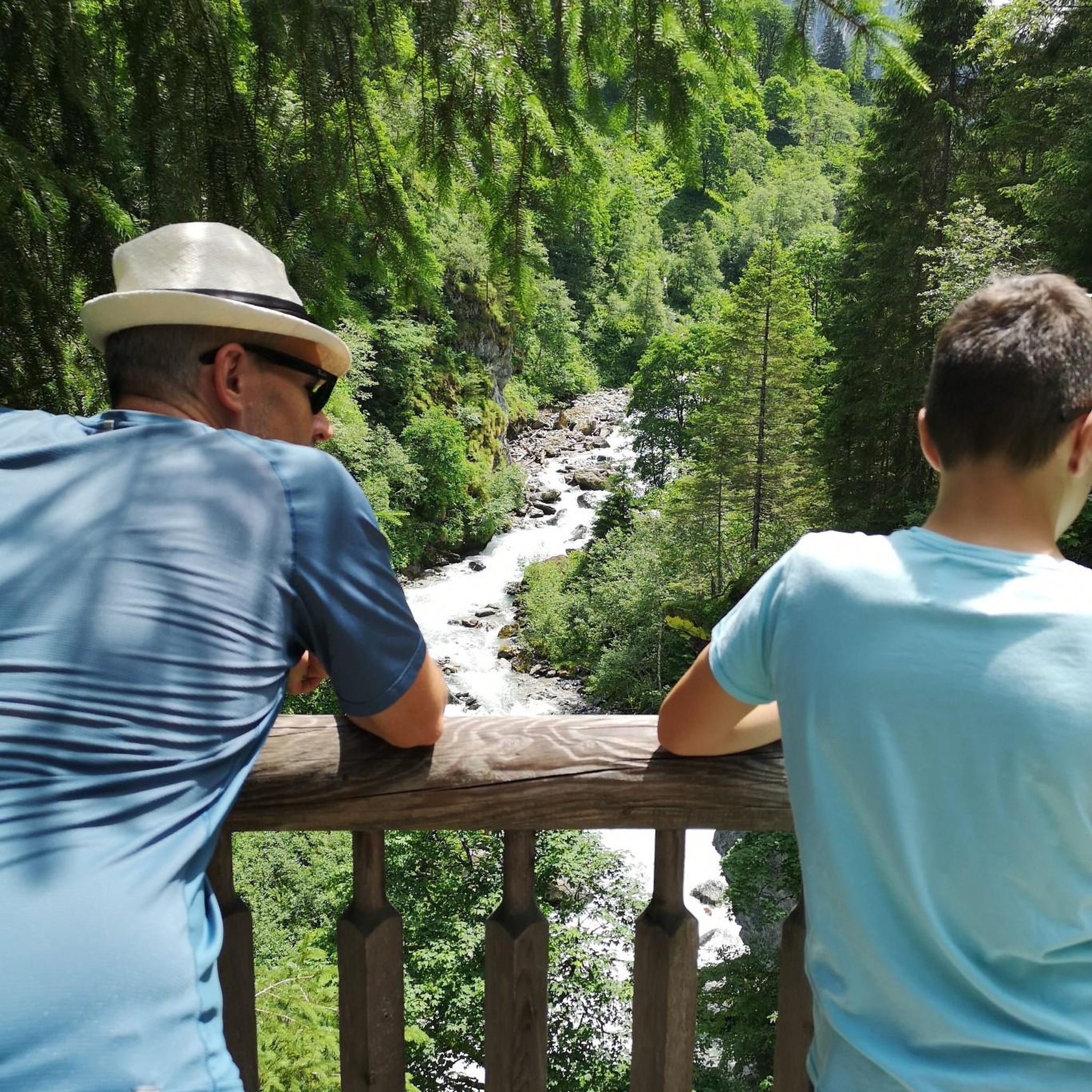
a beautiful spot to start a hike along the many fountains and springs.
0
0

The walk down the stairs is definitely worth it.
2
1

Some of the dirt roads are very bad! Not easy to drive! Mosquito repellent highly recommended!!
0
1

The part south of the castle was built at the end of the 17th century as part of the transformation of the former “Wolfsburg” into a representative castle. The baroque pleasure garden was created at the beginning of the 18th century. It was first mentioned in 1709; In 1723 a two-story pleasure house was built, in its place in 1912 a pavilion that still exists today was built. The architect was Wilhelm Hillendahl from Fallersleber. The landscape park east of the castle was built in the 19th century. From 1948 to 1954, the “Schlosspark Restaurant and Café” was located in the baroque garden pavilion, in front of which dancing took place on Sundays. The baroque garden was restored in 2000. In 2004, the State Garden Show took place in the park area and south of it. The park area was expanded to the south to the current border. Three circular gardens with stainless steel elements were created, which were retained after the state horticultural show.
3
0

This park is small but also particularly beautifully laid out and maintained!
18
0

Very beautiful, well-kept and small baroque garden behind the castle. A tour here is very relaxing; you can find peace and relaxation here.
25
0

Worth seeing insight into the traces of the Ice Age
0
1

The baroque garden is opposite the entrance to the castle
2
0
Frequently Asked Questions
What are the primary natural areas to explore around Grafhorst?
Grafhorst is uniquely positioned near two significant protected natural areas: the Elbe River Landscape and the Drömling Nature Park/Biosphere Reserve. The Elbe River Landscape, a UNESCO Biosphere Reserve, features broad floodplains and diverse ecosystems. The Drömling, also a UNESCO biosphere reserve, is a large lowland area known for its unique wetland environments, including alder marsh and wet meadows.
What kind of wildlife can I expect to see in the Elbe River Landscape?
The Elbe River Landscape is a vital habitat for numerous rare animal and plant species. Visitors can often spot beavers, storks, cranes, wild geese, and various other bird species. The wetlands and floodplains also serve as crucial breeding grounds for amphibians like frogs, toads, and newts.
What makes the Drömling Nature Park unique?
The Drömling is a unique wetland ecosystem, originally a marshland, now characterized by alder marsh, alder-ash forests, wet meadows, and water oases crisscrossed by thousands of ditches. It's a biodiversity hotspot, especially important for ground-nesting birds like cranes and snipe, and provides safe resting grounds for migratory birds.
Are there any specific viewpoints or observation points in the Drömling Nature Reserve?
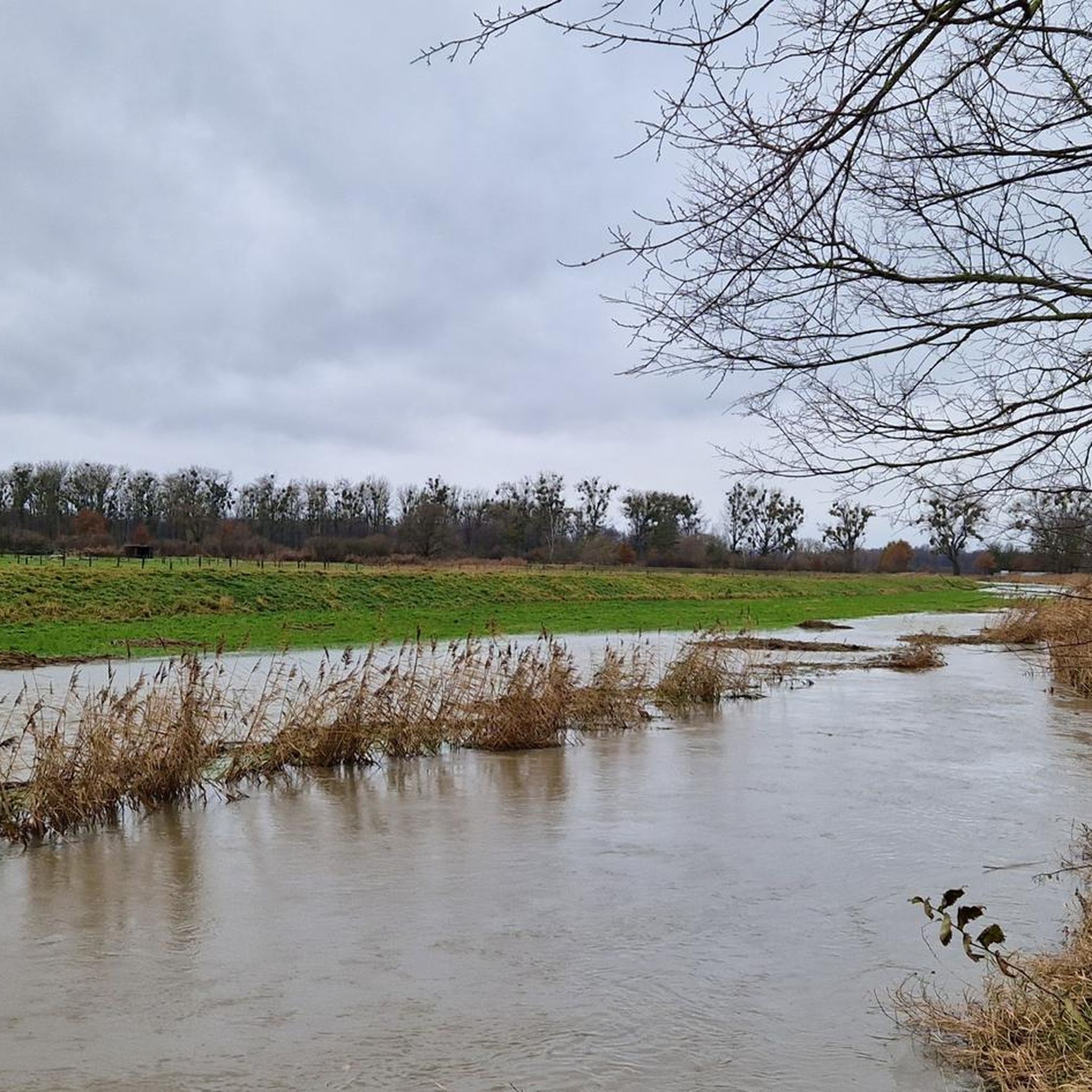
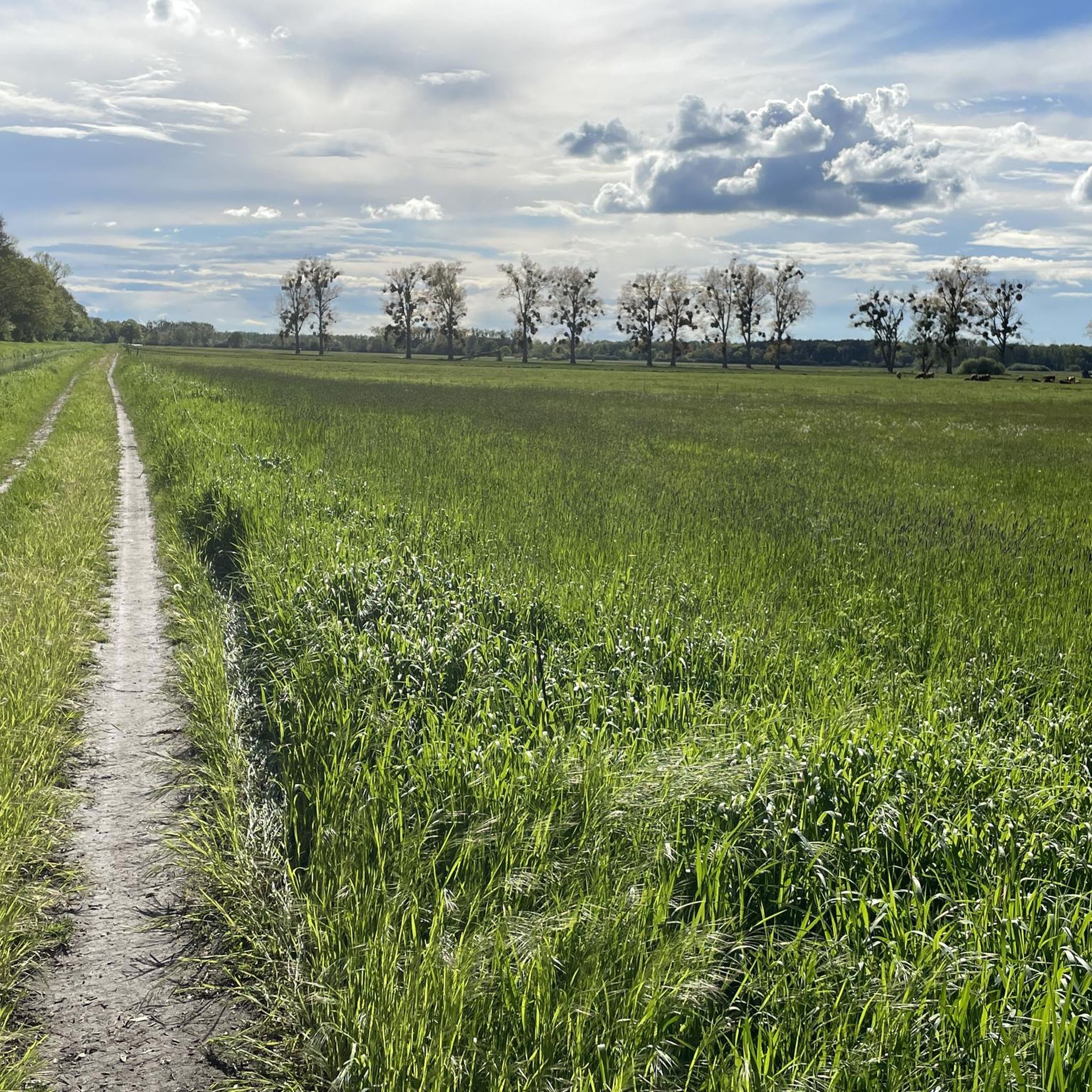
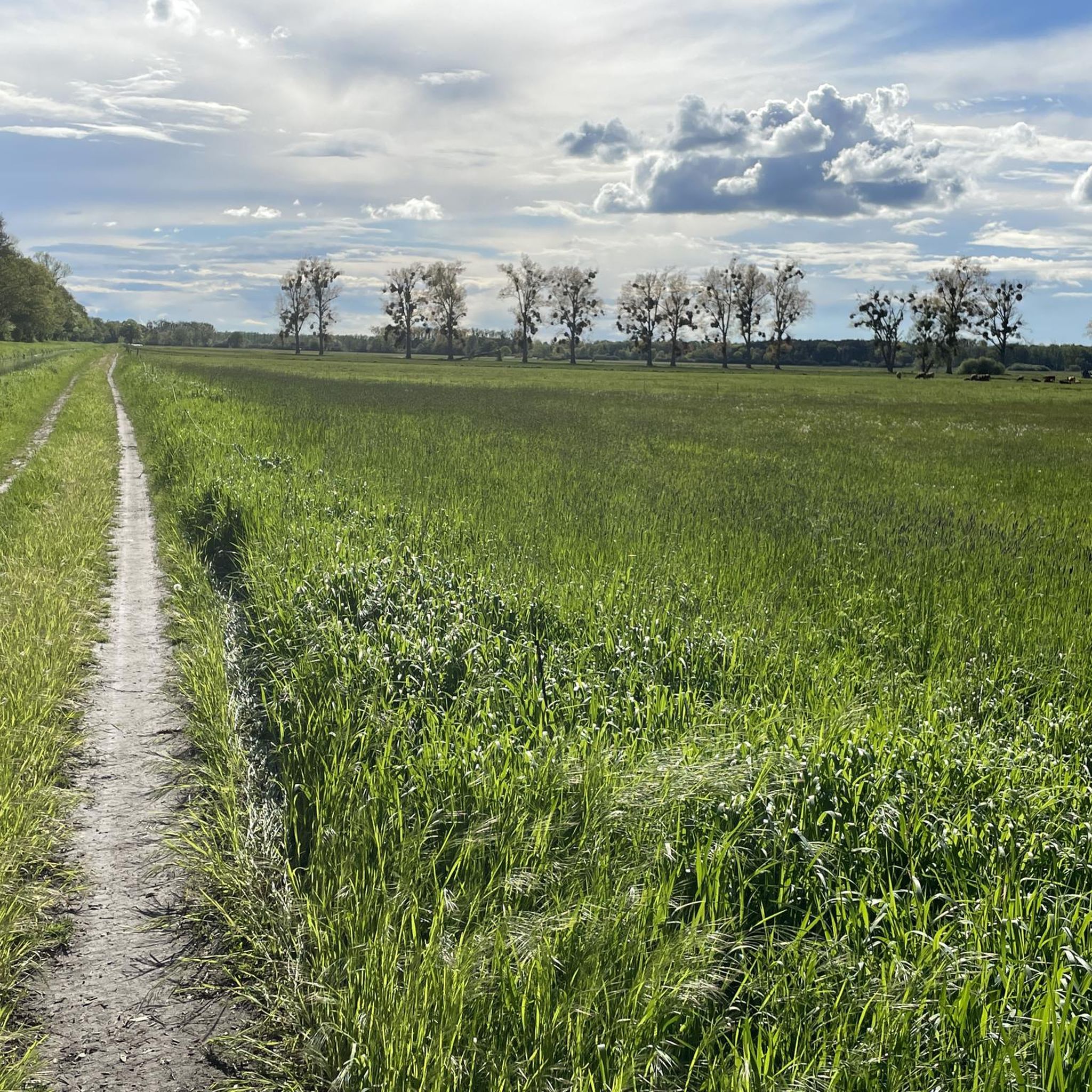
Yes, a notable spot is the Observation tower in the Drömling Nature Reserve. From this tower, you get a fantastic view over the expansive meadow landscape, which is particularly appreciated for its beautiful scenery and abundant birdlife.
Can I learn about local geology and water supply at any natural monuments?
Absolutely. The Libellengrund Water Education Trail — Spring and Rest Area is a natural monument and facility where visitors can learn about the local water supply and geology. A stone picture of a dragonfly marks this educational path, and you can even find cool drinking water from the Wolfsburg supply here.
Where can I see traces of the Ice Age near Grafhorst?
You can discover traces of the Ice Age at the Glacial Scratches of Velpke. Here, glaciers from Scandinavia left scratches in the ground and stones. The geological nature trail in this area provides display boards and selected stone types to illustrate this fascinating history.
Are there family-friendly natural monuments or activities around Grafhorst?
Yes, several natural monuments are suitable for families. The Libellengrund Water Education Trail — Spring and Rest Area offers an educational experience. Additionally, the Drei Steine Rock Formation in Wolfsburg is a surprising natural feature with benches, making it a nice spot for a break during a family outing.
What outdoor activities can I do near these natural monuments?
The areas around Grafhorst offer various outdoor activities. You can find numerous routes for hiking, cycling, and mountain biking. For example, there are easy hikes, cycling tours, and MTB trails that allow you to explore the natural beauty of the region.
What is the best time of year to visit the natural monuments around Grafhorst?
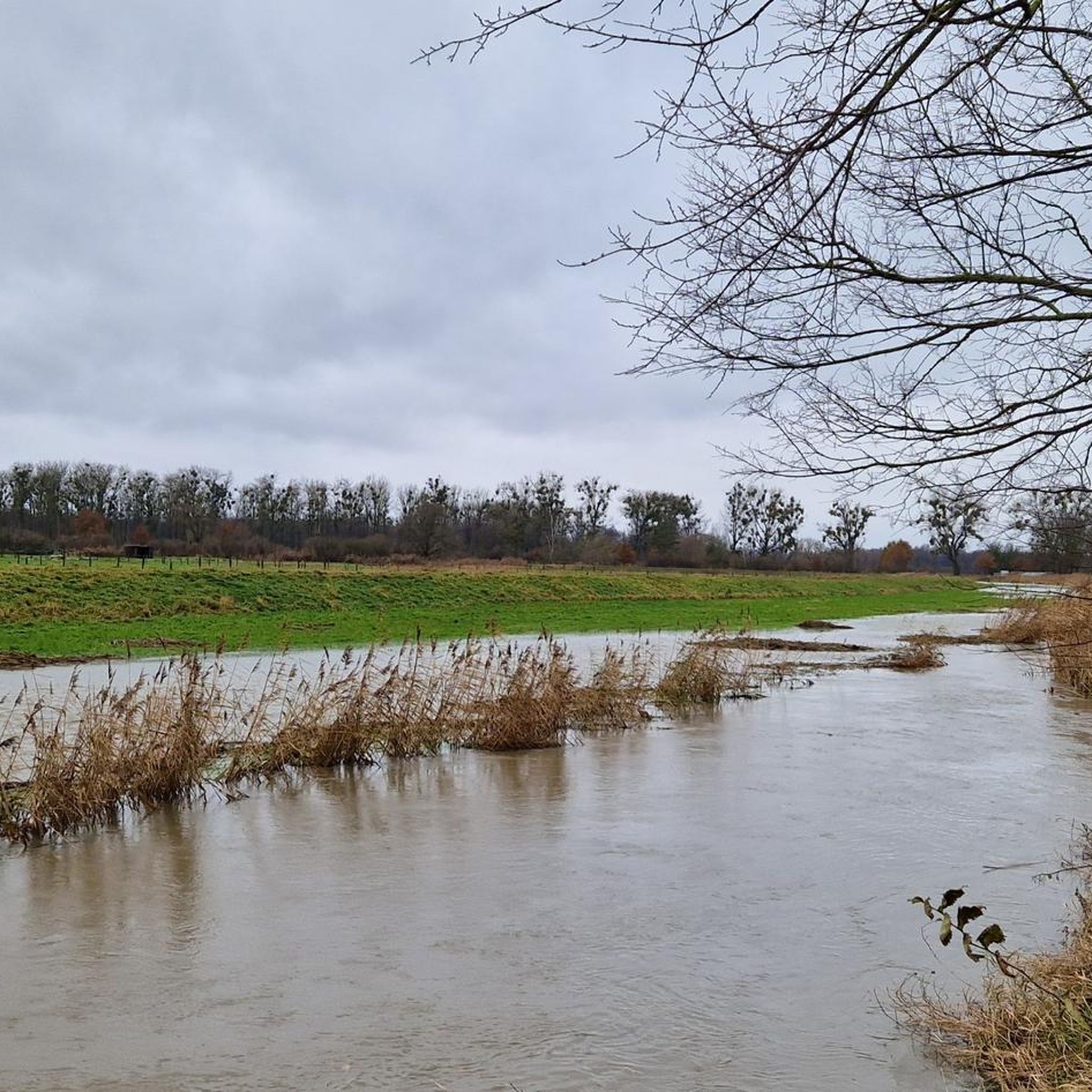
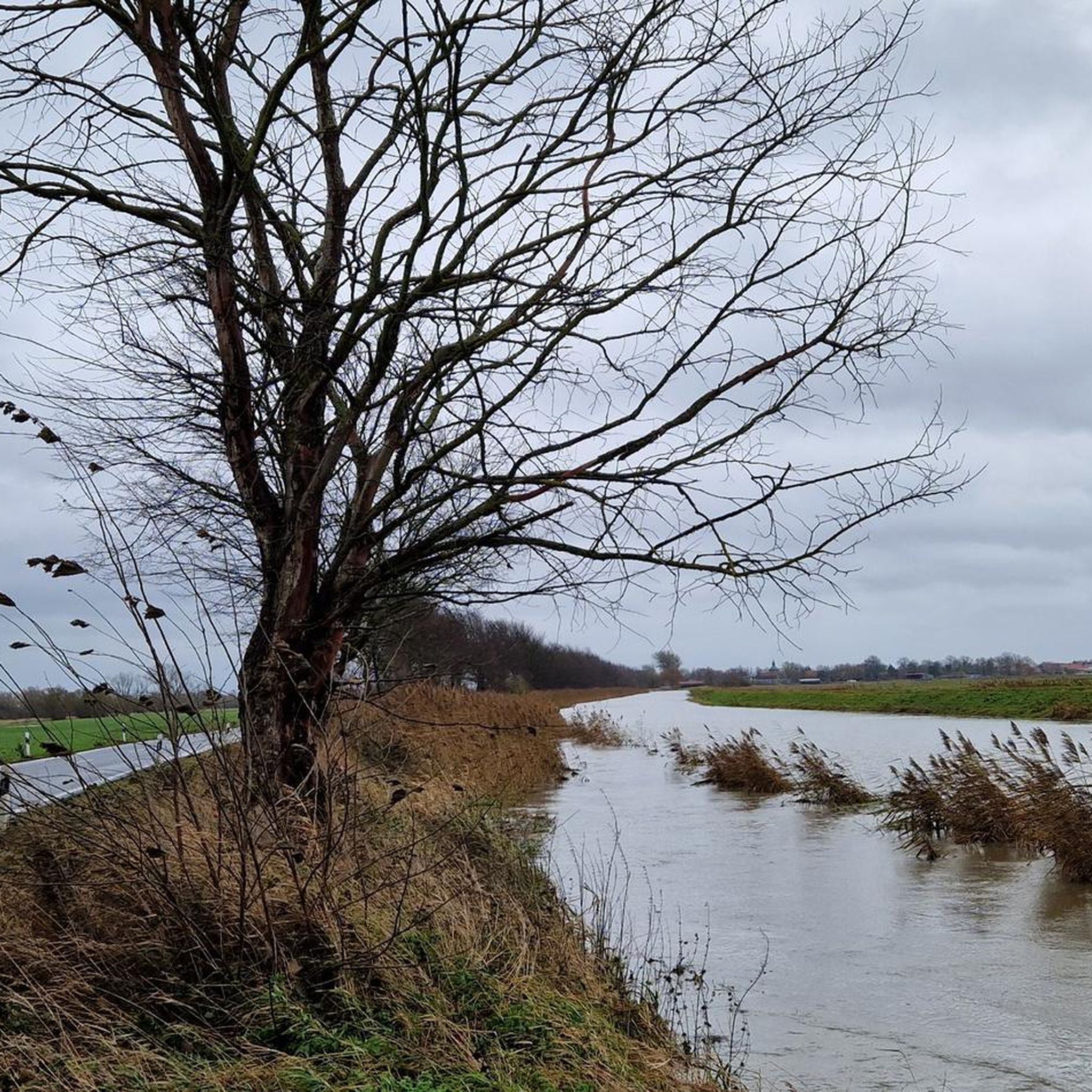
The natural monuments around Grafhorst offer different experiences throughout the year. Spring and autumn are excellent for birdwatching, especially in the Drömling, when migratory birds gather. The Elbe floodplains are picturesque in early summer with colorful flowers. Winter and spring also bring seasonal floods to the Drömling, creating expansive reflective surfaces that offer a distinct visual experience.
Are there any former quarry areas that are now natural recreation spots?
Yes, the Velpker Schweiz Sandstone Quarries is a former quarry area that has been transformed into a local recreation spot. It's excellent for hiking and offers insights into geological formations and the earth's history in the region. The lower-lying abandoned quarries have filled with water, creating unique biotopes.
What do visitors enjoy most about the natural sites near Grafhorst?
Visitors frequently praise the tranquil environment and the opportunity to 'leave everyday life behind'. The beautiful scenery, abundant birdlife, and the unique wetland landscapes are often highlighted. Many appreciate the chance to observe diverse wildlife and the fascinating insights into the region's geological history.
How can I get to the Drömling Nature Park from Grafhorst using public transport?
While direct public transport options from Grafhorst to specific points within the Drömling Nature Park might be limited, it's advisable to check local bus routes or regional train connections to nearby towns that serve as entry points to the reserve. For detailed and up-to-date information on public transport, it's best to consult local transport providers or the official Drömling UNESCO Biosphere Reserve visitor information.
Most popular routes around Grafhorst
Most popular attractions around Grafhorst

Get inspired with the komoot mobile app


Explore more
Extend your search for the best caves by checking out these guides of the top ones around Grafhorst:
