Top 20 Natural Monuments around Wiek
Best natural monuments around Wiek are found on the Wittow peninsula of Rügen Island, providing access to diverse natural features. The region is characterized by its coastal landscapes, including dramatic chalk cliffs and serene bodden waters. These natural formations offer varied opportunities for exploration and observation. The area combines geological significance with ecological diversity, making it a notable destination for natural monuments.
Best natural monuments around Wiek
- The most popular natural monuments is View of Cape Arkona, a viewpoint…
Last updated: June 25, 2026
Gellort – Northernmost Point of Rügen
Highlight • Beach
Translated by Google •
Tip by

View of Kap Arkona Cliffs
Highlight • Viewpoint
Translated by Google •
Tip by

Sign up now to discover places like this
Get recommendations on the best single tracks, peaks, & plenty of other exciting outdoor places.
Sign up for free
Chalk Cliffs and Rocky Beach Between Kap Arkona and Vitt
Highlight • Beach
Translated by Google •
Tip by

Dornbusch Lighthouse
Highlight • Monument
The lighthouse is easily accessible on foot - if you want to go up the lighthouse, you should check the opening times beforehand. As of 2022, admission costs €3.
Translated by Google •
Tip by

Nobbin Megalithic Tomb
Highlight • Historical Site
Tip by

Sign up for free to discover even more natural monuments around Wiek.
Sign up for free
Already have an account?
Start today with a free account
Your next adventure awaits.
Login or Signup
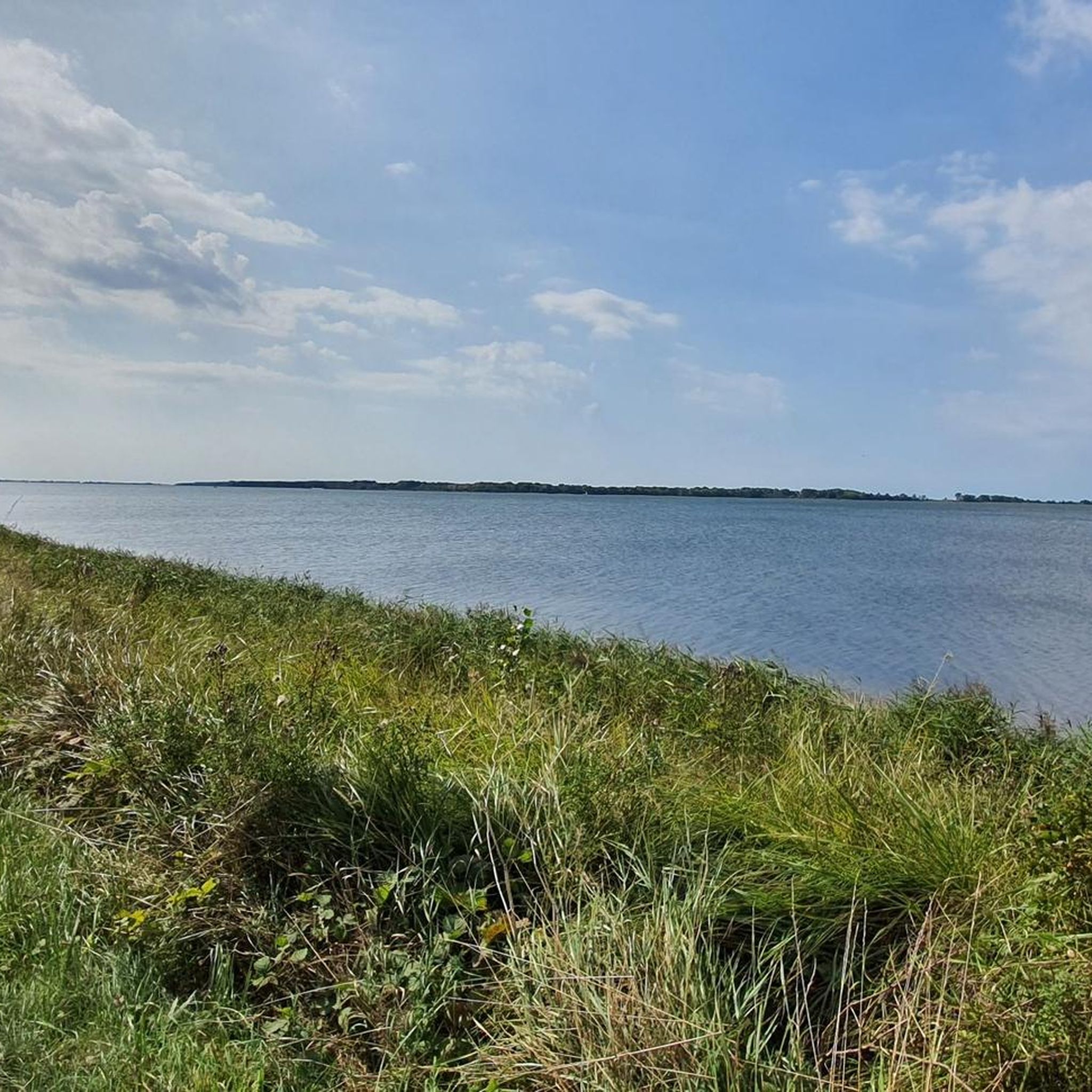
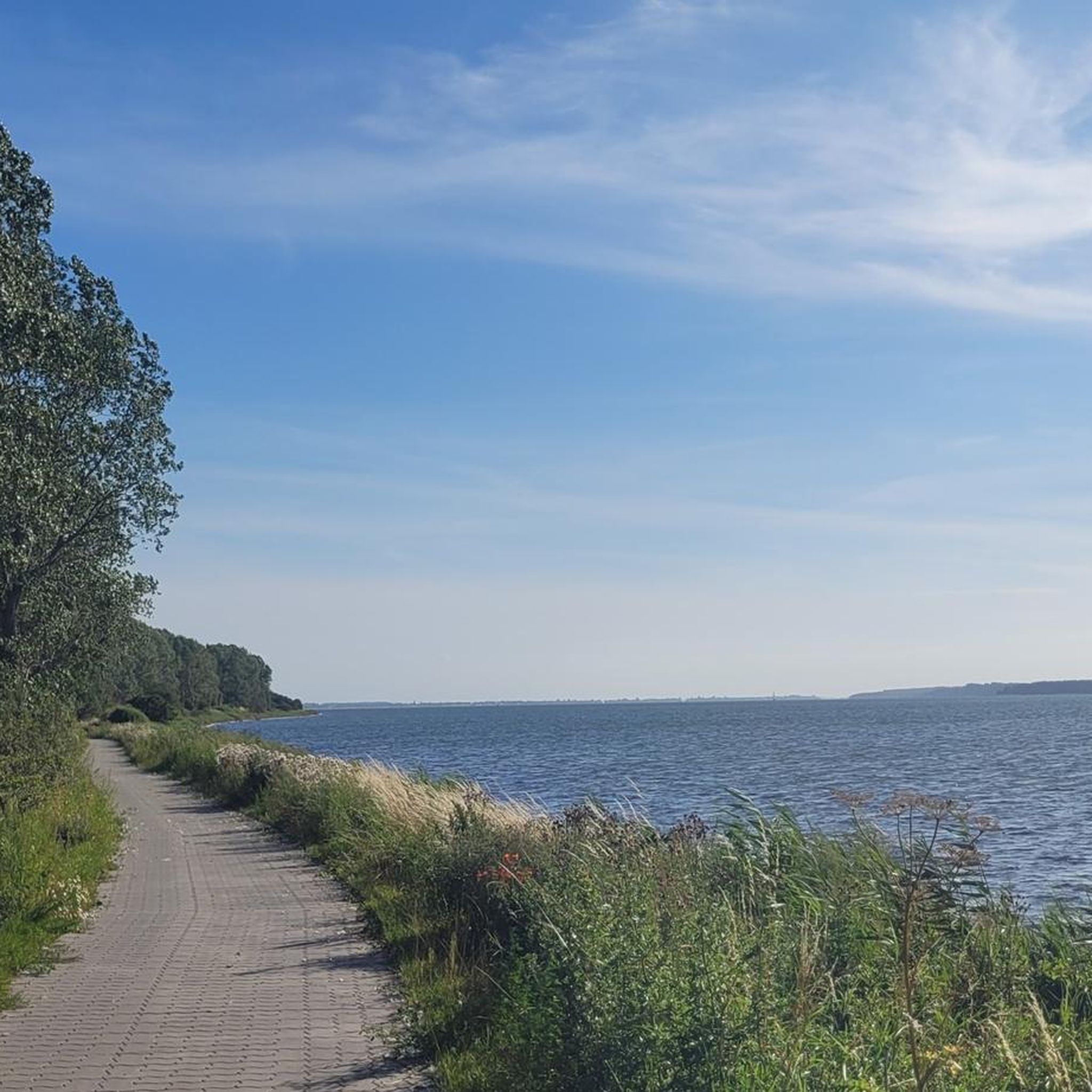
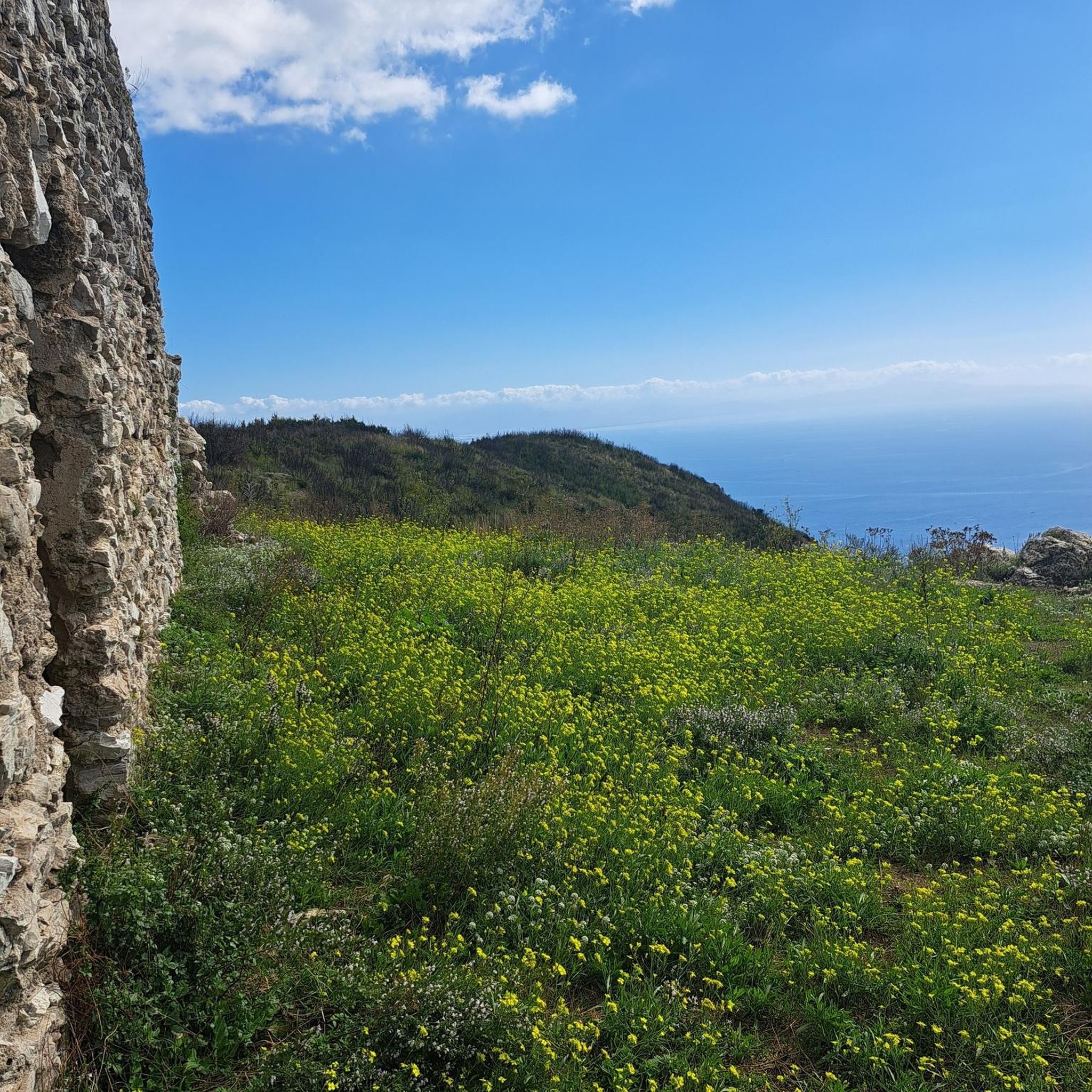
Other adventures around Wiek

Tips from the Community

In good weather you can even see as far as Denmark (Zealand/Sjælland)!
4
0

What a play of colors 🤩 The white lighthouse with a blue sky and the yellow broom in a green meadow, simply fantastic!
7
0

An old lighthouse that was renovated last year. It shines in new colors. Great view from up there.
5
0

The Dornbusch lighthouse is located in the north of Hiddensee
5
0

History The formation of the highlands goes back to the last glaciation phase in northern Germany, the Weichselian Ice Age. A small offshoot of the glacier tongue pointing towards today's Little and Great Belt created the Dornbusch around 12,500 years ago. When the glaciers retreated, it remained as a push moraine and was part of a large mainland area in the south of today's Baltic Sea for around 4,000 years. During the first flooding phase of the Baltic Sea, the water did not yet reach the area around Hiddensee; it was not until around 3,900 years ago that the Littorina Sea washed around the three island cores of Dornbusch, Fährinsel and Gellen. It was only 2,900 years ago that coastal erosion (land erosion, drifting and deposition) began and the formation of the elongated shape of Hiddensee through sand alluvial deposits. Under Wallenstein's orders, the oak and beech forest covering the entire Dornbusch was burned down between 1628 and 1630 in order to protect the Danes, with whom there were military conflicts in the area.
7
0
The Dornbusch is the name given to the hilly area in the northern part of the German Baltic Sea island of Hiddensee. It consists mainly of glacial deposits that were left behind after the glaciers melted. It is one of three island cores of Hiddensee that are responsible for the formation of the flatland. The Dornbusch extends from north to south for approximately 2.45 kilometers and from east to west for approximately 2.85 kilometers. The highest elevation is the Bakenberg at 72.7 m above sea level. The Schluckswiekberg, on which Hiddensee's landmark, the Dornbusch lighthouse, stands, is around 70 m above sea level. With its largely still active cliff coast, it represents a valuable landscape in the Vorpommern Boddenlandschaft National Park and is incorporated into protection zone II there. Many hiking trails lead through the varied landscape.
9
0

Very beautiful view. Unfortunately, the lighthouse is currently covered with scaffolding because it is being renovated and therefore no nice photos and no ascent possible.
6
1

We went there by bike and enjoyed the view. The wind really blows around your nose. Definitely make the detour there from Cape Arkona, it's well worth it!
8
0
Frequently Asked Questions
What natural features can I expect to see around Wiek?
Around Wiek, you can experience a diverse range of natural features. The region is renowned for its dramatic white chalk cliffs, particularly within Jasmund National Park, which also hosts ancient beech forests. You'll also find rugged coastal landscapes at places like Cape Arkona, and the serene, shallow waters of the Wieker Bodden, ideal for water sports.
Are there any unique geological formations or natural landmarks near Wiek?
Yes, the area boasts several unique geological formations. The most famous are the towering white chalk cliffs of Jasmund National Park, including the iconic Königsstuhl. Additionally, the Dornbusch area on Hiddensee island, where the Dornbusch Lighthouse stands, is characterized by hilly glacial deposits from the last Ice Age, forming a valuable landscape within the Vorpommern Boddenlandschaft National Park.
What are some of the most scenic viewpoints for natural monuments in the Wiek area?
For breathtaking views, consider visiting the View of Cape Arkona, which offers expansive vistas over the sea towards the lighthouses. Another excellent spot is Gellort – Northernmost Point of Rügen, where on clear days, you might even see the chalk cliffs of Mon in Denmark. The Dornbusch Lighthouse also provides sweeping views from its elevated position.
Are there ancient forests or significant natural habitats to explore?
Absolutely. Jasmund National Park, a short distance from Wiek, is home to extensive ancient beech forests. These forests are recognized as part of the UNESCO World Natural Heritage 'Ancient Beech Forests of Germany' and provide a vital habitat for diverse wildlife, including peregrine falcons and sea eagles. They offer excellent hiking opportunities with stunning coastal vistas.
Are there any historical sites integrated with the natural monuments around Wiek?
Yes, several natural monuments in the area have historical significance. At Cape Arkona, alongside its dramatic cliffs, you can find the remnants of a Slavic castle, Arkona Castle, and two historic lighthouses. The Nobbin Megalithic Tomb is another impressive historical site, featuring Neolithic funnel casket tombs set within an ancient landscape.
Are the natural monuments around Wiek suitable for families with children?
Many natural monuments around Wiek are family-friendly. For instance, Gellort – Northernmost Point of Rügen and the View of Cape Arkona are popular choices. The Wieker Bodden also offers calm, shallow waters perfect for family-friendly water sports. When visiting Cape Arkona, there's a large car park, and everything is easily accessible on foot or by bike, making it convenient for families.
Can I visit the natural monuments around Wiek with my dog?
Yes, many natural sights in the Wiek area are dog-friendly. For example, Gellort – Northernmost Point of Rügen is noted as dog-friendly. When exploring, always ensure your dog is on a leash, especially in protected areas like national parks, and be mindful of local regulations regarding pets on beaches or in specific natural reserves.
What outdoor activities can I do near these natural monuments?
The region offers a variety of outdoor activities. You can enjoy cycling on routes like the 'Wieker Bodden Coastal Path' or the 'Vitt fishing village – Lighthouses at Cape Arkona loop'. For mountain biking, consider trails such as the 'Rügen Clifftop Trail – Cape Arkona Lighthouse loop'. The Wieker Bodden is also excellent for water sports like sailing, surfing, kitesurfing, and paddling. Find more routes in the Cycling around Wiek, Gravel biking around Wiek, and MTB Trails around Wiek guides.
Are there hiking trails near the natural monuments around Wiek?
Yes, there are numerous hiking opportunities. Jasmund National Park features the 'Hochuferweg' (high-bank path) which offers excellent hiking through dense beech forests with stunning coastal views. At Cape Arkona, you can enjoy scenic hiking trails along the cliffs that lead to picturesque villages like Vitt. The Dornbusch area on Hiddensee also has many hiking trails through its varied landscape. You can find more hiking options in the Natural Monuments around Wiek guide.
What is the best time to visit the natural monuments around Wiek?
The best time to visit is generally from spring to autumn (April to October) when the weather is mild and most facilities are open. Summer offers the warmest temperatures for water activities in the Wieker Bodden and lush green forests. Spring and autumn provide pleasant hiking conditions and fewer crowds, with the added beauty of blooming nature or vibrant fall foliage. Winter can be starkly beautiful, but some paths might be challenging due to weather.
What do visitors enjoy most about the natural monuments around Wiek?
Visitors frequently praise the breathtaking panoramic views, especially from spots like Cape Arkona and Gellort. The unique contrast of brilliant white chalk cliffs, lush green forests, and the deep blue Baltic Sea creates a truly spectacular landscape. Many also enjoy the opportunity to find unique stones along the rocky beaches and the serene atmosphere for water sports on the Wieker Bodden.
How long should I plan to explore the natural monuments in the Wiek area?
To fully appreciate the diverse natural monuments, planning at least 2-3 days is recommended. This allows for a dedicated day to explore Jasmund National Park and its chalk cliffs, another day for Cape Arkona and its surroundings, and time to enjoy the Wieker Bodden or visit nearby Hiddensee island. Shorter visits can focus on specific highlights, but a multi-day trip offers a more comprehensive experience.
Are there any cafes or places to eat near the natural monuments?
Yes, you'll find options for refreshments. Near Cape Arkona, the Rügenhof offers a cafe and market where fresh fish is smoked daily. The charming fishing village of Vitt, accessible via a scenic walk from Cape Arkona, also has places to eat and drink. For the Dornbusch Lighthouse on Hiddensee, it's advisable to check local establishments on the island.
Most popular routes around Wiek
Most popular attractions around Wiek

Get inspired with the komoot mobile app


Explore more
Extend your search for the best caves by checking out these guides of the top ones around Wiek:
