Top 20 Natural Monuments around Züssow
Best natural monuments around Züssow include diverse landscapes and natural features. The region offers opportunities to explore natural settings, often accessible via hiking trails. The area is characterized by its forests, lakes, and historical sites integrated into natural environments. Visitors can find a blend of natural beauty and historical significance within the local landscape.
Best natural monuments around Züssow
- The most popular natural monuments is Wrangelsburg Castle, a castle with an English landscape park. The park extends along the…
Last updated: May 12, 2026
Viking Burial Ground and Stone Ship Settings at Altes Lager
Highlight • Historical Site
Translated by Google •
Tip by

Wrangelsburg Castle
Highlight • Castle
Translated by Google •
Tip by

Sign up now to discover places like this
Get recommendations on the best single tracks, peaks, & plenty of other exciting outdoor places.
Sign up for free
Söllkensee near Potthagen
Highlight • Lake
Translated by Google •
Tip by

Behrenhoff Landscape Park
Highlight • Natural Monument
Translated by Google •
Tip by

Hill for wild bees
Highlight • Natural Monument
The hill was pushed up …
Translated by Google •
Tip by

Sign up for free to discover even more natural monuments around Züssow.
Sign up for free
Already have an account?
Start today with a free account
Your next adventure awaits.
Login or Signup
Tips from the Community

Wrangelsburg Castle is a manor house in Wrangelsburg in the Vorpommern-Greifswald district. It was built in 1880 and has been privately owned since 2017.
0
0

The current castle was built in 1878. The previous building was converted into a baroque castle in 1652 by Carl Gustav Wrangel, the Swedish general governor of Pomerania. In 1945 it was expropriated and occupied by the Soviet military administration. Today it is in private hands.
5
0

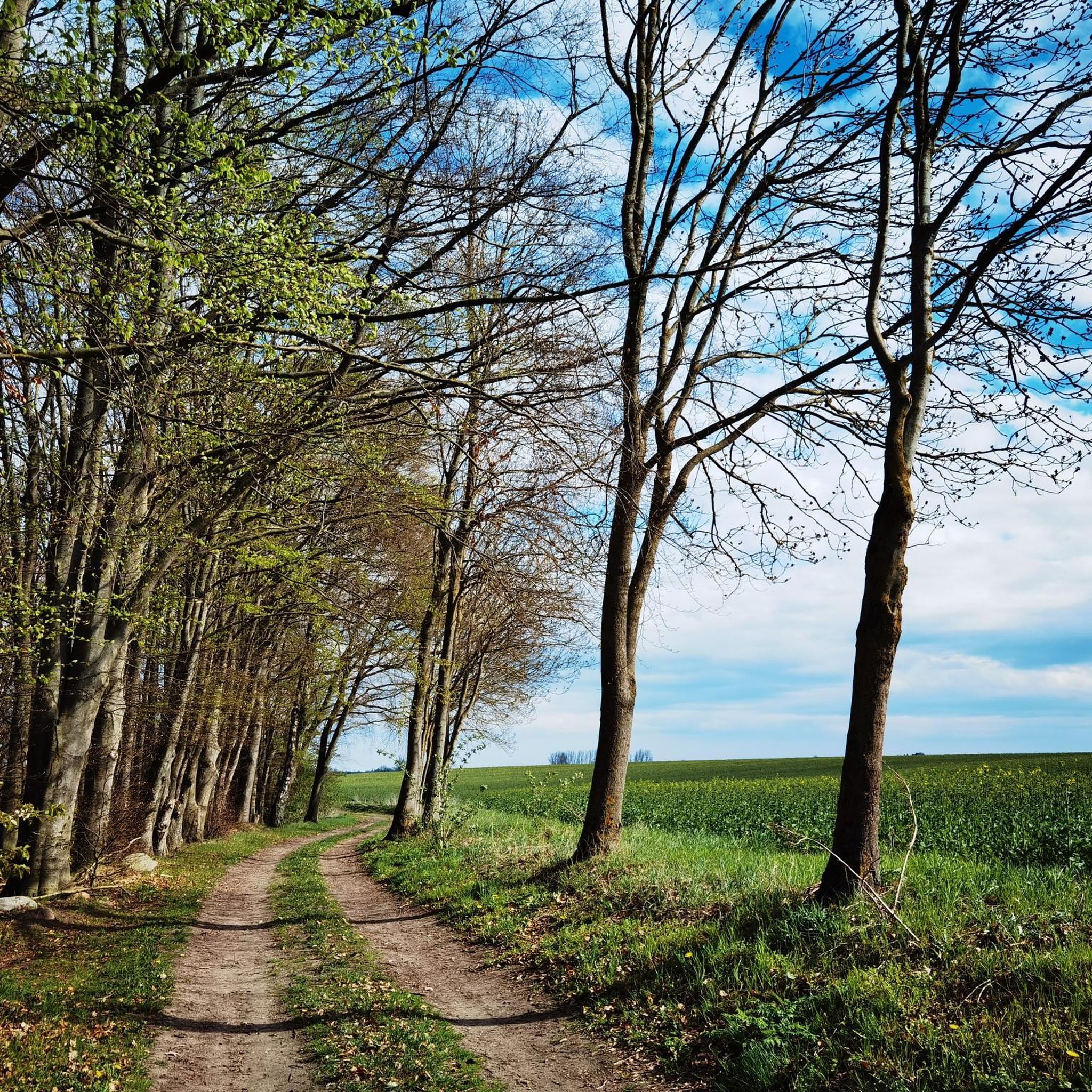
For several years now, there has been a refuge here for the important little helpers in the landscape of fields and meadows: the wild bees. The hill was pushed up by the agricultural company and is kept clear by the kindergarten group in Guest, because these bees and bumblebees don't like vegetation. They prefer full sun and sand so that they can build breeding tubes and their eggs can develop well. They are therefore typical open land species and live in lean grassland, ruderal areas and fallow land with a corresponding supply of wild flowers. Until 2023, they were able to visit plenty of flowers on the lean meadow or fallow land here. In spring and early summer, on sunny days, you're sure to find a few sand bees to observe. On the other side of the path you can find wild flowers. More information on the board at the other end of the path just before the edge of town. More information about wild bees, including in gardens and parks: https://de.wikipedia.org/wiki/Sandbienen https://www.deutschland-summt.de/wildbienenarten.html
0
0

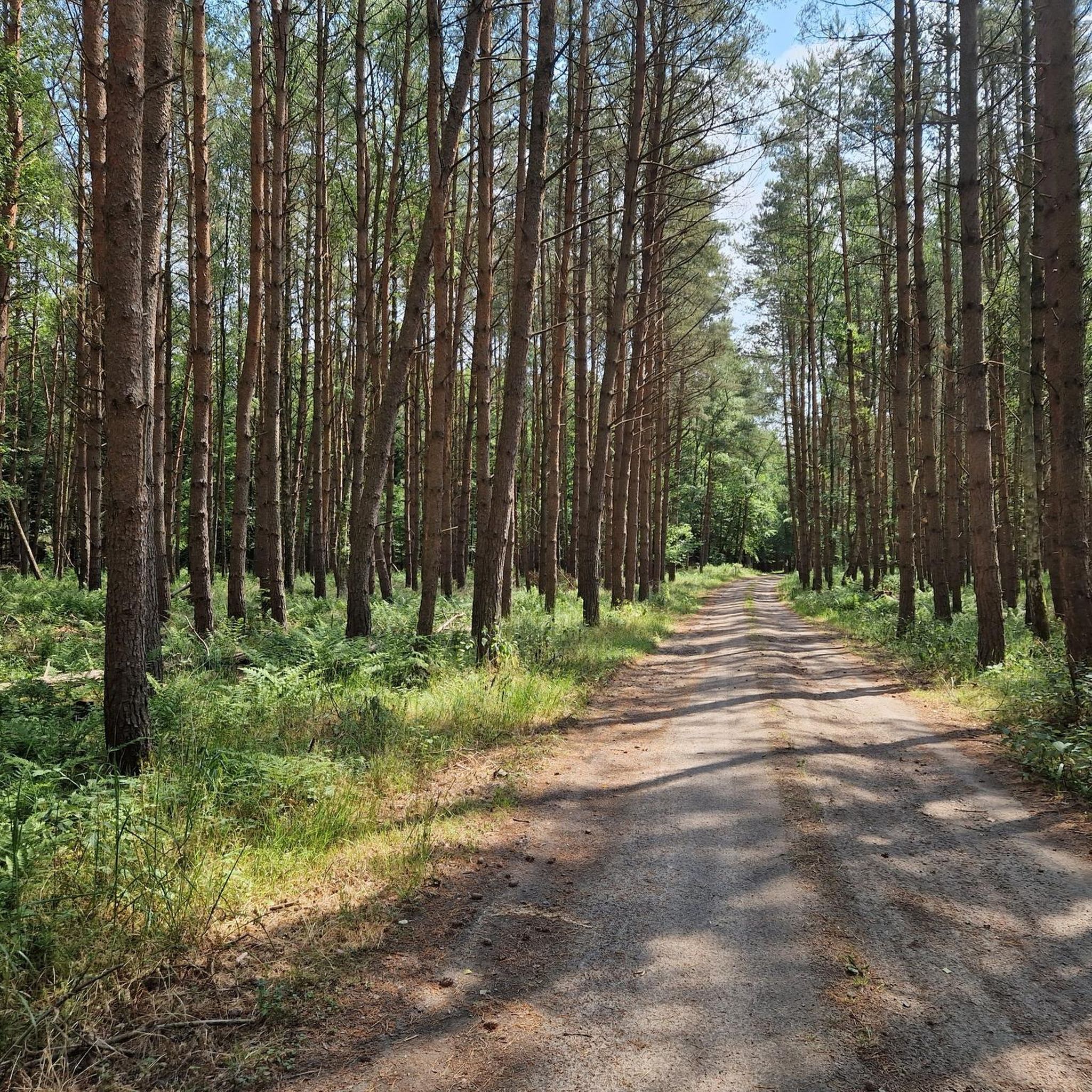
Old graves from the Viking Age. It is an area of about 3 hectares. An overview plan is located near the large grave complex
1
0

Landscape park with old trees and an eventful history. https://de.wikipedia.org/wiki/Landschaftspark_Behrenhoff#Schloss_Behrenhoff The landscape park is around ten hectares in size, the swan pond (former peat pond) in the southern part is three hectares. It extends from the northern edge of the village, where the old farm buildings of the former estate are still located, in a southwesterly direction. It is divided in two by the village street. The area is separated from the street and the historic estate village by a wall, which also includes the cemetery with the Behrenhoffer Church. The entrance to the northern part is dominated by the striking Bärentor, built around 1900. The two plastered pillars have coupled double half-columns at the front and back. They are crowned by bears with heraldic shields. The bear on the left holds the coat of arms of the von Heyden family, the one on the right that of the von Behr family. The park's rich dendrological stock includes a leatherbush tree, two copper beeches, a tulip tree, a red oak with a witch's broom, a multi-stemmed sweet chestnut and a multi-stemmed silver linden tree. There are also several lily magnolias and rhododendrons in the complex. In spring, larger populations of Märzenbecher characterize the park.
0
0

The castle is private and not accessible, but walking (not cycling) is allowed on the park paths - it's worth it. A very well-kept facility.
0
0

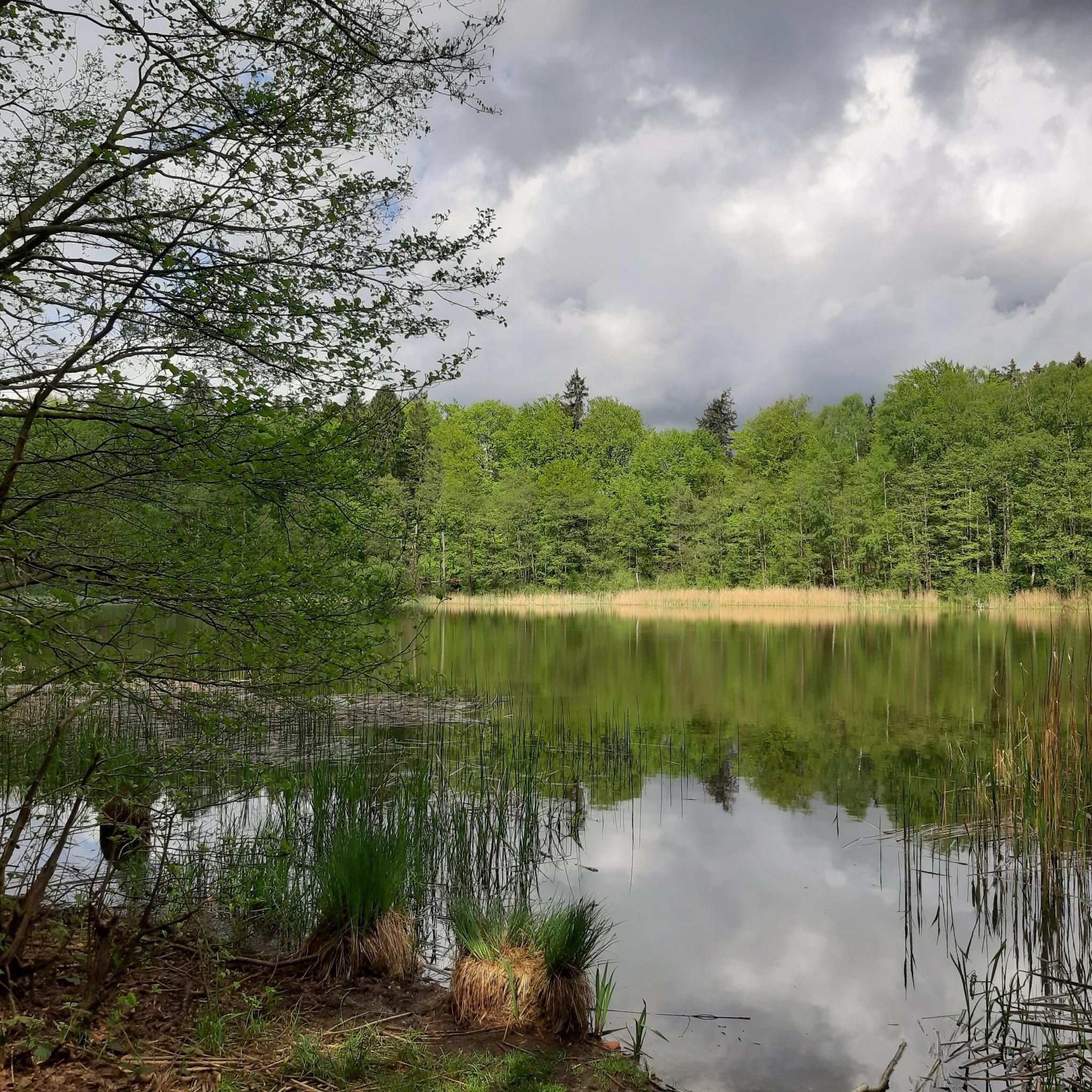
The Söllkensee was created in the 19th century by peat extraction in "Küsterbäcks Moor", a meltwater channel of the Greifswald terminal moraine. Today it is a natural monument and spawning ground for common toads and moor frogs. In the north-eastern part, the new siltation process is clearly visible. A cotton grass peat bog has formed here, which is partly forested with downy birches.
4
0

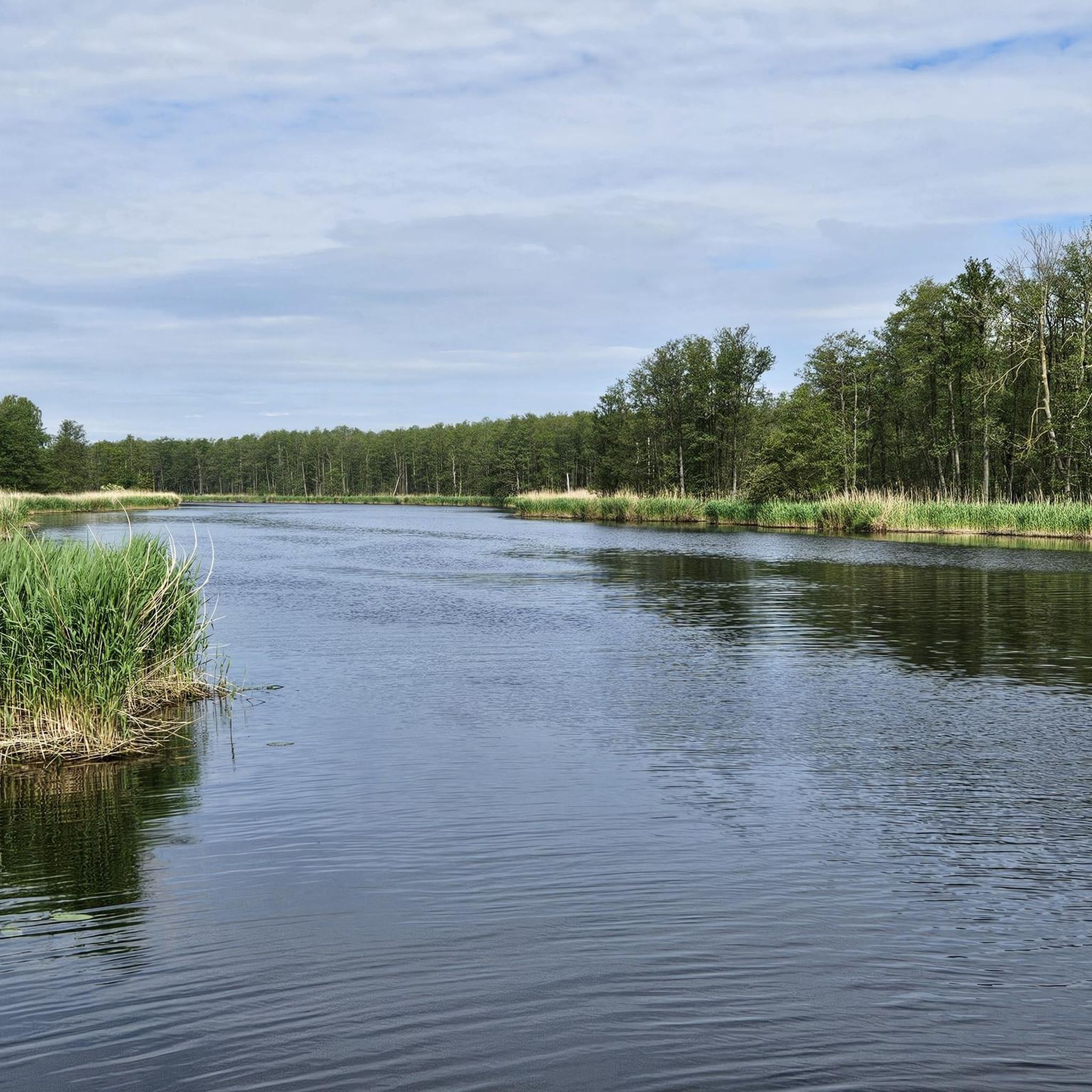
Behind the castle is a very beautiful lake.
0
0
Frequently Asked Questions
What types of natural monuments can I explore around Züssow?
The region around Züssow offers a diverse range of natural monuments. You can discover historical sites integrated into natural settings, such as the Viking Burial Ground and Stone Ship Settings at Altes Lager, or explore re-naturalized wetlands like the Observation Platform at the Restored Menzliner Polder. There are also landscape parks, including Wrangelsburg Castle with its English park, and unique natural lakes such as the Söllkensee near Potthagen.
Are there any natural monuments that combine history with nature?
Yes, the Viking Burial Ground and Stone Ship Settings at Altes Lager is a prime example. This historical site is located on a natural hill and features early medieval grave forms and unique ship-shaped stone settlements from the 8th to 10th centuries, offering a fascinating blend of ancient history and natural surroundings.
Where can I find re-naturalized landscapes and observe wildlife?
The Observation Platform at the Restored Menzliner Polder provides an excellent opportunity for this. This viewpoint overlooks a re-naturalized polder where a diverse flora and fauna have developed since its re-watering in 2000. It's a great spot to observe various bird species, including ducks, geese, swans, terns, birds of prey, and herons.
Are there family-friendly natural monuments around Züssow?
Several natural monuments are suitable for families. The English landscape park at Wrangelsburg Castle is family-friendly, offering areas to linger by the castle lake. The Observation Platform at the Restored Menzliner Polder and the Söllkensee near Potthagen are also noted as family-friendly, providing accessible natural experiences. Additionally, the Behrenhoff Landscape Park is a listed natural monument that welcomes families.
What kind of natural features can I expect to see at Söllkensee near Potthagen?
The Söllkensee near Potthagen is a unique natural monument that was formed by peat extraction. It is now a spawning ground for common toads and moor frogs. You can observe a cotton grass peat bog that is partly forested with downy birches, and floating pondweed in the open water area. It's a fascinating example of a re-naturalized bog ecosystem.
Can I visit a historical landscape park with old trees?
Yes, the Behrenhoff Landscape Park is a listed natural monument laid out between 1840 and 1860. It features a rich dendrological stock, including leatherbush trees, copper beeches, a tulip tree, and a multi-stemmed silver linden tree. The park also has a swan pond and is known for its Märzenbecher populations in spring.
What outdoor activities can I do near these natural monuments?
The area around Züssow offers various outdoor activities. You can find numerous routes for cycling, mountain biking, and gravel biking. For example, there are cycling routes like the "Towpath Along the Ryck – Wieck Hand-operated Drawbridge loop" or MTB trails such as the "Söllkensee – Eldena Nature Reserve loop." You can explore more options on the Cycling around Züssow, MTB Trails around Züssow, and Gravel biking around Züssow guide pages.
Are there hiking trails that lead to or near these natural monuments?
Yes, the natural monuments around Züssow are often accessible via hiking trails. The broader region of Mecklenburg-Vorpommern, where Züssow is located, is known for its diverse natural landscapes and extensive trail networks. While specific hiking routes to each monument are not detailed here, the presence of landscape parks and natural areas suggests ample opportunities for walking and enjoying the outdoors.
What do visitors enjoy most about the natural monuments around Züssow?
Visitors appreciate the blend of natural beauty and historical significance. The re-naturalized polders are valued for their diverse flora and fauna, while historical sites like the Viking Burial Ground offer a unique cultural experience within a natural setting. The landscape parks, such as Wrangelsburg Castle, are enjoyed for their serene environments and opportunities for lingering. The komoot community has shared over 80 photos and given more than 80 upvotes across these highlights, indicating a strong positive reception.
What is the best time of year to visit the natural monuments in this region?
The region's natural monuments, with their forests, lakes, and re-naturalized areas, can be enjoyed throughout the year. Spring offers blooming flora and active wildlife, especially at sites like Söllkensee with its spawning toads and frogs, or Behrenhoff Landscape Park with its Märzenbecher. Summer provides lush greenery, while autumn brings vibrant colors to the landscape parks and forests. Even winter can offer serene, peaceful walks, especially in the forested areas.
Are there any natural monuments that are particularly good for birdwatching?
Absolutely. The Observation Platform at the Restored Menzliner Polder is an excellent spot for birdwatching. The re-established wetlands support a wide variety of bird species, including ducks, geese, swans, terns, birds of prey, and herons, making it a prime location for observing avian life.
Can I find places with good views of the surrounding nature?
Yes, the Observation Platform at the Restored Menzliner Polder offers beautiful views over the water surface of the wet polder. Additionally, landscape parks like Behrenhoff Landscape Park provide scenic vistas within their well-designed grounds.
Most popular routes around Züssow
Most popular attractions around Züssow

Get inspired with the komoot mobile app


Explore more
Extend your search for the best caves by checking out these guides of the top ones around Züssow:
