Top 20 Natural Monuments around Ankershagen
Best natural monuments around Ankershagen are found within the Mecklenburg Lake District, primarily centered around the source of the Havel River and its integration into the Müritz National Park. This region features extensive forests, numerous lakes, and wetlands, shaped by the Vistula Ice Age. These natural attractions offer insights into geological and ecological history, providing opportunities for outdoor exploration.
Best natural monuments around Ankershagen
- The most popular natural monuments is Käflingsberg Observation Tower, a viewpoint that offers panoramic views…
Last updated: May 12, 2026
Müritz National Park bike trail
Highlight (Segment) • Cycleway
Translated by Google •
Tip by

Müritz National Park
Highlight • Natural Monument
Translated by Google •
Tip by

Sign up now to discover places like this
Get recommendations on the best single tracks, peaks, & plenty of other exciting outdoor places.
Sign up for free
Käflingsberg Observation Tower
Highlight • Viewpoint
Translated by Google •
Tip by

Source of the Havel
Highlight • River
Translated by Google •
Tip by

Mühlensee bathing area
Highlight • Lake
Translated by Google •
Tip by

Sign up for free to discover even more natural monuments around Ankershagen.
Sign up for free
Already have an account?
Start today with a free account
Your next adventure awaits.
Login or Signup
Popular around Ankershagen
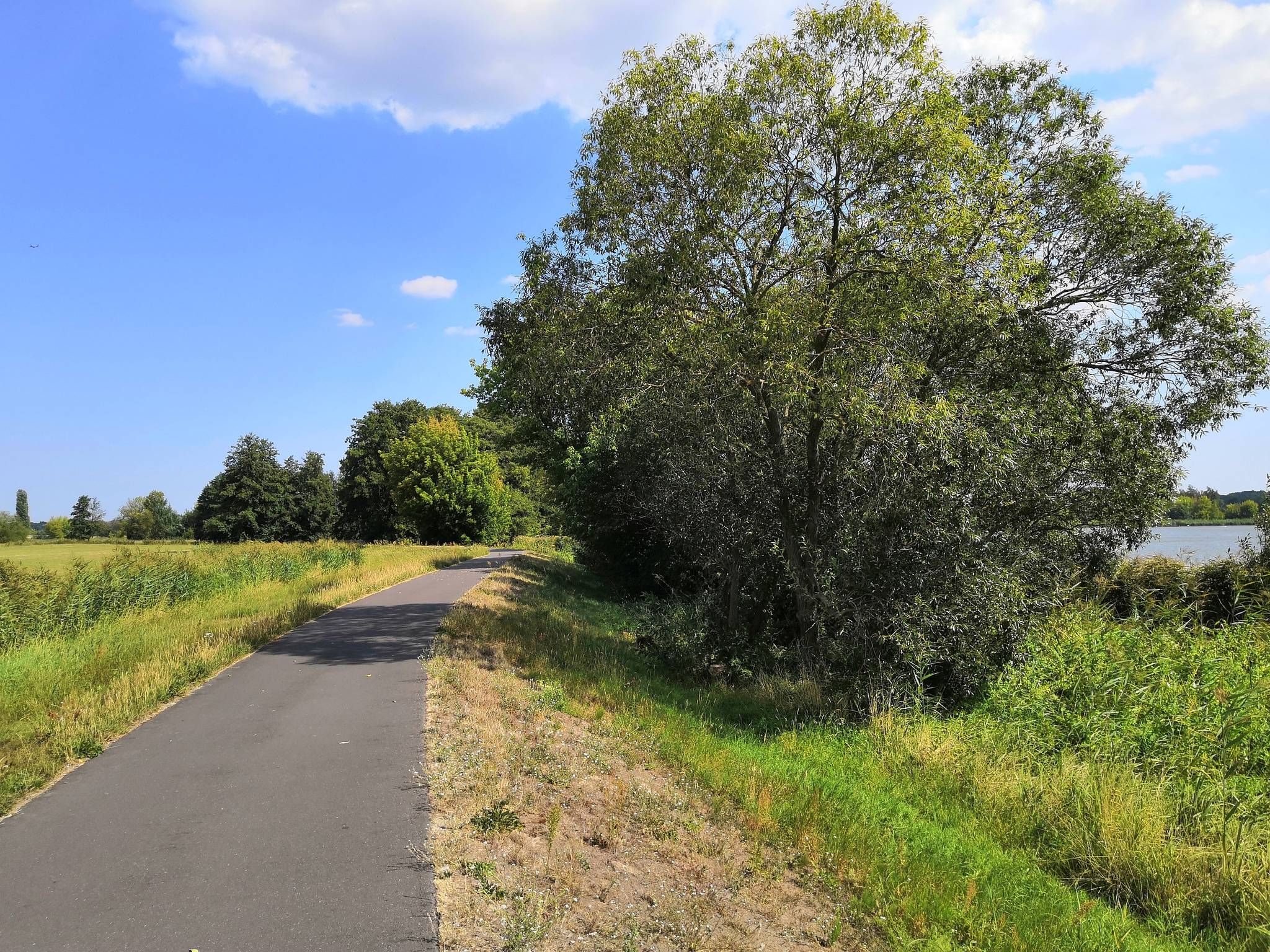
The Havel Cycle Path – in 6 stages from its source to its mouth
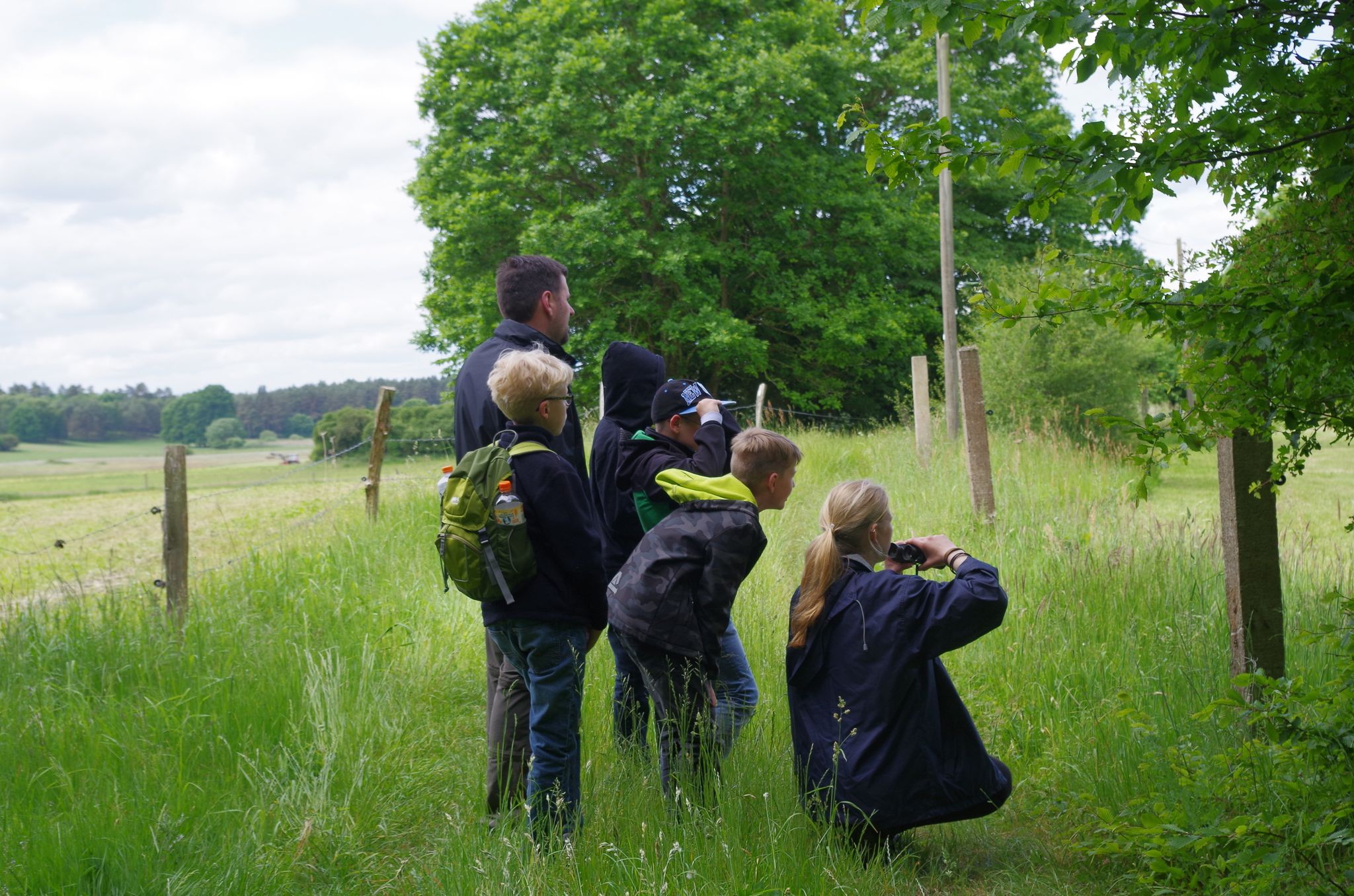
Müritz National Park – Experience trails and hiking tours for families
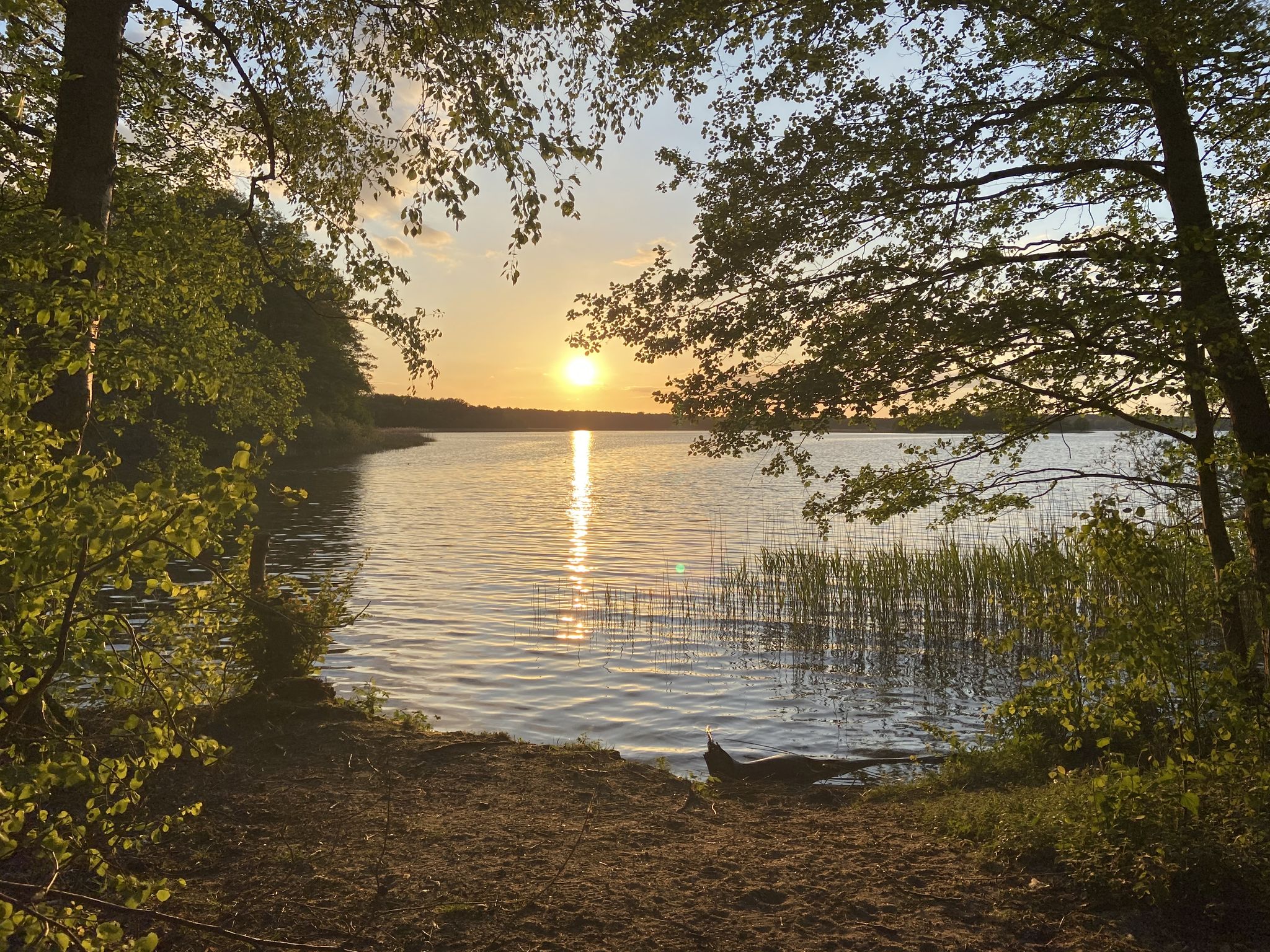
Müritz-Nationalpark – Wanderwege im Müritz-Teil
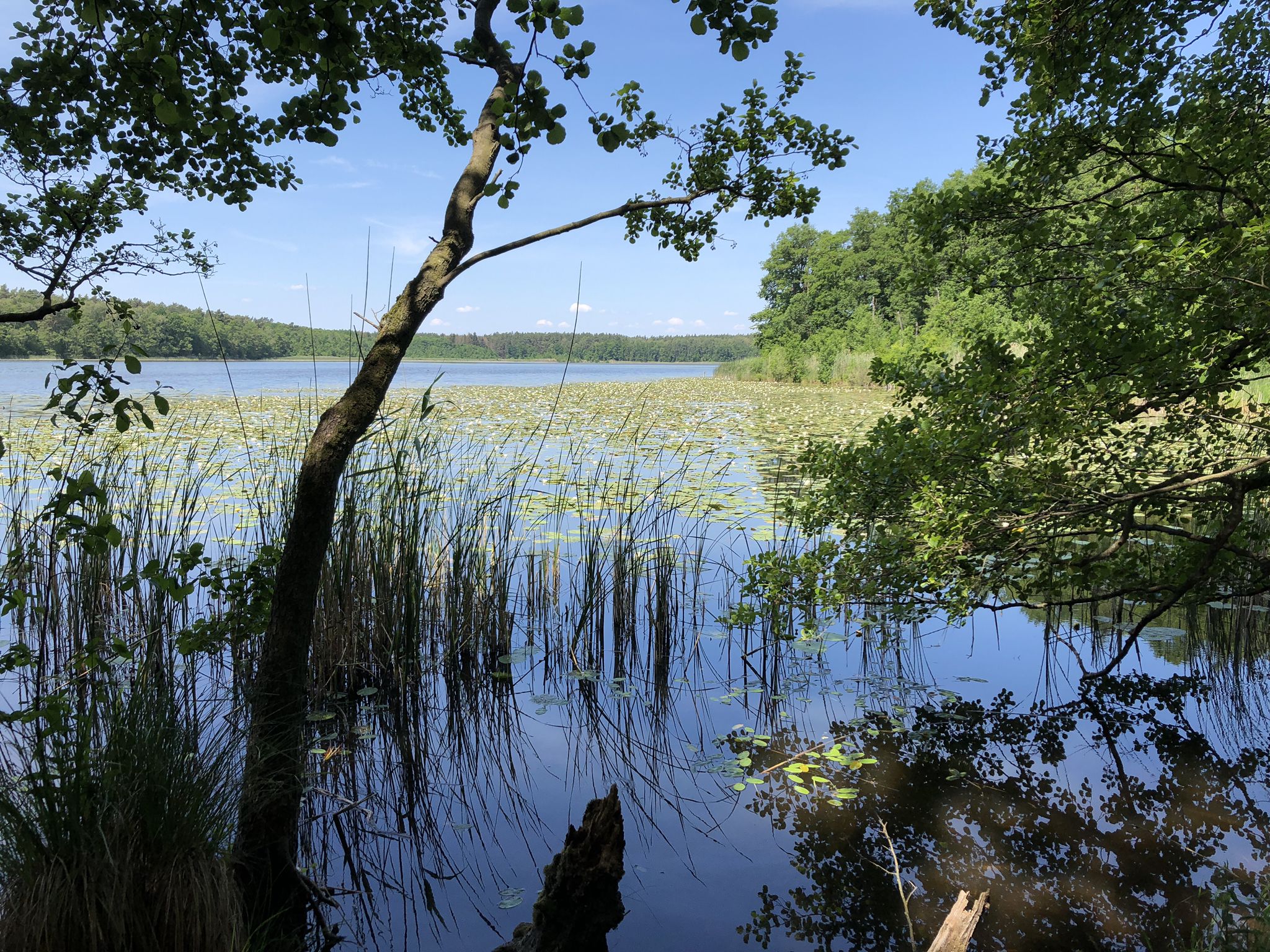
Cycling routes in Müritz National Park
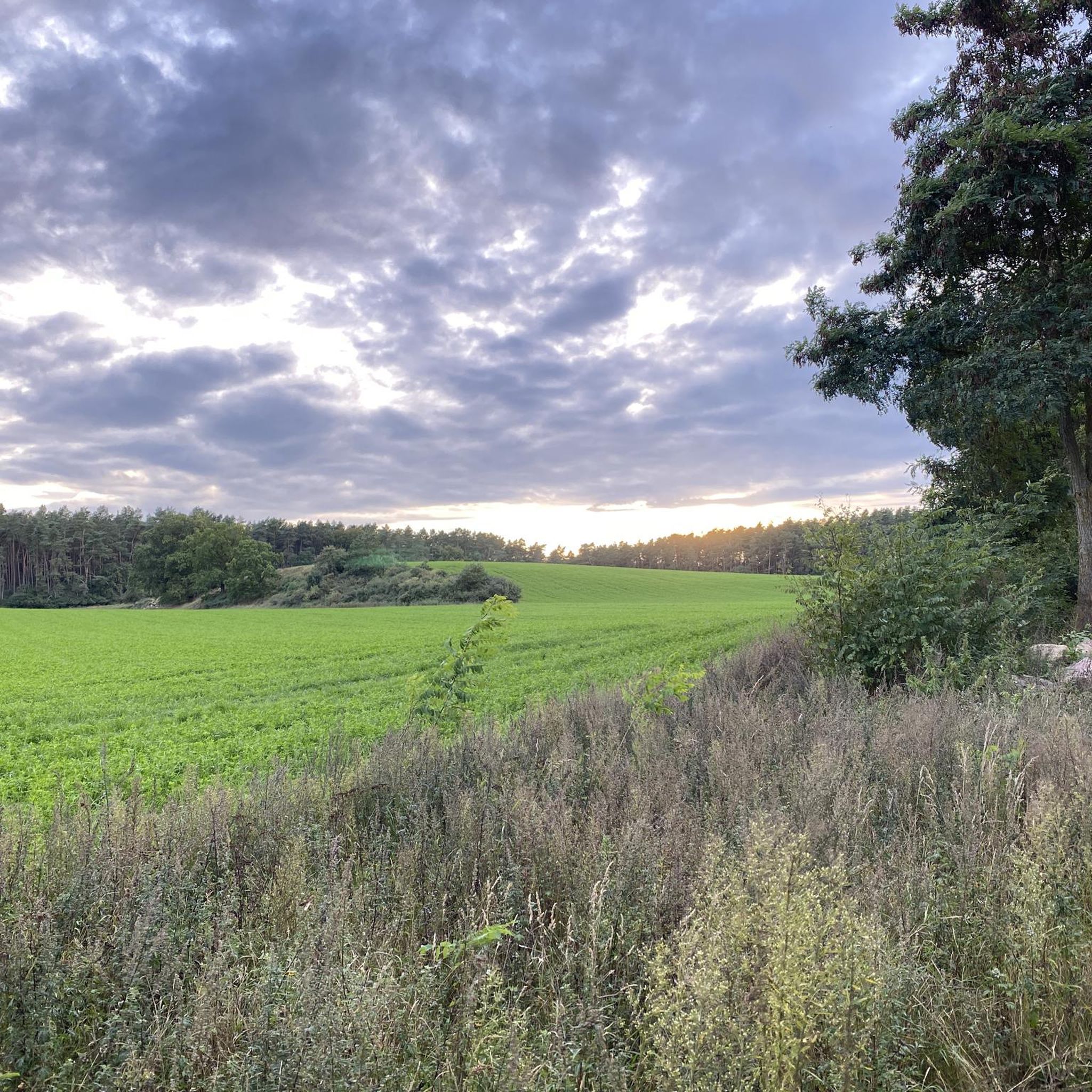
Hiking around Ankershagen
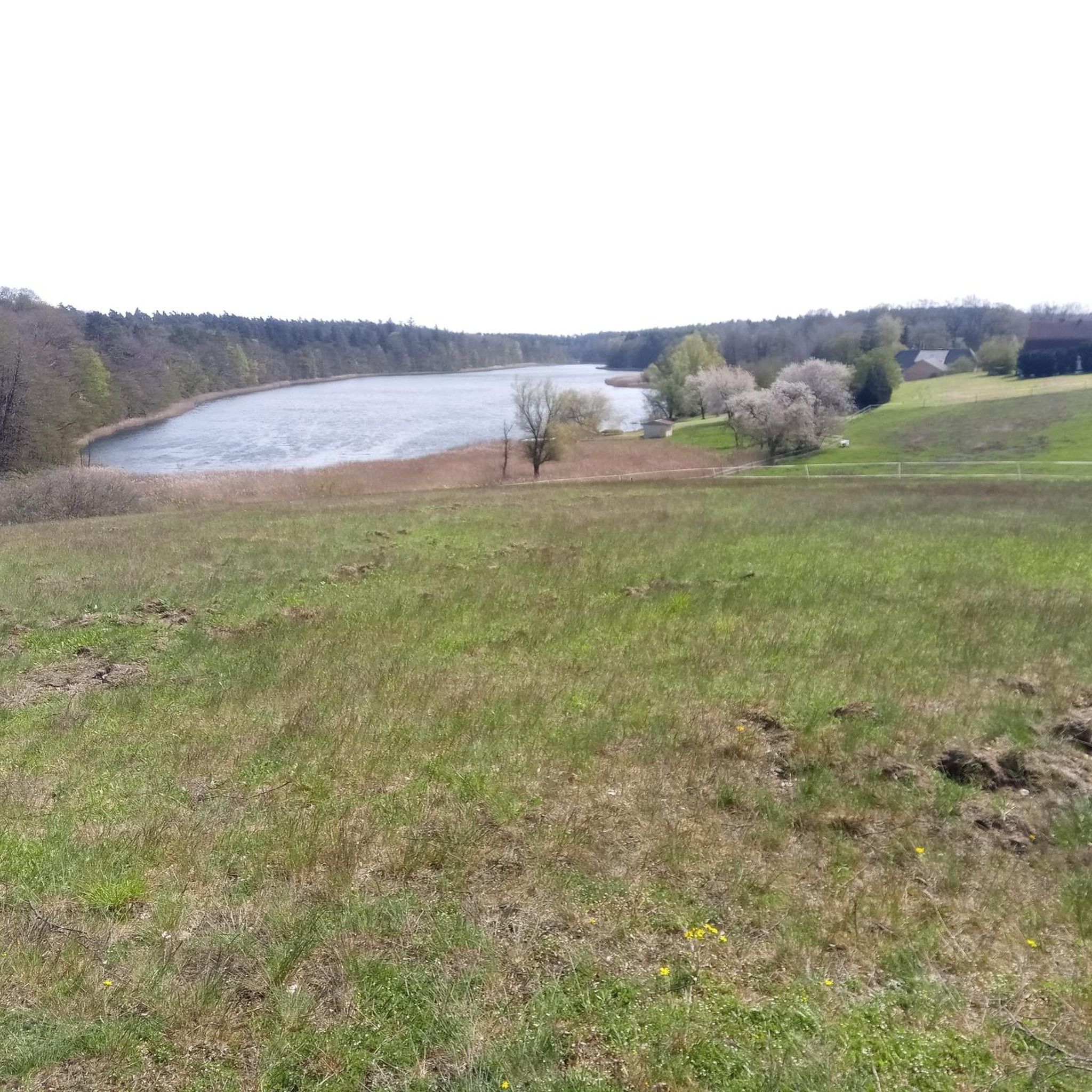
Cycling around Ankershagen
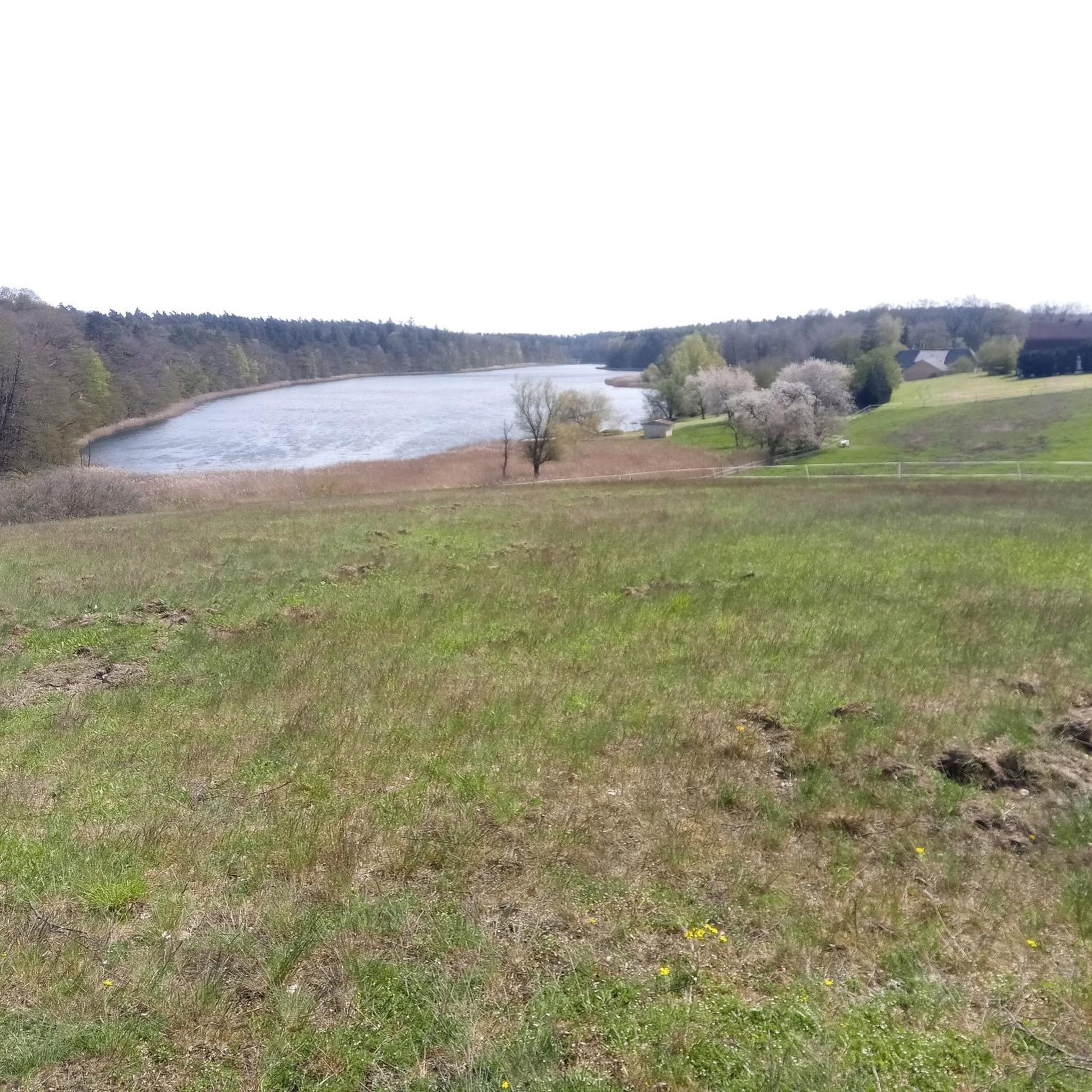
Road Cycling Routes around Ankershagen
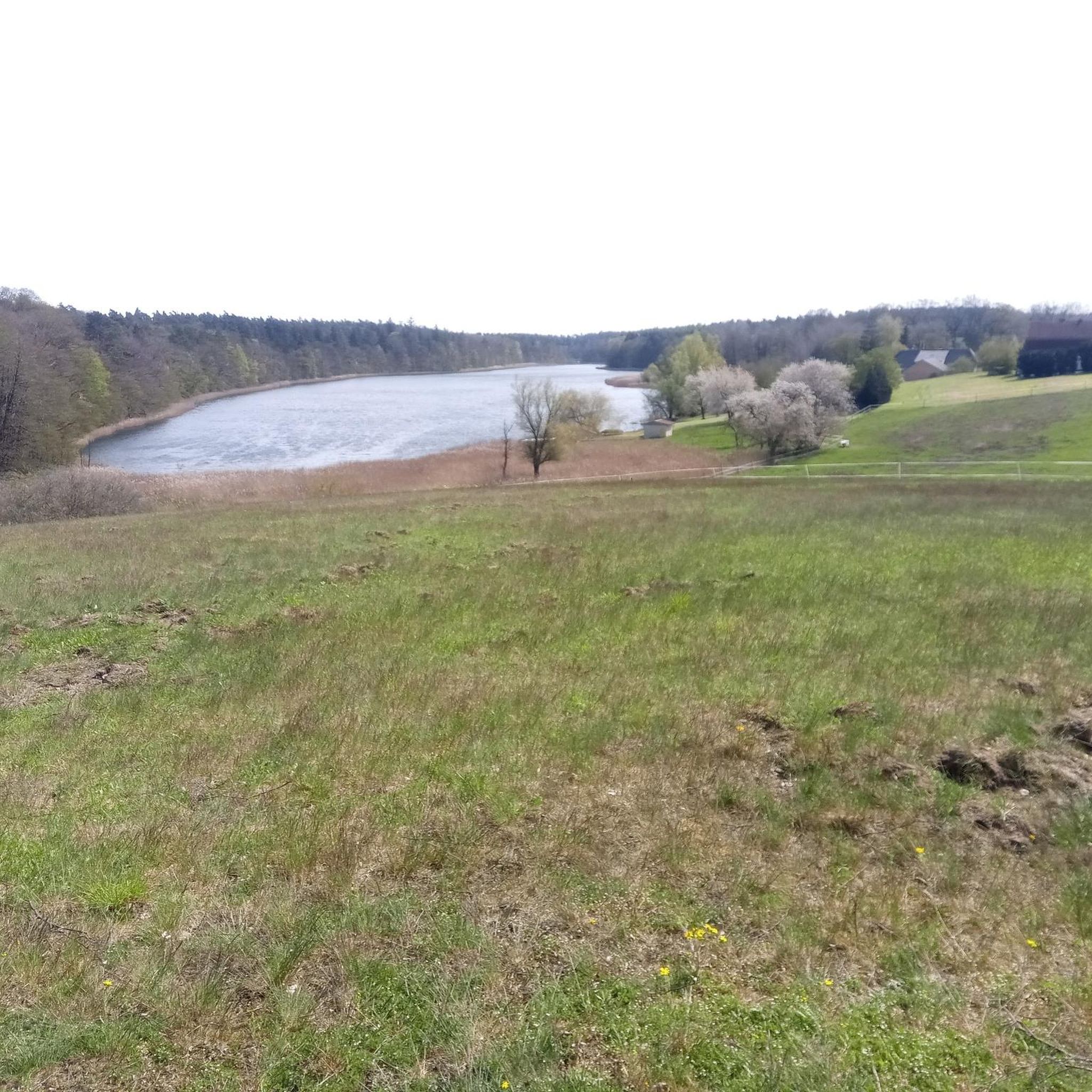
MTB Trails around Ankershagen
Running Trails around Ankershagen
Gravel biking around Ankershagen
Other adventures around Ankershagen


Tips from the Community

The Mühlensee is located in the Müritz National Park and is considered one of the source waters of the Havel. It is very close to nature and has clean, clear water. At the moment (June 2024) the jetty near the source of the Havel is blocked with a barrier...risk of accidents?? 🤷♂️
2
0
The Mühlensee is located in the Müritz National Park and is considered one of the source waters of the Havel. It is very close to nature and has clean, clear water. At the moment (June 2024) the jetty near the source of the Havel is blocked with a barrier...risk of accidents?? 🤷♂️
2
0
The Bornsee, Trinnensee, and Mühlensee were the original source lakes of the Havel River. To power a watermill, a dam was built on the southern shore of the Mühlensee in the Middle Ages, and the lake's water was diverted via the Mühlenbach stream toward Ankershagen. After further human intervention, the Havel source was relocated to its current location in 2007. Stones and information boards at the source provide information about the river's course.
4
0
The Bornsee, Trinnensee, and Mühlensee were the original source lakes of the Havel River. To power a watermill, a dam was built on the southern shore of the Mühlensee in the Middle Ages, and the lake's water was diverted via the Mühlenbach stream toward Ankershagen. After further human intervention, the Havel source was relocated to its current location in 2007. Stones and information boards at the source provide information about the river's course.
3
0

Where the sea eagle circles in an endless sky, the osprey dives into the lake from dizzying heights and the trumpeting of cranes accompanies the spring and autumn of each year, is a landscape that reminds us of fairy tales and stories of days gone by. With its vast forests, glittering lakes and wondrous moors, it has something original, even wild, about it that awakens our awe of nature.
8
0

Ambitious cyclists will be rewarded with breathtaking views of the lake landscapes. The cycle paths in the national park are well-developed and easy to navigate. Moderate climbs and gentle descents on some great sections make this tour a truly memorable experience. Highly recommended. A very beautiful route through the national park, with easy-to-ride sections. The diverse landscape is a paradise for cyclists. It's worth it!
5
1

Extending over large parts of the Mecklenburg Lake District and the Feldberg Lake District, the national park is a paradise for nature lovers and cyclists. The journey through the national park is an unforgettable experience that is characterized by the diversity of landscapes: dense forests, crystal-clear lakes and extensive moorland landscapes offer a backdrop that invites you to pause and marvel. The “organic noise” – the concert of birdsong, the rustling of the leaves and the rippling of the water – is a blessing for the soul and provides a unique relaxing effect. The cycle paths in the national park are excellently developed and lead through some of the most beautiful corners of the region. Although the direct shore areas of the lakes are often hidden by trees and bushes, there are always breathtaking views of the water landscapes. A detour by canoe is a good way to explore the lake landscape from the water. Paddling through the calm waters, surrounded by untouched nature, is a highlight that should not be missed. The Müritz National Park is not only a place for relaxation and enjoyment of nature, but also a paradise for active holidaymakers. In addition to cycling and paddling, numerous hiking trails invite you to explore the region on foot and take in the silence of nature.
3
2

The Havel spring was built in 2007 south of the Mühlensee and symbolizes the beginning of the Havel as a 334 km long river through northeastern Germany. The most important cities and towns along the Havel's course are represented by coats of arms. The Havel spring is difficult to find because sufficient water must accumulate in its extensive source area before the Havel "springs." Since the Havel source area receives very little rainfall, averaging 580 mm per year, water is needed from the large area from Freidorf to Kratzeburg until a constant flow of water is established. Due to human intervention in this area since the Middle Ages, the source of the Havel – and thus also the watershed between the North Sea and the Baltic Sea – has been altered several times. The most significant measure was the breakthrough at the Mühlensee, located 3 km to the north, which was probably carried out in the 16th century. Since then, water from the Bornsee, Trinnensee, and Mühlensee lakes flowed toward Ankershagen to power a watermill there. This caused the southern outflow to dry up, so that Dambecker See was considered the source of the Havel for a long time. Through land reclamation work in the 19th and 20th centuries, the source area was relocated northward toward Diekenbruch. Since 2004, this moor has been restored to its natural state. The dam between Mühlensee and Diekenbruch, along which the road from Ankershagen to Ulrichshof runs, forms the watershed between the North Sea and the Baltic Sea. The Havel spring, built here in 2007, is now a popular tourist destination. https://www.mecklenburgische-seenplatte.de/reiseziele/havelquelle
3
0
Frequently Asked Questions
What are some popular natural monuments to visit around Ankershagen?
Beyond the well-known highlights, visitors frequently enjoy exploring the Forest trails in Müritz National Park for their well-maintained paths and direct experience of nature. The Müritz National Park bike trail is also highly rated for its relaxed exploration opportunities and scenic views. For panoramic vistas, the Käflingsberg Observation Tower offers a fantastic perspective over the national park and surrounding lakes.
What kind of natural landscapes can I expect to see around Ankershagen?
The region around Ankershagen, situated at the entrance to Müritz National Park, offers diverse landscapes shaped by the Vistula Ice Age. You'll find extensive forests, numerous lakes, and wetlands. Specific natural features include the unique moorland at Specker See Moorland, and the serene setting of the Havel River Source and Mühlensee.
What do visitors enjoy most about the natural monuments in this region?
Visitors particularly appreciate the tranquil natural beauty and the extensive opportunities for outdoor activities. Many highlight the well-maintained cycling and hiking paths that allow for deep immersion in untouched landscapes and wildlife observation. The chance to witness ancient, monumental trees like the Ivenack Oaks and gain bird's-eye views from observation towers are also frequently mentioned as captivating experiences.
Are there good hiking opportunities near the natural monuments around Ankershagen?
Yes, there are excellent hiking opportunities. You can explore routes like the 'Source of the Havel – Bench with a View of Mühlensee loop from Ankershagen' or the 'Mühlensee bathing area – Bench with a View of Mühlensee loop from Havelquelle Parkplatz'. These trails offer a chance to experience the natural beauty up close. Find more hiking routes in the area on the Hiking around Ankershagen guide.
Can I go cycling to explore the natural monuments?
Absolutely. The region is very cyclist-friendly, with many dedicated paths. The Müritz National Park bike trail is a prime example, offering relaxed exploration with rest areas. You can also find routes like the 'Müritz National Park – National Park Village Granzin loop from Ankershagen'. For more cycling options, check out the Cycling around Ankershagen guide.
Are there family-friendly natural monuments or activities in the Ankershagen area?
Many natural monuments in the area are suitable for families. The Müritz National Park itself offers easy-to-navigate paths and diverse landscapes for all ages. The Käflingsberg Observation Tower is also a popular family destination, providing an exciting climb and rewarding views. The Havel River Source and Mühlensee also offer serene settings for family walks and relaxation.
Are the trails around Ankershagen's natural monuments suitable for dogs?
While specific dog-friendly designations vary, many trails within the Müritz National Park and around the natural monuments are generally accessible for dogs on a leash. It's always recommended to observe local signage and regulations, especially in protected areas, to ensure a pleasant experience for everyone and to protect wildlife.
Where can I find unique ancient trees or historical natural sites?
For a truly unique experience, visit the Ivenack Oaks National Natural Monument. These approximately 1,000-year-old oaks are among the oldest trees in Germany and hold significant cultural and natural historical importance. The site also features a treetop trail and an observation tower. You can learn more about them at visit-mv.com.
What is the Havel River Source, and is it accessible?
The Havel River Source (Havelquelle) is the origin of the Havel River, located just a short walk from the Müritz National Park entrance. It's surrounded by spectacular natural scenery and is easily accessible via cycling and hiking paths, making it a great spot for exploration and enjoying nature.
What is the best time of year to visit the natural monuments around Ankershagen?
The natural monuments around Ankershagen are beautiful year-round, but spring and autumn are particularly popular. Spring offers blooming flora and active wildlife, while autumn provides stunning fall foliage. Summer is ideal for cycling and enjoying the lakes, though it can be busier. Even in winter, the frosted landscapes offer a unique, tranquil experience, especially for quiet walks.
Are there viewpoints or observation towers to get a better perspective of the landscape?
Yes, the Käflingsberg Observation Tower is a prominent viewpoint, offering panoramic views over the Müritz National Park, the Müritz lake, and other smaller lakes. Additionally, the Ivenack Oaks National Natural Monument features a 40-meter-high observation tower, providing unique perspectives of the ancient oaks and Lake Ivenack.
Are there any wetlands or moorlands to explore?
Yes, the Specker See Moorland is a unique and important biotope within the Müritz National Park. This area, once drained, has been restored to its natural moorland state, allowing visitors to observe a typical moor landscape from the nearby bike path.
Most popular routes around Ankershagen
Most popular attractions around Ankershagen

Get inspired with the komoot mobile app


Explore more
Extend your search for the best caves by checking out these guides of the top ones around Ankershagen:
