Top 3 Natural Monuments around Kieve
Best natural monuments around Kieve include diverse landscapes such as restored moorlands, tranquil lakes, and ancient trees. The region features natural reserves and areas dedicated to ecological diversity and climate protection. These sites offer opportunities to observe local wildlife and enjoy peaceful natural settings. Kieve's natural monuments provide varied experiences for outdoor enthusiasts.
Top natural monuments around Kieve
- The most popular natural monuments is Swimming Area at Lake Schweinrich, a lake that offers a quiet bathing area. It is…
Last updated: May 12, 2026
Polder Kieve
Highlight • Natural
Translated by Google •
Tip by

Mönchsee Observation Tower
Highlight • Viewpoint
Translated by Google •
Tip by

Sign up now to discover places like this
Get recommendations on the best single tracks, peaks, & plenty of other exciting outdoor places.
Sign up for free
Swimming Area at Lake Schweinrich
Highlight • Lake
Translated by Google •
Tip by

Thousand-Year-Old Oak Minzow
Highlight (Segment) • Natural Monument
Translated by Google •
Tip by

Dead Tree Insect Habitat
Highlight • Natural
Translated by Google •
Tip by

Start today with a free account
Your next adventure awaits.
Login or Signup
Tips from the Community

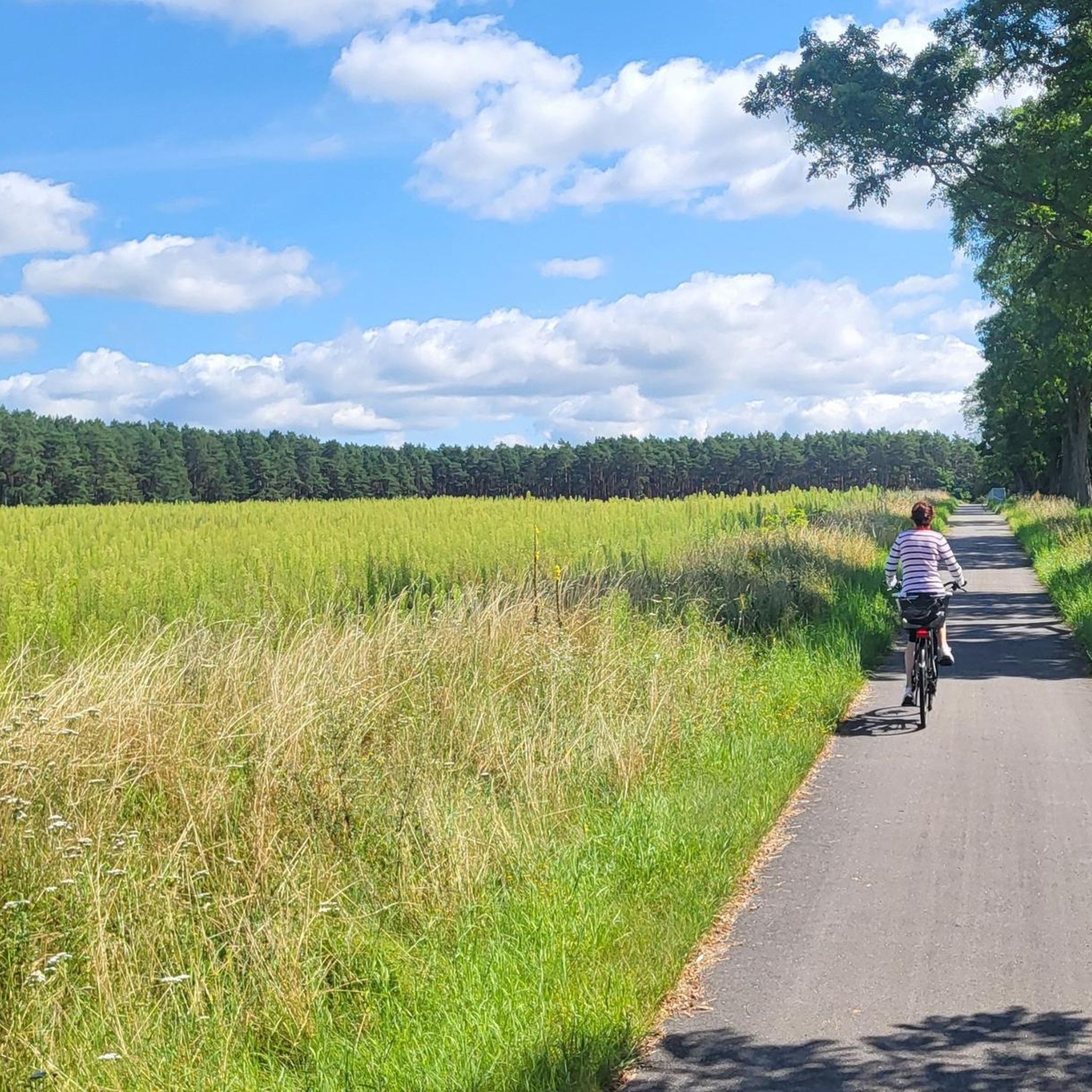
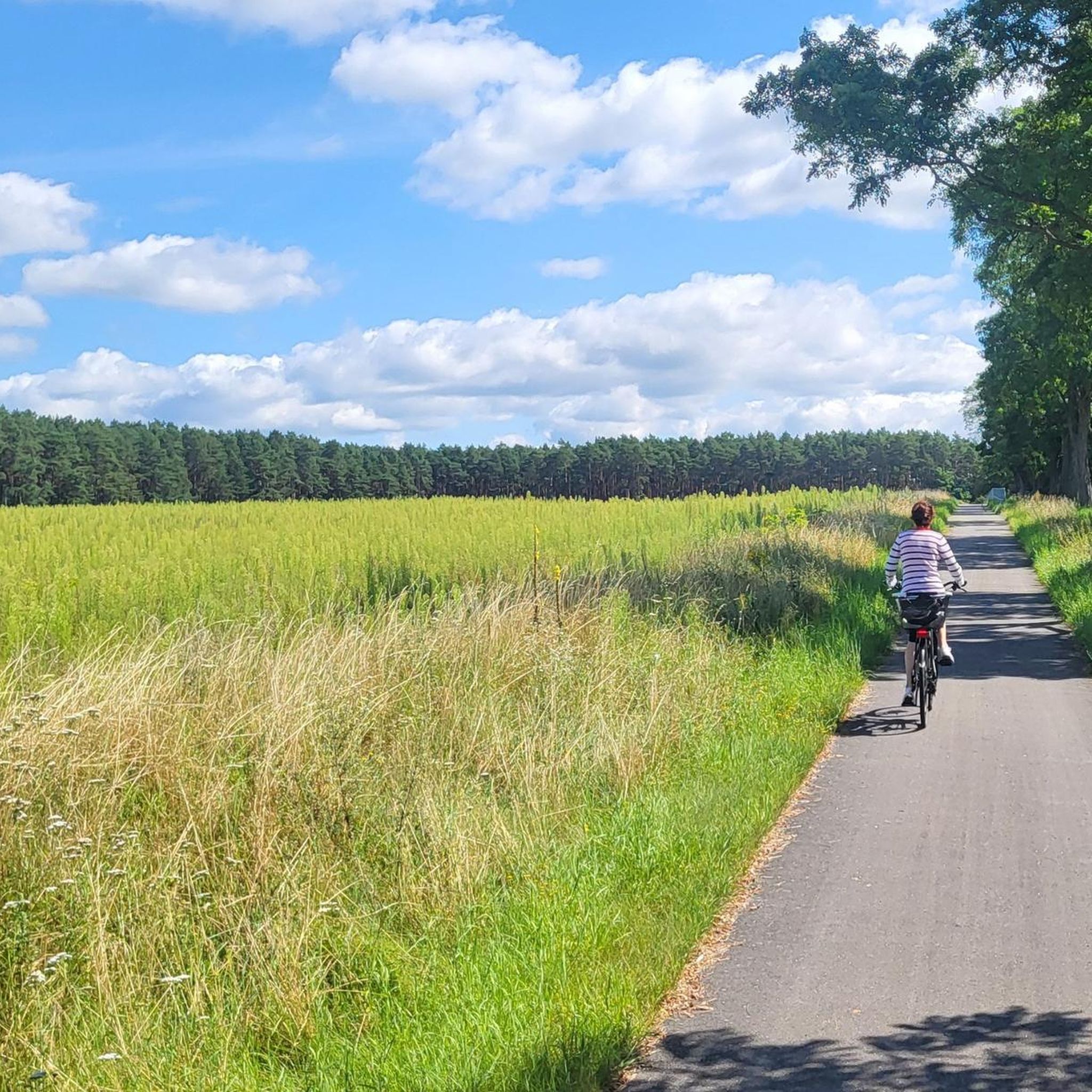
Quiet connecting road between Röbel and Minzow. Good asphalt, very pleasant to drive.
0
0

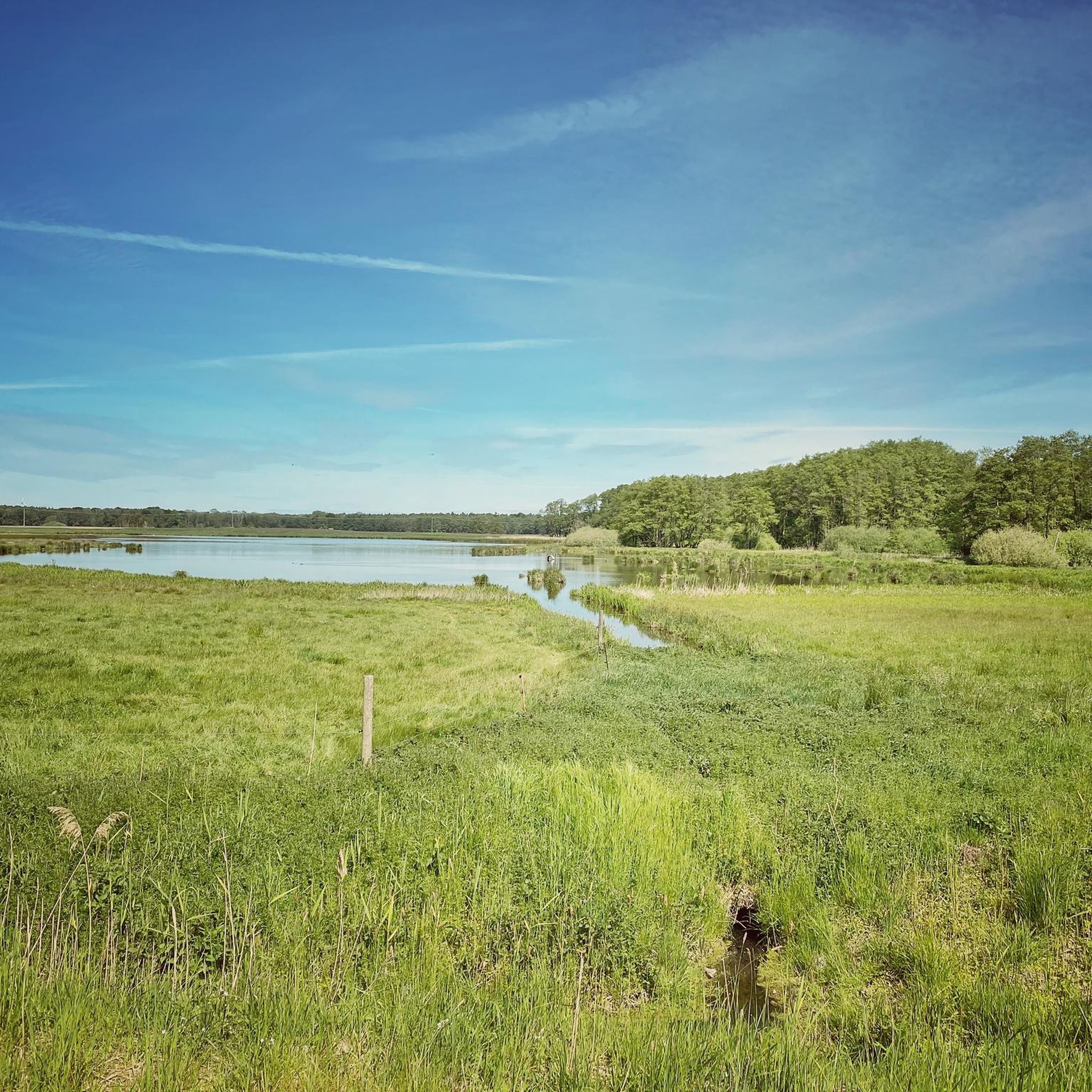
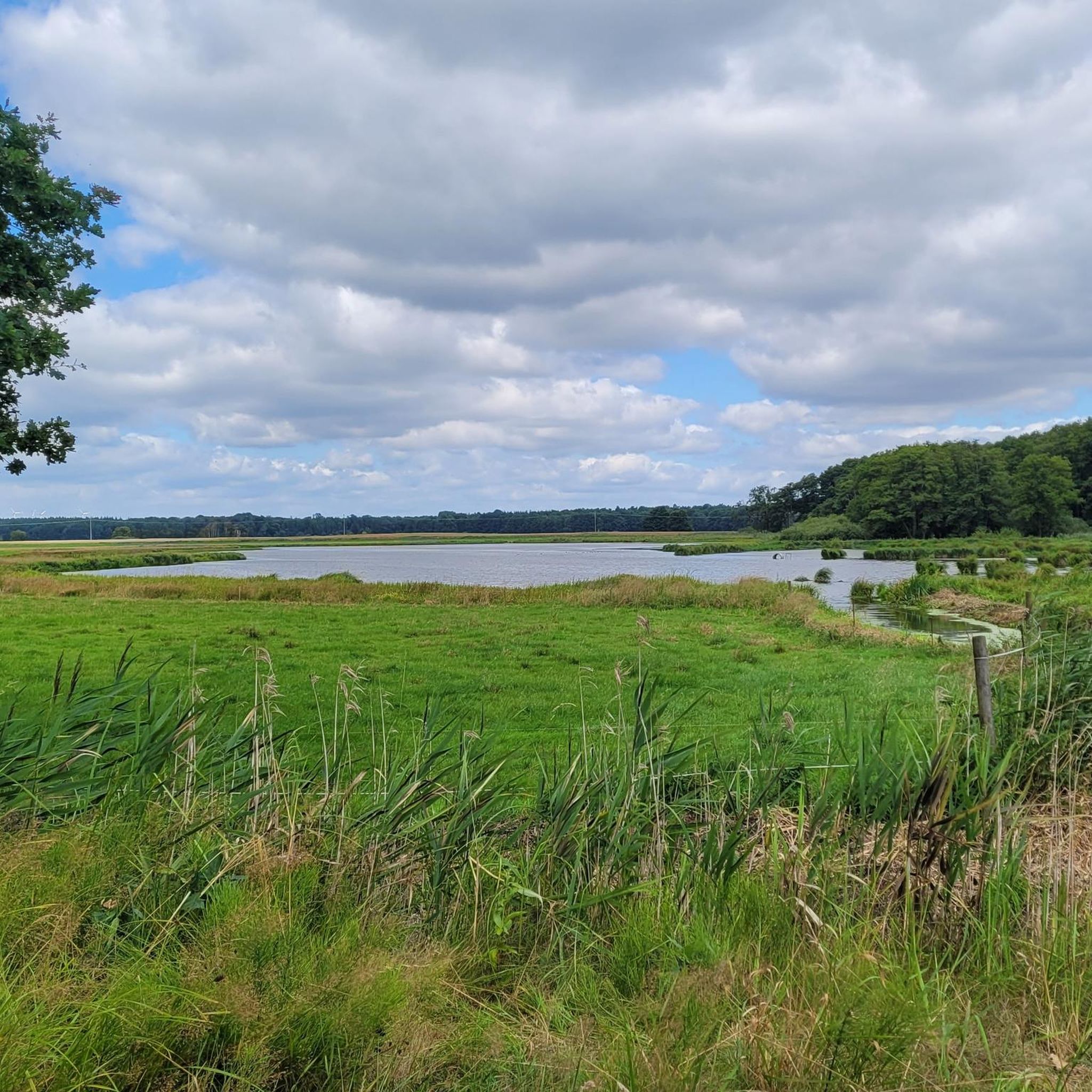
The Kieve Polder is a successful example of modern peatland restoration and active climate protection. The approximately 65-hectare area was intensively used for agriculture until 2012 and was severely affected by drainage. As part of an ambitious project, it was rewetted to restore the natural water balance and halt the decomposition of the peat – a crucial step towards reducing CO₂ emissions. At the same time, the area developed into a diverse habitat: bog plants returned, rare animal species found new habitats, and biodiversity visibly increased. The project was the first of its kind in the world to be financed through MoorFutures certificates, an innovative concept for the voluntary promotion of climate protection measures. Today, the Kieve Polder represents not only ecological regeneration but also a forward-looking interplay of nature conservation, sustainability, and regional responsibility.
0
0
The Kieve Polder is a restored moorland that was rewetted as part of a large-scale climate protection project. The approximately 65-hectare area was previously heavily drained and used for agriculture. When the project began in 2012, the water level was deliberately raised to slow peat decomposition and thereby reduce CO₂ emissions. At the same time, ecological diversity was promoted, as the rewetting led to the return of typical moorland plants and animal species. The project was the first of its kind worldwide to be financed through MoorFutures certificates – an innovative method for supporting voluntary climate protection measures. Today, the Kieve Polder not only contributes to climate protection but also provides a valuable habitat for numerous bird species and is an example of successful moorland restoration.
0
0


+ beautiful scenery + children's playground + water temperature refreshing even on hot days + toilet - lake is overgrown with weeds
0
0
Unfortunately, the tree died and now stands as a dead giant tree on the side of the road. It serves as a shelter for insects and birds. Nature. Everything has a meaning.
0
0

Swans and wild geese can be found here in the evening time.
1
0
Definitely worth a detour. When approaching from Neukrug: There is no path directly across the field, but it is easy to drive along the edge of the forest in autumn. In summer the path is certainly too sandy.
0
0
Frequently Asked Questions
What are some of the most popular natural monuments to visit around Kieve?
For a unique moor-polder landscape, visit Polder Kieve, known for its rewetting project and wildlife like swans and wild geese. The Mönchsee Observation Tower offers stunning views over the Mönchsee nature reserve. If you're looking for a tranquil spot to relax by the water, the Swimming Area at Lake Schweinrich is a well-kept bathing area.
Are there family-friendly natural monuments in the Kieve region?
Yes, several natural monuments are great for families. Polder Kieve is suitable for all ages, offering a chance to observe wildlife. The Swimming Area at Lake Schweinrich provides a quiet spot for families to enjoy the water. Additionally, the Thousand-Year-Old Oak Minzow is an impressive natural landmark that's easy to access, and the Dead Tree Insect Habitat offers an interesting educational stop for children.
What kind of natural features can I expect to see at these monuments?
The Kieve region offers diverse natural features. You can explore unique moor-polder landscapes at Polder Kieve, which is a restored wetland. The Mönchsee Observation Tower provides panoramic views over a lake and nature reserve. You'll also find ancient trees like the Thousand-Year-Old Oak Minzow, and the Dead Tree Insect Habitat showcases the role of decaying wood in the ecosystem.
What outdoor activities can I do near the natural monuments around Kieve?
The Kieve region is excellent for various outdoor activities. You can find numerous routes for gravel biking, cycling, and hiking. Many of these routes pass by or are close to natural monuments, allowing you to combine your activity with sightseeing. For example, the Thousand-Year-Old Oak Minzow is located on a quiet connecting road, perfect for a pleasant cycle.
Are there hiking trails near these natural monuments?
Yes, there are many hiking opportunities in the Kieve area. You can explore a variety of trails, from easy to moderate, that often lead through scenic landscapes and past natural monuments. For detailed routes, check out the hiking guide for Kieve, which includes options like the 'Seehotel Ichlim – Swimming spot at Lake Langhagensee loop' and the 'Max Schmeling Memorial Stone – Nebelsee loop'.
What is the best time of year to visit the natural monuments in Kieve?
The best time to visit largely depends on your preferred activities. Spring and summer are ideal for enjoying the green landscapes, wildlife spotting at Polder Kieve, and swimming at the Swimming Area at Lake Schweinrich. Autumn offers beautiful foliage, while winter can provide a serene, quiet experience, especially for observing the unique natural features from viewpoints like the Mönchsee Observation Tower.
Can I bring my dog to these natural monuments?
Generally, many natural outdoor areas in the Kieve region are dog-friendly, especially for walks on trails and in open landscapes. However, specific rules may apply in designated nature reserves or bathing areas. It's always best to keep your dog on a leash and clean up after them. For specific highlights like Polder Kieve or the Thousand-Year-Old Oak Minzow, dogs are usually welcome.
Are there any hidden gems among the natural monuments in Kieve?
While not widely advertised, the Swimming Area at Lake Schweinrich is often considered an 'insider tip' for its quiet and well-kept environment. The Dead Tree Insect Habitat also offers a unique perspective on nature's cycle, serving as a shelter for insects and birds, which might be a less conventional but interesting stop.
What makes Polder Kieve a significant natural monument?
Polder Kieve is significant as a restored moorland that was rewetted as part of a large-scale climate protection project. This initiative aimed to slow peat decomposition and reduce CO₂ emissions, while also promoting ecological diversity. It's a valuable habitat for numerous bird species, including swans and wild geese, and an example of successful moorland restoration.
What can I expect to see from the Mönchsee Observation Tower?
From the Mönchsee Observation Tower, you can expect a wonderful view of the Mönchsee nature reserve. It's a perfect spot to linger and enjoy pure nature, offering panoramic vistas of the lake and its surrounding protected landscape.
How accessible are these natural monuments by public transport or car?
Accessibility varies by location. While some natural monuments like the Thousand-Year-Old Oak Minzow are easily reachable via quiet connecting roads, making them convenient for cyclists and drivers, others might require a short walk from the nearest public transport stop or parking area. For specific details on parking and public transport, it's advisable to check local information for each monument.
Are there any facilities available at the natural monuments, such as restrooms or cafes?
Facilities are generally limited at natural monuments to preserve their pristine state. However, the Swimming Area at Lake Schweinrich is noted for being a well-kept bathing area, suggesting some basic amenities might be available. For other locations, it's best to plan ahead and bring your own provisions, as dedicated cafes or restrooms are not typically found directly at the sites.
Most popular attractions around Kieve

Get inspired with the komoot mobile app


Explore more
Extend your search for the best caves by checking out these guides of the top ones around Kieve:
