Top 9 Natural Monuments around Emmelsbüll-Horsbüll
Natural monuments around Emmelsbüll-Horsbüll offer insights into the unique natural landscape of Schleswig-Holstein. The region is characterized by its coastal proximity and efforts in nature conservation, preserving diverse habitats. Visitors can explore polders, coastal areas, and natural water bodies that support local flora and fauna. These natural features provide opportunities for experiencing the area's ecological significance.
Best natural monuments around Emmelsbüll-Horsbüll
- The most popular natural monuments is Rickelsbüller Koog, a natural monument and viewpoint that covers almost 540 hectares…
Last updated: June 25, 2026
Rickelsbüller Koog
Highlight • Natural Monument
Translated by Google •
Tip by

Northernmost point of the German mainland
Highlight • Monument
Translated by Google •
Tip by
Sign up now to discover places like this
Get recommendations on the best single tracks, peaks, & plenty of other exciting outdoor places.
Sign up for free
Vogelkoje Boldixum
Highlight • Structure
Translated by Google •
Tip by

Birdwatching Hut Gotteskoogsee
Highlight • Mountain Hut
Translated by Google •
Tip by

Gotteskoogsee Nature Reserve
Highlight (Segment) • Lake
Translated by Google •
Tip by

Sign up for free to discover even more natural monuments around Emmelsbüll-Horsbüll.
Sign up for free
Already have an account?
Start today with a free account
Your next adventure awaits.
Login or Signup
Tips from the Community

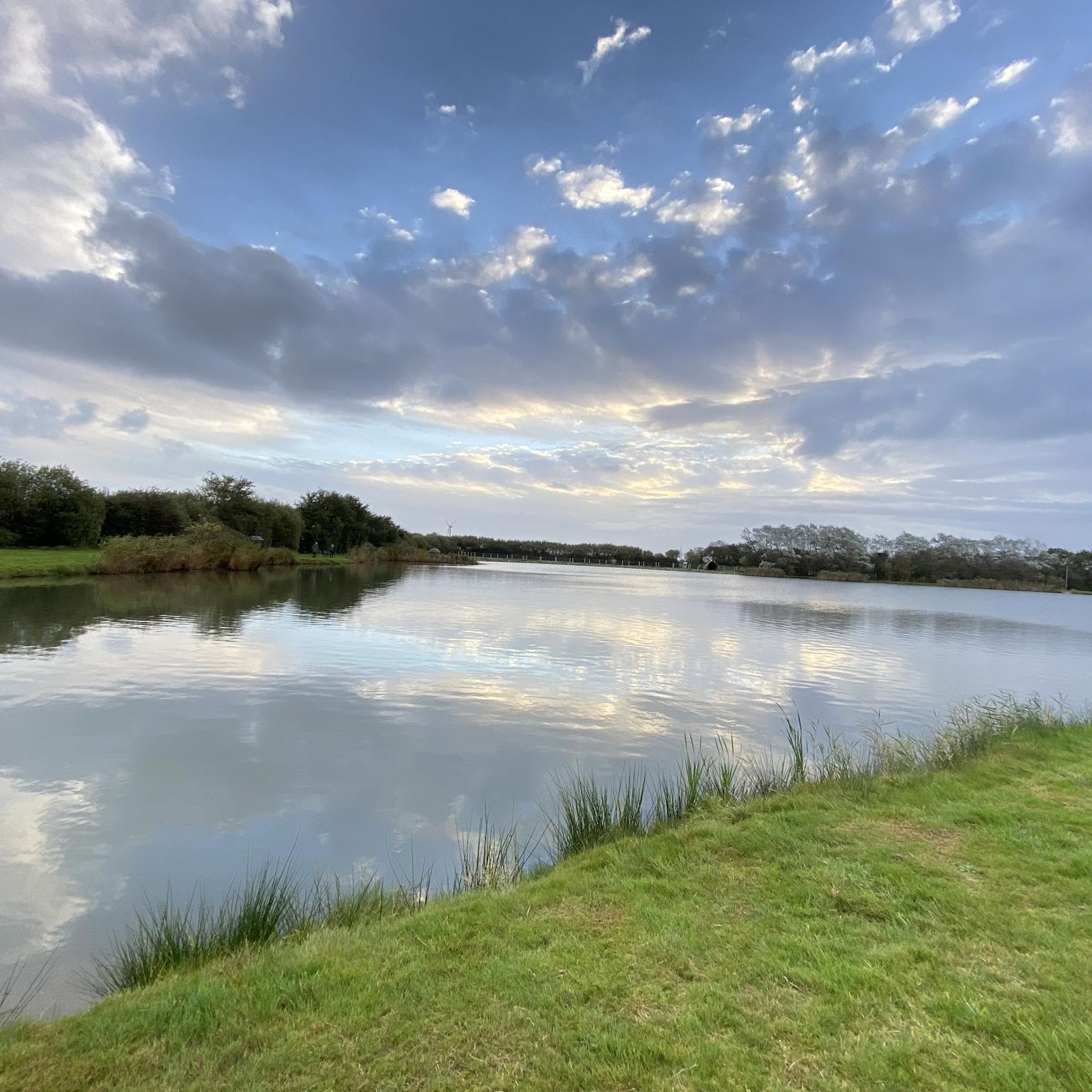
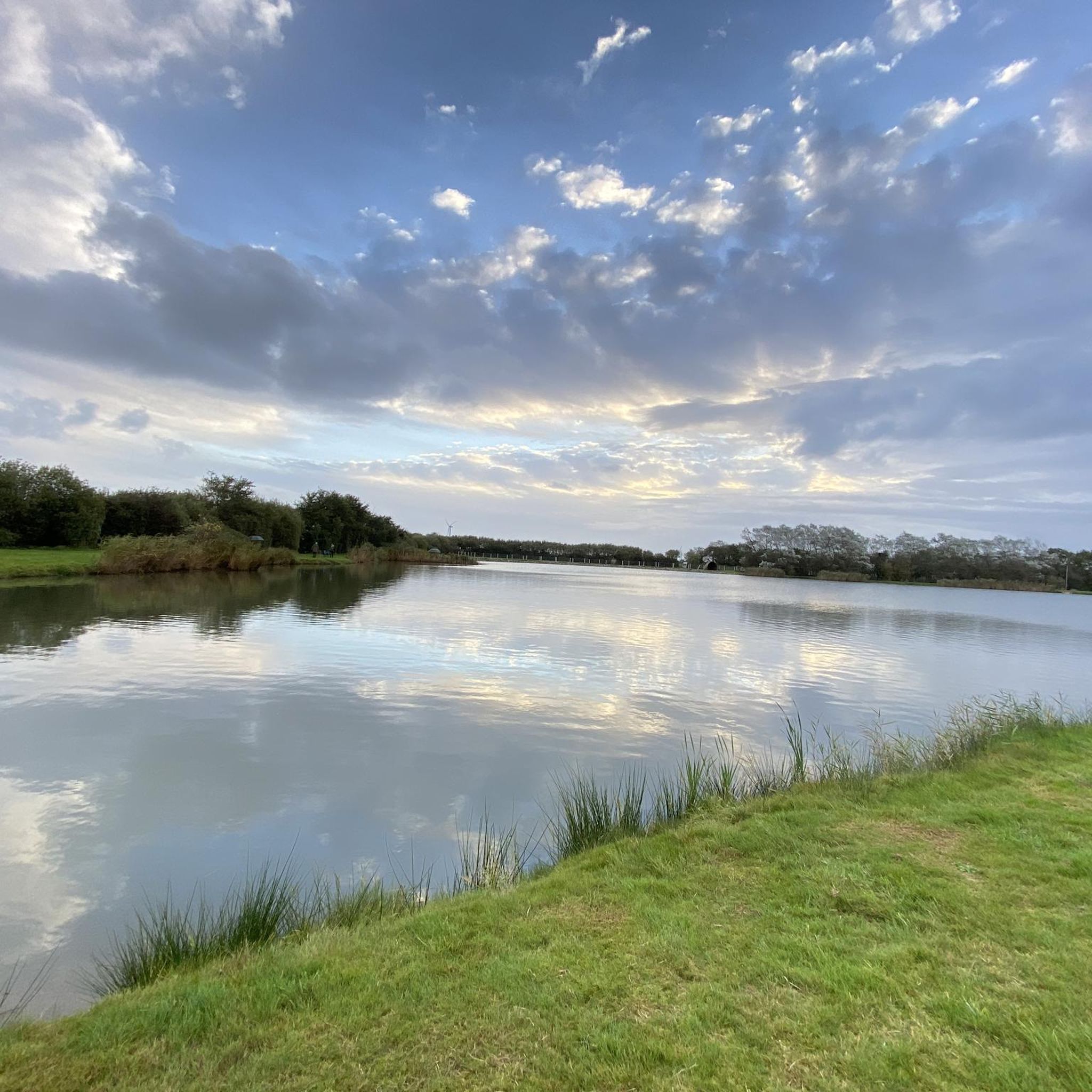
The Gotteskoog was diked more than 400 years ago. It is the largest polder in the district of Nordfriesland. Since 1982, the polder has been undergoing renaturation and is partially being re-watered. More info: https://de.wikipedia.org/wiki/Gotteskoog
0
0

Northernmost point of mainland Germany It's not spectacular, but if you're cycling the North Sea Cycle Route, it's a must-see. Seeing this spot is a must 😉. There's a shelter in the parking lot for shelter in case of rain. There's also information about the dike construction and the Wadden Sea.
2
0

Open Mon-Fri from 10:00 to 12:00. Outside of opening hours, the bridge is raised. Bicycles must be left outside. It's best to park them a few meters away, next to the passage to the main dike. Bird decoys were used for duck hunting.
0
0

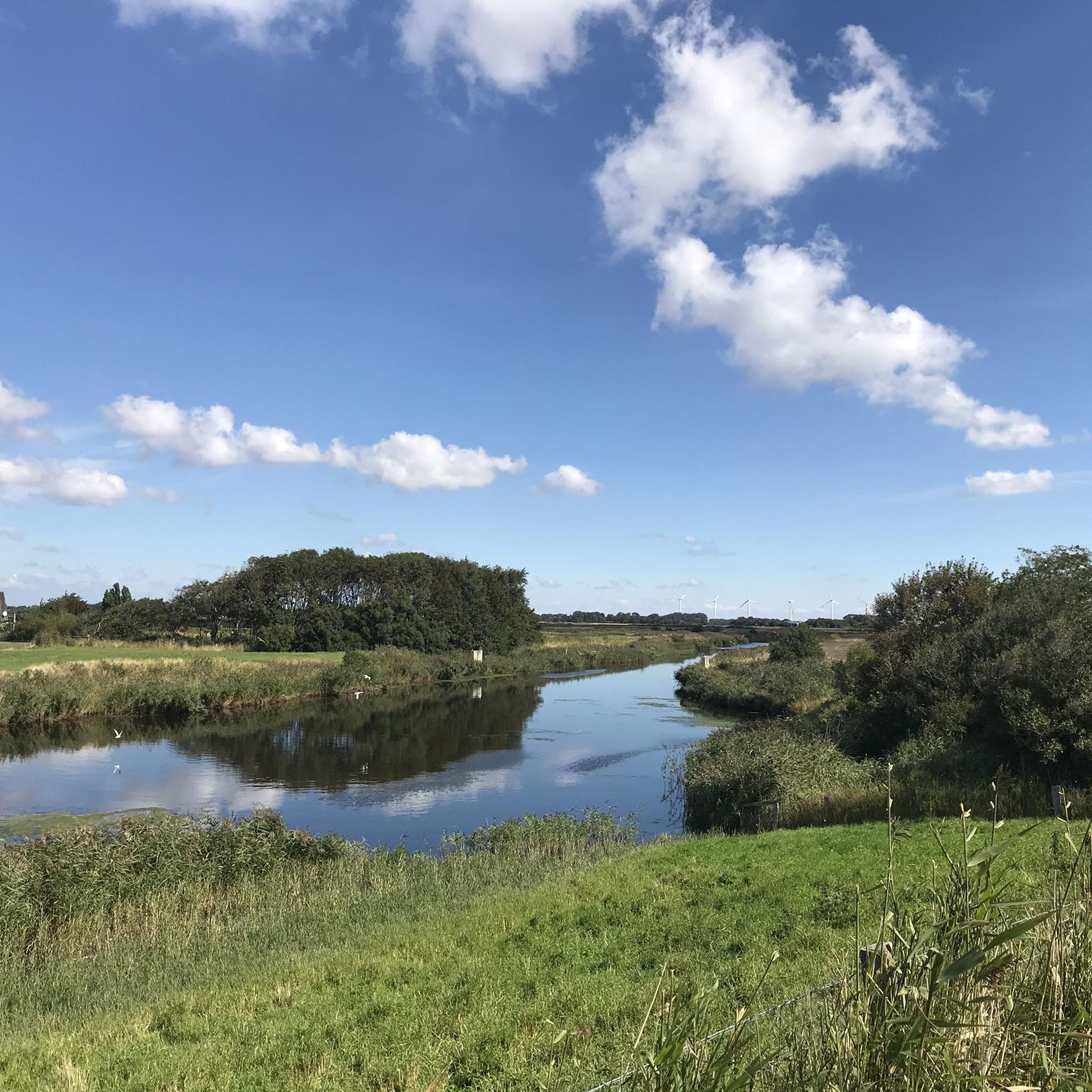
The Rickelsbüller Koog is a nature reserve covering approximately 534 hectares in the North Frisian district – the northwesternmost point of mainland Germany lies there, directly on the border dam near Rodenäs-Markhäuser. Since its embankment in 1981 and official designation as a protected area in 1982, it offers a mosaic of wet meadows, reed beds, and inland waters that developed from the former mudflats and salt marshes. For birdwatchers, the Koog is a true paradise: it is one of the most important resting and breeding areas along the Schleswig-Holstein North Sea coast. Species such as pink-footed goose, barnacle goose, redshank, black-tailed godwit, dunlin, knot, and many more rest and breed here in large numbers. Particularly impressive are the now regular sightings of white-tailed eagles – a testament to the ecological importance of the area. The landscape is crisscrossed by easily accessible dikes and observation points, including an observation hut. Ideal for nature lovers: binoculars are a must to experience the vibrant birdlife in action. The circular trail – for example, part of the "WWF Tour – Boundless Birdlife" – runs approximately 13 km through the area, offering extensive experiences of the open landscape and the opportunity to experience the northernmost point of the mainland. The Koog is accessible via Rodenäs: By bike or car, you can reach a free parking area directly next to the dike via the border road. From there, paths lead into the protected area – the clear landscape, the rich birdlife, and the peacefully flowing border make the destination a special natural location.
2
0
The northernmost point of the German mainland is located in the Rickelsbüller Koog, near Rodenäs in the district of Nordfriesland, Schleswig-Holstein. It marks Germany's outermost land border on the North Sea. Access is via the Norddeich–Sieltoft border crossing, which also serves as a reference point for this extreme point. This is not the absolute northernmost point in Germany—that position is occupied by the Ellenbogen peninsula on Sylt, a peninsula north of List that belongs to the island.
2
0

the landscape with the various flying animals
2
0
Looking over the dike, you can see the Hindenburg Dam to the left and, from time to time, a train passing by. Ahead, the east coast of Sylt with its lighthouse and cliffs. In front, the Wadden Sea is a magnificent sight.
3
0

Perfect way to relax
3
0
Frequently Asked Questions
What types of natural monuments can I explore in Emmelsbüll-Horsbüll?
Emmelsbüll-Horsbüll offers a variety of natural features, including polders, coastal areas, and natural water bodies. You can visit significant bird resting places like Rickelsbüller Koog, or explore unique natural swimming areas such as the Wehle Natural Swimming Area, which formed from a dike break.
Are there any family-friendly natural monuments in the area?
Yes, several natural monuments are suitable for families. The Rickelsbüller Koog is family-friendly, offering birdwatching opportunities. The Northernmost point of the German mainland is also accessible for families, and the Wehle Natural Swimming Area provides a recreational spot with large lawns.
What is the best time to visit Emmelsbüll-Horsbüll for natural monuments?
For birdwatching, spring and autumn are ideal, especially at the Rickelsbüller Koog, when large flocks of migratory and breeding wading birds and waterfowl can be observed. For enjoying natural swimming areas like the Wehle Natural Swimming Area, summer is the best time.
Are there hiking opportunities near the natural monuments?
Yes, you can find several easy hiking trails in the vicinity. For example, the Rickelsbüller Koog can be circumnavigated on foot, a distance of almost 13 km. For more options, explore the Easy hikes around Emmelsbüll-Horsbüll guide, which includes routes like the Südwesthörn Inn – Südwesthörn Coastal Viewpoint loop.
Can I go cycling near the natural monuments in Emmelsbüll-Horsbüll?
Absolutely. The region offers various cycling routes. The Northernmost point of the German mainland is part of the Germany-Denmark border route and the starting point of the North Sea-Baltic Sea cycle path. You can find more options in the Road Cycling Routes around Emmelsbüll-Horsbüll guide.
What historical or geographical landmarks are considered natural monuments here?
The Northernmost point of the German mainland is a significant geographical landmark, bordering the Rickelsbüller Koog. While visually modest, it holds historical and geographical importance. Additionally, the Boldixum Duck Decoy from 1879, though man-made, is recognized for its historical significance within the natural landscape.
Are there any specific spots for birdwatching?
The Rickelsbüller Koog is an important resting place for migratory and breeding wading birds and waterfowl, with a dedicated birdwatching hide. You might also spot a white-tailed eagle here. Another good spot is the Birdwatching Hut Gotteskoogsee, which offers views of a unique natural area.
What should I bring when visiting the natural monuments?
Given the focus on birdwatching and natural landscapes, binoculars are highly recommended for sites like the Rickelsbüller Koog. Comfortable walking shoes are essential for exploring trails, and if visiting the Wehle Natural Swimming Area in summer, swimwear would be appropriate.
Are there any hidden gems or less-known natural attractions?
While not widely publicized, the Birdwatching Hut Gotteskoogsee and its surroundings are considered one of the most unique and beautiful natural areas in Nordfriesland, offering a tranquil experience for nature lovers.
What do visitors enjoy most about the natural monuments in Emmelsbüll-Horsbüll?
Visitors appreciate the diverse habitats and the opportunities for birdwatching, especially at the Rickelsbüller Koog. The historical and geographical significance of the Northernmost point of the German mainland is also a highlight, and the Wehle Natural Swimming Area is loved for its natural beauty and recreational space.
Are there any specific rules or permits needed to visit these natural areas?
Generally, natural monuments in Schleswig-Holstein are accessible for visitors. However, specific areas like the Rickelsbüller Koog, being a nature reserve, may have regulations regarding paths and activities to protect wildlife. Always follow local signage and guidelines. For the Boldixum Duck Decoy from 1879, note its limited opening hours (Monday to Friday, 10 AM to 12 PM).
What kind of flora and fauna can I expect to see?
The region's coastal and marshland ecosystems support diverse flora and fauna. At the Rickelsbüller Koog, you can observe migratory and breeding wading birds and waterfowl, including barnacle geese, wigeons, and dunlins. The area is also known for its rich food supply for birds, and with luck, you might spot a white-tailed eagle.
Most popular routes around Emmelsbüll-Horsbüll
Most popular attractions around Emmelsbüll-Horsbüll

Get inspired with the komoot mobile app


Explore more
Extend your search for the best caves by checking out these guides of the top ones around Emmelsbüll-Horsbüll:
