Top 7 Natural Monuments around Schönwalde
Natural monuments around Schönwalde, a municipality in Brandenburg, Germany, offer unique insights into the region's natural heritage. The area is characterized by diverse natural landscapes, including significant natural reserves like the Döberitzer Heide and parts of the Tegeler Fließ Wetlands. These natural attractions provide opportunities to explore ancient trees, unique geological formations, and expansive rewilded areas.
Best natural monuments around Schönwalde
- The most popular natural monument is Fuchsberg Observation Tower, a viewpoint that offers a wonderful view of the…
Last updated: August 18, 2026
Fuchsberg Observation Tower
Highlight • Viewpoint
Translated by Google •
Tip by

Römerberg
Highlight • Summit
Translated by Google •
Tip by
Sign up now to discover places like this
Get recommendations on the best single tracks, peaks, & plenty of other exciting outdoor places.
Sign up for free
Bridge over the Uecker at Kühlemorgen Nature Reserve
Highlight • Bridge
Translated by Google •
Tip by

Lovers' Path
Highlight • Natural
Behind are other younger trees with signs saying "Name" tree. I could imagine that these people sponsored the trees - but I don't know. I haven't found an explanation
Translated by Google •
Tip by

Glacial Erratics Along the Trail
Highlight • Natural Monument
However, the signs say nothing about the stones but about beetles etc
Translated by Google •
Tip by
Sign up for free to discover even more natural monuments around Schönwalde.
Sign up for free
Already have an account?
Start today with a free account
Your next adventure awaits.
Login or Signup
Tips from the Community

Another old tank bridge. At the end of the 70s I crossed it myself with the T-55 from Stallberg to Kuhlmorgen. At the time Kuhlmorgen was an old, ravaged tank training area and today it is a beautifully renaturalized piece of land. Behind the bridge you can either drive through the heath (most beautiful when it is in bloom) or take the road to Hammer directly along the Uecker.
0
0

Massive and great observation tower with a wonderful view of the valleys. It is particularly beautiful to see when the flowers are in bloom.
5
0

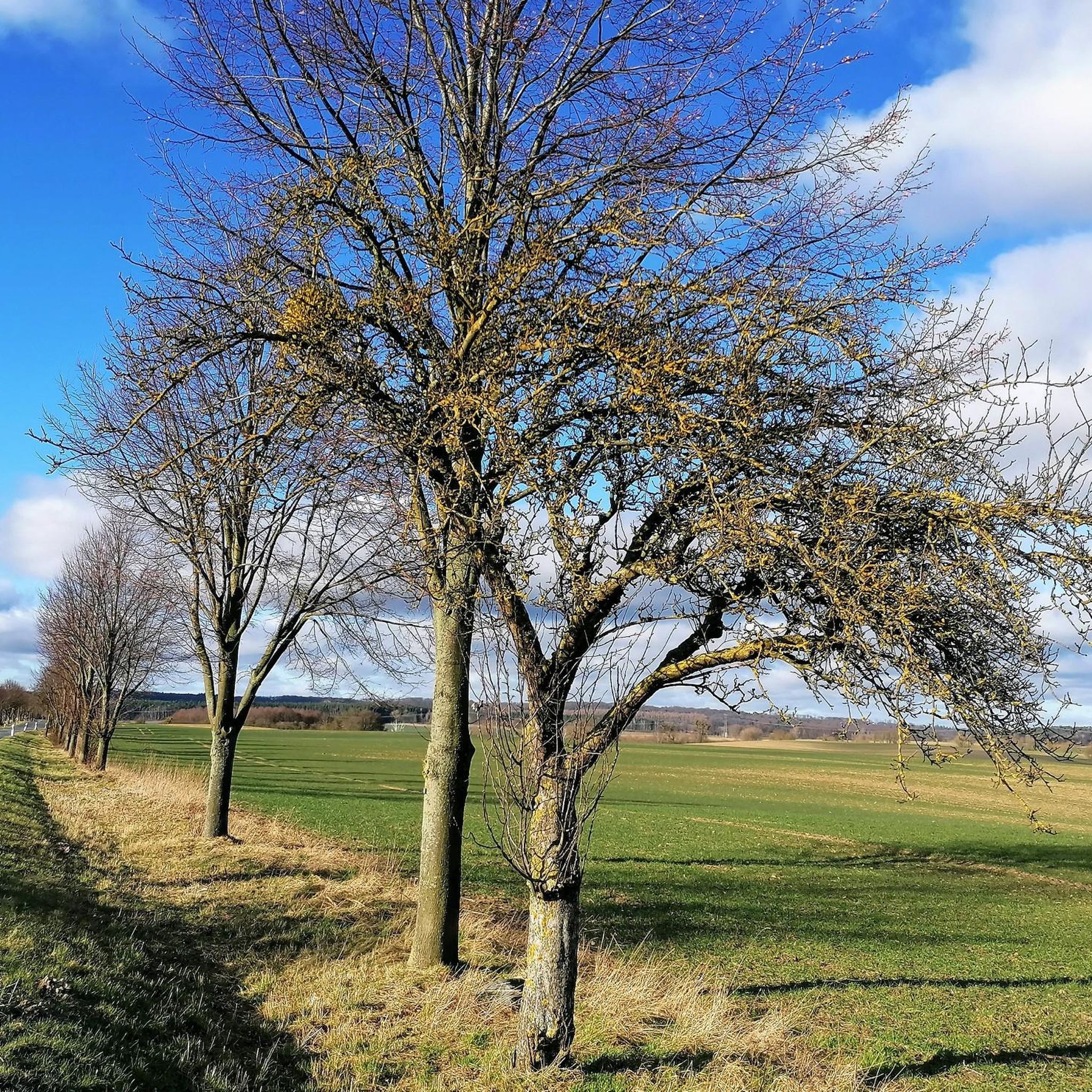
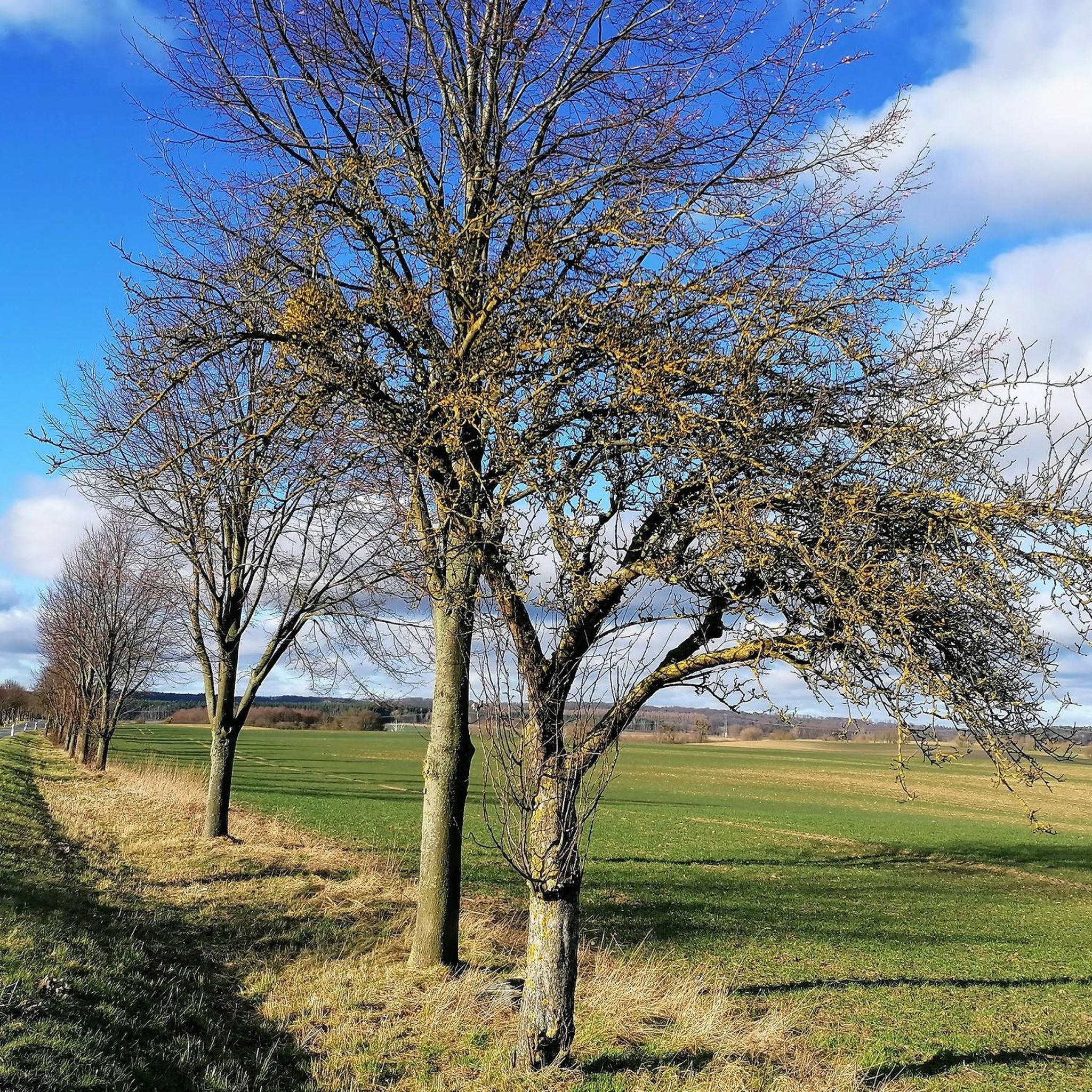
The couple in love are 2 fallen trees Behind are other younger trees with signs saying "Name" tree. I could imagine that these people sponsored the trees - but I don't know. I haven't found an explanation
0
0
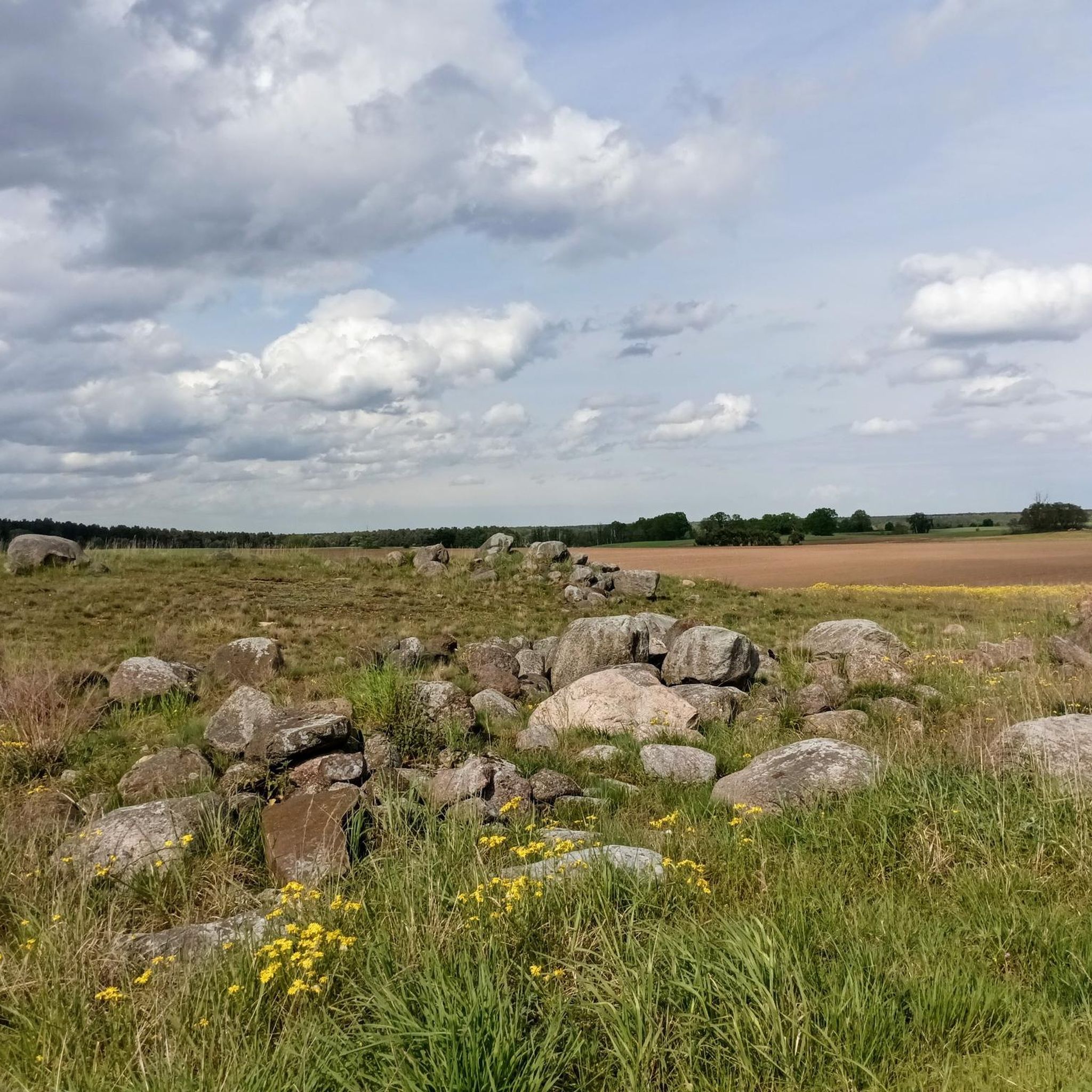
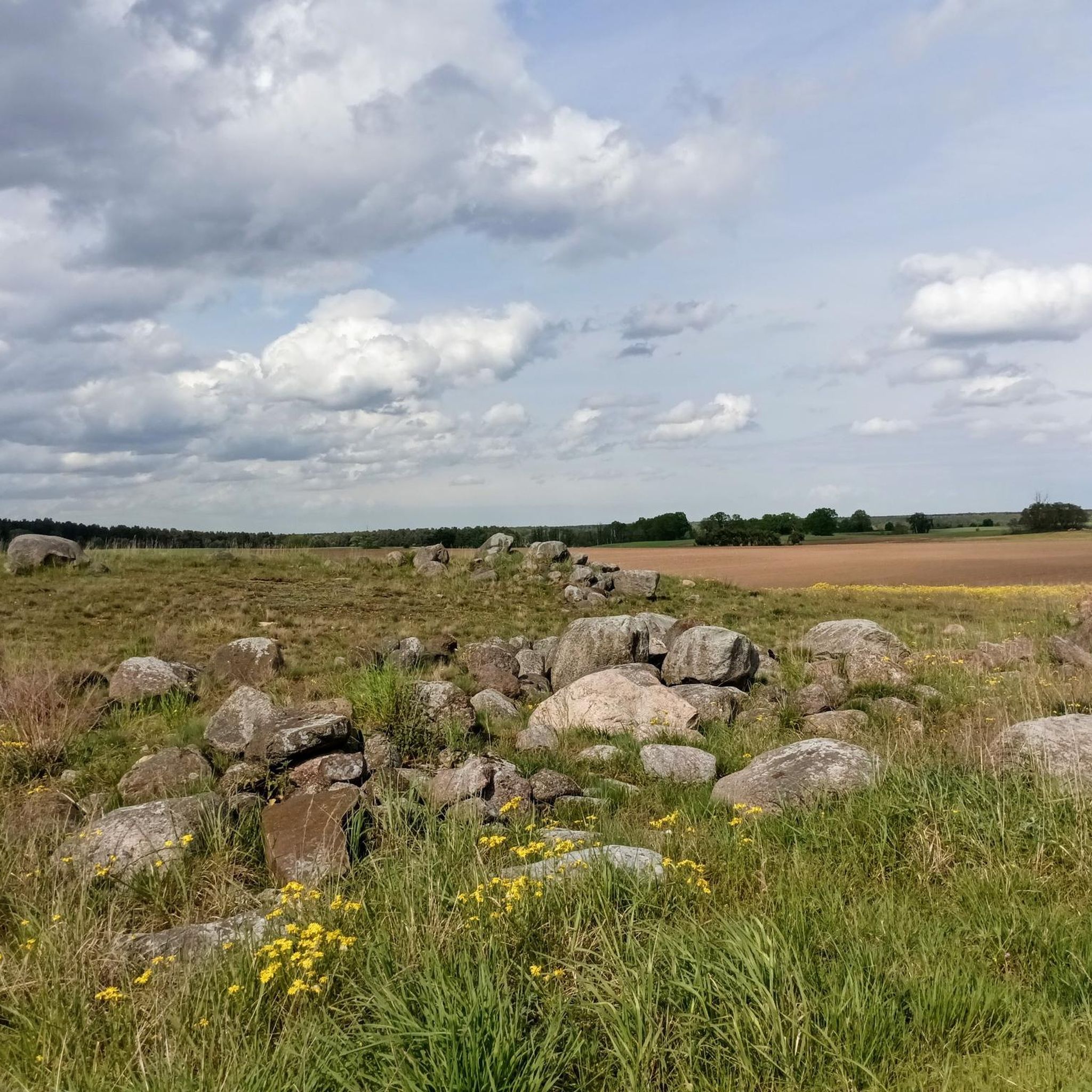
The boulders stand in peace and quiet directly on the hiking trail However, the signs say nothing about the stones but about beetles etc
0
0

Redirected. Crazy view. Good chances of hearing and seeing cranes.
1
0

From the Fuchsberg you have a good view over the Galenbeck lake and with good visibility you can also see Ueckermünde, Anklam and even Wolgast. One way to get to the Fuchsberg is via the town of Gehren, which is known for the Wildtierland house, where you can also stay overnight. You always cross the village following the main road, drive or hike the road into the Brohmer Mountains and after a short time you come to a rest area from which the ascent begins. After some effort and a few minutes further, the hiker stands in front of the viewing platform. The second tour to the Fuchsberg leads through Neuensund (see signs at the end of the village). The Schmiedegrundsee in Neuensund is a quiet bathing place to relax, but is also designated for fishing - eel, perch, pike, carp, roach and lead can be found here. Source: https://www.brohmerberge.de/reiseziel/fuchsberg-neuensund
3
0


Since spring 2020 there is again a lookout tower on the Fuchsberg, from which you have a wonderful view of the surrounding landscape.
5
0
Frequently Asked Questions
What unique natural monuments can I find in Schönwalde-Glien?
Schönwalde-Glien is home to unique natural monuments like the Hirschkopfeiche, an impressive 280-year-old oak tree known for its distinctive 'stag's head' growth. You can also discover Glacial Erratics Along the Trail, which are ancient boulders offering a glimpse into the region's geological past.
Are there family-friendly natural monuments to visit around Schönwalde?
Yes, several natural monuments are suitable for families. The Fuchsberg Observation Tower offers wonderful panoramic views that children and adults can enjoy. The Bridge over the Uecker at Kühlemorgen Nature Reserve is also family-friendly, providing scenic routes through a beautifully renaturalized area. Additionally, the Lovers' Path and Glacial Erratics Along the Trail are accessible and engaging for families.
What kind of views can I expect from the natural monuments?
For expansive views, the Fuchsberg Observation Tower is highly recommended. It provides a wonderful panoramic view of the surrounding landscape, especially beautiful when local flowers are in bloom. While other natural monuments like the Hirschkopfeiche offer unique close-up natural features, the Fuchsberg is the primary spot for scenic vistas.
What outdoor activities can I do near the natural monuments in Schönwalde?
The area around Schönwalde offers various outdoor activities. You can explore numerous hiking trails, including easy options, or enjoy cycling and running. For detailed routes and guides, check out the komoot guides for easy hikes around Schönwalde, cycling around Schönwalde, and running trails around Schönwalde.
Are there any natural monuments with historical significance?
Yes, the Hirschkopfeiche is not only a natural wonder but also holds historical significance, having been registered as a natural monument since 1962. The Bridge over the Uecker at Kühlemorgen Nature Reserve is located in an area that was once a tank training ground, now beautifully renaturalized, offering a unique blend of natural beauty and past history.
What is the Döberitzer Heide and how can I visit it?
The Döberitzer Heide is an expansive nature reserve west of Berlin, managed by the Heinz Sielmann Foundation. It's known for its diverse ecosystems, including heathlands and forests, and is home to rare animal species like European bison and Przewalski's horses. Visitors can explore a network of hiking trails to observe wildlife. You can find more information about its conservation efforts on Wikipedia.
Can I find ancient trees among the natural monuments?
Absolutely. The most prominent ancient tree is the Hirschkopfeiche in Schönwalde, an oak estimated to be around 280 years old with a significant trunk circumference. It's a protected natural landmark and a prime example of the region's ancient arboreal heritage.
What is the best time to visit the natural monuments around Schönwalde?
The best time to visit depends on your interests. Spring is ideal for seeing flowers in bloom, especially around the Fuchsberg Observation Tower. Autumn offers beautiful foliage. For wildlife observation in areas like the Döberitzer Heide, early morning or late afternoon are often best. Winter can also offer a unique, tranquil experience, especially for hiking.
Are there any less crowded natural gems to explore?
For a quieter experience, consider visiting the Römerberg. It's a small hill that requires a bit of searching, offering a more secluded natural monument experience away from more frequented spots. The Lovers' Path, with its fallen and younger trees, also provides a peaceful forest setting.
What kind of geological features can be seen?
The region features interesting geological formations, most notably the Glacial Erratics Along the Trail. These boulders, left behind by glaciers, are directly on hiking paths and offer a tangible connection to the area's geological history.
What is the Tegeler Fließ Wetlands and its significance?
The Tegeler Fließ Wetlands is a natural area featuring a meandering stream, forests, and moorland. While partly in Berlin, its headwaters extend into Brandenburg near Schönwalde-Glien. It's known for its primeval landscape, diverse flora and fauna, and the presence of water buffalo used for landscape management. Well-developed wooden footbridges allow visitors to explore its unique beauty.
Most popular attractions around Schönwalde

Get inspired with the komoot mobile app


Explore more
Extend your search for the best caves by checking out these guides of the top ones around Schönwalde:
