Top 17 Natural Monuments around Elisabeth-Sophien-Koog
Best natural monuments around Elisabeth-Sophien-Koog are characterized by their unique coastal environment and proximity to the Wadden Sea, a UNESCO World Heritage site. The region offers distinctive natural features, including expansive sea dikes and views of the Halligen. These areas provide opportunities to observe diverse birdlife and the dynamic interplay between land and sea. The landscape is shaped by centuries of interaction with the North Sea, creating a unique wetland ecosystem.
Best natural monuments around Elisabeth-Sophien-Koog
- The most popular natural…
Last updated: August 18, 2026
Lüttmoorsiel Seawall and View over the Beltringharder Koog
Highlight • Viewpoint
Translated by Google •
Tip by

Beltringharder Polder
Highlight • Natural Monument
Translated by Google •
Tip by

Sign up now to discover places like this
Get recommendations on the best single tracks, peaks, & plenty of other exciting outdoor places.
Sign up for free
Fuhlehörn Beach
Highlight • Beach
Translated by Google •
Tip by

Wester-Spätinge Nature Reserve
Highlight • Natural Monument
the current outer dike was built in 1579 to protect against storm surges and land reclamation.
The dike …
Translated by Google •
Tip by

View of the salt marshes and dike at Simonsberg (Wadden Sea National Park)
Highlight • Viewpoint
Translated by Google •
Tip by
Sign up for free to discover even more natural monuments around Elisabeth-Sophien-Koog.
Sign up for free
Already have an account?
Start today with a free account
Your next adventure awaits.
Login or Signup
Tips from the Community

The Beltringharder Koog is an impressive nature reserve in North Friesland, Schleswig-Holstein. The Koog was embanked in 1987 and covers an area of 3,350 hectares, making it the largest nature reserve on the Schleswig-Holstein mainland. It was created in response to storm surges and today serves to protect the coast and promote biodiversity in the region. The Beltringharder Koog has a variety of habitats, including saltwater and freshwater lagoons, wet grassland and tidal floodplains. These diverse biotopes provide habitat for numerous species of birds that breed or rest here. Over 100,000 waders and water birds use the Koog throughout the year, making it a paradise for birdwatchers. Commonly seen species include greylag geese and black-necked grebes. For visitors, there are well-developed hiking and cycling trails that lead through the diverse landscape of the Koog. Tours that start at Lüttmoorsiel and lead along the dike to Lüttmoorsee and further are particularly recommended. Observation huts and viewing platforms on these routes offer excellent opportunities to observe wildlife in its natural environment. The Koog is also an example of successful cooperation between nature conservation organizations such as NABU, the Wadden Sea Conservation Station and the WWF. Together they ensure that this unique ecosystem is protected and cared for.
1
0

Beltringharder Koog is the name of the embankment of part of the Schleswig-Holstein Wadden Sea in the area of Nordstrand Bay, which was completed in 1987. This measure effectively connected the former island of Nordstrand to the mainland and thus made it part of a peninsula. Wikipedia
3
0
Great to drive. 10,000 hectares of salt marshes, a unique habitat 👍🍀
3
0

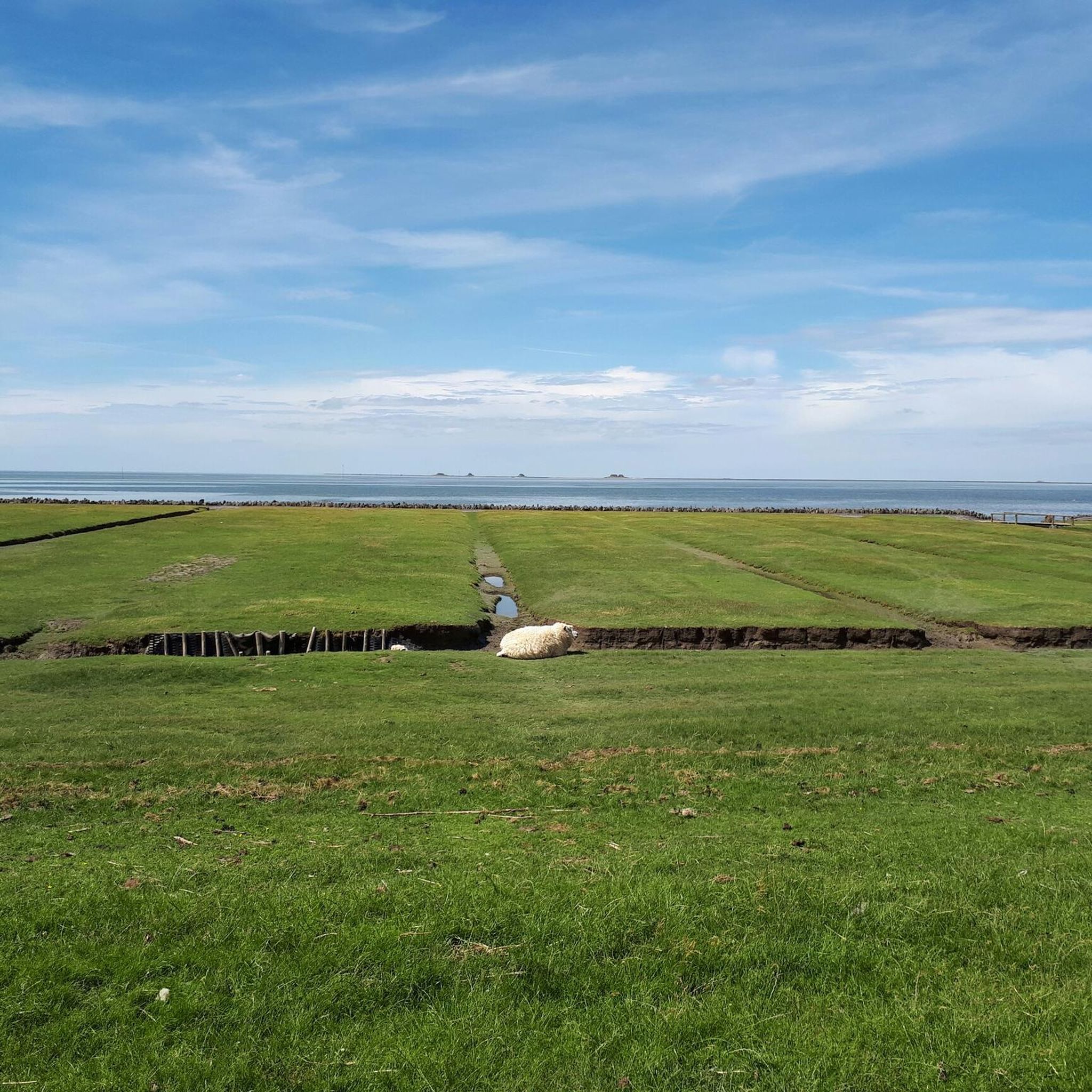
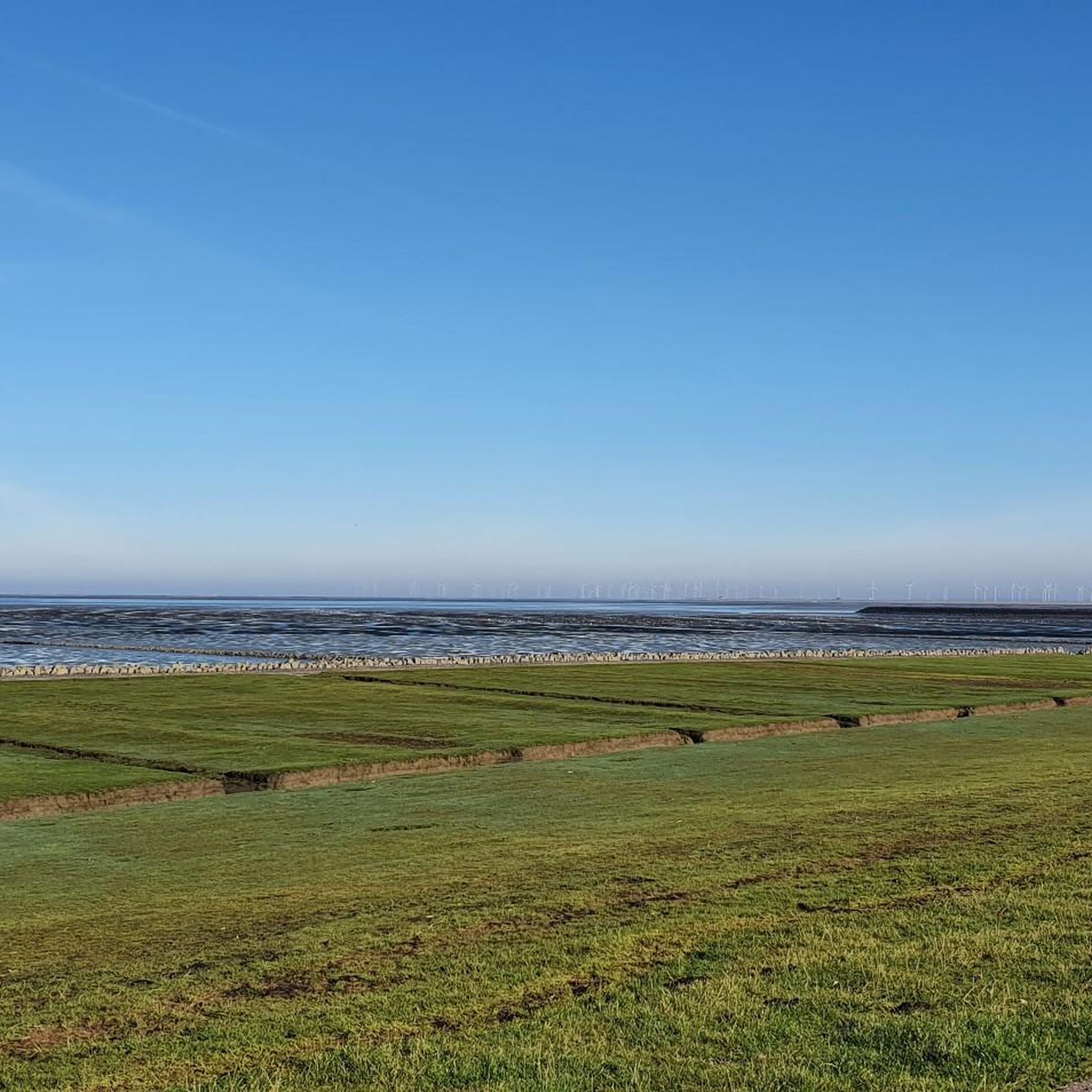
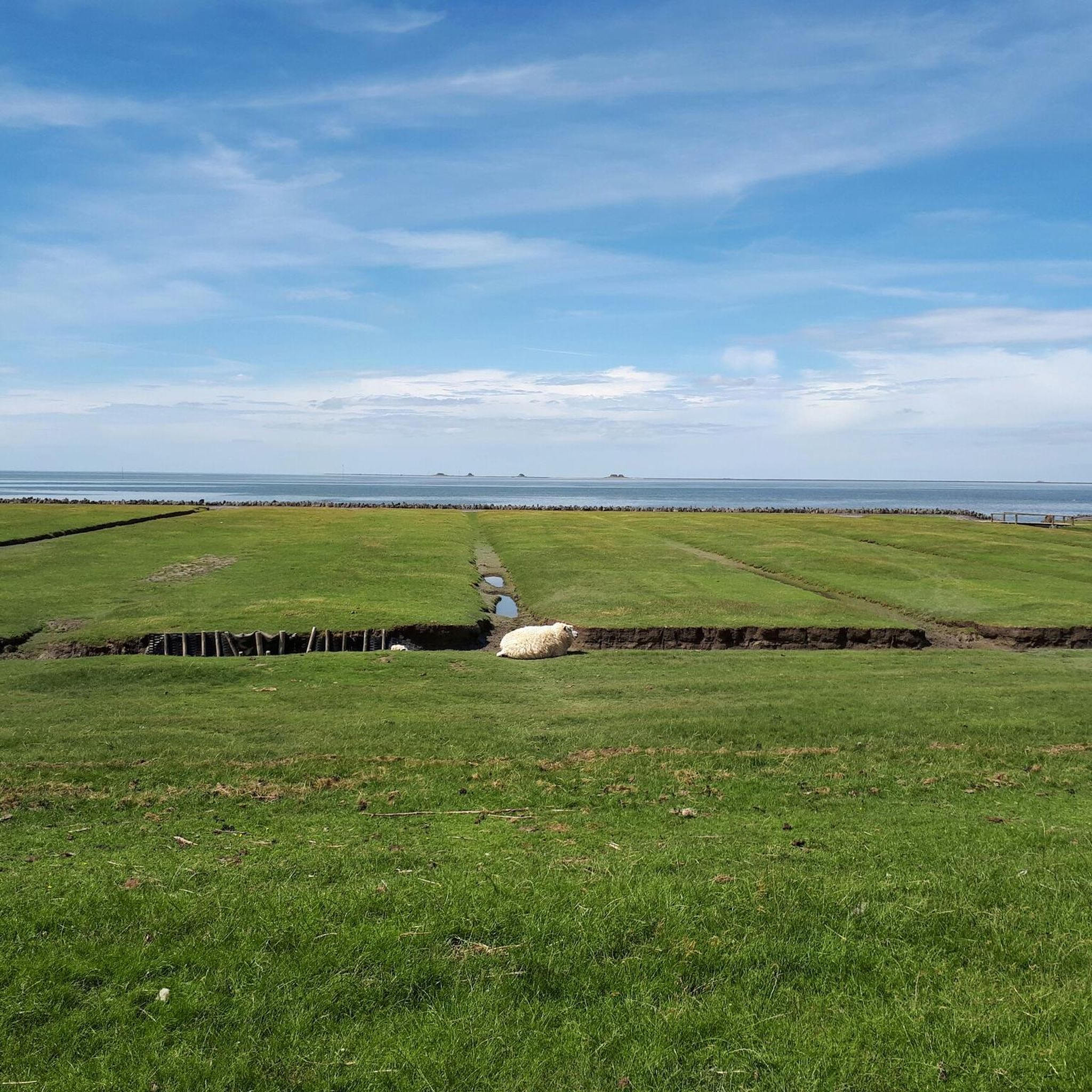
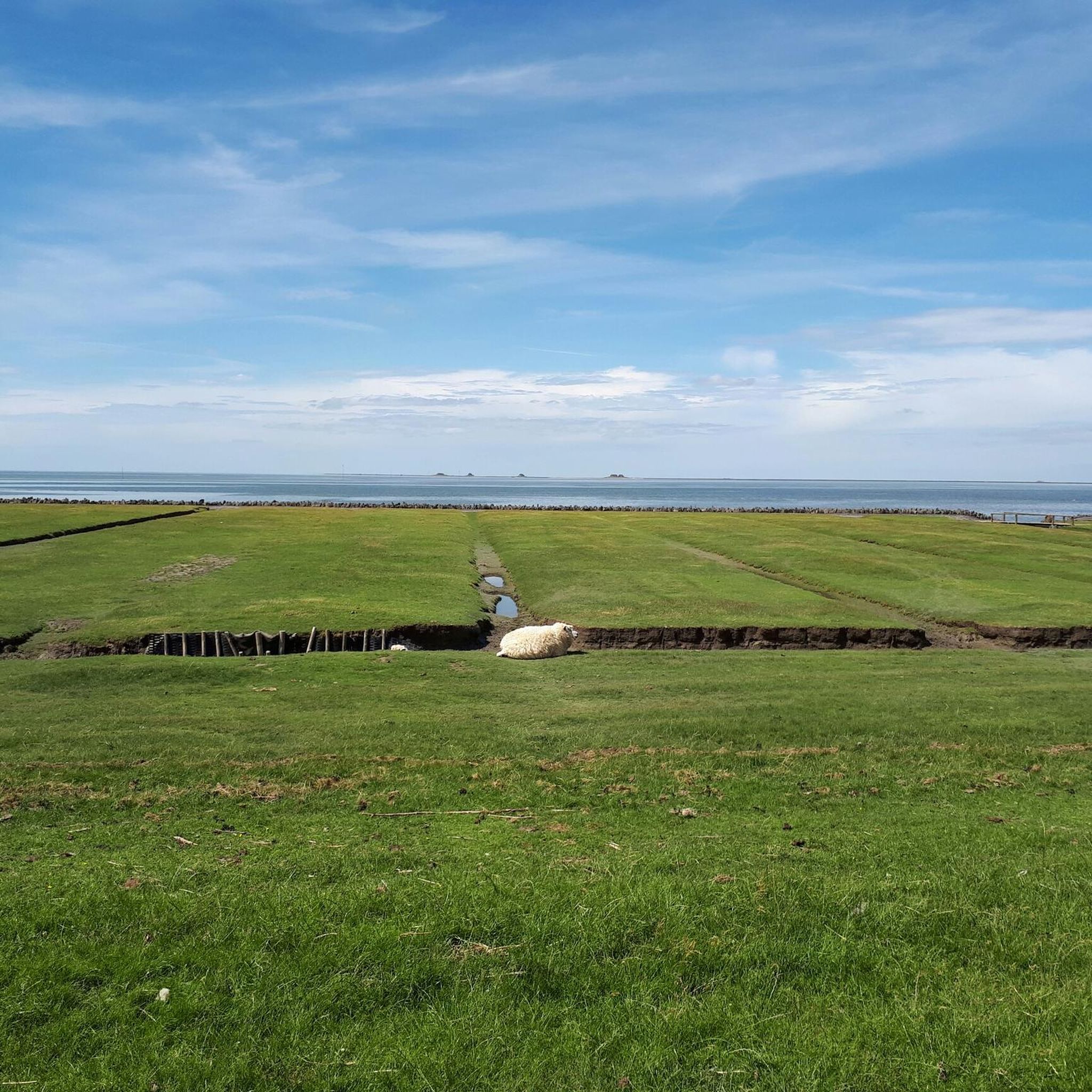
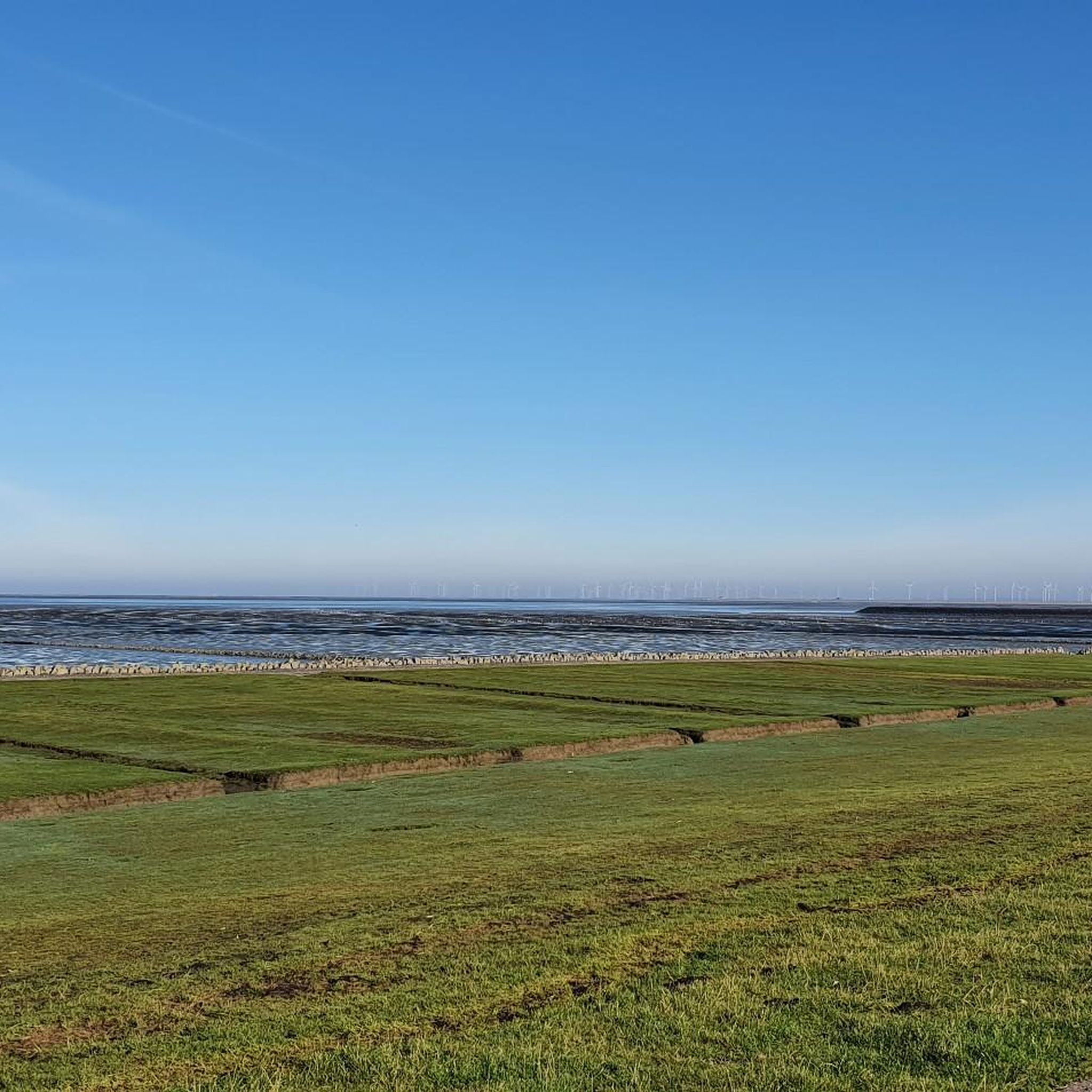
From this dike, you reach infinite horizons. You have views of the sea, but also of the halligens and the Beltringharder Koog. As you evolve near mudflats, many sea wading birds better known as wading birds are visible. Oystercatchers, curlews, sandpipers, sandpipers. All these birds find their pantries in the mud. You also see many sheep. The salty grass they eat makes their meats tastier.
5
2

Here you will find numerous herbs and plants that you can pick for the local kitchen. But watch out, some are protected.
3
0
Magnificent Ausssicht with a clear view of Nordstrandischmoor and the "salt lagoon and the Beltringharder Koog". These natural lagoons no longer exist on the Schleswig-Holstein Wadden Sea coast as a result of dike construction measures. Today there are three artificial lagoons: the Rantum basin on Sylt, the Kronenloch in Speicherkoog Dithmarschen and the Beltringharder Koog. Important breeding colonies of the rare terns, avocets and plovers are found on the artificial islands of the lagoon. Large flocks of wading birds gather there during high water migration periods. As a result, these are not salt marshes in the classic sense. https://www.beltringharderkoog.de/der-beltringharder-koog/salzwasserlagune
10
1
If you are lucky you can watch the whole herd of sheep being herded together to be washed. Washing once a year prevents the spread of ectoparasites.
6
0
As from almost every dyke top, you have a good view of the Wadden Sea and countless 4-legged dyke keepers with wool on the cross 🤠 . The question of happiness to the so-called happy sheep was answered with "bleating".🤣 Incidentally, you look over to Nordstrand from the top of the Simonsberg dyke
5
0
Frequently Asked Questions
What are the most popular natural monuments to visit around Elisabeth-Sophien-Koog?
Visitors frequently enjoy the View of the salt marshes and dike at Simonsberg (Wadden Sea National Park) for its expansive views of the Wadden Sea and grazing sheep. Another highly rated spot is the Lüttmoorsiel Seawall and View over the Beltringharder Koog, known for panoramic vistas of the sea, Halligen, and abundant birdlife.
Are there family-friendly natural monuments in the Elisabeth-Sophien-Koog area?
Yes, several natural monuments are suitable for families. Fuhlehörn Beach offers a sandy stretch for relaxation and has facilities. The View of the salt marshes and dike at Simonsberg (Wadden Sea National Park) and the Lüttmoorsiel Seawall and View over the Beltringharder Koog are also family-friendly viewpoints where you can observe nature and wildlife.
What kind of natural features can I expect to see around Elisabeth-Sophien-Koog?
The region is characterized by its unique coastal environment, including expansive sea dikes, salt marshes, and views of the Wadden Sea, a UNESCO World Heritage site. You'll encounter diverse birdlife, grazing sheep, and the dynamic interplay between land and sea. Specific features include sandy beaches like Fuhlehörn Beach and freshwater/saltwater habitats within nature reserves like the Beltringharder Koog Nature Reserve.
What outdoor activities can I do near the natural monuments?
The area around Elisabeth-Sophien-Koog is excellent for various outdoor activities. You can explore numerous hiking routes, including easy walks along dikes or more challenging trails like the 25 km 'Beltringharder Koog Dike – Lüttmoordamm loop'. There are also many road cycling routes and MTB trails that allow you to experience the coastal landscape.
Are there opportunities for birdwatching near Elisabeth-Sophien-Koog?
Yes, the region is a prime location for birdwatching. The Lüttmoorsiel Seawall and View over the Beltringharder Koog is particularly noted for its rich birdlife, including oystercatchers, curlews, and sandpipers. The Beltringharder Koog Nature Reserve and Wester-Spätinge Nature Reserve also serve as important breeding and resting areas for a large number of birds.
What is the best time of year to visit the natural monuments around Elisabeth-Sophien-Koog?
The natural monuments are enjoyable year-round, but each season offers a different experience. Spring and autumn are ideal for birdwatching due to migratory patterns. Summer provides pleasant weather for beach activities and longer walks, while winter offers a serene, stark beauty to the coastal landscape, often with fewer crowds.
Can I bring my dog to the natural monuments?
While many outdoor areas in North Frisia are dog-friendly, specific rules may apply, especially in nature reserves or on beaches during certain seasons. It's generally recommended to keep dogs on a leash to protect wildlife and grazing sheep. Always check local signage for specific regulations at each natural monument.
What do visitors enjoy most about the natural monuments in this region?
Visitors particularly appreciate the expansive views of the Wadden Sea and Halligen, the tranquility of the coastal landscape, and the opportunity to observe diverse birdlife. The sight of grazing sheep on the dikes is also a characteristic and beloved feature. The unique wetland ecosystem and the sense of vast horizons are frequently highlighted.
Are there any sandy beaches among the natural monuments?
Yes, Fuhlehörn Beach is one of the few sandy stretches on Nordstrand, offering a good place to relax and serving as a starting point for mudflat walks. It also provides facilities for visitors.
What is the Beltringharder Koog and why is it significant?
The Beltringharder Koog is a significant nature reserve, created in the 1980s from a former Wadden Sea area. It features large salt and freshwater habitats, making it a crucial area for the preservation and undisturbed development of a unique flora and fauna. It's particularly important for wading and water birds that rest and breed there, and you can get panoramic views of it from the Lüttmoorsiel Seawall.
Are there any natural monuments with historical significance?
While the natural monuments primarily highlight ecological features, the Wester-Spätinge Nature Reserve has a historical connection. Its landscape, with flat ponds, was shaped by dike builders in the 16th century who extracted clay from the area, giving it its name ('spading'). This area is now considered both a natural and cultural monument.
Where can I find information about mudflat walks?
Mudflat walks often start from coastal locations like Fuhlehörn Beach. These guided walks offer a unique way to experience the Wadden Sea's intertidal zone and its unique flora and fauna. Local information centers or tourist boards can provide details on guided tours and safety.
Most popular routes around Elisabeth-Sophien-Koog
Most popular attractions around Elisabeth-Sophien-Koog

Get inspired with the komoot mobile app


Explore more
Extend your search for the best caves by checking out these guides of the top ones around Elisabeth-Sophien-Koog:
