Top 20 Natural Monuments around Obernfeld
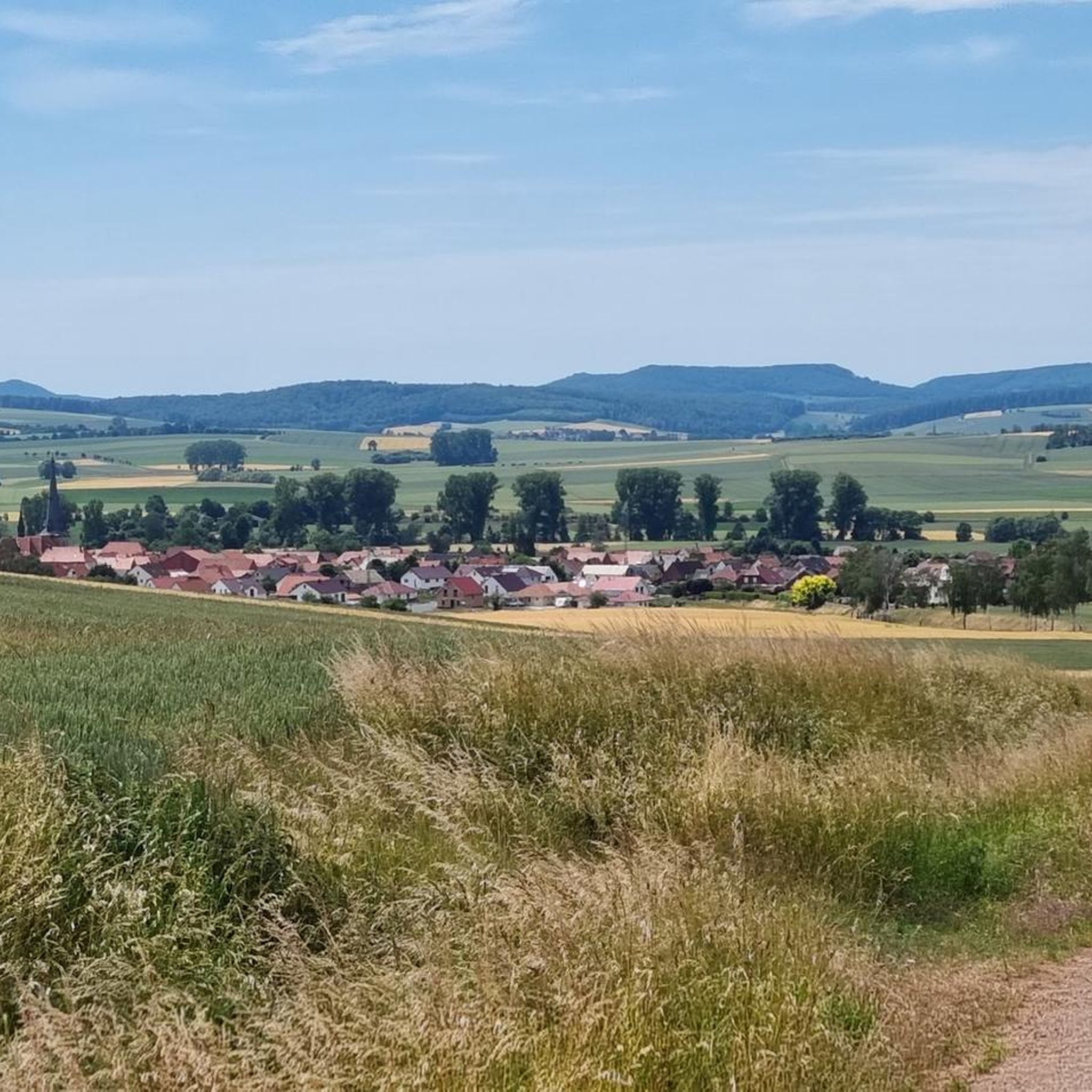
Best natural monuments around Obernfeld offer diverse natural features within a landscape characterized by forests and hills, situated near the Harz Mountains. This region provides opportunities to explore geological formations and unique ecosystems. The area features more than 20 natural monuments, ranging from significant springs to ancient woodlands. These sites highlight the natural heritage and geological processes of the region.
Best natural monuments around Obernfeld
- The most popular natural monuments is Rhume Spring, a natural monument and spring characterized…
Last updated: May 12, 2026
Rhume Spring
Highlight • Natural Monument
Translated by Google •
Tip by

Höherberg Pilgrimage Chapel
Highlight • Religious Site
Translated by Google •
Tip by

Sign up now to discover places like this
Get recommendations on the best single tracks, peaks, & plenty of other exciting outdoor places.
Sign up for free
Oderparksee
Highlight • Lake
Translated by Google •
Tip by

West-East Gate
Highlight • Monument
Translated by Google •
Tip by

Pollarded hornbeam wood near Gieboldehausen
Highlight • Forest
In 1995, the Landscape Conservation …
Translated by Google •
Tip by

Sign up for free to discover even more natural monuments around Obernfeld.
Sign up for free
Already have an account?
Start today with a free account
Your next adventure awaits.
Login or Signup
Tips from the Community

The hornbeam forest is definitely worth a visit. Good information board with the creation and use of the facility.
0
0

The West-Eastern Gate on what is now the Green Belt (then the inner-German border), inaugurated by Mikhail Gorbachev in 2002, was created by the artists Anka Förster and Robert Schätzle.
5
0

The head hornbeam forest dates from the time of the coppice economy. Back then, firewood was an important raw material. There was always a shortage of firewood, but also of grazing land for cattle. The solution was the use of head wood. The hornbeams were trimmed to a height of 2m so that cattle could graze under the trees without being able to bite the young shoots of the beeches. At the same time, there was enough firewood. The overgrown appearance was created by pruning the trees every 15-18 years.
7
0

In the last century, firewood has become less and less important. The use of the stock has therefore been almost completely abandoned in recent decades. In 1995, the Landscape Conservation Association of the Landkreis Göttingen e.V. campaigned for the preservation of the trees and leased the area on a long-term basis in order to protect it from the threatened conversion into a high beech forest. Together with the Realgemeinde of Gieboldehausen, the hornbeams are used again in the usual rotation for meter wood production for fuel purposes.
12
1

I enjoyed the peace and the beautiful forest.
17
0
A mystical place, everywhere it bubbles and the color of the water is something very special.
18
1
This route leads along the Eichsfeld hiking trail and the karst hiking trail through a beautiful mixed forest.
19
0

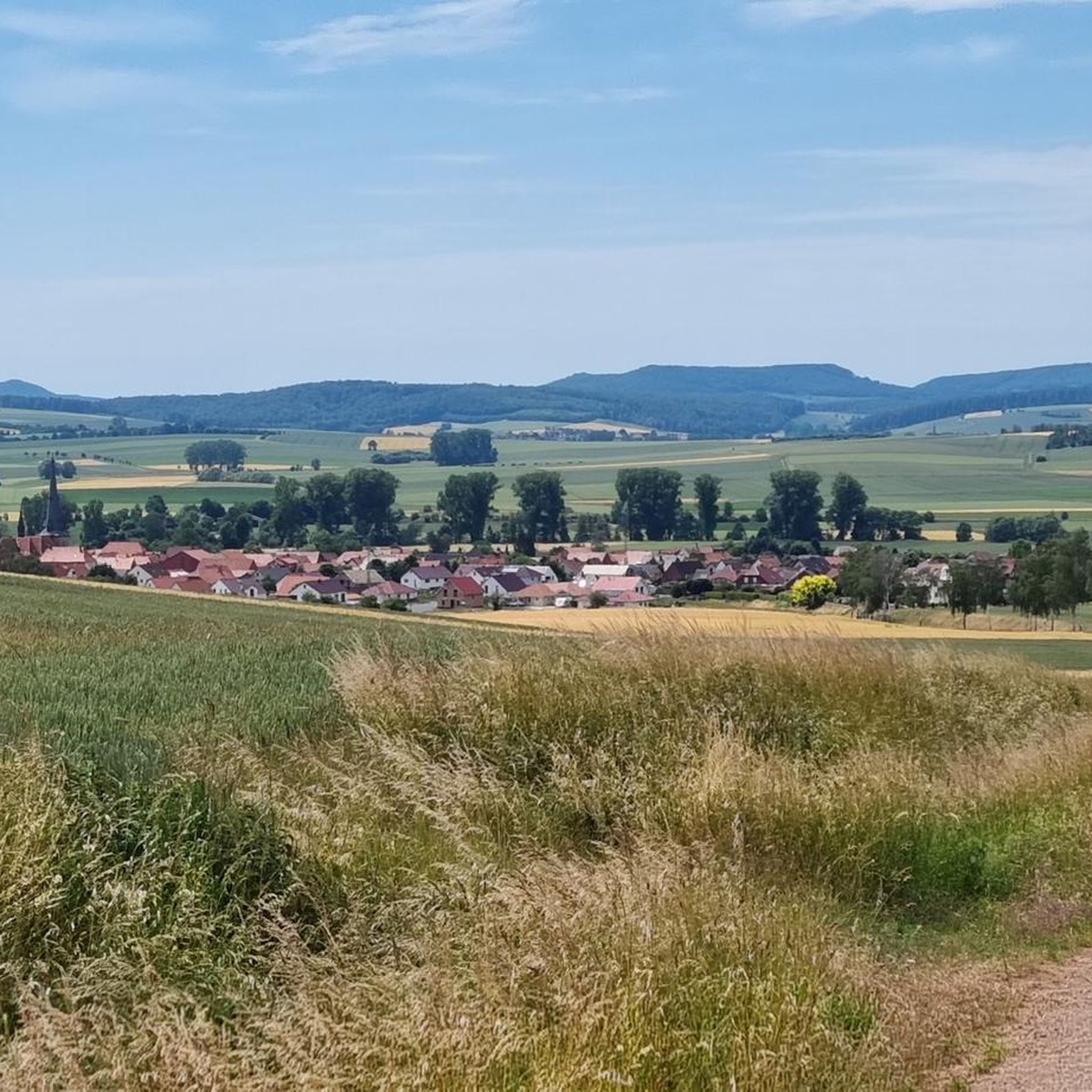
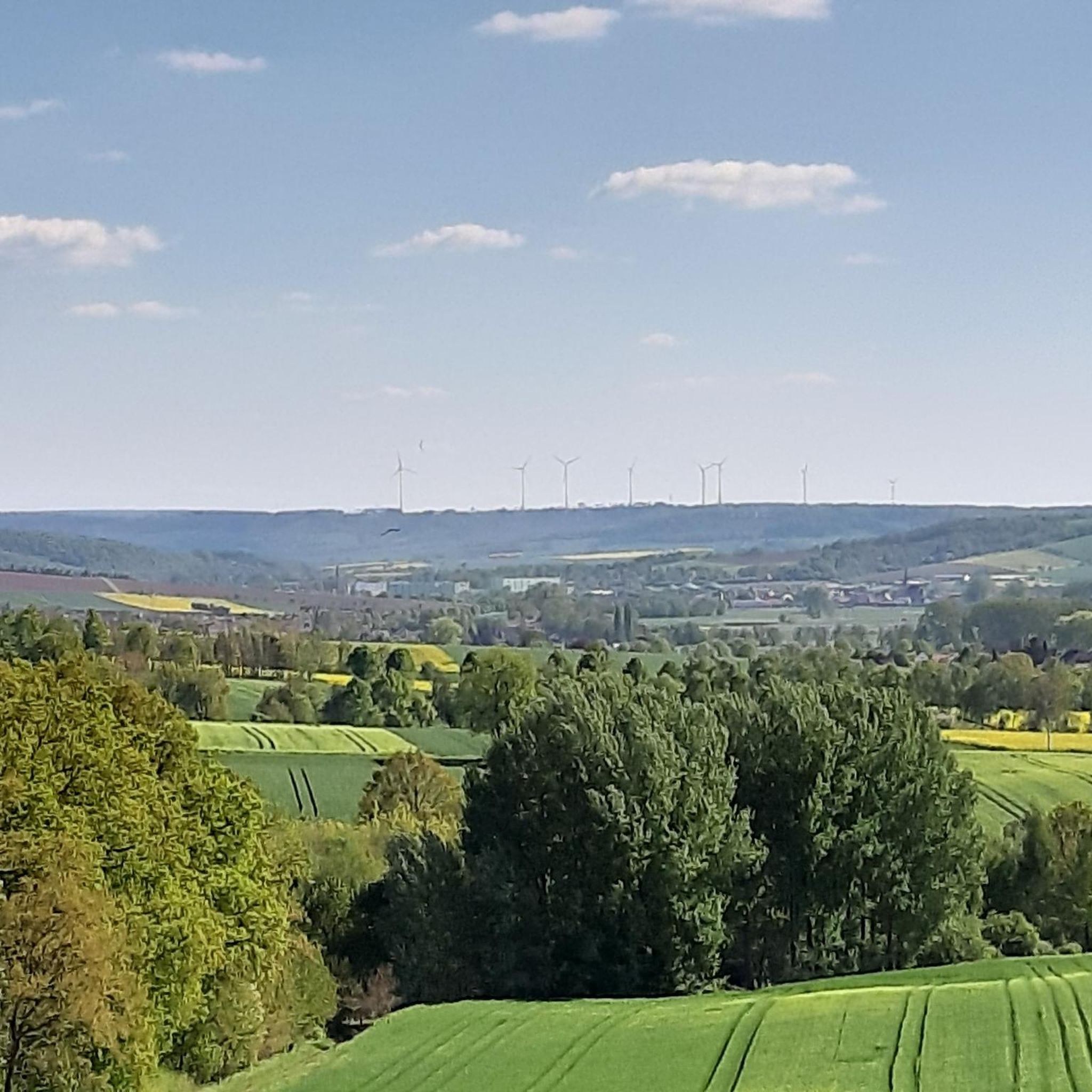
Nice place with tables and benches. Invites you to take a break with a good view of the Harz mountains.
3
0
Frequently Asked Questions
What are some of the most popular natural monuments to visit around Obernfeld?
Visitors frequently enjoy the Rhume Spring, one of Europe's largest karst springs, known for its unique geological features and vibrant blue-green water. Another favorite is the Pollarded hornbeam wood near Gieboldehausen, an ancient forest with over 1800 hornbeams, many over 100 years old, offering a glimpse into historical cultural landscapes. The Oderparksee, a beautiful lake within a nature reserve, is also highly regarded for its natural setting.
Are there family-friendly natural monuments around Obernfeld?
Yes, several natural monuments are suitable for families. The Rhume Spring offers a circular path with informative panels, making it an engaging educational experience for all ages. The Oderparksee is also considered family-friendly, providing a pleasant natural setting for walks. Additionally, the Pollarded hornbeam wood near Gieboldehausen is an interesting place for families to explore, with its unique ancient trees.
What kind of natural features can I expect to see around Obernfeld?
The region around Obernfeld is rich in diverse natural features. You can explore significant springs like the Rhume Spring, which is a powerful karst spring. There are also ancient woodlands, such as the Pollarded hornbeam wood near Gieboldehausen, and scenic lakes like the Oderparksee. The landscape is characterized by picturesque forests and hills, offering a variety of natural settings.
Are there any historical or cultural sites integrated with the natural monuments?
Yes, the area combines natural beauty with historical significance. The Pollarded hornbeam wood near Gieboldehausen is not only a natural monument but also a historical cultural monument, reflecting traditional coppice farming practices. The Tilly Oak, though not a Komoot highlight, is a 300-year-old oak tree near Obernfeld with local historical connections. The Höherberg Pilgrimage Chapel, while primarily a religious building, is also categorized as a natural monument and offers panoramic views of the Eichsfelder Basin and surrounding mountain ranges.
What outdoor activities can I do near the natural monuments around Obernfeld?
The natural monuments are excellent starting points for various outdoor activities. You can enjoy easy hikes, such as the 'Josef Spring – Obernfeld barbecue area loop' or the 'Wayside Cross Obernfeld – View of Euzenberg loop'. For mountain biking, routes like the 'View of the Harz – Rhume Spring loop' are popular. Gravel biking options include the 'Flow Trail along the Rhume – Kleinjenberg Spring loop'. You can find more details and routes in the Easy hikes around Obernfeld, MTB Trails around Obernfeld, and Gravel biking around Obernfeld guides.
What is the best time of year to visit the natural monuments in Obernfeld?
The natural monuments around Obernfeld offer beauty throughout the year. Spring brings fresh greenery and blooming flora, while summer is ideal for longer explorations and enjoying the lakes. Autumn showcases vibrant fall colors in the woodlands, such as the Pollarded hornbeam wood near Gieboldehausen. Even in winter, the Rhume Spring maintains a stable temperature, preventing it from freezing and offering a unique spectacle.
Are there good viewpoints among the natural monuments?
Yes, several spots offer excellent views. The Höherberg Pilgrimage Chapel provides grandiose panoramas over the Harz and Eichsfeld regions. The West-East Gate also serves as a beautiful viewpoint towards Duderstadt, Wehnde, and Sonnenstein, offering both natural scenery and historical context.
Can I observe wildlife at these natural monuments?
Many natural monuments provide habitats for various animal species. The riparian forest surrounding the Rhume Spring is home to moisture-loving trees and birds like the oriole, kingfisher, and dipper, with rainbow trout and grayling in its waters. The gnarled hornbeams in the Pollarded hornbeam wood near Gieboldehausen also provide an ideal habitat for many animals.
Is there public transport available to reach the natural monuments?
While specific public transport routes directly to every natural monument might vary, the region is generally accessible. For detailed information on bus routes and schedules to specific locations like Rhumspringe (near Rhume Spring) or Gieboldehausen (near the Pollarded hornbeam wood), it is advisable to check local public transport websites or apps for the Göttingen district.
What makes the Rhume Spring so significant?
The Rhume Spring is considered one of Europe's largest and most abundant karst springs. It's significant due to its impressive average discharge of 2,500 liters per second, emerging from an underground karst cave system. Its large, funnel-shaped basin, vibrant water color, and stable year-round temperature make it a unique geological spectacle. It's also a designated natural monument and part of a nature reserve, with historical importance as a cult site approximately 6,000 years ago.
Are there any hidden natural gems or less-known spots worth exploring?
While the Rhume Spring and Pollarded hornbeam wood are well-known, exploring the smaller trails around Obernfeld can reveal local points of interest. For instance, the 'Josef Spring' is mentioned in local hiking routes, suggesting it's a charming, perhaps less-frequented, natural feature integrated into recreational trails. The overall landscape of forests and hills offers many opportunities for discovering quiet spots.
Most popular routes around Obernfeld
Most popular attractions around Obernfeld

Get inspired with the komoot mobile app


Explore more
Extend your search for the best caves by checking out these guides of the top ones around Obernfeld:
