Top 20 Natural Monuments around Jühnde
Best natural monuments around Jühnde are found in the scenic region of southern Lower Saxony, Germany. The area is characterized by its location within the Münden Nature Park, offering diverse natural landscapes. Visitors can explore various natural features, from prominent viewpoints to serene lakes and geological formations. This region provides opportunities to experience the local natural heritage through well-maintained trails and protected sites.
Best natural monuments around Jühnde
- The most popular natural monuments is Gauß Tower on Hoher Hagen,…
Last updated: August 18, 2026
Confluence of the Werra and Fulda rivers
Highlight • Monument
Translated by Google •
Tip by

Weserstein (Confluence of Werra and Fulda Rivers)
Highlight • Monument
Where Werra and Fulda kiss
You have to pay for …
Translated by Google •
Tip by

Sign up now to discover places like this
Get recommendations on the best single tracks, peaks, & plenty of other exciting outdoor places.
Sign up for free
Wendebach Reservoir
Highlight • Lake
The area is used as a recreation area. The bathing area has …
Translated by Google •
Tip by

Gauß Tower on Hoher Hagen
Highlight • Monument
Translated by Google •
Tip by

Wendebach Reservoir
Highlight • Lake
Translated by Google •
Tip by

Sign up for free to discover even more natural monuments around Jühnde.
Sign up for free
Already have an account?
Start today with a free account
Your next adventure awaits.
Login or Signup
Tips from the Community

A small battle with a rewarding descent after the work is done
1
0

It's really nice to be standing where Fulda and Werra "kiss" and the Weser is formed. You have an even better overview from the car bridge with bicycle and pedestrian path across the street.
10
0

The Wendebach reservoir is a natural lake that was created in 1973 by artificial damming for flood protection. The area is used as a recreation area. The bathing area has a bathing jetty and a non-swimmer area, which is looked after by the DLRG.
9
0

Here the Weser begins at the confluence of the Fulda and Werra - the cycle path to Bremen is mostly well developed and recommendable.
15
1

Every visit to Hann.-Münden also includes a walk to the Weserstein. It has stood on the island of Tanzwerder for a good 110 years and marks the beginning of the Weser at the confluence of the Fulda and Werra. The manufacturer Carl Natermann had the stone erected in 1899 and the well-known verse engraved: "Where Werra and Fulda kiss They have to atone for their names. And here comes from this kiss "German to the sea of the Weser River"
11
1

A great swimming lake including a small restaurant. Great place for a break or as a destination for a tour to have a cool drink at the end. The “Taverne am See” restaurant is only open in summer. Opening times and information can be found on their website: https://wendebachstausee.de/index.php?id=der-stausee
6
0

Beautiful descent to Jühnde, but be careful when it's wet! The potential for falls, especially at the Tour d'Energie, is there.
2
0

Frequently Asked Questions
What unique natural monuments can I discover in the Jühnde area?
Beyond the well-known spots, Jühnde is home to two notable lime trees designated as natural monuments: the Linde am Endelskamp, known for its striking visual presence and unique crown shape, and the Linde "Dicke Linde", an impressive, gnarled summer lime tree protected for its age and grandeur. Both offer peaceful settings to appreciate the region's natural heritage.
Are there natural monuments around Jühnde that are suitable for families?
Yes, several natural monuments are great for families. The Wendebach Reservoir is a popular recreation area where families can enjoy swimming, fishing, or relaxing by the water. The South Shore of Kiessee also offers many small paths perfect for walks and observing local wildlife. Additionally, the Gauß Tower on Hoher Hagen provides expansive views that can be enjoyed by all ages.
What kind of outdoor activities can I enjoy near Jühnde's natural monuments?
The area around Jühnde offers diverse outdoor activities. You can find numerous routes for cycling, including easy and moderate options like the 'Endelskamp loop from Jühnde'. For hikers, there are easy trails such as the 'Leinebusch Tunnel – Endelskamp loop from Jühnde'. Gravel biking enthusiasts can also explore routes like the 'Gartetal Cycle Path – Wendebach Reservoir loop'. You can find more details on these activities and routes in the cycling guide, easy hikes guide, and gravel biking guide for Jühnde.
Are there historical or geological natural monuments to explore in the region?
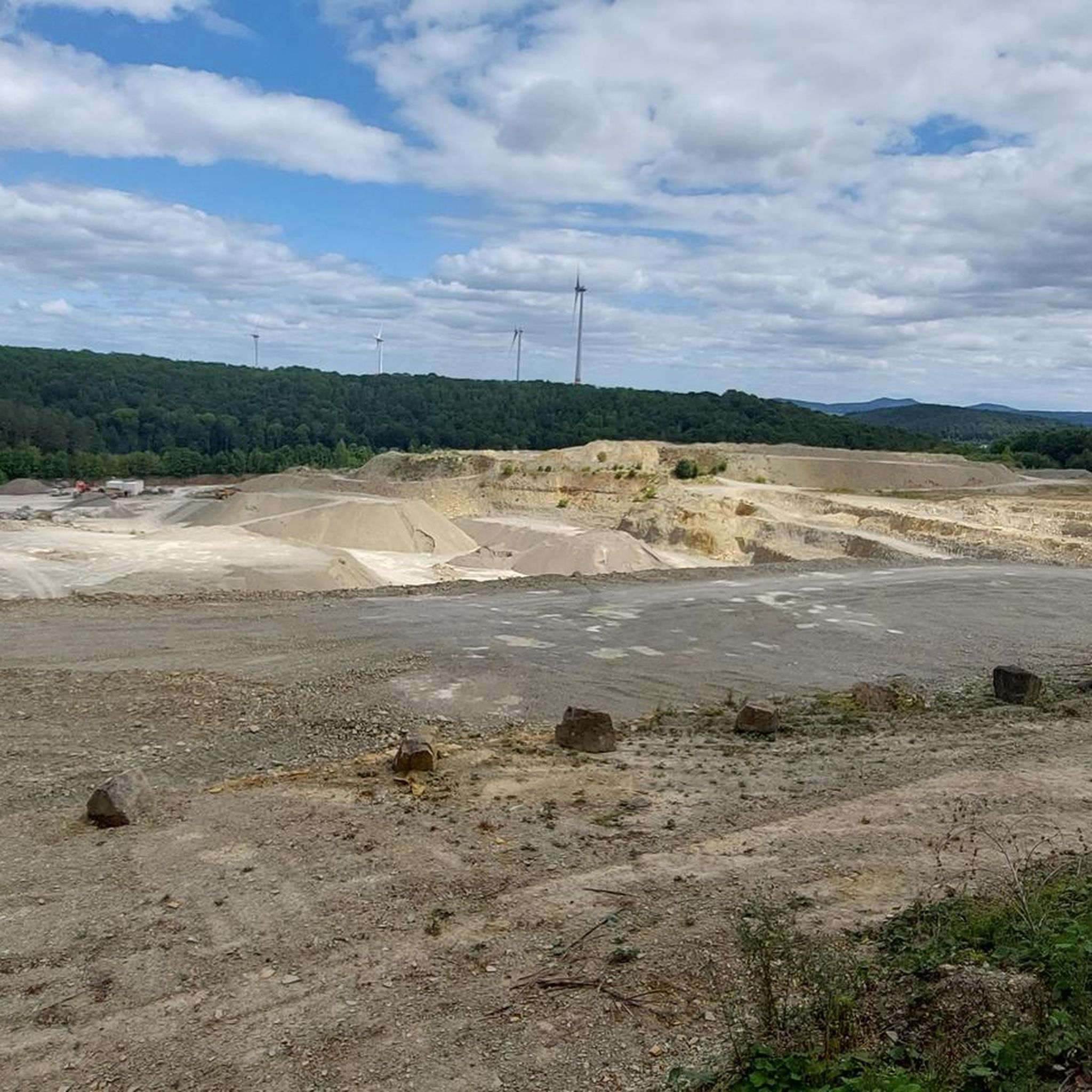
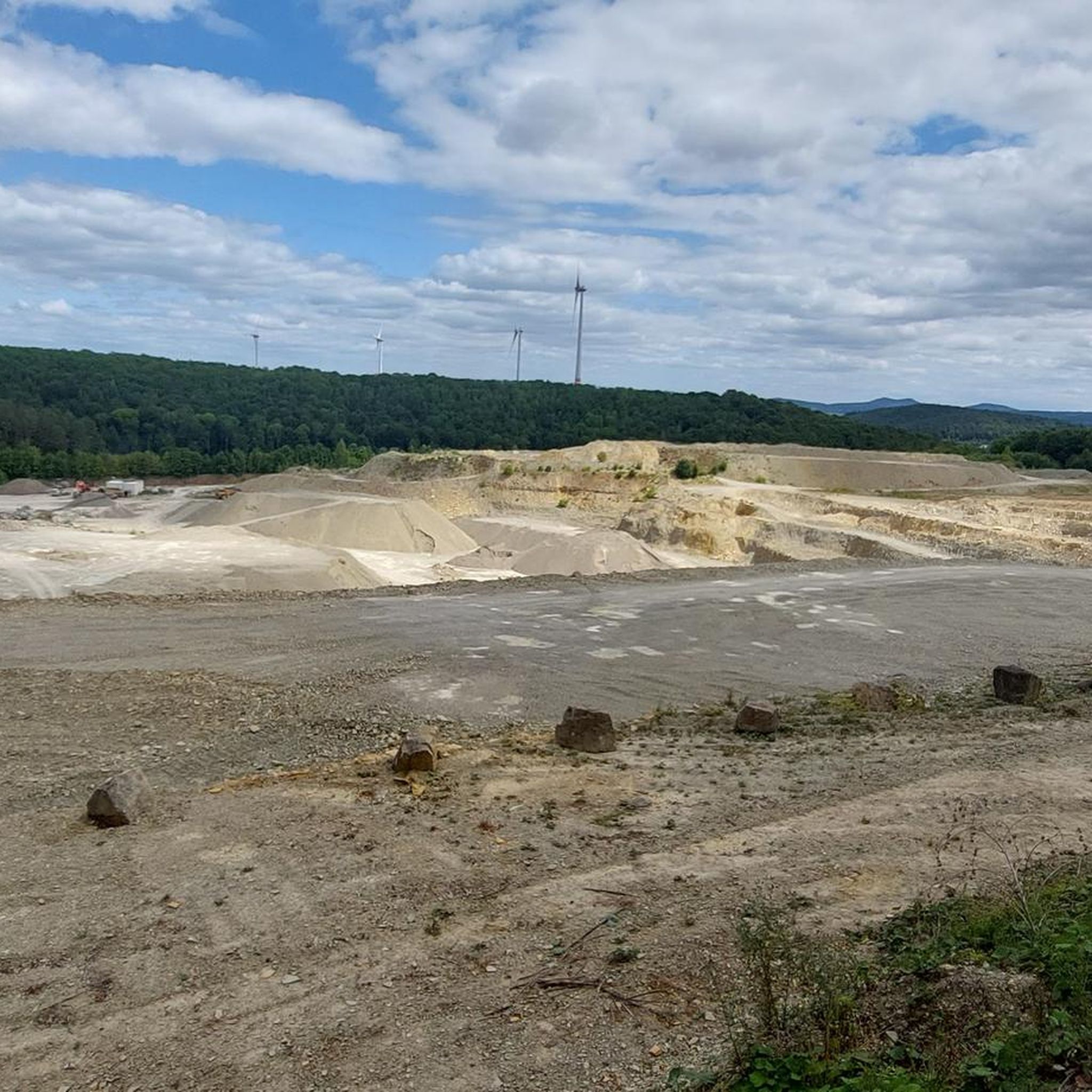
Yes, the Basalt Quarry at Hohen Hagen is a significant site. It operated from 1825 until the mid-1970s, and its recultivated area now offers insights into the region's geological past and industrial heritage. A nature trail within the quarry is recommended for exploration.
Where can I find scenic viewpoints among the natural monuments?
For expansive views, the Gauß Tower on Hoher Hagen is an excellent choice, offering panoramic vistas. The Confluence of the Werra and Fulda rivers also provides a picturesque spot to observe where the two rivers meet to form the Weser.
What are some natural water features or lakes to visit near Jühnde?
The Wendebach Reservoir is a beautiful natural lake, originally created for flood protection, now serving as a popular recreation area. Another lovely spot is the South Shore of Kiessee, a lake with many small paths, ideal for enjoying nature and observing local wildlife.
What do visitors enjoy most about the natural monuments around Jühnde?
Visitors particularly appreciate the diverse natural landscapes and recreational opportunities. Many enjoy the peaceful atmosphere and the chance to connect with nature, whether it's swimming and relaxing at the Wendebach Reservoir, exploring the trails around the South Shore of Kiessee, or taking in the views from the Gauß Tower on Hoher Hagen. The opportunity for cycling and hiking through scenic areas is also highly valued.
Are there specific hiking trails to explore the natural beauty of Jühnde?
Yes, Jühnde is well-equipped with hiking trails. Several well-marked circular trails (J1, J2, J3) start near the Jühnde church, leading through beautiful forest and field paths. There's also a 'GeoPfad' for those interested in geological formations. The nearby Münden Nature Park offers an extensive network for walks and outdoor activities, including routes like the 'Majestic Linden Tree – View of Atzenhausen loop from Barlissen'.
Is it possible to bring dogs to the natural monuments and trails?
Generally, dogs are welcome on most hiking trails and in natural areas around Jühnde, especially within the Münden Nature Park. However, it's always advisable to keep dogs on a leash, particularly in nature protection areas, to protect wildlife and ensure a pleasant experience for all visitors. Specific rules might apply to designated bathing areas like the Wendebach Reservoir.
What is the best time of year to visit the natural monuments in Jühnde?
The natural monuments around Jühnde can be enjoyed throughout the year, each season offering a different charm. Spring brings blooming flora, while summer is ideal for water activities at the Wendebach Reservoir and extensive hikes. Autumn provides stunning foliage, and even winter offers peaceful, crisp walks, especially on the well-maintained trails. Always check local weather conditions before your visit.
Are there any facilities like cafes or accommodation near the natural monuments in Jühnde?
Jühnde and its surrounding villages, such as Barlissen, offer options for cafes, pubs, and accommodation. While specific facilities might not be directly adjacent to every natural monument, you can find places to eat and stay within a short distance, especially in the village centers. The Wendebach Reservoir, for instance, has a hut with barbecue facilities.
Most popular routes around Jühnde
Most popular attractions around Jühnde

Get inspired with the komoot mobile app


Explore more
Extend your search for the best caves by checking out these guides of the top ones around Jühnde:
