Top 20 Natural Monuments around Heidesee
Best natural monuments around Heidesee are primarily located within the Dahme-Heideseen Nature Park, a region shaped by glacial origins. This area features over 100 lakes, extensive heathlands, and diverse forests. The landscape offers a variety of natural experiences, including unique geological formations and significant ecosystems. It provides habitats for various animal and plant species.
Best natural monuments around Heidesee
- The most popular natural monuments is Binnendüne Waltersberge, a natural monument and dune. This inland dune is about 36 meters…
Last updated: August 18, 2026
Observation Tower at the Salt Meadows (Dahme-Heideseen Nature Park)
Highlight • Viewpoint
Translated by Google •
Tip by

Headland Seddinsee/Oder-Spree Canal
Highlight • Viewpoint
Translated by Google •
Tip by

Sign up now to discover places like this
Get recommendations on the best single tracks, peaks, & plenty of other exciting outdoor places.
Sign up for free
Tiergarten Königs Wusterhausen Nature Reserve
Highlight • Forest
Translated by Google •
Tip by

Binnendüne Waltersberge
Highlight • Natural Monument
Translated by Google •
Tip by

Pätzer Vordersee
Highlight • Lake
Translated by Google •
Tip by

Sign up for free to discover even more natural monuments around Heidesee.
Sign up for free
Already have an account?
Start today with a free account
Your next adventure awaits.
Login or Signup
Popular around Heidesee
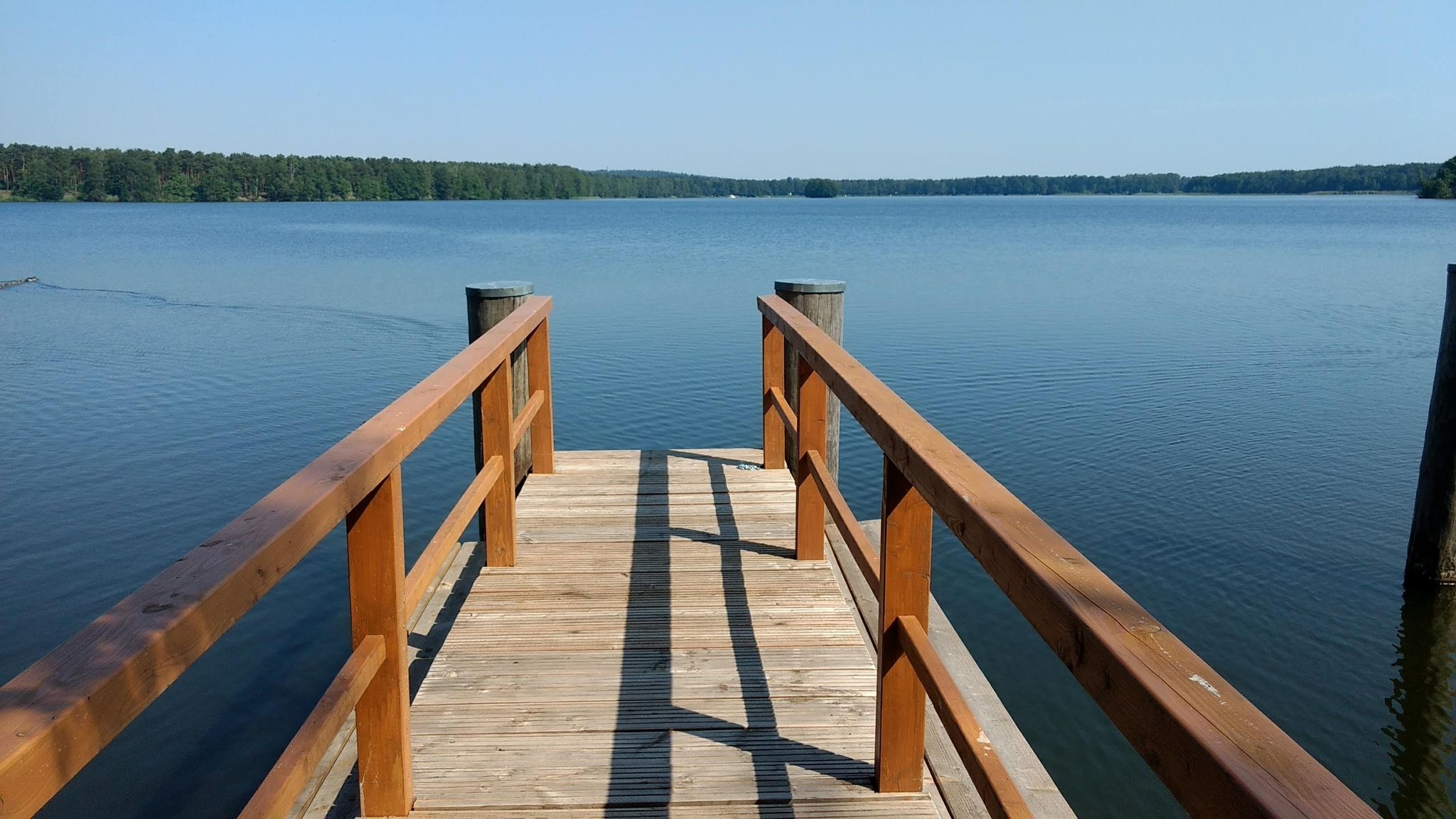
On the trail of the Sphinx - The Fontane hiking trail in Dahme-Seenland
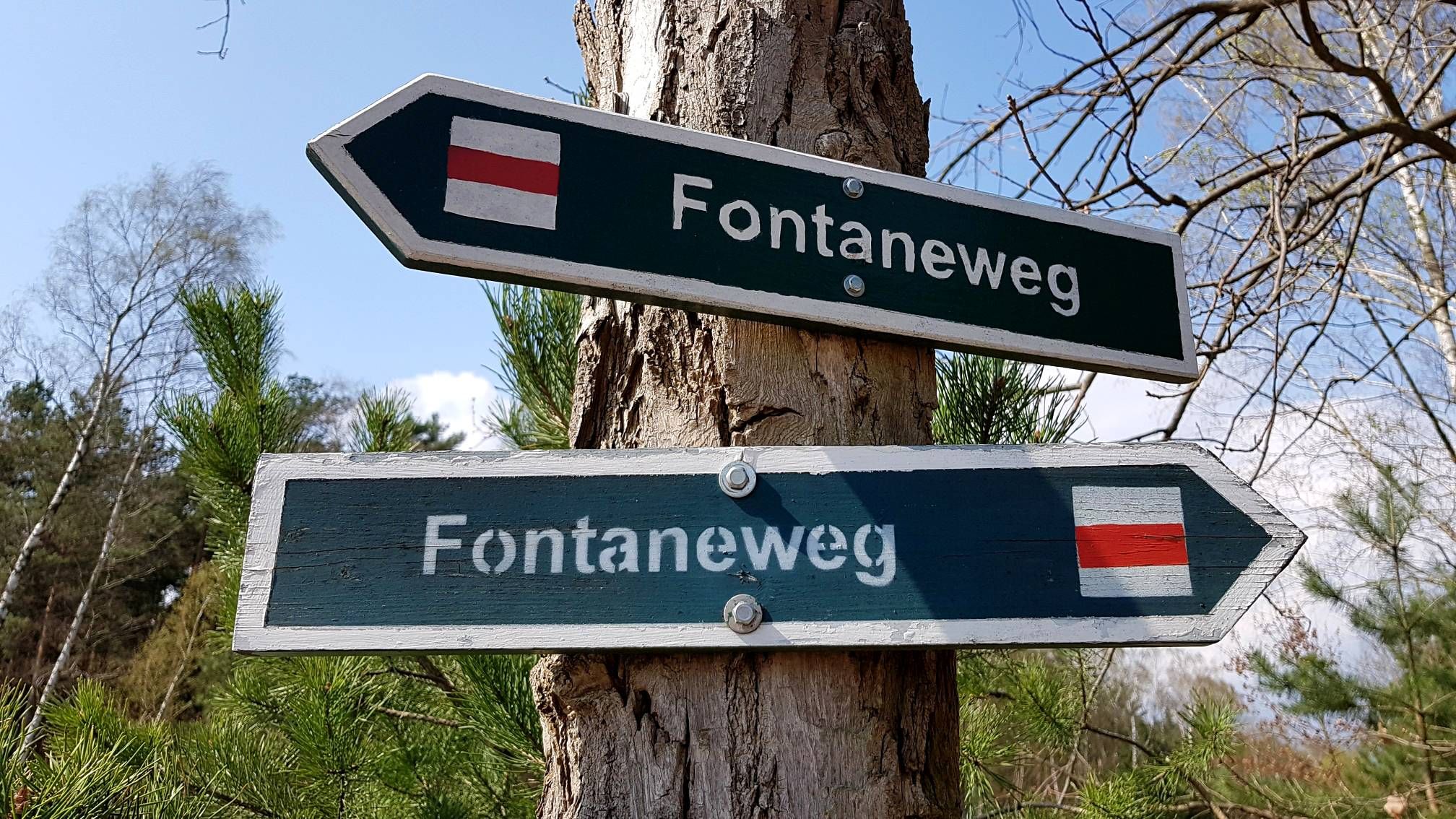
200 years - 200 km: On the long Fontaneweg trail from Köpenick to Potsdam
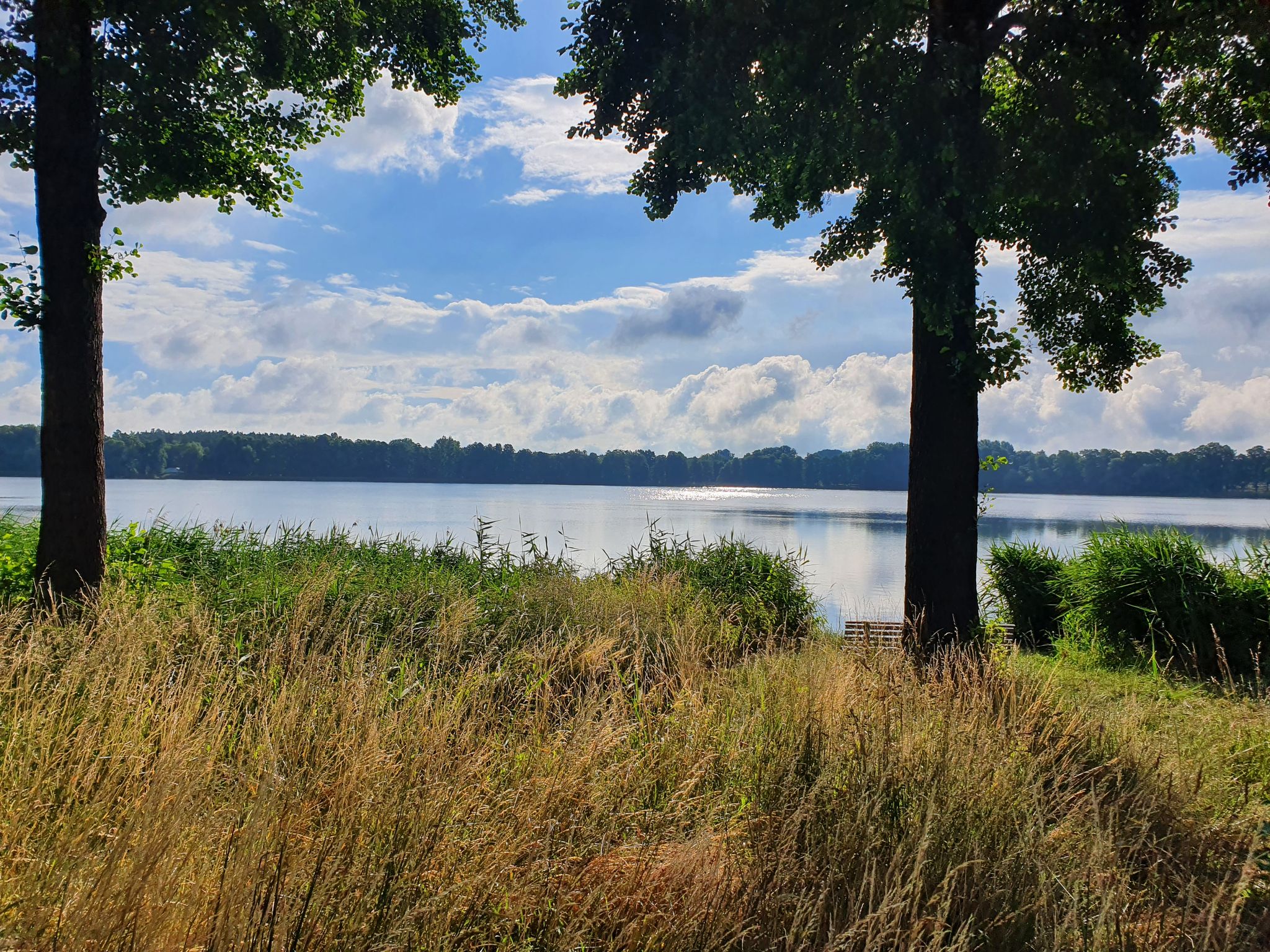
Minibadehosen – Radeln und Plantschen im Dahme-Seenland
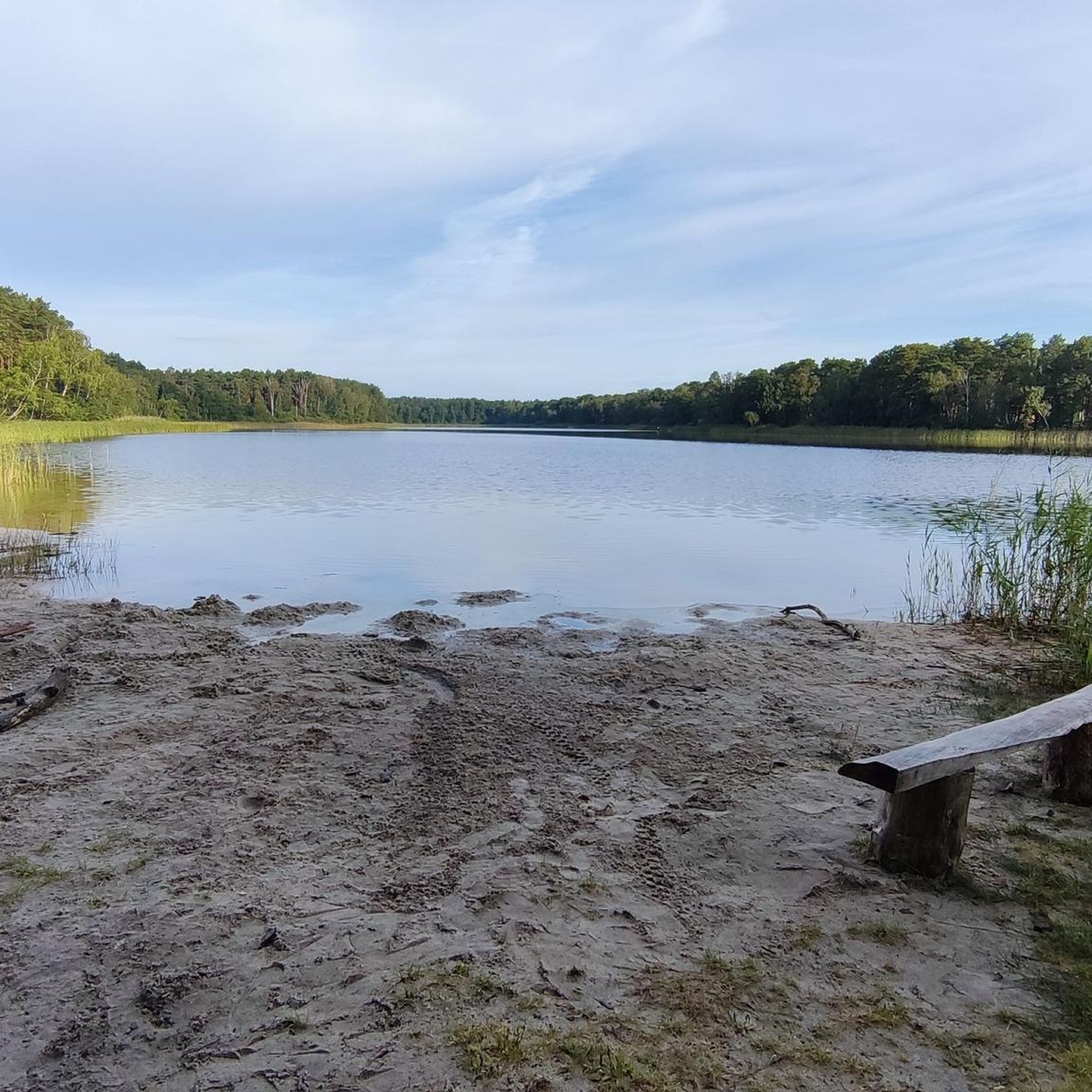
Cycling around Heidesee
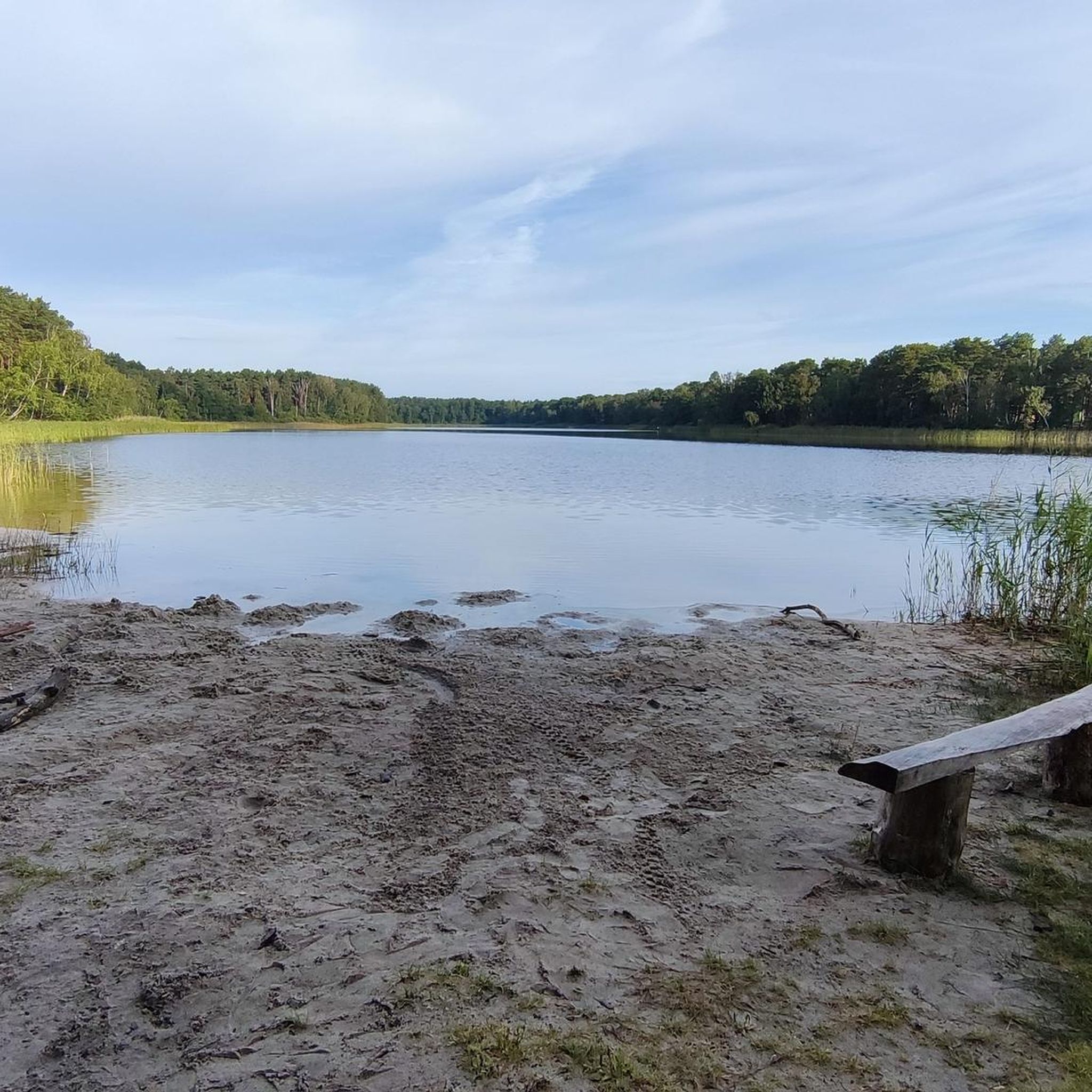
Hiking around Heidesee
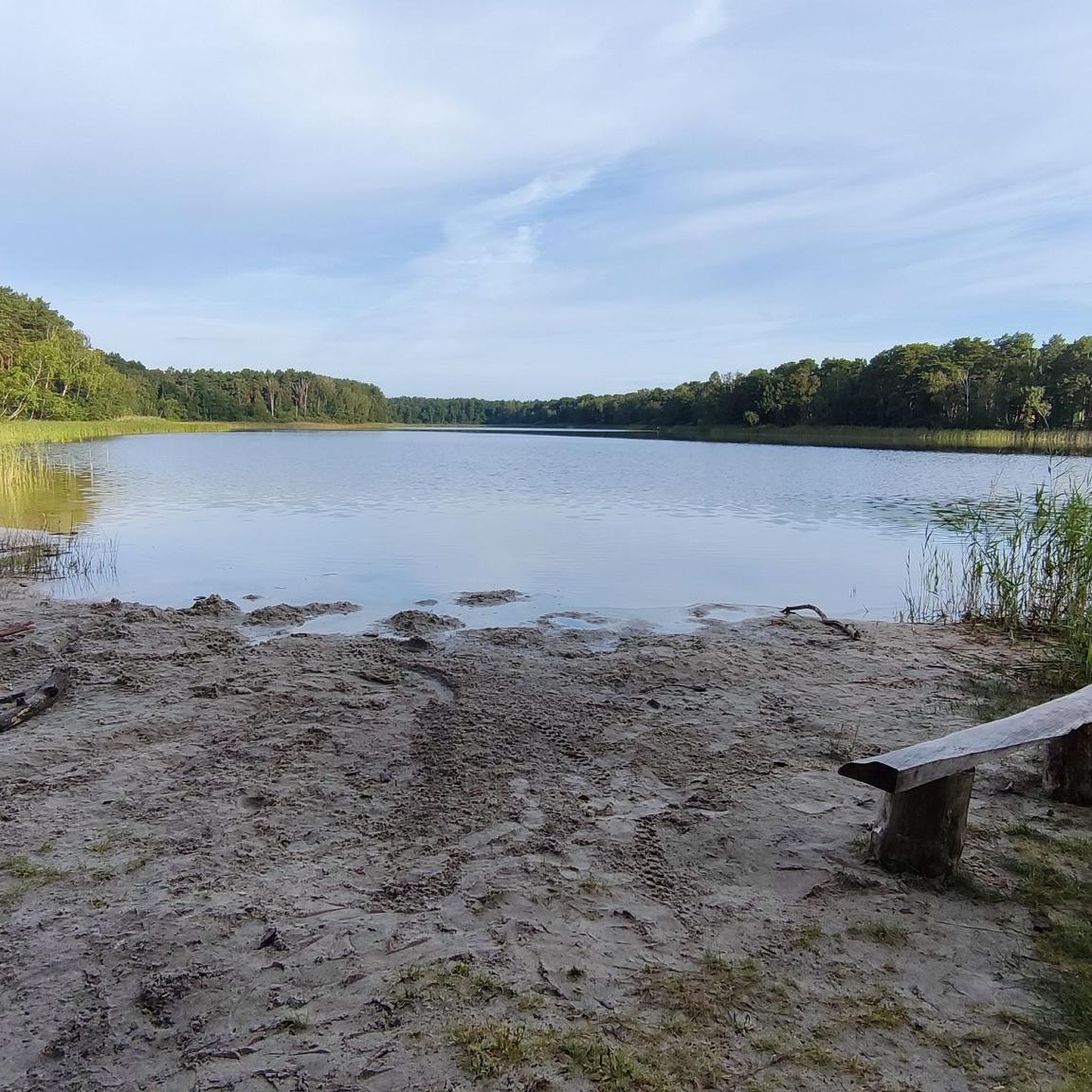
Road Cycling Routes around Heidesee
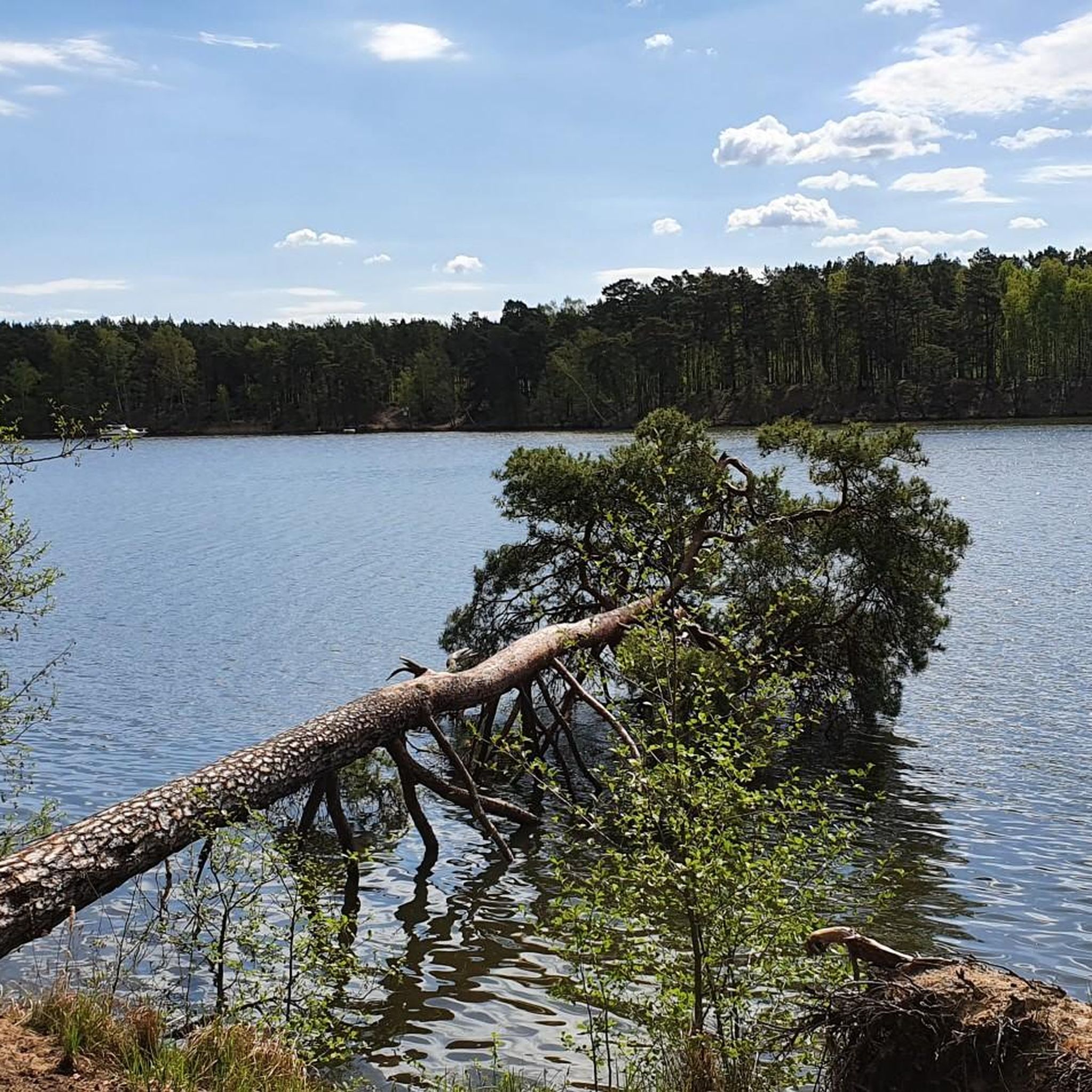
Running Trails around Heidesee
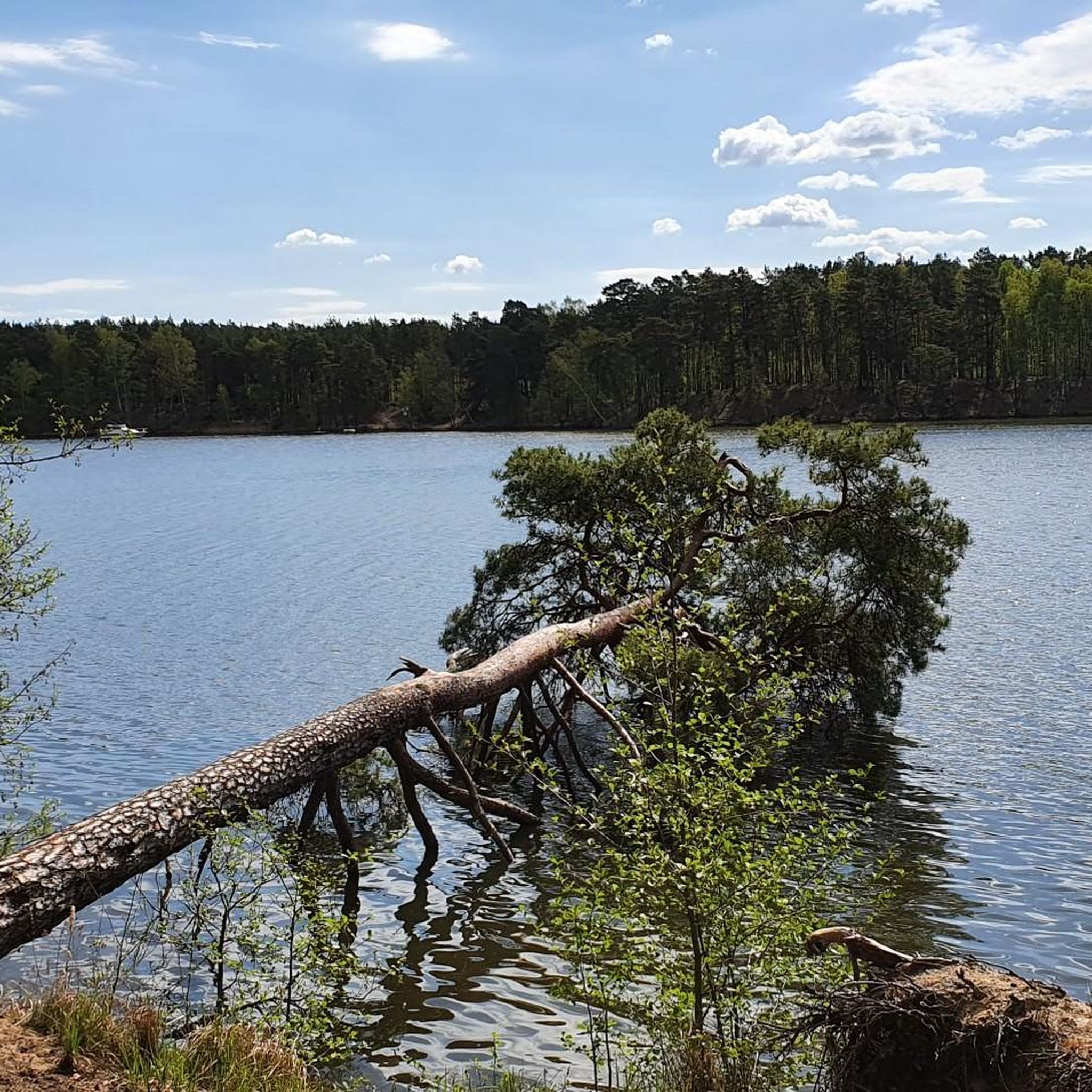
MTB Trails around Heidesee

Gravel biking around Heidesee
Other adventures around Heidesee


Tips from the Community

The Storkow region is home to rare salt marshes, among the largest of their kind in Europe. You can discover this unique natural phenomenon on the Salt Trail. From the eight-meter-high observation tower in the Marschallwiesen, you'll have a sweeping view of the landscape – ideal for observing cranes and many other bird species in their natural habitat.
1
0

You have a nice view here
0
1

4
0

At the end of the 19th century the area became a popular tourist destination. A number of restaurants were built around the "Tiergarten", of which only "Riedels Gasthof" still exists today. In the course of the prince's settlement in 1926, the forestry office in Königs Wusterhausen became Prussian state property. In 1989, a forest educational trail was laid out in the "Tiergarten" for the first time. In 1994, a forest youth group renewed the nature trail at great expense. For Brandenburg Day 2008, the nature trail was again provided with boards by the forester's office in Königs Wusterhausen. According to the forest function mapping of the state of Brandenburg, the area is designated as a recreational forest.
0
0
South of the Staabe and east of the Krimnicksee, the soldier king Friedrich Wilhelm I, who often stayed at his nearby Wusterhausen hunting lodge, had a zoo laid out in 1725 in a 900-hectare forest area for hunting and to protect the wild stocks. The area is now a recreation area with up to 270-year-old oak trees and has been a nature reserve since 1995 under the name Tiergarten. The Neue Mühle hiking trail leads from Königs Wusterhausen via the castle park and the Neue Mühle lock through the zoo and back to Königs Wusterhausen.
0
0

There are several ways to enter the Tiergarten sculpture path near Königs Wusterhausen, including here at the Neue Mühle. There is also a small parking lot as well as this orientation board with all ten locations of the wooden sculptures along the circular route.
0
0

beautiful shore path on the canal and Sedinsee make Schmökwitz
0
0

A corner point where you can let your gaze glide over the vastness of the water.
0
0
Frequently Asked Questions
What are some of the most unique natural monuments to explore in the Heidesee region?
The Heidesee region, particularly within the Dahme-Heideseen Nature Park, offers diverse natural monuments. A standout is Binnendüne Waltersberge, one of Brandenburg's largest inland dunes, standing about 36 meters high. Another significant site is the Tiergarten Königs Wusterhausen Nature Reserve, a forest with ancient trees and diverse vegetation, originally established as a hunting ground in 1725.
What kind of natural features can I expect to see among Heidesee's natural monuments?
The natural monuments around Heidesee showcase a variety of landscapes shaped by glacial origins. You'll find numerous lakes like Krossinsee and Klein Köriser See, extensive heathlands, and diverse forests. The region also features unique geological formations such as dunes, and various viewpoints over rivers and lakes.
Are there good viewpoints to observe the natural beauty of Heidesee?
Yes, the region offers several excellent viewpoints. The View of the Spree floodplains provides a scenic outlook over a meadow landscape where the Spreeradweg runs. Another notable spot is the Observation Tower at the Salt Meadows, offering a panoramic view, especially in late summer when it's a resting place for storks and cranes. You can also enjoy a nice perspective of the Oder-Spree Canal flowing into the Seddinsee from the Headland Seddinsee/Oder-Spree Canal.
Are the natural monuments around Heidesee suitable for families?
Many natural monuments in Heidesee are family-friendly. For instance, the View of the Spree floodplains, Observation Tower at the Salt Meadows, and Tiergarten Königs Wusterhausen Nature Reserve are all categorized as family-friendly. These spots often feature well-developed paths and opportunities for nature observation, making them enjoyable for all ages.
What kind of wildlife can I observe at the natural monuments in Heidesee?
The Dahme-Heideseen Nature Park is a vital habitat for many animal and plant species. You might spot beavers, otters, and various impressive bird species such as sea eagles, ospreys, cranes, and kingfishers. The Binnendüne Waltersberge is also known for rare bird species like cuckoos, black kites, great spotted woodpeckers, and woodlarks.
When is the best time of year to visit the natural monuments in Heidesee?
The Heidesee region's natural monuments can be enjoyed year-round, with each season offering a different experience. Spring brings blooming flora and active birdlife, while summer is ideal for water activities and enjoying the lush greenery. Autumn provides stunning fall foliage, and even winter offers peaceful walks, especially in areas like the Tiergarten Königs Wusterhausen Nature Reserve.
Are there hiking opportunities near the natural monuments in Heidesee?
Absolutely. The Heidesee region is excellent for hiking. You can find numerous trails, including those suitable for running, such as the 'Wolzig Root Pine – Swimming area at Wolziger See loop from Wolzig' or the 'Schmöldesee Lakeside Path – Village Church Prieros loop from Dahme'. For more detailed routes, explore the Running Trails around Heidesee guide.
What other outdoor activities can I do near these natural monuments?
Beyond hiking, the Heidesee area offers various outdoor activities. You can enjoy gravel biking on routes like the 'Hubertushöhe Castle – Lake Storkow loop from Dahme' or mountain biking on trails such as the 'Todnitzsee – Cycle path through the Skabyer Torfgraben conservation area loop from Kolberg'. For more options, check out the Gravel biking around Heidesee guide and the MTB Trails around Heidesee guide.
How can I reach the natural monuments in Heidesee by public transport?
The Dahme-Heideseen Nature Park, which encompasses many of Heidesee's natural monuments, is accessible by public transport. For detailed information on routes and schedules, it's best to consult the official website for the nature park or local transport providers. You can find more information about the park on Visit Berlin's page for Dahme-Heideseen Nature Park.
What do visitors enjoy most about the natural monuments in Heidesee?
Visitors frequently praise the serene natural ambiance and the diverse landscapes. They appreciate the well-marked paths for hiking, the opportunities for birdwatching, and the peaceful escape from urban bustle. Many highlight the beauty of the Spree floodplains, the unique character of the inland dunes, and the ancient trees within the nature reserves.
Is parking available at the natural monuments in Heidesee?
While specific parking details vary by location, many popular natural monuments and trailheads within the Dahme-Heideseen Nature Park offer designated parking areas. It's advisable to check local signage upon arrival for any specific regulations or fees.
Can I bring my dog to the natural monuments in Heidesee?
Many areas within the Dahme-Heideseen Nature Park are dog-friendly, allowing you to explore the natural monuments with your canine companion. However, it's important to keep dogs on a leash, especially in nature reserves and areas with sensitive wildlife, to protect both your pet and the local ecosystem. Always clean up after your dog.
Most popular routes around Heidesee
Most popular attractions around Heidesee

Get inspired with the komoot mobile app


Explore more
Extend your search for the best caves by checking out these guides of the top ones around Heidesee:
