Top 20 Natural Monuments around Küstriner Vorland
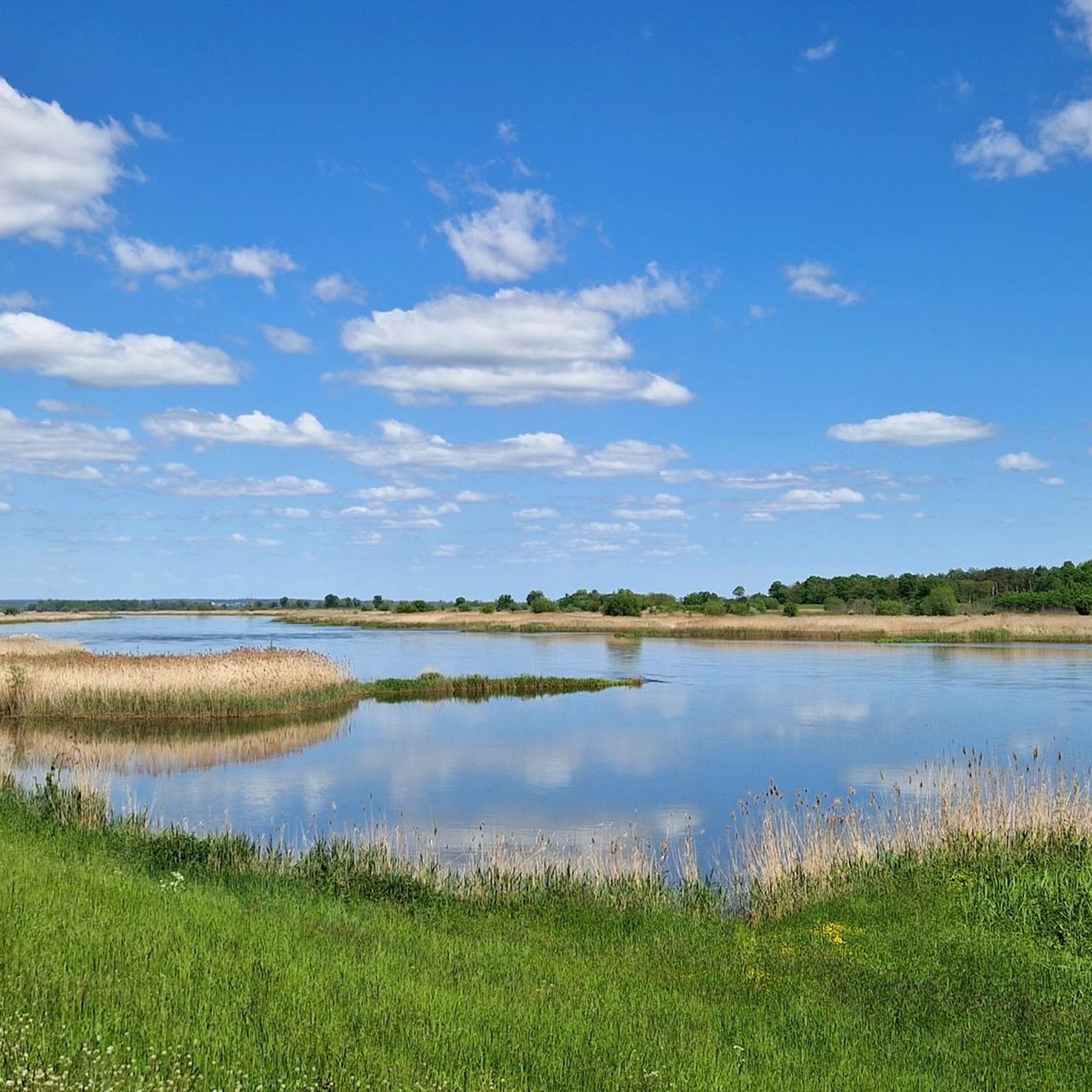
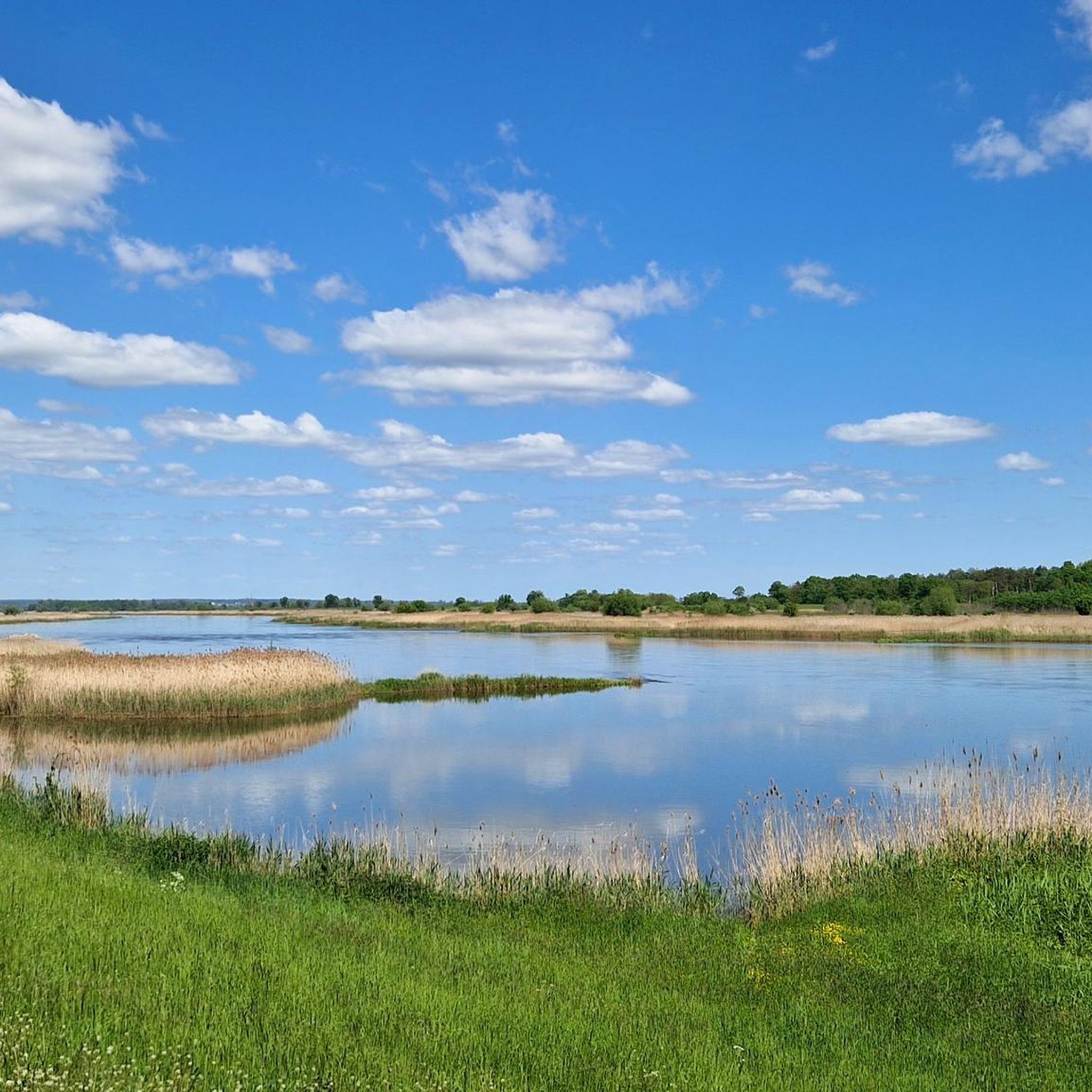
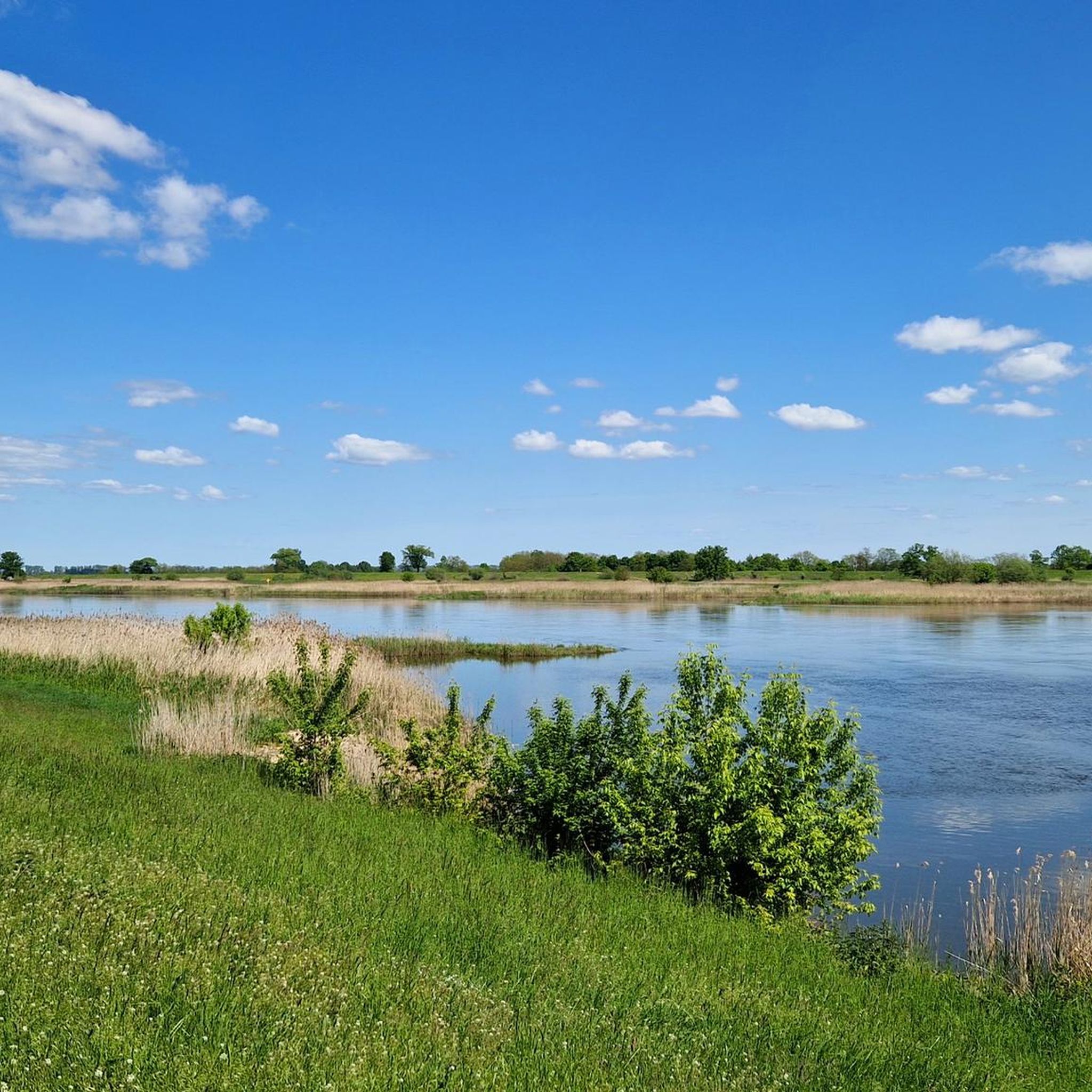
Best natural monuments around Küstriner Vorland are situated in a municipality in Brandenburg, Germany, near the border with Poland. This region is characterized by its natural landscapes, including riverine areas and protected habitats along the Oder River. The area offers opportunities to observe diverse ecosystems and significant natural features. It serves as a location for appreciating natural growth and ecological processes.
Best natural monuments around Küstriner Vorland
- The most popular natural monuments is Priesterschlucht, a gorge known for its…
Last updated: August 18, 2026
Priesterschlucht
Highlight • Gorge
Translated by Google •
Tip by

Shepherd Fountain Seelow
Highlight • Monument
Translated by Google •
Tip by

Sign up now to discover places like this
Get recommendations on the best single tracks, peaks, & plenty of other exciting outdoor places.
Sign up for free
Pond in Park Wollup
Highlight • Lake
Translated by Google •
Tip by

Weihraucheiche of Friedrichsaue
Highlight • Natural Monument
Translated by Google •
Tip by

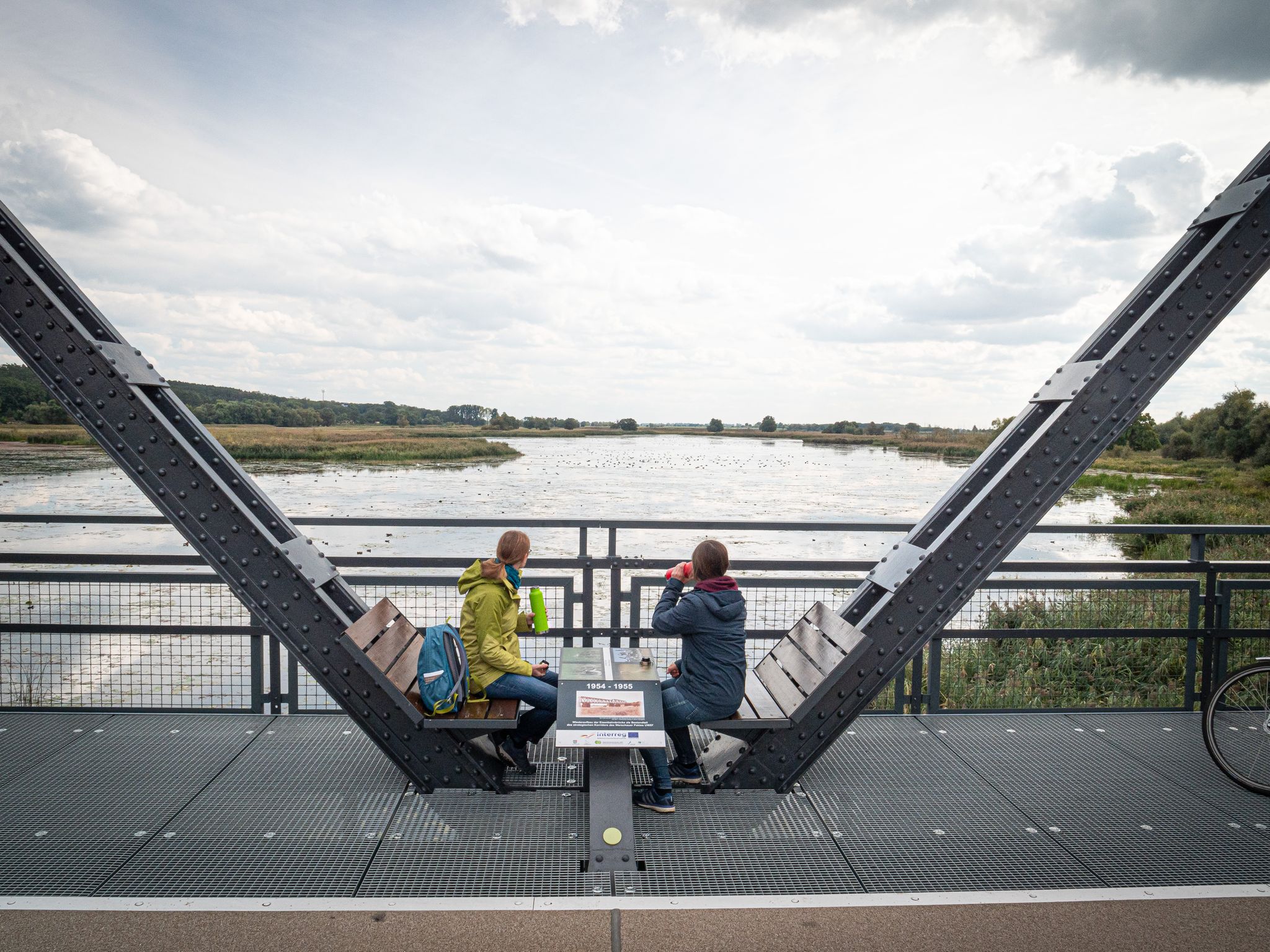
Birdwatching Point at Park Krajobrazowy Ujście Warty
Highlight • Viewpoint
Translated by Google •
Tip by

Sign up for free to discover even more natural monuments around Küstriner Vorland.
Sign up for free
Already have an account?
Start today with a free account
Your next adventure awaits.
Login or Signup
Popular around Küstriner Vorland

Tips from the Community


In the Steintoch district, the former royal state domain of Wollup has a history spanning over 500 years. It was here that Frederick II, as Crown Prince, completed his first agricultural and economic studies, and it was here that his particular interest in the Oderbruch region was awakened. In 1852, the German agronomist and agricultural reformer Johann Gottlieb Koppe commissioned the landscape architect Eduard Neide to transform parts of the estate into a landscape park. The overgrown, woodland-like park, as it was during its last intensive development by the landscape architect Eduard Neide, retains open and enclosed areas, modeled on English landscape gardens, divided into lawns, meadows, and denser stands of trees and shrubs. Many old deciduous trees, which characterize the park's landscape, can be seen.
0
0

Cute fountain on the market square by the church.
1
0

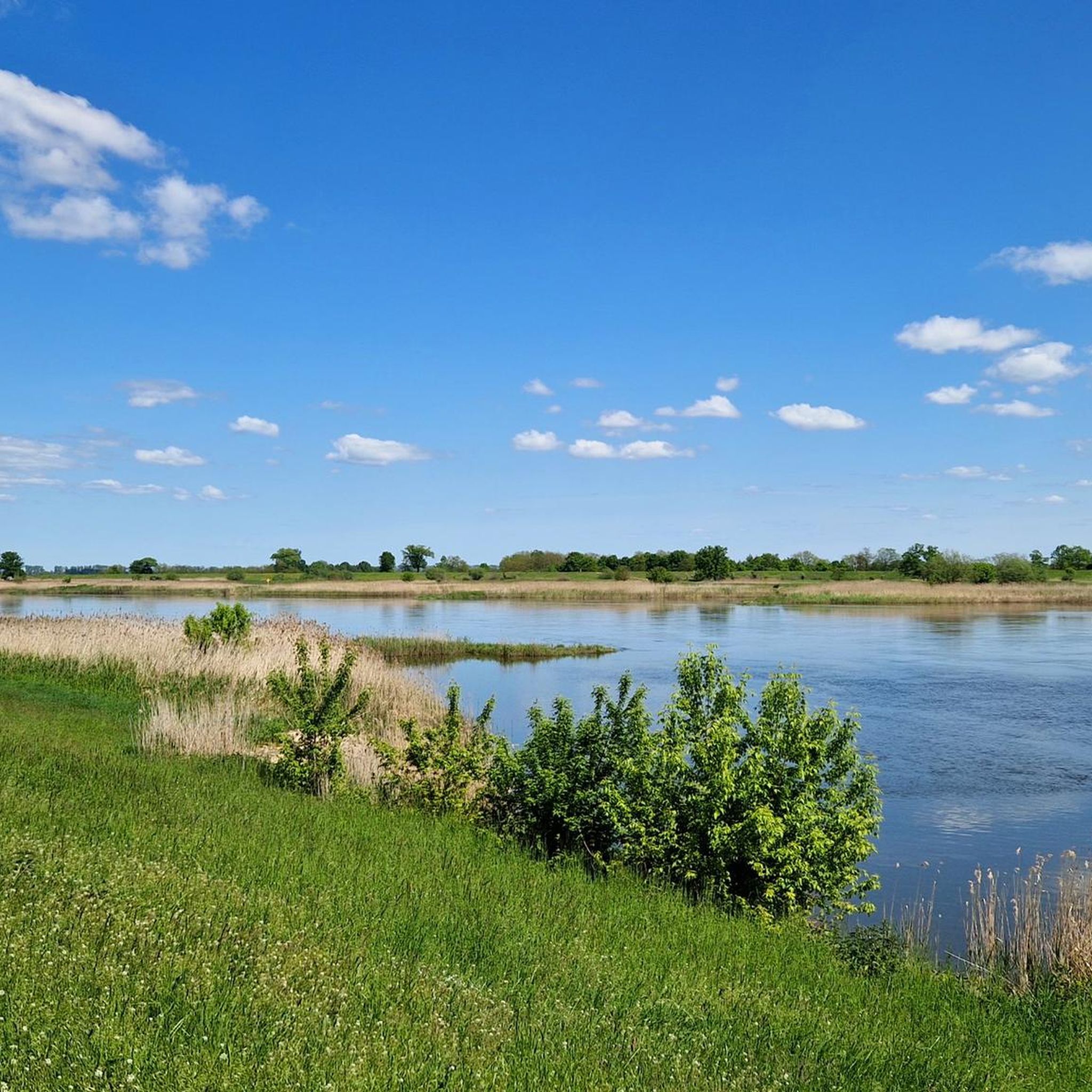
The incense oak stands south of Friedrichsaue next to an old arm of the Oder, facing a field. The old arm, called incense, was separated from the Oder in 1786. About ten years ago, the old Oder arm was renaturalized and now carries water again. The oak stands on the edge of a small forest called Sanssouci, a scenic gem that was given forest protection status in 1959/60. Near the oak is a dam built in 1920 by the Oderbruchbahn. The railway line has since been abandoned, and a cycle path now runs over it. The oak is still unknown in literature; it is a new discovery. The trunk shows rot on one side, the bark is partially missing but is still completely closed. A fairly large crown sits on the trunk, which is still completely intact. It shows very little dead wood, although the oak has been struck by lightning several times, most recently in 2012. The vitality of the monumental oak is still good. Development of the breast height circumference 1997 7.41 m Unknown 2022 8.10 m Rainer Lippert Location: Friedrichsaue Municipality: Zechin District: Märkisch-Oderland Federal state: Brandenburg Height: 10 m above sea level Tree species: Pedunculate oak Age: around 400 years Breast height circumference: 8.10 m (waist) Waist circumference: 8.10 m Height of the tree: 19 m Crown diameter: 20 m Year of measurements: 2022 https://www.monumentale-eichen.de/brandenburg/friedrichsaue/
0
0

A beautiful park, which one would not have expected. The estate owners were probably very wealthy back then, from which we all benefit today.
1
0


Beautiful sea of blossoms from April to early May.
0
0
Frequently Asked Questions
What are some unique natural features to explore in Küstriner Vorland?
Küstriner Vorland offers diverse natural features. You can explore the impressive Friedrichseiche Küstrin, an ancient English oak estimated to be around 270 years old, located on the left bank of the Oder. Another significant area is the Oderinsel Küstrin-Kietz, a Flora-Fauna-Habitat (FFH) area known for its dynamic floodplains and alluvial forests, providing a crucial habitat for various water-bound species.
Are there any natural monuments with historical significance in the area?
Yes, the region has natural monuments intertwined with history. The Friedrichseiche Küstrin is believed to have been planted in honor of Frederick II after the Seven Years' War. Additionally, the Seelow Heights Memorial is a historical site that also functions as a natural monument, offering insights into significant historical events and providing viewpoints.
What kind of wildlife can I observe in Küstriner Vorland's natural areas?
The Oderinsel Küstrin-Kietz is a biodiversity hotspot, home to species like the European beaver, Eurasian otter, European fire-bellied toad, and various fish species. You can also visit the Birdwatching Point at Park Krajobrazowy Ujście Warty, which is a significant natural reserve offering opportunities to observe diverse bird species, including cranes and eagles, especially in early November.
Are there family-friendly natural monuments in Küstriner Vorland?
Several natural monuments are suitable for families. The Priesterschlucht offers a beautiful circular route through a narrow valley, which is enjoyable for all ages. The Seelow Heights Memorial and the Birdwatching Point at Park Krajobrazowy Ujście Warty are also categorized as family-friendly.
What outdoor activities can I do near the natural monuments?
Küstriner Vorland offers various outdoor activities. You can find easy hikes, such as the 'Berlin Gate – Kostrzyn Old Town Ruins loop' from Oderinsel Küstrin-Kietz. For cycling enthusiasts, there are routes like the 'View of the Oder River – Theater am Rand loop' from Küstrin-Kietz. Mountain biking trails are also available, including the 'Warniki Pump Station – Palace and church in Dąbroszyn loop' from Kostrzyn upon Oder. You can explore more options in the easy hikes, cycling, and MTB trails guides for the region.
Are there any accessible natural monuments for visitors with mobility considerations?
Yes, the Seelow Heights Memorial is noted as wheelchair accessible, providing an opportunity for more visitors to experience this historical and natural site. The Shepherd Fountain Seelow is also wheelchair accessible.
What is special about the Weihraucheiche of Friedrichsaue?
The Weihraucheiche of Friedrichsaue is a very impressive natural monument, an ancient pedunculate oak estimated to be around 400 years old with a breast height circumference of 8.10 meters. It stands next to an old arm of the Oder that was renaturalized, and despite being struck by lightning multiple times, it maintains a large, vital crown.
What do visitors enjoy most about the natural monuments in Küstriner Vorland?
Visitors appreciate the diverse experiences offered. Many enjoy the scenic paths, like the circular route through the Priesterschlucht, especially when Adonis roses bloom in spring. The historical context of sites like the Seelow Heights Memorial is also highly valued, providing a reflective experience. The opportunity for wildlife observation at places like the Birdwatching Point at Park Krajobrazowy Ujście Warty is another highlight for many.
Can I combine a visit to a natural monument with a historical tour?
Absolutely. The path through the Priesterschlucht can be combined with a hike towards Reitwein to the Shukow command post, which was significant during the final phase of the Second World War. The Seelow Heights Memorial itself is a natural monument that is primarily a historical site with an informative museum.
Are there any unique man-made monuments that are also considered natural monuments?
Yes, the Shepherd Fountain Seelow is an example. While a man-made monument, it is also listed as a natural monument. This fountain, built in 1988, stands on the market square in Seelow, replacing an older one destroyed during the Battle of the Seelow Heights, and features a bronze sculpture of a shepherd.
What is the best time of year to visit the natural monuments for flora and fauna observation?
For observing seasonal flora, spring is ideal, especially in the Priesterschlucht where Adonis roses bloom. For birdwatching, early November is an excellent time to visit the Birdwatching Point at Park Krajobrazowy Ujście Warty, as thousands of birds, including cranes and eagles, inhabit the area.
Most popular routes around Küstriner Vorland
Most popular attractions around Küstriner Vorland

Get inspired with the komoot mobile app


Explore more
Extend your search for the best caves by checking out these guides of the top ones around Küstriner Vorland:
