Top 20 Natural Monuments around Felixsee
Best natural monuments around Felixsee are situated within the UNESCO Global Geopark Muskauer Faltenbogen, an area shaped by glacial forces and former lignite mining. This region features a landscape of geological significance, including the Muskau Arch, and numerous post-mining lakes. Felixsee itself is a prominent lake formed from a flooded open-pit mine, showcasing landscape reclamation and evolving ecosystems. The area offers a blend of natural and human-influenced geological processes, providing diverse points of interest.
Best natural monuments around Felixsee
- The…
Last updated: May 12, 2026
Rakotz Bridge (Devil's Bridge)
Highlight • Bridge
Translated by Google •
Tip by

Rhododendron Park Kromlau
Highlight • Bridge
Translated by Google •
Tip by

Sign up now to discover places like this
Get recommendations on the best single tracks, peaks, & plenty of other exciting outdoor places.
Sign up for free
Basalt Organ at Rakotz Lake
Highlight • Monument
Translated by Google •
Tip by

Rhododendron Gorge (Rhododendronschlucht)
Highlight • Gorge
Translated by Google •
Tip by

Spremberg Reservoir (Spremberg Dam)
Highlight • Lake
Translated by Google •
Tip by

Sign up for free to discover even more natural monuments around Felixsee.
Sign up for free
Already have an account?
Start today with a free account
Your next adventure awaits.
Login or Signup
Tips from the Community

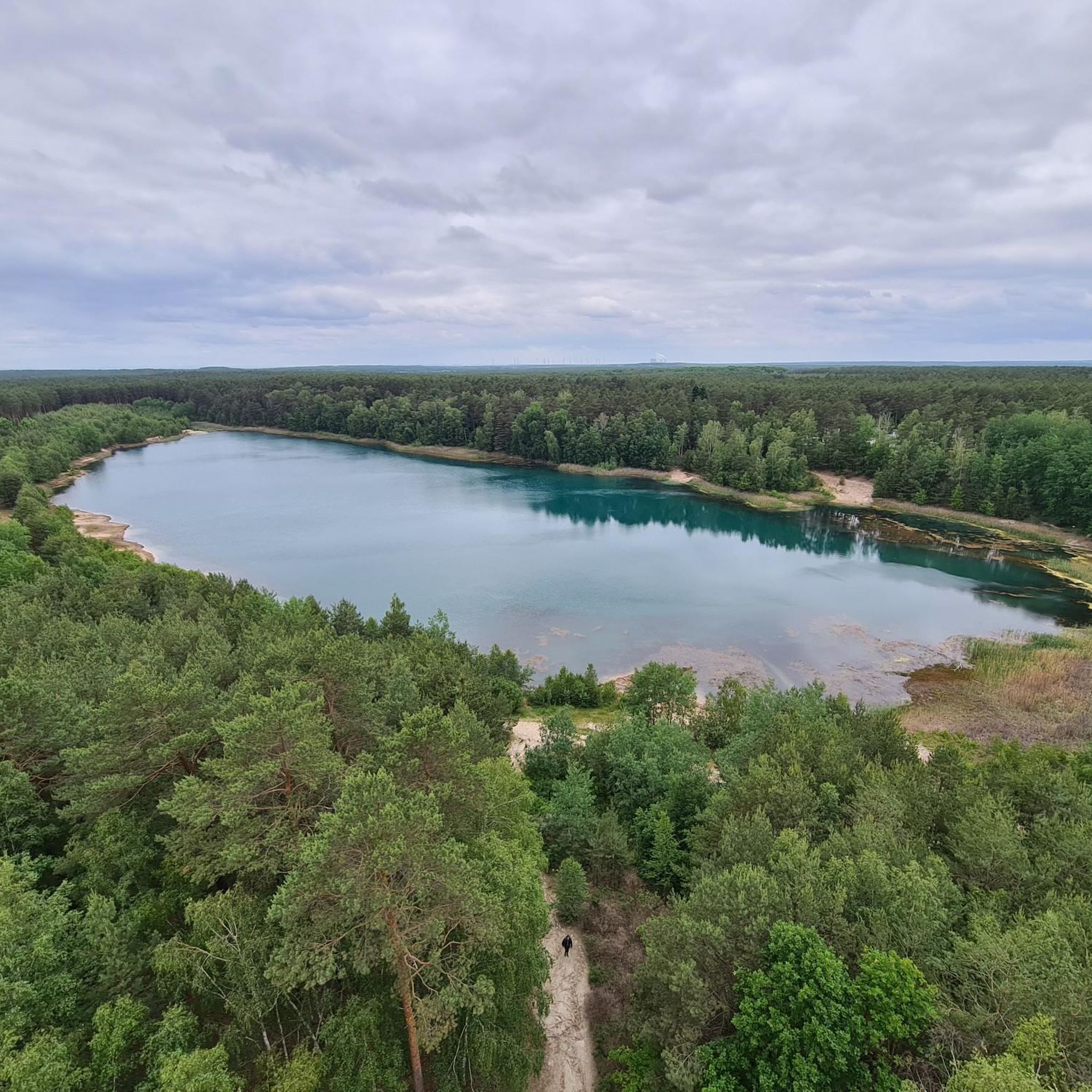
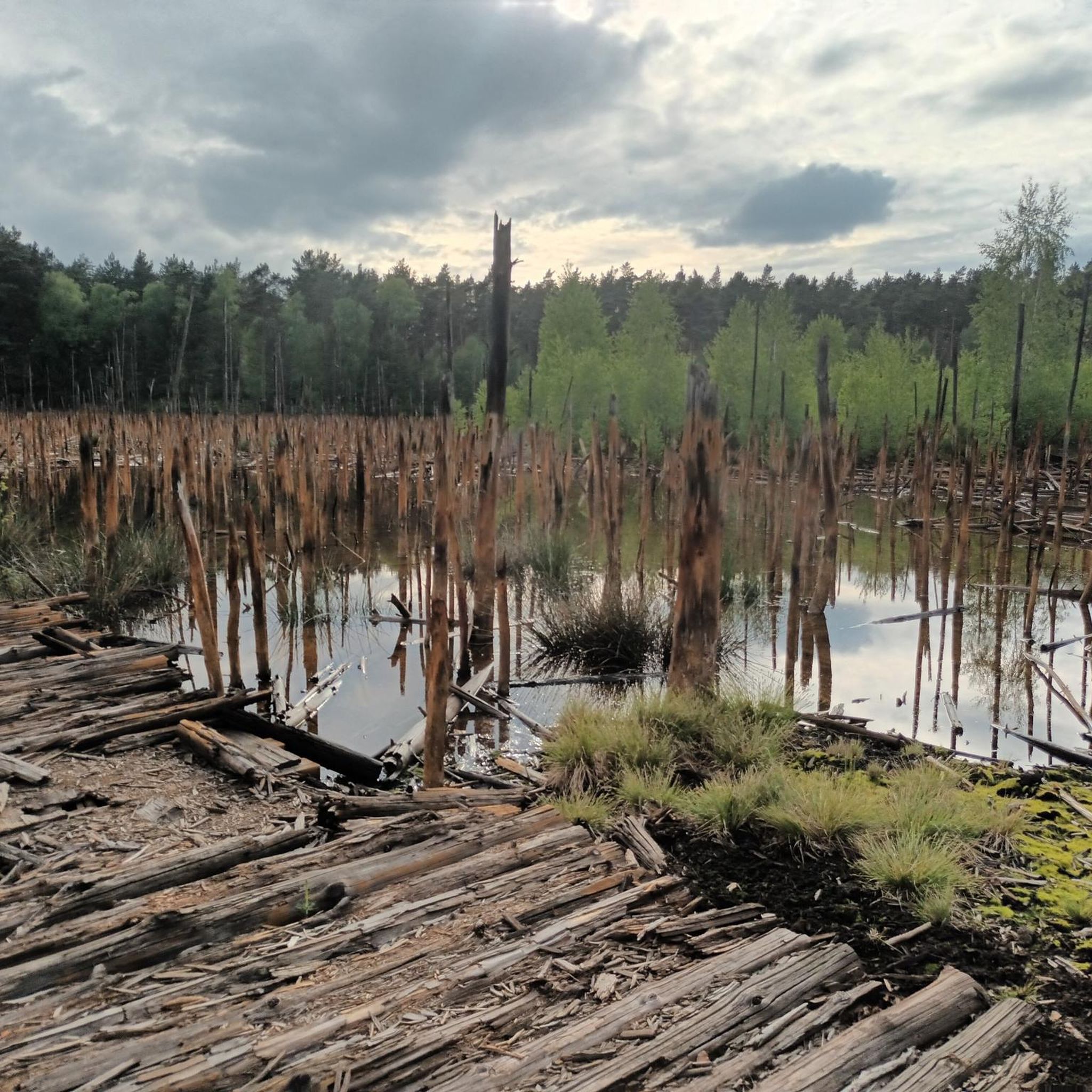
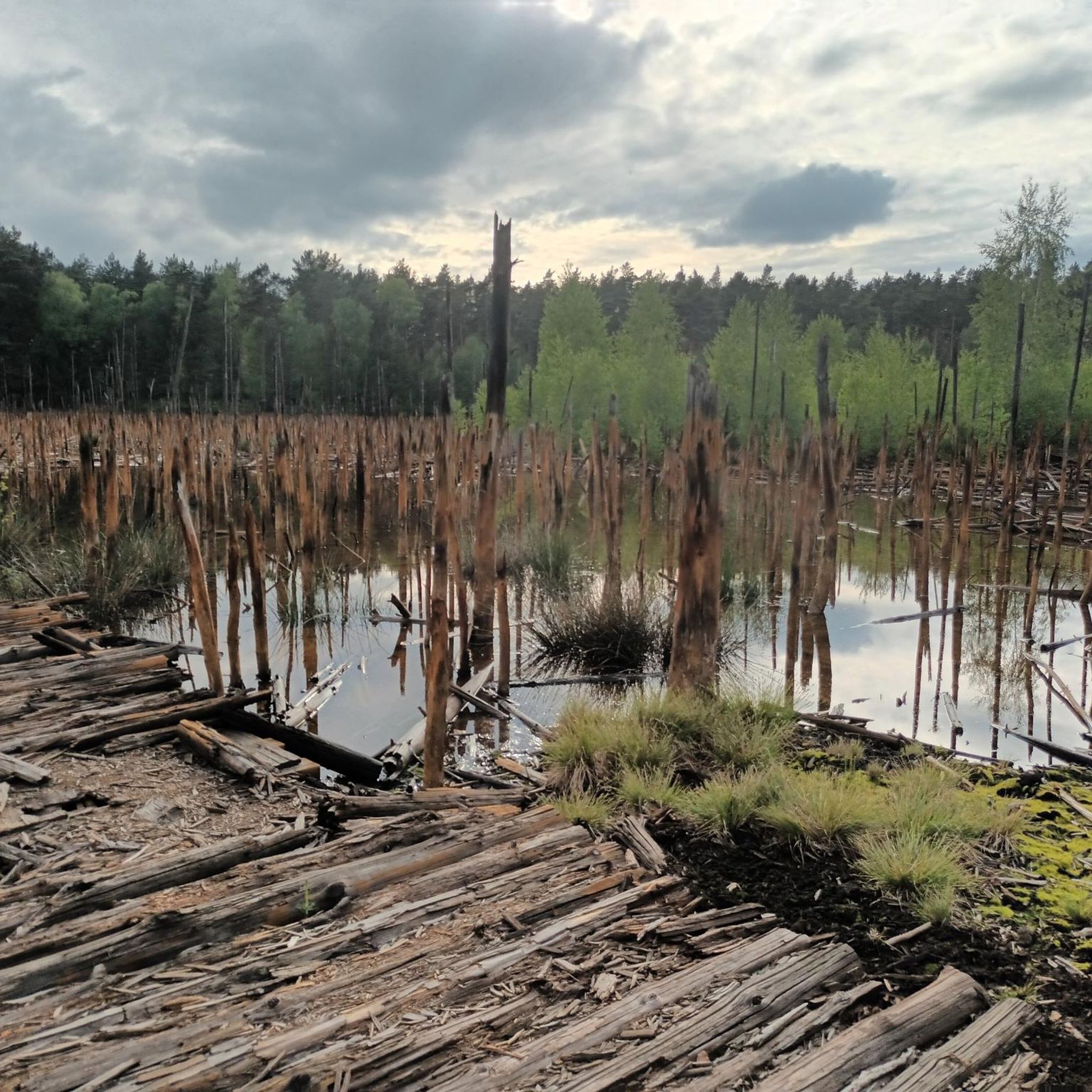
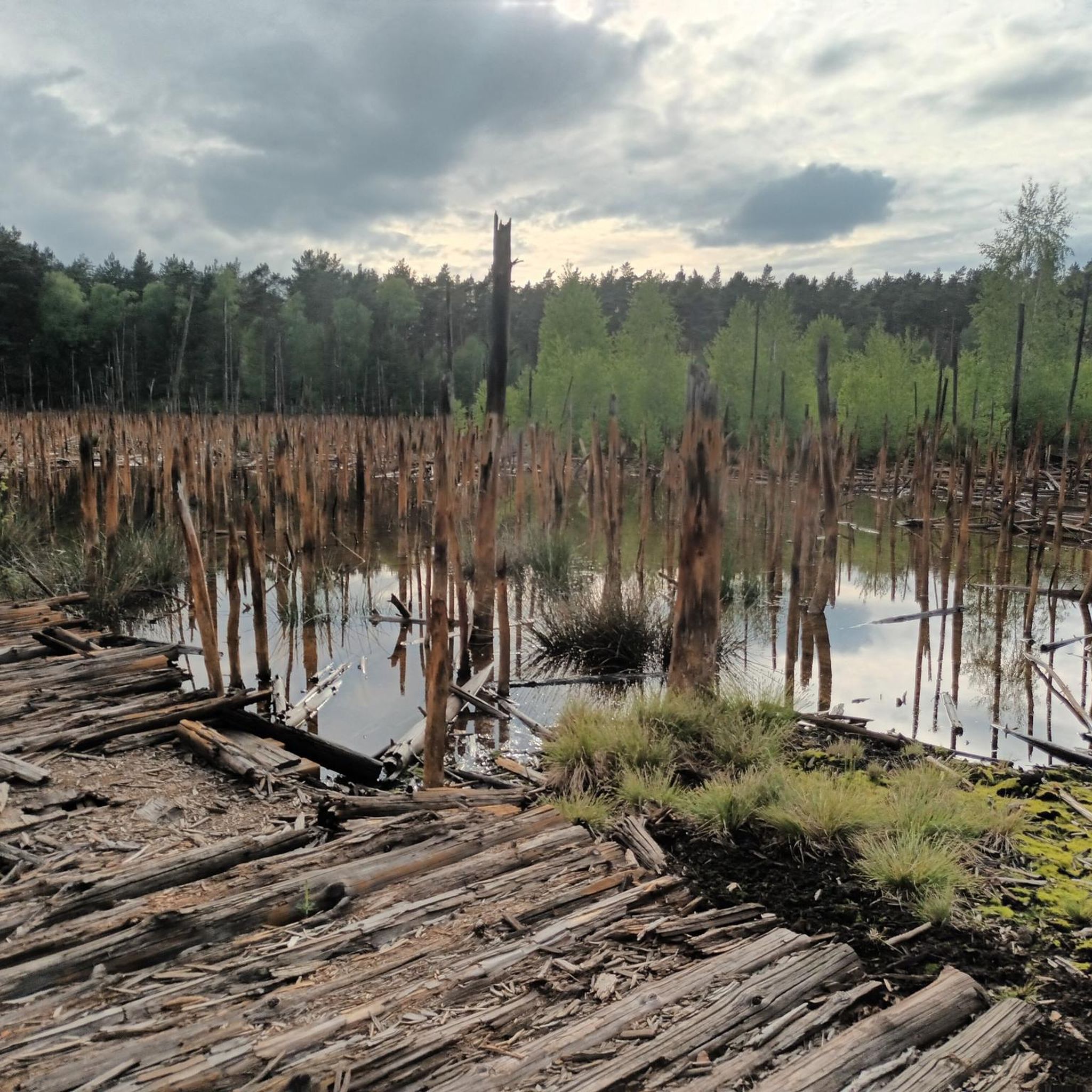
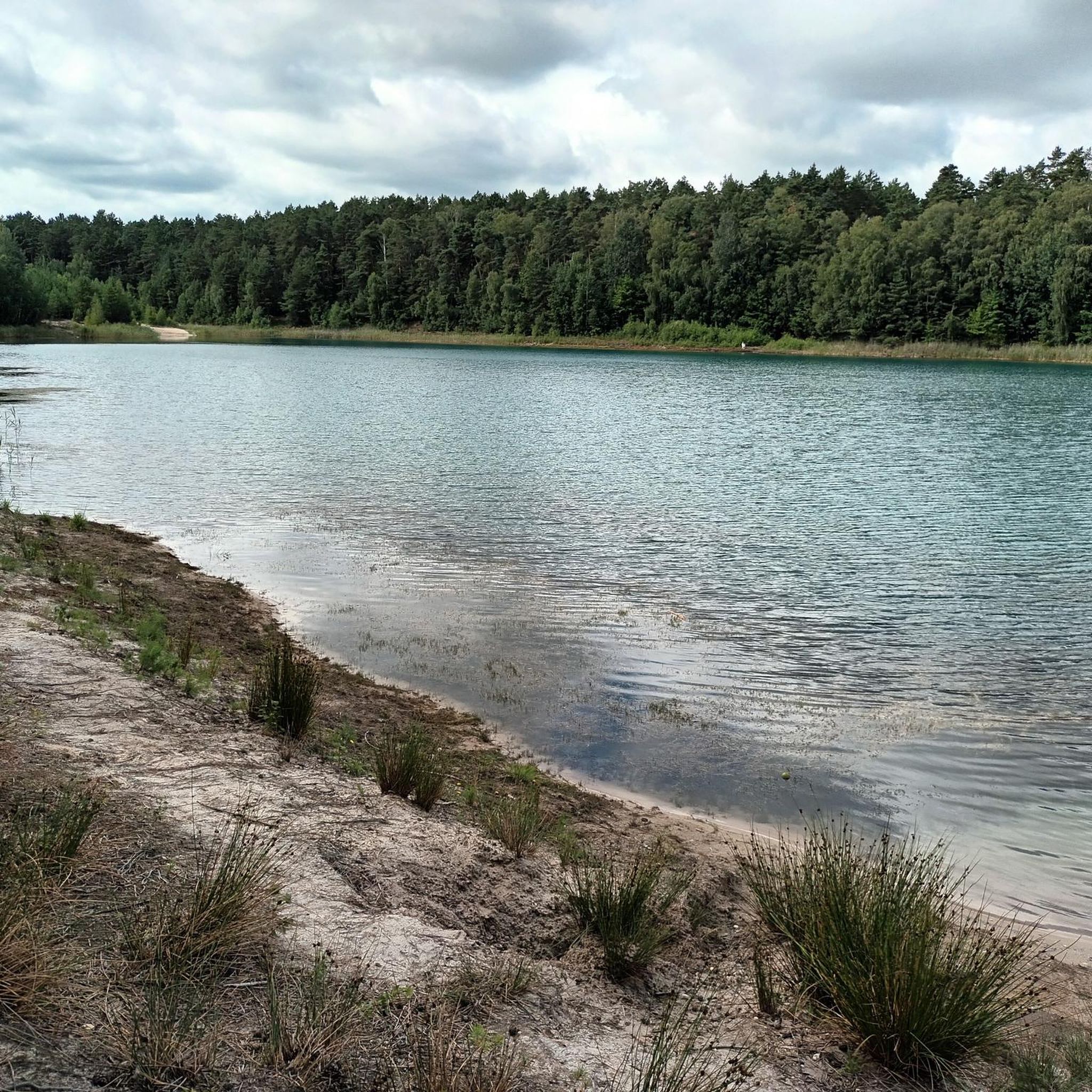
The Spremberg Dam, also known as the Spremberg Reservoir, is located between Cottbus and Spremberg as a dam on the Spree and, together with the surrounding landscapes, forms the Spremberg Dam nature reserve. This dam, a dam made of earthen materials, is the fourth largest dam in Germany in terms of area and the only dam in Brandenburg that is considered a "large dam". Its functions include supplying domestic water, flood protection, generating electricity, raising low water levels and providing local recreation. It was commissioned on October 8, 1965.
2
0

Dog-friendly beach areas and various options for refreshment.
2
0

There are numerous swimming areas around the dam.
2
0

The dam is a popular local recreation area. There are a few options there.
3
0

Beautiful, can only be recommended.
4
0
Very pretty, especially in bloom.
4
0

In June, unfortunately, a lot of flowers had already faded, which spoiled the impression a bit... I will come back in the golden autumn or next May!
3
0

Just beautiful these flowers.
2
0
Frequently Asked Questions
What unique geological features can I explore around Felixsee?
The Felixsee area is part of the UNESCO Global Geopark Muskauer Faltenbogen, a region profoundly shaped by glacial forces and former lignite mining. You can observe the striking horseshoe-shaped Muskau Arch, numerous mining lakes displaying various colors due to mineral content, and geological remnants like the "Finkenstein" Erratic Boulder in Klein Loitz, which was transported by glaciers during the Ice Age.
Are there any specific natural monuments beyond the main attractions in Felixsee?
Yes, beyond the broader geological features, the region also protects specific natural monuments. For instance, in the district of Klein Loitz, you can find one of the last remaining Wild Pear Trees, a protected example of the region's historical flora. The "Finkenstein" Erratic Boulder, mentioned previously, is also a designated natural monument.
What kind of landscapes can I expect to see in the Felixsee area?
The landscape around Felixsee is a unique blend of natural and human-influenced geological processes. You'll encounter revitalized post-mining landscapes, including the Felixsee Lake itself, which was formed from a flooded open-pit mine. There are also forests, natural valleys, and the distinctive features of the glacial Muskau Arch, offering a diverse and evolving natural environment.
What are some of the most visually striking natural monuments near Felixsee?
Among the most visually striking are the Rakotz Bridge (Devil's Bridge), known for its perfect circular reflection in the water, and the nearby Basalt Organ at Rakotz Lake, which mimics natural basalt formations. The colorful post-mining lakes throughout the Geopark also offer stunning views, especially from elevated points like the Felixsee Observation Tower.
When is the best time of year to visit the natural monuments around Felixsee?
The region offers different experiences throughout the year. Spring is particularly beautiful for visiting the Rhododendron Park Kromlau and the Rhododendron Gorge when the flowers are in full bloom. Summer is ideal for water activities at places like the Spremberg Reservoir. Autumn brings vibrant foliage, and the geological features are accessible year-round for exploration.
Are there family-friendly natural monuments or activities in the Felixsee region?
Yes, many natural monuments are suitable for families. The Rhododendron Park Kromlau offers spacious areas for walks and picnics. The Spremberg Reservoir has bathing areas and facilities. The Rakotz Bridge and Basalt Organ are fascinating sights for all ages. Additionally, there are several easy hiking routes around Felixsee, perfect for families, which you can find in the Easy hikes around Felixsee guide.
What outdoor activities can I do near these natural monuments?
The Felixsee area is excellent for various outdoor activities. You can explore numerous cycling routes, including those specifically designed for road cycling or touring, which often pass by significant natural features. For detailed routes, check out the Road Cycling Routes around Felixsee and Cycling around Felixsee guides. Hiking is also popular, with many trails, including easy options, available in the Easy hikes around Felixsee guide.
Are there hiking trails near the natural monuments around Felixsee?
Yes, there are several hiking trails that allow you to explore the natural monuments. For example, you can find easy loops around the Felixsee Observation Tower, or trails that lead through the Rhododendron Park Kromlau and Rhododendron Gorge. For a comprehensive list of options, refer to the Easy hikes around Felixsee guide.
What do visitors enjoy most about the natural monuments around Felixsee?
Visitors frequently highlight the unique blend of natural beauty and geological history. The Rakotz Bridge is a favorite for its stunning photographic opportunities, especially at sunset. The vast Rhododendron Park Kromlau is cherished for its fragrant blooms and peaceful atmosphere. The transformation of the post-mining landscape and the vibrant colors of the lakes also leave a lasting impression.
Is there an observation tower to get a panoramic view of the Felixsee landscape?
Yes, the Felixsee Observation Tower, located near Bohsdorf, offers panoramic views of the unique landscape of Felixsee and the broader UNESCO Global Geopark Muskauer Faltenbogen. This 36-meter-tall tower provides an excellent vantage point to appreciate the scale and diversity of the region, including the colorful lakes and the impact of past mining activities.
Can I swim or relax at a beach near the natural monuments?
Yes, the Spremberg Reservoir (Spremberg Dam) is a popular spot for swimming and relaxation. It features multiple bathing areas, some with white sand, making it a great destination for water activities during warmer months.
Are there any historical sites or man-made monuments that are considered natural monuments in the area?
The Rakotz Bridge (Devil's Bridge), while man-made, is often considered a natural monument due to its integration with the landscape and its unique reflection creating a 'natural' circle. Similarly, the Basalt Organ at Rakotz Lake is an artificial structure designed to mimic natural geological formations, blending human artistry with natural aesthetics.
Most popular routes around Felixsee
Most popular attractions around Felixsee

Get inspired with the komoot mobile app


Explore more
Extend your search for the best caves by checking out these guides of the top ones around Felixsee:
