Top 20 Natural Monuments around Tschernitz
Natural monuments around Tschernitz offer diverse landscapes for exploration. The region is characterized by a hilly terrain, numerous lakes, and rivers. Notable natural attractions include the Schlaubetal Nature Park and the UNESCO Global Geopark Muskauer Faltenbogen/Muskauer Arch. These areas provide opportunities to experience Brandenburg's natural beauty and geological formations.
Best natural monuments around Tschernitz
- The most popular natural monuments is Rakotz Bridge (Devil's Bridge), a bridge that is known for its unique architectural design creating a perfect circle with…
Last updated: August 18, 2026
New Muskau Castle
Highlight • Castle
Translated by Google •
Tip by

Rakotz Bridge (Devil's Bridge)
Highlight • Bridge
Translated by Google •
Tip by

Sign up now to discover places like this
Get recommendations on the best single tracks, peaks, & plenty of other exciting outdoor places.
Sign up for free
Rhododendron Park Kromlau
Highlight • Bridge
Translated by Google •
Tip by

Basalt Organ at Rakotz Lake
Highlight • Monument
Translated by Google •
Tip by

Fürst-Pückler Park and New Castle, Bad Muskau
Highlight • Historical Site
More information: de.wikipedia.org/wiki/F%C3%BCrst-P%C3%BCckler-Park_Bad_Muskau
Translated by Google •
Tip by

Sign up for free to discover even more natural monuments around Tschernitz.
Sign up for free
Already have an account?
Start today with a free account
Your next adventure awaits.
Login or Signup
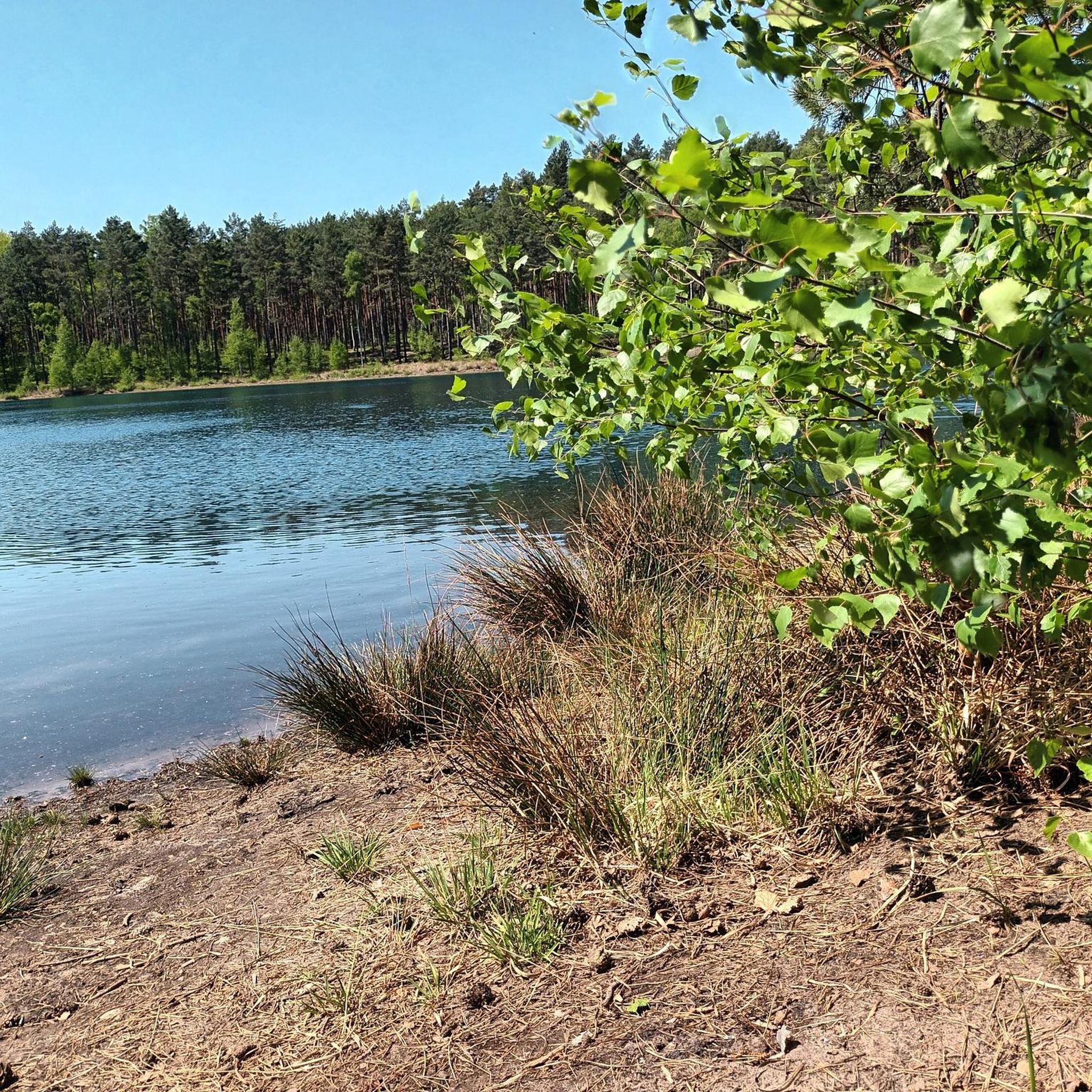
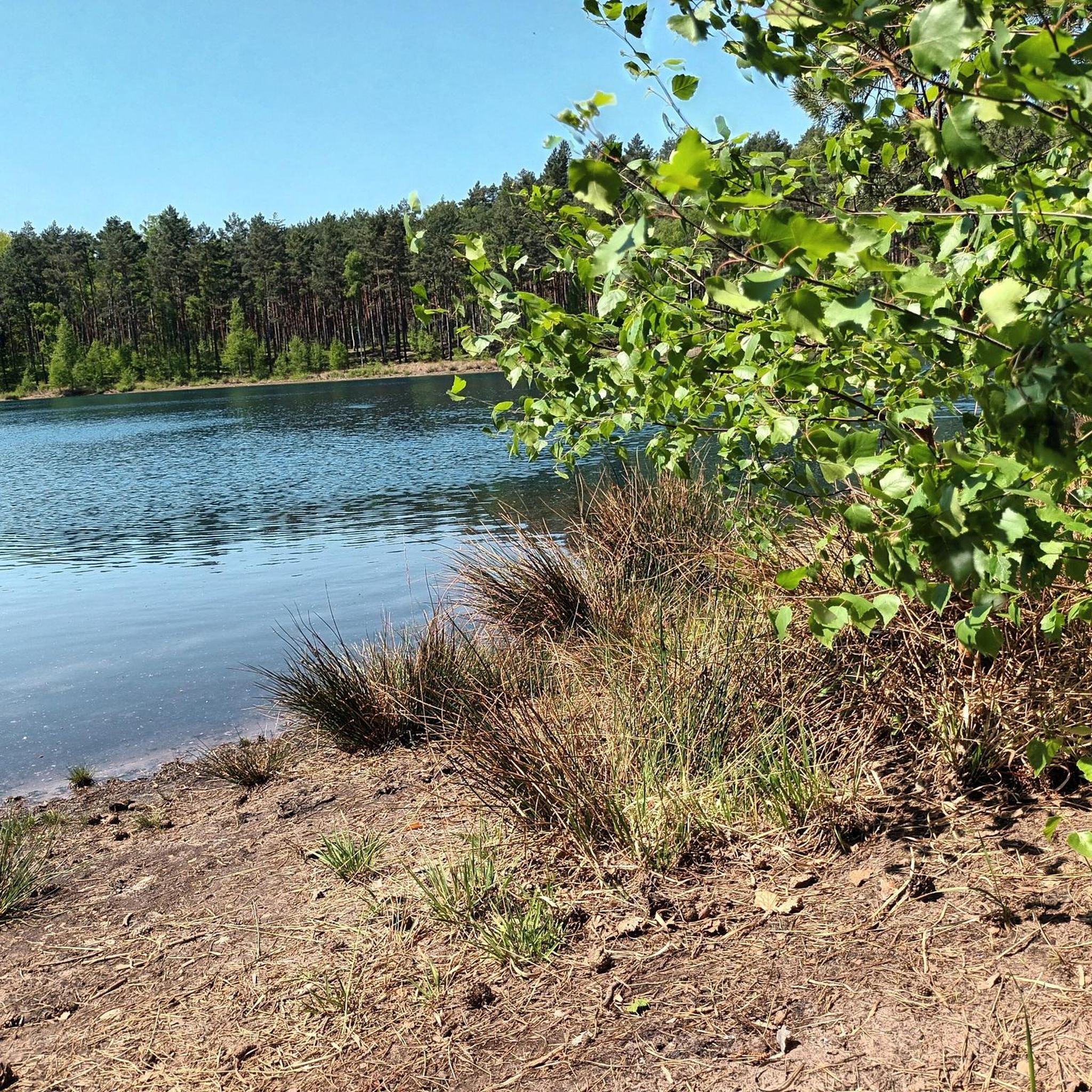
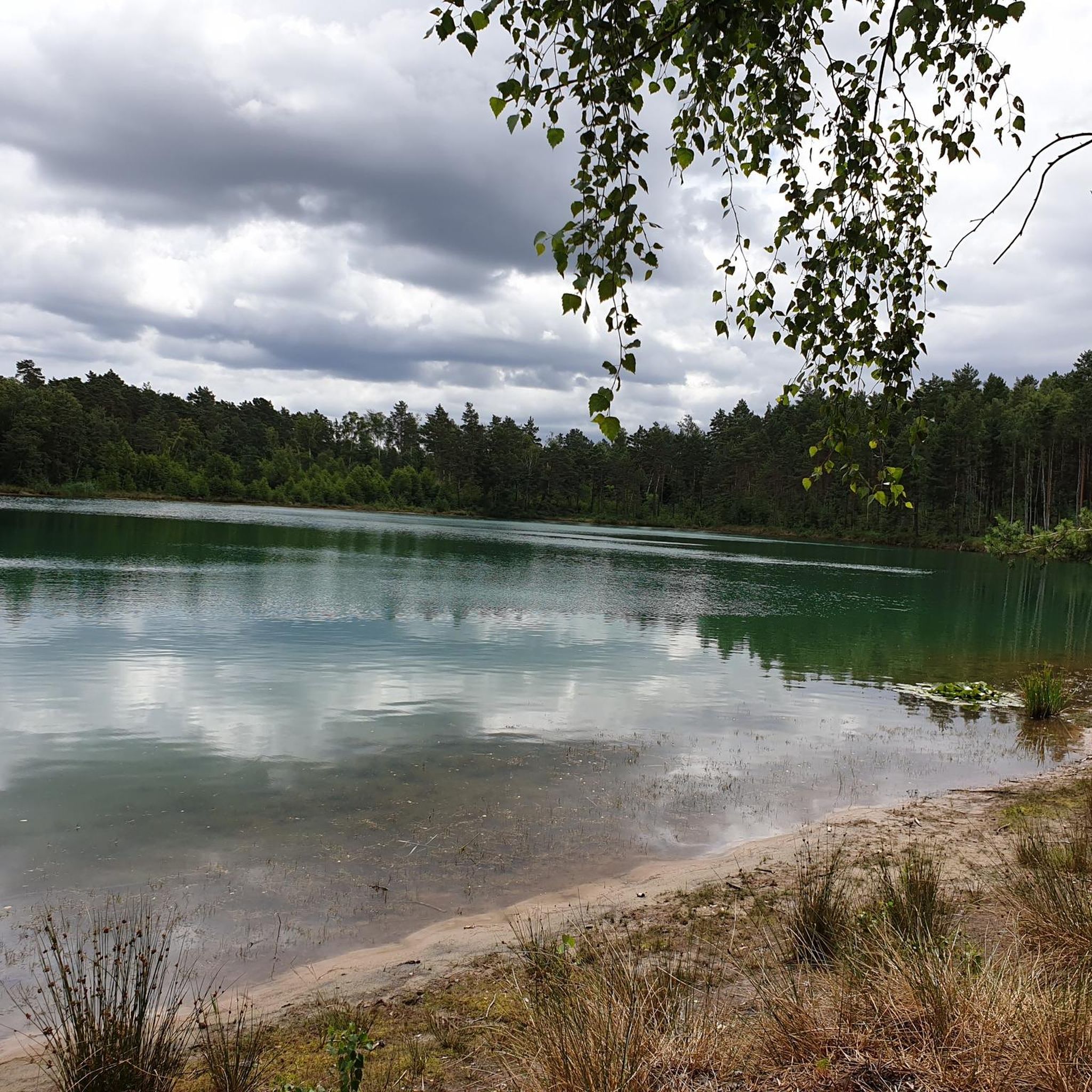
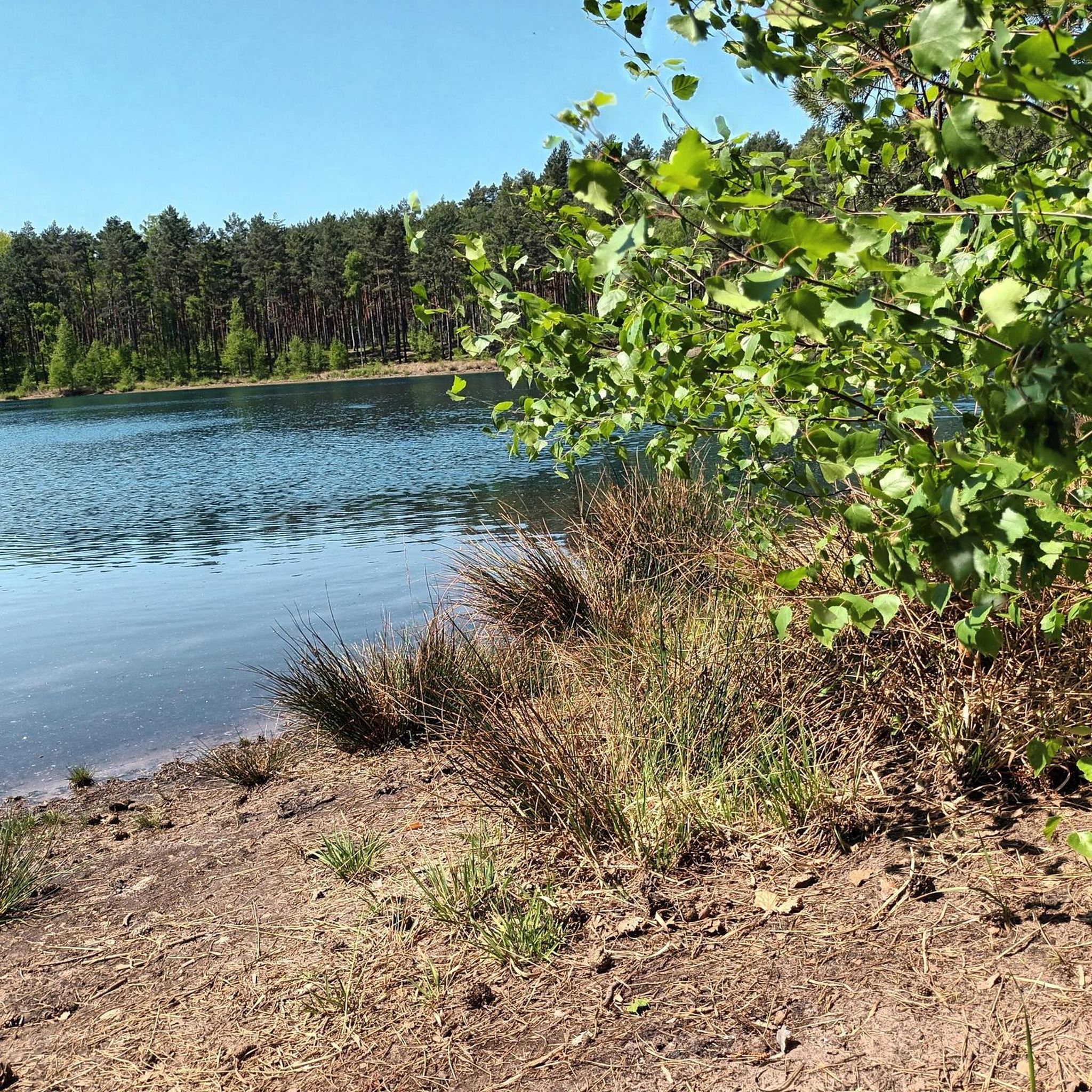
Tips from the Community

Please keep the surroundings clean👍🏻
0
0

Initially, there were no rhododendrons at all, just a variety of different woody plants. Only a few years later did people begin to plant rhododendrons and azaleas in the moorland depressions.
3
0

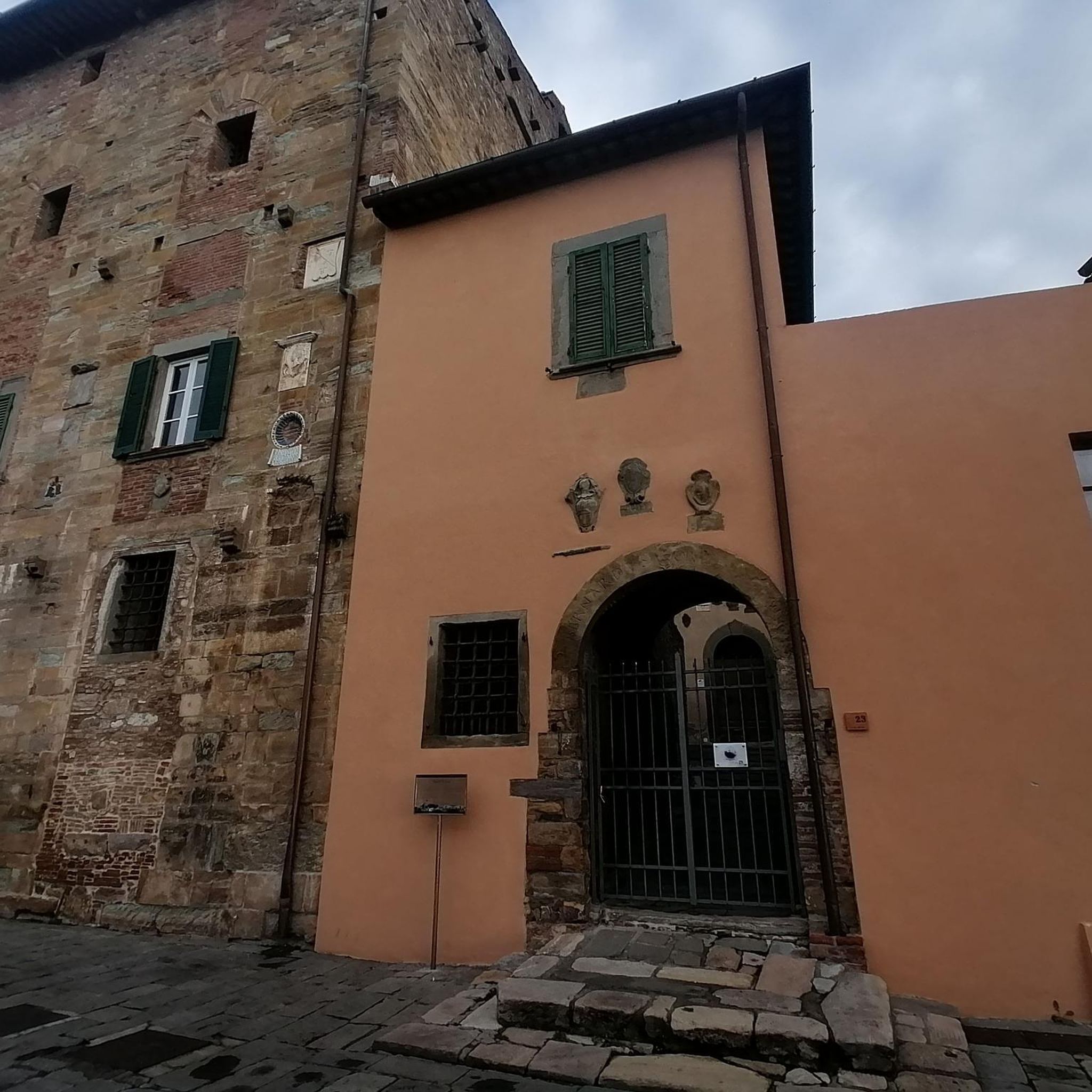
Bad Muskau, an idyllic country town on the border with Poland, attracts visitors with its historic charm and impressive palace and park, which is known far beyond the country's borders. Here lies the famous Prince Pückler Park, a sprawling landscape park, two-thirds of which is on the Polish side and one-third on the German side. This green treasure, which is a UNESCO World Heritage Site, invites you to take long walks and bike rides. The generous sightlines and the impressive trees make every visit a special experience. The restored New Pückler Palace, which towers over the park, is a real highlight and gives the place its majestic atmosphere. Ideal for enjoying a day of relaxation and discovery.
0
0

Mužakow (from Sorbian, roughly "men's town") was re-founded on the site of a Slavic refuge castle as a conveniently located trading and manufacturing center on the Neisse in the 13th century as part of the high medieval eastern settlement. It was first mentioned in a document in 1249.
2
0

Not a UNESCO World Heritage Site for nothing! One third of the park on the German side, two thirds of the park on the Polish side. The extensive landscape park has a great stock of trees and impresses with generous visual axes. The New Castle of Prince Pückler has been wonderfully restored and shines from afar.
2
0

Beautiful, can only be recommended.
4
1

great 👍
1
1

Also in autumn a worth seeing excursion destination. The foliage offers great bright photo motifs.
5
0
Frequently Asked Questions
What are some of the most popular natural monuments around Tschernitz?
Visitors frequently highlight the unique Rakotz Bridge (Devil's Bridge), known for its perfect circular reflection. Another favorite is the expansive Rhododendron Park Kromlau, which is Germany's largest open-air rhododendron landscape park and beautiful in every season. The Basalt Organ at Rakotz Lake, an artificially created basalt column formation, also draws significant interest.
Are there family-friendly natural monuments to visit near Tschernitz?
Yes, several natural monuments are great for families. The Rakotz Bridge (Devil's Bridge) and the Basalt Organ at Rakotz Lake are easily accessible and visually engaging for all ages. The vast Rhododendron Park Kromlau offers plenty of space for children to explore, and the Lohnteich (Lake Tschernitz See) provides a natural bathing area with a child-friendly shore and amenities.
What kind of natural features can I expect to see in the Tschernitz area?
The region around Tschernitz is characterized by a hilly landscape, numerous lakes, and rivers. You can explore picturesque forests and gorges, such as the Rhododendron Gorge. The area is also known for unique geological formations, including the artificial basalt columns at Rakotz Lake, and lies within reach of the UNESCO Global Geopark Muskauer Faltenbogen/Muskauer Arch, which showcases landscapes shaped by the Ice Age and mining history.
What outdoor activities can I do near these natural monuments?
The area offers a variety of outdoor activities. You can enjoy road cycling on routes like the 'New Bike Path – Ziegenhof Zur Wolfsschlucht loop' or explore MTB trails such as the 'Rakotz Bridge (Devil's Bridge) – Blue Lagoon loop'. For hikers, there are easy trails like the 'Waldsee Circular Walk loop'. You can find more details and routes in the dedicated guides for Road Cycling Routes around Tschernitz, MTB Trails around Tschernitz, and Easy hikes around Tschernitz.
Are there opportunities for swimming or water activities near Tschernitz's natural monuments?
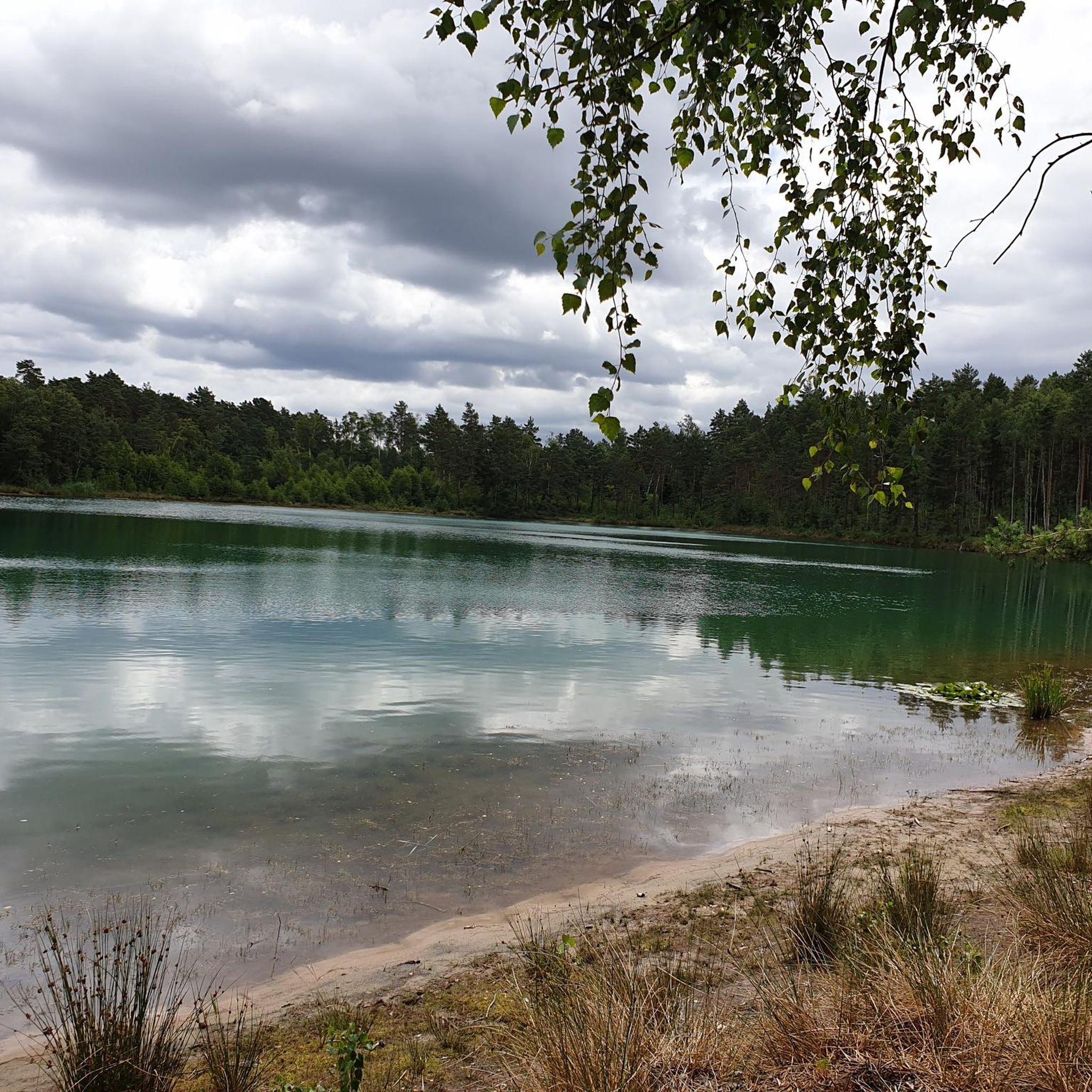
Yes, the Lohnteich, also known as Lake Tschernitz See, is a popular natural bathing area. This 6.3-hectare lake, formerly a surface mine, offers clear water, a well-maintained sunbathing lawn, beach volleyball, and a pontoon for swimmers. Its gently sloping, child-friendly shore and a separate non-swimmer area make it ideal for families. You can find more information about the Lohnteich natural bathing area here.
What is the best time to visit the natural monuments around Tschernitz?
The natural monuments around Tschernitz are beautiful year-round. The Rhododendron Park Kromlau is particularly stunning during the rhododendron and azalea bloom in spring. Autumn is also highly recommended for walks through areas like the Schlaubetal Nature Park, as the changing colors of the leaves create a picturesque landscape.
What do visitors enjoy most about the natural monuments in this region?
Visitors frequently praise the unique beauty and photographic opportunities, especially at the Rakotz Bridge (Devil's Bridge), particularly at sunset. The vastness and seasonal beauty of the Rhododendron Park Kromlau are also highly appreciated, with many noting the wonderful fragrance during bloom. The overall peaceful and scenic environment for hiking and cycling is a common highlight.
Are there any historical or cultural sites integrated with the natural monuments?
Yes, the region offers a blend of natural beauty and historical significance. The New Muskau Castle, while a man-made structure, is part of a unique ensemble with its surrounding park and nature, offering a historical context within a natural setting. The Rakotz Bridge (Devil's Bridge) itself is a historical construction from the 19th century, blending architectural marvel with its natural lake setting.
Is parking available at the main natural monuments?
Yes, parking is generally available at key natural monuments. For instance, the area around New Muskau Castle and the associated park has designated parking facilities, making it convenient for visitors to access the site and its natural surroundings.
Can I explore unique geological features near Tschernitz?
Absolutely. Besides the artificially created Basalt Organ at Rakotz Lake, Tschernitz is situated within reach of the UNESCO Global Geopark Muskauer Faltenbogen/Muskauer Arch. This geopark is renowned for its fascinating geological wonders, showcasing landscapes that tell the story from the Ice Age to the legacy of mining, offering a unique insight into earth sciences.
Are there specific nature reserves or parks to visit?
Yes, one of the most impressive natural areas is the Schlaubetal Nature Park. It's recognized as one of Brandenburg's most beautiful nature reserves, offering a picturesque and idyllic landscape perfect for hiking, cycling, or simply relaxing amidst nature.
Most popular routes around Tschernitz
Most popular attractions around Tschernitz

Get inspired with the komoot mobile app


Explore more
Extend your search for the best caves by checking out these guides of the top ones around Tschernitz:
