Top 20 Natural Monuments around Neißeaue
Best natural monuments around Neißeaue are characterized by diverse natural areas, including its role in the Natura 2000 network for habitat and species protection. The region features landscapes such as the Upper Lusatian Heath and Pond Landscape, offering varied ecosystems with dune forests, wet meadows, and numerous ponds. Visitors can explore unique geological formations and significant ecological sites within this area. These natural monuments provide opportunities for outdoor activities and wildlife observation.
Best natural monuments around Neißeaue
- The most popular…
Last updated: June 25, 2026
Hochstein Observation Tower
Highlight • Viewpoint
Translated by Google •
Tip by

Totenstein
Highlight • Natural Monument
Translated by Google •
Tip by

Sign up now to discover places like this
Get recommendations on the best single tracks, peaks, & plenty of other exciting outdoor places.
Sign up for free
Devil's Stone (Königshain Hills)
Highlight • Natural Monument
Translated by Google •
Tip by
Easternmost Point of Germany
Highlight • Natural Monument
In order to complete my "Zipfelpass" I have also visited the easternmost point of Germany. I also liked this point because the community made some effort to make this place beautiful.
Translated by Google •
Tip by

Geheege Watershed
Highlight • Natural Monument
Translated by Google •
Tip by

Sign up for free to discover even more natural monuments around Neißeaue.
Sign up for free
Already have an account?
Start today with a free account
Your next adventure awaits.
Login or Signup
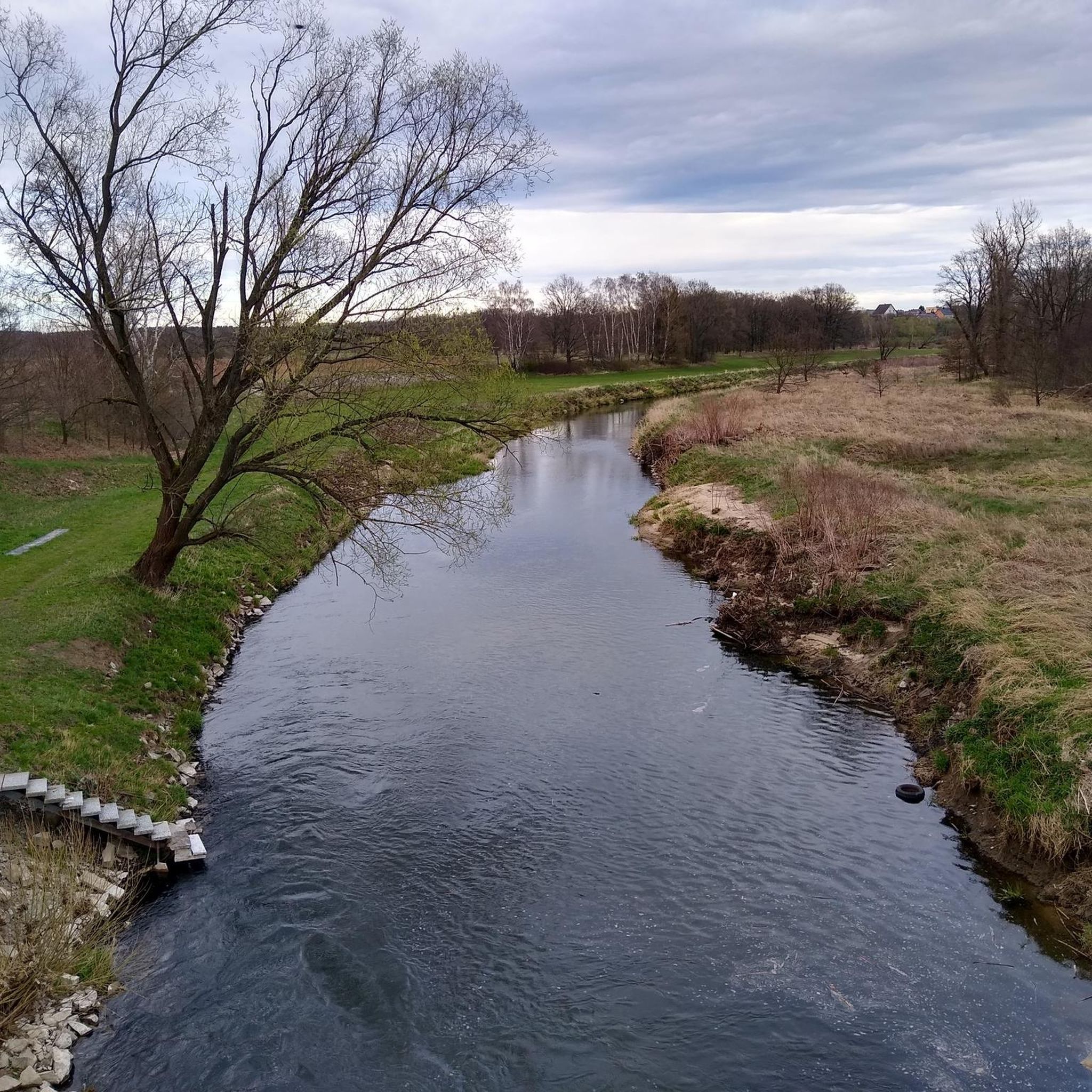
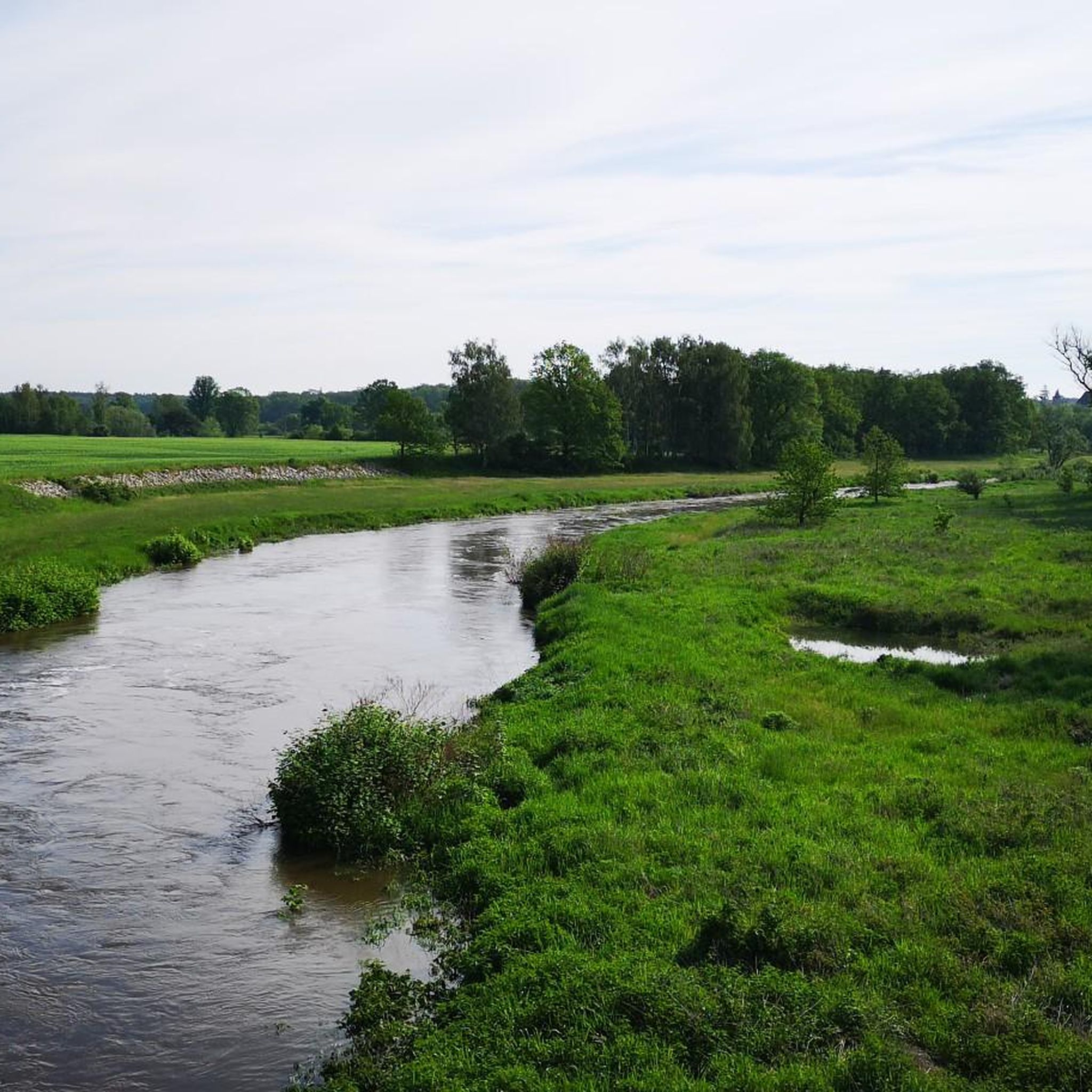
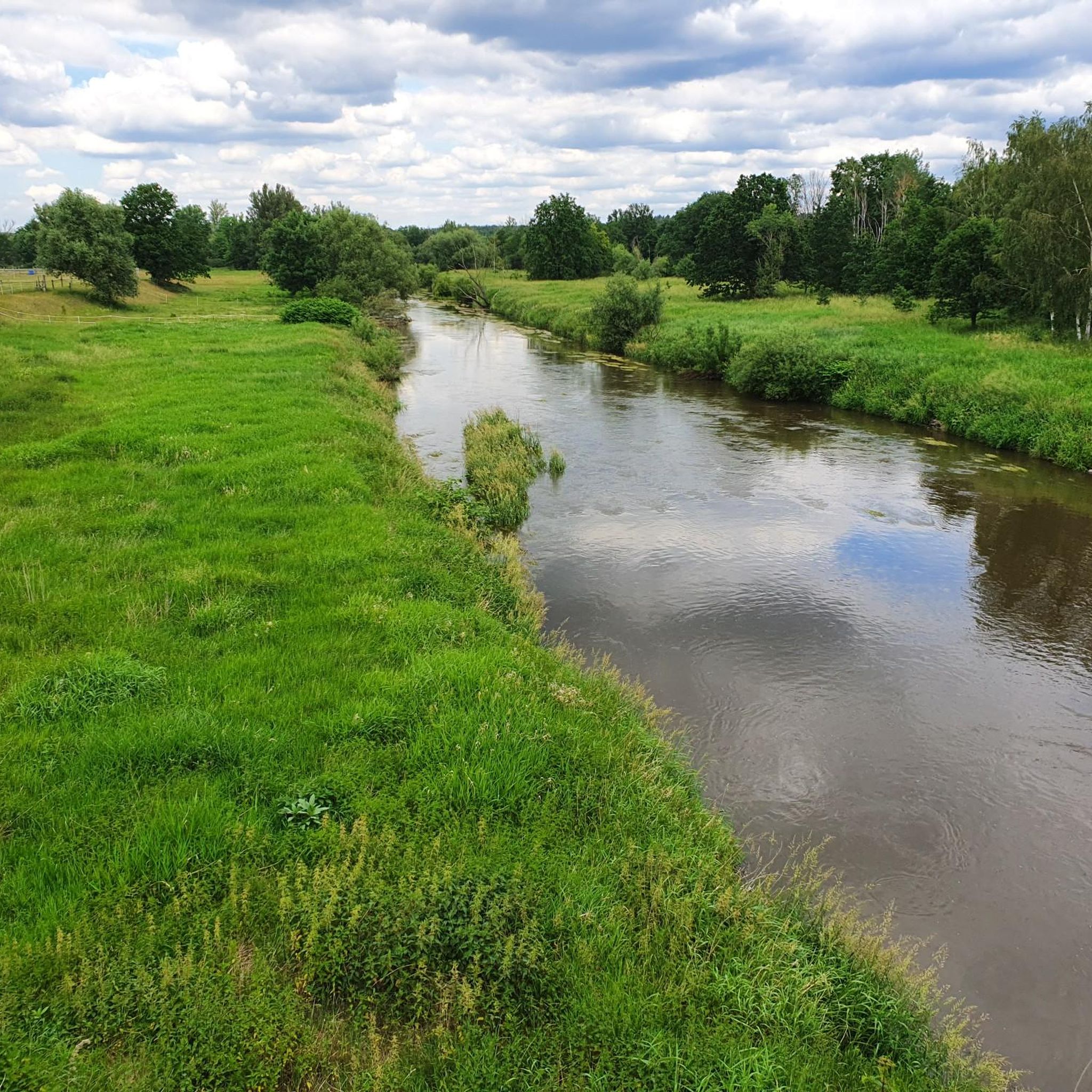

Tips from the Community

It's beautiful to see how the rock rises here.
0
0

A beautifully laid out ladder until it can't go any further east. 🧭
5
0

one of the few granite rocks that did not fall victim to the quarry work. Sure-footed and experienced mountaineers can also climb via the Alter Weg (I) without a safety rope.
3
0


You can climb the rock and then have a good all-round view, but not recommended when there is snow
2
0

Nice that there is this marking so you can set all directions as a goal 🇩🇪
3
0

Really maxed out down to the last centimetre, it actually lies on the shore, the easternmost point in Germany.
5
0
In contrast to the other peaks in Germany, the easternmost point is rather unspectacular and unexcited. We were also lucky enough to be the only ones in this place, it was our fourth peak and we were a little proud of having been to all four peaks in Germany. The people here in the region prepared this place on their own initiative and also provided it with a corner book. A beautiful thing and one should definitely write in this book.
3
0
Frequently Asked Questions
What unique natural features can I explore in the Neißeaue region?
The Neißeaue region is characterized by diverse natural areas. You can explore the
Natura 2000 network, which protects valuable habitats and species. Other significant areas include the Upper Lusatian Heath and Pond Landscape with its dune forests and wet meadows, the idyllic Niederspree Pond Area known for its diverse ecosystems, and the Muskau Heath, Germany's largest inland dune area. The Königshain Mountains offer impressive granite formations, such as the Devil's Stone (Königshain Hills) and Hochstein Observation Tower.
Are there family-friendly natural monuments or activities in Neißeaue?
Yes, several natural spots are suitable for families. The Easternmost Point of Germany is a family-friendly landmark with facilities. The Geheege Watershed also offers a small, lovingly designed rest area, making it a pleasant stop for families. The broader natural areas like the Upper Lusatian Heath and Pond Landscape provide gentle paths for walks and wildlife observation.
What kind of wildlife can I spot in the natural areas around Neißeaue?
The diverse ecosystems in Neißeaue support a variety of wildlife. In areas like the Niederspree Pond Area, you might spot over 50 bird species, including sea eagles and cranes, as well as mammals like otters. The Natura 2000 sites are crucial for maintaining biodiversity, offering opportunities to observe various plant and animal species in their natural environments.
Are there hiking trails near the natural monuments in Neißeaue?
Yes, the region offers numerous hiking opportunities. For example, the Hochstein Observation Tower in the Königshain Mountains can be reached via several hiking trails, including sections of the European long-distance hiking trail E10 and the Way of St. James. You can find more hiking routes in the area by visiting the Hiking around Neißeaue guide.
What cycling routes are available around Neißeaue's natural areas?
The natural landscapes around Neißeaue are well-suited for cycling. The Upper Lusatian Heath and Pond Landscape, for instance, is popular for cycling. For more specific routes, you can explore the MTB Trails around Neißeaue guide, which includes longer routes like the 'Wooden Bridge Over the Neisse – Muskau Castle loop'.
What is the best season to visit the natural monuments in Neißeaue?
The best season largely depends on your interests. Spring and summer are ideal for wildlife observation, especially birds in the pond areas, and for enjoying lush greenery. Autumn offers beautiful foliage, particularly in forested areas like the Königshain Mountains. Even winter can be appealing for tranquil walks, though some facilities might have reduced hours.
Can I find viewpoints with scenic vistas in the Neißeaue region?
Absolutely. The Hochstein Observation Tower provides panoramic views from its 22-meter high steel structure. The Totenstein also offers a viewpoint with fortified stairs leading to the top, providing views of the Hamannbruch. The Easternmost Point of Germany offers a unique perspective on the Neisse River.
Are there any unique geological formations to see?
Yes, the Königshain Mountains are notable for their extensive granite area and free-standing granite rock formations, remnants of over 200 years of quarrying history. The Devil's Stone (Königshain Hills) and the rock towers at Hochstein Observation Tower are prime examples of these unique geological features, showcasing wool sack weathering.
What is the significance of the Geheege Watershed?
The Geheege Watershed is a fascinating natural monument because it represents a European rarity: a moat that separates into two arms, with its outflow regulated to feed into two different seas. Half of the water flows towards the North Sea (via the Spree, Havel, Elbe), and the other half flows towards the Baltic Sea (via the Neisse). It's a unique hydrological feature.
Are there places to eat or rest near the natural monuments?
Yes, some natural monuments offer amenities. For instance, the Hochstein Observation Tower has a mountain inn where you can eat and drink. The Geheege Watershed features a small house set up for rest. For other areas, it's advisable to bring your own provisions or check local towns for cafes and pubs.
How accessible are the natural monuments by public transport?
While specific public transport details for each individual natural monument are not readily available, the region's natural areas are generally best explored by car or bicycle, especially for reaching more remote spots. Some areas, like the Königshain Mountains, might have bus connections to nearby towns, but direct access to the natural sites often requires a short walk or cycle from the nearest stop.
What makes the Muskau Heath a special natural monument?
The Muskau Heath is significant as Germany's largest inland dune area, featuring dunes up to 25 meters high. It offers fascinating habitats such as heather ponds and heather forest moors, criss-crossed by extensive pine forests. The 'Trebendorfer Tiergarten' nature reserve within the Muskau Heath protects rare biotopes and species, making it a place of enchanting natural beauty and diversity.
Most popular routes around Neißeaue
Most popular attractions around Neißeaue

Get inspired with the komoot mobile app


Explore more
Extend your search for the best caves by checking out these guides of the top ones around Neißeaue:
