Top 20 Natural Monuments around Göda
Best natural monuments around Göda offer diverse natural features within the Upper Lusatia region. The area is characterized by its varied landscape, including elevated points and natural water sources. Visitors can explore 3 distinct natural monuments that showcase the local geology and environment. These sites provide opportunities for outdoor activities and observation of natural formations.
Best natural monuments around Göda
- The most popular natural monuments is Hochstein (Sibyllenstein) – Highest Point of Westlausitz, a summit that is a 449-metre-high…
Last updated: September 28, 2026
Hochstein (Sibyllenstein) – Highest Point of Westlausitz
Highlight • Summit
Translated by Google •
Tip by

Butterberg Observation Tower and Mountain Inn
Highlight • Viewpoint
Translated by Google •
Tip by

Sign up now to discover places like this
Get recommendations on the best single tracks, peaks, & plenty of other exciting outdoor places.
Wesenitz Spring
Highlight • Natural Monument
Translated by Google •
Tip by

Devil's Pulpit
Highlight • Natural Monument
Translated by Google •
Tip by

Source of the Schwarze Elster
Highlight • Natural Monument
Translated by Google •
Tip by

Sign up for free to discover even more natural monuments around Göda.
Already have an account?
Start today with a free account
Your next adventure awaits.
Tips from the Community

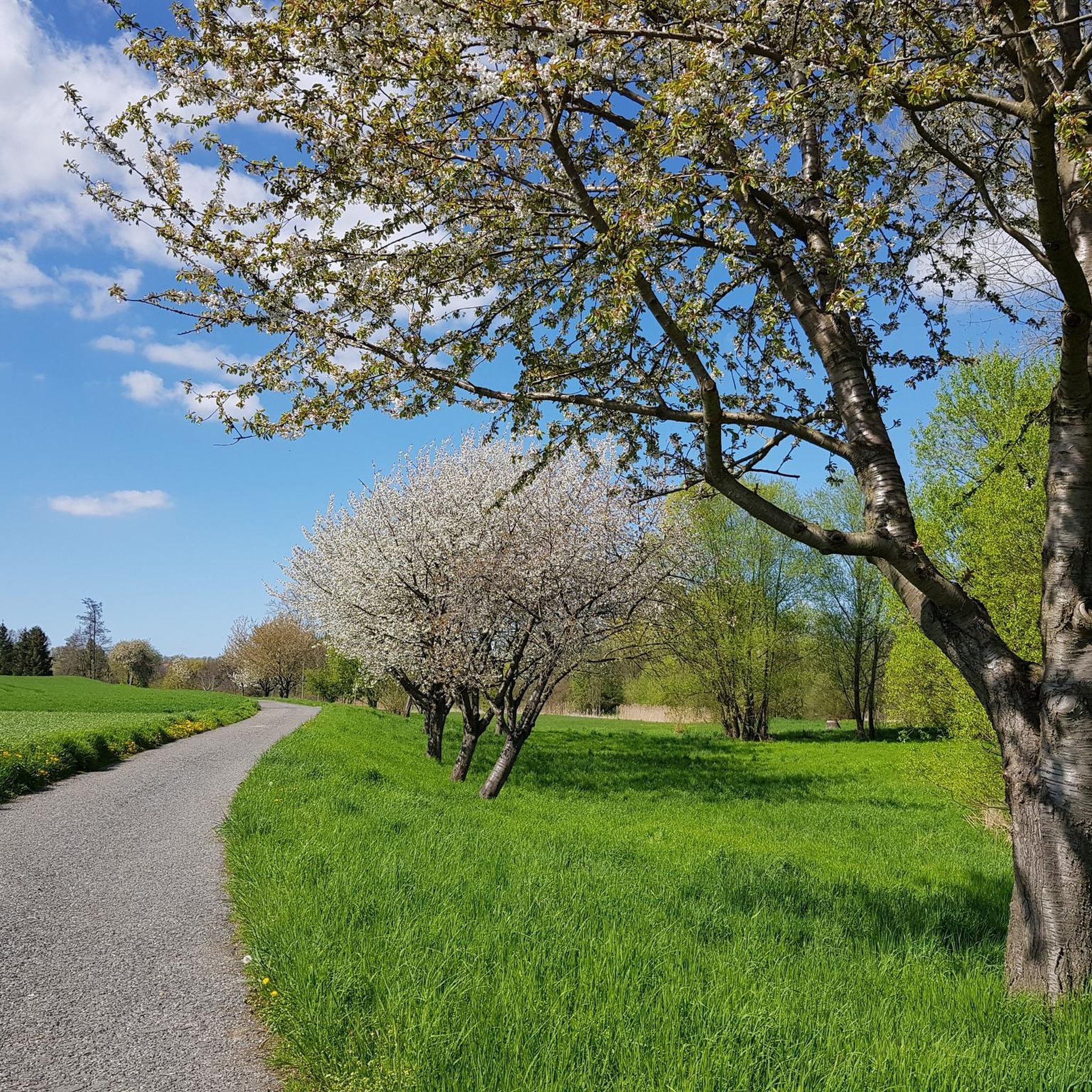
The Black Elster River originates at an elevation of 317 meters above sea level in the Lusatian Mountains (Upper Lusatia). Information: A 179-kilometer-long right tributary of the Elbe River in the German states of Saxony, Brandenburg, and Saxony-Anhalt. It began drying up in 2018. Due to the exceptionally hot and dry weather, the increasingly frequent drying of the spring basin reflects the drought in the source area.
1
0
Wesenitz Spring and Valentin Adit Information The Wesenitz River originates at an elevation of 515 meters above sea level on the southeastern slope of the Valtenberg mountain, emerging from the entrance of a 60-meter-long mine adit known as the "Goldbergwerk" (Gold Mine). The Wesenitz was first documented in 1213. Valentin Adit at the Wesenitz spring on the southern slope of the Valtenberg mountain.
2
0

The Black Elster (Lower Sorbian: Carny Halšter, obsolete: Carna Bytśica; Upper Sorbian: Čorny Halštrow) is a 179-kilometre-long, right tributary of the Elbe in the German states of Saxony, Brandenburg and Saxony-Anhalt.
1
0
The Hochstein, also called Sibyllenstein (Sibinnen-Stein, Sibillenstein or Sybillen-Stein), Upper Sorbian Žiwiny, is a 449-metre-high mountain in Upper Lusatia in the Saxon district of Bautzen. It is the highest elevation in the Northwest Lusatian Uplands and the highest mountain in Upper Lusatia north of the A4.
5
0

The Butterberg is almost 384 meters high and is located just a few kilometers from the center of Bischofswerda. At the summit there is an inn in historic walls with a 21 meter high observation tower. You can find more information and opening times here: http://www.butterberg.com/.
3
1

the spring wasn't bubbling so much today 🤷♂️
4
1
If the trees around weren't so high then there would definitely be a great view :) otherwise a nice place to collect information and to rest
5
1

We went down from the top 👆 via single trail to the spring, which was possible by bike. To do this, we had to carry the bike over the boulders after the bridge in the direction of the Schwarze Elster cycle path. 😎✌️
2
1
Frequently Asked Questions
What are some of the most notable natural monuments to visit around Göda?
The area around Göda features several interesting natural monuments. Among the most popular are Hochstein (Sibyllenstein) – Highest Point of Westlausitz, offering a place to rest at the highest elevation in the Northwest Lusatian Uplands, and the Butterberg Observation Tower and Mountain Inn, which provides terrific views from its twenty-one meter high tower. Another unique spot is Devil's Pulpit, known as a mystical and energetic location with a flat, rooty hiking trail.
Are there any natural water sources or springs to explore near Göda?
Yes, you can visit the Wesenitz Spring, which is a great place to rest and features a unique self-service design with a small trowel and sieve for water. Additionally, the Source of the Schwarze Elster is another significant natural monument, though its flow can vary with weather conditions.
What kind of outdoor activities can I do near the natural monuments around Göda?
The region around Göda offers diverse outdoor activities. You can find numerous routes for mountain biking, road cycling, and gravel biking. For example, there are moderate MTB trails like the "Wesenitz Spring – View of Neukirch loop" and road cycling routes such as the "Saxon Half-Mile Stone – Hoher Hahn Naundorf loop." Explore more options on the MTB Trails around Göda, Road Cycling Routes around Göda, and Gravel biking around Göda guide pages.
Are there family-friendly natural monuments or trails in the Göda area?
Yes, several natural monuments are suitable for families. The Butterberg Observation Tower and Mountain Inn is considered family-friendly, offering both views and a place to eat. The Wesenitz Spring and the Source of the Schwarze Elster are also categorized as family-friendly, providing accessible natural experiences.
What historical significance do some of these natural monuments hold?
The Butterberg Observation Tower and Mountain Inn has historical significance as it was part of the Royal Saxon Triangulation, a land survey conducted in the 19th century to create precise maps of Saxony. The tower itself dates back to 1860.
What is the best time of year to visit the natural monuments around Göda?
While specific seasonal tips for Göda's natural monuments are not detailed, spring and autumn generally offer pleasant weather for outdoor exploration, with vibrant foliage or blooming nature. Winter hikes can also be undertaken, but be prepared for colder conditions and potentially snow-covered trails. Summer is ideal for longer days, but some springs might be less active due to drought.
Are there any natural monuments with good viewpoints in the region?
Absolutely. The Butterberg Observation Tower and Mountain Inn is a prime viewpoint, offering terrific panoramic views from its tower. The Hochstein (Sibyllenstein) – Highest Point of Westlausitz also provides a vantage point, though views can sometimes be obscured by trees.
What should I know about parking and public transport when visiting natural monuments near Göda?
Specific parking and public transport details for each individual natural monument are best checked locally. For some locations like the Source of the Schwarze Elster, it's recommended to park your bike or car at the foot of the hill and walk the final meters due to rough terrain. Local tourism offices or community resources for Göda and the Bautzen district might provide more specific logistical information.
Are there any cafes or restaurants near the natural monuments in Göda?
Yes, the Butterberg Observation Tower and Mountain Inn features a mountain inn directly on site, offering a convenient spot for refreshments and meals while enjoying the views.
What kind of natural features characterize the Göda region's natural monuments?
The natural monuments around Göda are characterized by diverse features, including elevated points like summits, significant geological sites, and natural water sources. You'll find a mix of forest environments, viewpoints, and unique rock formations, showcasing the varied landscape of the Upper Lusatia region.
What do visitors particularly enjoy about the natural monuments around Göda?
Visitors appreciate the diverse natural features and opportunities for outdoor activities. They enjoy the terrific views from places like the Butterberg Observation Tower, the peaceful resting spots at Hochstein, and the mystical atmosphere of locations like Devil's Pulpit. The unique design of the Wesenitz Spring is also a highlight.
Most popular attractions around Göda

Get inspired with the komoot mobile app


Explore more
Extend your search for the best caves by checking out these guides of the top ones around Göda:
