Top 20 Natural Monuments around Königswartha
Best natural monuments around Königswartha offer diverse natural features and recreational opportunities. The region is characterized by extensive pond landscapes, wetlands, and forests, providing significant ecological value. These areas are ideal for outdoor activities such as cycling, hiking, and birdwatching. The landscape around Königswartha provides a tranquil setting for nature exploration.
Best natural monuments around Königswartha
- The most popular natural monuments is Dubringer Moor Observation Tower, a viewpoint that offers expansive views over the moor. This tower is located…
Last updated: June 25, 2026
Dubringer Moor Observation Tower
Highlight • Viewpoint
Translated by Google •
Tip by

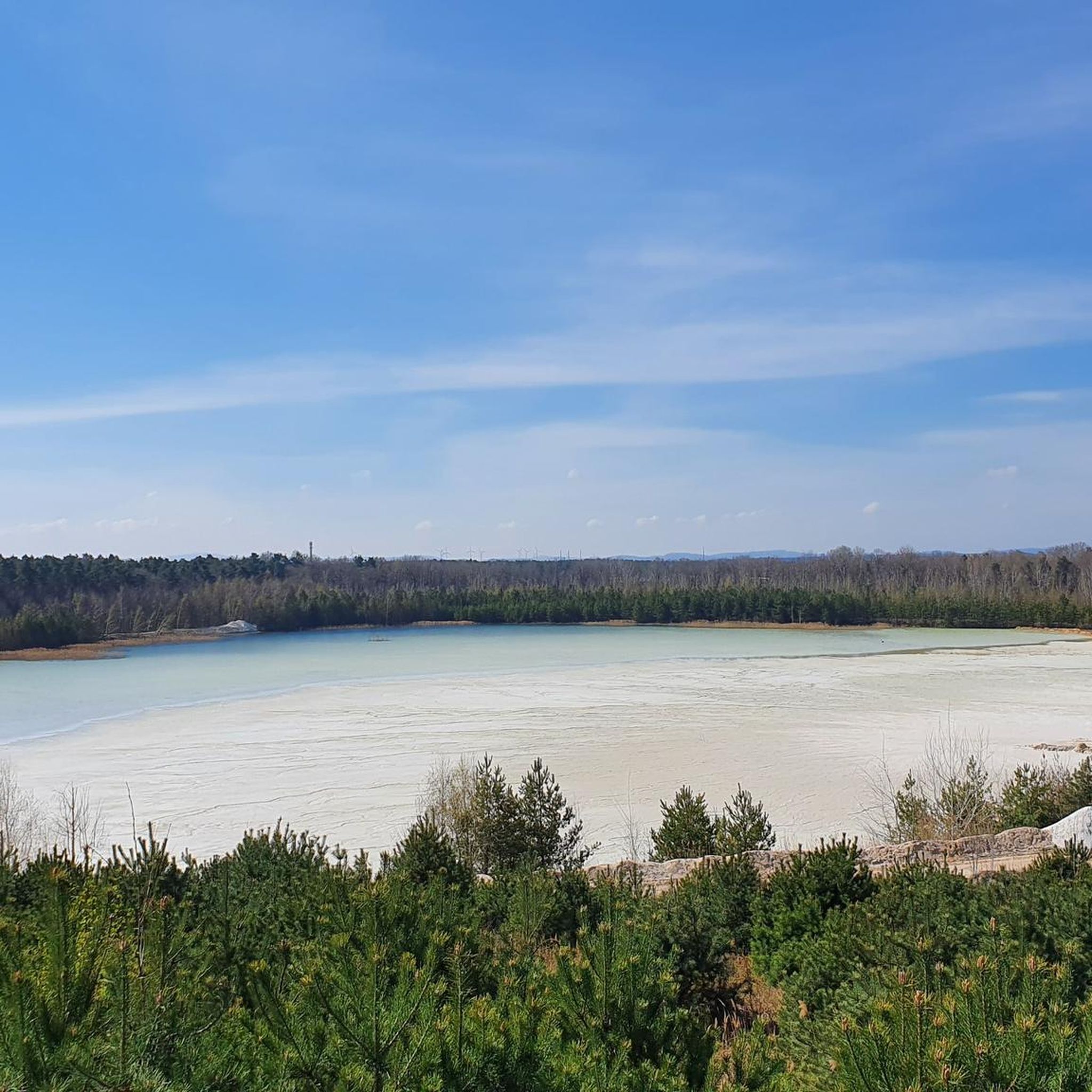
Upper Lusatian Heath and Pond Landscape
Highlight • Lake
Translated by Google •
Tip by

Sign up now to discover places like this
Get recommendations on the best single tracks, peaks, & plenty of other exciting outdoor places.
Sign up for free
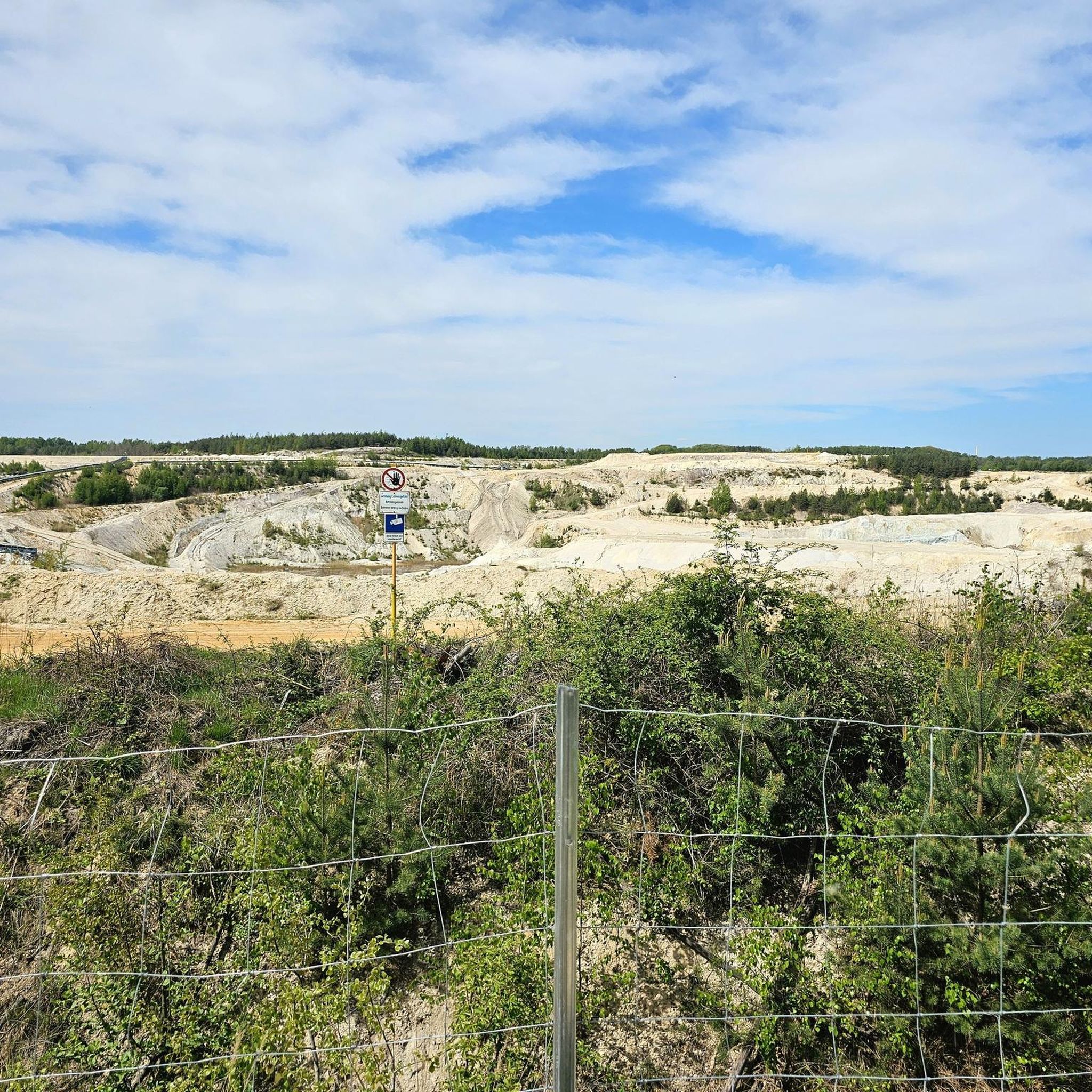
Miltitzer Frog
Highlight • Natural Monument
Translated by Google •
Tip by

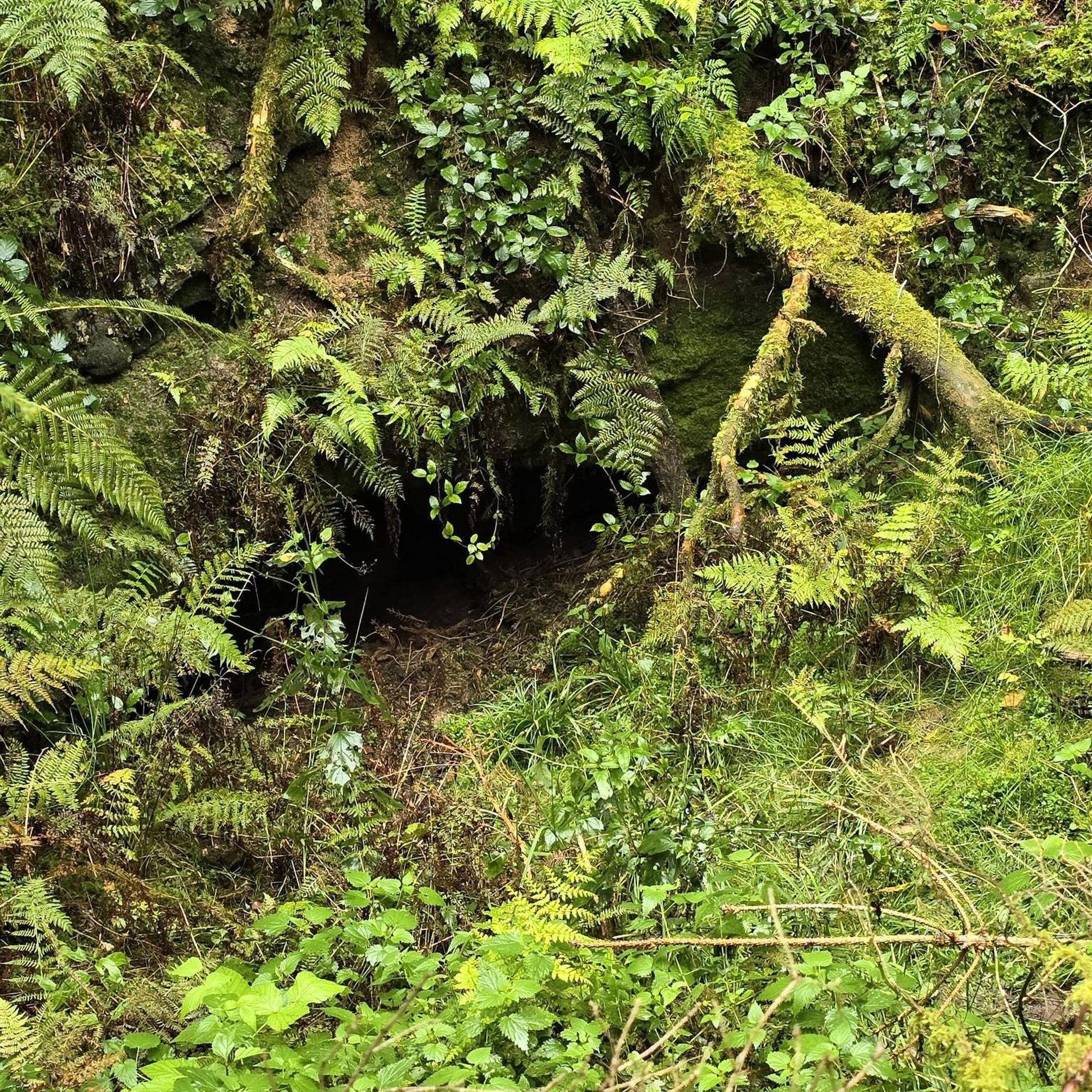
Sunken Castle – Dubringer Moor
Highlight • Historical Site
Translated by Google •
Tip by

Pond and Old Trees in Schlosspark Uhyst
Highlight • Forest
Translated by Google •
Tip by

Sign up for free to discover even more natural monuments around Königswartha.
Sign up for free
Already have an account?
Start today with a free account
Your next adventure awaits.
Login or Signup
Tips from the Community

The remaining part of the park was designed in the style of an English landscape park. When the Old Palace was demolished in 1836, parts of the park were converted into farmland. Old linden trees, in particular, fell victim to the resulting deforestation. Later owners of the New Palace had further parts of the tree population cut down for economic reasons. Under the royal commissioner Johann Friedrich August Kessel,[1] who acquired the palace complex in 1856, the palace park was once again maintained and expanded. Baron von Rabenau, who had already transitioned from agriculture to pond farming elsewhere, had the palace park's ponds renovated and enlarged after 1883. Source: https://de.m.wikipedia.org/wiki/Neues_Schloss_Uhyst
14
0
The section of the park immediately adjacent to the palace was designed by Friedrich Caspar Graf von Gersdorff as a Baroque garden with a strictly geometric layout, following the French model. The circular basins of two decorative sandstone fountains are located on the central axis of the large lawn. A similar fountain basin is also located in front of the palace entrance portal. The Baroque garden also features four sandstone sculptures. On the axis of the fountains stands a putto with a harp, flanked by sculptures of the twins Apollo and Artemis. A sculpture of Ceres adorns the eastern path into the garden. The sculptures originally came from the palace park in Mönau. Ferdinand Johann Balthasar Baron von Rabenau had them brought to Uhyst around 1879. Source: https://de.m.wikipedia.org/wiki/Neues_Schloss_Uhyst
15
0

The castle is sunk and can no longer be seen 🤣 But the information about it is worth reading
0
0

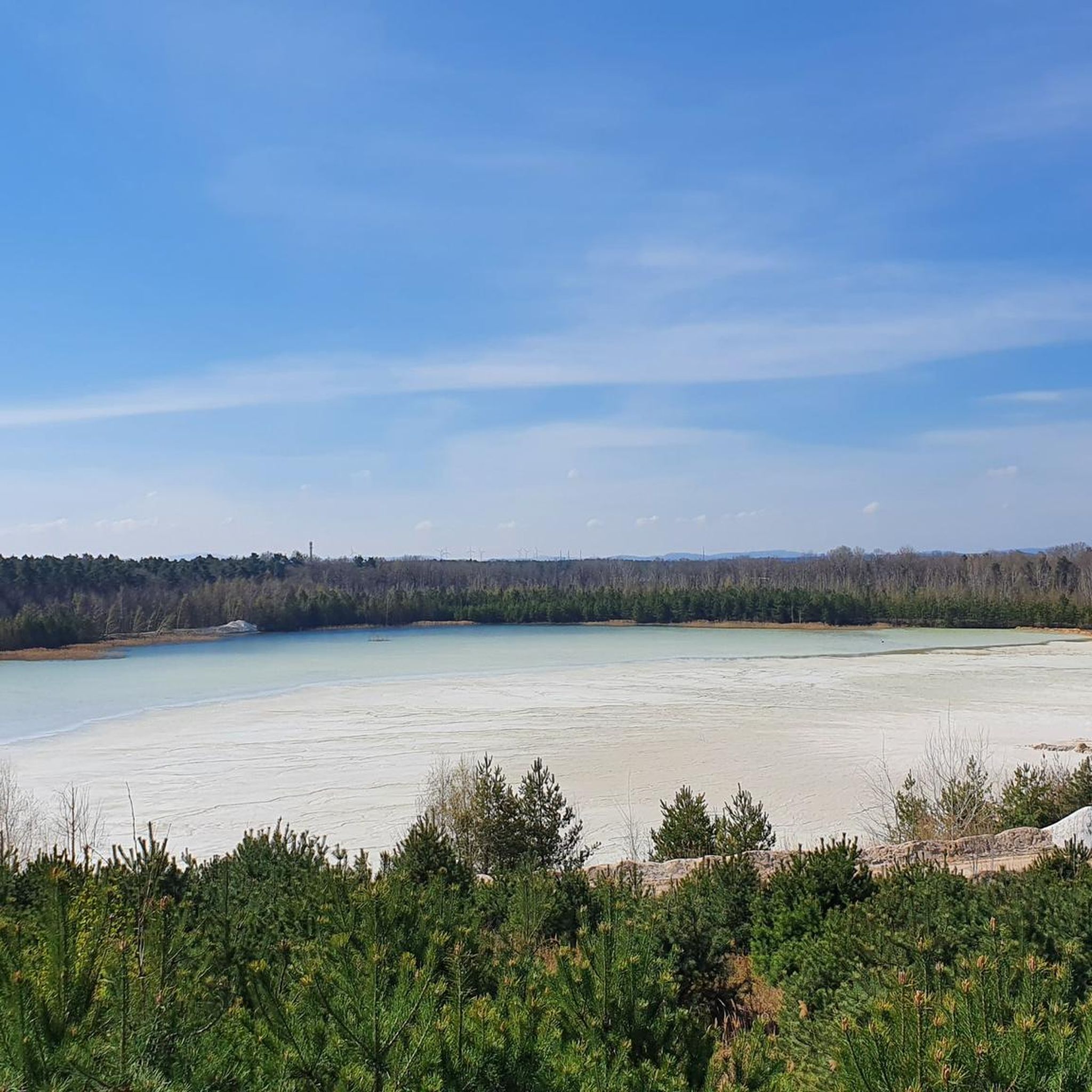
Here you can let your gaze wander over the moor – it's best to take binoculars with you.
11
0

The Sunken Castle is an almost square complex surrounded by a one meter high mound. Its dimensions are 140 m × 140 m. Its location in the moor, far from the settlements, indicates that it was used as a refuge. The legend has been around for a long time that a sunken robber baron's castle stood on the square in the middle of the moor in the 12th and 13th centuries. The hard-hearted knight is said to have found no rest after death and his howling and lamentation can still be heard from the bottom of the moor. In 1985, pottery shards were uncovered under the roots of fallen trees, which could be assigned to the Billendorf culture. Subsequent archaeological excavations revealed that the Sunken Castle is a quadrangular ski jump built around the same time as the Ostroer Schanze and the Sumpfringwall at Großteich in Biehla. Source: Wikipedia
0
0

Gives a nice view of the moor.
3
0


Nice overview of the vastness of the moor. It's still just a small excerpt.
3
0
Frequently Asked Questions
What natural features can I expect to see around Königswartha?
The region around Königswartha is characterized by extensive pond landscapes, wetlands, and forests. You'll find numerous interconnected ponds, such as the Upper Lusatian Heath and Pond Landscape and Ochsenteich, which are significant for fish farming and provide rich wetland ecosystems. The area also features viewpoints like the Dubringer Moor Observation Tower, offering expansive views over the moor.
Are there family-friendly natural monuments around Königswartha?
Yes, several natural monuments are suitable for families. The Dubringer Moor Observation Tower is located directly on a bike path, making it easily accessible. The Upper Lusatian Heath and Pond Landscape and Ochsenteich offer serene environments for walks and nature observation. Additionally, Zelder's Ponds provide paddle boat rentals, allowing families to explore the nearby Dubringer Moor.
What outdoor activities can I do near these natural monuments?
The natural monuments around Königswartha are excellent for various outdoor activities. You can enjoy cycling along the Malschwitzer Teiche Cycle Path or around the Bautzen Dam. Hiking is popular, with many easy trails available, such as those listed in the Easy hikes around Königswartha guide. For those interested in more challenging rides, there are also gravel biking routes, which you can find in the Gravel biking around Königswartha guide.
Are there good spots for birdwatching in the region?
The Malschwitzer Teichlandschaft is an exceptional spot for birdwatching. Its diverse pond habitats attract a wide array of bird species, making it a prime location for observing local fauna. The Dubringer Moor Observation Tower also offers a great vantage point to spot birds over the moor.
What is the best time of year to visit the natural monuments around Königswartha?
The natural monuments around Königswartha offer beauty in every season. Spring and autumn are particularly scenic for cycling and hiking, with pleasant temperatures and vibrant colors. The pond landscapes are especially tranquil during these times. Summer is ideal for activities like paddle boating at Zelder's Ponds, while winter can offer unique opportunities for quiet walks, though some paths might be less accessible.
Are there any historical or cultural sites among the natural monuments?
Yes, the Pond and Old Trees in Schlosspark Uhyst combines natural beauty with historical significance. This park features elements of a Baroque garden and an English landscape park, with historical sculptures and old trees. Additionally, St. Mary's Spring is a natural monument with a religious and cultural history, known for its chapel and a legend of healing waters.
Can I go cycling around the natural monuments?
Absolutely. The region is well-suited for cycling. The Malschwitzer Teiche Cycle Path winds through the Malschwitzer Teichlandschaft, offering beautiful views. The Bautzen Dam also features a cycle path with impressive views of the reservoir. The Dubringer Moor Observation Tower is located directly on a bike path, providing an accessible route for cyclists.
What makes the Upper Lusatian Heath and Pond Landscape unique?
The Upper Lusatian Heath and Pond Landscape is a biosphere reserve characterized by a frequent change from wide floodplains and lowlands to drier dunes and moraine areas. Its unique geology, shaped by glacial activity, led to the creation of numerous interconnected ponds as early as the Middle Ages, primarily for fish farming. It's a significant wetland ecosystem with rich biodiversity.
Are there places to eat or relax near the natural monuments?
Yes, near Zelder's Ponds, you can find the Fischerklause, where visitors can enjoy freshly prepared fish. This spot combines culinary enjoyment with active nature exploration, making it a pleasant place to relax after exploring the ponds.
What do visitors enjoy most about the natural monuments around Königswartha?
Visitors frequently praise the tranquil setting and the opportunity to connect with nature. Many appreciate the scenic views, especially from viewpoints like the Dubringer Moor Observation Tower and around Ochsenteich. The well-maintained paths for cycling and hiking, along with the rich birdlife, are also highly valued by the komoot community.
Are there any natural monuments with unique legends or stories?
Yes, St. Mary's Spring is associated with local legends. The water from this spring is said to possess healing powers, particularly for eye ailments. It's also believed to be beneficial for women wishing to conceive, making it a site of pilgrimage and local folklore.
What kind of fish farming is prominent in the pond landscapes?
The pond landscapes around Königswartha, including Zelder's Ponds and the Upper Lusatian Heath and Pond Landscape, have a long tradition of fish farming. These ponds are used for breeding various freshwater fish, such as carp, tench, and pike, a practice that has been ongoing since the Middle Ages.
Most popular routes around Königswartha
Most popular attractions around Königswartha

Get inspired with the komoot mobile app


Explore more
Extend your search for the best caves by checking out these guides of the top ones around Königswartha:
