Top 20 Natural Monuments around Panschwitz-Kuckau
Natural monuments around Panschwitz-Kuckau offer diverse natural features and cultural landscapes in the district of Bautzen, Saxony. The municipality is characterized by its natural elements, including geological formations and green spaces. The area provides opportunities to explore significant natural values and serene environments. Visitors can experience a blend of natural beauty and historical elements within this region.
Best natural monuments around Panschwitz-Kuckau
- The most popular natural monuments is Hochstein (Sibyllenstein) – Highest Point of Westlausitz, a summit that serves as the highest elevation in the Northwest Lusatian Uplands. This location is a notable place to gather information and rest, offering views towards other peaks.
- Another must-see spot is Butterberg Observation Tower and Mountain Inn, a viewpoint with a mountain inn and a twenty-one meter high observation tower. The Butterberg was part of the Royal Saxon Triangulation, and the tower provides extensive views of the surrounding area.
- Visitors also love Hutberg, Kamenz, a viewpoint known for its rhododendron bloom in May. The tower can be climbed for a fee, rewarding visitors with a view of the surrounding landscape.
- Panschwitz-Kuckau is known for its summits, viewpoints, and geological features. The region offers a variety of natural monuments to see and explore, including significant rock formations and historical sites.
- The natural monuments around Panschwitz-Kuckau are appreciated by the komoot community, with more than 600 upvotes and over 700 photos contributed by visitors.
Last updated: May 12, 2026
Schwedenstein Tower and Restaurant
Highlight • Monument
Translated by Google •
Tip by

Hochstein (Sibyllenstein) – Highest Point of Westlausitz
Highlight • Summit
Translated by Google •
Tip by

Sign up now to discover places like this
Get recommendations on the best single tracks, peaks, & plenty of other exciting outdoor places.
Sign up for free
Butterberg Observation Tower and Mountain Inn
Highlight • Viewpoint
Translated by Google •
Tip by

Hutberg, Kamenz
Highlight • Viewpoint
Translated by Google •
Tip by

Source of the Schwarze Elster
Highlight • Natural Monument
Incidentally, there are different length specifications for the length of the river, which is probably due to the fact that the course of the Black Elster was significantly changed in the middle of the 19th century. Various straightening measures, among other things, severed numerous side arms, which has earned the Black Elster the nickname "straightened water highway".
And the white-black raven bird has nothing to do with the naming, by the way. The name means "to flow" and derives from the Indo-European word "Al-astra" or "Al-istra".
Translated by Google •
Tip by

Sign up for free to discover even more natural monuments around Panschwitz-Kuckau.
Sign up for free
Already have an account?
Start today with a free account
Your next adventure awaits.
Login or Signup
Popular around Panschwitz-Kuckau
Other adventures around Panschwitz-Kuckau

Tips from the Community

The Black Elster River originates at an elevation of 317 meters above sea level in the Lusatian Mountains (Upper Lusatia). Information: A 179-kilometer-long right tributary of the Elbe River in the German states of Saxony, Brandenburg, and Saxony-Anhalt. It began drying up in 2018. Due to the exceptionally hot and dry weather, the increasingly frequent drying of the spring basin reflects the drought in the source area.
1
0

To the west of the city, the Hutberg rises about 100 meters above the old town, 294 meters above sea level. The name of the mountain is not derived from the hat, but from the herding of sheep. It was intended to protect the trade route, the so-called "Via Regia," which runs across Europe from Ukraine to Spain. Source: https://kamenz-entdecken.de/entdecken/natur/hutberg#denkmale
0
0

The Black Elster (Lower Sorbian: Carny Halšter, obsolete: Carna Bytśica; Upper Sorbian: Čorny Halštrow) is a 179-kilometre-long, right tributary of the Elbe in the German states of Saxony, Brandenburg and Saxony-Anhalt.
1
0
The Hochstein, also called Sibyllenstein (Sibinnen-Stein, Sibillenstein or Sybillen-Stein), Upper Sorbian Žiwiny, is a 449-metre-high mountain in Upper Lusatia in the Saxon district of Bautzen. It is the highest elevation in the Northwest Lusatian Uplands and the highest mountain in Upper Lusatia north of the A4.
4
0

The Butterberg is almost 384 meters high and is located just a few kilometers from the center of Bischofswerda. At the summit there is an inn in historic walls with a 21 meter high observation tower. You can find more information and opening times here: http://www.butterberg.com/.
3
1


There is a beautiful panoramic view from up here
5
0
the spring wasn't bubbling so much today 🤷♂️
4
1
Frequently Asked Questions
What unique natural features can I explore in Panschwitz-Kuckau?
Panschwitz-Kuckau is home to the Kuckauer Skala, a designated natural monument likely featuring notable geological formations. Beyond this, you can explore the tranquil Lippepark at Kloster St. Marienstern, known for its historically grown tree stock and serene environment, and the scenic Klosterwasser stream valley. The Source of the Schwarze Elster is also a significant natural monument in the wider area.
Are there any historical natural monuments in the region?
Yes, several natural monuments in the area have historical significance. The Dreisesselstein is an unusually shaped granite block with a local legend and served as an old boundary stone from 1776. The Butterberg Observation Tower and Mountain Inn was part of the Royal Saxon Triangulation, a historical land survey. Additionally, Hochstein (Sibyllenstein) carries historical names and is the highest elevation in the Northwest Lusatian Uplands.
Which natural monuments are suitable for families with children?
For families, the Butterberg Observation Tower and Mountain Inn offers a mountain inn and a twenty-one meter high observation tower, providing extensive views. Hutberg, Kamenz is also family-friendly, especially during the rhododendron bloom in May, and its tower can be climbed for a fee. The Source of the Schwarze Elster is another family-friendly natural monument, though the last meters to the spring involve rougher terrain.
What are some popular viewpoints among the natural monuments?
The region offers several excellent viewpoints. The Butterberg Observation Tower and Mountain Inn provides extensive views from its twenty-one meter high tower. Hutberg, Kamenz also features a tower that rewards visitors with a wonderful view of the surrounding landscape. While the view from Hochstein (Sibyllenstein) can be obstructed by trees, it's still a notable summit offering views towards other peaks like Schwedenstein and Keulenberg.
What do visitors enjoy most about the natural monuments around Panschwitz-Kuckau?
Visitors appreciate the diverse natural features and the blend of natural beauty with historical elements. Many enjoy the serene environment of places like the Lippepark and the unique geological formations. The views from observation points like the Butterberg Observation Tower and Hutberg, Kamenz are highly praised. The historical context, such as the legend of the Dreisesselstein, also adds to the appeal.
Are there hiking trails near these natural monuments?
Yes, there are various hiking opportunities in the vicinity. While specific hiking trails directly to each natural monument are not detailed, you can find numerous running and cycling routes around Panschwitz-Kuckau that allow you to explore the natural surroundings. For example, you can find trails like the 'Zaječa hora loop' or 'St. Marienstern Abbey loop' which pass through the area. You can explore more options on the Running Trails around Panschwitz-Kuckau guide.
What cycling opportunities are available near the natural monuments?
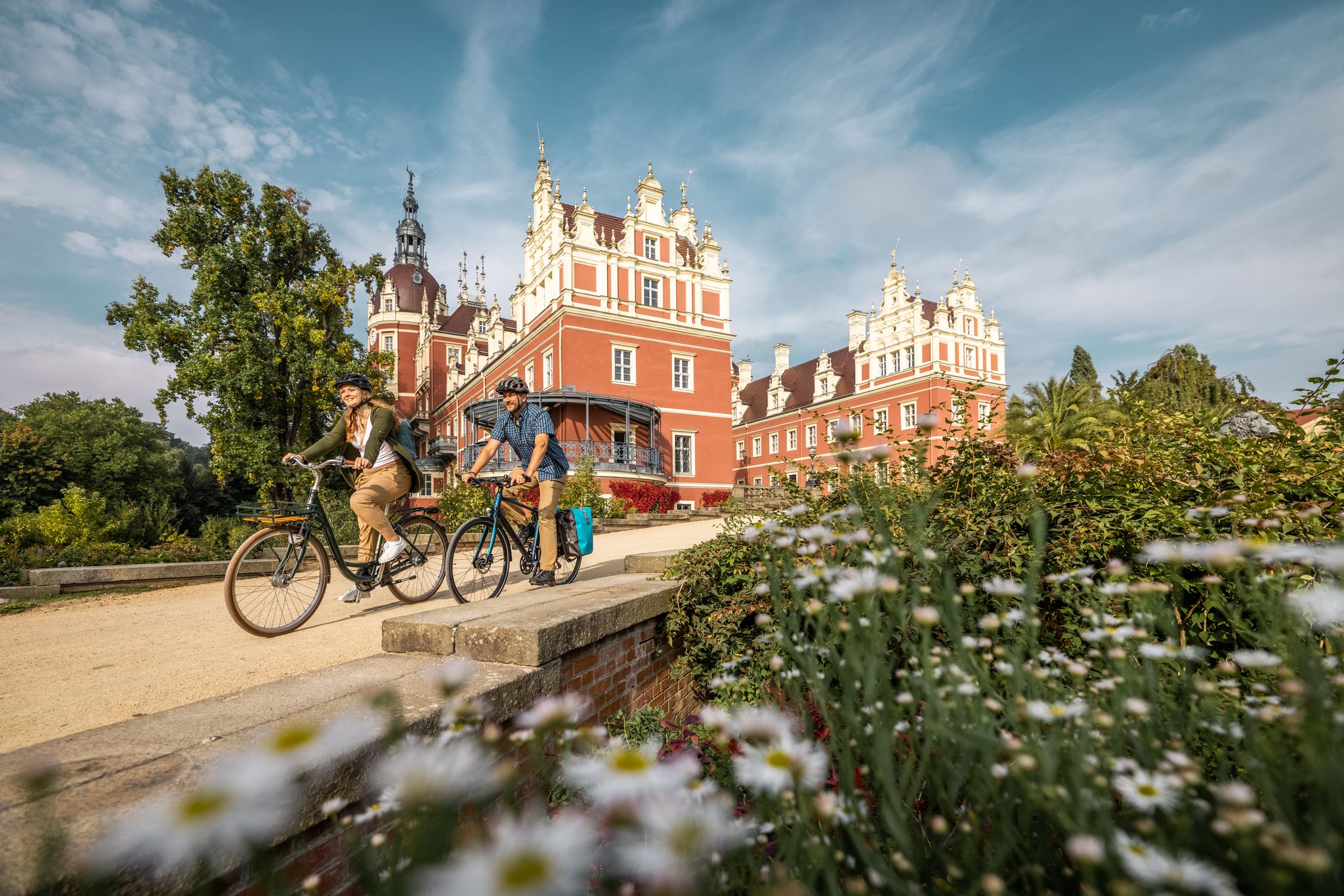
The region around Panschwitz-Kuckau offers a variety of cycling routes suitable for different preferences. You can find touring bicycle routes such as 'Sorbs, Faith, Customs' or the 'Deutschbaselitz Village Square – St. Marienstern Abbey loop'. For road cycling enthusiasts, there are routes like the 'Church of Rosenthal – Rosenthal Pilgrimage Church loop'. Discover more detailed routes on the Cycling around Panschwitz-Kuckau guide and the Road Cycling Routes around Panschwitz-Kuckau guide.
What is the best time of year to visit the natural monuments in Panschwitz-Kuckau?
The best time to visit depends on your interests. Spring, particularly May, is ideal for seeing the rhododendrons in bloom at Hutberg, Kamenz. The warmer months from late spring to early autumn generally offer pleasant weather for exploring the outdoor natural features and enjoying activities like hiking and cycling. The Lippepark is accessible year-round, offering a serene environment in any season.
Are there any specific geological formations to look out for?
The primary geological formation to look out for is the Kuckauer Skala, which is recognized as a natural monument for its significant natural value, likely geological. While specific details are limited, the term 'Skala' often refers to a rock formation, cliff, or steep bank. Additionally, the Dreisesselstein is a notable granite block with a distinctive shape.
Can I find places to eat or stay near the natural monuments?
Yes, some natural monuments have facilities nearby. The Butterberg Observation Tower and Mountain Inn, for instance, includes a mountain inn where you can dine. While specific accommodation options directly adjacent to every monument are not listed, Panschwitz-Kuckau and surrounding towns offer various cafes, pubs, and accommodation choices. The Lippepark is located near Kloster St. Marienstern, which may have facilities or nearby options.
Is the Lippepark at Kloster St. Marienstern considered a natural monument?
While the Lippepark itself is not explicitly designated as a 'natural monument' in the same category as the Kuckauer Skala, it is a significant natural element and a cultural landscape. It features historically grown tree stock and offers a serene environment for walks and relaxation. It represents a blend of cultural landscape design and natural elements, making it a valuable natural attraction in Panschwitz-Kuckau.
How can I learn more about the natural monuments in Panschwitz-Kuckau?
For more detailed information on officially recognized natural monuments in the area, you can refer to resources such as the List of Natural Monuments in Panschwitz-Kuckau on Wikipedia. This can provide additional context and specifics about their designation and protection.
Most popular routes around Panschwitz-Kuckau
Most popular attractions around Panschwitz-Kuckau

Get inspired with the komoot mobile app


Explore more
Extend your search for the best caves by checking out these guides of the top ones around Panschwitz-Kuckau:
