Top 20 Natural Monuments around Schmölln-Putzkau
Natural monuments around Schmölln-Putzkau are situated in the Oberlausitzer Bergland, an area characterized by its diverse natural landscapes and elevated terrain. The region features several notable natural landmarks, including the highest peaks of the Lusatian Uplands. These areas offer opportunities to experience local flora and fauna within protected natural spaces.
Best natural monuments around Schmölln-Putzkau
- The most popular natural monuments is Hochstein (Sibyllenstein) – Highest Point of Westlausitz, a summit that is a 449-meter-high mountain and the highest elevation…
Last updated: September 28, 2026
Hochstein (Sibyllenstein) – Highest Point of Westlausitz
Highlight • Summit
Translated by Google •
Tip by

Butterberg Observation Tower and Mountain Inn
Highlight • Viewpoint
Translated by Google •
Tip by

Sign up now to discover places like this
Get recommendations on the best single tracks, peaks, & plenty of other exciting outdoor places.
Wesenitz Spring
Highlight • Natural Monument
Translated by Google •
Tip by

Stolpen Castle
Highlight • Castle
Translated by Google •
Tip by

Devil's Pulpit
Highlight • Natural Monument
Translated by Google •
Tip by

Sign up for free to discover even more natural monuments around Schmölln-Putzkau.
Already have an account?
Start today with a free account
Your next adventure awaits.
Tips from the Community

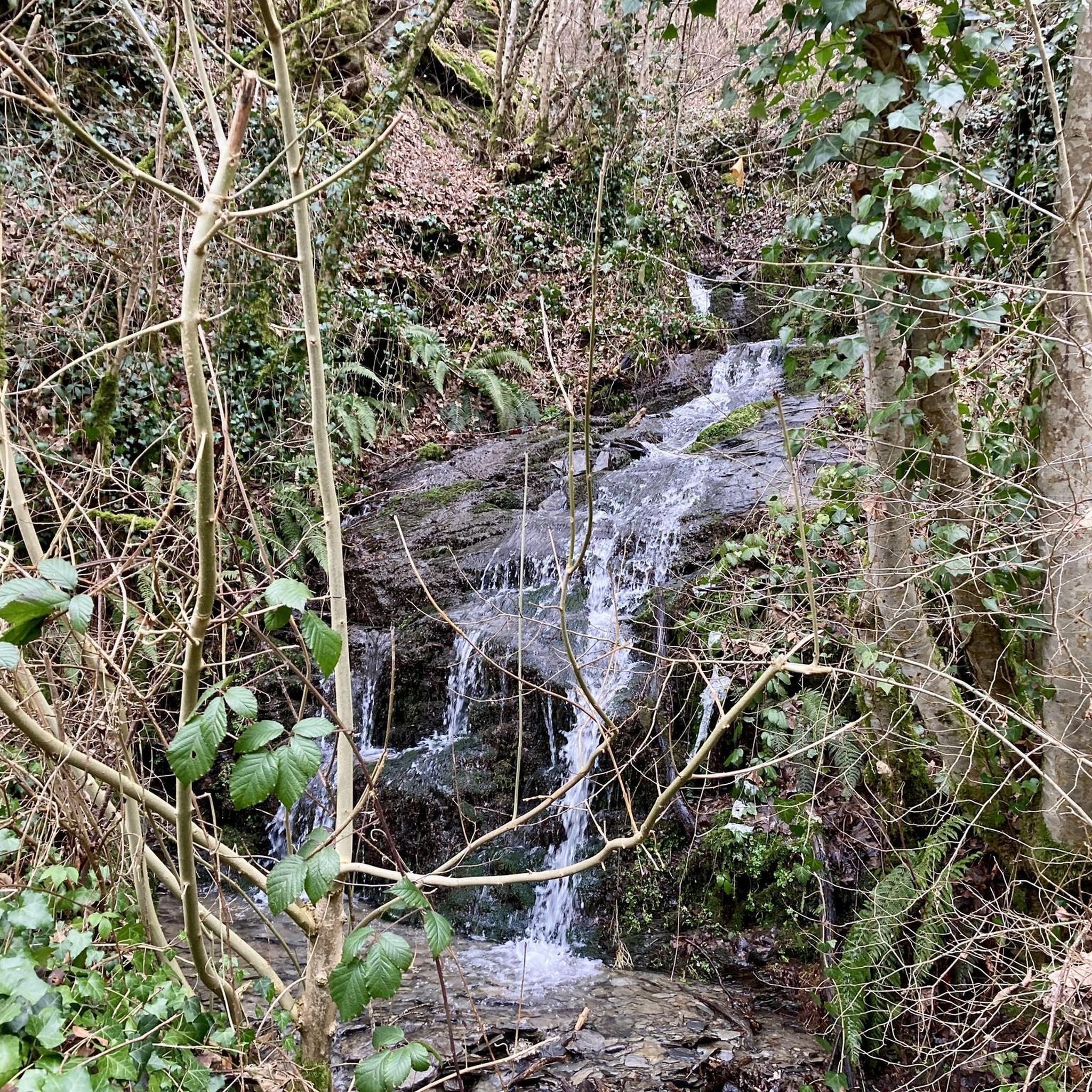
Wesenitz Spring and Valentin Adit Information The Wesenitz River originates at an elevation of 515 meters above sea level on the southeastern slope of the Valtenberg mountain, emerging from the entrance of a 60-meter-long mine adit known as the "Goldbergwerk" (Gold Mine). The Wesenitz was first documented in 1213. Valentin Adit at the Wesenitz spring on the southern slope of the Valtenberg mountain.
2
0

Stolpen Castle, a culturally and historically significant monument, was over the centuries a residence of the bishops of Meissen, a fortress and later a castle, which is now open to visitors as a ruin and museum. With its long history, which is marked by strategic reconstructions, military importance and the imprisonment of Countess Cosel, the castle attracts around 100,000 guests every year and offers a varied program of events. You can find the opening times and prices here: https://www.burg-stolpen.org/de/gaesteservice/.
3
0

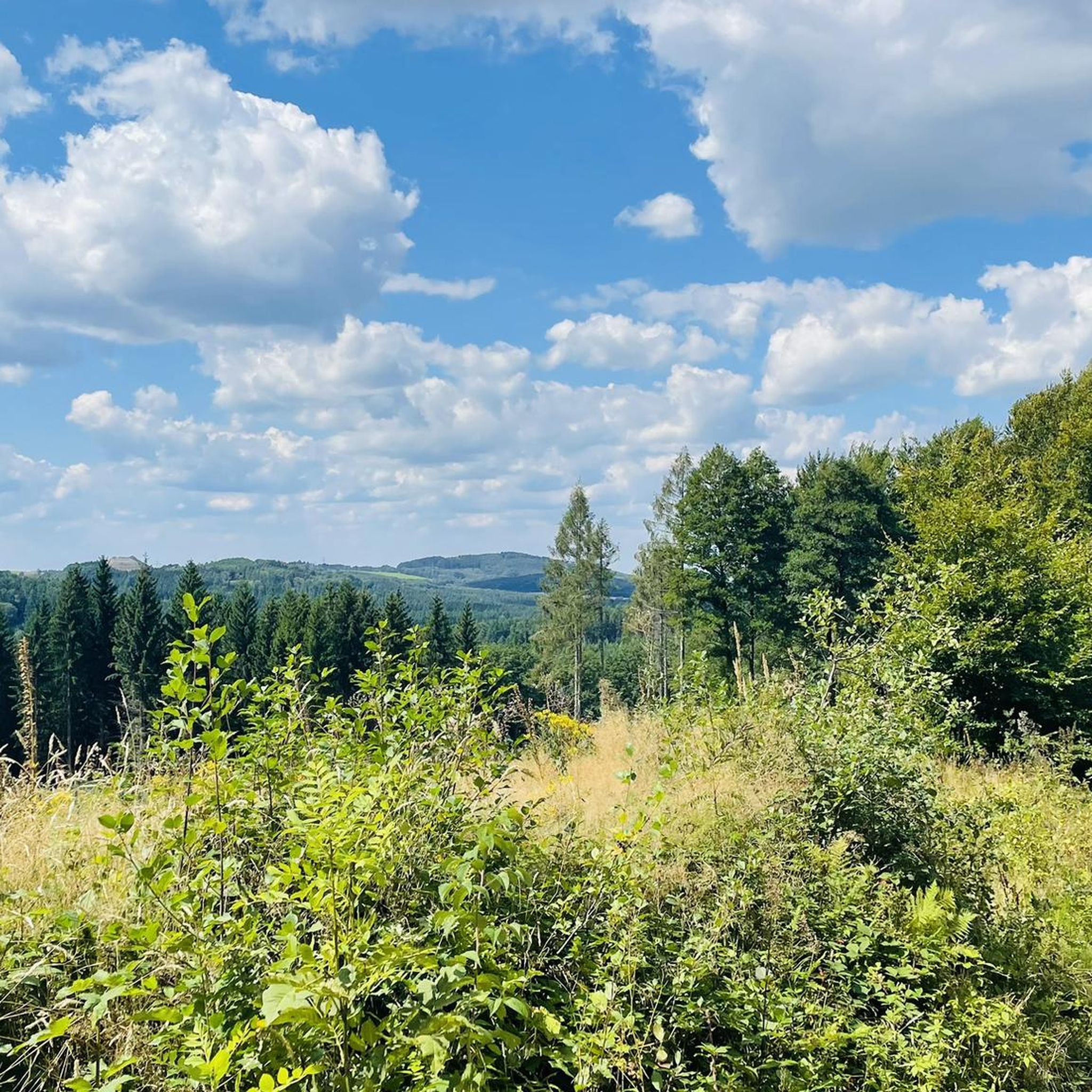
The Hochstein, also called Sibyllenstein (Sibinnen-Stein, Sibillenstein or Sybillen-Stein), Upper Sorbian Žiwiny, is a 449-metre-high mountain in Upper Lusatia in the Saxon district of Bautzen. It is the highest elevation in the Northwest Lusatian Uplands and the highest mountain in Upper Lusatia north of the A4.
5
0
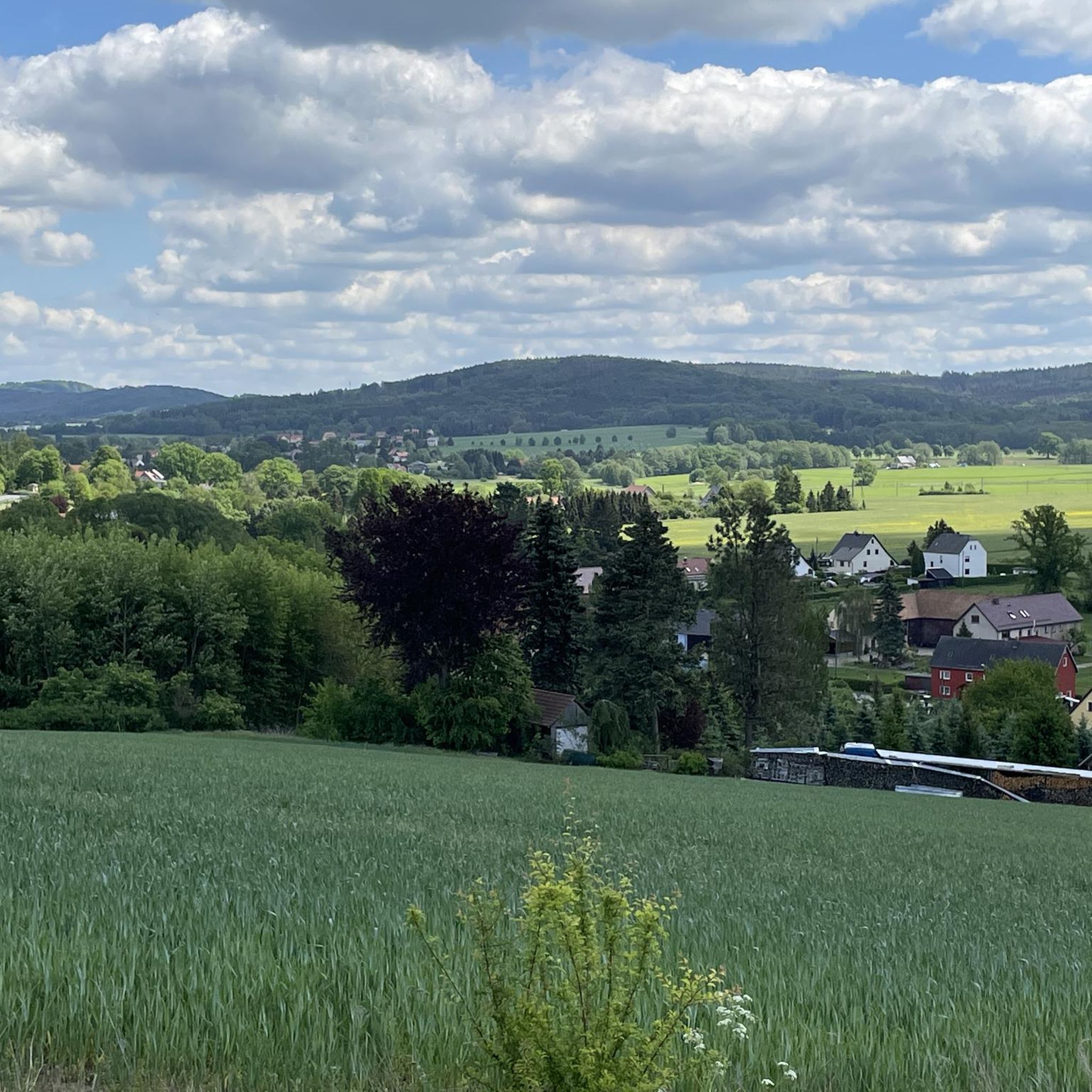
The Butterberg is almost 384 meters high and is located just a few kilometers from the center of Bischofswerda. At the summit there is an inn in historic walls with a 21 meter high observation tower. You can find more information and opening times here: http://www.butterberg.com/.
3
1

Stolpen Castle, built on a basalt cone, was once the residence of the bishops and an electoral fortress. Its varied history is reflected in its architecture. Here you can marvel at the deepest well in the world, dug into basalt, and learn something about Countess Cosel, who was imprisoned here for almost 50 years.
4
0

If the trees around weren't so high then there would definitely be a great view :) otherwise a nice place to collect information and to rest
5
1

Good for young and old. Descriptions made in three languages: German, English and Polish. The tour took about two hours.
7
1
Frequently Asked Questions
What are some notable natural monuments to visit in the Schmölln-Putzkau region?
The region offers several remarkable natural monuments. You can explore the Hochstein (Sibyllenstein) – Highest Point of Westlausitz, which provides views towards Schwedenstein and Keulenberg. Another significant site is the Butterberg Observation Tower and Mountain Inn, offering extensive panoramic views from its 21-meter-high tower. Don't miss the mystical Devil's Pulpit, known for its energetic atmosphere.
Are there any family-friendly natural monuments or activities in the area?
Yes, several natural monuments are suitable for families. The Butterberg Observation Tower and Mountain Inn is family-friendly, featuring an inn and an observation tower. The Wesenitz Spring is also a great spot for families, offering a pleasant resting place. Additionally, Stolpen Castle, while historical, is considered family-friendly and offers a varied program.
What kind of views can I expect from the natural monuments around Schmölln-Putzkau?
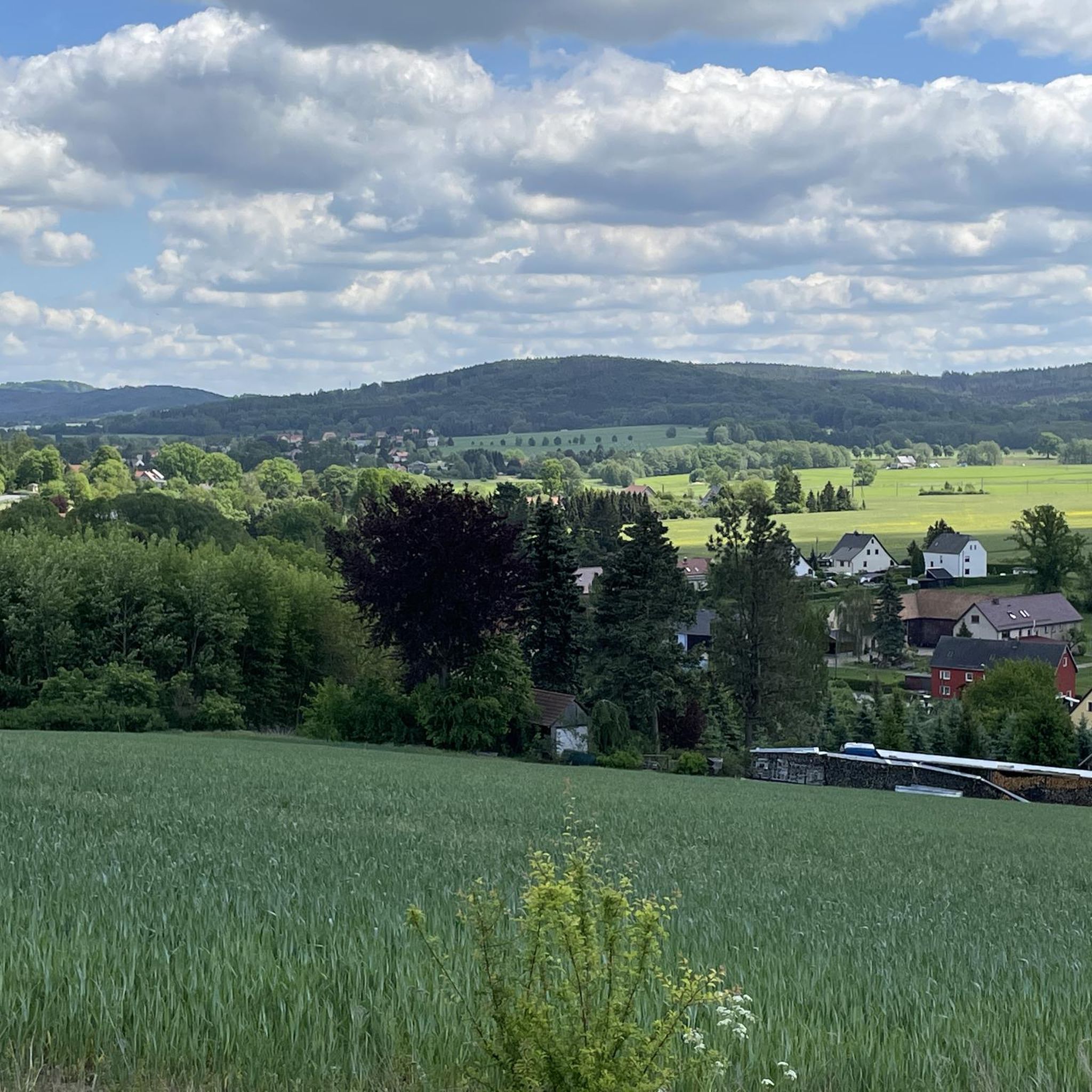
The region is known for its panoramic vistas. From the Butterberg Observation Tower and Mountain Inn, you can enjoy extensive views of the surrounding landscape. The Hochstein (Sibyllenstein) offers views towards Schwedenstein and Keulenberg. The Valtenberg, the highest peak of the Lusatian Uplands, also provides far-reaching views, including the Elbsandsteingebirge and Riesengebirge on clear days.
Are there historical sites among the natural monuments?
Yes, the region beautifully combines natural beauty with historical significance. Stolpen Castle is a culturally and historically significant monument, also recognized for its geological setting. The Butterberg Observation Tower and Mountain Inn has historical ties to the Royal Saxon Triangulation. Additionally, the 'Denksteine-Tour' through the Hohwald features historical 'Denksteine' (memorial stones) that are closely linked to the natural environment.
What outdoor activities can I do near these natural monuments?
The Schmölln-Putzkau region offers diverse outdoor activities. You can find numerous hiking opportunities, including easy trails like the 'Riparian forest at the Wiedwasser – Picnic Area at Mahlteich loop' or the 'View of Heydelberg – Rittergut Putzkau loop'. For more options, explore the Easy hikes around Schmölln-Putzkau guide. Cyclists can enjoy gravel biking routes, such as 'Through the Elbsandstein Mountains', or road cycling routes like 'Media Tower Bischofswerda – Demitz-Thumitz Railway Viaduct loop'. More details are available in the Gravel biking around Schmölln-Putzkau guide and the Road Cycling Routes around Schmölln-Putzkau guide.
What are Fauna-Flora-Habitat-Gebiete and where can I find them?
Fauna-Flora-Habitat-Gebiete (FFH-Gebiete) are protected natural areas established to conserve specific habitats and species. In the Schmölln-Putzkau region, you'll find the FFH-Gebiete 'Obere Wesenitz und Nebenflüsse' and 'Hohwald und Valtenberg'. These areas are crucial for ecological protection, requiring visitors to stay on marked paths, avoid noise, and refrain from picking plants to preserve their sensitive ecosystems.
Are there specific hiking trails that lead to or through natural monuments?
Yes, the 'Denksteine-Tour' is a notable hiking trail that leads deep into the Hohwald and up to the Valtenberg, allowing you to explore historical 'Denksteine' and natural surroundings. The 'Rund um Putzkau' trail also features historical waystones and the idyllic Mahlteich in a forest section, inviting exploration of local history and nature.
What do visitors particularly enjoy about the natural monuments in Schmölln-Putzkau?
Visitors frequently praise the extensive views from summits and observation towers, such as the Butterberg Observation Tower and Mountain Inn. The historical significance of sites like Stolpen Castle is also highly appreciated. Many find places like the Devil's Pulpit to be mystical and energetic, while the Wesenitz Spring is valued as a great place to rest and enjoy nature.
Can I find natural springs or water features in the area?
Yes, the region is home to natural springs. The Wesenitz Spring is a well-known natural monument, offering a beautifully designed source area where you can rest and even interact with the water using a small trowel and sieve provided.
What is the highest point in the region and what does it offer?
The Valtenberg, at 587 meters, is the highest peak of the Lusatian Uplands and a significant natural monument. It offers expansive views from its summit, with an observation tower providing clear-day vistas over the Elbsandsteingebirge and Riesengebirge. The Valtenberg is also part of the 'Hohwald und Valtenberg' Fauna-Flora-Habitat-Gebiet, highlighting its ecological importance.
Are there any less-known natural gems worth discovering?
Beyond the prominent sites, the region holds charming spots like the Heydelberg, which, despite its lower elevation of 355 meters compared to Valtenberg, still offers perfect panoramic views of the surroundings. The idyllic Mahlteich, found along the 'Rund um Putzkau' hiking trail, is another peaceful natural feature nestled within the forest.
Most popular routes around Schmölln-Putzkau
Most popular attractions around Schmölln-Putzkau

Get inspired with the komoot mobile app


Explore more
Extend your search for the best caves by checking out these guides of the top ones around Schmölln-Putzkau:
