Top 20 Natural Monuments around Wanzleben-Börde
Natural monuments around Wanzleben-Börde provide insights into the region's natural history and cultural heritage. Situated in the Börde district of Saxony-Anhalt, Germany, the area features a landscape of rolling hills and green fields. These sites include ancient trees, prehistoric standing stones, and other natural features. They offer opportunities to explore the local environment and historical landmarks.
Best natural monuments around Wanzleben-Börde
- The most popular natural monuments is Domfelsen viewing platform with views over the Elbe and Magdeburg Cathedral, a…
Last updated: July 8, 2026
Domfelsen viewing platform with views over the Elbe and Magdeburg Cathedral
Highlight • Viewpoint
Translated by Google •
Tip by

War memorial in Fürstenwall Park
Highlight • Monument
Translated by Google •
Tip by

Sign up now to discover places like this
Get recommendations on the best single tracks, peaks, & plenty of other exciting outdoor places.
Sign up for free
Möllenvogtei Garden
Highlight • Historical Site
Translated by Google •
Tip by

Hasselbach Fountain
Highlight • Monument
Tip by

Langer Stein (Menhir of Seehausen)
Highlight • Monument
Translated by Google •
Tip by

Sign up for free to discover even more natural monuments around Wanzleben-Börde.
Sign up for free
Already have an account?
Start today with a free account
Your next adventure awaits.
Login or Signup
Popular around Wanzleben-Börde
Berlin-Hameln Cycle Route – From West to East
The best gravel Tours around Magdeburg – #explorelocal
Gravel biking around Wanzleben-Börde
Hiking around Wanzleben-Börde
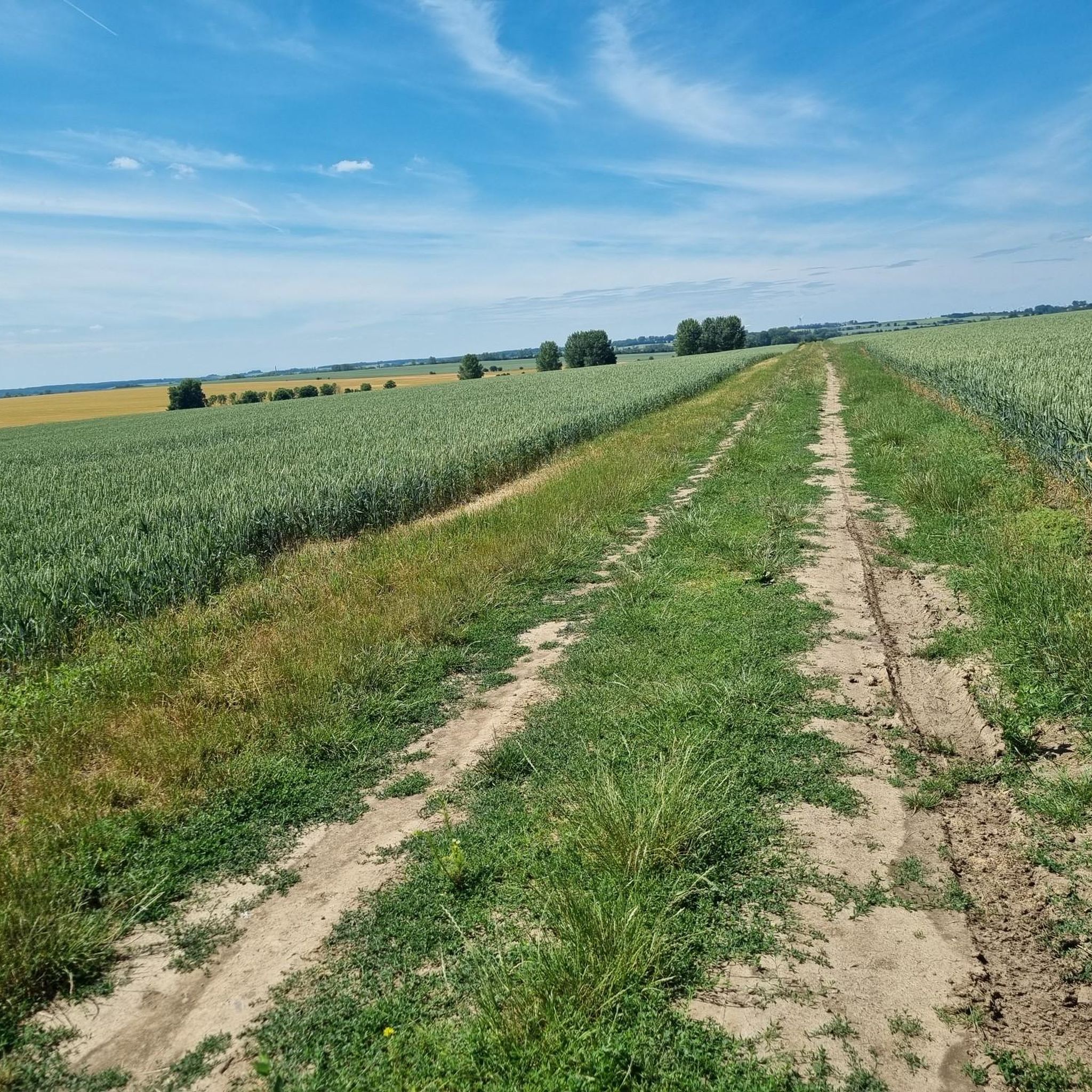
Cycling around Wanzleben-Börde
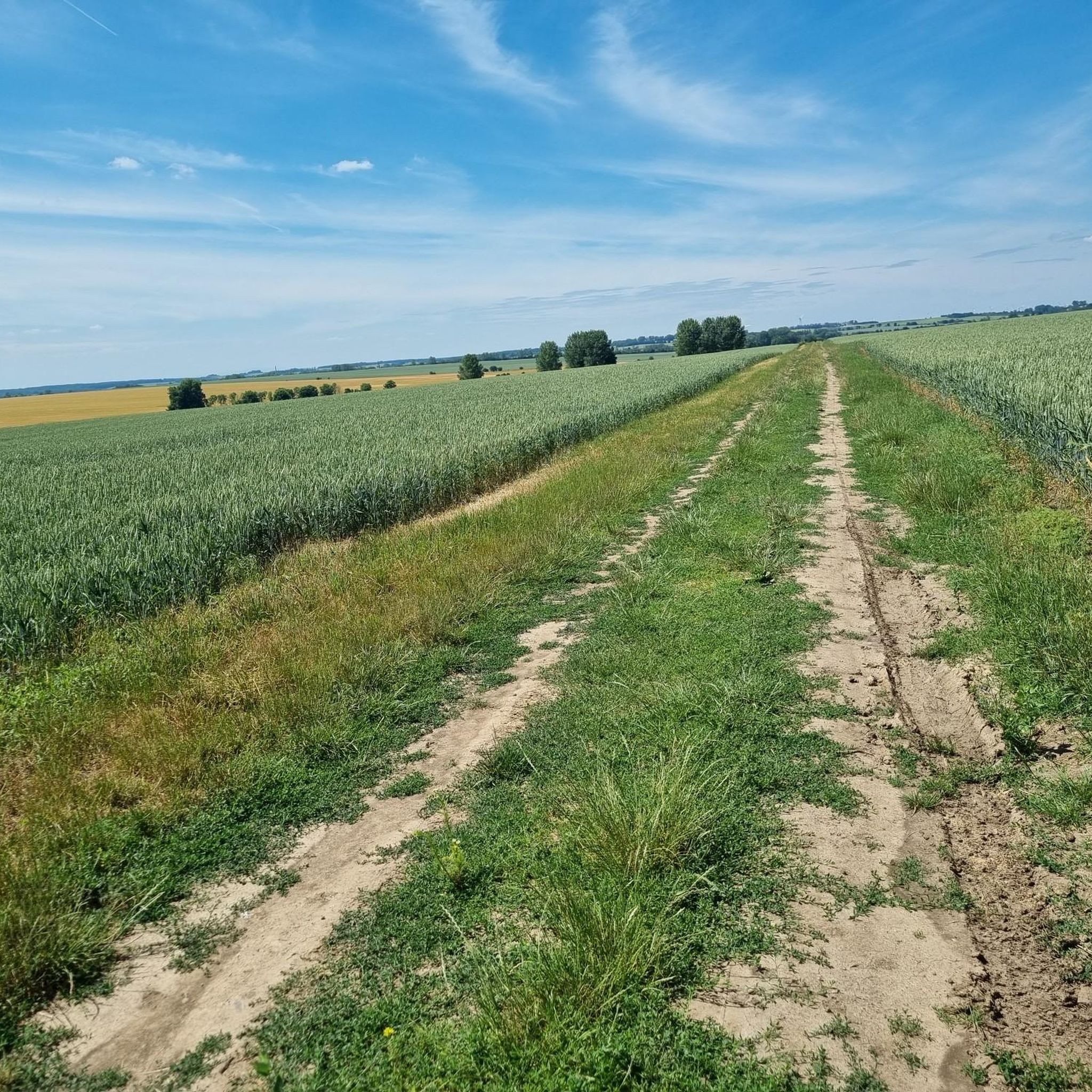
Road Cycling Routes around Wanzleben-Börde
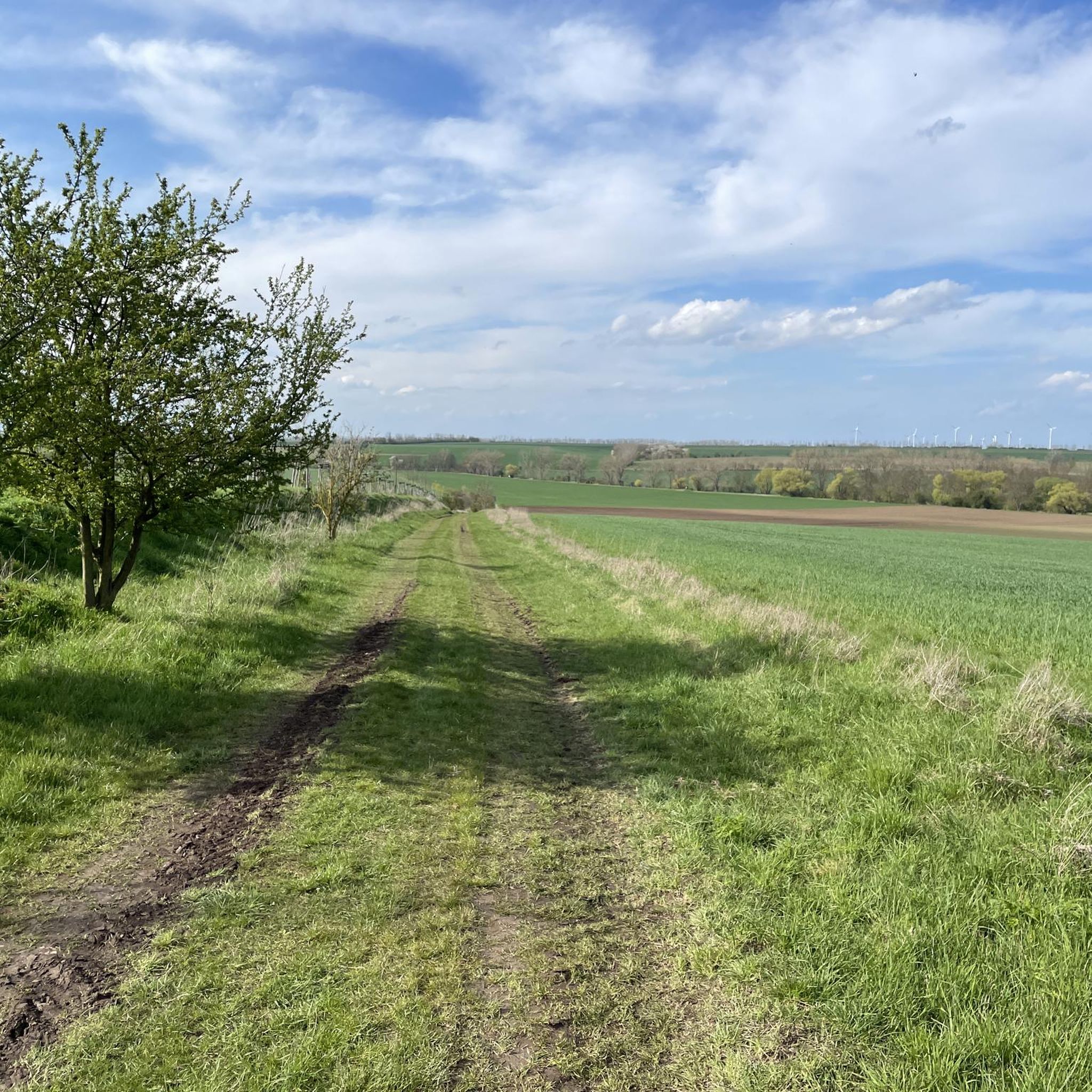
Running Trails around Wanzleben-Börde
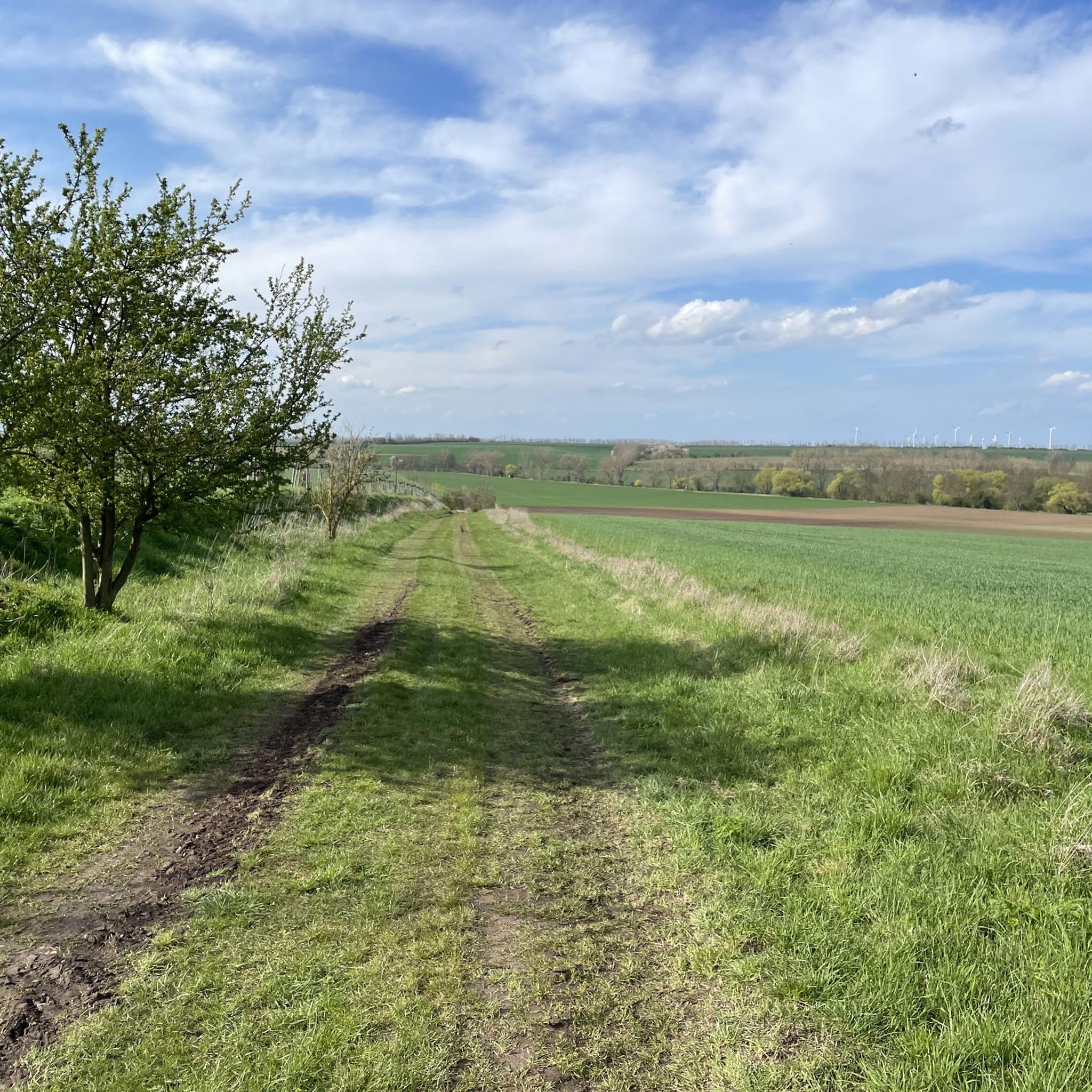
MTB Trails around Wanzleben-Börde


Tips from the Community

This beautiful garden is accessible via the preserved city gate of Magdeburg
2
0
War memorial to wars before the two world wars
2
0
impressive war memorial to wars before the two world wars
2
0

Immediately south of the cathedral you will find the small park at Fürstenwall. This park also dates back to part of the former fortifications of the old town of Magdeburg. The Cleve Bastion used to stand here, which has now been partially uncovered. In addition to the actual Fürstenwall, the park at Fürstenwall is also a result of Magdeburg's fortress history. After the Magdeburg fortress was abolished in the 19th century, the Cleve Bastion was leveled in 1872. The area thus freed up was to be used to commemorate those who died in the wars of 1866, 1870 and 1871 with the "war memorial" erected in 1877. In 1900, garden director Johann Gottlieb Schoch had the green area around the newly created memorial hill designed as a park. The area has remained almost unchanged since then. It has been extensively renovated in recent years, most recently in 2020, including replanting the valuable tree population with flowering shrubs and perennials and renewing paths. Source: https://www.magdeburg.de/B%C3%BCrger-Stadt/Verwaltung-Service/Eigenbetriebe-st%C3%A4dtische-Partner/Stadtgarten-Friedh%C3%B6fe/Park-am-F%C3%BCrstenwall.php?object=tx,557.3705.1&NavID=37.927&La=1
1
0
An imposing monument to Magdeburg's contemporary history stands in the well-kept grounds of the park on Fürstenwall not far from the cathedral. The war memorial, which stands on a hill, commemorates the fallen soldiers of the German War of 1866, the Franco-Prussian War of 1870/71 and the founding of the Empire in 1871. It was ceremoniously inaugurated on September 2, 1877, the seventh anniversary of the capitulation of the French troops and the capture of Napoleon. The monument was erected as part of the redevelopment of the Fürstenwallpark in 1872 by leveling the Cleve Bastion. Source: https://www.magdeburger-news.de/?c=20190118085926&tag=Annett%20Szameitat
1
0

The war memorial was unveiled on 2 September 1877
1
0

Source: Wikipedia The Seehausen menhir (also called "Götterstein" or "Langer Stein") is a menhir in Seehausen, a district of the town of Wanzleben-Börde in the Börde district in Saxony-Anhalt. It stands in the direction of Eggenstedt, on an uphill dirt road, one kilometer from the lake and is the northernmost statue menhir in Germany. The stone was stored in January 2017 in the depot of the Saxony-Anhalt State Office for Monument Preservation and Archeology in Halle (Saale). A copy was set up at the original location.[1] Other menhirs of this quality have also been taken to museums as a precaution. A thing site is said to have been located on the 2.4 m high semi-anthropomorphic standing stone. The heavily weathered stone with an oval cross-section has petroglyphs, of which very accurate images exist. They show a circle, a broad ax with handle and a sash. The older drawings still show parts of a decorated belt. Urn finds indicate that burials took place at the site. The representation is interpreted in the scientific literature as a human-like figure. Comparisons suggest an interpretation as a fertility goddess. Since incised motifs are not common in German archeology, the comparison material can be easily compiled. It becomes clear that this motif belongs to the Bernburg culture. The area on the Hoher Holz can be identified as the northern fringe zone of this culture.
0
0

At the top of the park is the war memorial.
2
0
Frequently Asked Questions
What are the most prominent natural monuments to visit in Wanzleben-Börde?
The most prominent natural monuments in Wanzleben-Börde include the impressive Langer Stein (Menhir of Seehausen), a prehistoric standing stone with unique figurative carvings, and the ancient Platane (Plane Tree) near Wanzleben Castle, known for its age and size. Additionally, the Domfelsen viewing platform offers stunning views over the Elbe and Magdeburg Cathedral, and is also designated as a natural monument.
Are there any natural monuments with historical significance in the region?
Yes, several natural monuments in Wanzleben-Börde have significant historical importance. The Langer Stein (Menhir of Seehausen) is a prehistoric standing stone believed to have been a spiritual and cultural site. The War memorial in Fürstenwall Park, though man-made, is designated as a natural monument and commemorates historical conflicts. The Möllenvogtei Garden is also a historical site with roots dating back to Magdeburg's old town.
Which natural monuments are suitable for families with children?
For families, the Domfelsen viewing platform with views over the Elbe and Magdeburg Cathedral is a great option, offering accessible views. The War memorial in Fürstenwall Park and the Möllenvogtei Garden are also family-friendly historical sites designated as natural monuments, providing space for exploration.
Are there any natural monuments that are wheelchair accessible?
The Hasselbach Fountain is noted as being wheelchair accessible. While other sites may have varying accessibility, it's always recommended to check specific conditions before visiting.
What kind of natural features can I expect to see among the natural monuments?
The natural monuments around Wanzleben-Börde feature a blend of natural beauty and historical elements. You can see ancient trees like the Platane near Wanzleben Castle, and geological formations such as the rock beneath the Domfelsen viewing platform. The broader region is characterized by rolling hills and green fields, offering picturesque scenery.
What outdoor activities can I do near these natural monuments?
The area around Wanzleben-Börde offers various outdoor activities. You can find numerous hiking trails, including an easy loop from Wanzleben that visits the Natural Monument: Plane Tree near Wanzleben Castle. For cycling enthusiasts, there are gravel biking and MTB trails available. Explore options like hiking around Wanzleben-Börde or gravel biking routes in the region.
Are there specific hiking trails that visit natural monuments?
Yes, there are hiking trails that incorporate natural monuments. For instance, an easy 6.17 km loop trail from Wanzleben visits the Natural Monument: Plane Tree near Wanzleben Castle. You can find more hiking options and details on the hiking guide for Wanzleben-Börde.
What do visitors enjoy most about the natural monuments in Wanzleben-Börde?
Visitors particularly appreciate the unique blend of natural beauty and historical significance. The Domfelsen viewing platform is loved for its wonderful views of the Elbe and Magdeburg Cathedral. The Langer Stein (Menhir of Seehausen) is highly recommended for its historical intrigue and unique carvings, with many finding it a '100% nice highlight'.
Where can I find parking near the natural monuments?
Parking is available near some natural monuments. For example, the War memorial in Fürstenwall Park has parking facilities. When planning your visit, it's advisable to check specific parking options for each site, especially if you are combining your visit with a hike or bike tour.
What is the best time of year to visit the natural monuments in Wanzleben-Börde?
The natural monuments in Wanzleben-Börde can be enjoyed throughout the year. Spring and autumn offer pleasant temperatures for exploring and hiking, with vibrant foliage or blooming nature. Summer is ideal for longer outdoor activities, while winter can provide a unique, tranquil experience, especially for walks around the ancient trees or historical sites.
Are there any other notable trees designated as natural monuments in the wider Börde district?
Beyond the prominent Platane at Wanzleben Castle, the broader Börde district also features other individual trees designated as natural monuments. These include the Pyramideneiche (Pyramid Oak) in Heinrichsberg, a Black Locust and a Chestnut in Ampfurth, four Ash Trees in Hermsdorf, a Sycamore Maple in Ampfurth, and a Mulberry Tree in Hohenwarsleben. Their significance often lies in their age, size, or rarity within their local environment.
Most popular routes around Wanzleben-Börde
Most popular attractions around Wanzleben-Börde

Get inspired with the komoot mobile app


Explore more
Extend your search for the best caves by checking out these guides of the top ones around Wanzleben-Börde:
