Top 20 Natural Monuments around Seehausen
Natural monuments around Seehausen offer a diverse range of natural and historical features within Saxony-Anhalt, Germany. The region is characterized by its river landscapes, including the Elbe, and significant archaeological sites. Visitors can explore ancient landmarks and areas of natural beauty. The landscape provides opportunities for outdoor activities amidst varied natural settings.
Best natural monuments around Seehausen
- The most popular natural monuments is Confluence of the Gnevsdorfer Vorfluter and the Elbe, a river where the Elbe and Havel meet. This location is noted for its perfectly paved bicycle roads and scenic views.
- Another must-see spot is Stork Village Rühstädt, a settlement known for hosting a high concentration of nesting storks in Germany. The village is well-maintained and offers amenities for visitors.
- Visitors also love Gradierwerk Bad Wilsnack, a man-made monument featuring a graduation tower. This structure provides a unique experience with its thermal brine healing water, beneficial for respiratory conditions.
- Seehausen is known for its rivers, settlements, and man-made monuments that interact with natural processes. The area offers a variety of natural monuments to see and explore, from ancient archaeological sites to modern structures utilizing natural resources.
- The natural monuments around Seehausen are appreciated by the komoot community, with more than 1500 upvotes and over 130 photos shared by visitors.
Last updated: August 18, 2026
Confluence of the Gnevsdorfer Vorfluter and the Elbe
Highlight • River
Translated by Google •
Tip by

Stork Village Rühstädt
Highlight • Settlement
The place is beautifully decorated and offers several options for a good stop.
Translated by Google •
Tip by

Sign up now to discover places like this
Get recommendations on the best single tracks, peaks, & plenty of other exciting outdoor places.
Sign up for free
Cycle Path between the Elbe and the Havel
Highlight (Segment) • Cycleway
Translated by Google •
Tip by

Gradierwerk Bad Wilsnack
Highlight • Monument
A walkway and seating around the graduation tower enable the direct and conscious inhalation of the salty and healthy air.
kristalltherme-bad-wilsnack.de
Translated by Google •
Tip by

Krumke Castle and Castle Park
Highlight • Castle
In addition to the castle, there is also an orangery, a coach house, a special garden, a stone cabinet and a carp pond. A very beautiful and well-kept park.
All information about the castle park can be found here: gartentraeume-sachsen-anhalt.de/de/gartentraeume-parks/schlosspark-krumke.html
Translated by Google •
Tip by

Sign up for free to discover even more natural monuments around Seehausen.
Sign up for free
Already have an account?
Start today with a free account
Your next adventure awaits.
Login or Signup
Other adventures around Seehausen

Tips from the Community

The graduation tower in Bad Wilsnack was built as part of the town's modern spa development following the discovery of a thermal brine deposit in the 1990s. The Kristall Spa and Graduation Tower was constructed based on this discovery. The graduation tower was also built as a complementary spa facility and the first of its kind in the state of Brandenburg. It utilizes the natural brine, which trickles down wooden walls filled with brushwood. The evaporation creates a saline microclimate, which is particularly beneficial for respiratory health. The site is open to the public.
0
0

The Krumke Castle Park is one of Saxony-Anhalt's "Garden Dream Parks". The park is freely accessible and can be visited free of charge. The park is home to a rarity: it is said to have the oldest boxwood hedge in Europe. In addition to the castle, there is also an orangery, a coach house, a special garden, a stone cabinet and a carp pond. A very beautiful and well-kept park. All information about the castle park can be found here: http://gartentraeume-sachsen-anhalt.de/de/gartentraeume-parks/schlosspark-krumke.html
8
0
Krumke Castle is privately owned and not accessible. It is beautiful to look at from the outside, but it seems to be falling into disrepair. The castle park, which is part of the "Garden Dreams Parks", is open to the public and can be visited.
7
0

The castle and park with their details form a wonderful ensemble - a world of their own.
1
0

The graduation tower is operated on behalf of the city by the Kristall Kur- und Gradier-Therme. The graduation facility in Bad Wilsnack is the first in the state of Brandenburg. It has a total length of 55 meters and a height of 6 meters. A walkway with seating leads around the graduation tower and allows you to breathe in the pure, salty and healthy air directly and consciously.
1
0

Bad Wilsnack water tower
0
0
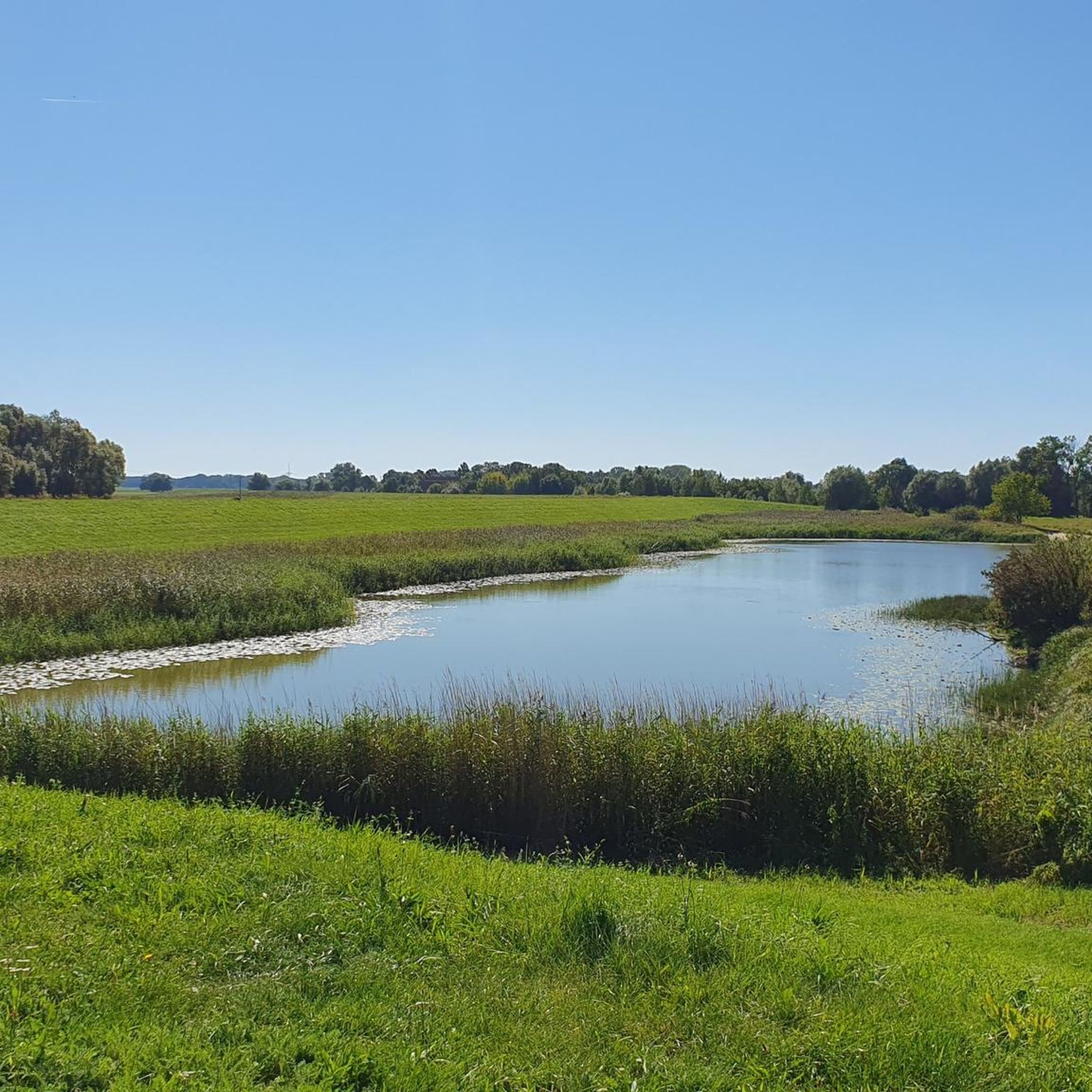
The Gnevsdorf drainage canal is an approximately eleven-kilometer-long, artificially constructed canal between the Havel and Elbe rivers, serving as an additional outlet into the Elbe. Its design aimed to shift the Elbe's backwater level downstream to a lower level, thus effectively relieving pressure on the Lower Havel during floods. Simultaneously, the canal improves the flow of Havel water to the Elbe, which has a steeper gradient. The Gnevsdorf drainage canal is part of a comprehensive flood control system that also includes several weirs and the Havelberg lock. A fantastic route along the Elbe Cycle Path, a relaxed tour with no significant difficulties. The scenery is beautiful, always by the water, pure nature. The old farmhouses are charming, and the route is very varied.
8
1
It looks quite interesting when storks become such close neighbors. The clattering could also be funny. Nice to be able to see something like that.
6
0
Frequently Asked Questions
What are some of the most popular natural monuments to visit around Seehausen?
Visitors frequently enjoy the Confluence of the Gnevsdorfer Vorfluter and the Elbe, a scenic spot where the Elbe and Havel rivers meet, known for its excellent cycling paths. Another highly-rated site is Stork Village Rühstädt, famous for hosting a large number of nesting storks. The Gradierwerk Bad Wilsnack, a unique graduation tower, is also a popular choice for its therapeutic brine air.
Are there any historical or archaeological natural monuments in the Seehausen area?
Yes, the **Menhir von Seehausen**, also known as the "Götterstein" or "Langer Stein," is a significant archaeological natural monument. This ancient stone, dating back to the Late Neolithic Corded Ware culture, features unique figural carvings and offers a glimpse into prehistoric beliefs. While the original is preserved, a copy stands at the historical site.
What kind of natural features can I expect to see around Seehausen?
The region is characterized by its river landscapes, particularly the Elbe. You can experience the confluence of major rivers, explore areas like the Cycle Path between the Elbe and the Havel which offers views of the river and surrounding nature, and enjoy the peaceful atmosphere of the Seehausener Seeufer (Seehausen Lakeshore) for relaxation.
Are there family-friendly natural monuments or activities in Seehausen?
Many natural monuments around Seehausen are suitable for families. Stork Village Rühstädt is particularly engaging for children due to the numerous nesting storks. The Gradierwerk Bad Wilsnack is also family-friendly, offering a unique experience with its therapeutic air. Additionally, the well-maintained cycle paths along the Elbe are great for family outings.
What outdoor activities can I do near these natural monuments?
The area offers diverse outdoor activities. You can enjoy cycling on the perfectly paved bicycle roads near the Confluence of the Gnevsdorfer Vorfluter and the Elbe or along the Cycle Path between the Elbe and the Havel. For hiking, there are various trails, including easy and moderate options. You can find more information on specific routes in the Hiking around Seehausen guide.
Are there good cycling routes that pass by natural monuments in Seehausen?
Absolutely. The region is excellent for cycling, with routes like the Elbradweg and Havelradweg passing through. The Cycle Path between the Elbe and the Havel is particularly scenic, offering a car-free experience on well-developed paths. For more cycling options, refer to the Road Cycling Routes around Seehausen guide.
What is the best time of year to visit the natural monuments around Seehausen?
Spring and summer are ideal for visiting, especially if you wish to see the nesting storks at Stork Village Rühstädt. The warmer months also provide pleasant conditions for cycling and enjoying the river landscapes. However, the Gradierwerk Bad Wilsnack can be visited year-round for its therapeutic benefits.
Is the Menhir von Seehausen easily accessible?
The Menhir von Seehausen is located on an ascending field path, approximately a kilometer from the lake, in the direction of Eggenstedt. While it requires a short walk, it is generally accessible for those who can manage a field path.
Are there any natural monuments that are also historical sites?
Yes, the **Menhir von Seehausen** is a prime example, combining natural stone with significant historical and archaeological importance from the Late Neolithic period. Additionally, Krumke Castle and Castle Park, while a man-made monument, is often considered a natural monument due to its ancient boxwood hedge and well-preserved park landscape.
What do visitors particularly enjoy about the natural monuments in Seehausen?
Visitors frequently praise the perfectly paved bicycle roads and scenic views, especially around the Confluence of the Gnevsdorfer Vorfluter and the Elbe. The charm of Stork Village Rühstädt, with its abundant storks and well-maintained village, is also a highlight. The unique therapeutic experience at Gradierwerk Bad Wilsnack is also highly appreciated.
Are there any natural monuments that offer unique health benefits?
Yes, the Gradierwerk Bad Wilsnack is a man-made monument that utilizes natural resources for health. Its graduation tower releases fine thermal brine healing water into the air, which is beneficial for bronchial and respiratory conditions due to its high iodine content, creating a 'sea air effect'.
Can I find places to relax by the water in Seehausen?
The **Seehausener Seeufer** (Seehausen Lakeshore) is noted as an idyllic spot for relaxation, especially on warm summer days. It offers a peaceful atmosphere and natural beauty for visitors looking to unwind by the water.
Most popular routes around Seehausen
Most popular attractions around Seehausen

Get inspired with the komoot mobile app


Explore more
Extend your search for the best caves by checking out these guides of the top ones around Seehausen:
