Top 20 Natural Monuments around Schlechtsart
Best natural monuments around Schlechtsart are found in a municipality situated in the district of Hildburghausen, Thuringia, near the Bavarian-Thuringian border. The area is characterized by its natural surroundings, including several hills such as Spanshügel and Brummharz. The Westhauser Kreck stream also originates in this region. This landscape offers a tranquil environment for experiencing the Thuringian countryside.
Best natural monuments around Schlechtsart
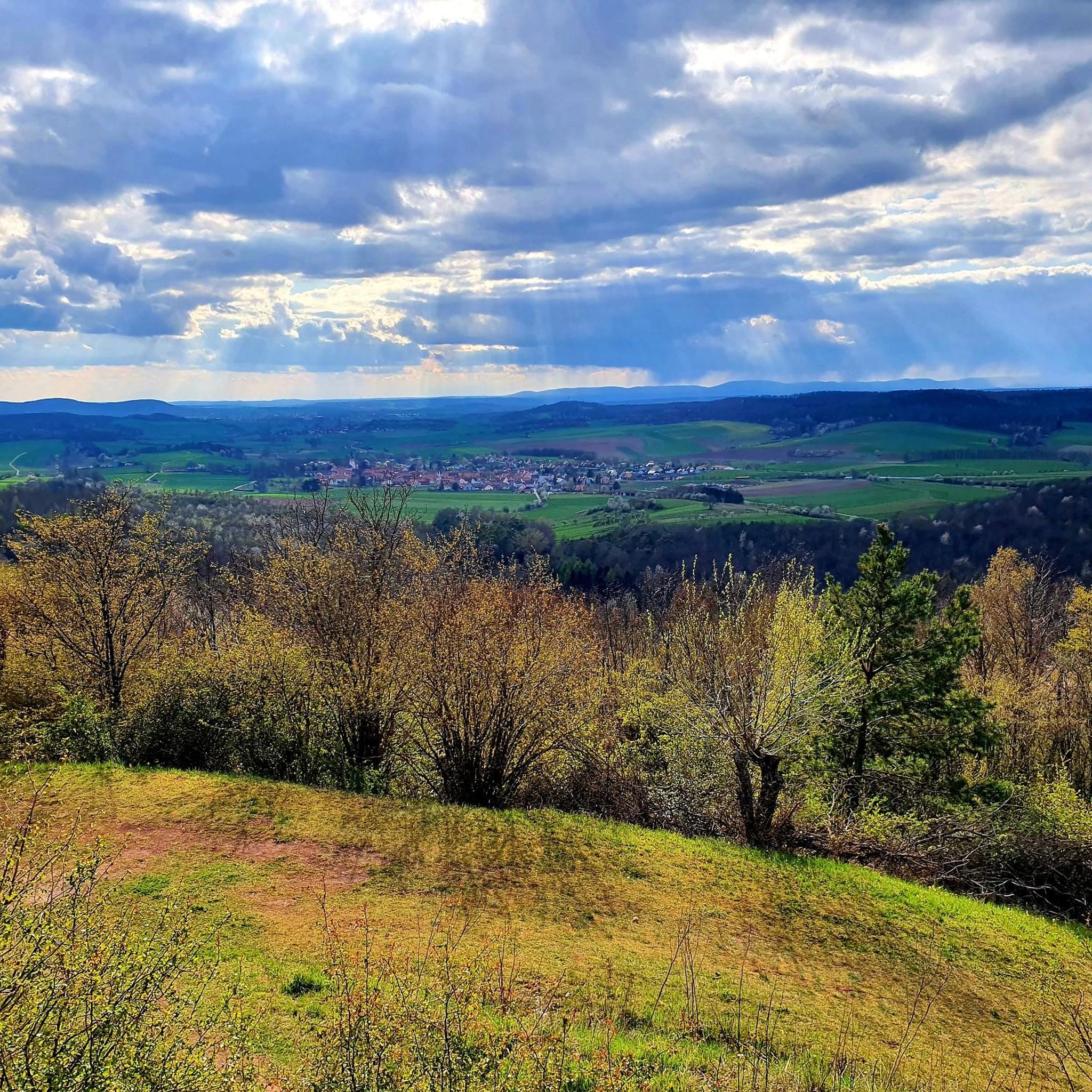
- The most popular natural monuments is Heldburg Fortress, a castle complex that offers panoramic views of the Thuringian forest, Rhön, Hassberge, and Frankenwald. This site is also home to the German Castle Museum.
- Another must-see spot is Straufhain Castle Ruins, a historical site located on a geologically interesting volcanic formation. Visitors can experience extensive views stretching from the Thuringian Slate Mountains to the Hohe Rhön.
- Visitors also love Summit of Großer Gleichberg, a prominent summit offering views towards Franconia and Kleiner Gleichberg. It is recognized as one of Thuringia's most significant mountains.
- Schlechtsart is known for its summits, historical sites, and natural water sources. The region features a variety of natural monuments, including significant hills, castle ruins with geological interest, and the source of the Franconian Saale.
- The natural monuments around Schlechtsart are appreciated by the komoot community, with more than 370 upvotes and over 1000 photos contributed by visitors.
Last updated: November 22, 2026
Heldburg Fortress
Highlight • Castle
Source:
thueringerschloesser.de/objekt/veste-heldburg
Translated by Google •
Tip by

Summit of Großer Gleichberg
Highlight • Summit
Translated by Google •
Tip by
Sign up now to discover places like this
Get recommendations on the best single tracks, peaks, & plenty of other exciting outdoor places.
Its right and northern source streams originate from the Saalbrunnen (not to be confused with the Saalbrunnen, also located in Franconia), approximately 1.7 kilometers east of Alsleben, a district of Trappstadt. The spring is located in an open field, less than 500 meters from the Thuringian border, just off the NES 45 district road, which leads to Gompertshausen. The young Franconian Saale rises there at 313 meters above sea level, below the Kapellenberg (390 meters above sea level).
Source: de.m.wikipedia.org/wiki/Fr%C3%A4nkische_Saale
Translated by Google •
Tip by
Straufhain Castle Ruins
Highlight • Castle
Translated by Google •
Tip by
Reuthsee
Highlight • Lake
Translated by Google •
Tip by

Sign up for free to discover even more natural monuments around Schlechtsart.
Already have an account?
Start today with a free account
Your next adventure awaits.
Tips from the Community

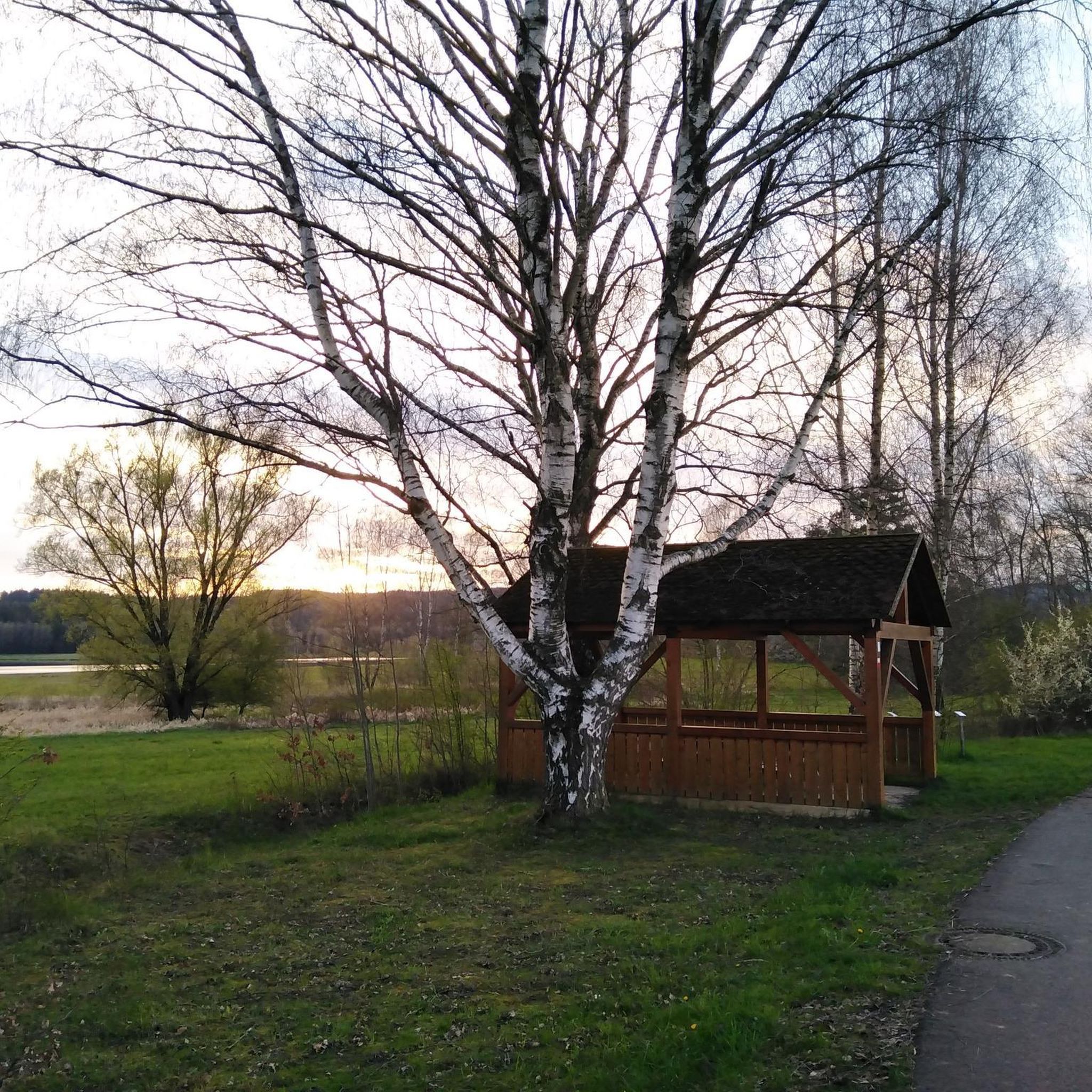
The first sandstone spring casing from the 1940s was redesigned in 1973 and acquired its current representative appearance in 1985. A bronze plaque by Erich Husemann from Trappstadt has commemorated the importance of the Franconian Saale since 1987. The spring stream flows southwest through Alsleben, where it joins the Fleusengraben, and joins the left source stream north of Bad Königshofen-Untereßfeld. Source: https://de.m.wikipedia.org/wiki/Fr%C3%A4nkische_Saale
15
1
The Franconian Saale originates in the Grabfeld near the Haßberge Mountains, east and southeast of Bad Königshofen, respectively, from two roughly equal, 3.9 km long source streams: Its right and northern source streams originate from the Saalbrunnen (not to be confused with the Saalbrunnen, also located in Franconia), approximately 1.7 kilometers east of Alsleben, a district of Trappstadt. The spring is located in an open field, less than 500 meters from the Thuringian border, just off the NES 45 district road, which leads to Gompertshausen. The young Franconian Saale rises there at 313 meters above sea level, below the Kapellenberg (390 meters above sea level). Source: https://de.m.wikipedia.org/wiki/Fr%C3%A4nkische_Saale
15
1
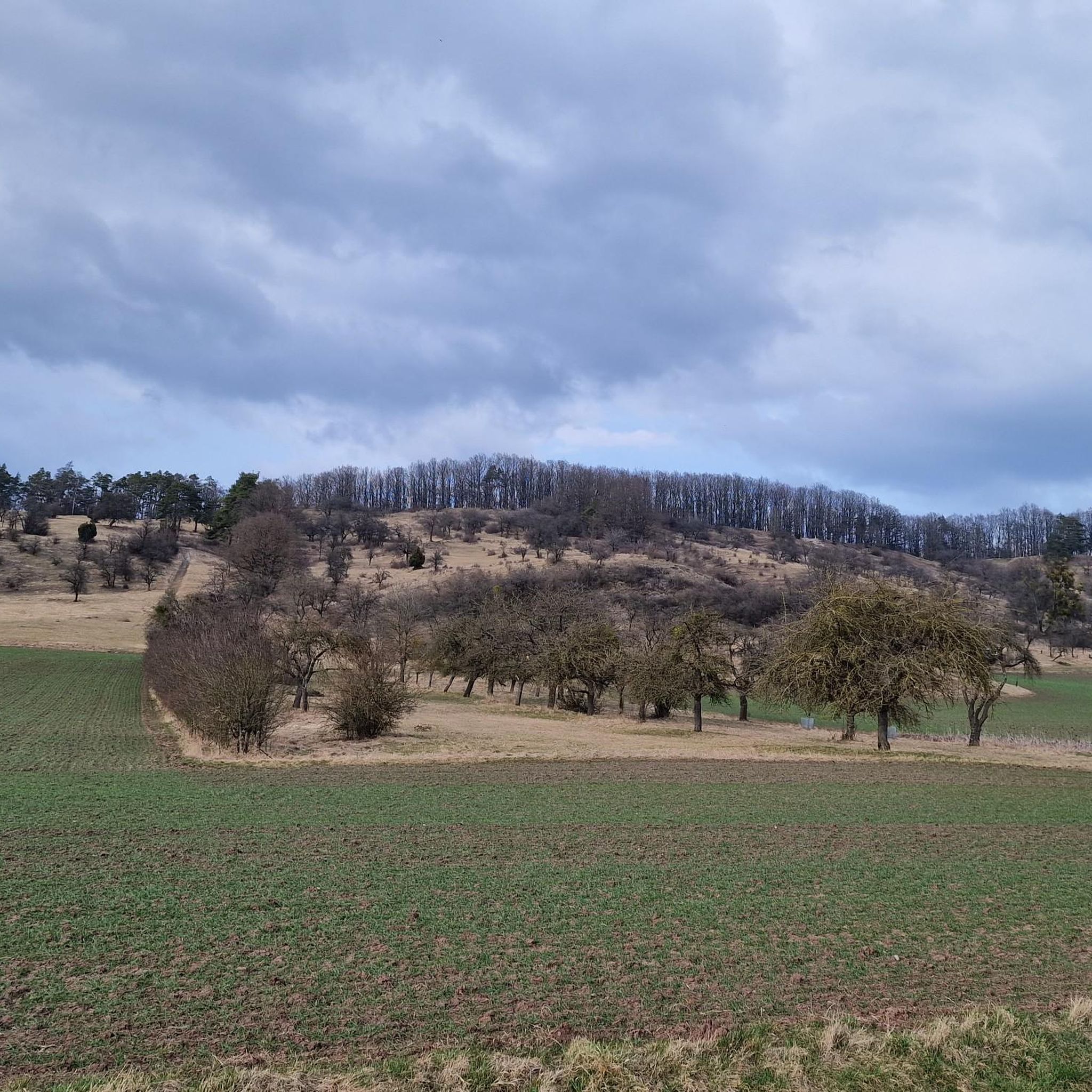
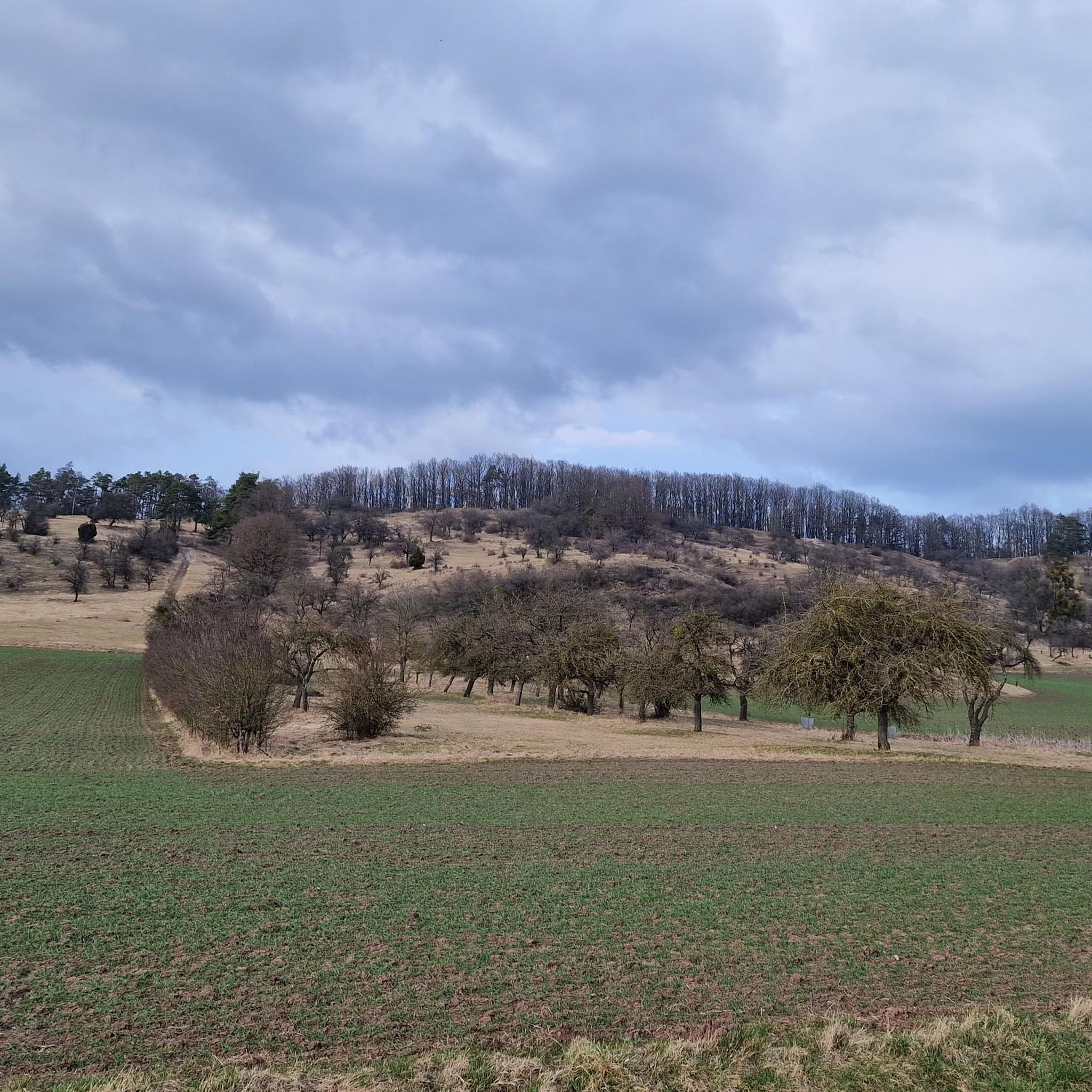
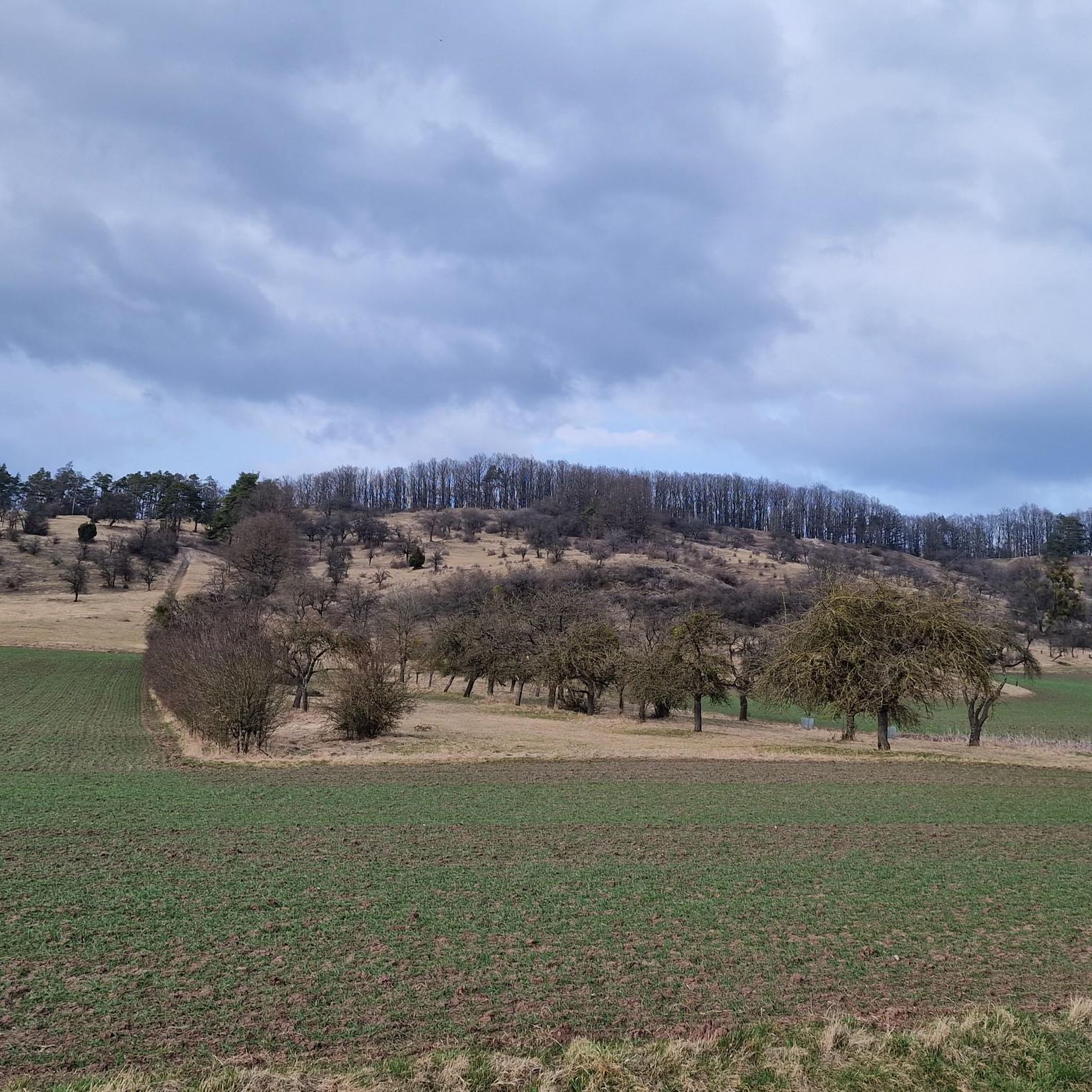
This panel vividly explains the formation of the Straufhain. The geological outcrop is located right next to it and is unfortunately somewhat overgrown. Otherwise, it's really very interesting. There are several other basalt cones of this type in the area, including the Heldburg Fortress and the Gleichberge Mountains, which bear witness to past volcanic activity.
8
2
This beautifully designed seating area, created by wood sculptor Max Müller, is located on Burgstrasse, right next to the Victoria Rondell at the beginning of the footpath to the fortress, and is part of the children's play area. Beautifully designed and decorated with carvings, the space is not only an eye-catcher but also invites you to linger for a while.
12
0
In keeping with the artistically minded sovereign's philosophy, the theatrical element was not neglected in the design of this outdoor retreat. A small arbor was created on the Commandant's Building beneath a monumental scene depicting Saint George fighting his archenemy – the dragon. Since the 19th century, the Commandant's Building has been adorned with a monumental mural depicting Saint George with the dragon. It was commissioned by Duke George II, a likely coincidence in their names. Source: https://blog.thueringerschloesser.de/veranda-fuer-den-herzog/
12
0
The "Tiefkeller Veste Heldburg (Heidenbaukeller)" (DE 5730-305) FFH area was proposed as a FFH area by the Thuringian Ministry of the Environment in June 2004 and reported to the EU Commission via the Federal Ministry for the Environment. Its inclusion in the list of sites of Community importance in the Continental Biogeographical Region was confirmed by the EU Commission in November 2007 (Official Journal of the European Union - EC No. L 12/383 of November 13, 2007). Source: (Official Journal of the European Union - EC No. L 12/383 of November 13, 2007).
16
0
Heldburg Fortress was a high medieval hilltop castle that was rebuilt in the 16th century as a Renaissance-style palace. It rises 113 meters above the town of Heldburg in the Heldburg region, the southernmost tip of the Hildburghausen district in Thuringia, on a 405-meter-high volcanic cone belonging to the former Heldburger Gangschar volcanic region. Founded in the 12th or 13th century, it has been called the "Franconian Light" since the 14th century due to its prominent location, a counterpart to the "Franconian Crown," the nearby Coburg Fortress. Heldburg Fortress is the only Thuringian fortress listed as a sight on the Castle Road. The French-style building of the fortress houses the German Castle Museum, which opened in September 2016. Source: https://de.m.wikipedia.org/wiki/Veste_Heldburg
12
0
Heldburg Fortress acquired its appearance mainly in the 16th and 19th centuries. However, its history goes back much further, probably to the 12th century. The Renaissance architect Nikolaus Gromann had a decisive influence on the design of the complex. He is to be credited with having transformed the medieval castle into a representative ensemble - one with outstanding art-historical significance. He did not simply tear down what had been left behind, but cleverly integrated it into the new building project. The French building, built from 1560 onwards, is now the architectural highlight of the fortress. Source: https://www.thueringerschloesser.de/objekt/veste-heldburg/
17
0
Frequently Asked Questions
What types of natural monuments can I explore around Schlechtsart?
The region around Schlechtsart offers a diverse range of natural monuments, including prominent summits like the Summit of Großer Gleichberg, historical castle ruins situated on geologically interesting formations such as Straufhain Castle Ruins, and natural water sources like the Source of the Franconian Saale (Alsleben). You can also find idyllic lakes like Reuthsee, which is one of the largest natural landscape lakes in Lower Franconia.
Are there any family-friendly natural monuments in the Schlechtsart area?
Yes, several natural monuments around Schlechtsart are suitable for families. The Heldburg Fortress is family-friendly and houses the German Castle Museum. The Source of the Franconian Saale (Alsleben) offers a pleasant rest area, and Reuthsee is an idyllic lake surrounded by forest, perfect for family outings and gentle walks.
What are the best viewpoints to experience the natural beauty of Schlechtsart?
For breathtaking views, consider visiting the Heldburg Fortress, which offers panoramic vistas of the Thuringian Forest, Rhön, Hassberge, and Frankenwald. The Straufhain Castle Ruins provide extensive views stretching from the Thuringian Slate Mountains to the Hohe Rhön. Additionally, the Summit of Großer Gleichberg offers rewarding views towards Franconia and Kleiner Gleichberg after a strenuous climb.
What historical sites are considered natural monuments in this region?
The region uniquely blends natural beauty with historical significance. Heldburg Fortress is a beautifully restored castle complex that also functions as a natural monument, offering historical insights and stunning views. Similarly, Straufhain Castle Ruins are located on a geologically interesting volcanic formation, making it both a historical site and a natural feature. The Summit of Großer Gleichberg also holds historical significance alongside its natural prominence.
Are there hiking trails near the natural monuments around Schlechtsart?
Yes, the area around Schlechtsart is excellent for hiking. You can find a variety of trails, from easy to moderate, that often lead to or pass by these natural monuments. For detailed routes, including those around the surrounding hills like Spanshügel, you can explore the available hiking guides for Schlechtsart.
What outdoor activities can I do near these natural monuments?
Beyond exploring the natural monuments themselves, the Schlechtsart area is ideal for various outdoor activities. You can enjoy hiking on numerous trails, including easy hikes suitable for all levels. Road cycling is also popular, with several routes available for exploring the scenic countryside. For more information on cycling, check out the road cycling guides for Schlechtsart.
What is the best time to visit the natural monuments around Schlechtsart?
The picturesque natural surroundings of Schlechtsart, with its hills and streams, are appealing throughout the warmer months, typically from spring to autumn. During these seasons, the weather is generally favorable for hiking, cycling, and enjoying the panoramic views from sites like Heldburg Fortress and the Summit of Großer Gleichberg. Visiting in autumn can also offer beautiful foliage.
What do visitors enjoy most about the natural monuments in Schlechtsart?
Visitors frequently praise the extensive and panoramic views from locations such as Heldburg Fortress and Straufhain Castle Ruins. The unique geological aspects, like the volcanic formation of Straufhain, are also highly appreciated. The tranquil environment and the opportunity to experience the idyllic Thuringian countryside, especially around spots like Reuthsee, are often highlighted as key attractions.
Are there any natural water features to visit in the area?
Yes, the region features significant natural water sources. You can visit the Source of the Franconian Saale (Alsleben), which is the starting point for the long journey of the Franconian Saale river. Additionally, Reuthsee is an idyllic and extensive natural lake near Sulzdorf, offering a peaceful setting.
Can I find easy hiking trails around the natural monuments?
Absolutely. The Schlechtsart area provides several easy hiking options that allow you to enjoy the natural surroundings without strenuous effort. These trails are often suitable for families and those looking for a relaxed outdoor experience. You can find specific routes and details in the easy hikes guide for Schlechtsart.
Is there parking available near the natural monuments?
While specific parking details for every natural monument are not provided, locations like Reuthsee are noted to have some parking spaces directly by the lake, making access convenient for visitors planning hikes or a day out. For other sites, parking is generally available in nearby villages or designated areas, often requiring a short walk to the monument itself.
Most popular attractions around Schlechtsart

Get inspired with the komoot mobile app


Explore more
Extend your search for the best caves by checking out these guides of the top ones around Schlechtsart:
