Top 20 Natural Monuments around Leienkaul
Natural monuments around Leienkaul include 3 distinct natural attractions. This region, nestled in the Eifel mountains, features geological formations, diverse ecosystems, and scenic vistas. These sites offer opportunities to explore the natural landscapes of the area.
Best natural monuments around Leienkaul
- The most popular natural monuments is Pinnerkreuz Viewpoint, a viewpoint that offers panoramic views of the Moselle valley, Cochem, and Reichsburg Castle. This location is accessible via chairlift or hiking trails.
- Another must-see spot is The Rausch Waterfall, a waterfall in the Dortebachtal. Visitors can observe the water cascading over stones, providing a natural feature for a short rest.
- Visitors also love Ulmener Maar, a maar lake in the Eifel. This geological site is known as the youngest of the Eifel maars, formed approximately 10,900 years ago.
- Leienkaul is known for its viewpoints, waterfalls, and maar lakes. The area provides a variety of natural monuments to see and explore.
- The natural monuments around Leienkaul are appreciated by the komoot community, with more than 1600 upvotes and over 1400 photos shared across the highlights.
Last updated: May 12, 2026
Pinnerkreuz Viewpoint
Highlight • Viewpoint
Translated by Google •
Tip by

The Rausch Waterfall
Highlight • Waterfall
Showing Translation
Tip by

Sign up now to discover places like this
Get recommendations on the best single tracks, peaks, & plenty of other exciting outdoor places.
Sign up for free
Pommerner Goldberg Nature Reserve Riverside Path
Highlight (Segment) • Trail
Translated by Google •
Tip by

Ulmener Maar
Highlight • Lake
Translated by Google •
Tip by

Dortebachtal Nature Trail
Highlight (Segment) • Trail
Further information is available at: klotten.de/urlaub-freizeit/dortebachtal.
Translated by Google •
Tip by

Sign up for free to discover even more natural monuments around Leienkaul.
Sign up for free
Already have an account?
Start today with a free account
Your next adventure awaits.
Login or Signup
Tips from the Community

Partially good sure-footedness is an advantage
0
0

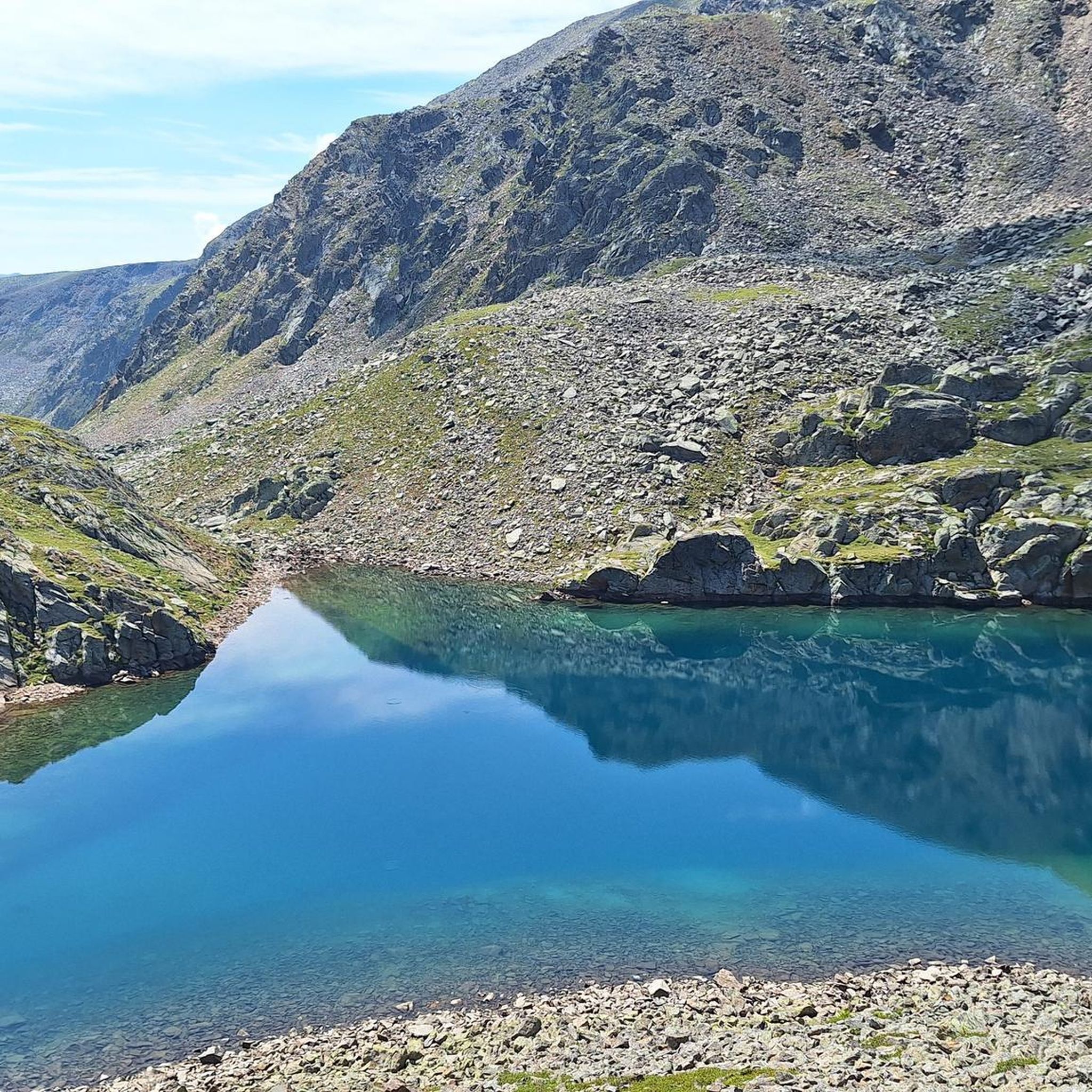
The Ulmen Maar lies 420 meters above sea level today, covers an area of 5.5 hectares, and is 36 meters deep. The bubbles at the maar's edge demonstrate that volcanism is still active. They bear witness to a turbulent past—but rest assured, there's no eruption in sight! A wall of various rocks and ash, up to 20 meters thick, surrounds the cone. For those interested, these testimonies to this explosive past are beautifully displayed in St. Matthias Church. This unique wall, with its different colored layers and rounded inclusions, is worth seeing for more than just geologists. The slopes of the maar basin are covered with a beautiful forest, which can be explored on a circular walk. A detour to the medieval castle ruins, from which the Crusaders once launched their campaigns, is recommended. The view from the crater rim over the maar and the Eifel beyond will take your breath away. Whether after a sweaty hike or a long drive, the blue of the Ulmer Eifel lake is all too tempting in summer. However, bathing in the maar is prohibited because it is designated as a nature and water protection area.
6
0

High atop Pinnerberg Mountain stands the Pinner Cross, a vantage point offering a magnificent view of the Moselle Valley. Its name comes from a shepherd who, while saving one of his lost animals from a fall, lost his life in the process. The cross was erected in his memory. The view of the town of Cochem with its Reichsburg Castle and the entire Moselle loop is impressive.
16
0
The cross is approximately 18 meters high and consists of a cross spire, a shaft, and a base. High up on the Pinnerberg, which is easily accessible by the Cochem chairlift, stands the Pinner Cross, a vantage point with a magnificent view of the Moselle Valley. The name goes back to a shepherd who tried to save one of his lost animals from falling and lost his life in the process. The cross was erected in his memory. Source: https://cochem.de/thema/pinnerkreuz/
15
0

Because otherwise it's an incomplete tour ;-)
0
0

The Ulmener Maar is small but beautiful. Located in the middle of the Eifel and in the middle of the city, it is a wonderful destination. You can easily combine a walk around the maar with a walk around the neighboring Jungferweiher. Both have recently been connected by the Ulmener Maar tunnel, which runs under the A 48 motorway.
5
0

A visit is worthwhile both in summer and in winter. However, the Ulmener Maar is a nature reserve, which is why bathing is strictly forbidden here!
1
0

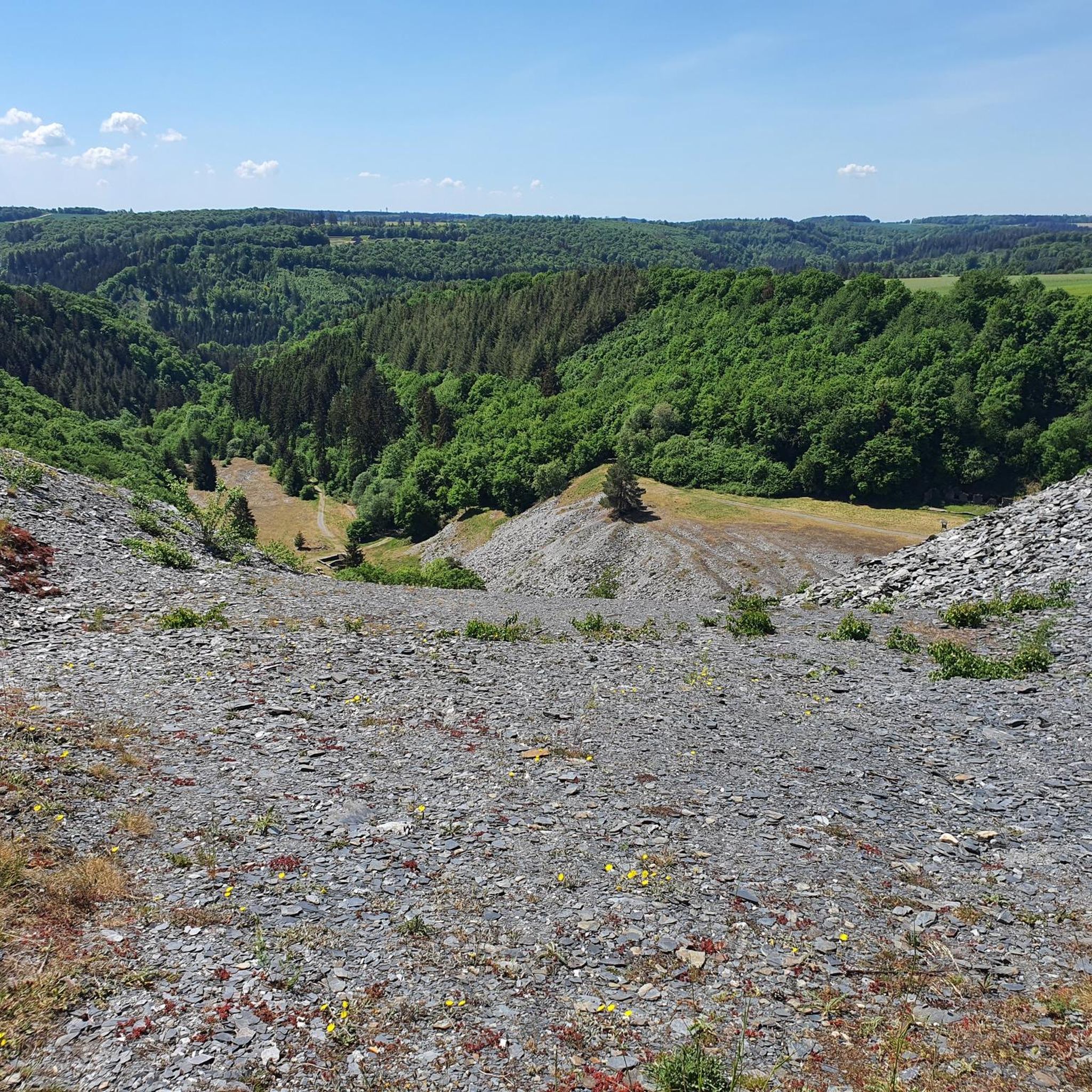
Very beautiful natural stream valley with a waterfall worth seeing as a highlight. The Dortebach valley is definitely worth a visit.
4
0
Frequently Asked Questions
What types of natural monuments can I explore around Leienkaul?
The Leienkaul region, nestled in the Eifel mountains, offers a variety of natural monuments including geological formations, unique ecosystems, and scenic vistas. You can find impressive maar lakes, wild river valleys with waterfalls, and areas rich in mining history that have transformed into nature reserves. The area is particularly known for its viewpoints, waterfalls, and maar lakes.
Are there any natural monuments with significant geological history in the area?
Yes, the Ulmener Maar is a prime example. It is recognized as the youngest of the Eifel maars, formed approximately 10,900 years ago by Germany's last volcanic eruption. Visitors can observe its well-preserved tuff wall and even see bubbles indicating ongoing volcanic activity. A circular path and a historic tunnel connect it to the Jungferweiher Maar, offering unique insights into the region's volcanic past.
Which natural monuments are best for experiencing unique flora and fauna?
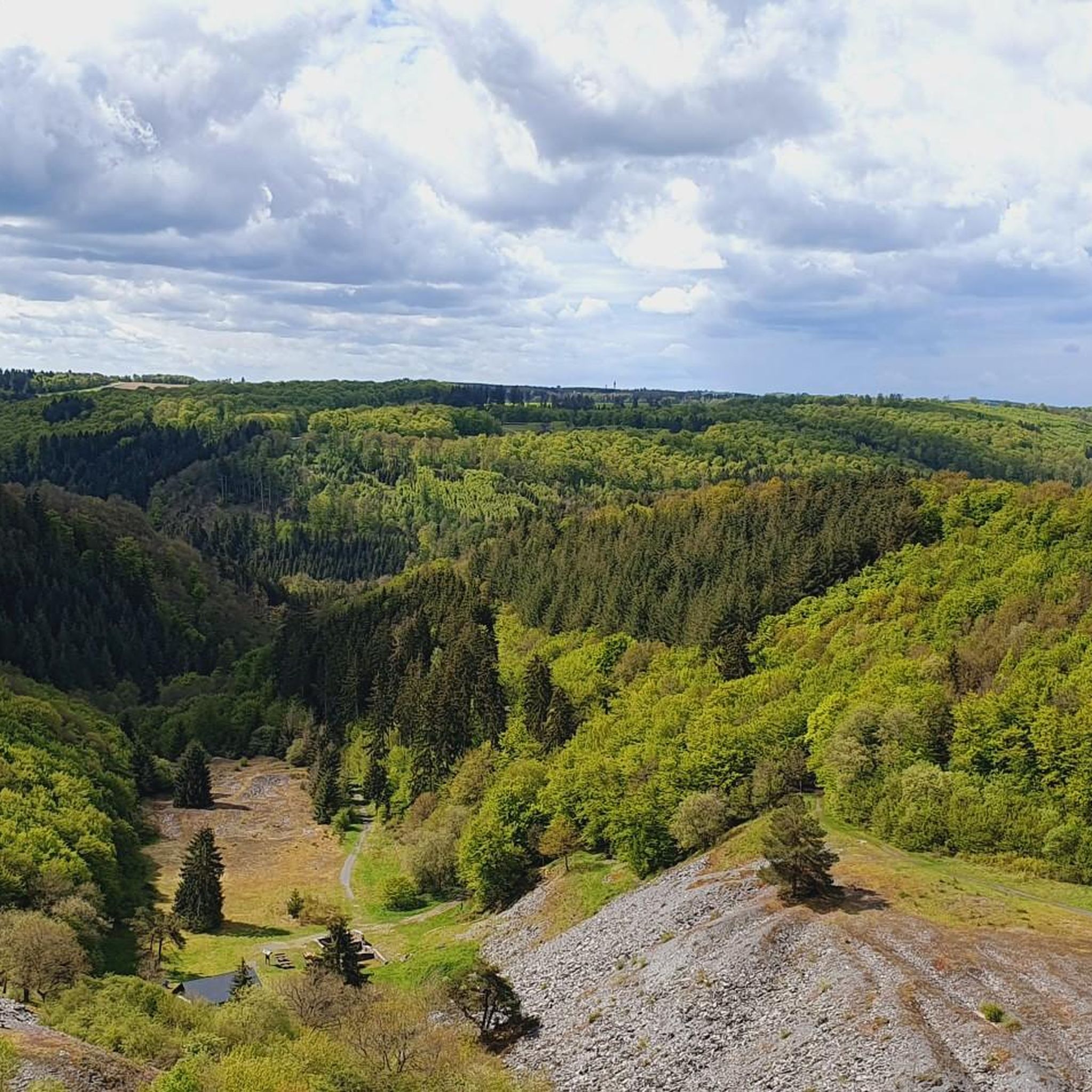
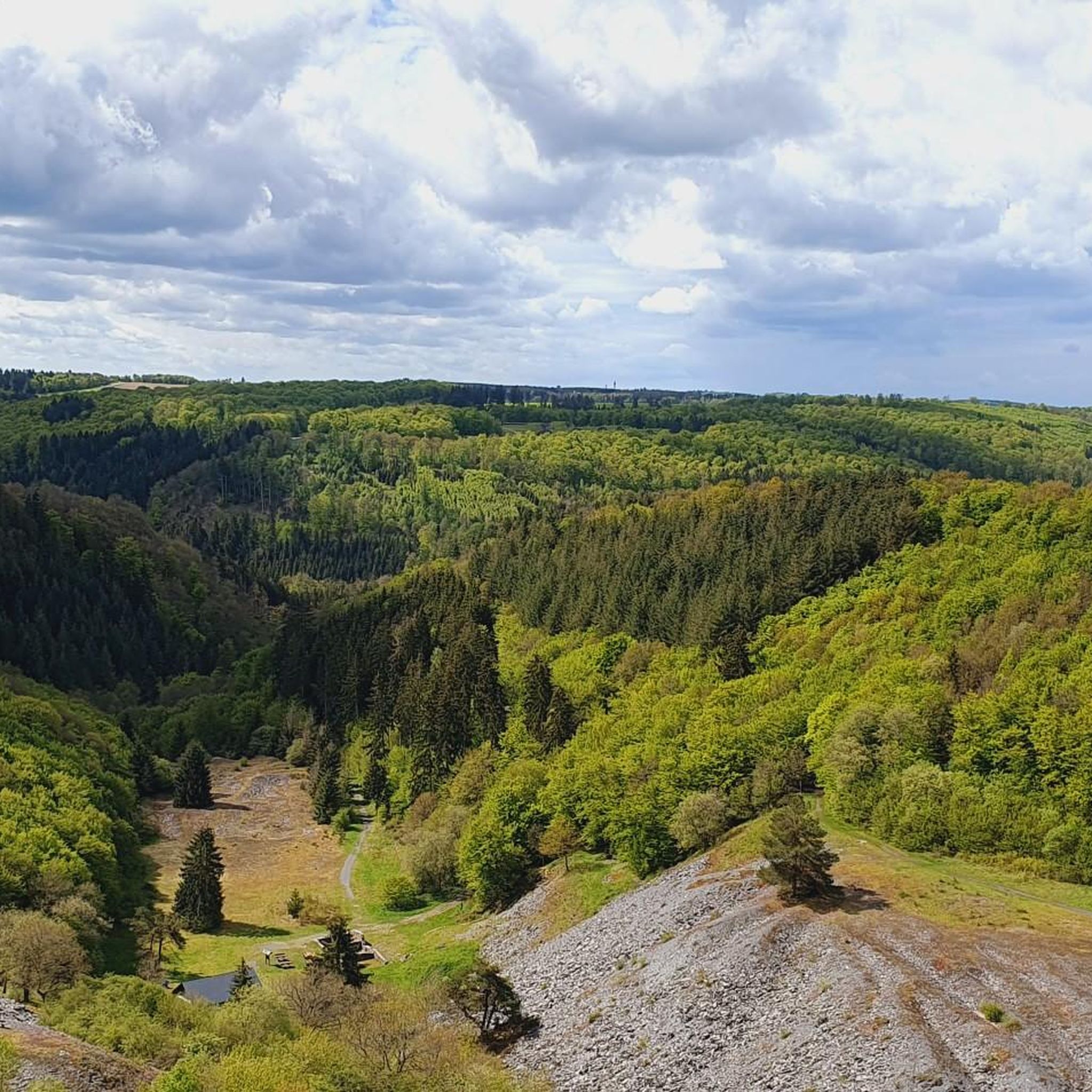
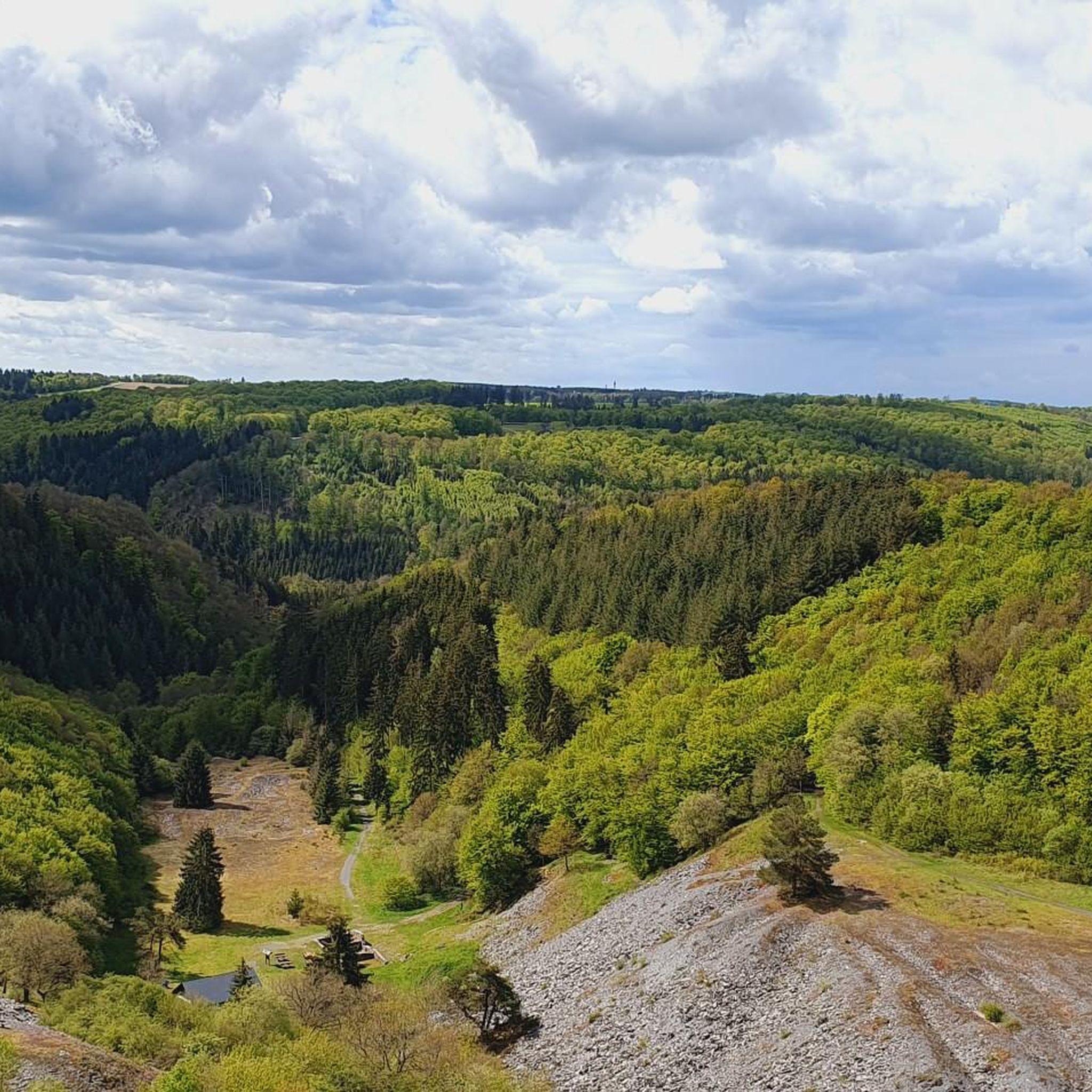
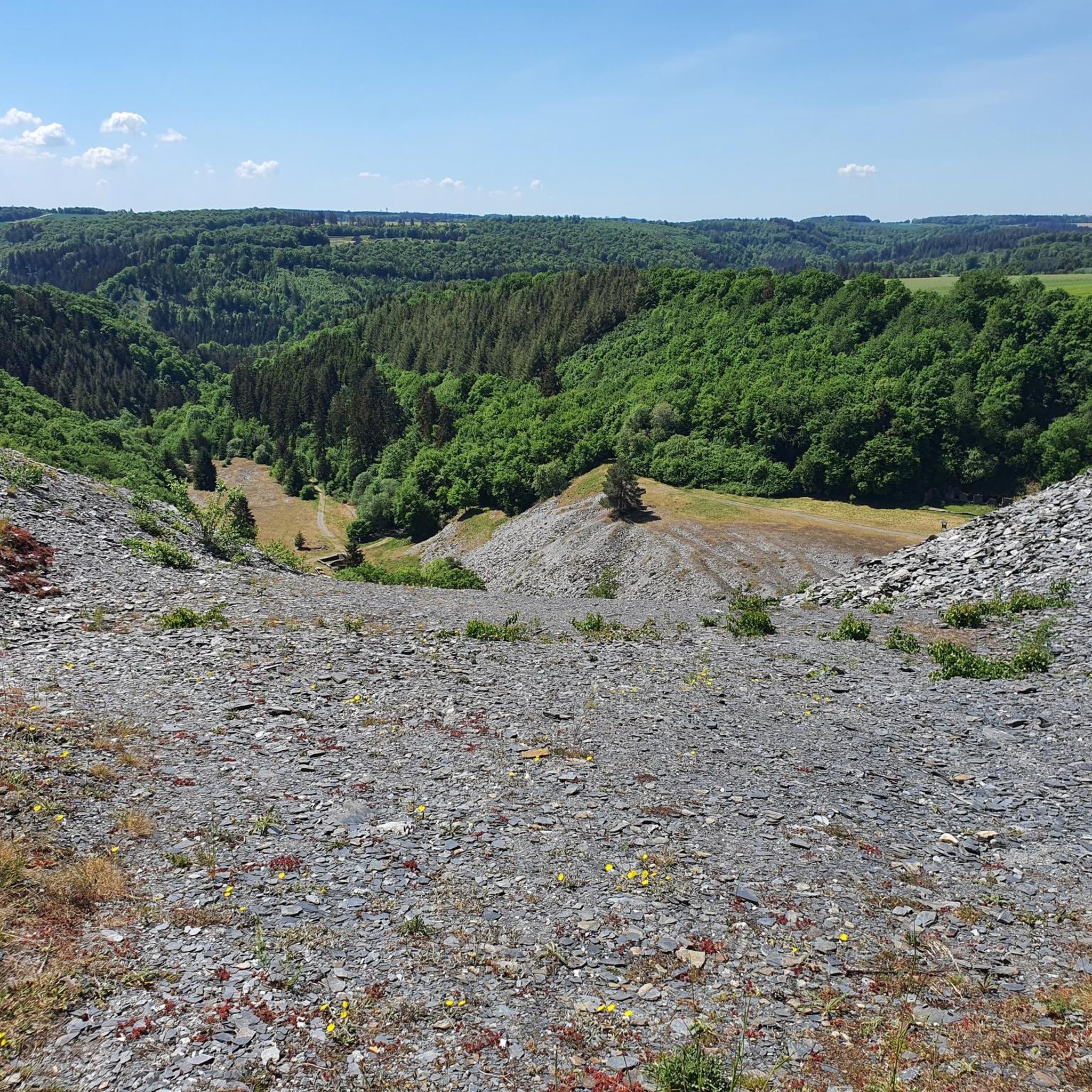
The Dortebachtal Nature Reserve, located near Klotten, is a wild and romantic side valley of the Moselle known for its 'alpine-like' appearance. It's a haven for rare animal and plant species, making it a significant ecological site. Similarly, the Kaulenbachtal Valley, once a slate mining area, has transformed into a nature reserve, providing refuge for rare and endangered species like thermophilic wall lizards and bats.
Where can I find breathtaking panoramic views of the Moselle valley?
For spectacular views, visit the Pinnerkreuz Viewpoint. From its elevated position on Pinnerberg mountain, it offers an expansive vista of the winding Moselle river, surrounding vineyards, and the iconic Reichsburg Castle. You can reach it via a scenic ride on the Cochemer Sesselbahn (chairlift) or various hiking trails.
Are there family-friendly natural monuments or trails around Leienkaul?
Yes, several natural monuments are suitable for families. The Rausch Waterfall in the Dortebachtal is considered family-friendly and offers a great spot for a short rest. The Ulmener Maar also has a circular path that is enjoyable for families. The Pinnerkreuz Viewpoint is accessible via chairlift, making it easy for all ages to enjoy the views.
What kind of historical insights can I gain from visiting the natural monuments?
The Kaulenbachtal Valley offers a fascinating blend of natural beauty and historical significance. Once a renowned slate mining region, it preserves remnants of former mines, slate heaps, and even a reconstructed splitting house. Information boards along the 14.2 km 'Schieferregion Kaulenbachtal' hiking loop provide details about the valley's industrial past and its transformation into a nature reserve.
Are there hiking opportunities near these natural monuments?
Absolutely. The region around Leienkaul is excellent for hiking. You can explore the Dortebachtal Nature Reserve on clearly marked trails, some featuring a lizard logo, leading to viewpoints like 'Kasteschkopp'. The Kaulenbachtal Valley also features the 'Schieferregion Kaulenbachtal' hiking loop. For more hiking options, you can find various routes in the Hiking around Leienkaul guide, including trails like the 'Wild Endert Valley Trail' and 'Mills on the Endert'.
Can I go cycling or mountain biking near the natural monuments?
Yes, the area provides opportunities for both cycling and mountain biking. You can find routes like the 'Cycle path next to the railway' for touring bicycles, or explore trails such as 'The Rausch Waterfall – Maiden Pond loop' for mountain biking. For detailed routes and guides, check out the Cycling around Leienkaul guide and the MTB Trails around Leienkaul guide.
What do visitors particularly enjoy about the natural monuments around Leienkaul?
Visitors frequently praise the breathtaking views, such as those from the Pinnerkreuz Viewpoint, which offers an amazing panorama over Cochem and Reichsburg Castle. The Rausch Waterfall is appreciated as a beautiful spot for a short, refreshing break. The unique geological features of the Ulmener Maar also captivate many, with its visible tuff walls and volcanic history.
Is there a specific natural monument that features a waterfall?
Yes, the Rausch Waterfall is a notable feature in the Dortebachtal. It provides a refreshing sight in summer and transforms into an imposing ice wall in winter. It's a picturesque spot where water cascades over stones, inviting visitors to take a break and enjoy the natural idyll.
What is the best time of year to visit the natural monuments in Leienkaul?
The natural monuments around Leienkaul offer different experiences throughout the year. Spring and autumn are ideal for hiking, with pleasant temperatures and vibrant foliage. Summer provides lush greenery and the refreshing sight of waterfalls, while winter can transform the landscape into a serene, icy wonderland, especially at the Rausch Waterfall. The specific appeal depends on the activities you plan to undertake.
Most popular routes around Leienkaul
Most popular attractions around Leienkaul

Get inspired with the komoot mobile app


Explore more
Extend your search for the best caves by checking out these guides of the top ones around Leienkaul:
