Top 20 Natural Monuments around Bruch
Best natural monuments around Bruch are found within the Eifel region, characterized by its scenic landscape of wooded hills and the Salm river. This area offers a diverse natural environment, making it suitable for outdoor activities. Its location on the Eifelsteig highlights its appeal for hikers seeking natural immersion. The region provides opportunities to explore various natural features and historical sites.
Best natural monuments around Bruch
- The most popular natural monuments is View over the Lieser Valley from the Burgberg…
Last updated: August 18, 2026
Panoramic platform at Burgberg
Highlight • Viewpoint
Translated by Google •
Tip by

Viktoria Spring (Heckenmünster)
Highlight • Natural Monument
Translated by Google •
Tip by

Sign up now to discover places like this
Get recommendations on the best single tracks, peaks, & plenty of other exciting outdoor places.
Sign up for free
Werdelstein
Highlight • Natural Monument
Tip by

Six burial mounds near Binsfeld
Highlight • Historical Site
Translated by Google •
Tip by

Drift Boulder from the Lower Rhine Bay
Highlight • Natural Monument
In the Quaternary period (around 1 million years ago) they reached the Lower Rhine Bay when glaciers and their meltwater released them from …
Translated by Google •
Tip by

Sign up for free to discover even more natural monuments around Bruch.
Sign up for free
Already have an account?
Start today with a free account
Your next adventure awaits.
Login or Signup
Other adventures around Bruch

Tips from the Community

For the sulfur spring, see e.g. https://kulturdb.de/einobjekt.php?id=1720
0
0

Stage 13 of the Eifelsteig passes here: https://youtu.be/OShDuHjOs_w
0
0

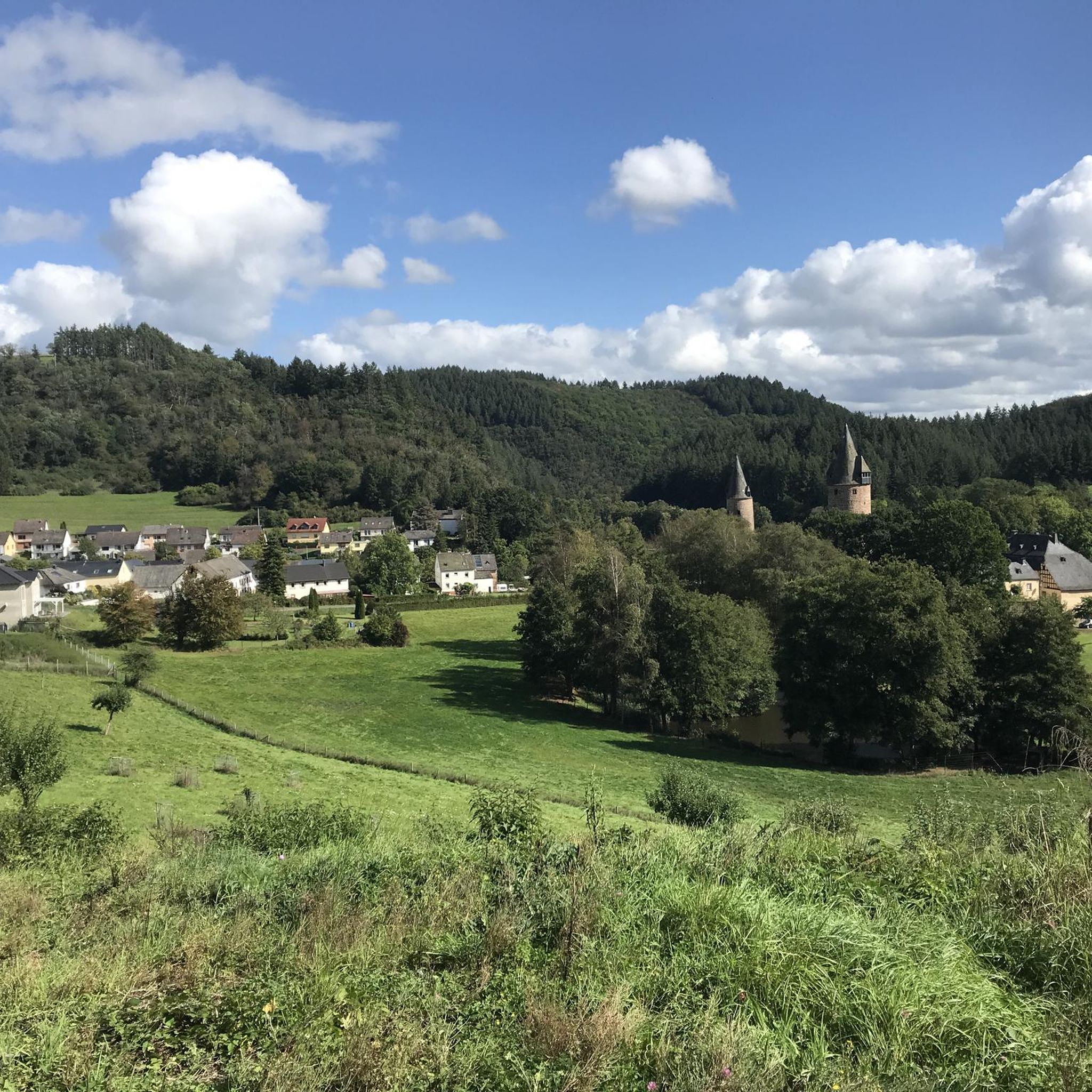
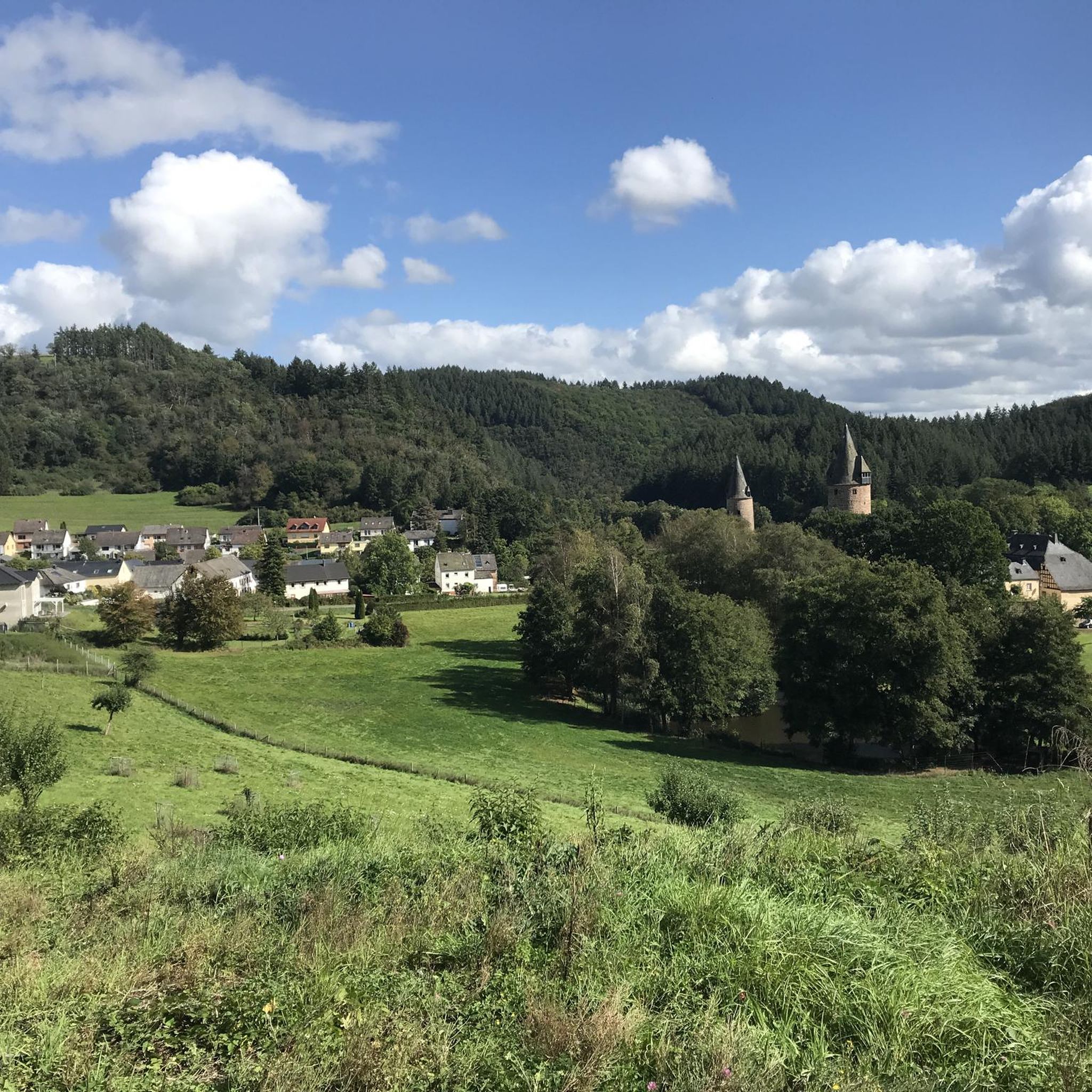
After the climb you will be rewarded with a great view of the Liesertal
0
0
View far below to the Lieser and the surrounding hills
0
0
The path to the small platform goes directly to the left of the hut and is a bit overgrown. The view is great 👍
0
0

Erratics are relics of the ice ages. In the Quaternary period (around 1 million years ago) they reached the Lower Rhine Bay when glaciers and their meltwater released them from the subsoil. They drifted on ice floes and were finally deposited in the Rhenish lignite mining area between Cologne, Düsseldorf and Aachen. As the overburden was removed, the blocks, which weighed several tons, were exposed in the open-cast lignite mine. This example was transported here on the occasion of the annual pilgrimage of the St. Matthias Brotherhood of Jüchen to the grave of St. Mattihas. This drift stone comes from the Garzweiler open-cast mine and was exposed in 2001.
2
0

The Liesertal reminds me of a small edition of the famous Moselle loop. Very nice place to rest in the associated hut. Above all, it is halfway in the middle of the 3rd stage of the Lieser path.
1
1
The viewing platform on the Burgberg is definitely worth a detour from the Liser path. The Liesertal reminds me of a small edition of the famous Moselle loop. Very nice place to rest in the associated hut. Above all, it is halfway in the middle of the 3rd stage of the Lieser path.
3
0
Frequently Asked Questions
What unique natural features can I explore around Bruch?
The region around Bruch, situated in the Eifel, offers diverse natural features. You can visit the Viktoria Spring (Heckenmünster), a carbonated spring surrounded by a rare pine forest, historically used by the Romans. Another notable feature is the Werdelstein, a striking pillar-like rock formation with historical and legendary significance. Don't miss the Drift Boulder from the Lower Rhine Bay, an Ice Age relic found along the Eifelsteig.
Are there any historical or cultural sites among the natural monuments near Bruch?
Yes, several natural monuments around Bruch also hold historical significance. The Werdelstein is known as an ancient border and cult stone, steeped in local legends. Additionally, you can explore the Six burial mounds near Binsfeld, which are Celtic historical sites dating back to 900-450 BC. The Viktoria Spring (Heckenmünster) also has historical ties, as it was used as a bath by the Romans.
What are the best viewpoints to experience the natural beauty of the Bruch region?
For breathtaking panoramic views, the View over the Lieser Valley from the Burgberg viewing platform is highly recommended. It offers extensive vistas of the Liesertal and is easily accessible from the Eifelsteig, providing a perfect spot for a rest.
Are there family-friendly natural monuments or activities around Bruch?
Yes, the region offers options suitable for families. The Viktoria Spring (Heckenmünster) is categorized as family-friendly, offering a pleasant natural setting. The Drift Boulder from the Lower Rhine Bay is also considered family-friendly, providing an interesting geological point of interest.
What outdoor activities can I do near these natural monuments?
The Bruch region is excellent for various outdoor activities. You can find numerous routes for gravel biking, running, and cycling. For gravel biking, consider routes like the 'Pleiner Viaduct – Pleiner Tunnel loop' or the 'Lieser Cycle Path – Mosel-Maare Cycle Path loop'. Runners can enjoy trails such as the 'Kailbachpfad – Kändel Suspension Bridge loop'. Cyclists have options like the 'Salmrohr Climbing Wall – Salmtal Cycle Path loop'. You can find more details and routes in the Gravel biking around Bruch, Running Trails around Bruch, and Cycling around Bruch guides.
Are there hiking trails near the natural monuments around Bruch?
Absolutely. The Bruch region is situated on the Eifelsteig, a long-distance hiking trail, offering excellent hiking opportunities. Many natural monuments, like the View over the Lieser Valley from the Burgberg viewing platform and the Drift Boulder from the Lower Rhine Bay, are directly accessible from or near the Eifelsteig. The area features diverse terrain, from moderate to difficult, catering to various hiking preferences.
What do visitors enjoy most about the natural monuments around Bruch?
Visitors particularly appreciate the scenic views, especially from spots like the Burgberg viewing platform, which offers a great perspective of the Liesertal. The unique natural settings, such as the rare pine forest around the Viktoria Spring, and the historical intrigue of sites like the Werdelstein, are also highly valued. The komoot community has shared 68 photos and given 141 upvotes, highlighting the region's appeal.
Is there a significant natural monument with a similar name to Bruch, but in a different region?
Yes, there is a very notable natural monument called the Bruchhauser Steine, located near Olsberg-Bruchhausen in North Rhine-Westphalia. While it shares a similar name, it is a different location from Bruch in Rhineland-Palatinate. The Bruchhauser Steine are striking volcanic rock formations, recognized for their unique geological, ecological, and archaeological significance, and are North Rhine-Westphalia's first National Natural Monument. You can learn more about them on Wikipedia.
What is the terrain and difficulty level of hiking trails near Bruch's natural monuments?
The hiking trails around Bruch offer a range of difficulty levels. Many trails are categorized as intermediate, such as those leading to the Werdelstein, the Six burial mounds near Binsfeld, and the Burgberg viewing platform. The region's location in the Eifel, a low mountain range, means you can expect varied terrain with wooded hills and some elevation changes.
Are there any facilities or places to rest near the natural monuments?
Yes, some natural monuments offer facilities or designated resting spots. The View over the Lieser Valley from the Burgberg viewing platform has a refuge with a view, making it a great place to rest. The Viktoria Spring (Heckenmünster) is also noted as a nice place to stay and is categorized as having facilities.
What kind of wildlife can be observed in the Bruch region?
While specific wildlife sightings for Bruch's natural monuments are not detailed, the Eifel region, where Bruch is located, is known for its diverse ecosystems. The presence of wooded hills and the Salm river suggests a habitat for various forest animals and riparian species. Keep an eye out for local birdlife and small mammals during your visit.
When is the best time to visit the natural monuments around Bruch?
The Eifel region, including Bruch, is generally pleasant for outdoor activities from spring through autumn. Spring brings blooming flora, while autumn offers vibrant fall foliage. Summer is ideal for longer hikes. Winter can also be beautiful for those who enjoy snowy landscapes, but some trails might be more challenging due to weather conditions. Always check local weather forecasts before your visit.
Most popular attractions around Bruch

Get inspired with the komoot mobile app


Explore more
Extend your search for the best caves by checking out these guides of the top ones around Bruch:
