Top 20 Natural Monuments around Züsch
Best natural monuments around Züsch are found within the Hunsrück region, offering diverse natural attractions. This area is characterized by dense forests, varied landscapes, and numerous opportunities for outdoor activities. Situated within the Saar-Hunsrück Nature Park, Züsch provides access to significant natural features. The region's natural appeal is evident throughout the year, making it suitable for extended hikes and exploration.
Best natural monuments around Züsch
- The most popular natural monuments is Nonnweiler Reservoir, a lake that serves as a…
Last updated: May 12, 2026
Erbeskopf (highest point in Rhineland-Palatinate)
Highlight • Viewpoint
Translated by Google •
Tip by

Dollberg – Highest point in Saarland
Highlight • Summit
The incredible 'silence' of nature and the fairytale character of the immediate surroundings make this summit - which …
Translated by Google •
Tip by

Sign up now to discover places like this
Get recommendations on the best single tracks, peaks, & plenty of other exciting outdoor places.
Sign up for free
Celtic Ring Wall (Hunnenring) Otzenhausen
Highlight (Segment) • Historical Site
Even today the following …
Translated by Google •
Tip by
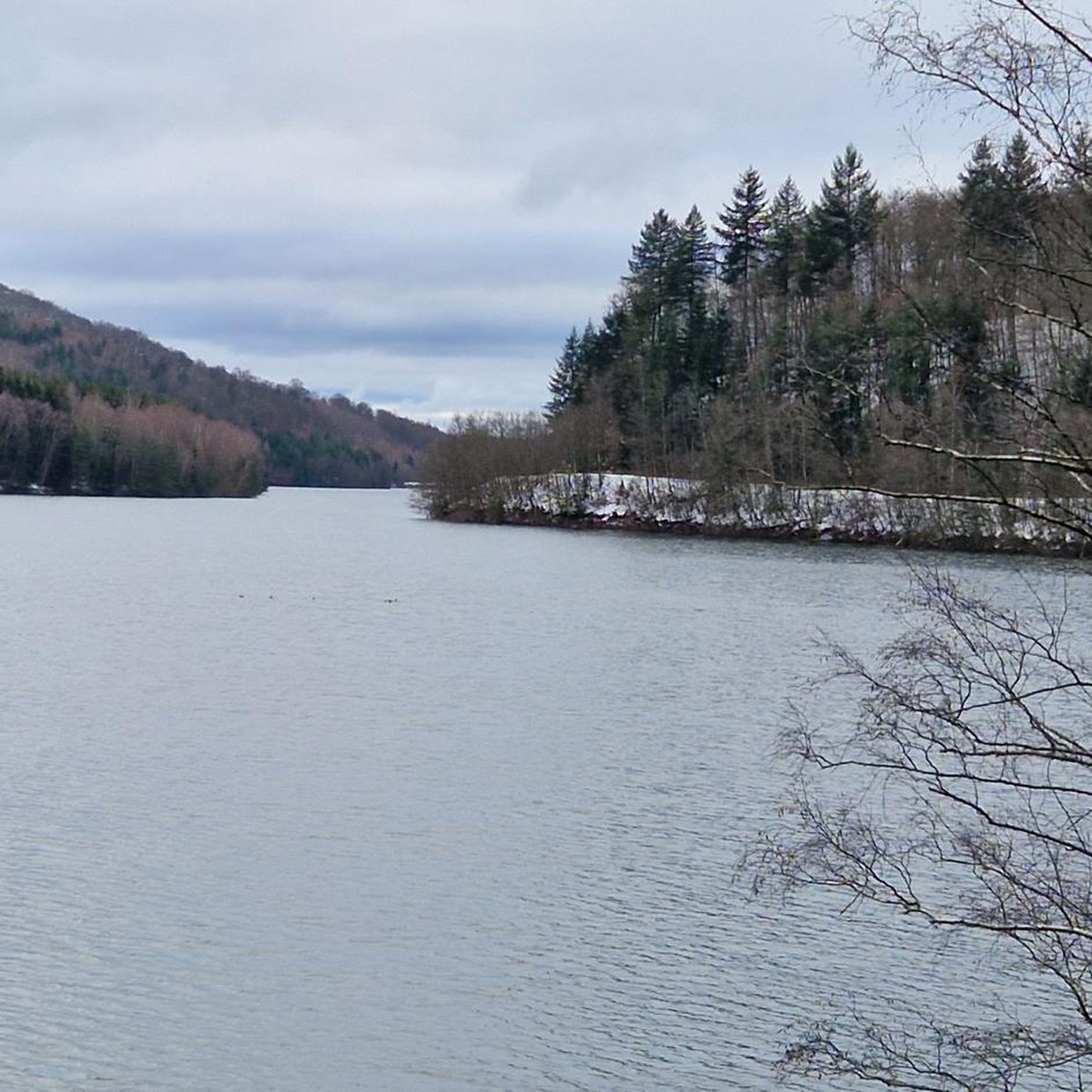
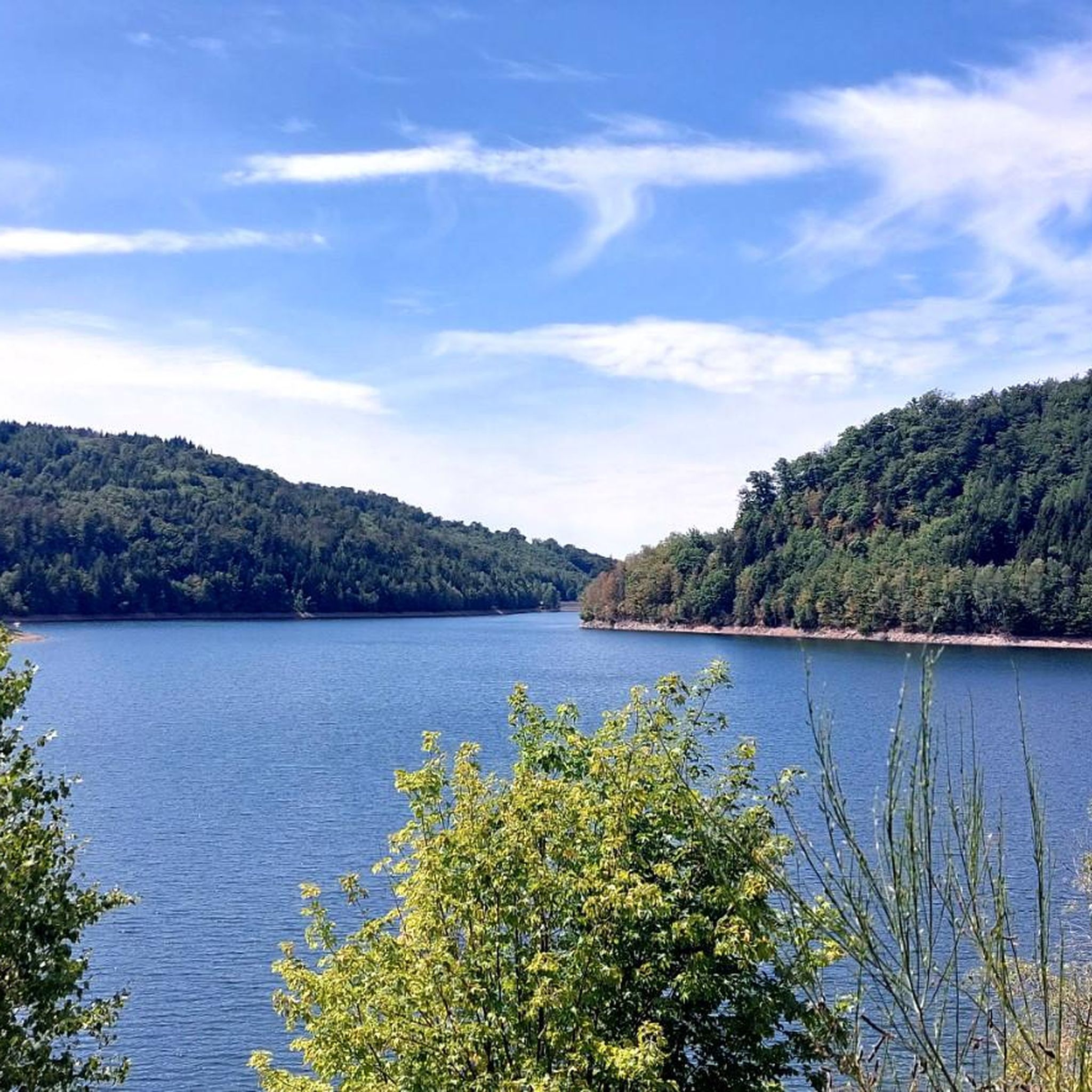
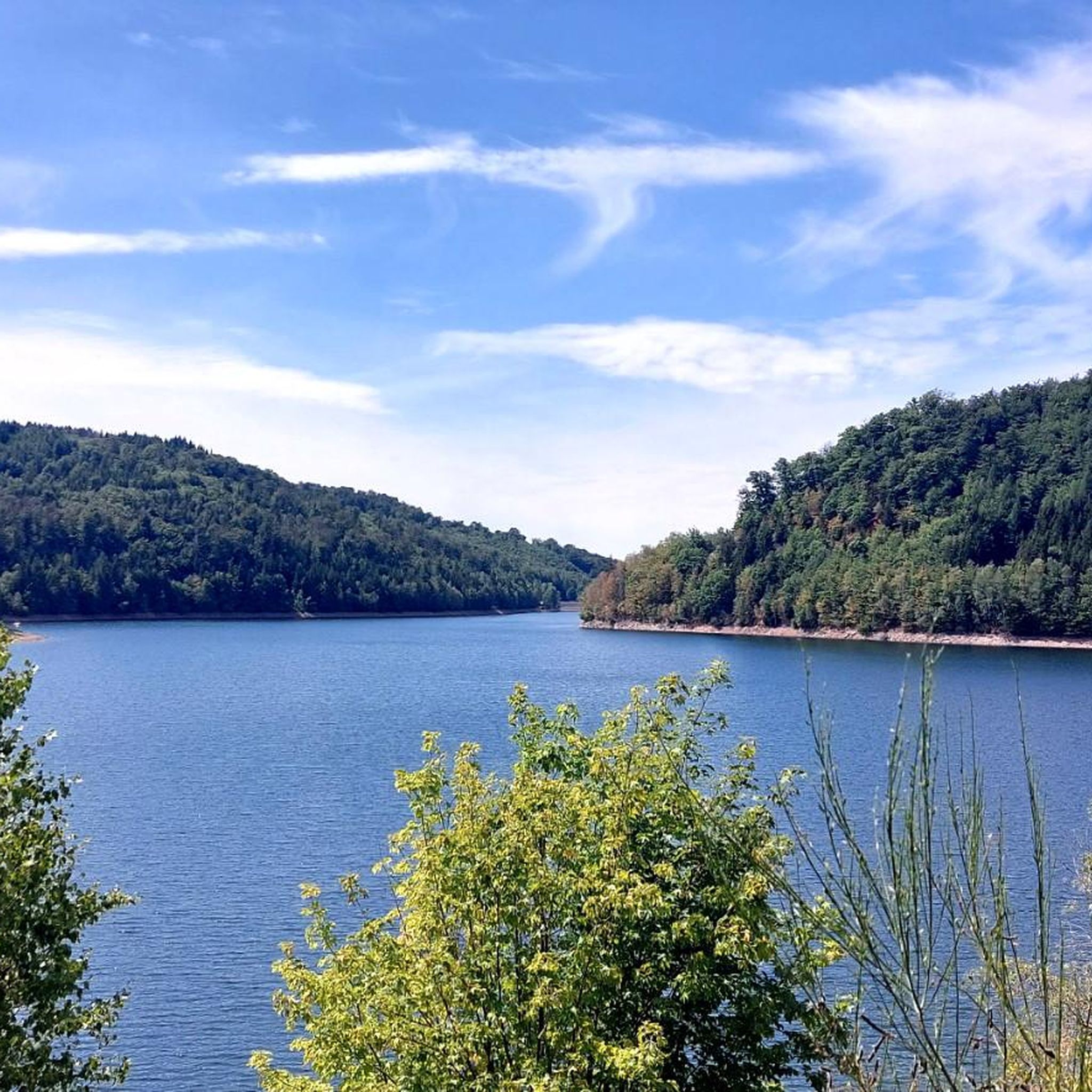
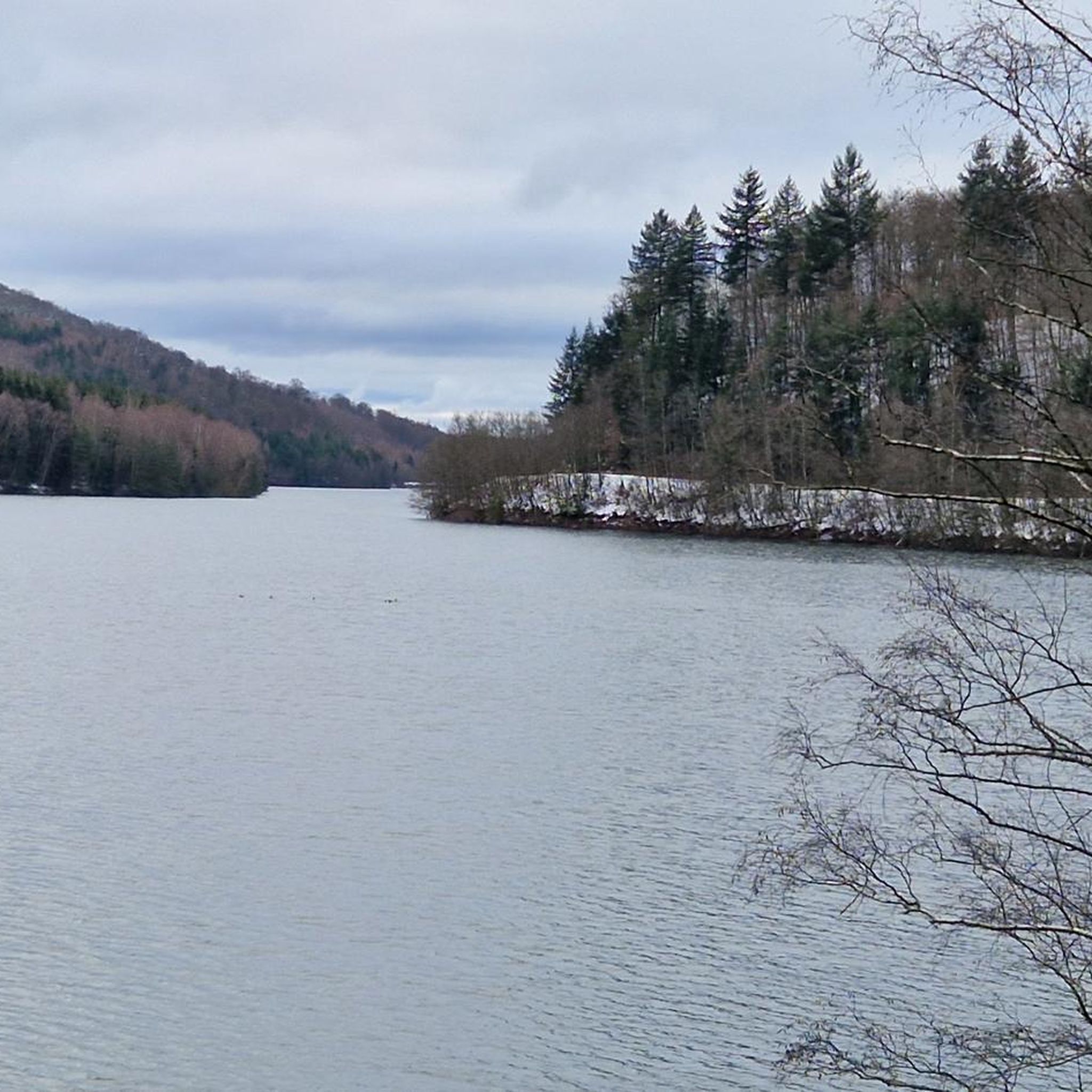
Nonnweiler Reservoir
Highlight • Lake
Translated by Google •
Tip by

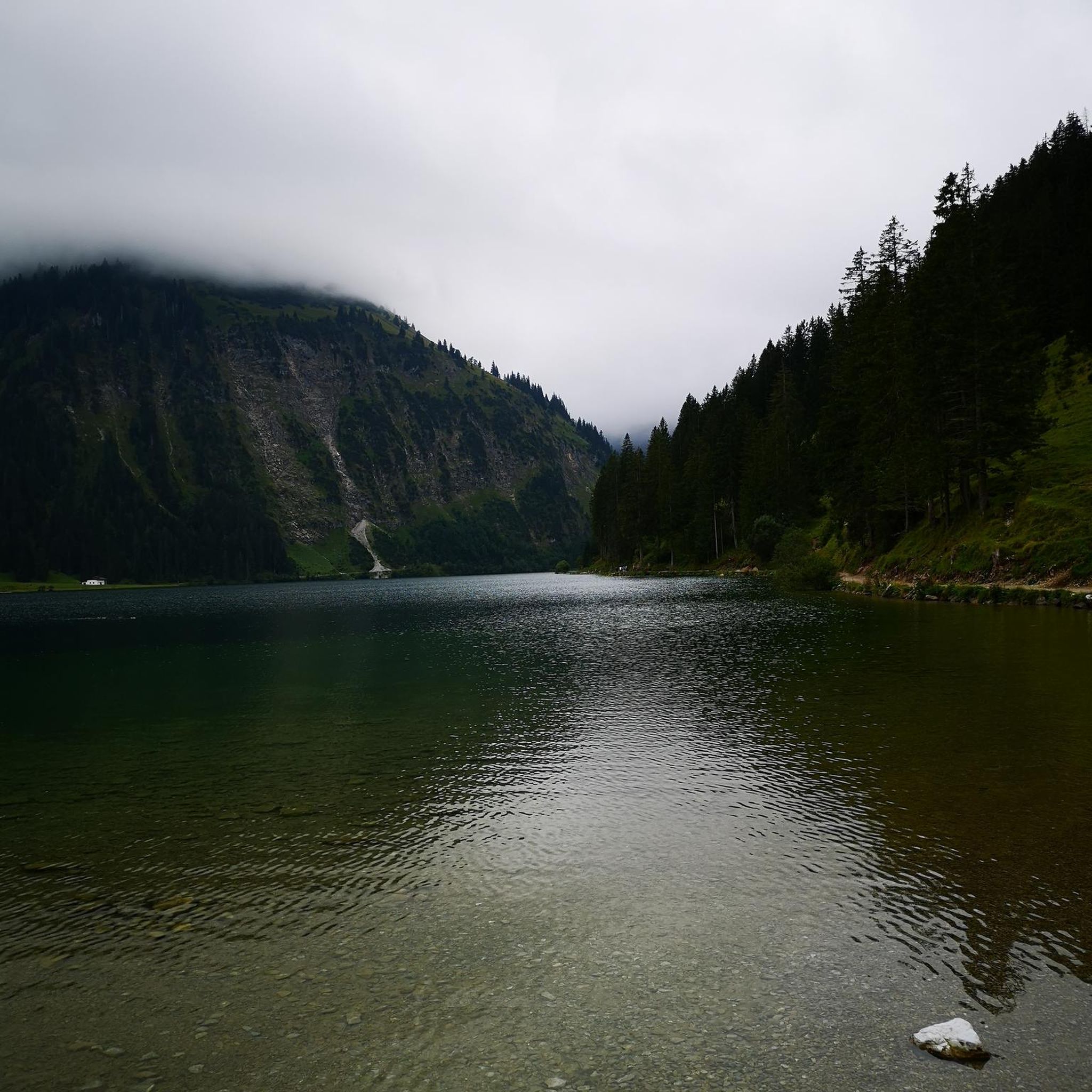
Former Beaver Pond in the Wadrill Valley
Highlight • Lake
Translated by Google •
Tip by

Sign up for free to discover even more natural monuments around Züsch.
Sign up for free
Already have an account?
Start today with a free account
Your next adventure awaits.
Login or Signup
Tips from the Community

A few years ago beavers were spotted here again. Next to the habitat there is a nice little shelter that invites you to take a break and also offers an information board about beavers.
0
0

An interesting building adorns the highest point in the Hunsrück. The view is great.
5
0

highest elevation left of the Rhine in Germany and a great vantage point
8
0

The Dollberg is 695 m above sea level. NN is the highest mountain in Saarland and belongs to one of the prominent mountain ranges in the high forest. These stretch as ridges running from southwest to northeast from the Saar to the Rhine. The ridges consist of quartzite, which in turn has its origin in sandstone. This was finally transformed into quartzite by pressure and high temperatures during the folding of the mountains in the Devonian. Due to its hardness, it is comparatively weather-resistant. As the surrounding, softer rock was eroded, the quartzite deposits were preserved as ridges. A beautiful hiking destination and, as the highest "mountain" in Saarland, of course also a highlight here in the region. https://www.naturpark.org/natur-und-kultur/natur/geologie/geopunkte-devon-permokarbon-nonnweiler-und-zuesch/dollberg
7
0

Traveling to all 16 peaks in the federal states, it is very interesting to see how differently the states deal with their highest peaks. Perhaps the term "natural" fits quite well here
8
0

When the weather is nice, you can see as far as France.
7
0

In 2011, as part of the redesign of the heritage head, several sculptures were set up on a circular path next to the conspicuous "Windklang" viewing platform by Christoph Mancke. Clockwise from the observation tower: Bodo Korsig "State of Mind", 6 meter high steel sculpture Martin Schöneich "Dialogue", 2 steel sculptures Angelika Summa "Gruepp", round steel 2.2m high Willi Bauer "Big Grand Piano", granite 2.60m high Winnie Schaak "Won Tong", Corten steel 250m high
21
4

We have hiked the tour twice, it won't be the last
3
0
Frequently Asked Questions
What are some of the most prominent natural monuments to visit around Züsch?
The region around Züsch, nestled in the Hunsrück, offers several significant natural monuments. Among them are the Erbeskopf, the highest point in Rhineland-Palatinate with expansive views, and the Nonnweiler Reservoir, a large water protection area with a scenic circular route. Another notable site is the Dollberg, the highest point in Saarland, known for its serene natural atmosphere.
Are there family-friendly natural monuments around Züsch?
Yes, several natural monuments in the Züsch area are suitable for families. The Nonnweiler Reservoir features a 13 km circular route that is great for walks or cycling with children. The Erbeskopf also offers accessible paths and an observation tower for panoramic views, making it enjoyable for all ages. Additionally, the Former Beaver Pond in the Wadrill Valley provides an engaging experience for children, with the chance to spot beavers and learn about their habitats.
What kind of natural features can I expect to see in the Züsch region?
The Züsch region, part of the Saar-Hunsrück Nature Park, is characterized by diverse natural features. You'll find majestic summits like the Erbeskopf and Dollberg, offering stunning viewpoints. There are also significant water bodies such as the Nonnweiler Reservoir and the Former Beaver Pond in the Wadrill Valley. Unique geological formations like the Mannfels Rock Formation, with its ancient quartz rib, add to the varied landscape, all set within dense forests and varied terrain.
Are there hiking opportunities near the natural monuments around Züsch?
Absolutely. The natural monuments around Züsch are excellent starting points for hiking. The Erbeskopf is traversed by the Saar-Hunsrück Climb and Summit Rush dream loops. You can also find numerous running trails around Züsch, including routes like the 'View of Nonnweiler Dam – Mannfels Rock Formation loop from Neuhütten', which passes by the Mannfels Rock Formation. For more options, explore the various Running Trails around Züsch.
What cycling routes are available near these natural monuments?
The Züsch area offers great cycling opportunities, especially around its natural monuments. The Nonnweiler Reservoir has a popular 13 km circular route perfect for cycling. You can find several cycling tours that incorporate this area, such as the 'Nonnweiler Reservoir – Nonnweiler Reservoir Loop loop from Otzenhausen'. For more detailed routes, check out the Cycling around Züsch guide.
Can I go gravel biking near the natural monuments in Züsch?
Yes, the Hunsrück region around Züsch is well-suited for gravel biking. There are routes like the 'Nonnweiler Reservoir – Nonnweiler Reservoir Loop loop from Otzenhausen' that allow you to explore the natural beauty, including the area around the Nonnweiler Reservoir. For a comprehensive list of routes, refer to the Gravel biking around Züsch guide.
What is the best time of year to visit the natural monuments around Züsch?
The natural monuments around Züsch offer beauty throughout the year. Spring brings blossoming meadows, while autumn transforms the landscape with golden yellow leaves, making both seasons ideal for extended hikes and exploration. The panoramic views from spots like the Erbeskopf are particularly stunning on clear days, regardless of the season.
Are there any historical or cultural sites integrated with the natural monuments?
Yes, the region blends natural beauty with historical significance. While not directly part of the guide's highlights, the Dollberg is associated with the Celtic Ring Wall Otzenhausen, one of Europe's most impressive Celtic fortifications, offering a glimpse into ancient history within a natural setting. The Mannfels Rock Formation also has a local legend of Celtic princes tied to its creation.
What makes the Dollberg a unique natural monument?
The Dollberg, the highest point in Saarland, is unique not just for its altitude but for the 'incredible silence of nature' and the 'fairytale character' of its surroundings. It offers a serene natural experience, appealing to those seeking quiet contemplation amidst nature, and is often described as being 'hidden' within the forest, adding to its mystique.
Can I see wildlife at the natural monuments?
Yes, the natural environment around Züsch provides opportunities for wildlife spotting. The Former Beaver Pond in the Wadrill Valley is specifically known for its beaver population, where you might be lucky enough to see these animals and their impressive structures. The entire Saar-Hunsrück Nature Park is rich in biodiversity, offering chances to observe various local flora and fauna.
What do visitors particularly enjoy about the natural monuments around Züsch?
Visitors frequently praise the expansive views from summits like the Erbeskopf and the tranquil atmosphere found at places like the Dollberg. The untouched nature and scenic circular routes, such as the one around the Nonnweiler Reservoir, are also highly appreciated. The opportunity to discover unique geological formations and potentially spot wildlife adds to the overall enjoyment.
Most popular routes around Züsch
Most popular attractions around Züsch

Get inspired with the komoot mobile app


Explore more
Extend your search for the best caves by checking out these guides of the top ones around Züsch:
