Top 20 Natural Monuments around Soderstorf
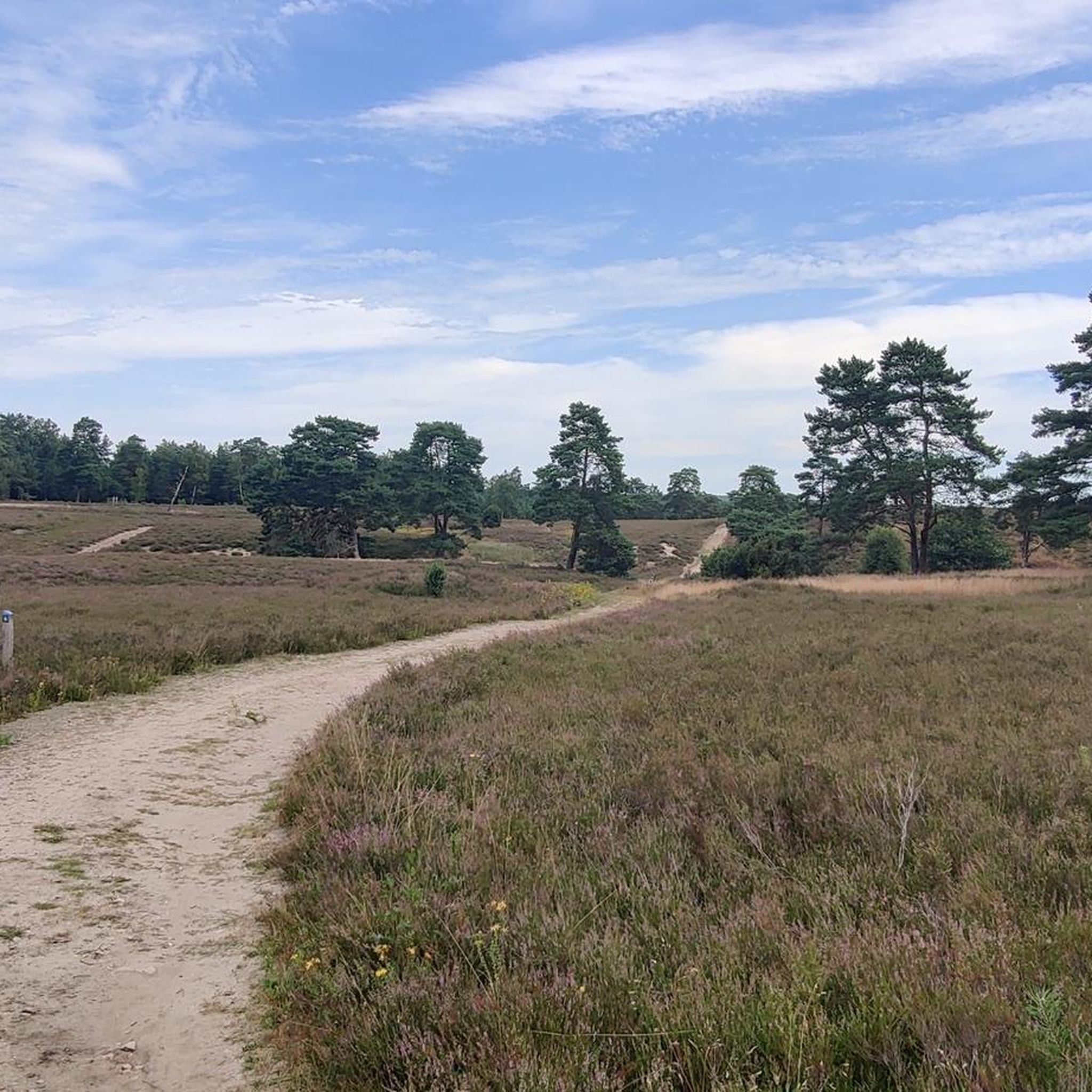
Best natural monuments around Soderstorf are found within the expansive Lüneburg Heath Nature Park, a region characterized by its vast heathlands and unique geological formations. This area features diverse flora and fauna, offering a tranquil countryside experience. The landscape is defined by purple heather, juniper bushes, and ancient forests, providing a setting for outdoor exploration.
Best natural monuments around Soderstorf
- The most popular natural monuments is View of the Totengrund, a viewpoint that offers expansive views over the heath.…
Last updated: June 24, 2026
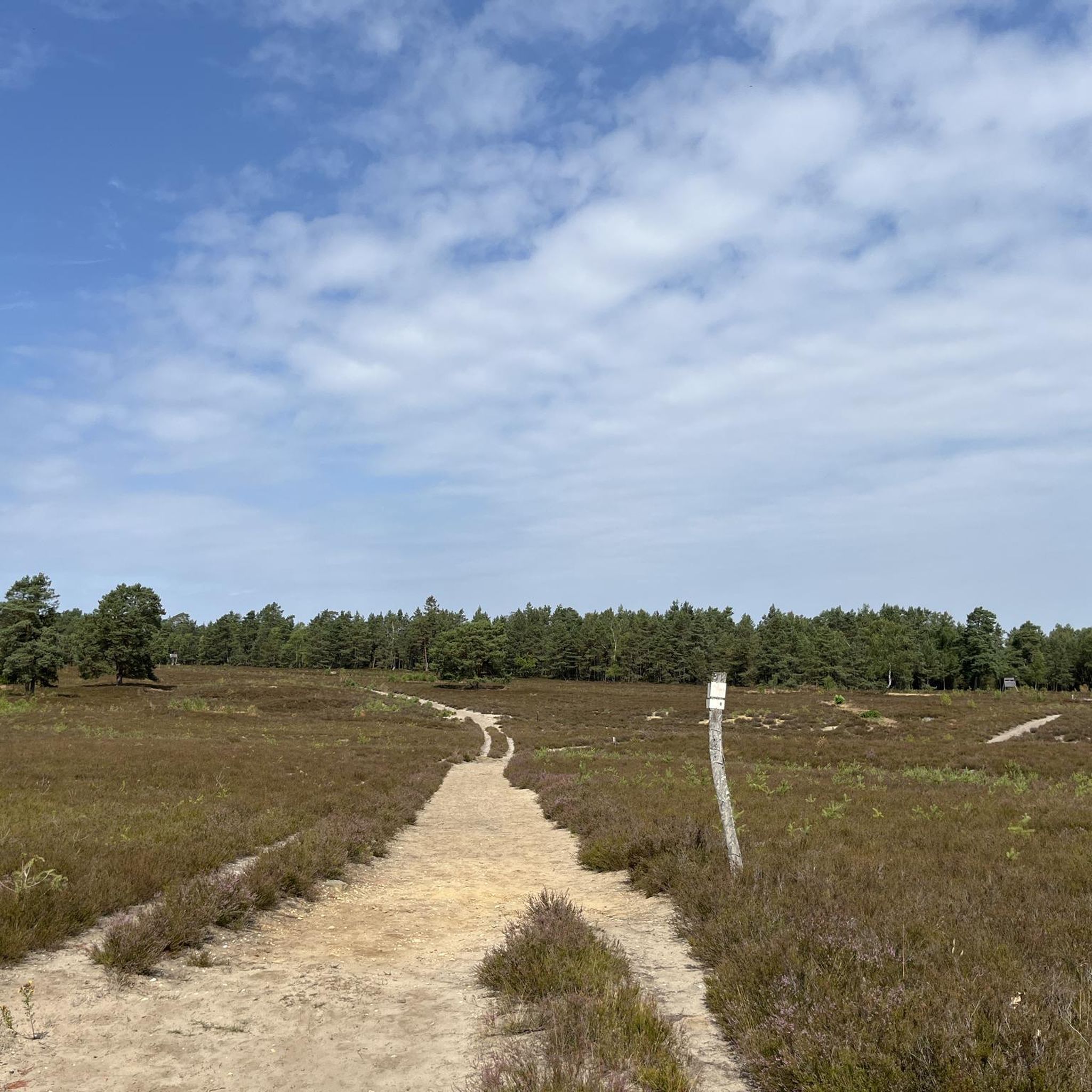
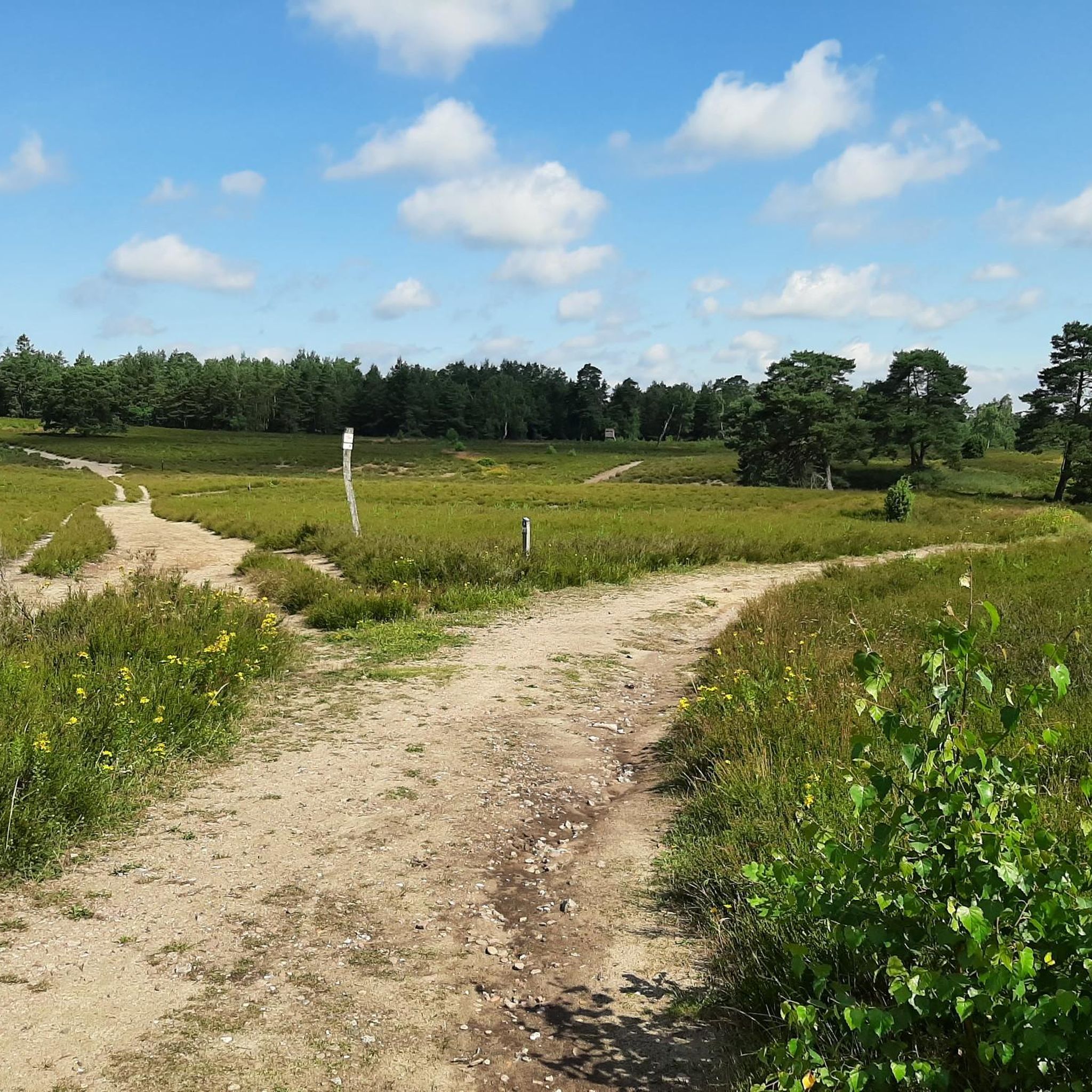
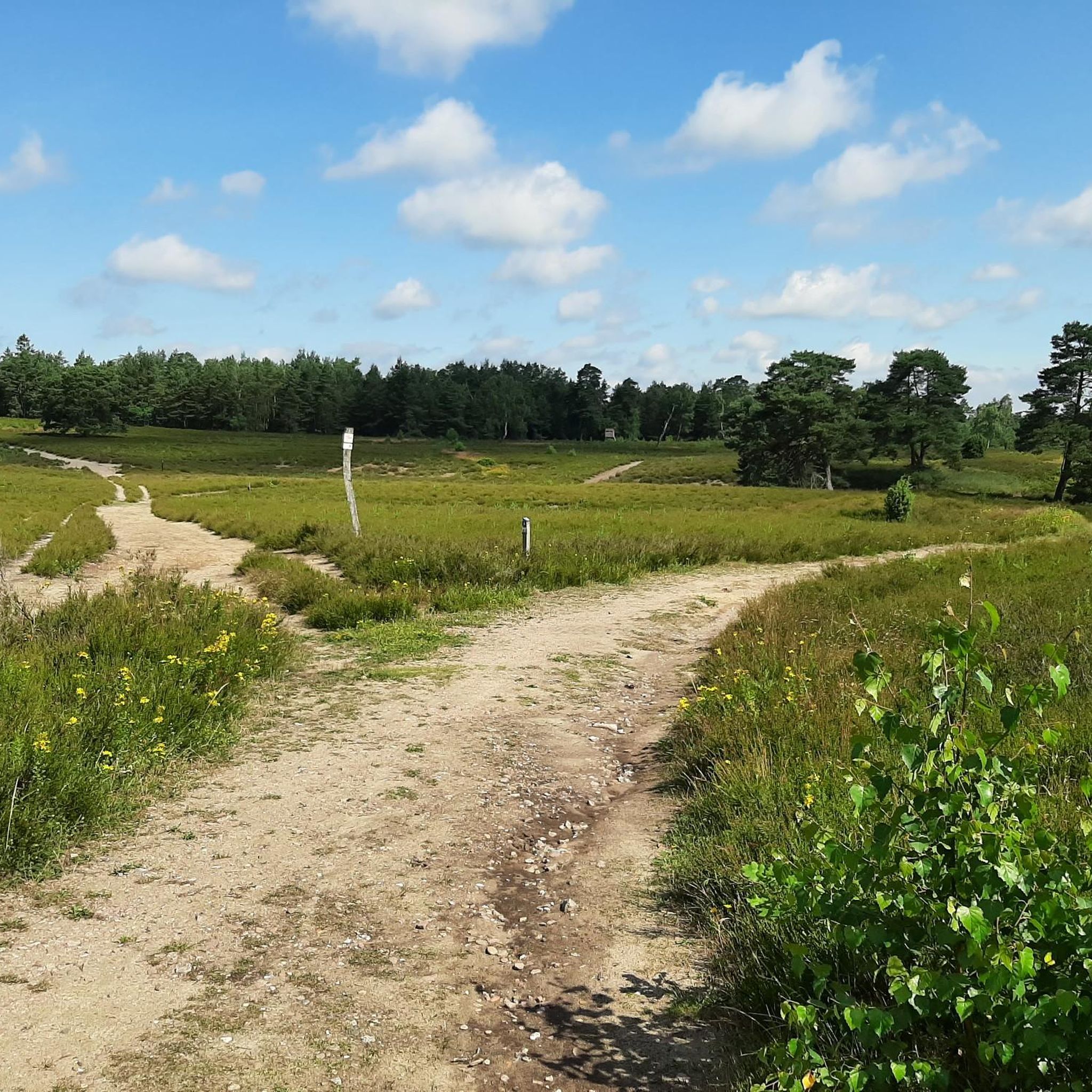
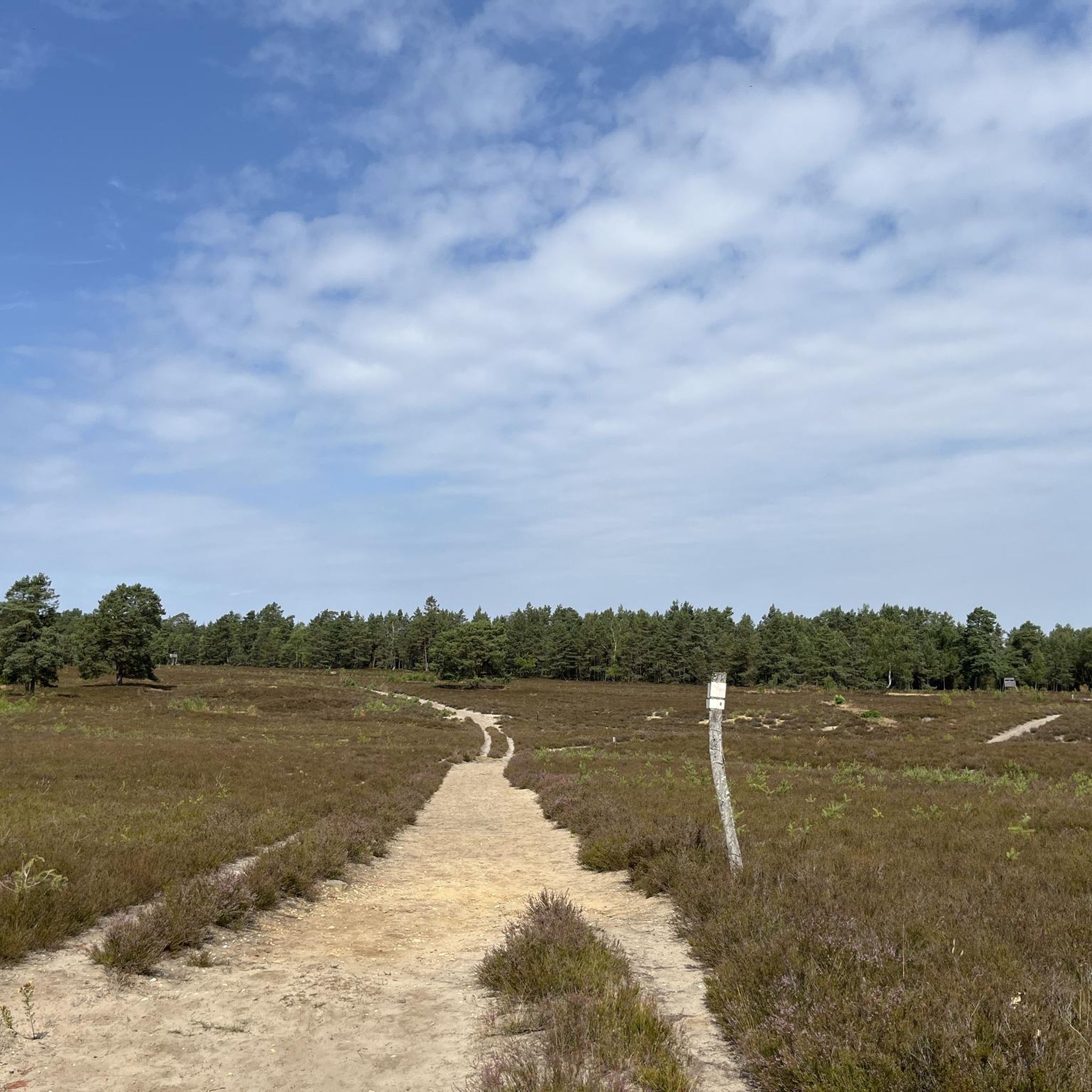
Totengrund in the Lüneburger Heide
Highlight • Viewpoint
Translated by Google •
Tip by

View of Totengrund
Highlight • Viewpoint
Translated by Google •
Tip by

Sign up now to discover places like this
Get recommendations on the best single tracks, peaks, & plenty of other exciting outdoor places.
Sign up for free
View of the Lüneburg Heath
Highlight • Viewpoint
Translated by Google •
Tip by
Heathland Panorama in Lüneburger Heide Nature Park
Highlight • Viewpoint
Translated by Google •
Tip by

Radenbach Valley
Highlight • Natural
Translated by Google •
Tip by

Sign up for free to discover even more natural monuments around Soderstorf.
Sign up for free
Already have an account?
Start today with a free account
Your next adventure awaits.
Login or Signup

Tips from the Community

During our visit, the heath wore a white dress. Absolutely beautiful.
0
0

Beautiful view over the gorgeous heath... Especially during the flowering season, a truly magnificent sight.
1
0

"Classic" heathland near the parking lot
0
0

The "Legendary Hünenweg" also runs along this path. All information about the circular trail can be found at the following link: https://www.lueneburger-heide.de/natur/touren/14004/oldendorf-luhe-wanderweg-sagenhafter-huenenweg-rundweg-13-km.html (as of September 4, 2025).
1
1

Worth a visit even in winter!
2
2

The heather is worth visiting now from October to the end of September as it is now in its flowering season
0
0

The Radenbach Valley: One of the most beautiful and pristine heath valleys. Other small valleys flow into it on the left and right. The path runs in constant ups and downs, mostly above the Radenbach.
2
1

In the middle of the nature reserve lies the Undeloher Heide with the Radenbachtal - a true gem in the Lüneburg Heath. Directly from the Undeloh village pond, the beginning of one of the largest contiguous and most varied heath areas in Central Europe opens up on the hill, characterized by Calluna vulgaris, the common heather.
4
1
Frequently Asked Questions
What are some of the most popular natural monuments to visit around Soderstorf?
Visitors frequently enjoy the View of the Totengrund, which offers expansive views over the heath, especially during the heather bloom. Another popular spot is the Schwindebach Spring, known as the second strongest spring in Lower Saxony, where you can observe water emerging from the sandy ground. The Heathland Panorama in Lüneburger Heide Nature Park also provides relaxing paths through the heather.
What unique natural features can I expect to see in the Soderstorf area?
The Soderstorf area, nestled within the Lüneburg Heath Nature Park, is characterized by its vast heathlands, distinctive juniper bushes, and ancient forests. You can also find unique geological formations like glacial erratics, which are large boulders transported by glaciers, and specific natural monuments such as Holly trees. The Schwindebach Spring offers a fascinating sight of water bubbling up from the sandy ground.
When is the best time to visit the natural monuments around Soderstorf?
The Lüneburg Heath is particularly stunning during the heather bloom season, which typically occurs from August to September, transforming the landscape into a sea of purple. However, many visitors also appreciate the quiet beauty of the area in autumn and winter, when fog or frost can create a unique atmosphere. The Schwindebach Spring, with its constant 9-degree Celsius water, is accessible and interesting year-round.
Are there family-friendly natural monuments around Soderstorf?
Yes, several natural monuments in the area are considered family-friendly. These include the View of the Totengrund, the View of the Lüneburg Heath, and the Heathland Panorama in Lüneburger Heide Nature Park, all offering accessible paths and scenic views. The Radenbach Valley and Schwindebach Spring are also suitable for families.
What kind of outdoor activities can I do near these natural monuments?
The Lüneburg Heath Nature Park offers a variety of outdoor activities. You can explore the area on foot, by bike, or even via horse-drawn carriage. For those interested in more structured routes, there are numerous options for road cycling, gravel biking, and running. For example, you can find various road cycling routes, gravel biking trails, and running trails around Soderstorf.
Are there specific hiking trails associated with the natural monuments?
Yes, many natural monuments are integrated into hiking trails. For instance, the View of the Totengrund serves as a starting point for trails like the Totentrail, Holzbergtrail, and Steingrundtrail. The Heathland Panorama is part of the "Legendary Hünenweg" trail, and the Radenbach Valley is a highlight on the Heidschnuckenweg.
What historical or cultural sites are near the natural monuments in Soderstorf?
While primarily focused on nature, the region also has historical significance. The Lüneburg Heath is a 5,000-year-old cultural landscape. Nearby, you can find the car-free Wilsede Village, a historic settlement nestled within the Nature Park. Additionally, the Necropolis of Soderstorf, an ancient archaeological site with megalithic tombs and tumuli, is located in the Luhe river valley.
What do visitors enjoy most about the natural monuments around Soderstorf?
Visitors particularly appreciate the expansive and picturesque views, especially during the heather bloom. The tranquil countryside experience, the unique natural beauty, and the opportunity to relax and breathe in the fresh air are frequently mentioned. The diverse trails for hiking and biking also contribute to a positive experience, with many finding the landscape charming in every season.
Can I see wildlife at the natural monuments in Soderstorf?
The Lüneburg Heath Nature Park is home to diverse flora and fauna, including various rare and endangered wildlife. The Radenbach Valley is known as a grazing area for the Heidschnucke sheep, an iconic breed that helps maintain the heath landscape. The constant temperature of the Schwindebach Spring also provides a reliable water source for local wildlife, even in winter.
Are there any specific natural monuments that are geological formations?
Yes, the Lüneburg Heath Nature Park contains several natural monuments in the form of glacial erratics. These are large boulders that were transported by glaciers during the ice ages, offering a glimpse into the region's ancient geological past. One notable example is a 'century stone' (Jahrhundertstein) located near Soderstorf.
How can I explore the Lüneburg Heath Nature Park?
The Lüneburg Heath Nature Park, which encompasses many of Soderstorf's natural monuments, can be explored in various ways. You can traverse its extensive network of paths on foot, cycle along designated routes, or experience the traditional charm of a horse-drawn carriage ride. The park offers a tranquil setting for immersing yourself in its unique natural beauty.
Most popular routes around Soderstorf
Most popular attractions around Soderstorf

Get inspired with the komoot mobile app


Explore more
Extend your search for the best caves by checking out these guides of the top ones around Soderstorf:
