Top 20 Natural Monuments around Dunzweiler
Best natural monuments around Dunzweiler offer a blend of natural beauty and historical elements within its landscape. The region features notable natural features like springs, ponds, and forests, alongside historical ruins integrated into the environment. These sites provide opportunities to explore the local environment and its past. The area is characterized by its varied terrain, making it suitable for outdoor exploration.
Best natural monuments around Dunzweiler
- The most popular natural monuments is Bärenzwinger and Mohrenquelle on the Karlslust, a…
Last updated: June 24, 2026
Bärenzwinger and Mohrenquelle on the Karlslust
Highlight • Historical Site
Translated by Google •
Tip by

Karlsberg Pond
Highlight • Lake
Translated by Google •
Tip by
Sign up now to discover places like this
Get recommendations on the best single tracks, peaks, & plenty of other exciting outdoor places.
Sign up for free
Tiefenbach Trail
Highlight • Trail
The Tiefenbach path is around 15 km long and leads around the Bosenberg in St Wendel. It is characterized by many small valleys that are crossed by rustic …
Translated by Google •
Tip by

Urweiler Quarry
Highlight • Natural Monument
This part of the Bosenberg is called Bruchwald because there were several hard stone quarries here. The quarry, through which the Tiefenbachpfad leads, belonged to today's forest …
Translated by Google •
Tip by
Steinbach Waterfall
Highlight • Waterfall
Translated by Google •
Tip by

Sign up for free to discover even more natural monuments around Dunzweiler.
Sign up for free
Already have an account?
Start today with a free account
Your next adventure awaits.
Login or Signup
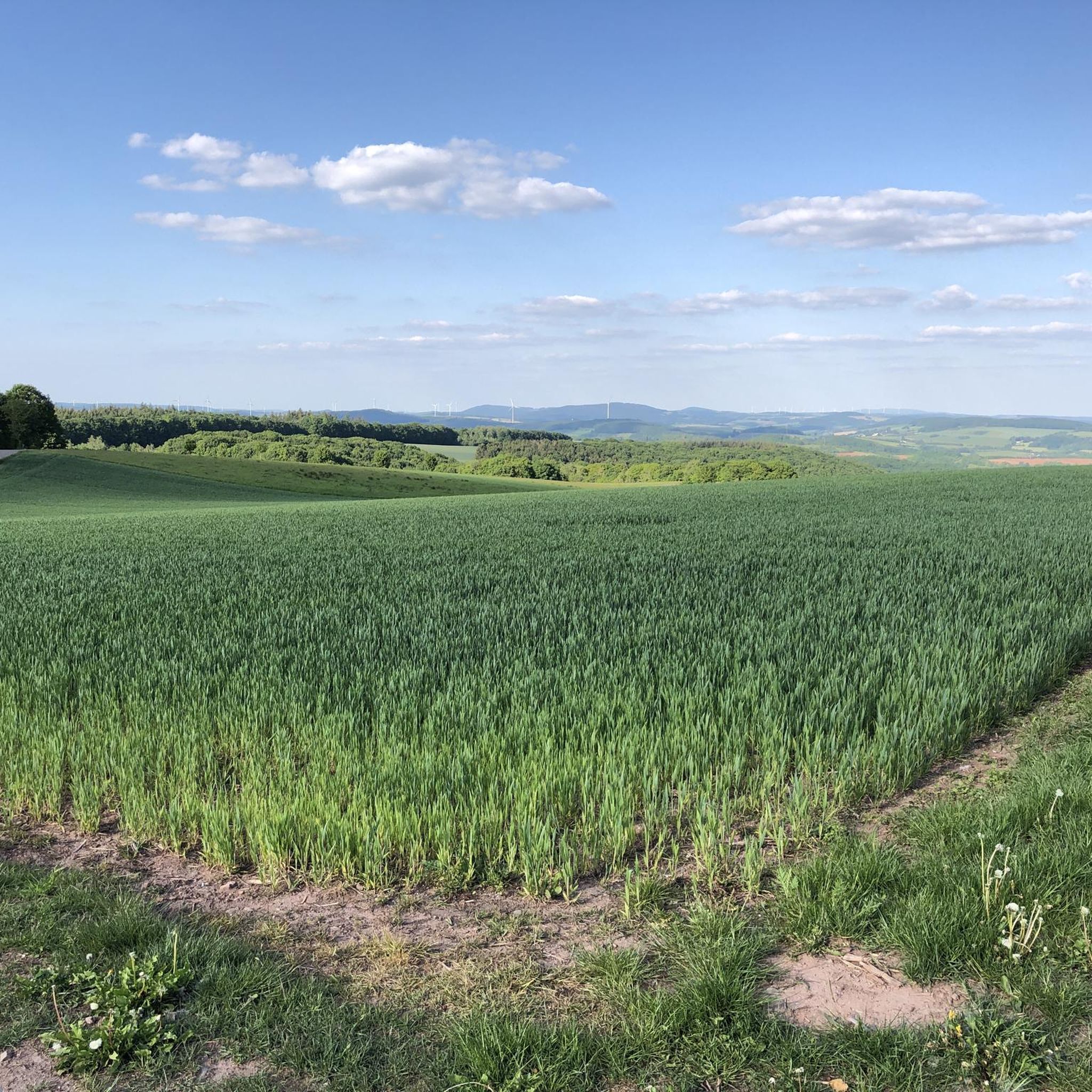
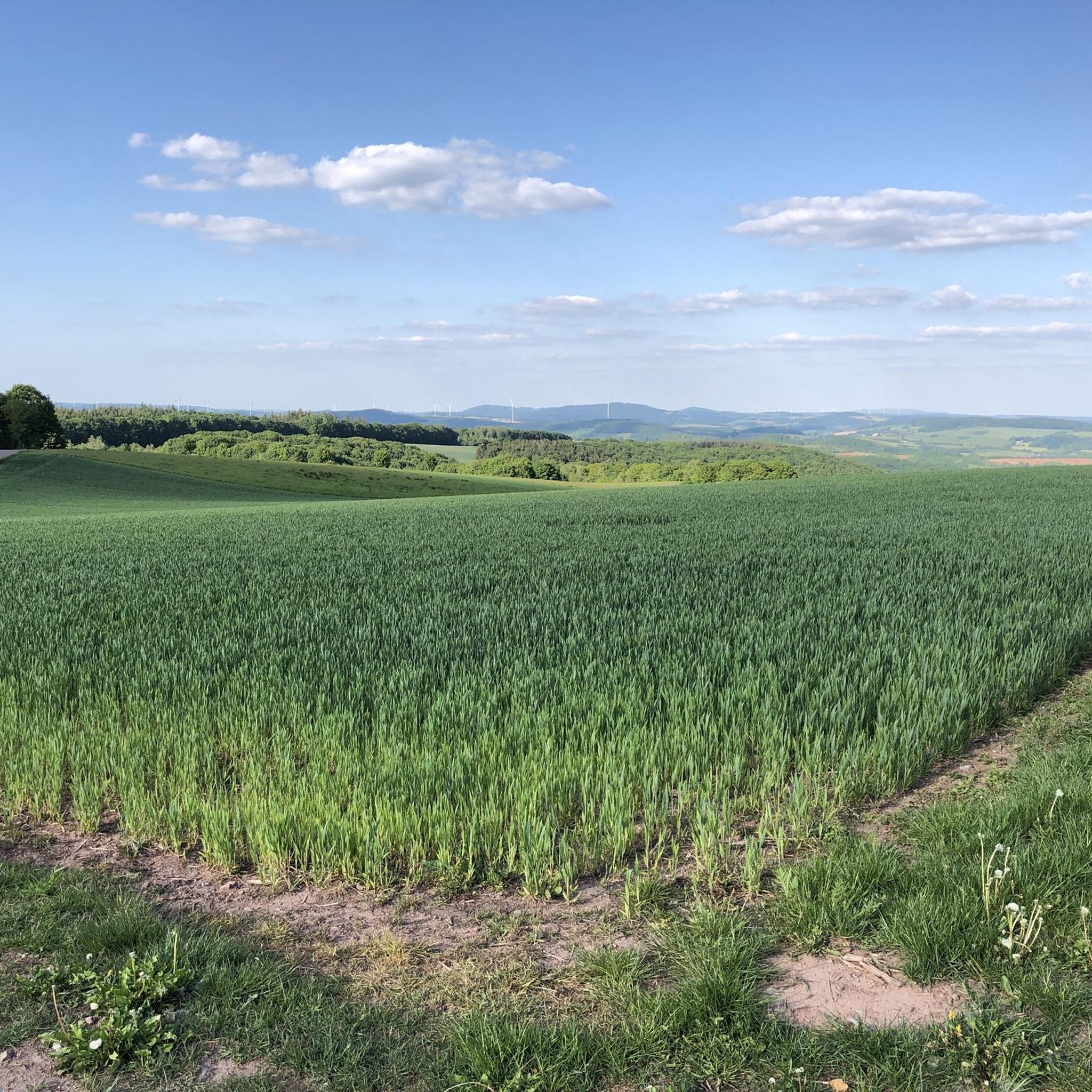
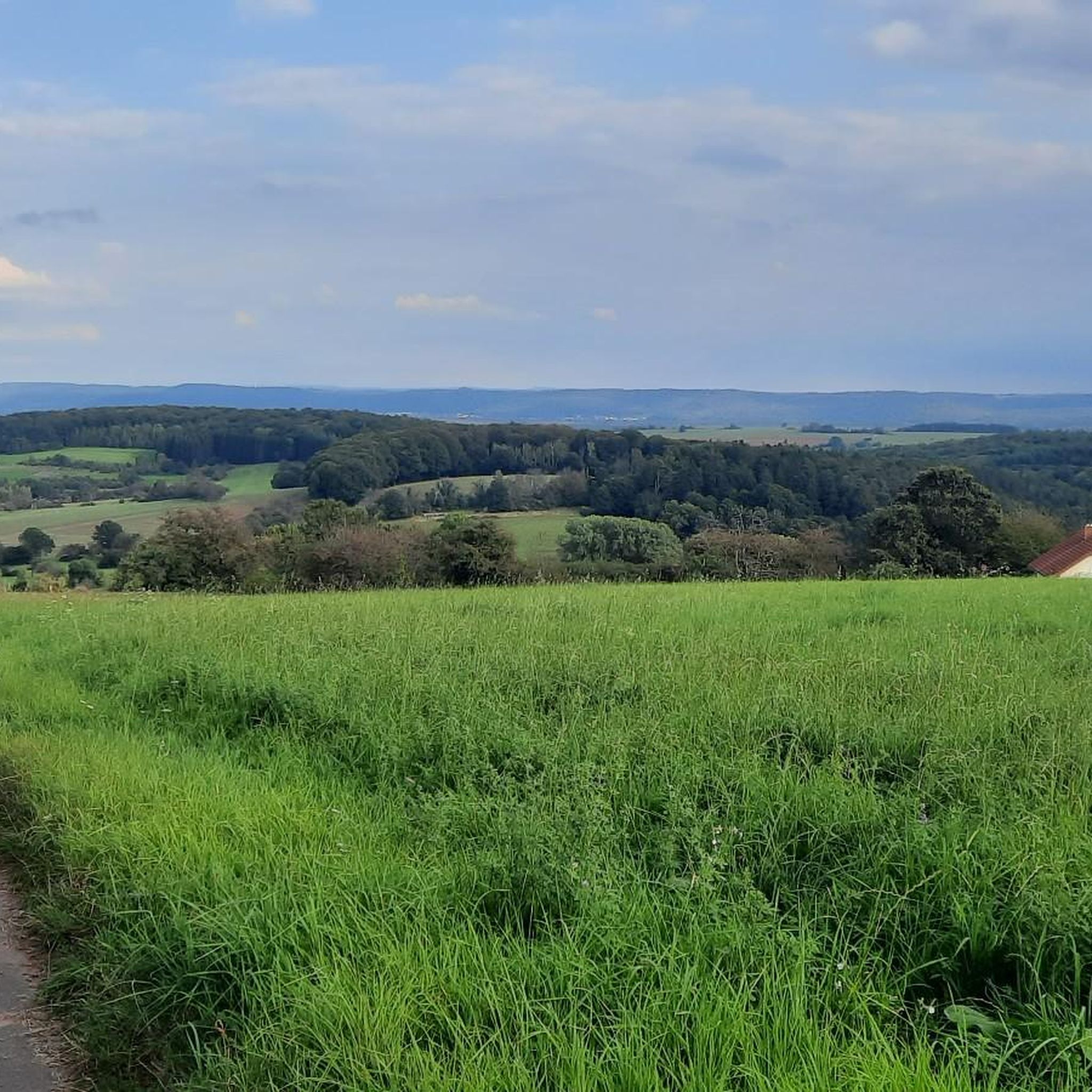
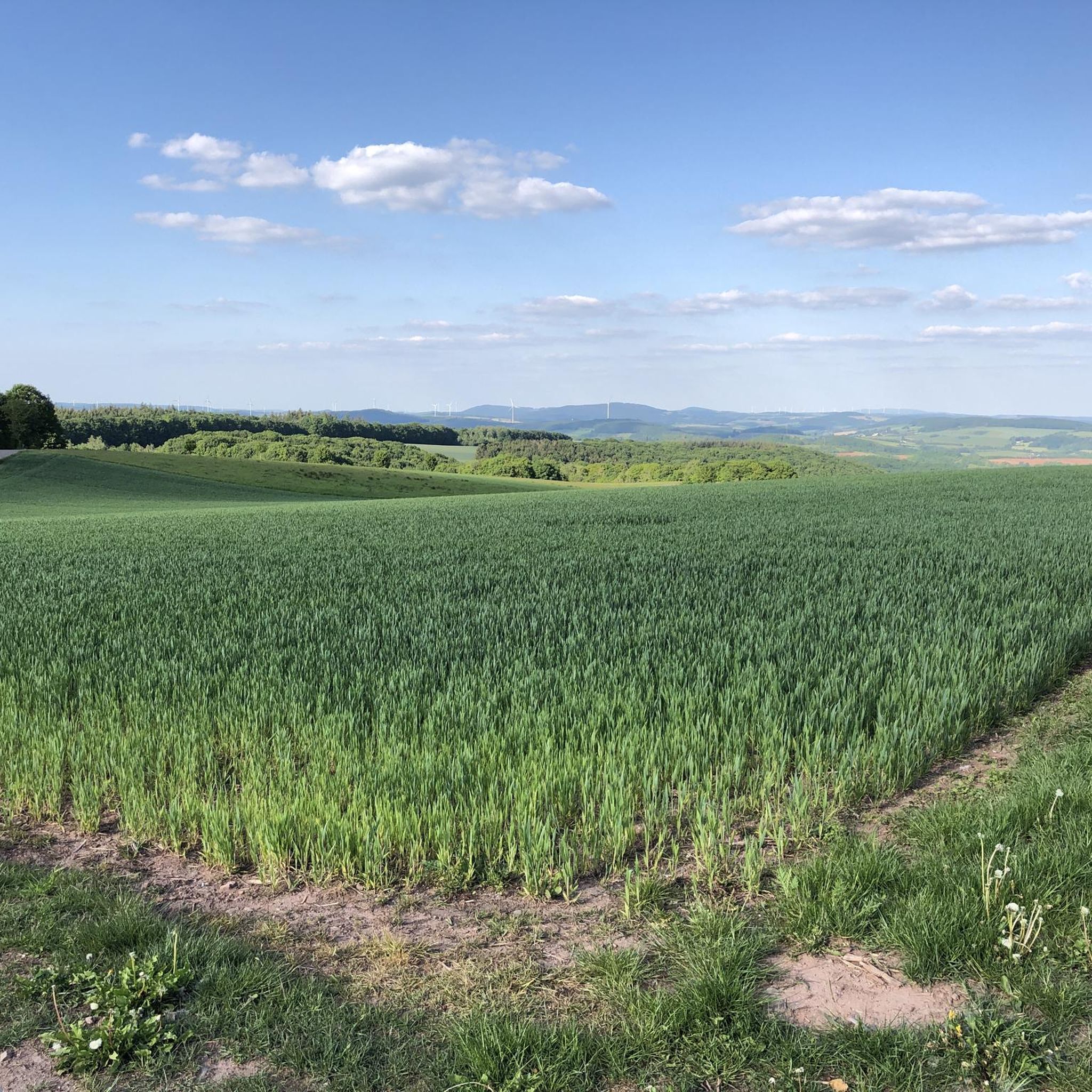

Tips from the Community

Here is the former bear enclosure
10
0

You really have to hike.
3
0


𝐇𝐚𝐫𝐭𝐬𝐭𝐞𝐢𝐧𝐛𝐫ü𝐜𝐡𝐞 𝐚𝐦 𝐁𝐨𝐬𝐞𝐧𝐛𝐞𝐫𝐠 This part of the Bosenberg is called Bruchwald because there were several hard stone quarries here. The quarry, through which the Tiefenbachpfad leads, belonged to today's forest owners of the "Urweiler Erben". The first known lease dates from the middle of the 19th century. Stones were broken here until 1975. Loosening the stones from the rock layers was the job of the stone carvers. Up until the 20th century, this was extremely strenuous and dangerous work that was only done with the help of a riving knife, hammer and black powder. Day laborers and farmers from Urweiler were hired as unskilled workers, who supplemented their income through transport work from spring to autumn. In winter it was not possible to work in the quarry due to snow, ice and the risk of slipping. Source: Text information board
7
0
𝐊𝐮𝐫𝐳𝐛𝐞𝐬𝐜𝐡𝐫𝐞𝐢𝐛𝐮𝐧𝐠 𝐓𝐢𝐞𝐟𝐞𝐧𝐛𝐚𝐜𝐡-𝐏𝐟𝐚𝐝 The Tiefenbach path is around 15 km long and leads around the Bosenberg in St Wendel. It is characterized by many small valleys that are crossed by rustic footbridges. At the starting point is the Wendelinushof, the former farm of the Steyler missionaries, which is still managed today. Here products from the region are offered in the local goods market and in the restaurant. The Leitersweiler beeches, about 250 to 300 years old giant trees, are a very special natural monument. They line the path into the Tiefenbachtal and offer a great view of Leitersweiler and the surrounding Hunsrück heights. Clear water still bubbles in the miner's fountain today. At the Fledermauskopf you can enjoy wonderful views of the surroundings of the Sankt Wendel region. In the distance, the 568 m high Schaumberg stands out, one of the highest peaks in the region. The view also wanders over the mountain tops of the eastern Saarland and opens up into the Ostertal. After the hike, the medieval old town of St Wendel invites you to linger. It is also worth visiting the late Gothic basilica from the 14th century, in which the bones of St. Wendelinus are buried in a high grave at the altar. Source: Text information board Starting point: Wendelinushof forest car park Route length: 15.3 km Elevation gain: 542 m Difficulty level: medium Walking time: 4 - 5 hours Recommended walking direction: clockwise 𝐖𝐞𝐠𝐛𝐞𝐬𝐜𝐡𝐫𝐞𝐢𝐛𝐮𝐧𝐠 https://www.urlaub.saarland/Media/Touren/Tiefenbach-Pfad
9
0

As a biker, you should behave calmly and carefully! The animals will thank you.
3
0

It's just a little hard to get close
4
0

There is no historical evidence that bears were actually kept here.
5
0
Frequently Asked Questions
What are some unique natural monuments to explore around Dunzweiler?
Beyond the well-known spots, consider visiting the Urweiler Quarry, a historical hard stone quarry that operated until 1975. Today, it offers a unique blend of industrial history and pure nature with great vegetation. Another interesting feature is the Steinbach Waterfall, a small waterfall nestled in a gorge, which is particularly scenic after rainfall.
Are there natural monuments around Dunzweiler suitable for families?
Yes, several natural monuments are family-friendly. The Bärenzwinger and Mohrenquelle on the Karlslust offers a historical site with ruins and a spring, plus tables and benches for resting. The nearby Karlsberg Pond is also very idyllic and features a Kneipp facility, making it a refreshing stop for all ages.
What kind of historical natural features can I find in the Dunzweiler area?
The region beautifully blends natural beauty with historical elements. The Bärenzwinger and Mohrenquelle on the Karlslust features ruins of a bear kennel from Duke Karl-August's time, set amidst nature. The Karlsberg Pond is also considered a historical site, with the nearby Orangerie Ruins at Karlsberg adding to the historical context. Additionally, the Urweiler Quarry provides a glimpse into the region's industrial past within a natural setting.
What are the best times to visit the natural monuments around Dunzweiler?
The natural monuments around Dunzweiler can be enjoyed throughout the year. Spring and autumn offer pleasant temperatures for hiking and exploring the forested areas. The Steinbach Waterfall is particularly impressive after rainfall, while the Karlsberg Pond and its Kneipp facility are refreshing during warmer months. The Glantalbahn Tunnel, though man-made, is known for icicle formations in winter, offering a unique seasonal sight.
Are there hiking trails near the natural monuments in Dunzweiler?
Yes, the region offers numerous hiking opportunities. The Tiefenbach Trail is a 15 km route around the Bosenberg, known for its small valleys, rustic footbridges, and ancient giant trees. The Karlsberg Pond also serves as a good starting point for many beautiful hikes. For more options, you can explore various routes in the Hiking around Dunzweiler guide.
What other outdoor activities can I do near Dunzweiler's natural monuments?
Besides hiking, the area around Dunzweiler is great for other outdoor pursuits. You can find several running trails, including moderate to difficult loops around Motschweiher Lake, detailed in the Running Trails around Dunzweiler guide. Gravel biking is also popular, with routes like the one passing through the Glantalbahn Tunnel, as seen in the Gravel biking around Dunzweiler guide.
Where can I find natural springs with fresh water in the area?
You can find refreshing natural springs at several locations. The Mohrenquelle, located at the back of the Bärenzwinger ruins on the Karlslust, is known for its tasty water. Additionally, the Karlsberg Pond area features the Karlsberg spring, which also has a Kneipp facility for a refreshing experience.
Are there any viewpoints or scenic spots among the natural monuments?
Yes, several natural monuments offer scenic views. The Bärenzwinger and Mohrenquelle on the Karlslust is considered a viewpoint. On the Tiefenbach Trail, the Fledermauskopf provides wonderful views of the Sankt Wendel region and surrounding Hunsrück heights. The ancient Leitersweiler beeches along this trail also offer a great view of Leitersweiler and the Tiefenbachtal.
What do visitors particularly enjoy about the natural monuments around Dunzweiler?
Visitors appreciate the blend of natural beauty and historical intrigue. Many enjoy the peaceful and idyllic settings, such as the Karlsberg Pond, which is often described as a good spot for a break. The historical context of sites like the Bärenzwinger, where exotic animals were once kept, also fascinates explorers. The diverse trails, including the Tiefenbach Trail with its ancient trees and rustic footbridges, are also highly rated for their natural charm.
Are there any natural monuments that are challenging for experienced hikers?
For those seeking a more challenging experience, the Urweiler Quarry is categorized as challenging, offering rugged terrain within its natural setting. The Tiefenbach Trail is rated as intermediate, but its 15 km length and 542 m elevation gain provide a good workout. Some sections of the Steinbach Waterfall area can also be a bit tricky to navigate close up.
Can I find forests or ancient trees among the natural monuments?
Yes, the region is rich in forested areas and notable trees. The Bärenzwinger and Mohrenquelle on the Karlslust and Karlsberg Pond are both situated within forests. The Tiefenbach Trail is particularly known for the Leitersweiler beeches, which are ancient giant trees, estimated to be 250 to 300 years old, lining the path into the Tiefenbachtal.
Most popular routes around Dunzweiler
Most popular attractions around Dunzweiler

Get inspired with the komoot mobile app


Explore more
Extend your search for the best caves by checking out these guides of the top ones around Dunzweiler:
