Top 20 Natural Monuments around Hüffelsheim
Natural monuments around Hüffelsheim are primarily defined by the region's integration into the Soonwald-Nahe Nature Park and the surrounding Nahe Valley. The landscape features rolling hills, verdant forests, and expansive vineyards. The Nahe River meanders through the valley, contributing to the area's natural character. This setting provides a variety of natural experiences and recreational opportunities.
Best natural monuments around Hüffelsheim
- The most popular natural monuments is Rheingrafenstein Castle Ruins, a castle and natural monument offering panoramic views. It features…
Last updated: May 12, 2026
Rheingrafenstein Castle Ruins
Highlight • Castle
Enjoy the nature!
Translated by Google •
Tip by

View of Bad Münster am Stein-Ebernburg from the Rotenfels
Highlight • Viewpoint
Translated by Google •
Tip by

Sign up now to discover places like this
Get recommendations on the best single tracks, peaks, & plenty of other exciting outdoor places.
Sign up for free
View of Rheingrafenstein Castle
Highlight • Viewpoint
View from the town of Bad Münster am Stein.
Its origins are legendary: the devil is said to have built the castle on the steep, 245 m …
Translated by Google •
Tip by

Rotenfels Cliff
Highlight • Natural Monument
Translated by Google •
Tip by

Rotenfels Panorama Trail to the Bastei
Highlight (Segment) • Trail
Translated by Google •
Tip by

Sign up for free to discover even more natural monuments around Hüffelsheim.
Sign up for free
Already have an account?
Start today with a free account
Your next adventure awaits.
Login or Signup
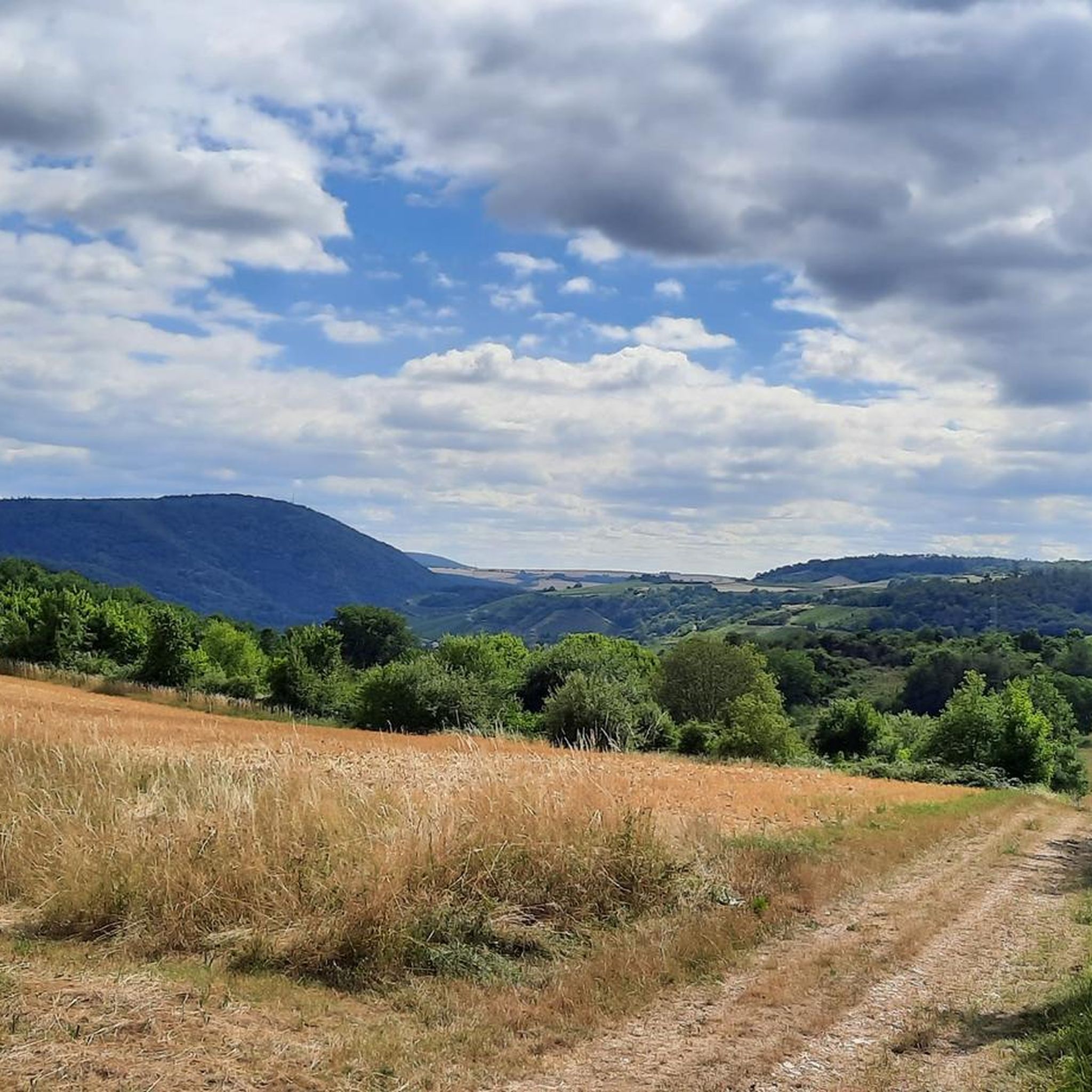
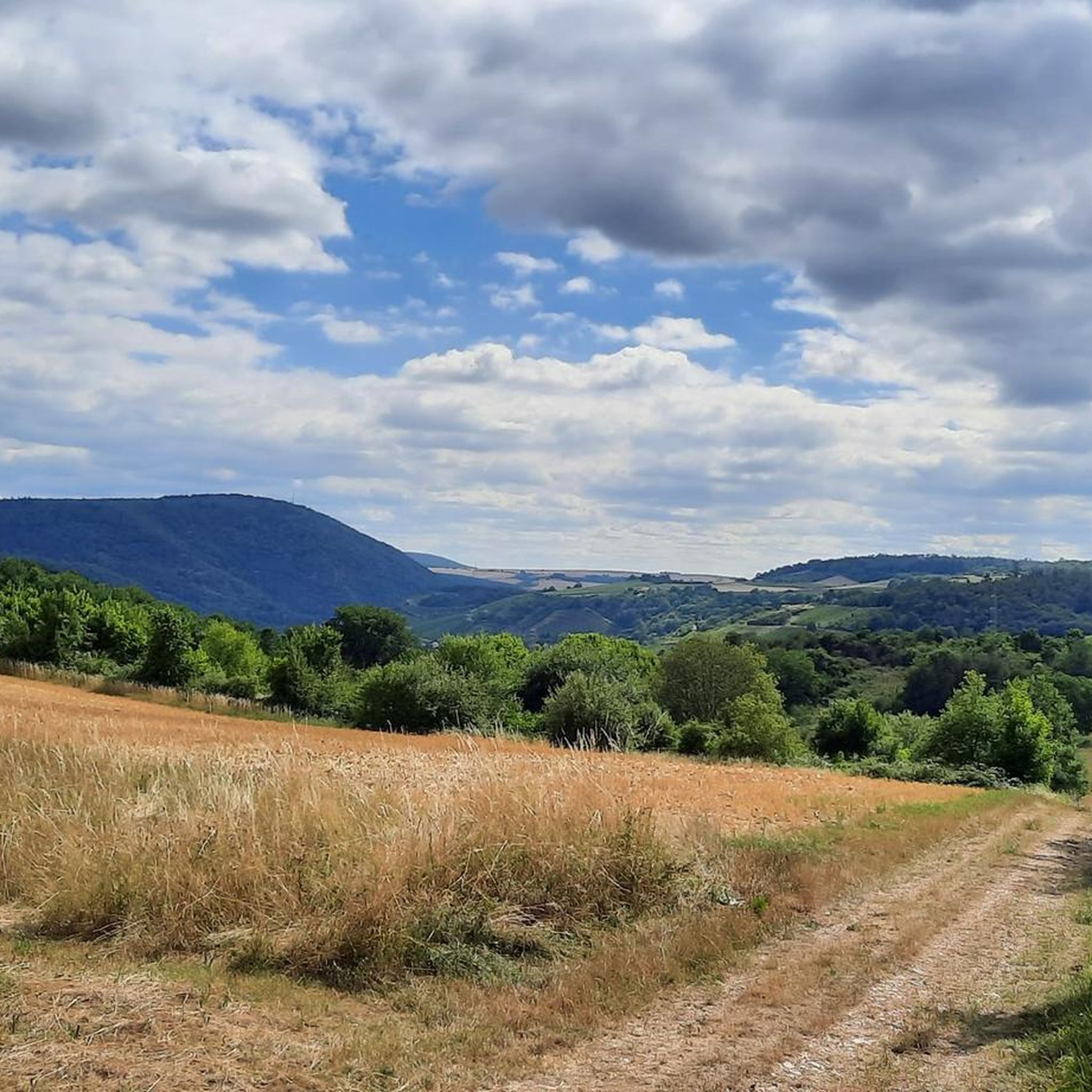
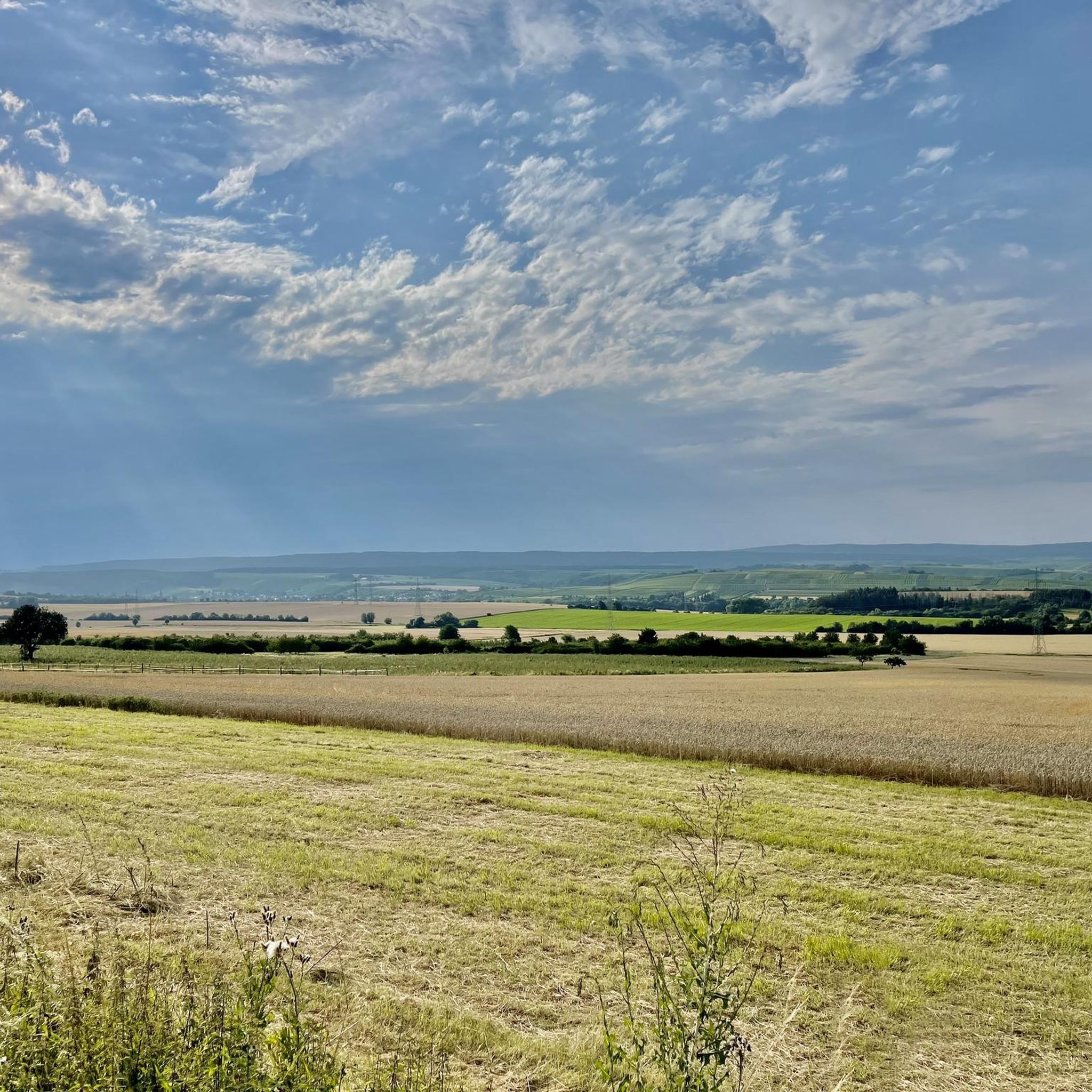
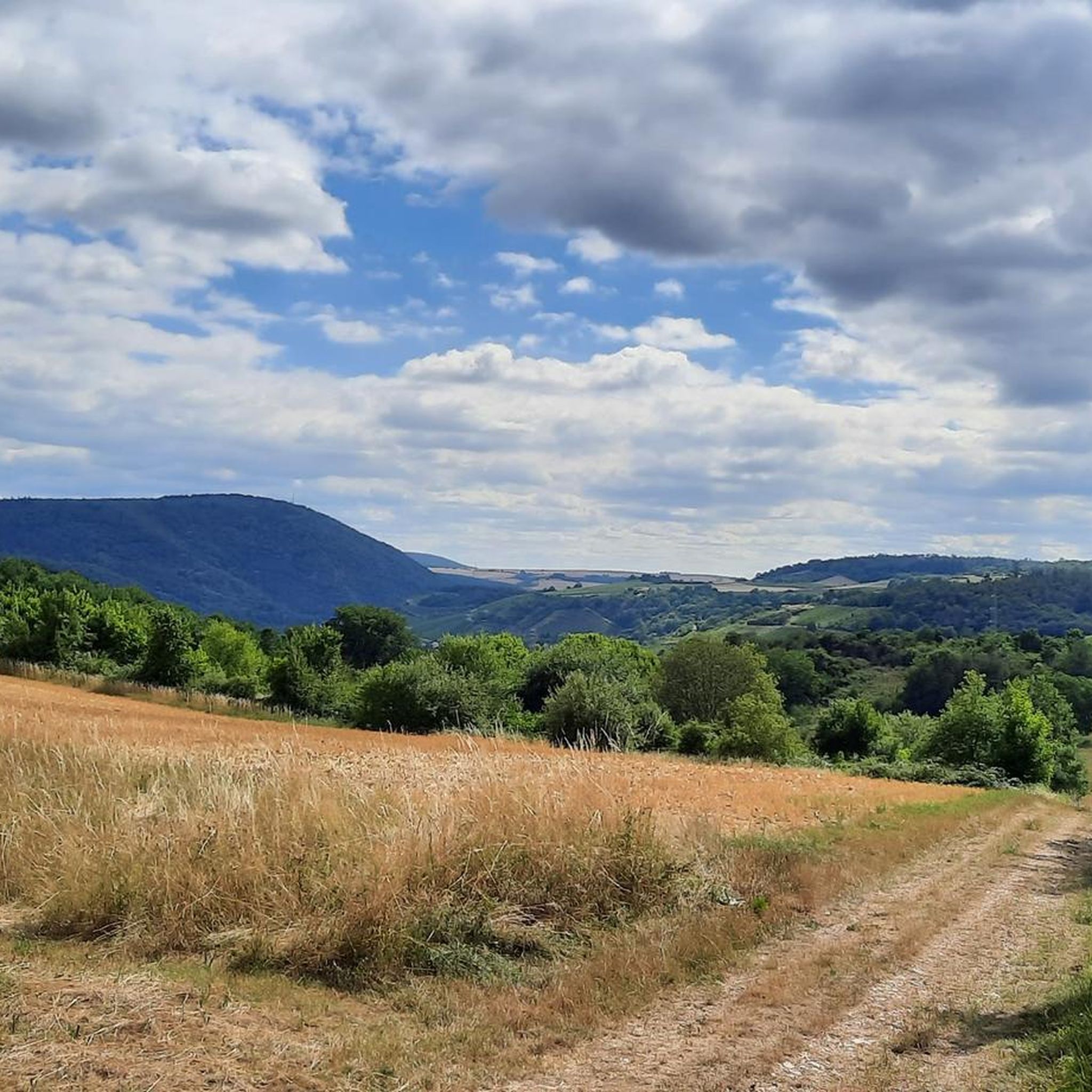
Tips from the Community

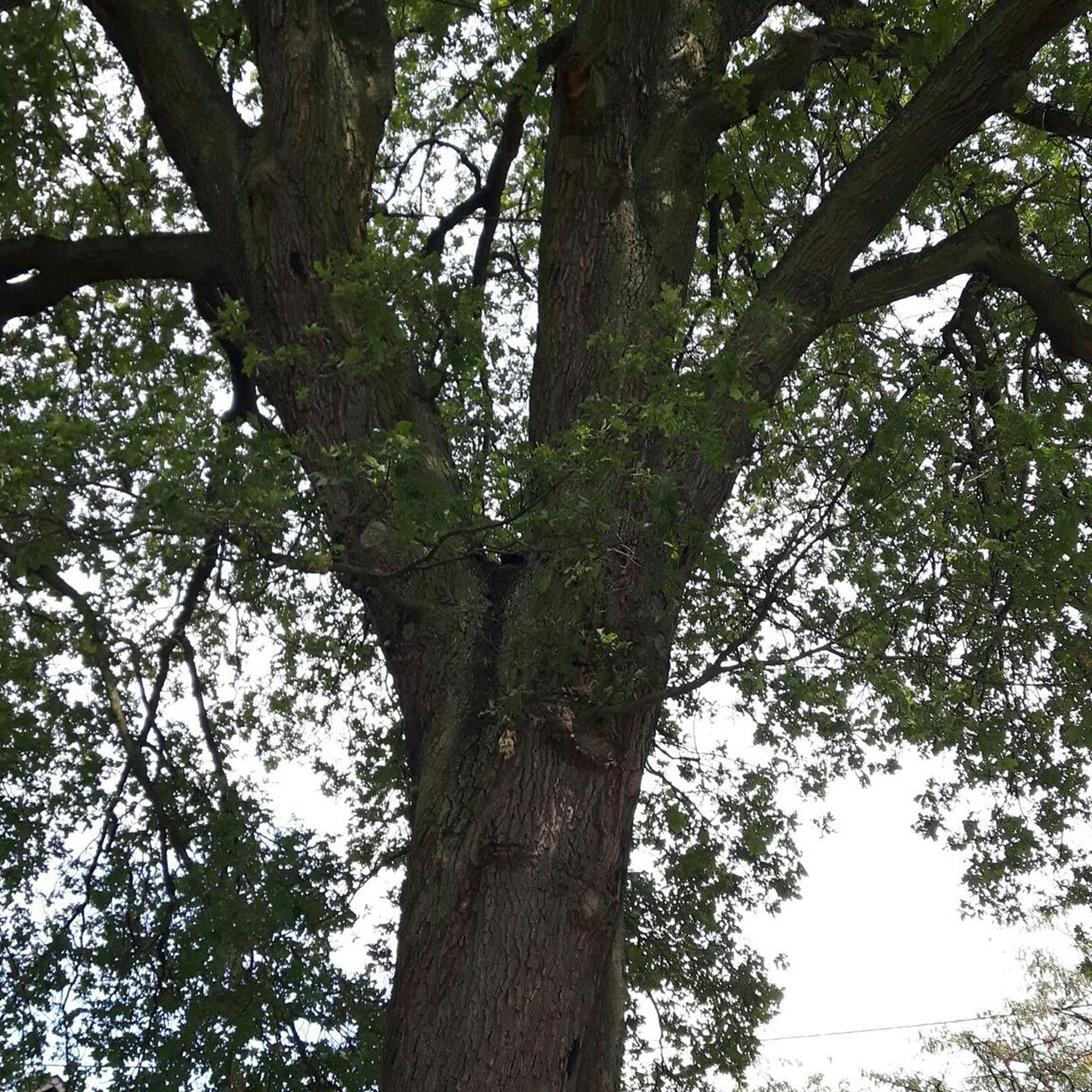
You don't see a wall like this very often in flat country
6
0

👑 Rheingrafenstein Castle Ruins – The Rock Boss on the Cycle Path Tip: Stop here! The Rheingrafenstein ruins sit dramatically perched on a 136-meter-high porphyry cliff above the Nahe River – one of the most impressive sights of the entire tour. The castle was the ancestral seat of the famous Wildgraves and Rhinegraves (until it was blown up in 1689). The view from the cycle path is phenomenal! If you really want to go up (and have enough energy), you can take the small hand-pulled ferry across and take the steep hiking trail to the ruins. It's worth it for the view over the Nahe Valley, but honestly: My legs were already tired enough from cycling. The panoramic view from below is worth its weight in gold! A must-have for your photo collection!
1
0

Rheingrafenstein Castle sits enthroned on a steep porphyry cliff (245 meters high) directly above the Nahe River near Bad Münster am Stein-Ebernburg. Legend has it that the devil himself built the castle—a reference to its dramatic location and mystical aura. In fact, it likely dates back to the 11th century and was the ancestral seat of the Lords of Stein, later the Wildgraves and Rhinegraves. In 1689, it was blown up by French troops under Louis XIV, and since then it has been a ruin—but an extremely impressive one.
2
0

Beautiful rock with the Rheingrafenstein castle ruins. It is said that the devil is said to have built the castle. In any case, the castle was blown up by the French troops under Louis XIV.
3
2

Just a pure pleasure to walk this narrow path. The views into the distance, into the depths and the nature and rocks directly on the path are simply fantastic!
5
0

Huge steep wall with special flora and fauna.
4
0

You can take the ferry here, walk up to the ruins and enjoy the view. If you like, you can continue on the way to the spa gardens of Bad Kreuznach. It's worth it.
4
1

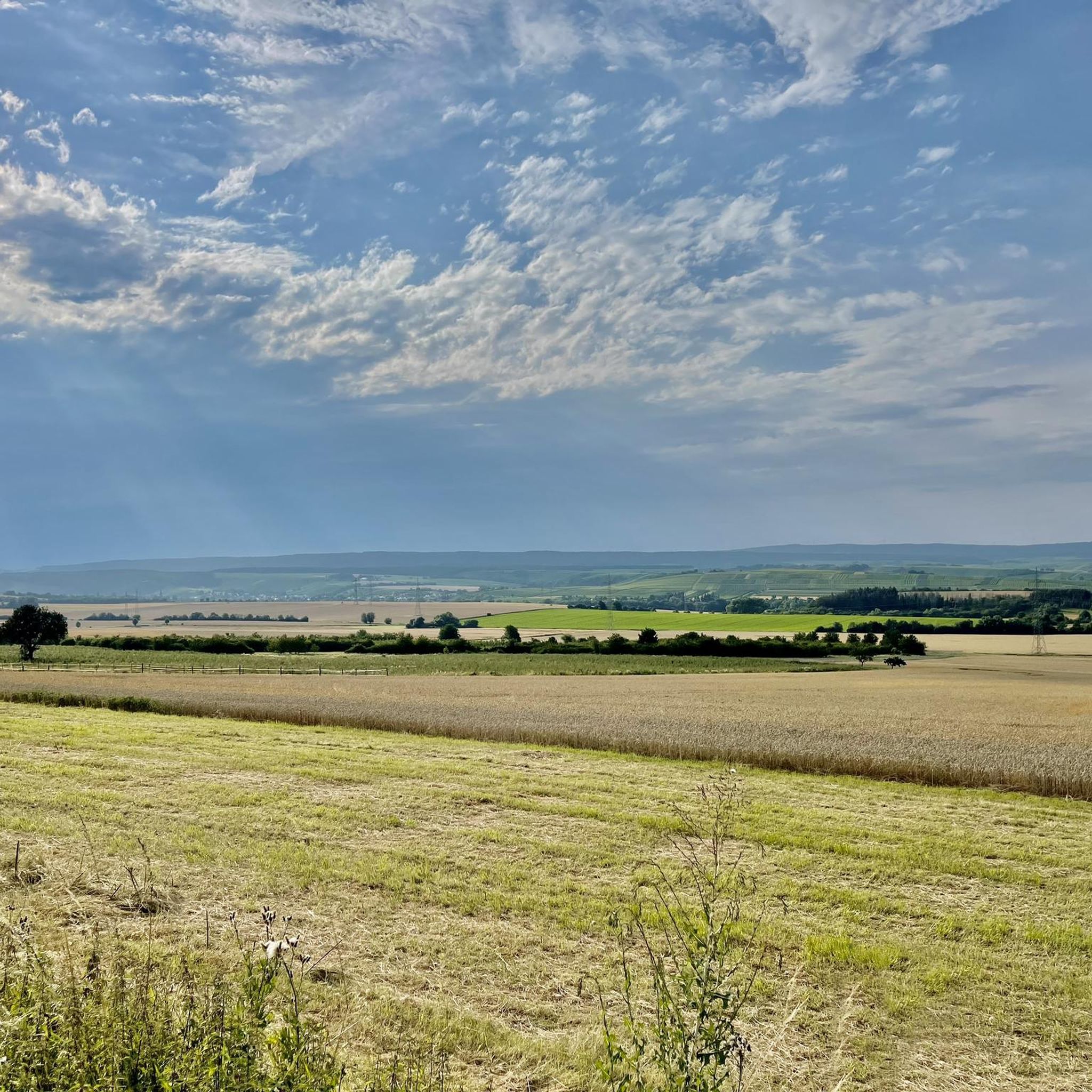
Very beautiful landscape and a rock formation that is worth seeing.
5
0
Frequently Asked Questions
What are some of the most impressive natural monuments to visit near Hüffelsheim?
One of the most impressive natural monuments is the Rotenfels Cliff, considered the highest rock face between the Alps and Scandinavia. It's a volcanic rock formation offering spectacular views and is a habitat for diverse plants and animals. Another notable site is the Rheingrafenstein Castle Ruins, which combines historical significance with a natural keep carved out of rock, providing an extensive panorama over the Nahe Valley.
Are there good viewpoints to experience the natural beauty around Hüffelsheim?
Absolutely. The region is known for its scenic viewpoints. The View of Bad Münster am Stein-Ebernburg from the Rotenfels offers an ingenious dreamlike view from the highest rock face between the Alps and Scandinavia. Another excellent spot is the View from the Gans (Bad Kreuznach), located in the middle of the nature reserve Bad Kreuznach city forest, providing magnificent views over the spa towns of Bad Münster am Stein-Ebernburg and Bad Kreuznach.
What kind of natural features can I expect to see in the Hüffelsheim area?
The Hüffelsheim area, nestled within the Soonwald-Nahe Nature Park and the Nahe Valley, offers a diverse landscape. You'll encounter rolling hills, verdant forests, expansive vineyards, and the meandering Nahe River. Prominent natural features include impressive rock formations like the Rotenfels, serene lakes such as Silver Lake (Lemberg Nature Reserve), and numerous elevated viewpoints showcasing the region's natural beauty.
Are there family-friendly natural attractions or activities near Hüffelsheim?
Yes, several natural attractions are suitable for families. The Silver Lake (Lemberg Nature Reserve) is a great place to relax and take a break in a quiet, natural setting. Many of the hiking trails through the vineyards and along the Nahe River are also enjoyable for families, offering gentle paths and picturesque scenery.
What outdoor activities can I do near the natural monuments around Hüffelsheim?
The region offers a variety of outdoor activities. You can explore numerous hiking and cycling routes that traverse varying landscapes, from serene forest paths to open fields and rugged sections. For cycling enthusiasts, there are routes like the 'Vineyards, Nahe valley and the Rotenfels around Bad Kreuznach' or 'Nahe River at Rheingrafenstein – View of Rheingrafenstein Castle loop from Bad Kreuznach'. You can find more options in the Cycling around Hüffelsheim guide or the Gravel biking around Hüffelsheim guide.
Are there hiking trails near these natural monuments?
Yes, the area is rich with hiking opportunities. Many trails lead to or past the natural monuments, offering stunning views and diverse terrain. For example, the View of Bad Münster am Stein-Ebernburg from the Rotenfels is accessible via a well-developed footpath. You can find a range of options, from moderate to difficult, in the Running Trails around Hüffelsheim guide, which includes routes like 'Rotenfels Shelter – Rotenfels Viewpoint loop from Rüdesheim (Nahe)'.
What is the best time of year to visit the natural monuments around Hüffelsheim?
The region's natural monuments are beautiful year-round, but each season offers a unique experience. Spring brings blooming vineyards and forests, while summer is ideal for hiking and cycling. Autumn is particularly picturesque with vibrant fall foliage across the hills and vineyards. Even winter can be charming, with a quiet, serene atmosphere, though some paths might be more challenging.
What makes the Rotenfels Cliff so special?
The Rotenfels Cliff is unique due to its impressive scale, being the highest rock face between the Alps and Scandinavia. It's of volcanic origin and serves as a vital habitat for many plants and animals, including birds of prey. Its dramatic appearance and the panoramic views it offers make it a captivating natural landmark in the Nahe region.
Can I explore historical sites alongside natural monuments in this region?
Yes, the region beautifully integrates historical sites with its natural landscape. The Rheingrafenstein Castle Ruins are a prime example, offering a glimpse into history while providing extensive panoramic views over the Nahe Valley from its natural rock formation. Many trails also pass by other historical points of interest, allowing you to combine nature and culture.
What do visitors enjoy most about the natural monuments around Hüffelsheim?
Visitors frequently praise the breathtaking panoramic views, especially from spots like Rheingrafenstein Castle Ruins and the Rotenfels. The unique geological features, such as the volcanic Rotenfels Cliff, and the serene beauty of places like Silver Lake, are also highly appreciated. The combination of natural beauty with well-developed footpaths and diverse landscapes for hiking and cycling makes the area very appealing.
Is the Soonwald-Nahe Nature Park accessible from Hüffelsheim?
Yes, Hüffelsheim is situated at the foot of the Soonwald forest and above the River Nahe, integrating it directly into the expansive Soonwald-Nahe Nature Park. This means you have immediate access to the park's diverse flora and fauna, numerous hiking and cycling routes, and the unique character created by the interplay of mountain ranges and gentle valleys.
Are there any specific natural monuments that are good for climbing?
The Rotenfels Cliff is very popular with climbers due to its impressive rock face. It's considered the highest rock face between the Alps and Scandinavia, offering a challenging and rewarding experience for those interested in climbing.
Most popular routes around Hüffelsheim
Most popular attractions around Hüffelsheim

Get inspired with the komoot mobile app


Explore more
Extend your search for the best caves by checking out these guides of the top ones around Hüffelsheim:
