Top 20 Natural Monuments around Tuningen
Best natural monuments around Tuningen offer diverse natural landscapes and significant hydrological features. The region is characterized by its proximity to the European watershed, where waters diverge towards the North Sea and the Black Sea. Visitors can explore ancient bogs, the symbolic origins of major European rivers, and areas of ecological importance. These natural landmarks provide insights into the geology and hydrology of the area.
Best natural monuments around Tuningen
- The most popular natural monuments is Schwenninger Moor, a…
Last updated: August 4, 2026
Source of the Danube
Highlight • River
Translated by Google •
Tip by

Schwenninger Moor
Highlight • Natural Monument
Translated by Google •
Tip by

Sign up now to discover places like this
Get recommendations on the best single tracks, peaks, & plenty of other exciting outdoor places.
Sign up for free
Castle park in Donaueschingen
Highlight • Parking
Translated by Google •
Tip by

Confluence of the Brigach and Breg rivers to form the Danube
Highlight • River
Translated by Google •
Tip by

Neckar Spring (Möglingshöhe City Park, Schwenningen)
Highlight • Natural Monument
Translated by Google •
Tip by
Sign up for free to discover even more natural monuments around Tuningen.
Sign up for free
Already have an account?
Start today with a free account
Your next adventure awaits.
Login or Signup
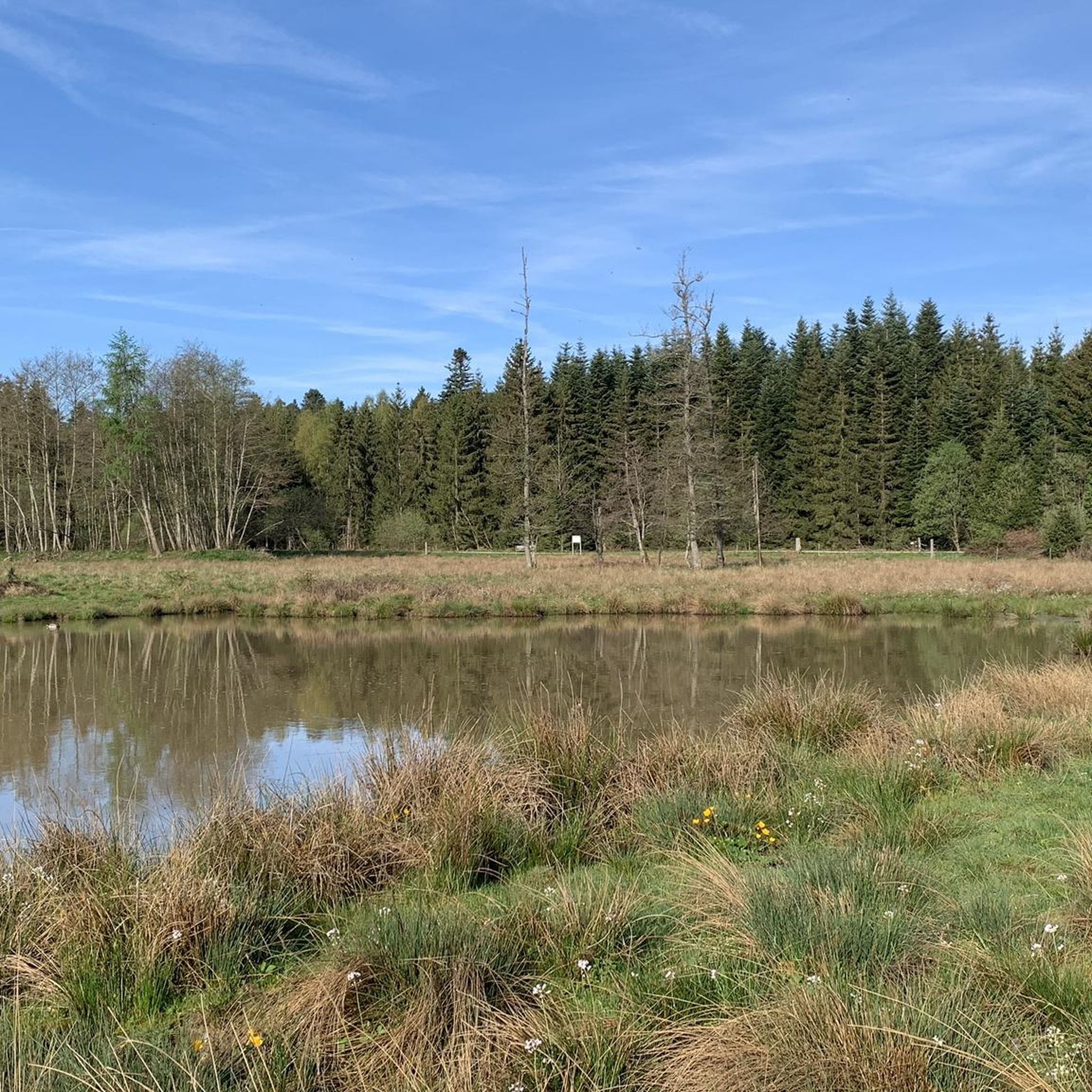
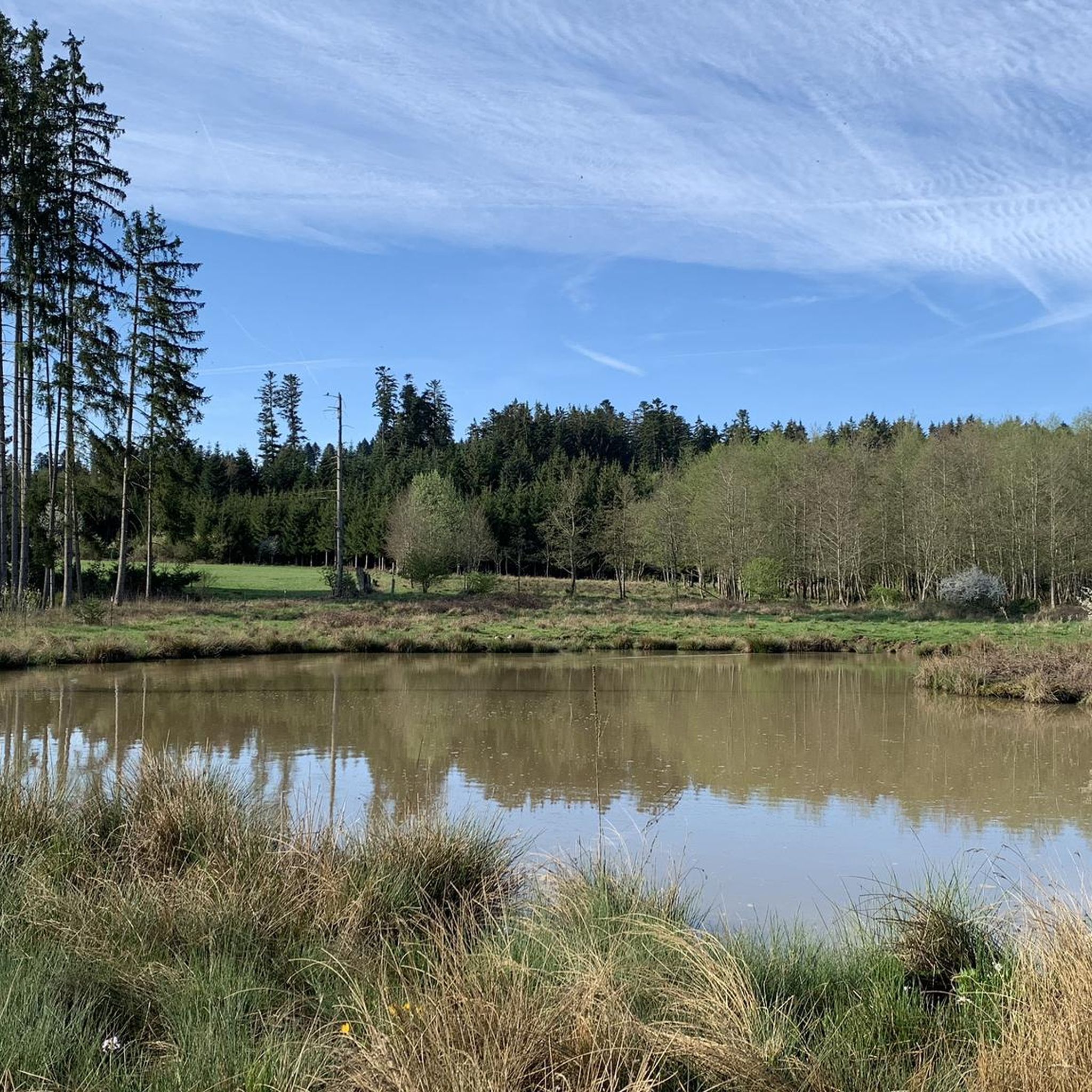
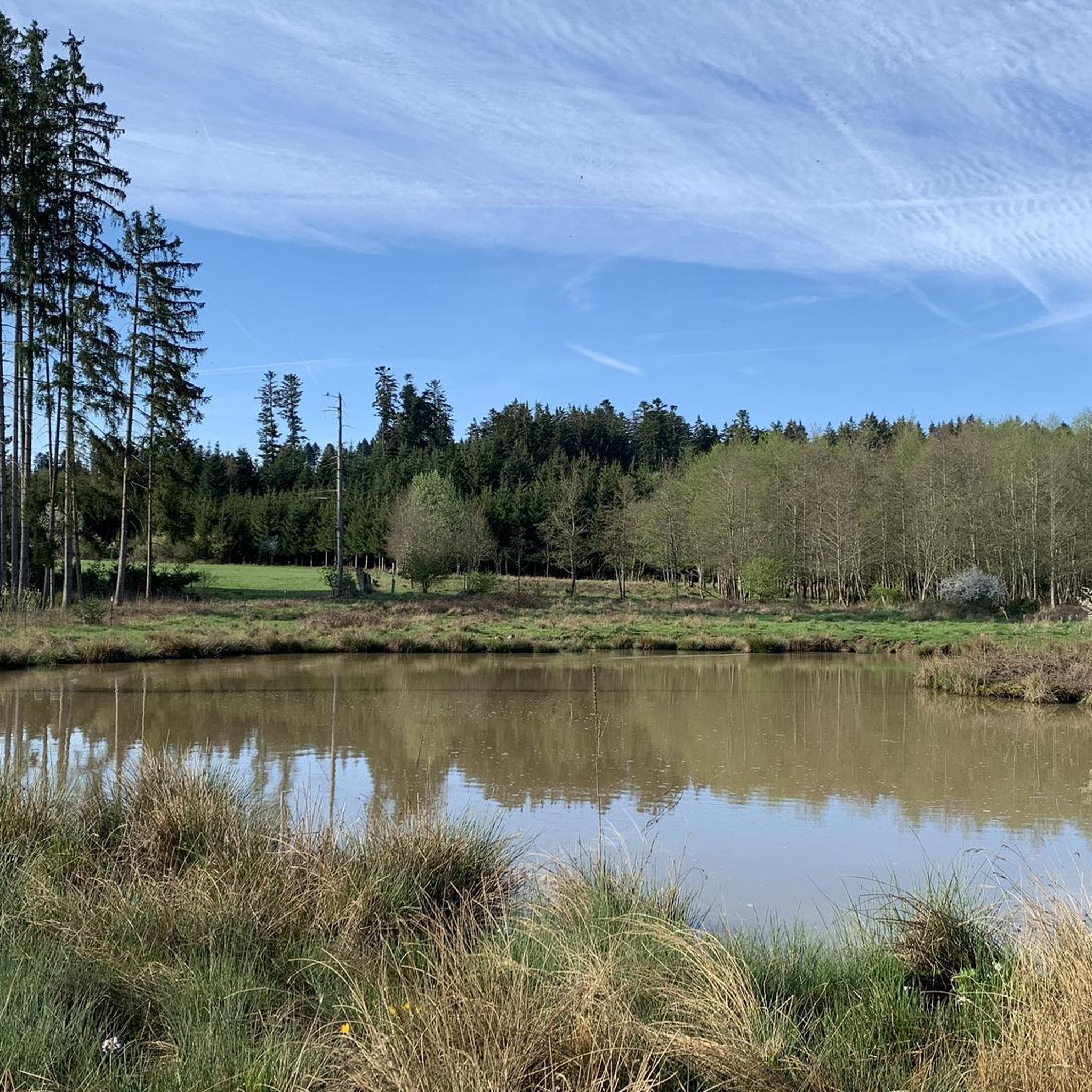
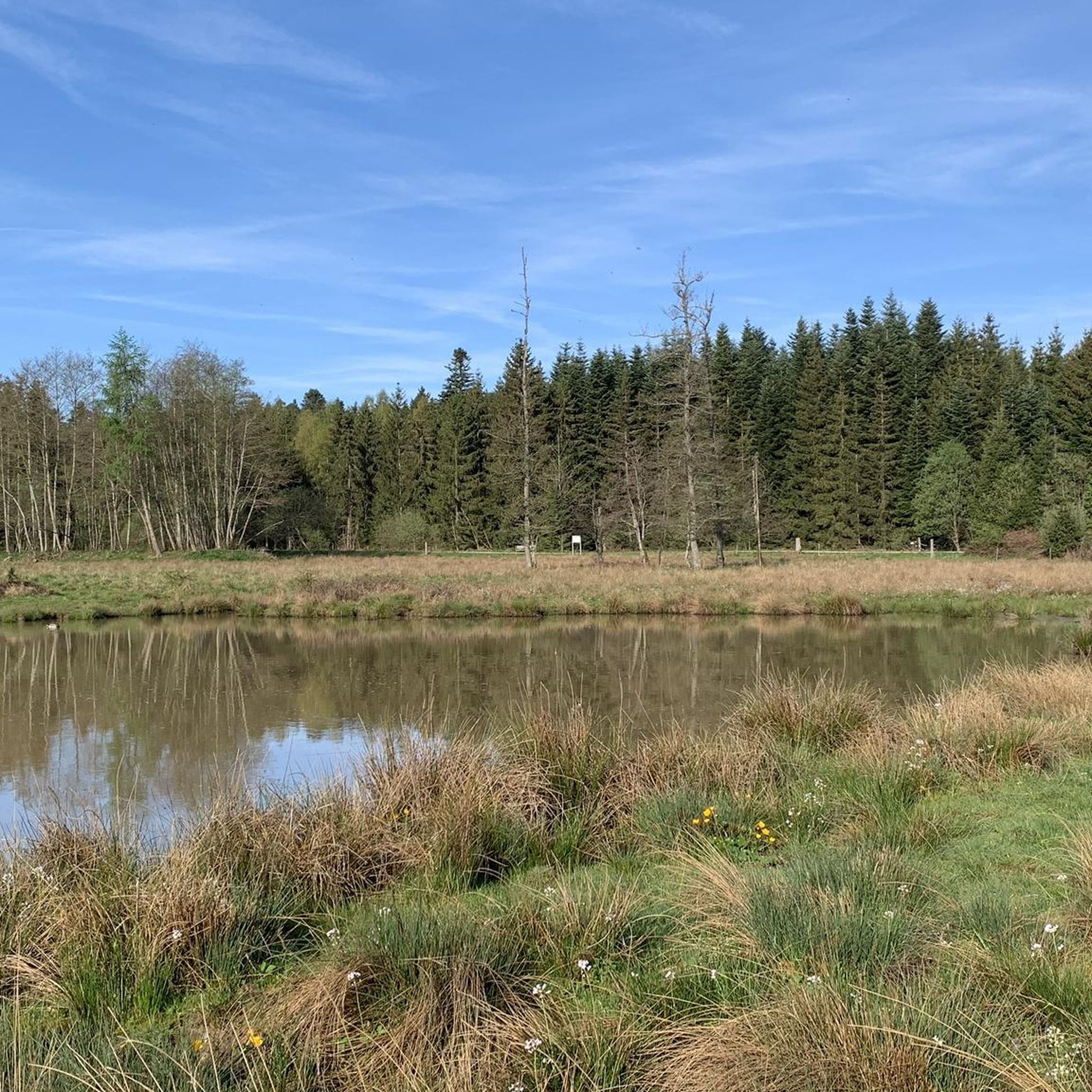

Tips from the Community


A beautiful cycle path leads through the park - cycling is not allowed on the smaller gravel paths.
4
0

Great that you can cycle here. Thanks!
3
0


If you are in the vicinity, you should plan a trip to the Schwenninger Moos.
10
0

Beautiful park with numerous watercourses and monuments.
3
0

An absolute highlight here in the area, especially the boardwalk directly on the water.
12
0

Very nice castle park...bring a lot of time
2
0
Frequently Asked Questions
What unique natural features can I explore around Tuningen?
The region around Tuningen is notable for its significant hydrological features. You can visit the Schwenninger Moor, a post-glacial bog that is the origin of the Neckar River and part of the European watershed. Another key feature is the symbolic Source of the Danube in Donaueschingen, where you can witness the beginning of one of Europe's longest rivers.
Are there family-friendly natural monuments to visit near Tuningen?
Yes, several natural monuments are suitable for families. The Schwenninger Moor offers well-maintained paths and informative signs, making it an engaging walk for all ages. The Source of the Danube in the Princely Palace Park in Donaueschingen is also family-friendly, with beautiful surroundings and the charming town center nearby.
What kind of wildlife can I expect to see at the Schwenninger Moor?
The Schwenninger Moor is a vital habitat for various bird species and other wildlife such as foxes, hares, and deer. It's also home to over 400 different plant species, including cranberries, marsh rosemary, sundew, and orchids, making it a rich area for nature observation.
Where can I see the European watershed near Tuningen?
The European watershed between the Rhine and the Danube runs directly through the Schwenninger Moor. This unique location means that water flowing north eventually reaches the North Sea via the Neckar and Rhine, while water flowing southwest makes its way to the Black Sea via the Danube.
Are there any historical or cultural sites associated with the natural monuments?
Yes, the Source of the Danube is located within the Princely Palace Park in Donaueschingen, which offers a blend of natural beauty and historical significance. The park itself and the charming town center provide a cultural backdrop to this important natural landmark.
What outdoor activities can I do near these natural monuments?
The area around Tuningen offers various outdoor activities. You can find numerous routes for mountain biking, gravel biking, and road cycling. For example, explore the 'MTB Trails around Tuningen' or 'Gravel biking around Tuningen' guides for detailed routes. You can find more information on these activities in the respective guides, such as MTB Trails around Tuningen or Gravel biking around Tuningen.
Are there accessible options for visitors with mobility needs?
The Danube source in Donaueschingen is designed with accessibility in mind, featuring both stairs and an elevator to reach the source area, making it wheelchair accessible.
What is the best time to visit the natural monuments around Tuningen?
The Schwenninger Moor offers picturesque walks and a beautiful, sometimes mystical landscape throughout the year, making it enjoyable in any season. For the Danube sources, spring and summer offer pleasant weather for exploring the parks and towns.
Where exactly do the Brigach and Breg rivers meet to form the Danube?
The Confluence of the Brigach and Breg rivers to form the Danube is located just east of Donaueschingen. While there are varying opinions on the Danube's exact source, this is where the two rivers officially merge to become the Danube by name.
What do visitors particularly enjoy about the natural monuments in this region?
Visitors frequently highlight the unique hydrological significance, such as the European watershed at Schwenninger Moor and the symbolic beginning of the Danube. The well-maintained paths, informative signs, and the beautiful surrounding landscapes, including the Princely Palace Park in Donaueschingen, are also highly appreciated.
Are there specific trails or walking routes recommended at the Schwenninger Moor?
The Schwenninger Moor features well-maintained paths and a boardwalk directly on the water, which is a particular draw. These paths allow visitors to explore the unique high moor landscape and observe its diverse flora and fauna.
Can I find cafes or restaurants near the natural monuments?
Yes, particularly near the Source of the Danube in Donaueschingen. The charming city center offers many cozy cafes and restaurants where you can relax and enjoy local cuisine after your visit.
What is the significance of the Schwenninger Moos as a nature reserve?
The Schwenninger Moos is a designated nature reserve and part of the European Natura 2000 protection network. Its ecological importance stems from being a post-glacial bog, the origin of the Neckar River, and a crucial point in the European watershed, supporting a rich biodiversity of plants and animals.
Most popular routes around Tuningen
Most popular attractions around Tuningen

Get inspired with the komoot mobile app


Explore more
Extend your search for the best caves by checking out these guides of the top ones around Tuningen:
