Top 20 Natural Monuments around Braunshorn
Natural monuments around Braunshorn are located in the Hunsrück region of Rhineland-Palatinate, Germany, an area characterized by picturesque forests and rolling hills. This landscape offers numerous opportunities for outdoor activities such as hiking and cycling. The region features diverse natural elements, including deep gorges, cliffs, and extensive forests, supporting a wide array of biodiversity. Visitors can explore various natural features and attractions within this scenic environment.
Best natural monuments around Braunshorn
- The most popular natural monuments is Baybach Waterfall,…
Last updated: June 24, 2026
Baybach Waterfall
Highlight • Waterfall
Translated by Google •
Tip by

Baybachtal Bat Cave (Slate Tunnel)
Highlight • Cave
Translated by Google •
Tip by

Sign up now to discover places like this
Get recommendations on the best single tracks, peaks, & plenty of other exciting outdoor places.
Sign up for free
Baybach Valley
Highlight (Segment) • River
Translated by Google •
Tip by

Kyrill Trail Kastellaun
Highlight (Segment) • Trail
But it is at …
Translated by Google •
Tip by

Kyrill Path Kastellaun Trailhead
Highlight • Trail
Translated by Google •
Tip by

Sign up for free to discover even more natural monuments around Braunshorn.
Sign up for free
Already have an account?
Start today with a free account
Your next adventure awaits.
Login or Signup
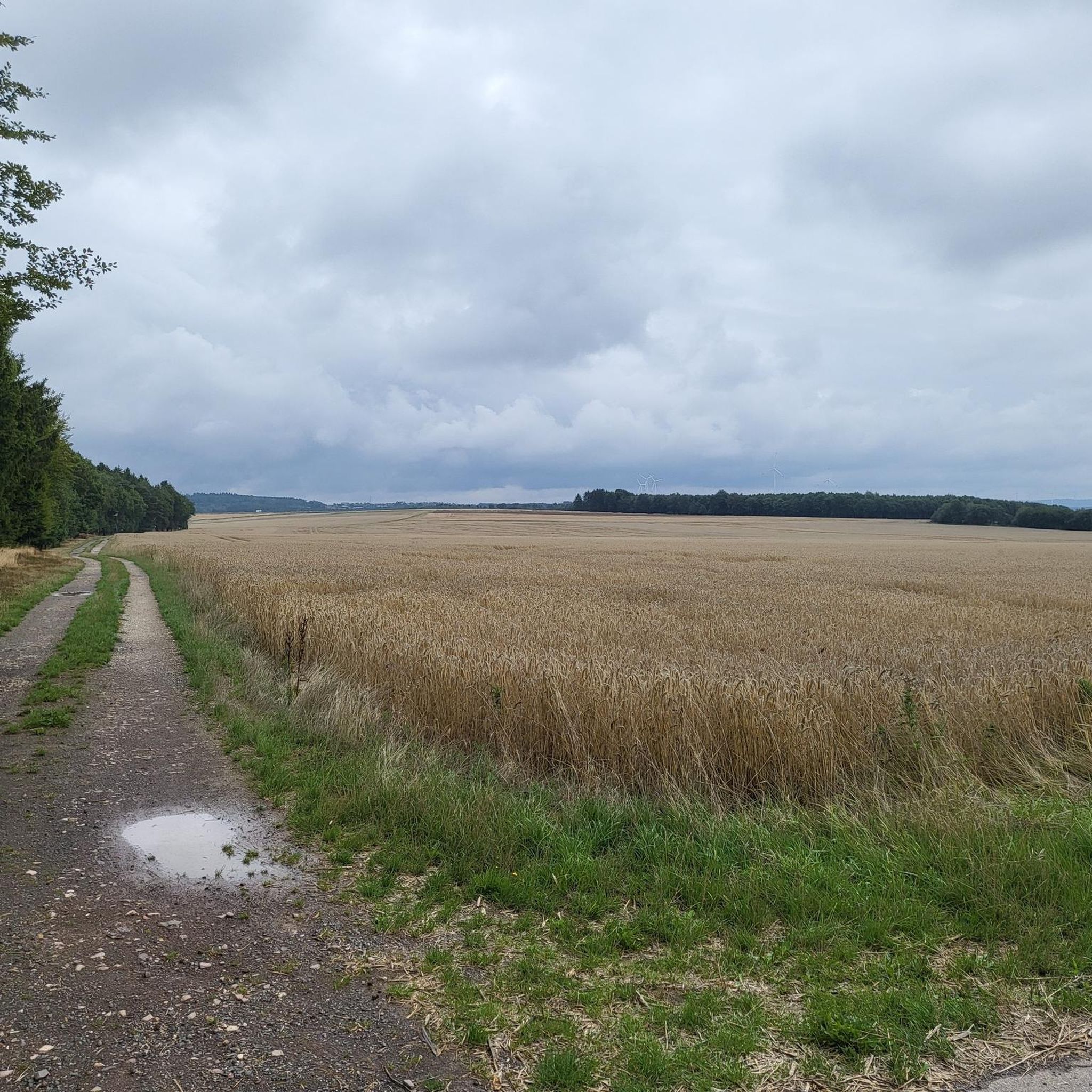
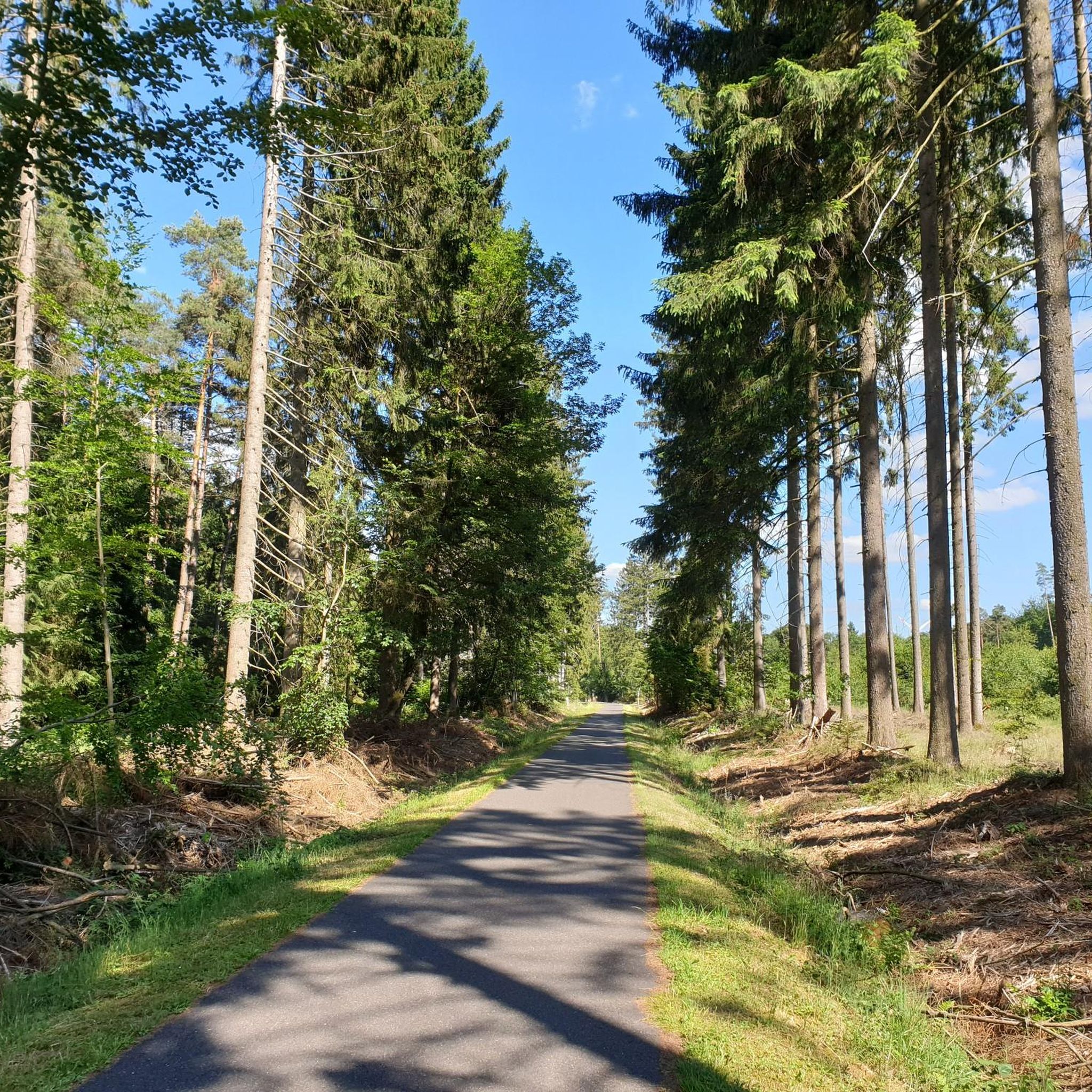
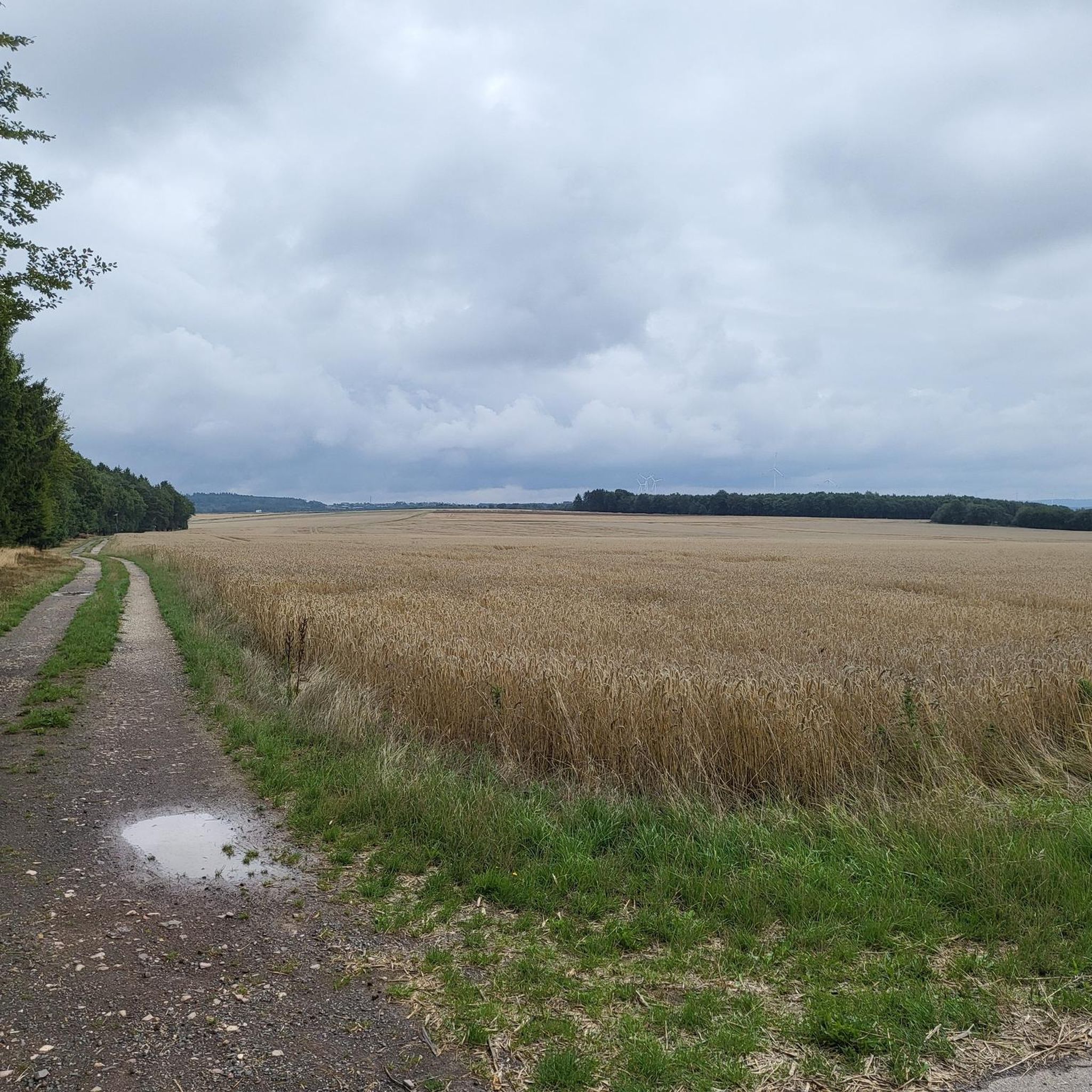
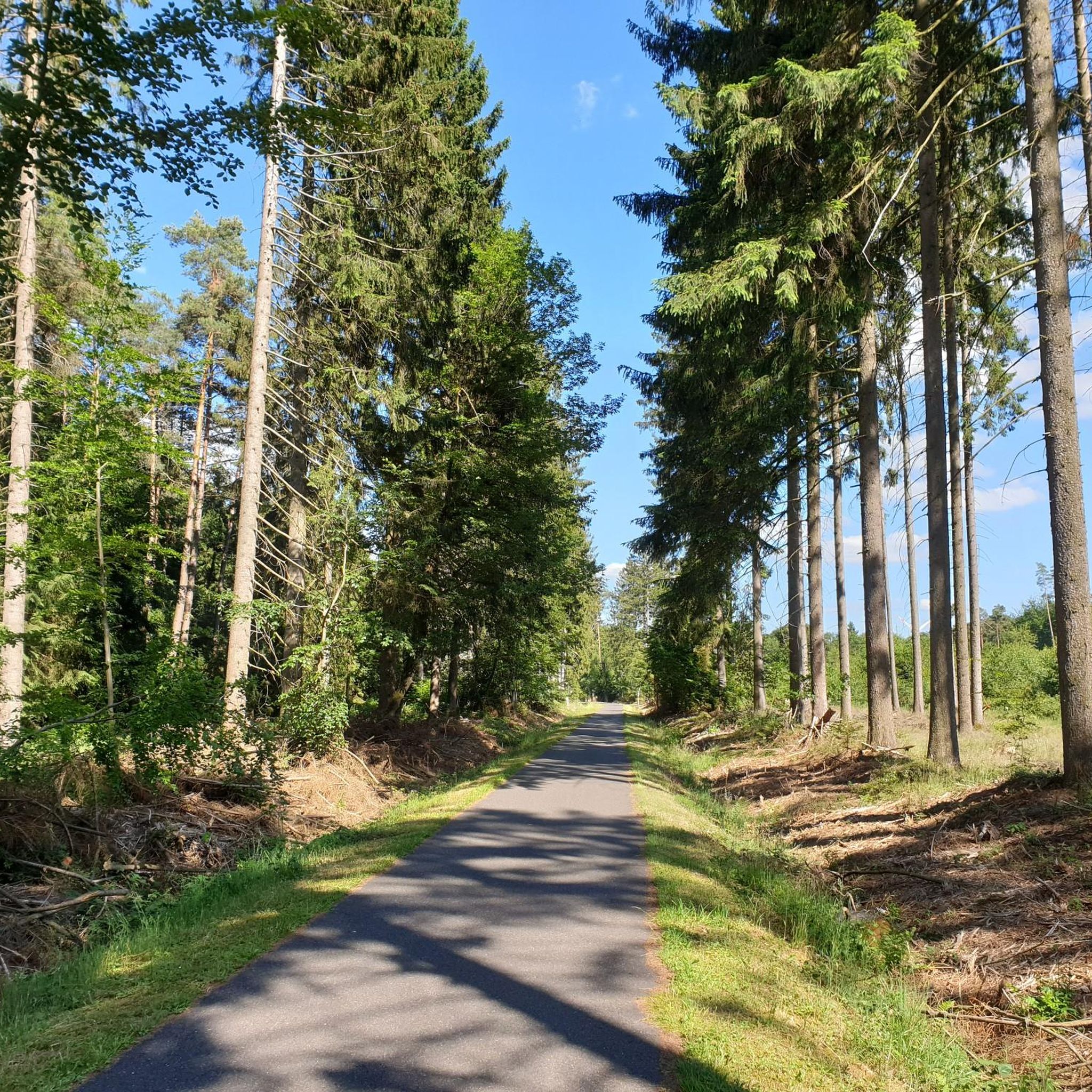
Tips from the Community

As of 05/2026: After almost 20 years, the fallen giant trees, which a few years ago still had to be climbed over and down, have almost completely decomposed, so that the bridges and walkways as well as plank paths have now been removed and only muddy sections over tree stumps have to be mastered.
2
0

The path along the stream is wonderful, with rippling water and birdsong....
0
0

large rocky outcrop as a shelter and as a wintering place for bats
3
0

A wild valley, romantic and at the same time physically challenging. Sometimes you have to climb a bit, but you can always cool your feet in the stream water. Great fun for adventurous children too.
0
0

A beautiful little waterfall on the Baybach.
4
0
A slate mine with a nice rest area and information board.
2
0

The Kyrill Trail has ten stations that provide information about the damage caused by the storm Kyrill in the Hunsrück Forest in 2007, as well as about the work of foresters and the natural regeneration of the forest. The Kyrill Trail leads visitors across planks and small ladders through the windthrow area.
1
0
The Kyrill Trail has ten stations that provide information about the damage caused by the storm Kyrill in the Hunsrück Forest in 2007, as well as about the work of foresters and the natural regeneration of the forest. The Kyrill Trail leads visitors across planks and small ladders through the windthrow area.
2
0
Frequently Asked Questions
What types of natural monuments can I explore around Braunshorn?
The region around Braunshorn, nestled in the Hunsrück, offers a variety of natural monuments. You can discover impressive waterfalls like the Baybach Waterfall, explore unique geological formations such as the Baybachtal Bat Cave (Slate Tunnel), and walk through regenerating forest areas like the Kyrill Trail Kastellaun. The landscape also features picturesque lakes, rolling hills, and deep gorges.
Are there family-friendly natural monuments or trails in the area?
Yes, several natural monuments are suitable for families. The Kyrill Path Kastellaun Trailhead and the Water Lily Pond are both marked as family-friendly. The Water Lily Pond, in particular, offers a beautiful setting with a picnic area and an island accessible via bridges, making it an enjoyable spot for all ages.
Can I bring my dog to the natural monuments around Braunshorn?
Many trails and natural areas in the Hunsrück region are dog-friendly. For instance, the Kyrill Trail Kastellaun is generally accessible for dogs, though some sections have steep stairs that might require assistance for larger dogs. It's always advisable to keep dogs on a leash, especially in nature reserves or areas with wildlife, and to respect local regulations.
What outdoor activities can I do near these natural monuments?
The Hunsrück region around Braunshorn is ideal for various outdoor activities. You can enjoy extensive hiking on trails like the 'View of the Eifel loop' or the 'St. Erasmus Church Ebschied – Braunshorn Motte loop'. For cyclists, there are numerous road cycling routes, including the 'Lorelei Rock – Ox Tower, Oberwesel loop', and gravel biking options like 'The Schinderhannes Cycle Path – Horner Castle (Old Ring Wall) loop'. You can find more details on these activities in the Hiking around Braunshorn, Road Cycling Routes around Braunshorn, and Gravel biking around Braunshorn guides.
What makes the Baybach Waterfall a notable natural monument?
The Baybach Waterfall is a beautiful feature within the Babachtal, known for its picturesque setting. The paths leading to it are secured with ropes over rocks, adding an adventurous element to the experience. It's considered one of the best waterfall motifs in the Baybach area, offering great opportunities for photography.
What is the significance of the Baybachtal Bat Cave (Slate Tunnel)?
The Baybachtal Bat Cave (Slate Tunnel) is a former slate quarry that has been repurposed by nature. Its entrance is barred to protect it, as it now serves as a crucial wintering place for bats. The site also showcases mighty slate slabs in earth outcrops, offering a glimpse into the region's geological and industrial past.
What can I expect to see on the Kyrill Trail Kastellaun?
The Kyrill Trail Kastellaun is an 830-meter path through a forest area that was severely affected by Storm Kyrill in 2007. It allows visitors to observe how nature regenerates after such a significant event, with dead wood creating new life and flora and fauna adapting. Elaborate bars and planks have been installed for accessibility, though some sections have steep stairs.
Are there any viewpoints offering panoramic views of the natural landscape?
While not specifically listed as a natural monument, the Hunsrück region is known for its scenic vistas. The 'Vierseenblick' (Four Lakes View) is a particular highlight near Braunshorn, offering a stunning panorama of four lakes in the surrounding area. The broader Hunsrück landscape itself provides many opportunities for expansive natural views.
What wildlife can be found in the natural areas around Braunshorn?
The Hunsrück region, where Braunshorn is located, is rich in biodiversity. Its extensive forests and diverse habitats support a wide array of wildlife, including red deer, wild boar, and badgers. The area is also home to the largest population of wildcats in Europe, alongside rare orchids and ancient copper beeches.
What is the best season to visit the natural monuments around Braunshorn?
The Hunsrück region offers beauty throughout the year. Spring brings blooming flora, while summer is ideal for hiking and cycling. Autumn is particularly stunning with vibrant fall foliage, as noted by visitors to the Baybach Waterfall. Winter can offer serene, snow-covered landscapes, though some trails might have accessibility challenges due to ice and snow, as mentioned for the Kyrill Trail.
Are there any natural parks or protected areas nearby?
Yes, Braunshorn is situated within a region rich in protected natural areas. The Saar-Hunsrück Nature Park, one of Germany's largest, and the Soonwald-Nahe Nature Park are nearby. Additionally, the Hunsrück-Hochwald National Park is located in the Hunsrück region, aiming to develop into a 'primeval forest of tomorrow', preserving the area's scenic beauty and ecological diversity.
Where can I find information about hiking trails near Braunshorn?
You can find detailed information about hiking trails around Braunshorn in the Hiking around Braunshorn guide. This guide includes various routes, from easy loops like 'View of the Eifel loop' to moderate ones such as 'St. Erasmus Church Ebschied – Braunshorn Motte loop', providing options for different skill levels and durations.
Most popular routes around Braunshorn
Most popular attractions around Braunshorn

Get inspired with the komoot mobile app


Explore more
Extend your search for the best caves by checking out these guides of the top ones around Braunshorn:
