Top 20 Natural Monuments around Langeoog
Best natural monuments around Langeoog are primarily shaped by its dynamic dune systems, expansive beaches, and its location within the UNESCO Wadden Sea World Heritage site. The island's landscape offers a blend of coastal features and ecological significance. Langeoog is largely composed of sand, with a vital freshwater lens beneath it. This car-free island provides opportunities to explore its natural wonders by foot, bicycle, or horse-drawn carriage.
Best natural monuments around Langeoog
- The most popular natural monuments is Flinthörn Nature…
Last updated: August 18, 2026
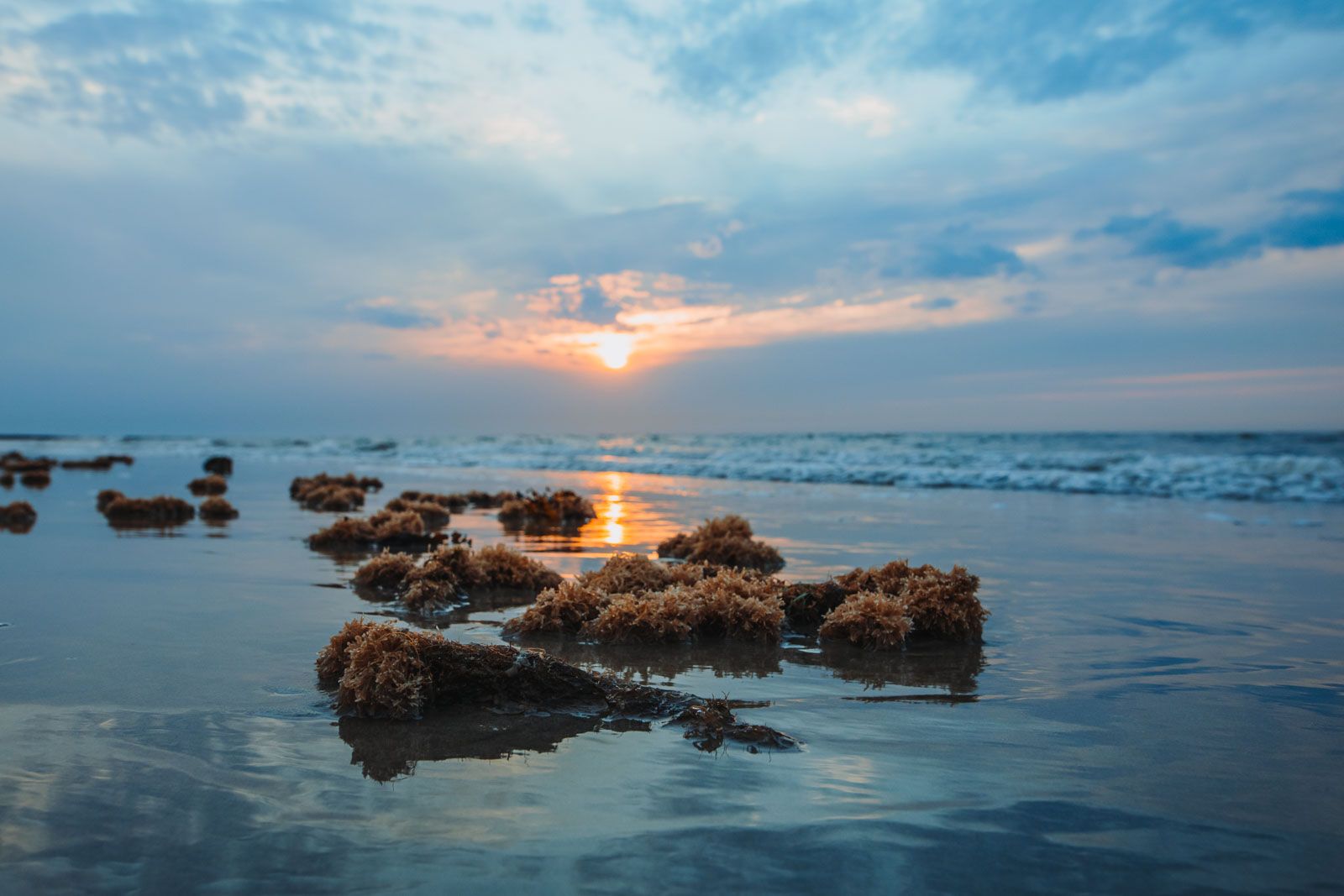
Wadden Sea Natural Beauty
Highlight • Natural Monument
Translated by Google •
Tip by

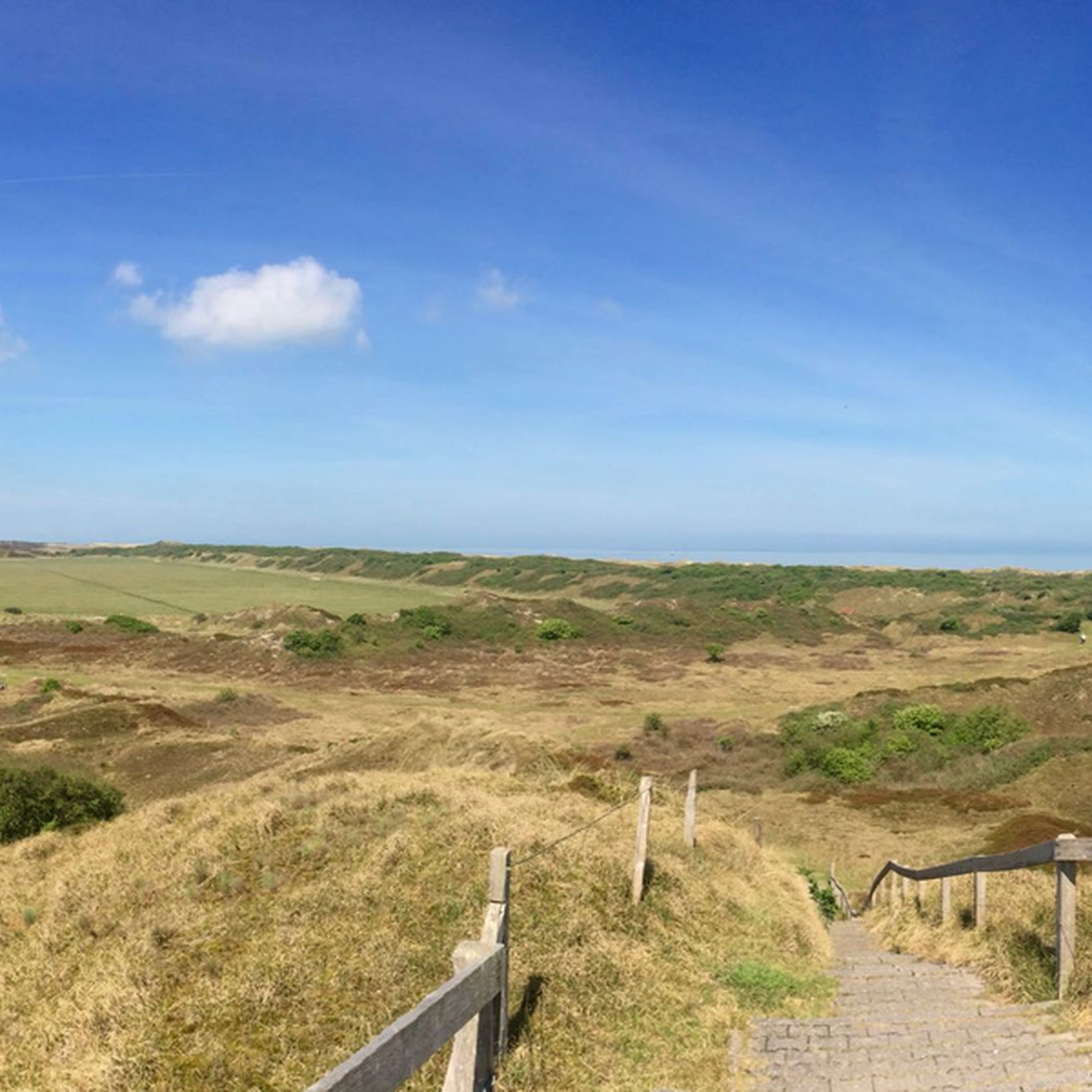
Pirolatal Trail
Highlight (Segment) • Trail
It was …
Translated by Google •
Tip by

Sign up now to discover places like this
Get recommendations on the best single tracks, peaks, & plenty of other exciting outdoor places.
Sign up for free
Bird Warden House Langeoog
Highlight • Viewpoint
Translated by Google •
Tip by
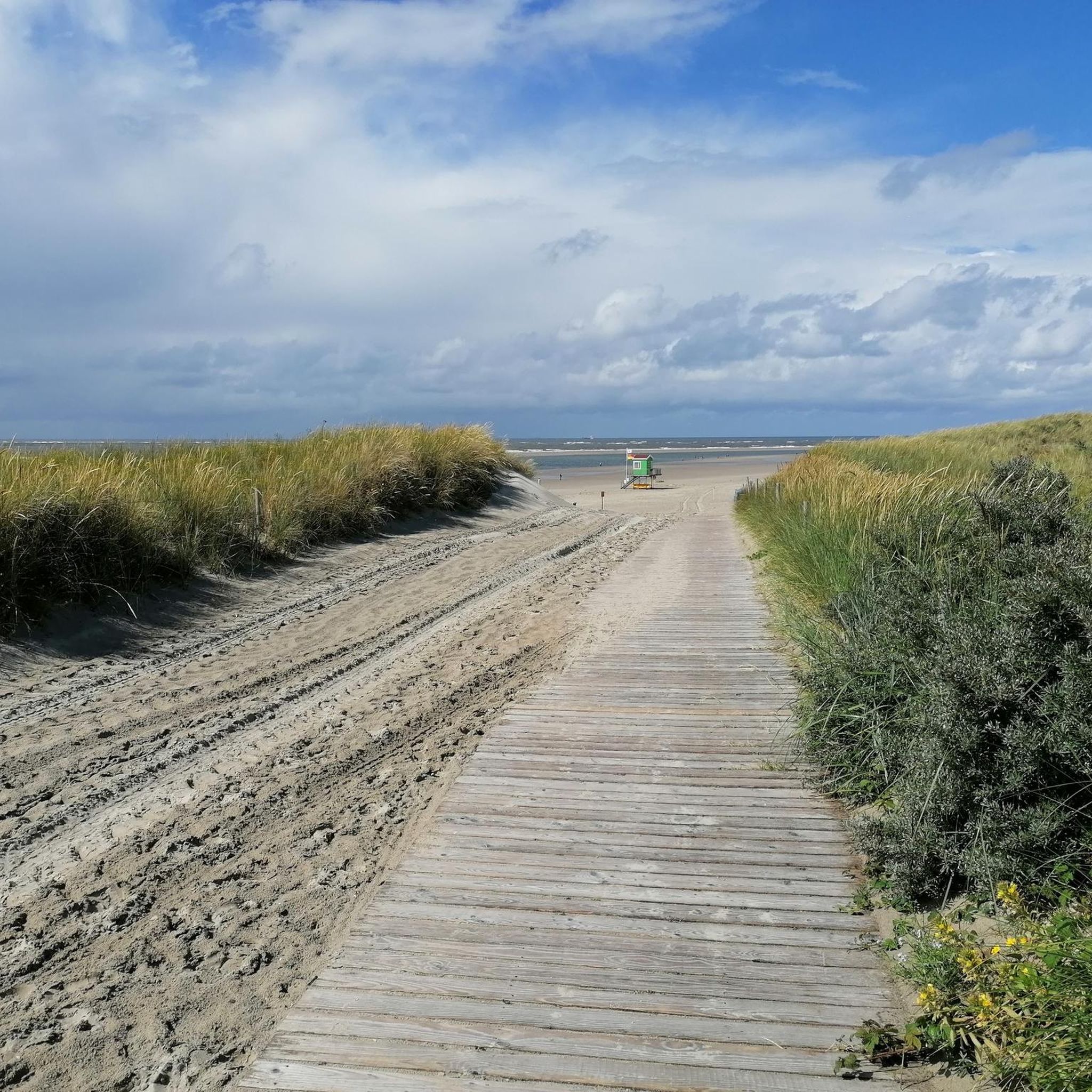
Flinthörn Nature Trail
Highlight (Segment) • Trail
Translated by Google •
Tip by

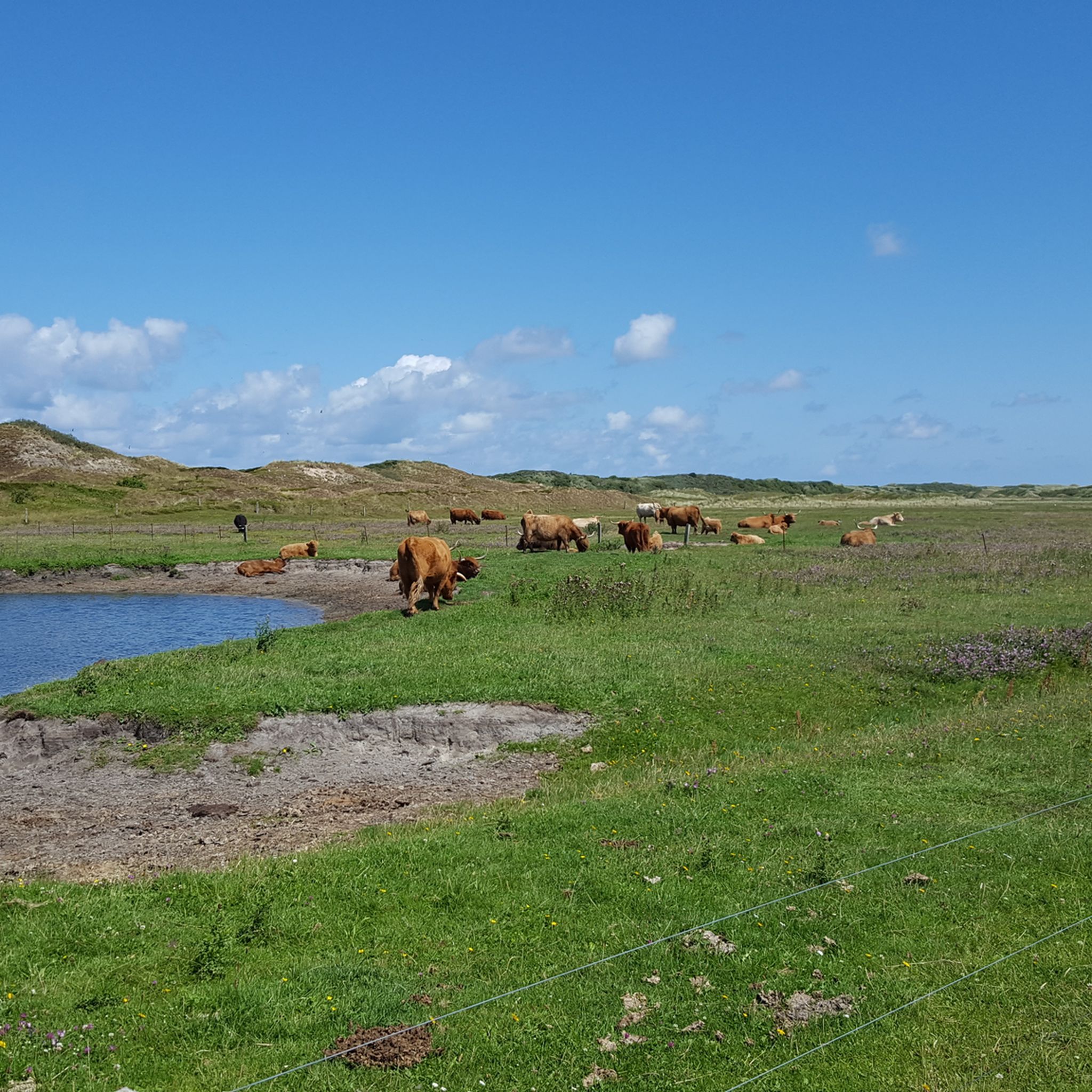
Pirolatal (Crowberry Valley) Dune Valley
Highlight • Natural Monument
Translated by Google •
Tip by

Sign up for free to discover even more natural monuments around Langeoog.
Sign up for free
Already have an account?
Start today with a free account
Your next adventure awaits.
Login or Signup
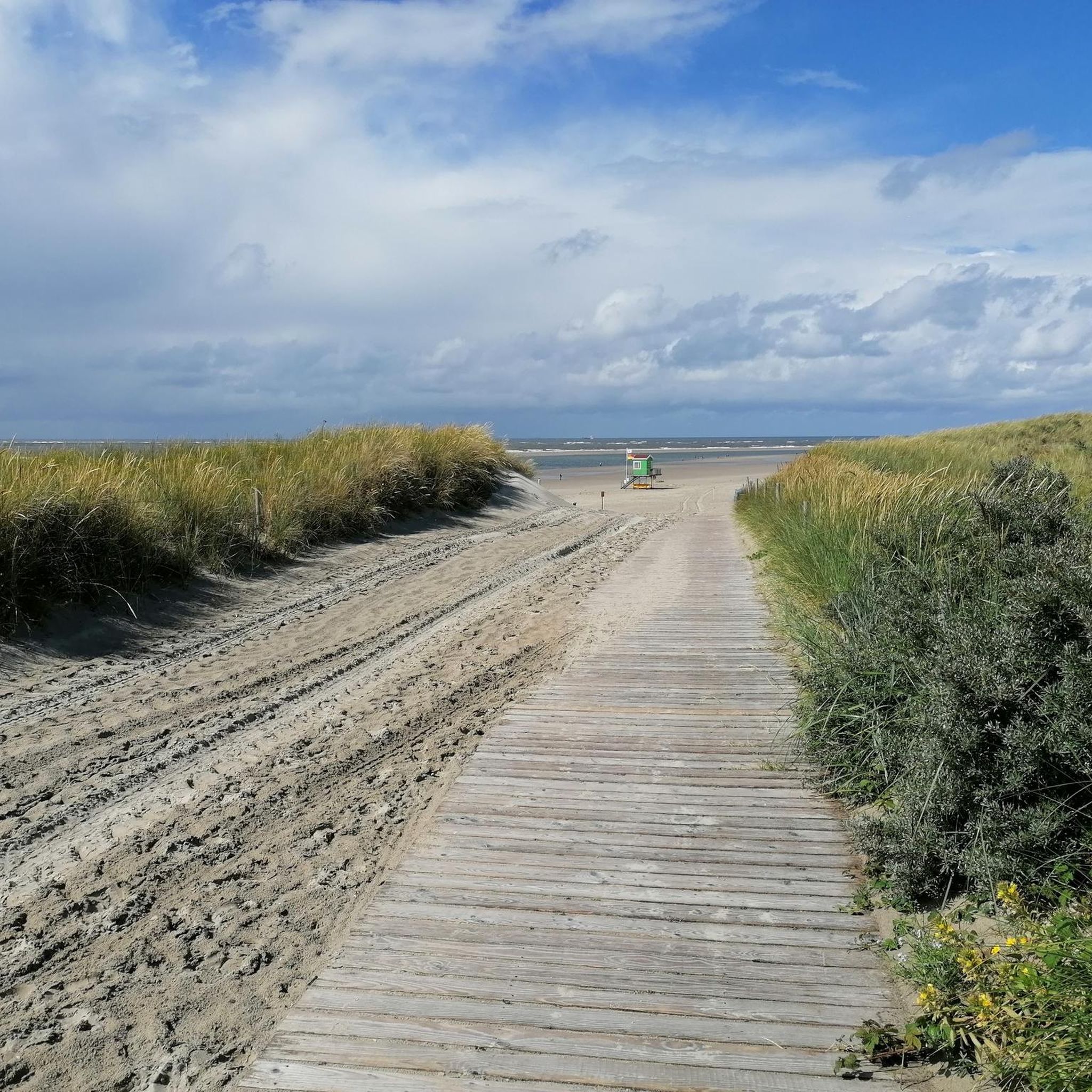
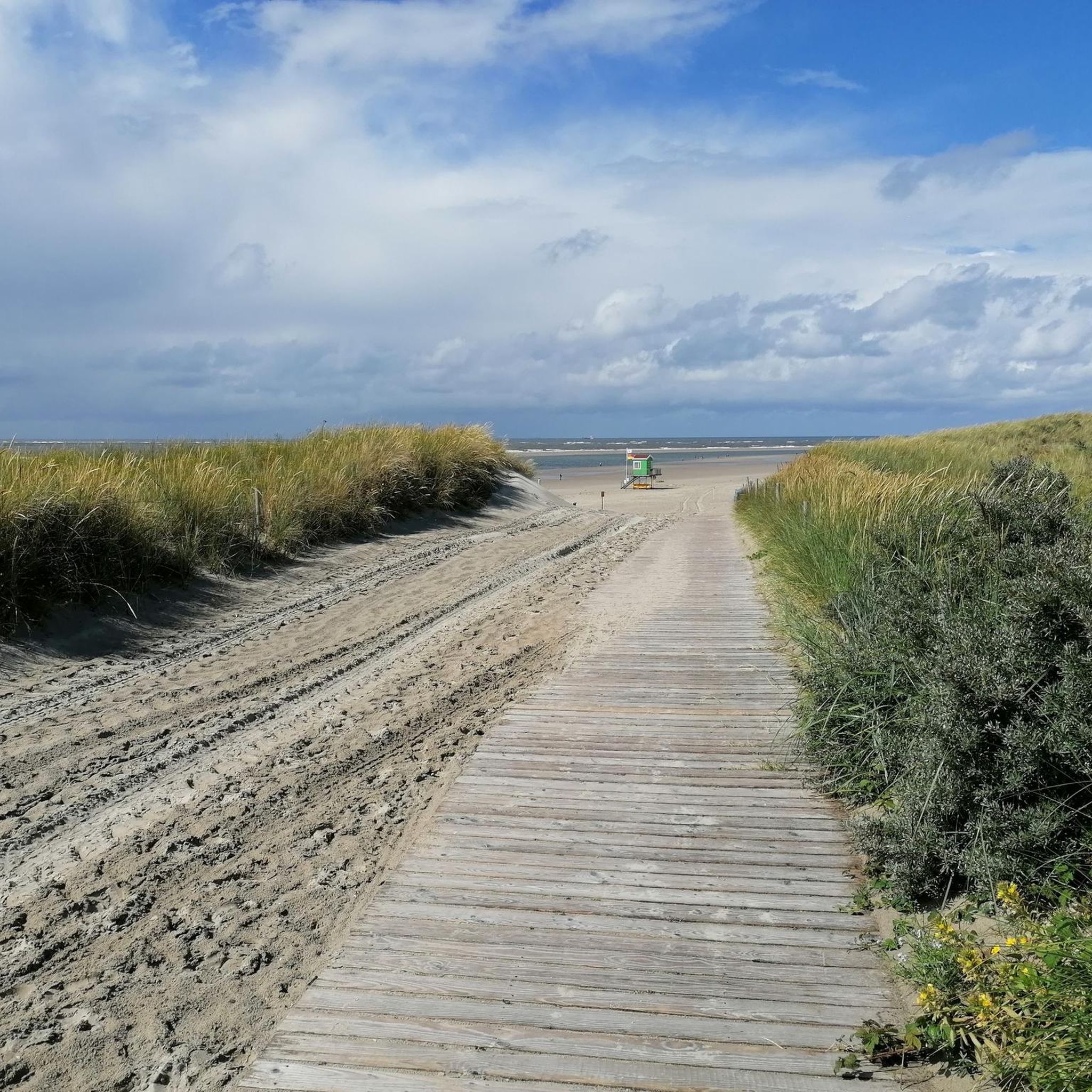
Other adventures around Langeoog

Tips from the Community

In summary, the Wadden Sea is a unique natural landscape located directly on the coasts of the North Sea. Due to its biodiversity, the Wadden Sea is a UNESCO World Heritage Site.
0
0

Along the water, the most beautiful section
3
0

From the dike you can admire both the North Sea and the inland.
6
0

A beautiful piece of earth....
6
0


The Wadden Sea is simply wonderful and a natural play
10
0


The valley is named after the plant Pirola, which has become rare after the valley was drained.
5
0
Frequently Asked Questions
What are some popular natural monuments and trails to explore on Langeoog?
Langeoog offers several significant natural monuments. The Flinthörn Nature Trail is a 1.5 km path within the Wadden Sea National Park, providing insights into the biotope and leading to an observation platform. For panoramic views, visit the Melkhörn Dune (Highest Point on Langeoog), offering vistas over the dunes, Wadden Sea, and North Sea. The Pirolatal Trail is a paved path through a beautiful dune landscape, important for the island's freshwater supply and a habitat for breeding birds.
What unique natural features define Langeoog's landscape?
Langeoog's landscape is characterized by its dynamic dune systems, expansive beaches, and its location within the UNESCO Wadden Sea World Heritage site. The island is largely composed of sand, with dunes reaching up to 20 meters high, providing natural coastal protection. A vital freshwater lens floats beneath the island, supplying drinking water. Additionally, the island features unique salt marshes in the southwest, home to specialized plant and animal species adapted to saline environments.
Where can I find the best panoramic views of Langeoog's natural surroundings?
The Melkhörn Dune (Highest Point on Langeoog) is renowned for offering expansive panoramic views over the dunes, the Wadden Sea, and the North Sea. It remains one of Langeoog's most beautiful viewpoints, despite some sand erosion over time.
Are there family-friendly natural monuments or activities on Langeoog?
Yes, several natural monuments on Langeoog are suitable for families. The Flinthörn Nature Trail is family-friendly, with illustrated information boards explaining habitats in a simple, child-friendly way. The Bird Warden House Langeoog offers an exhibition about the Wadden Sea and bird protection, with a viewing platform for observing birdlife, which can be engaging for children. The Pirolatal Trail is paved and sheltered, making it accessible for families with strollers.
What outdoor activities can I do near Langeoog's natural monuments?
Langeoog's natural monuments are ideal for various outdoor activities. You can enjoy hiking through the dune landscapes, cycling on paved paths like the Pirolatal Trail, or birdwatching from observation platforms such as the Flinthörn Observation Platform. The Wadden Sea offers unique opportunities for guided mudflat tours. For more specific routes, you can explore hiking routes around Langeoog, road cycling routes, or running trails.
What is the best time to visit Langeoog's natural monuments?
The best time to visit Langeoog's natural monuments largely depends on your interests. Spring and autumn are excellent for birdwatching, as thousands of migratory birds rest in the Wadden Sea. Summer offers pleasant weather for exploring beaches and dunes. The island's car-free status and tranquil environment make it enjoyable year-round for those seeking natural beauty.
Are there any specific regulations or access permits needed for Langeoog's natural areas?
The Wadden Sea surrounding Langeoog is part of the Lower Saxony Wadden Sea National Park, a UNESCO World Heritage site. Certain areas, like the Flinthörn, are designated as quiet zones (protection zone I) and have restricted access to protect wildlife. While the Flinthörn Nature Trail is accessible, it's important to stay on marked paths and respect signage to protect the sensitive ecosystem. Always check local regulations, especially concerning protected areas and bird sanctuaries.
Can I bring my dog to Langeoog's natural monuments and areas?
Langeoog generally welcomes dogs, but specific regulations apply to natural monuments and protected areas, especially within the Wadden Sea National Park. Dogs are often required to be on a leash, and access may be restricted in certain bird breeding areas or sensitive dune habitats. It's advisable to check local signage or inquire with the local tourism office for the most current dog regulations in specific natural monument areas.
What is the terrain and difficulty level of trails around Langeoog's natural monuments?
The terrain around Langeoog's natural monuments varies. Trails like the Pirolatal Trail are paved and relatively flat, making them easy and accessible. Other paths through the dune landscape can involve sandy, uneven surfaces and gentle inclines, such as the ascent to the Melkhörn Dune. Most trails are considered easy to intermediate, suitable for walking or cycling. For more challenging routes, some longer hiking trails around the island can be found in the hiking guide.
What role do the dunes play in Langeoog's ecosystem and protection?
The extensive dune landscape of Langeoog is a crucial natural monument, serving multiple vital roles. Dunes act as a natural protective barrier against storm surges and coastal erosion, safeguarding the island. They also host a unique ecosystem with specialized plant and animal species adapted to the sandy environment. Crucially, the dunes are integral to the island's freshwater supply, as they protect the freshwater lens that floats over saltwater beneath the island, providing drinking water.
What is the significance of the Wadden Sea surrounding Langeoog?
The Wadden Sea surrounding Langeoog is part of the Lower Saxony Wadden Sea National Park and holds UNESCO World Heritage status. This unique coastal ecosystem of tidal flats, sandbanks, and mudflats is globally significant for its biodiversity. It serves as a vital resting and feeding ground for millions of migratory birds, making it an invaluable area for birdwatching. The Wadden Sea underscores Langeoog's importance as a natural preserve and a dynamic habitat.
Are there any historical or cultural sites related to Langeoog's natural monuments?
While Langeoog's natural monuments are primarily ecological, some sites offer a blend of nature and history. The Bird Warden House Langeoog, located on the edge of a bird sanctuary, provides information on the UNESCO World Natural Heritage and coastal protection, offering a cultural context to the natural environment. The name of the Melkhörn Dune itself, meaning 'Melkecke' (milking corner), hints at the island's past agricultural use.
Most popular attractions around Langeoog

Get inspired with the komoot mobile app


Explore more
Extend your search for the best caves by checking out these guides of the top ones around Langeoog:
