Top 20 Natural Monuments around Wangerooge
Best natural monuments around Wangerooge include a diverse range of protected landscapes. Wangerooge is a car-free East Frisian island in the North Sea, largely protected as part of the Lower Saxon Wadden Sea National Park and a UNESCO World Heritage site. Its ecosystem features dynamic intertidal zones, extensive sand dunes, and significant salt marshes. These natural features offer unique experiences for nature enthusiasts and are notable landmarks.
Best natural monuments around Wangerooge
- The most popular natural monument is Kohhukdüne Viewpoint…
Last updated: May 11, 2026
Kohhukdüne Viewpoint
Highlight • Viewpoint
Translated by Google •
Tip by

De Utkieker sculpture and viewpoint
Highlight • Viewpoint
Translated by Google •
Tip by

Sign up now to discover places like this
Get recommendations on the best single tracks, peaks, & plenty of other exciting outdoor places.
Sign up for free
Stargazing Spot Spiekeroog
Highlight • Viewpoint
Translated by Google •
Tip by

Rest Area I/29, Spiekeroog Wadden Sea
Highlight • Natural
Translated by Google •
Tip by
Friederike's Grove
Highlight • Forest
Translated by Google •
Tip by

Sign up for free to discover even more natural monuments around Wangerooge.
Sign up for free
Already have an account?
Start today with a free account
Your next adventure awaits.
Login or Signup
Other adventures around Wangerooge

Tips from the Community


Rubber boots wouldn't have helped today. The water was almost up to my knees. Wading shoes would be better. A cool experience, definitely recommended!
0
0

The numerous paths through the dunes and the small forests, the intact nature, a wonderful highlight.💚 Here from above a wonderful 360 degree panoramic view 💚💙👌🏼.
4
0

Dark point from which you can see the stars well at night
1
1
High viewing dune with a view to the north of the beach, to the west of the Friederiken grove, to the south of the salt marshes and to the east of the Hermann Lietz School
4
1

Very nice resting point and great for star gazing
2
0
Let the calm sink in and take a deep breath
4
1
Very nice quiet hiking trails
2
2
Frequently Asked Questions
What are some unique natural monuments to explore on Wangerooge?
Wangerooge offers a variety of unique natural monuments. You can visit the Kohhukdüne Viewpoint, a 16-meter high viewing dune providing panoramic views of the island's landscape and the ocean. Another special spot is Friederike's Grove, a forest area planted for dune protection where you can enjoy silence and walk barefoot on soft sandy soil. The island also features extensive sand dunes, significant salt marshes, and a unique heather landscape in its western part.
What natural features define Wangerooge's landscape?
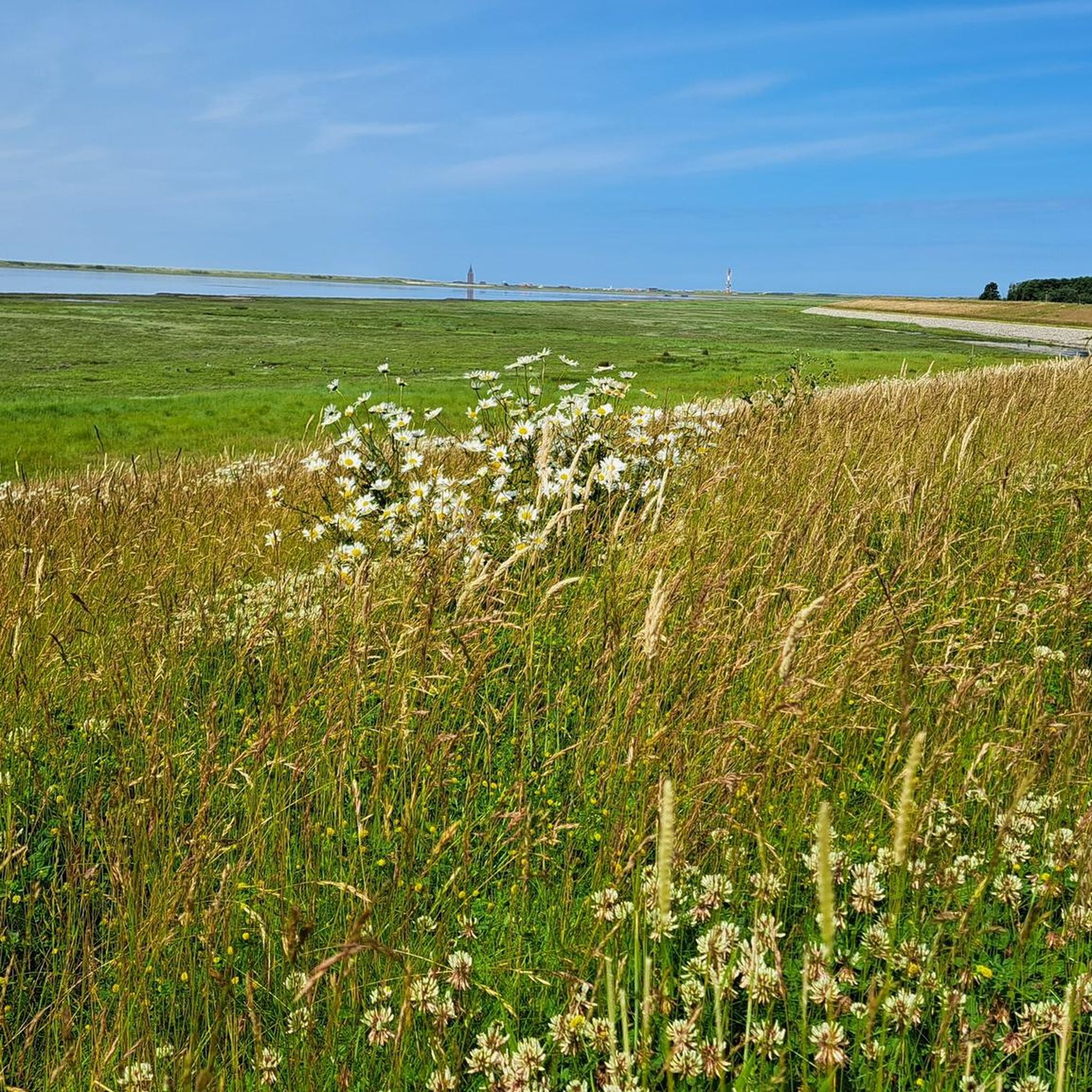
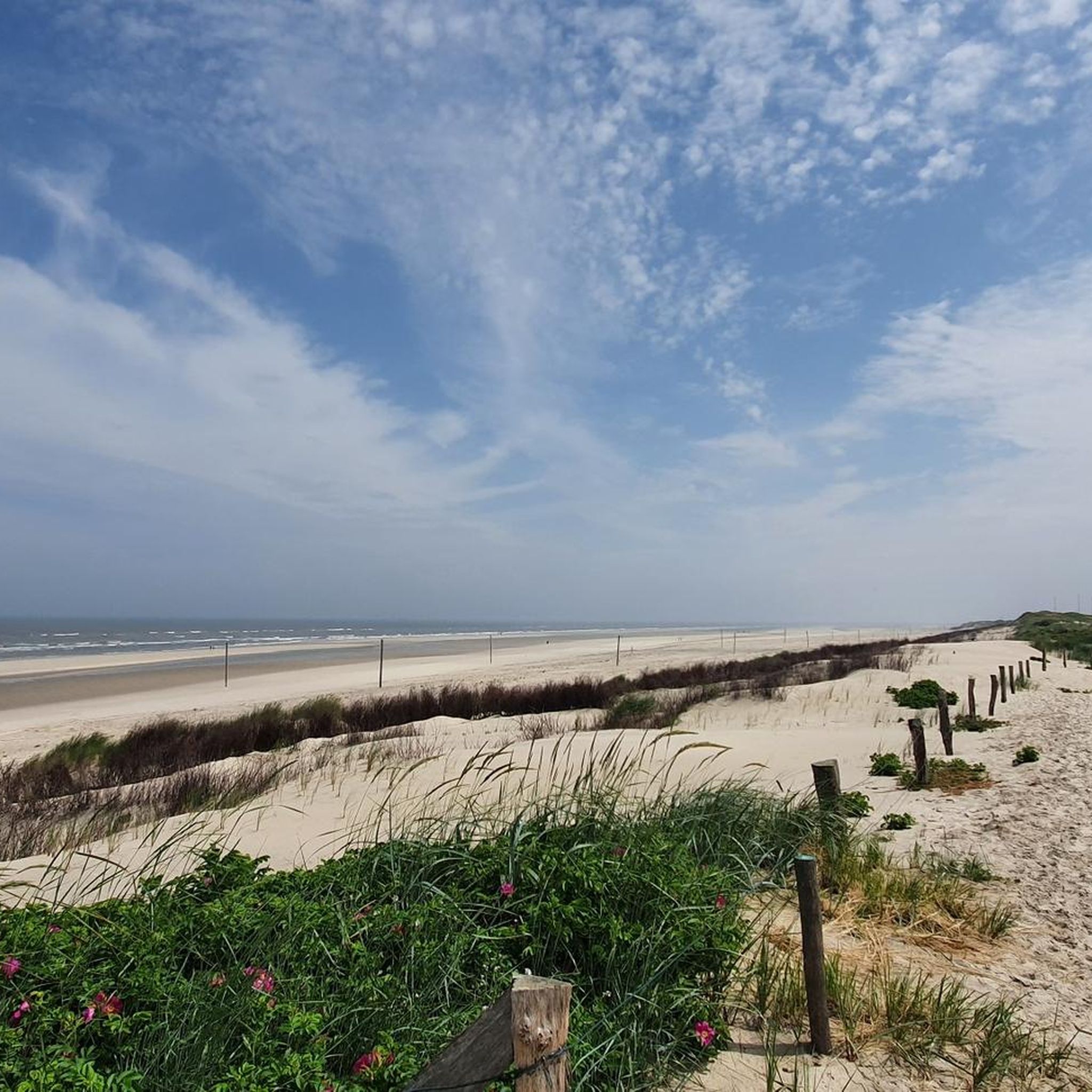
Wangerooge's landscape is primarily defined by its extensive sand dunes, the globally important Wadden Sea, and significant salt marshes. The island is part of the Lower Saxon Wadden Sea National Park, a UNESCO World Heritage site, showcasing a dynamic intertidal zone, fine white sandy beaches, and diverse ecosystems that support a rich array of flora and fauna.
What is the best time to visit Wangerooge for experiencing its natural monuments?
The best time to visit Wangerooge largely depends on your preferred activities. The island's natural monuments, such as the Wadden Sea and dunes, can be enjoyed year-round. Spring and autumn are ideal for birdwatching in the salt marshes and nature reserves like Flinthörn, as many migratory birds pass through. Summer offers pleasant weather for beach activities and exploring the dunes, while the car-free nature of the island makes it a peaceful retreat in any season.
Where can I learn more about the natural environment of Wangerooge?
To deepen your understanding of Wangerooge's natural environment, including its flora, fauna, dunes, beaches, and the Wadden Sea, you can visit the National Park House Wangerooge. It serves as an essential information and education center, offering exhibitions on the island's unique ecosystems. You can find more information at nationalpark-wattenmeer.de.
Are there family-friendly natural monuments on Wangerooge?
Yes, several natural monuments on Wangerooge are suitable for families. The Friederike's Grove is a great spot for a quiet walk, and children can enjoy walking barefoot on the sandy soil. The De Utkieker sculpture and viewpoint offers an interesting landmark and expansive views that can be enjoyed by all ages. The island's wide, sandy beaches are also perfect for family activities and exploration.
Can I observe wildlife at Wangerooge's natural monuments?
Absolutely. Wangerooge is a prime location for wildlife observation, especially birdwatching. The Wadden Sea is a vital habitat and feeding ground for over 200 bird species annually, with around 70 species breeding on the island. The salt marshes in the south and the Flinthörn and "Alter Vorposten" nature reserve at the western tip are particularly significant for observing rare bird species.
Are there any viewpoints offering panoramic views of the island?
Yes, Wangerooge boasts several excellent viewpoints. The Kohhukdüne Viewpoint, standing at 16 meters high, offers a 360-degree panoramic view of the dune landscape and the ocean. Another notable spot is the De Utkieker sculpture and viewpoint, which, at about 25 meters high, provides a beautiful vantage point over the dunes and the sea. The Jever viewing platform also offers breathtaking panoramic views of the North Sea and the island's natural beauty.
What kind of terrain can I expect when exploring Wangerooge's natural monuments?
When exploring Wangerooge's natural monuments, you can expect diverse terrain. The island features extensive, undulating sand dunes, which can create an "ethereal unworldly quality." There are also vast, fine white sandy beaches, significant salt marshes, and some small wooded areas like Friederike's Grove. The Wadden Sea itself is an intertidal zone, best explored during guided mudflat hikes.
What outdoor activities can I do near Wangerooge's natural monuments?
Near Wangerooge's natural monuments, you can enjoy a variety of outdoor activities. The island is excellent for walking and cycling through the dunes and along the beaches. You can find numerous routes for road cycling, mountain biking, and running. For example, there are running trails like the "Old Lighthouse, Wangerooge – West Tower, Wangerooge loop" or cycling routes such as the "Neuer Leuchtturm loop from Wangerooge." Explore more options on the Wangerooge guide pages for specific sports.
Are there specific trails for running or cycling around Wangerooge's natural monuments?
Yes, Wangerooge offers dedicated trails for both running and cycling that allow you to experience its natural monuments. For running, you can find routes like the "Dike at the Wadden Sea – Street to the East (Wangerooge) loop." Cyclists can explore trails such as the "Westgrodendeich – West Tower, Wangerooge loop." These routes often take you through dune landscapes, along the Wadden Sea, and past other natural highlights. You can find detailed information on these and other routes in the running and cycling guides for Wangerooge.
What do visitors enjoy most about the natural monuments around Wangerooge?
Visitors particularly enjoy the tranquility and intact nature of Wangerooge's natural monuments. The panoramic views from spots like the Kohhukdüne Viewpoint are highly praised, offering expansive vistas of the dunes and ocean. The unique experience of walking barefoot in Friederike's Grove and the opportunity to observe diverse bird species in the Wadden Sea and salt marshes are also frequently highlighted.
What is the significance of the Wadden Sea near Wangerooge?
The Wadden Sea, bordering Wangerooge, is a UNESCO World Heritage site and a globally important intertidal zone. It is a dynamic and relatively young ecosystem, crucial for its role as a habitat and feeding ground for an extraordinary array of wildlife, especially migratory birds. Exploring it, often through guided mudflat hikes, offers unique insights into the interplay between sea and land and its ecological significance.
Are there opportunities for stargazing near Wangerooge?
Yes, the region offers excellent opportunities for stargazing. The nearby island of Spiekeroog, for example, has been recognized as a 'star island' by the International Dark Sky Association (IDA) due to its impressive starry sky, largely unobstructed by artificial lights. While on Wangerooge, areas away from the main village, particularly within the dunes or along the quieter stretches of beach, can also provide good conditions for observing the night sky.
How can I explore the unique dune landscapes of Wangerooge?
Wangerooge's unique dune landscapes can be explored through various walking and cycling paths that crisscross the island. These protected areas offer a distinct experience, with the "look-out dune" being the island's highest elevation at 17 meters, providing expansive views. The fine white sandy beaches extending into vast sand deposits also form part of this dynamic dune system, perfect for peaceful walks.
Most popular attractions around Wangerooge

Get inspired with the komoot mobile app


Explore more
Extend your search for the best caves by checking out these guides of the top ones around Wangerooge:
