Top 20 Natural Monuments around Ottersberg
Best natural monuments around Ottersberg are found within Lower Saxony, a region characterized by its river lowlands and natural areas. The landscape features the Wümme River and its expansive Wümmewiesen (Wümme Meadows), which are significant for their ecological role and scenic beauty. These areas provide opportunities for outdoor activities such as hiking and cycling. Ottersberg offers a blend of natural features, including designated nature reserves and prominent natural landmarks.
Best natural monuments around Ottersberg
- The most popular natural monuments is…
Last updated: August 18, 2026
New Wümme Bridge in Lilienthal
Highlight • Bridge
Translated by Google •
Tip by

Neue Weser Nature Reserve
Highlight • Lake
Translated by Google •
Tip by

Sign up now to discover places like this
Get recommendations on the best single tracks, peaks, & plenty of other exciting outdoor places.
Sign up for free
Hedge Chapel in Bremen’s Bürgerpark
Highlight • Structure
Translated by Google •
Tip by

Borgfelder Wümmewiesen Nature Reserve
Highlight • Natural Monument
Translated by Google •
Tip by

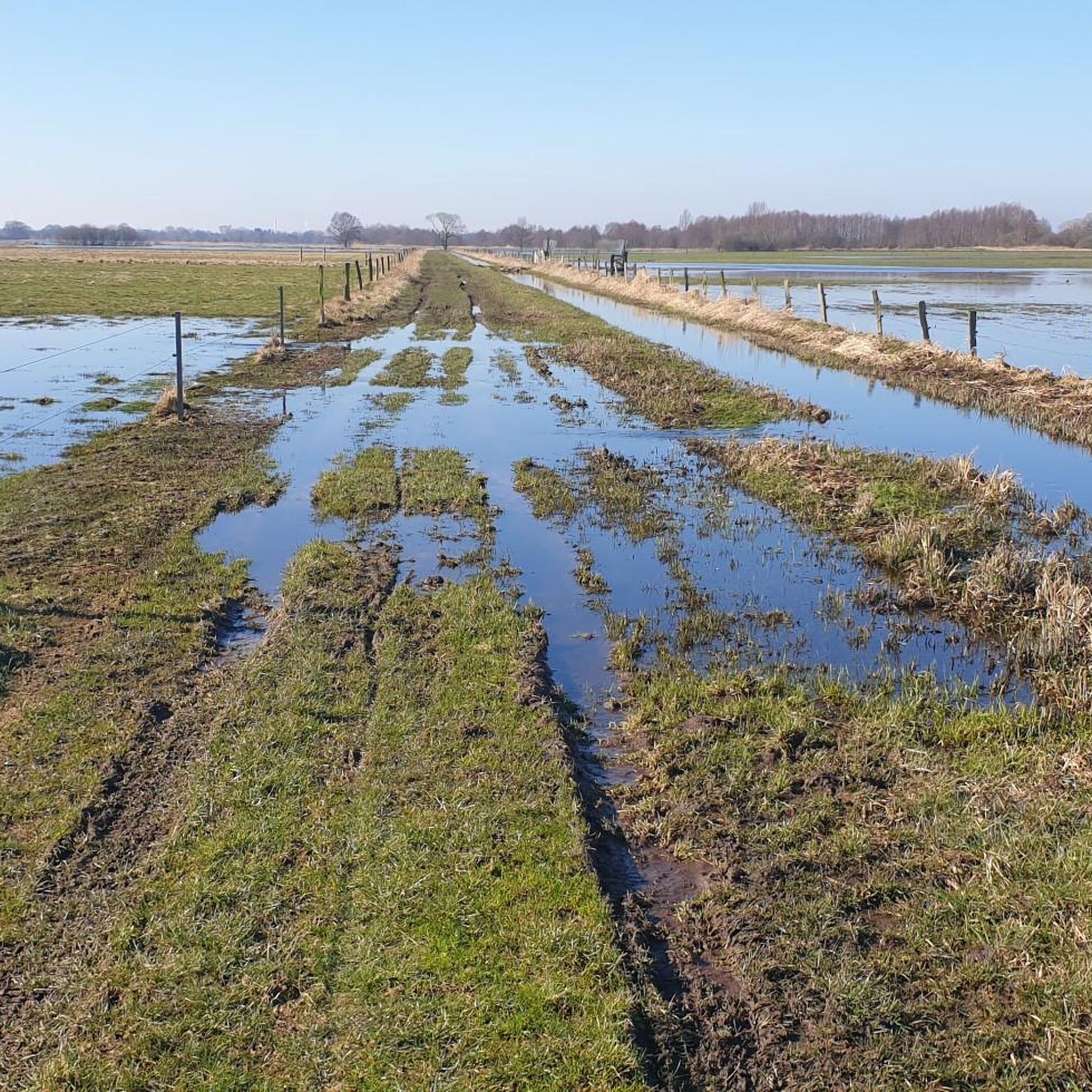
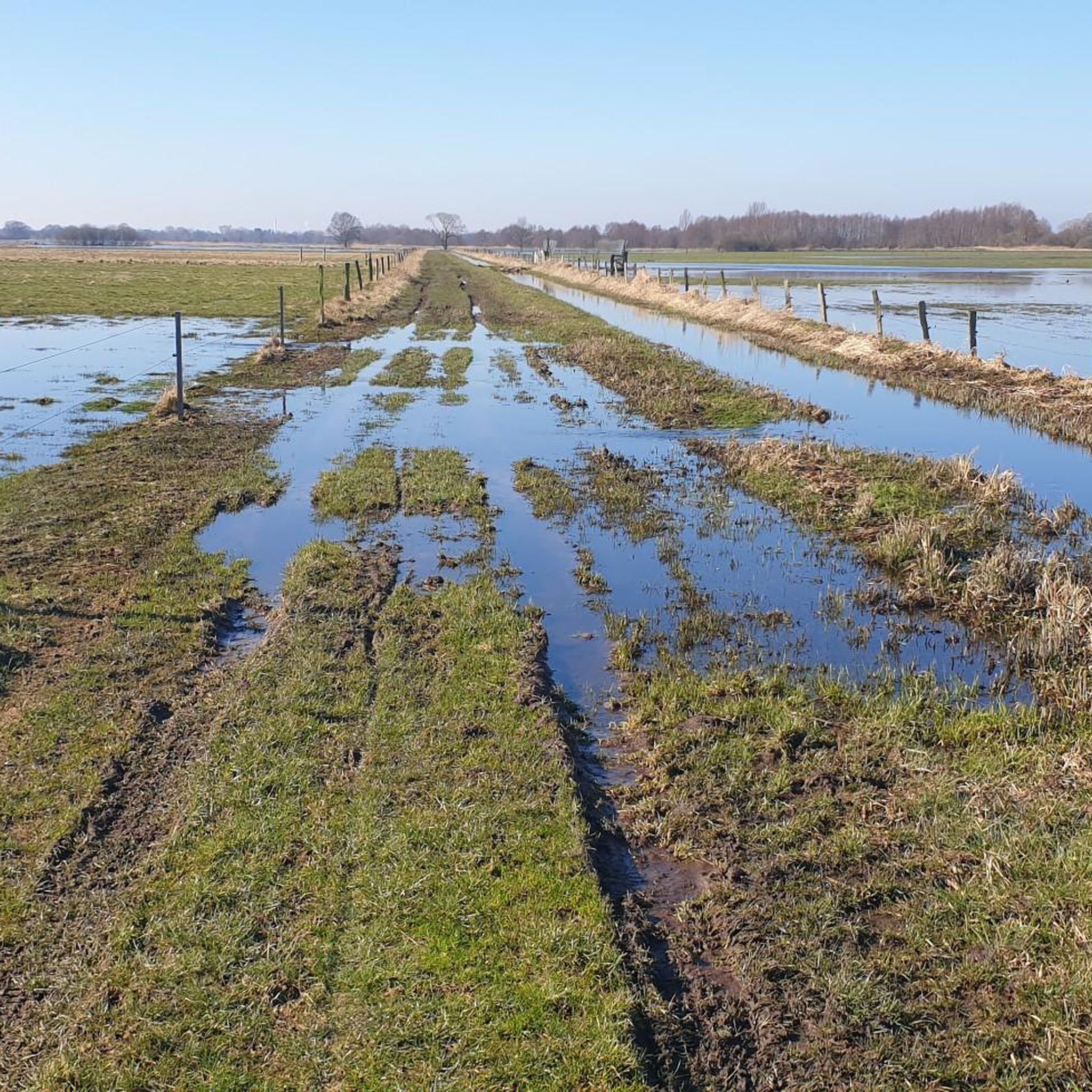
Fischerhude Wümme Lowlands Nature Reserve
Highlight • Natural Monument
Translated by Google •
Tip by

Sign up for free to discover even more natural monuments around Ottersberg.
Sign up for free
Already have an account?
Start today with a free account
Your next adventure awaits.
Login or Signup
Tips from the Community

Nice to ride the bike!
4
0

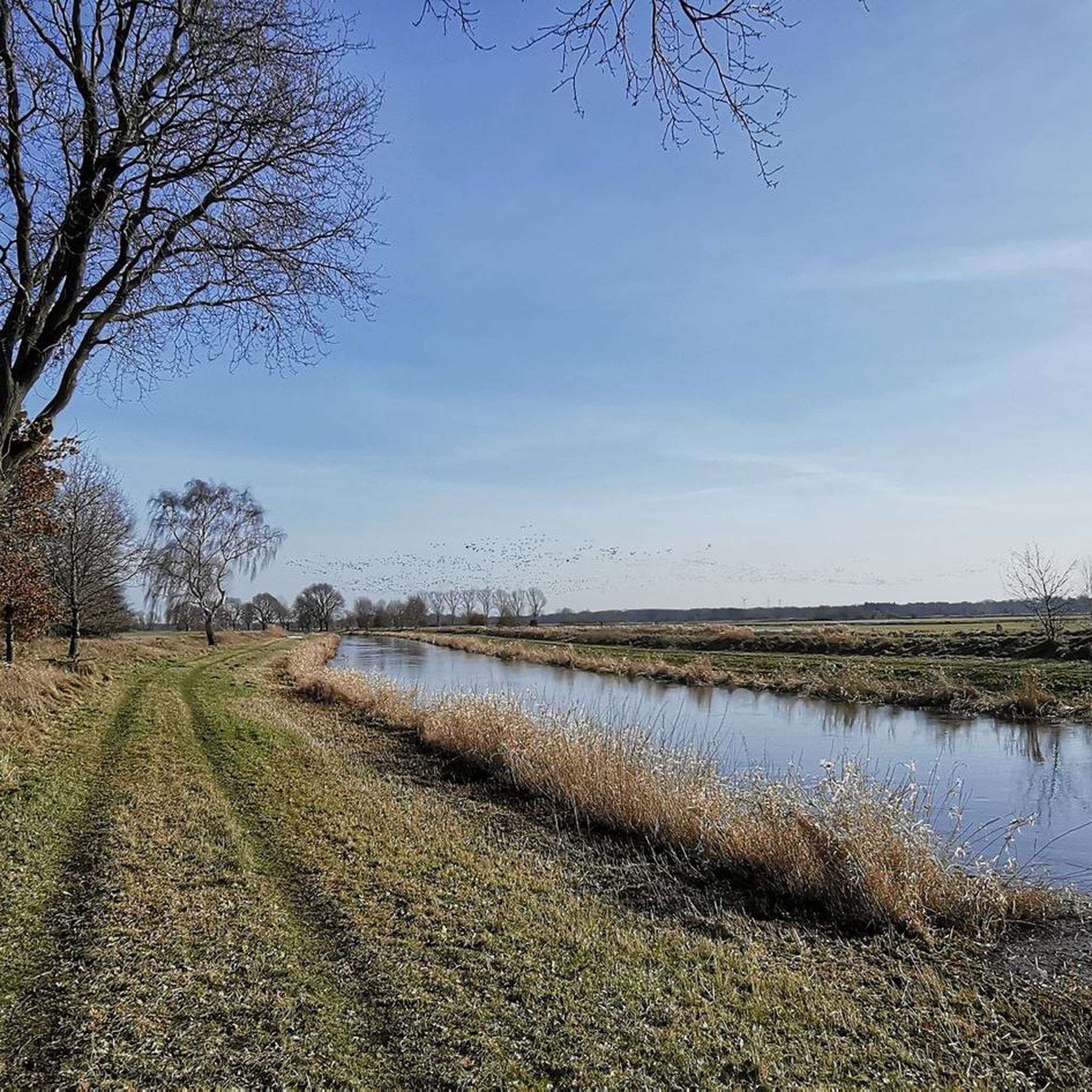
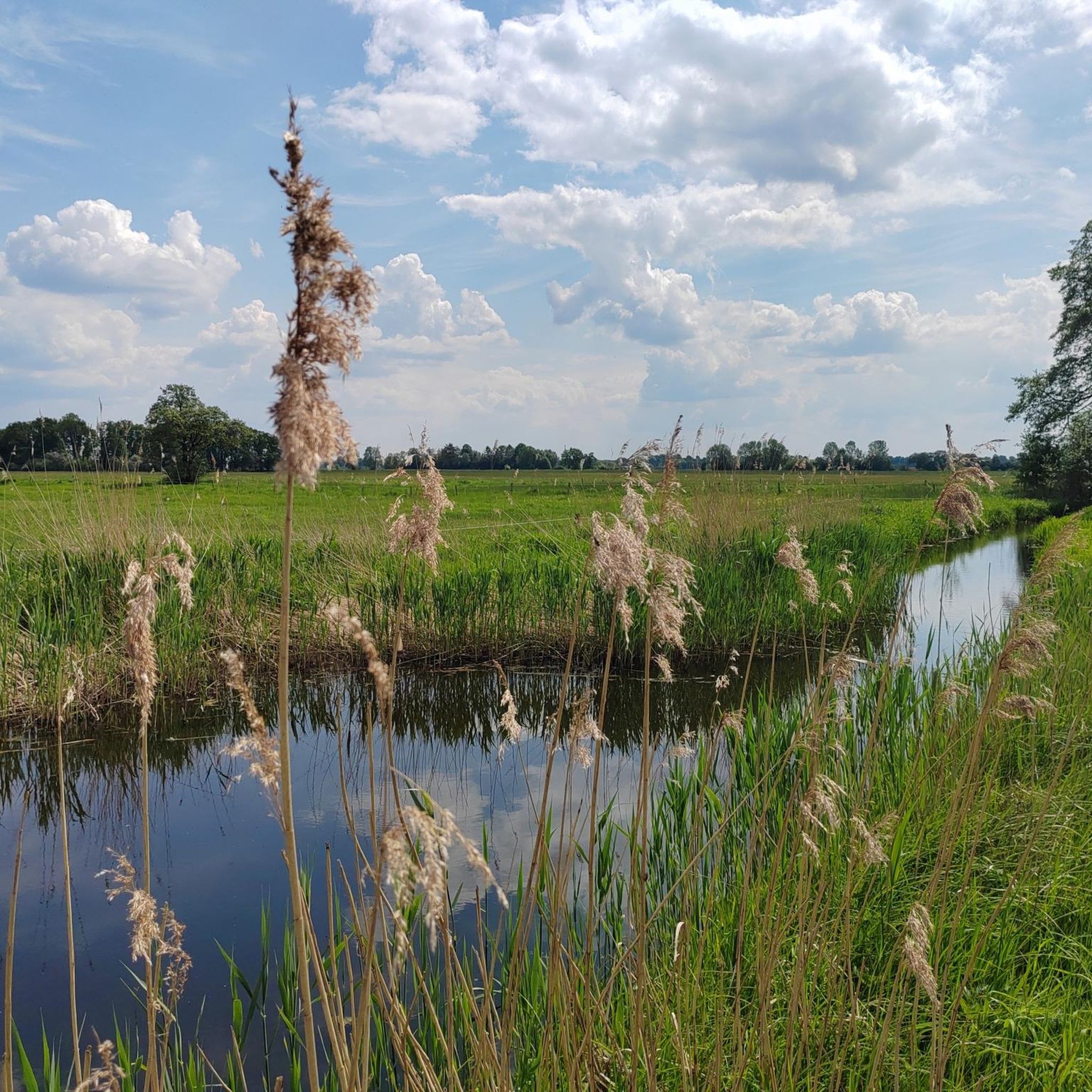
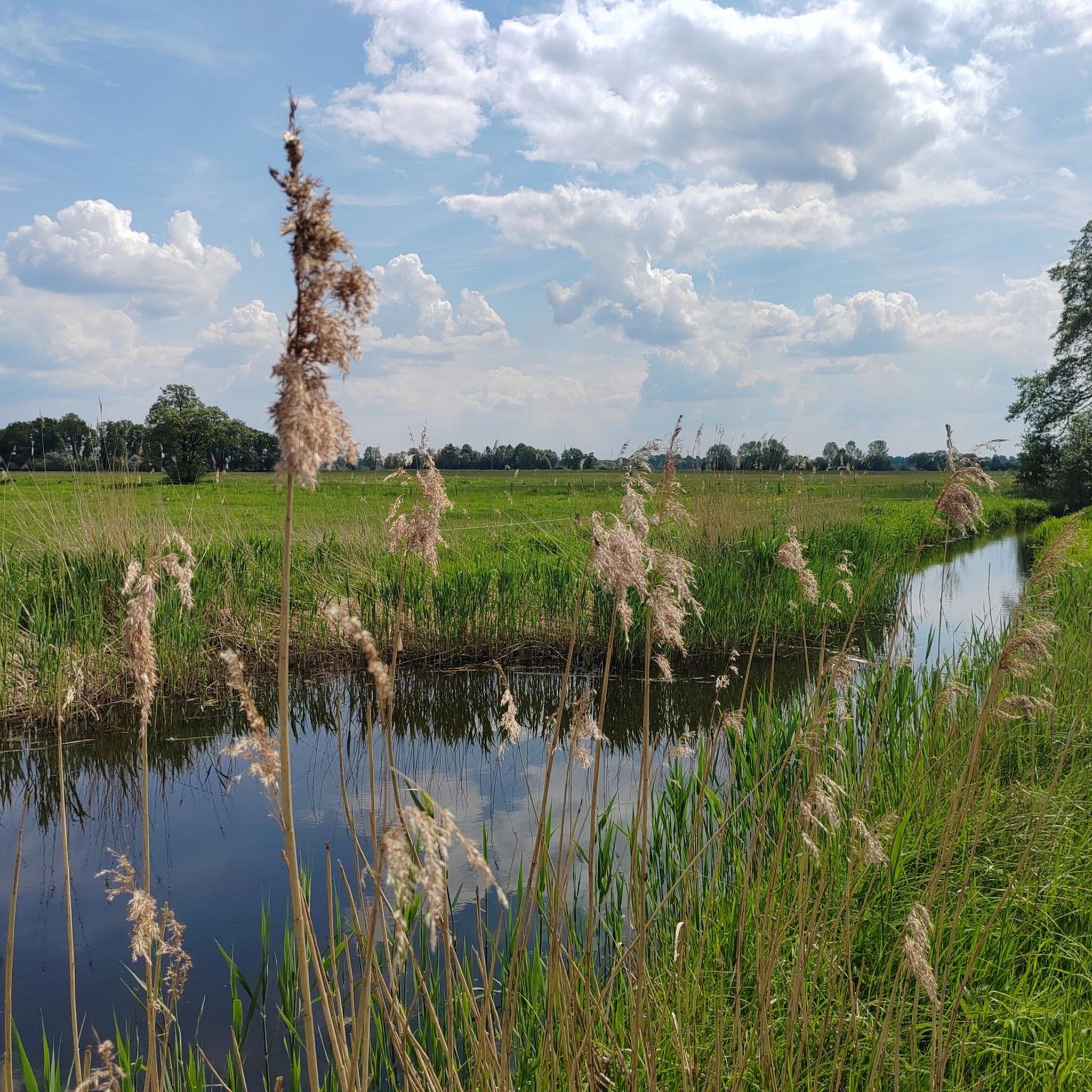
The Wümme is a 121-kilometer-long river in northern Germany that flows through the federal states of Lower Saxony and Bremen. Its source is in the Lüneburg Heath, and it eventually flows into the Lesum, which in turn flows into the Weser. The Wümme partially marks the border between Lower Saxony and Bremen and is the main tributary of the Lesum. Together with the Lesum, the Wümme reaches a total length of 131.2 kilometers. The Wümme flows through several towns and villages, including Lauenbrück, Scheeßel, Rotenburg an der Wümme, Ottersberg, Fischerhude, Lilienthal and Bremen. It is known for its clean water quality and the picturesque landscapes along its course, which are characterized by wide meadows and floodplains.
3
0

Telescopeium Lilienthal Observatory
3
0

Small idyllic river, flows into the Lesum, then further into the Weser and North Sea.
4
0

Nice view of the Wümme.
3
0

Here the Jan-Reimers-Weg crosses the Wümme
1
0

The New Wümm Bridge crosses the river at this point and connects Bremen with Lower Saxony - the border actually runs right along the middle of the river.
3
0
Frequently Asked Questions
What are the most prominent natural features to explore around Ottersberg?
The region around Ottersberg is defined by the Wümme River and its extensive Wümmewiesen (Wümme Meadows). These areas are ecologically significant, forming a bird sanctuary and part of the European Natura 2000 protected area. You can also find specific natural monuments like the designated ash tree, "Naturdenkmal 56 „Esche – markanter Punkt im Landschaftsbild Ottersberg“", which stands out as a notable landmark.
Are there specific natural monuments designated in the Ottersberg area?
Yes, one explicitly designated natural monument is "Naturdenkmal 56 „Esche – markanter Punkt im Landschaftsbild Ottersberg“" (Natural Monument 56 "Ash – striking point in the Ottersberg landscape"). This venerable ash tree is recognized for its prominent presence in the local landscape. Beyond this, the entire Wümme river and its meadows are under nature or landscape protection, offering a broader natural experience.
What kind of natural reserves can I visit near Ottersberg?
You can visit the Borgfelder Wümmewiesen Nature Reserve, which is the largest nature reserve in Bremen and known for its rare plant species and endangered birds, especially when it becomes a flooded meadow landscape in winter. Another significant area is the Fischerhude Wümme Lowlands Nature Reserve, offering well-developed routes for exploring the river landscape.
What outdoor activities are popular near the natural monuments in Ottersberg?
The Wümme River and Wümmewiesen provide extensive opportunities for outdoor activities. You can enjoy hiking and cycling on well-developed paths, exploring the unique river lowlands. Canoeing on the Wümme is also a popular way to experience the river's winding course. For more specific routes, you can explore Cycling around Ottersberg, Road Cycling Routes around Ottersberg, or MTB Trails around Ottersberg.
Are there family-friendly natural monuments or areas suitable for children?
Yes, several areas are family-friendly. The New Wümme Bridge in Lilienthal offers easy access to the idyllic Wümme River. The Neue Weser Nature Reserve is great for birdwatching with observation posts. Additionally, the Hedge Chapel in Bremen’s Bürgerpark, while not in Ottersberg itself, is a popular spot with animal enclosures, mini golf, boat rentals, and playgrounds, making it ideal for families.
Can I bring my dog to the natural areas around Ottersberg?
Yes, many natural areas, including the Borgfelder Wümmewiesen Nature Reserve, are dog-friendly. When visiting, it's generally recommended to keep dogs on a leash, especially in nature reserves, to protect wildlife and ensure a pleasant experience for all visitors.
What is the best time of year to visit the Wümme Meadows?
The Wümme Meadows offer different experiences throughout the year. In winter, they often flood, creating a spectacular bird sanctuary that is internationally important for birdwatching. During spring and summer, the meadows are lush green, ideal for cycling and hiking. The scenic beauty changes with the seasons, offering picturesque views year-round.
Are there viewpoints to appreciate the natural landscape?
Yes, the New Wümme Bridge in Lilienthal offers views of the idyllic Wümme River. The Neue Weser Nature Reserve has observation posts for birdwatching, providing a unique perspective on the water landscape. The expansive Wümmewiesen themselves offer wide, open views of the largely untouched river landscape.
How can I access the natural monuments and areas by public transport?
While specific public transport details for each individual natural monument are not readily available, the region is generally accessible. For areas like the Wümme River and Wümmewiesen, public transport options to nearby towns like Fischerhude or Ottersberg would be the starting point, followed by walking or cycling to reach the natural areas. It's advisable to check local bus schedules for the most current information.
What makes the Wümme River and Wümmewiesen ecologically significant?
The Wümme River and its meadows are highly significant ecologically. The Wümme branches into an inland delta near Ottersberg, and the Wümmewiesen are primarily grasslands that flood in winter, creating a bird sanctuary of international importance. The entire Wümme river system is under nature or landscape protection and is part of the European Natura 2000 protected area, safeguarding its diverse wetland ecosystems.
Are there any charming villages or cultural spots near the natural monuments?
Yes, the charming village of Fischerhude is nestled amidst the natural beauty of the Wümme River and Wümmewiesen. It's situated on a dune ridge between the Wümme's arms and is known for its traditional architecture, old oak trees, and numerous watercourses. Fischerhude is a popular destination for those who appreciate both art and nature, offering a blend of cultural and natural experiences.
Most popular routes around Ottersberg
Most popular attractions around Ottersberg

Get inspired with the komoot mobile app


Explore more
Extend your search for the best caves by checking out these guides of the top ones around Ottersberg:
