Top 20 Natural Monuments around Burgwedel
Natural monuments around Burgwedel encompass diverse ecosystems and historical features. The region, located in Germany, offers both extensive protected areas and individual notable natural features. These sites provide opportunities to explore wetlands, mature forests, and significant trees. Burgwedel's commitment to nature conservation is evident in its varied natural monuments.
Best natural monuments around Burgwedel
- The most popular natural monuments is Aller River Renaturation and Fish Pass at Theewinkel, a river that allows fish to migrate again. It is an…
Last updated: May 11, 2026
Aller River Renaturation and Fish Pass at Theewinkel
Highlight • River
Translated by Google •
Tip by

Stone Sorting Machine on the Bewegte Steine Geo-Adventure Trail
Highlight • Structure
Translated by Google •
Tip by

Sign up now to discover places like this
Get recommendations on the best single tracks, peaks, & plenty of other exciting outdoor places.
Sign up for free
New fish ladder
Highlight • Structure
Translated by Google •
Tip by

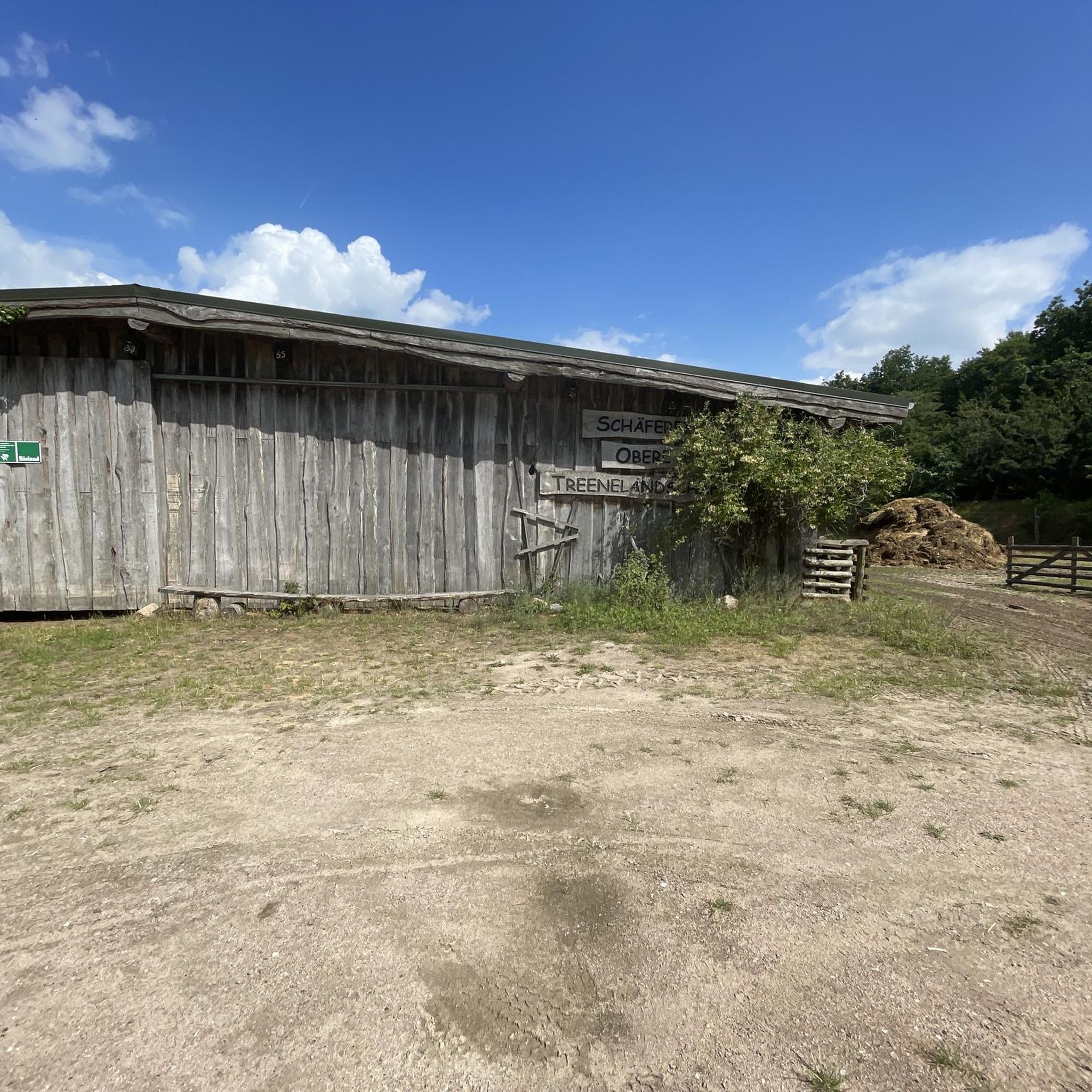
Obere Allerniederung Nature Reserve near Celle
Highlight • Natural
Translated by Google •
Tip by

Allerwehr Osterloh
Highlight • River
Translated by Google •
Tip by

Sign up for free to discover even more natural monuments around Burgwedel.
Sign up for free
Already have an account?
Start today with a free account
Your next adventure awaits.
Login or Signup
Popular around Burgwedel
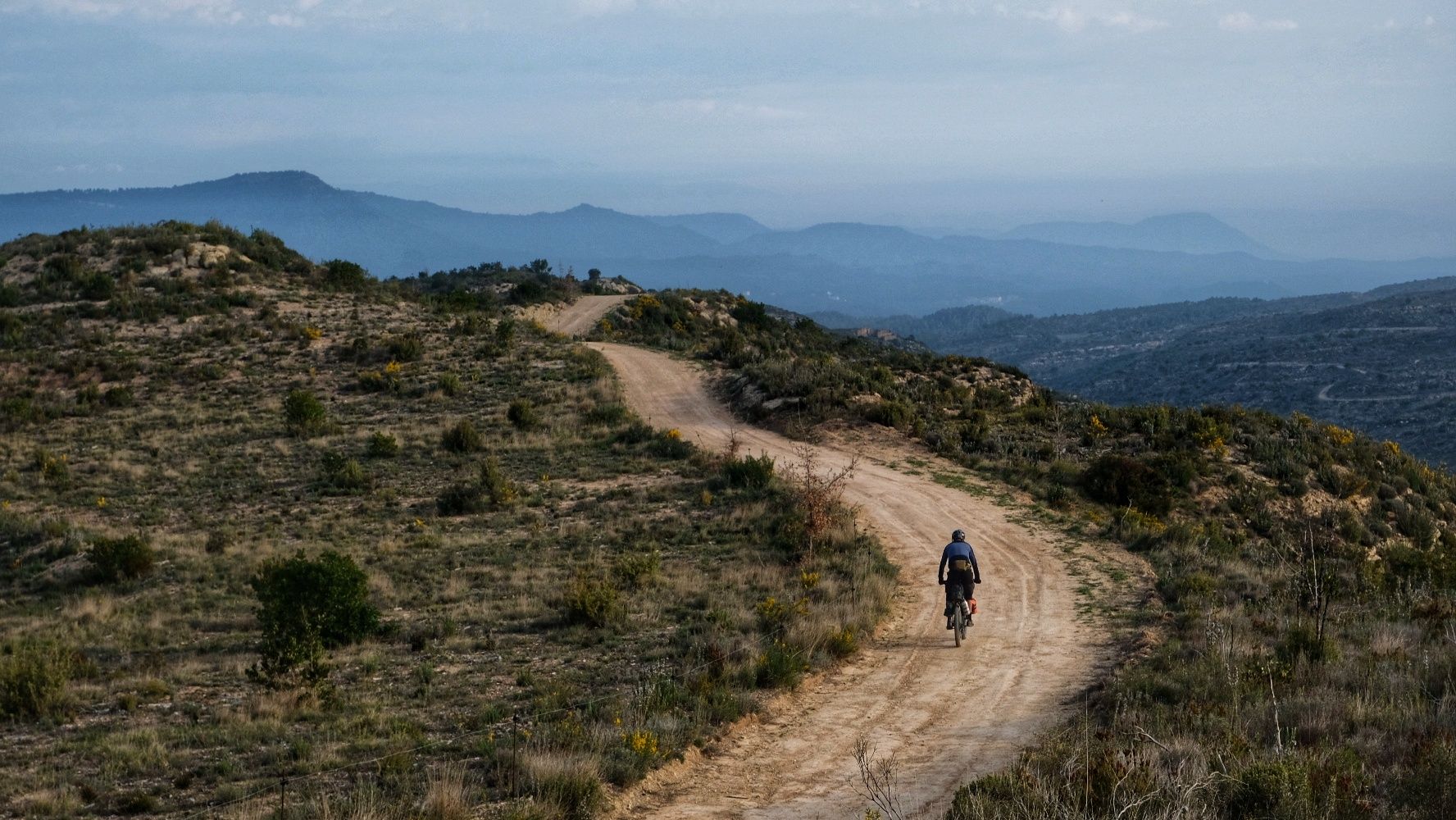
European Divide Trail — 7,600 km across the continent
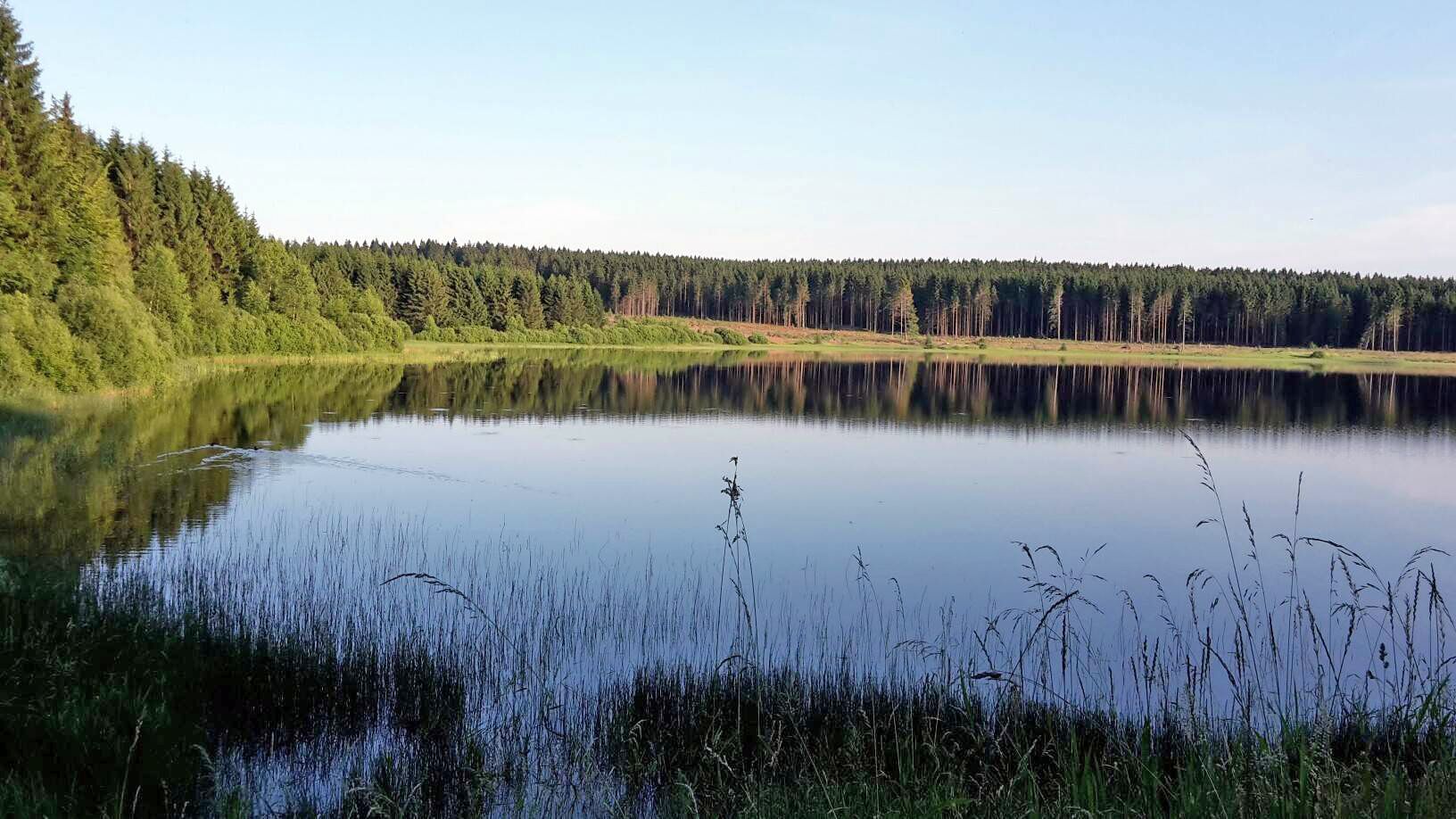
The best swimming lakes in Lower Saxony
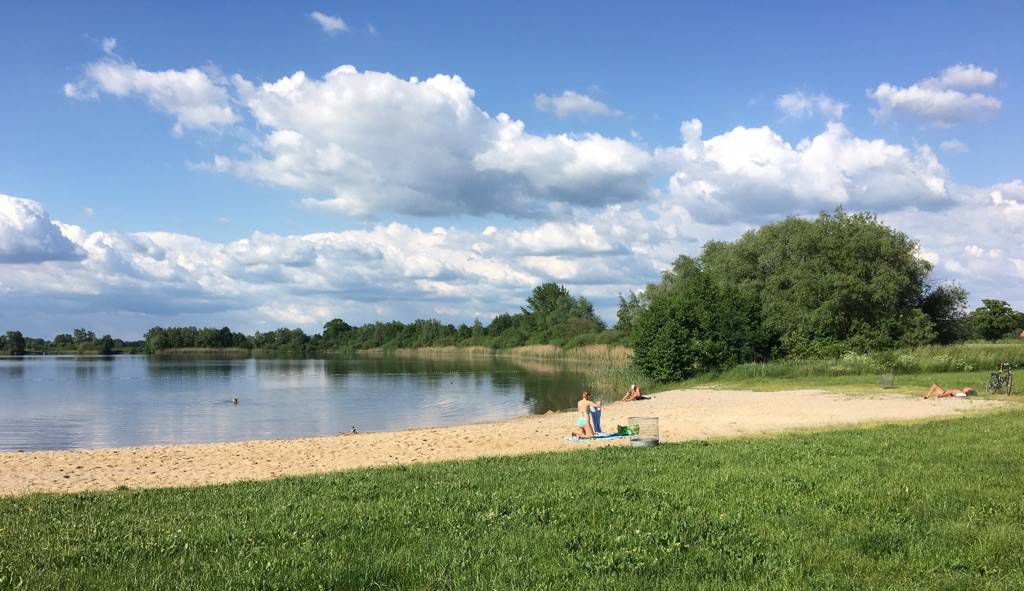
The best swimming lakes around Hannover
Hiking around Burgwedel
Cycling around Burgwedel
Road Cycling Routes around Burgwedel
Running Trails around Burgwedel
MTB Trails around Burgwedel
Gravel biking around Burgwedel


Tips from the Community

It's always beautiful here.
1
1

If possible, do not drive there by car on the very bad residential road and end up parking in a no-parking zone, but start the hike in the beautiful town or come by bike, which is the most beautiful anyway
2
1
If possible, do not drive there by car on the very bad residential road and end up parking in a no-parking zone, but start the hike in the beautiful town or come by bike, which is the most beautiful anyway
2
0

a wonderful place, invites you to enjoy and relax. The sound of the water sounds beautiful in the silence of nature.
5
0

Beautifully situated path between Wiesen and Aller.
9
0
Ideal for cooling off your feet.
13
4
Invites you to take a break with a view of the water.
12
3

It is so wonderful to listen to the sound of the water. I love walking on the stones in the river. In summer the water level is so low that you can walk through it.
6
3
Frequently Asked Questions
What types of natural monuments can I explore in Burgwedel?
Burgwedel offers a diverse range of natural monuments, from extensive nature reserves to individual protected trees and river renaturation projects. You can discover significant wetlands and bogs like Trunnenmoor, mature forest ecosystems such as Kienmoor, and impressive individual trees like ancient Pedunculate Oaks and a striking Copper Beech. The region also features modern ecological projects like the Aller River Renaturation and Fish Pass at Theewinkel.
Are there extensive nature reserves to visit in Burgwedel?
Yes, Burgwedel is home to significant nature reserves. The Trunnenmoor, northeast of Großburgwedel, is an extensive area of low and transitional bogs, wet meadows, and alder carr forests, rich in biodiversity. Another notable reserve is Kienmoor, southeast of Fuhrberg, characterized by uneven-aged pine and spruce stands, some up to 200 years old, offering a glimpse into a mature forest ecosystem.
What unique individual natural monuments are protected in Burgwedel?
Beyond larger reserves, Burgwedel protects several individual natural monuments. These include two venerable Pedunculate Oaks (Stieleiche) in Großburgwedel, likely designated for their age, size, or historical significance. There's also a protected Copper Beech (Blutbuche) in Kleinburgwedel, admired for its striking foliage, and a valuable Wet Meadow (Feuchtwiese) in Fuhrberg, recognized for its ecological importance as a habitat for specialized flora and fauna.
Are there family-friendly natural monuments around Burgwedel?
Absolutely! Many natural monuments in Burgwedel are suitable for families. For instance, the Stone Sorting Machine on the Bewegte Steine Geo-Adventure Trail offers an interactive experience where children can learn about different rock types. The Aller River Renaturation and Fish Pass at Theewinkel and the New fish ladder provide interesting spots to observe river ecosystems and enjoy a break by the water.
What outdoor activities can I do near these natural monuments?
The natural monuments around Burgwedel are excellent starting points for various outdoor activities. You can find numerous cycling routes, such as those detailed in the Cycling around Burgwedel guide, or explore dedicated Road Cycling Routes. For those who prefer off-road adventures, there are also Gravel biking routes that take you through the diverse landscapes surrounding these natural sites.
Can I bring my dog to the natural monuments in Burgwedel?
Generally, many natural areas and trails around Burgwedel are dog-friendly, including some natural monuments. For example, the Stone Sorting Machine on the Bewegte Steine Geo-Adventure Trail is noted as dog-friendly. However, it's always recommended to keep dogs on a leash, especially in nature reserves like Trunnenmoor and Kienmoor, to protect wildlife and sensitive ecosystems. Look for local signage regarding specific rules.
What is the best time of year to visit the natural monuments in Burgwedel?
The best time to visit depends on your interests. Spring and summer offer lush greenery, blooming flora, and active wildlife, making them ideal for exploring wetlands and forests. Autumn provides beautiful fall colors, particularly around the mature trees in Kienmoor and the individual oaks and beeches. Winter can offer serene, quiet walks, especially in the forest areas, though some paths might be muddy or icy. Each season presents a unique experience of Burgwedel's natural beauty.
Are there any specific natural monuments that offer good viewpoints or resting spots?
Yes, several natural monuments provide excellent spots for views and relaxation. The Aller River Renaturation and Fish Pass at Theewinkel is an ideal spot for a break with a view of the water. Similarly, the New fish ladder offers a great rest area by the river. The Obere Allerniederung Nature Reserve near Celle also features benches with direct views of the Aller, perfect for a relaxing stop.
What kind of wildlife can I expect to see in Burgwedel's natural monuments?
Burgwedel's diverse natural monuments support a variety of wildlife. In the wetland areas like Trunnenmoor, you might spot various bird species, amphibians, and insects adapted to moist conditions. The mature forests of Kienmoor provide habitat for forest birds, small mammals, and a rich insect life, especially with the presence of deadwood. The river areas, such as the Aller, are home to fish (thanks to renaturation efforts) and water-loving birds. Keep an eye out for local flora and fauna, but remember to observe from a distance and respect their natural habitat.
Are there any natural monuments that are particularly easy to access or suitable for shorter walks?
For easier access and shorter walks, consider areas like the Aller River Renaturation and Fish Pass at Theewinkel or the New fish ladder, which are often integrated into local cycle paths and offer pleasant, flat routes. The individual tree monuments, such as the Pedunculate Oaks or the Copper Beech, are typically located in more accessible areas within or near communities, making them suitable for a quick visit or a short stroll.
What do visitors enjoy most about the natural monuments in Burgwedel?
Visitors particularly appreciate the tranquility and natural beauty of Burgwedel's natural monuments. Many enjoy the opportunity to observe wildlife, experience unique landscapes like the moorfund of Trunnenmoor, or simply relax by the water at spots like the Aller River renaturation projects. The interactive elements, such as the Stone Sorting Machine, are also a hit, especially with families. The community has shared over 220 photos and given more than 640 upvotes, highlighting the positive experiences.
Most popular routes around Burgwedel
Most popular attractions around Burgwedel

Get inspired with the komoot mobile app


Explore more
Extend your search for the best caves by checking out these guides of the top ones around Burgwedel:
