Top 18 Natural Monuments around Großkampenberg
Natural monuments around Großkampenberg offer diverse natural attractions within the Eifel region. This area is characterized by picturesque hills, green forests, and river valleys like the Irsental. Visitors can explore various marked hiking trails that showcase the region's natural beauty and geological features. The landscape provides opportunities to experience protected natural areas and unique landmarks.
Best natural monuments around Großkampenberg
- The most popular natural monument is European Monument at the Three-Country Point, a monument located where the borders of…
Last updated: June 24, 2026
European Monument at the Three-Country Point
Highlight • Monument
Translated by Google •
Tip by

Alfbach Valley
Highlight • River
Translated by Google •
Tip by

Sign up now to discover places like this
Get recommendations on the best single tracks, peaks, & plenty of other exciting outdoor places.
Sign up for free
Old railway line
Highlight (Segment) • Monument
Translated by Google •
Tip by

View of the Our Valley
Highlight (Segment) • Viewpoint
Translated by Google •
Tip by
Beaver Habitat in Naturpark Hohes Venn-Eifel
Highlight • Natural
Translated by Google •
Tip by

Sign up for free to discover even more natural monuments around Großkampenberg.
Sign up for free
Already have an account?
Start today with a free account
Your next adventure awaits.
Login or Signup
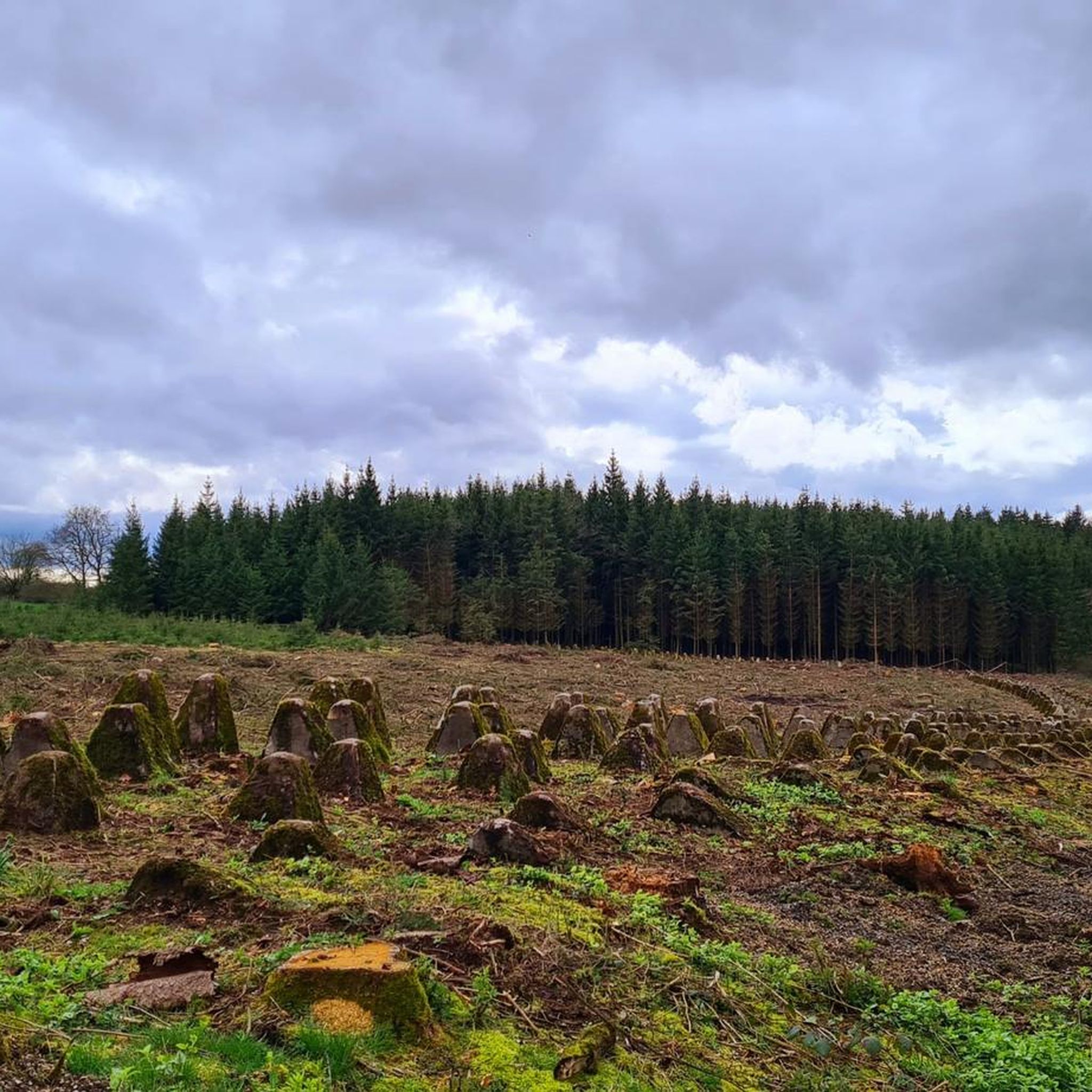
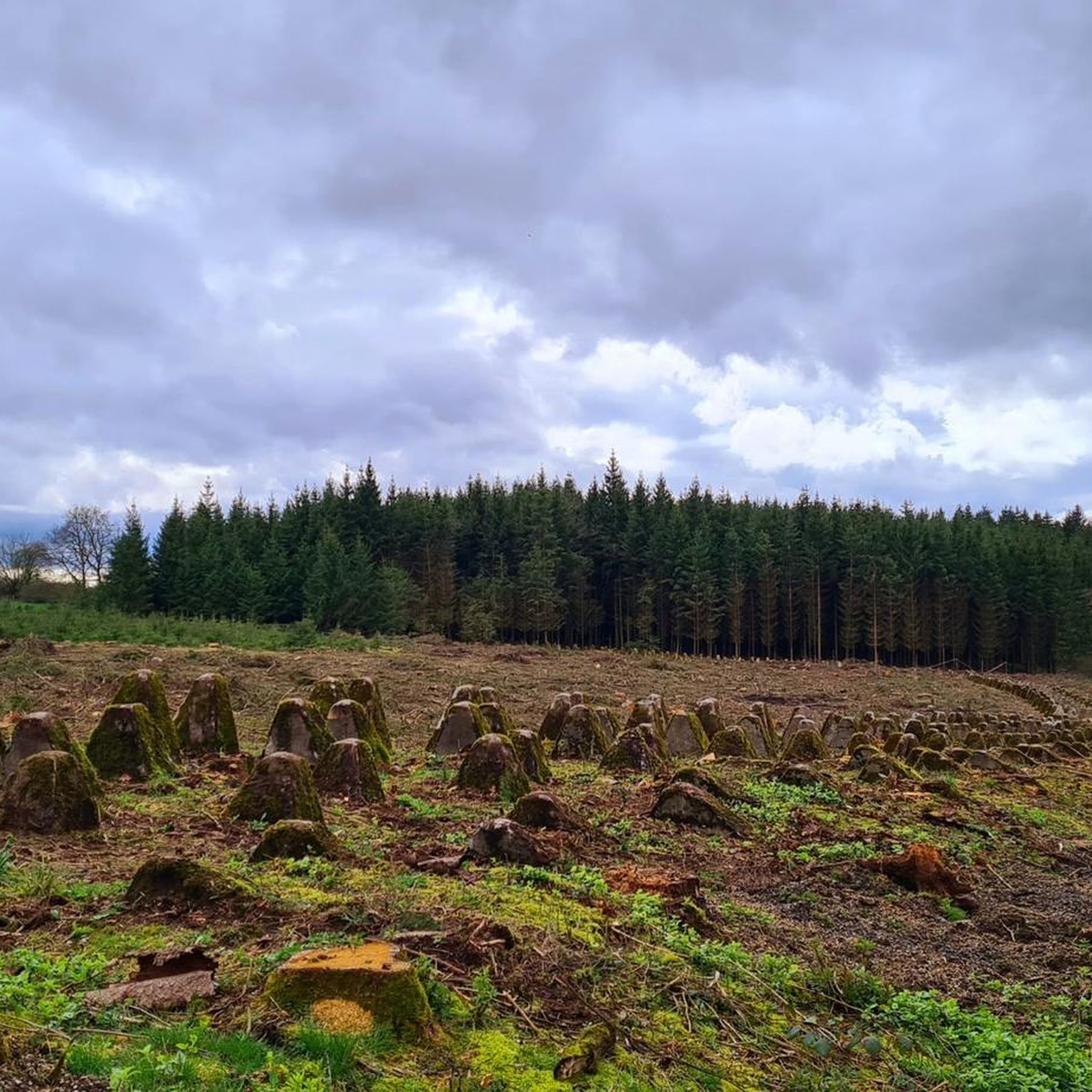
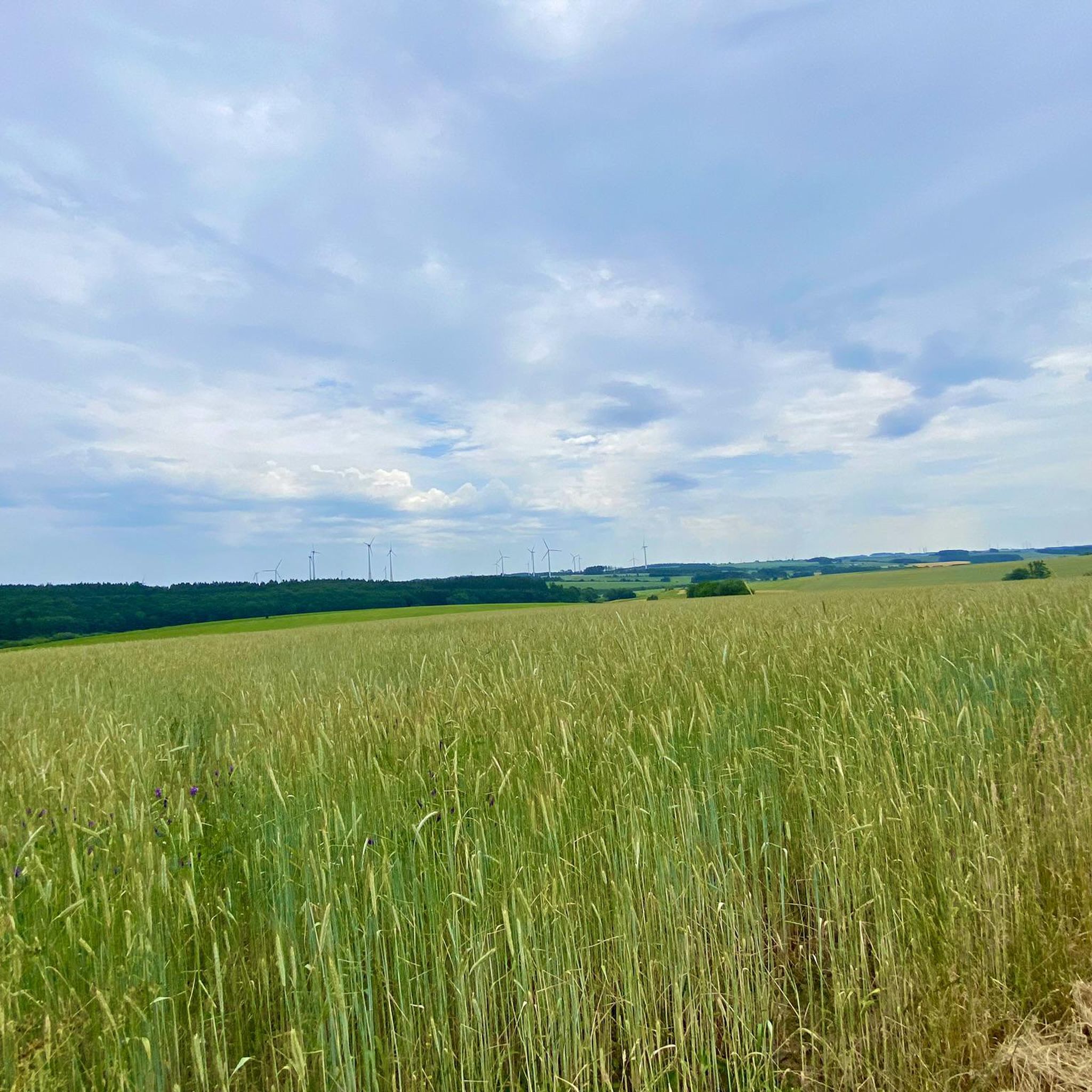
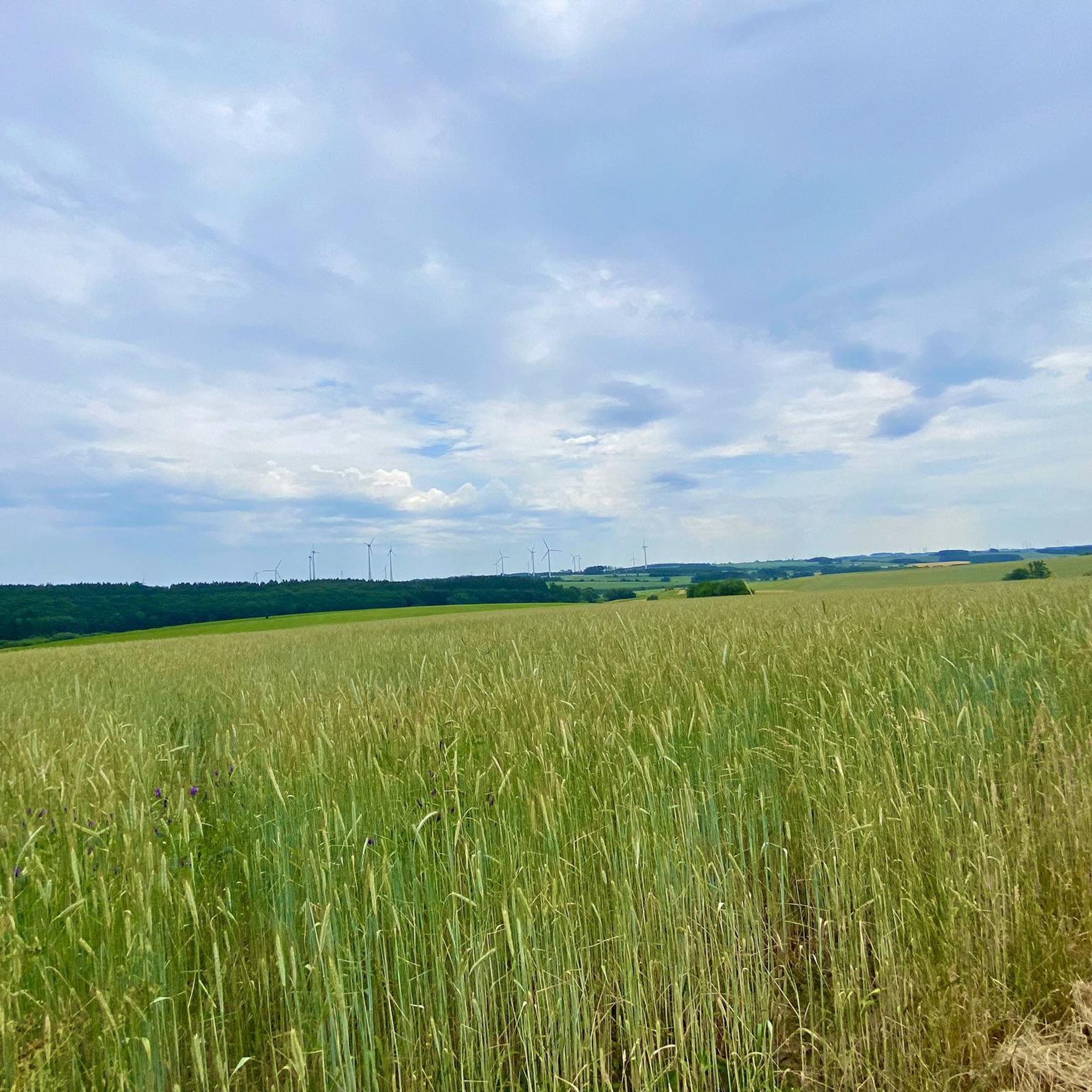

Tips from the Community

There's a small cafe in a train carriage, a great place for a coffee stop. Unfortunately, I could only pay in cash.
0
0

Ideal conditions for the friendly rodents
5
0

The beaver valley mentioned here is actually the Alfbachtal, but that doesn't change the fact that beavers live here and that you cycle through beautiful nature.
14
1

Worthwhile cycle path on a former railway line with a very nice view
5
0

The monument owes its existence to the President of the Association of the Eifel and Ardennes, Georg Wagner, who suggested its construction as a member of parliament and President of the Chamber in Luxembourg. The memorial consists of four stones bearing the names of the »pioneers for a united Europe« (Konrad Adenauer, Joseph Bech, Paul-Henri Spaak and Robert Schuman). The memorial stones come from the respective countries of origin of the named founding fathers. Gneiss boulder from the Lüneburg Heath for Adenauer, a sandstone block from the Müllerthal-Waldbillig for Bech, blue slate from the High Fens for Spaak and a slate block from the Vosges for Schuman. The fifth stone represents the Treaties of Rome and the signatories from the six countries involved. Near the European Monument and directly at the actual three-country point, a pedestrian bridge connecting Germany and Belgium leads over the Our, which was named after Georg Wagner. Source: https://eifelfuehrer.de/touristische-zielen/neuere-geschichte/europadenkmal
9
0

There is a parking lot by the monument, which is also suitable for smaller campers, there are many benches and tables, there are also some information boards on site
7
0

From here you have a beautiful view of the Ourtal and the surrounding area, a reward for the torment of the ascent.
4
2
Ascent through a beautiful landscape, after about 600m you reach a beautiful vantage point with a view of the Ourtal. The torture is worth it 😉.
5
0
Frequently Asked Questions
What are some unique natural monuments to explore around Großkampenberg?
The region around Großkampenberg offers several distinctive natural monuments. You can visit the European Monument at the Three-Country Point, where the borders of Belgium, Luxembourg, and Germany meet in the idyllic Ourtal. Another notable site is the Alfbach Valley, known for its natural beauty and beaver habitats. Additionally, the Pronsfeld railway station and vintage locomotive offers a historical site within a nature reserve, featuring a well-preserved old locomotive and a pleasant cycle path.
Are there family-friendly natural monuments in the Großkampenberg area?
Yes, several natural monuments around Großkampenberg are suitable for families. The European Monument at the Three-Country Point is family-friendly, offering a unique experience of visiting three countries at once. The Alfbach Valley is also great for families, with opportunities to spot beavers and enjoy scenic cycle paths. The Pronsfeld railway station and vintage locomotive provides an interesting historical stop that families can enjoy.
What kind of natural features can I expect to see near Großkampenberg?
Großkampenberg is characterized by picturesque hills, green forests, and river valleys such as the Irsental and the Alfbach Valley. You'll encounter unique rock formations, significant trees, and protected wildlife habitats. The region's landscape provides diverse natural beauty, from tranquil riverbanks to scenic viewpoints.
Are there any specific trees designated as natural monuments in Großkampenberg?
Yes, within the municipality of Großkampenberg, a notable natural monument is the Buche "Im Bahnert" (Beech tree "Im Bahnert"). While specific details about its age or size are not widely publicized, its designation indicates its ecological, aesthetic, or historical significance within the local landscape.
What outdoor activities can I do near these natural monuments?
The area around Großkampenberg is excellent for various outdoor activities. You can explore numerous marked hiking trails that lead through the scenic Eifel landscape. For cyclists, there are dedicated routes like those found in the Road Cycling Routes around Großkampenberg guide, or mountain biking trails detailed in the MTB Trails around Großkampenberg guide. Runners can also find suitable paths in the Running Trails around Großkampenberg guide.
Are there hiking trails near the natural monuments?
Absolutely. Many natural monuments are integrated into the region's extensive network of hiking trails. For instance, the Alfbach Valley offers beautiful paths for walking and cycling. You can find a variety of routes, from easy strolls to more challenging hikes, by exploring the Running Trails around Großkampenberg guide, which includes many suitable for hiking.
What do visitors enjoy most about the natural monuments around Großkampenberg?
Visitors particularly appreciate the tranquility and idyllic nature of the region. The opportunity to experience diverse landscapes, from river valleys to historical sites nestled in nature, is highly valued. Many enjoy the well-maintained paths for cycling and hiking, and the chance to observe wildlife like beavers in their natural habitat.
Is the Rittersprung Ouren a natural monument, and what is its significance?
Yes, Rittersprung Ouren is designated as a natural monument. It's known for a local legend about a knight and his beloved who, fleeing pursuers, jumped from the rock into the Our River. The site offers a scenic viewpoint and is a popular spot for those interested in local folklore and dramatic landscapes.
What is the best time of year to visit the natural monuments in Großkampenberg?
The Eifel region, including Großkampenberg, is beautiful throughout the warmer months. Spring and autumn offer pleasant temperatures for hiking and cycling, with vibrant foliage in autumn. Summer is also ideal for outdoor activities, enjoying the green forests and river valleys. Even winter can be appealing for quiet walks, though some paths might be less accessible.
Are the natural monuments around Großkampenberg dog-friendly?
Many natural areas and trails around Großkampenberg are dog-friendly, allowing you to explore with your canine companion. For example, the Alfbach Valley is noted as dog-friendly, offering pleasant paths for walks. It's always advisable to keep dogs on a leash, especially in nature reserves or areas with wildlife, and to respect local regulations.
Are there any historical sites integrated with the natural monuments?
Yes, the region blends natural beauty with historical elements. The Pronsfeld railway station and vintage locomotive is a prime example, offering a historical site within a nature reserve. The European Monument at the Three-Country Point also has historical significance as a symbol of European unity.
How accessible are the natural monuments for different fitness levels?
The natural monuments and surrounding trails cater to various fitness levels. While some areas like parts of the European Monument at the Three-Country Point or Rittersprung Ouren might involve intermediate to challenging sections, many paths along river valleys like the Alfbach are generally easier and suitable for leisurely walks or cycling. Always check specific route details for difficulty ratings.
Most popular routes around Großkampenberg
Most popular attractions around Großkampenberg

Get inspired with the komoot mobile app


Explore more
Extend your search for the best caves by checking out these guides of the top ones around Großkampenberg:
