Top 20 Natural Monuments around Fleringen
Natural monuments around Fleringen are located in the Eifel region of Rhineland-Palatinate, Germany, an area known for its diverse geological formations and natural beauty. The landscape features ancient dolomite cliffs, volcanic maars, and unique cave systems. This region provides opportunities to explore geological history and diverse ecosystems. The area offers more than 20 natural monuments for outdoor enthusiasts.
Best natural monuments around Fleringen
- The most popular natural monuments is View of Gerolstein from the Munterley, a viewpoint that offers…
Last updated: May 11, 2026
View of Gerolstein from the Munterley
Highlight • Viewpoint
Translated by Google •
Tip by

Gerolstein Dolomites
Highlight • Natural Monument
Around 380 million years ago there was a warm, subtropical …
Translated by Google •
Tip by
Sign up now to discover places like this
Get recommendations on the best single tracks, peaks, & plenty of other exciting outdoor places.
Sign up for free
Millstone Cave at Rother Kopf
Highlight • Cave
Translated by Google •
Tip by

Birresborn Ice Caves (Birresborner Ice Caves)
Highlight • Cave
Translated by Google •
Tip by
Eichholzmaar
Highlight • Lake
Translated by Google •
Tip by

Sign up for free to discover even more natural monuments around Fleringen.
Sign up for free
Already have an account?
Start today with a free account
Your next adventure awaits.
Login or Signup

Tips from the Community

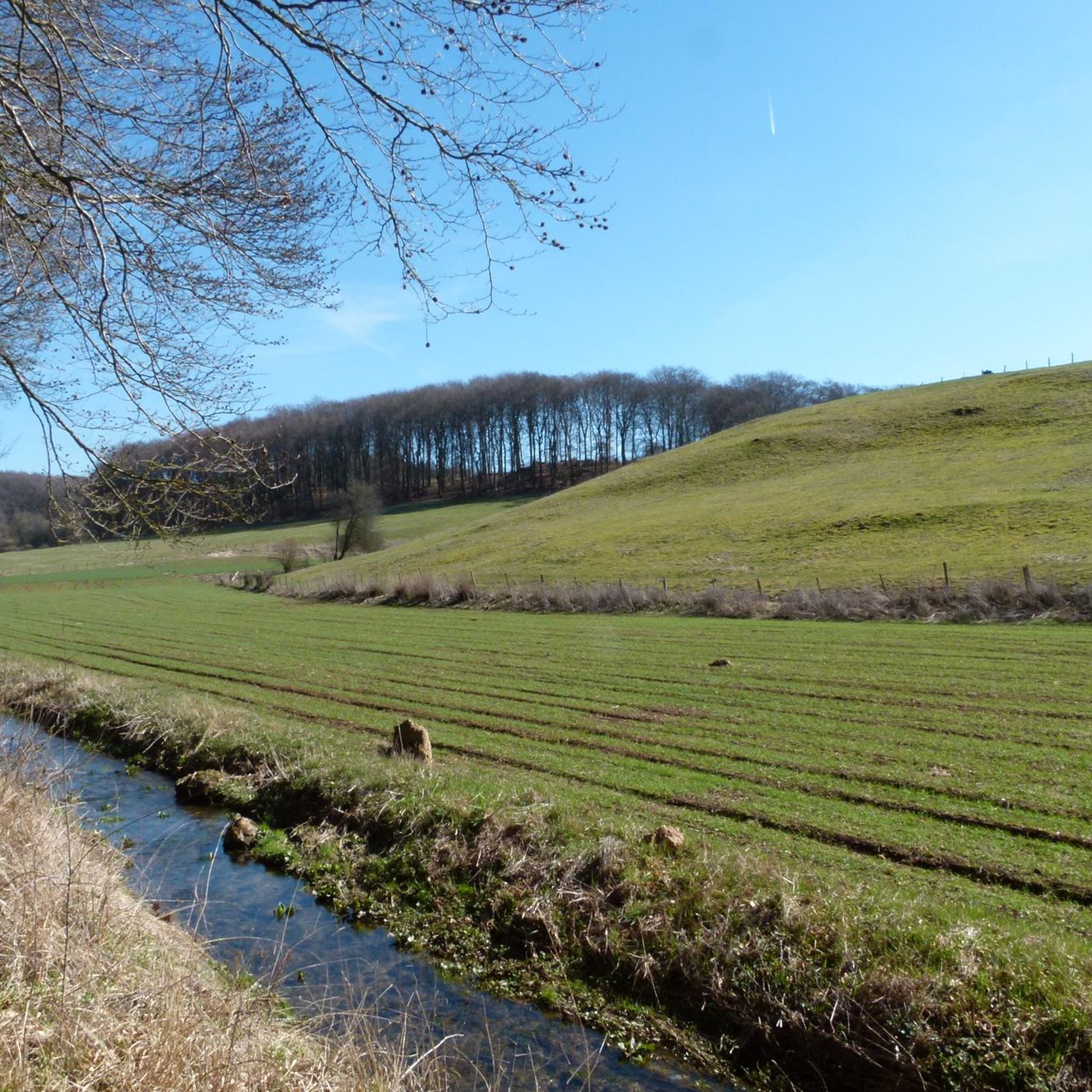
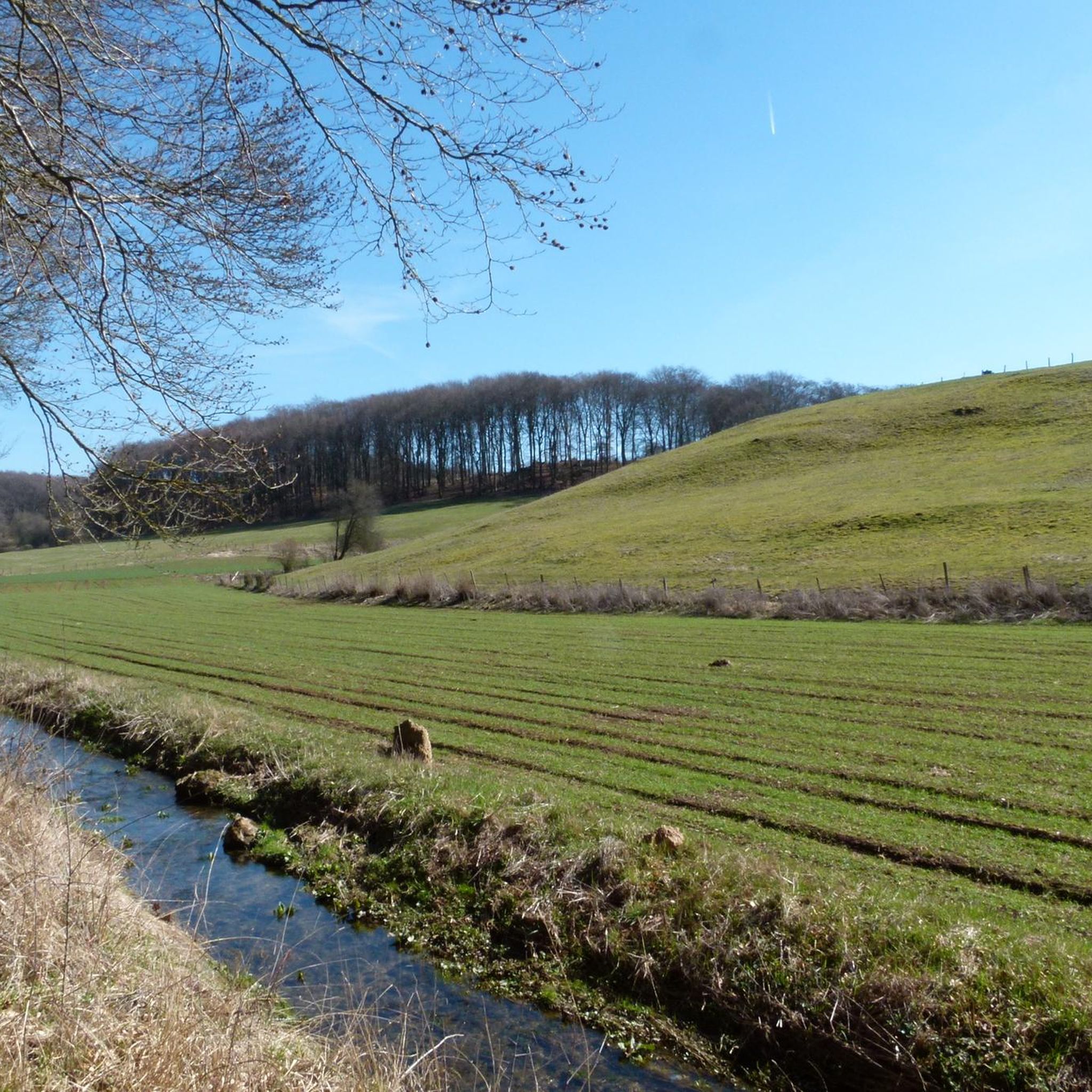
At the beginning of the 20th century, the village priest bred trout in the maar, which was around 100,000 years old. In the 1920s the water was drained and its quickly overgrown, fertile ground was used as a viewing area. 80 years later, scientists proved that this was a silted maar. During a core drilling, 23 m of animals found tuff remains from the Laacher See eruption 13,000 years ago. In addition, the funnel lies on a geological fault line that runs from northwest to southeast. The renatured maar is around 120 meters in diameter and offers a biotope for numerous birds. When the maar was revived from 2007, the Oosbach was dammed. Source: 111 places in the Eifel that you have to see Further information: https://de.wikipedia.org/wiki/Eichholzmaar
5
0

https://www.gerolsteiner-land.de/a-gerolsteiner-dolomiten Very impressive rocks. Really great tour.. We'll be back!!
5
0

Super nice little nature reserve with many bird observation posts. Many paths around the Maar and a small parking lot are the ideal starting point for a hike.
6
0

Magnificent rock formations to marvel at. Partly supported with thick concrete pillars so they don't fall into the city.
5
0
Well accessible cave. It is very good to see how the millstones were worked out. A good headlamp is recommended so that your hands are free to take pictures. I personally found the cell phone camera too dark
6
0

The Gerolsteiner Dolomites are incredibly beautiful and definitely worth a visit. They bear their name with full justification.
6
1

"With an area of approx. 102 hectares, the area around the Gerolsteiner Dolomites has been a nature reserve since 1990. + occurring animal species: bat + occurring plant species: juniper, orchids, character plants calcareous grassland, grove rush-beech forest, woodruff-beech forest, orchid-limestone-beech forest Around 380 million years ago there was a warm, subtropical shallow sea here, in which mighty reefs of stromatopores - relatives of sponges - and corals formed. After the dolomitization, sinking and folding of the rocks, the Devonian deposits were lifted out again. Today's Gerolsteiner Dolomites were formed, which rise steeply above the Kylltal north of the center of Gerolstein. The rocks "Hustley", "Munterley", "Drohende Ley", "Große Kanzel" and "Auberg" characterize the cityscape from afar and form the landmark of Gerolstein. The most famous summit of the Gerolsteiner Dolomites is the "Munterley" - with a height of 482 meters - and offers a breathtaking view over Gerolstein, the Kylltal and far into the Vulkaneifel. Stone Age people, who settled here 30,000 years ago, obviously enjoyed this view, as evidenced by stone tools and bones found at the nearby Buchenloch Cave. Visiting the Gerolsteiner Dolomites can be perfectly combined with hiking the Felsenpfad - the northern part of the "Gerolsteiner Dolomiten Acht". The almost eight-kilometer round tour offers many magical places and geological traces." https://www.eifel.info/a-gerolsteiner-dolomites
10
0

I found our short hike through the Gerolstein Dolomites interesting and varied. If you park near the Kasselburg, you save a bit of the ascent, which may be good for a hike with children.
8
0
Frequently Asked Questions
What unique geological formations can I explore around Fleringen?
The region around Fleringen is renowned for its diverse geological formations. You can explore the impressive dolomite rock formations of the Gerolstein Dolomites, which are remnants of ancient coral reefs. Another fascinating site is the Eichholzmaar, a maar lake that showcases the volcanic history of the Eifel region.
Are there any historical natural monuments to visit near Fleringen?
Yes, the area features natural monuments with significant historical context. The Birresborn Ice Caves, for instance, are former millstone mining sites that later served as natural refrigerators and now provide winter quarters for bats. Similarly, the Millstone Cave at Rother Kopf offers a glimpse into the challenging conditions of medieval millstone extraction.
What kind of hiking trails are available around the natural monuments?
The natural monuments around Fleringen offer a variety of hiking experiences. For example, the Gerolstein Dolomites are a hiker's paradise with trails like the 'Gerolstein Dolomites Eight,' which includes the Gerolstein Celtic Trail and the Gerolstein Rock Trail, offering magnificent views. You can find more hiking options in the Running Trails around Fleringen guide, which also features routes suitable for walking.
Are there family-friendly natural monuments or activities in the area?
Many natural monuments around Fleringen are suitable for families. The Eichholzmaar, a renatured maar lake, is a great spot for nature observation with easy paths. The Birresborn Ice Caves also have a forest adventure trail leading to them, providing an engaging experience for children, though sturdy shoes and a torch are recommended for cave exploration.
What is the best time of year to visit the natural monuments near Fleringen?
The natural monuments can be enjoyed throughout the year, but specific seasons offer unique experiences. The Birresborn Ice Caves are open seasonally from April 15 to October 15, as they serve as bat winter quarters outside these months. Spring and autumn are ideal for hiking in areas like the Gerolstein Dolomites due to pleasant temperatures and vibrant scenery. Even in winter, some trails are accessible, but appropriate clothing and footwear are essential.
What kind of wildlife can I expect to see around the natural monuments?
The diverse ecosystems around Fleringen support various wildlife. The Gerolstein Dolomites, with their limestone grasslands and forests, are home to rare plant species, bats, and various birds. The Eichholzmaar provides a habitat for water birds and reptiles, while the Birresborn Ice Caves are crucial winter roosts for numerous bat species.
Are there good viewpoints among the natural monuments?
Absolutely. The View of Gerolstein from the Munterley, part of the Gerolstein Dolomites, offers breathtaking panoramic views over Gerolstein and the picturesque Kylltal. This spot is highly recommended for a break to soak in the scenery.
Can I combine a visit to the natural monuments with cycling tours?
Yes, the Fleringen region is excellent for cycling. You can find various routes that pass near or through areas with natural monuments. Explore options in the Cycling around Fleringen and Road Cycling Routes around Fleringen guides, which offer routes of varying difficulty.
What should I wear when visiting the natural monuments, especially in cooler months?
For visits to natural monuments, especially during autumn or winter, it's advisable to wear sturdy, waterproof shoes and layered clothing. If you plan to explore caves like the Birresborn Ice Caves, a torch and potentially a helmet are recommended due to the consistently cold temperatures and uneven terrain inside.
Are there any less crowded or unique natural attractions near Fleringen?
While popular sites like the Gerolstein Dolomites attract many visitors, you can find quieter spots. The Eichholzmaar, being one of the smaller maars, offers a peaceful natural setting ideal for birdwatching. Exploring the historical context of the Millstone Cave at Rother Kopf also provides a unique, less conventional experience.
Most popular routes around Fleringen
Most popular attractions around Fleringen

Get inspired with the komoot mobile app


Explore more
Extend your search for the best caves by checking out these guides of the top ones around Fleringen:
