Top 20 Natural Monuments around Groß Grönau
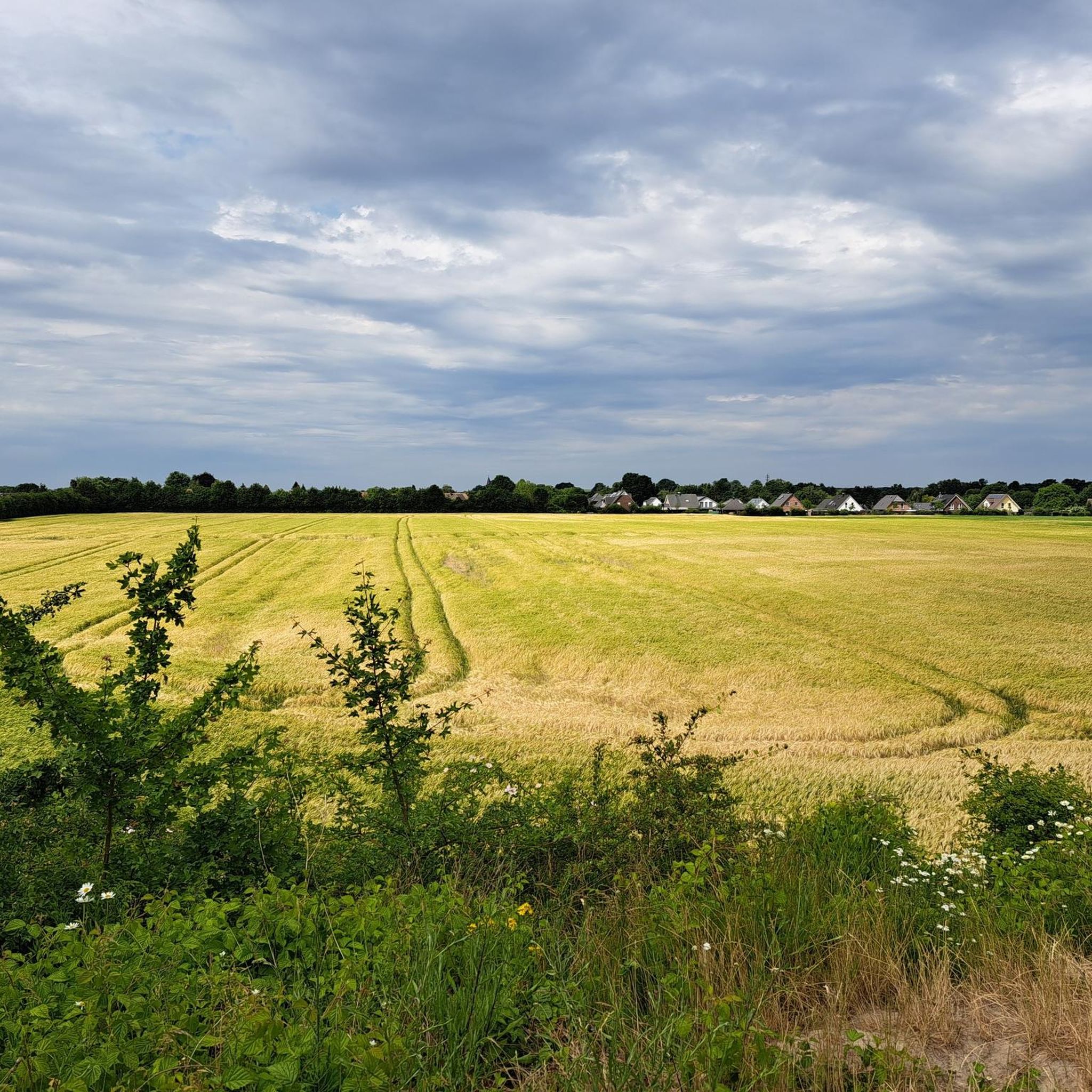
Natural monuments around Groß Grönau are characterized by a diverse landscape at the northern edge of the Naturpark Lauenburgische Seen. This area, shaped by the last ice age, features extensive forests, numerous lakes, and marshland. The region offers a wealth of natural beauty and ecological importance, making it suitable for outdoor recreation. Its landscape includes woodlands, lime avenues, natural meadows, and agricultural fields, providing varied settings for exploration.
Best natural monuments around Groß Grönau
- The most popular natural monuments is…
Last updated: June 24, 2026
View of Kleiner See
Highlight • Viewpoint
Translated by Google •
Tip by

Wakenitz Arch Bridge
Highlight • Bridge
Timetables are available here: schiffahrt-ratzeburg.de/index.php/fahrplan.html
Translated by Google •
Tip by

Sign up now to discover places like this
Get recommendations on the best single tracks, peaks, & plenty of other exciting outdoor places.
Sign up for free
Confluence of the Trave and Elbe-Lübeck Canal
Highlight • River
Translated by Google •
Tip by

Large lagoon in the Lauerholz conservation area
Highlight • Lake
Translated by Google •
Tip by

Alt-Lübeck Archaeological Site and Memorial Stone
Highlight • Historical Site
Translated by Google •
Tip by
Sign up for free to discover even more natural monuments around Groß Grönau.
Sign up for free
Already have an account?
Start today with a free account
Your next adventure awaits.
Login or Signup
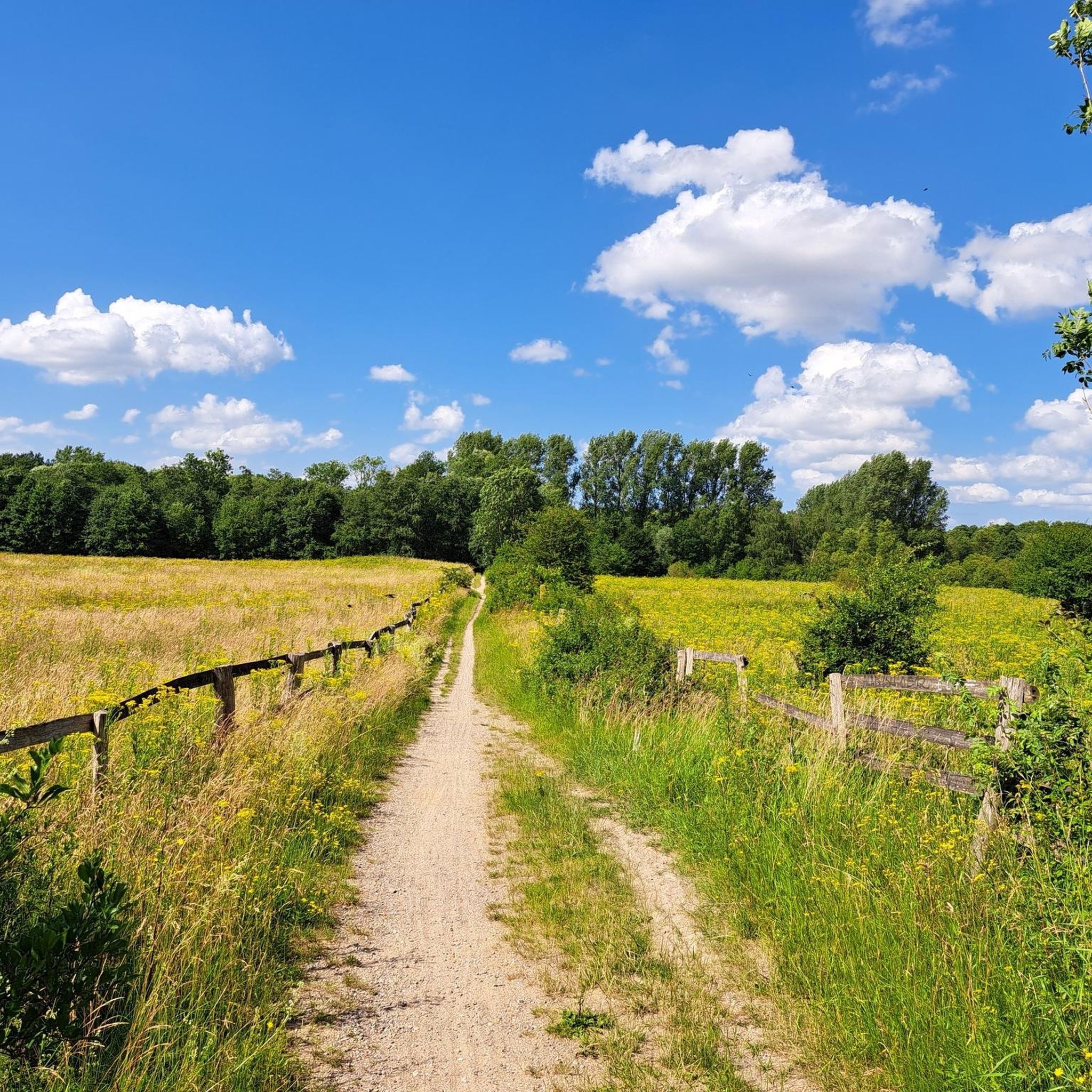
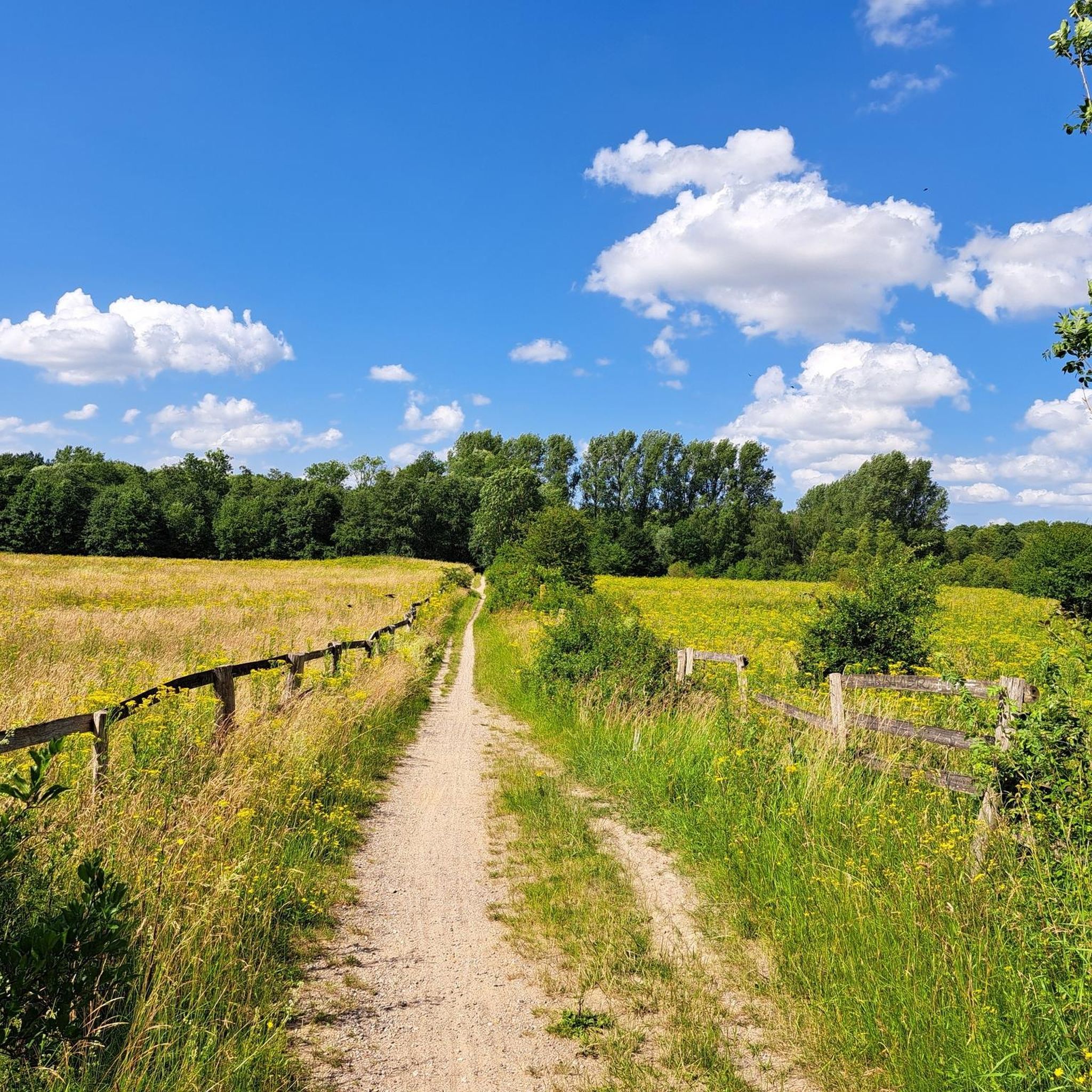
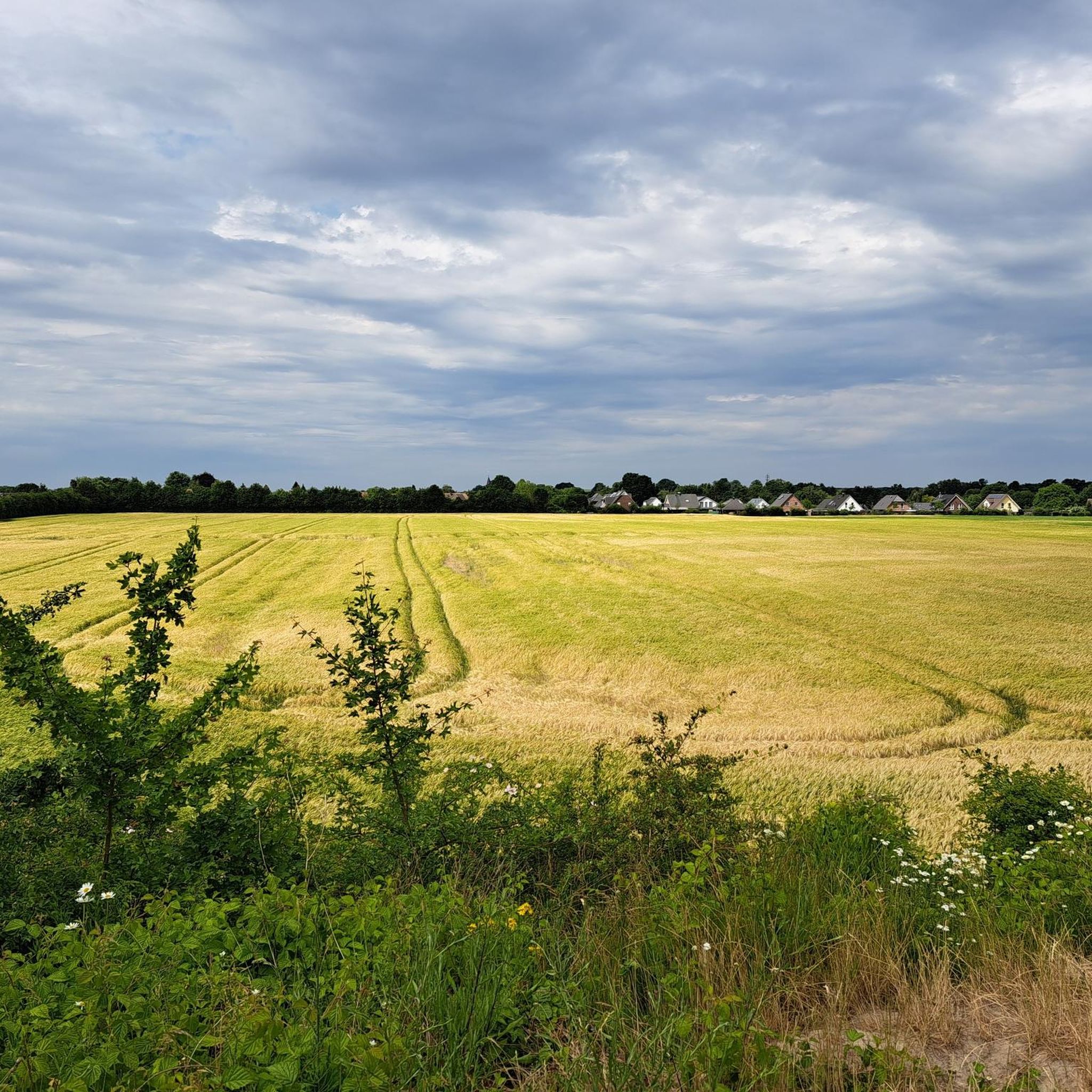
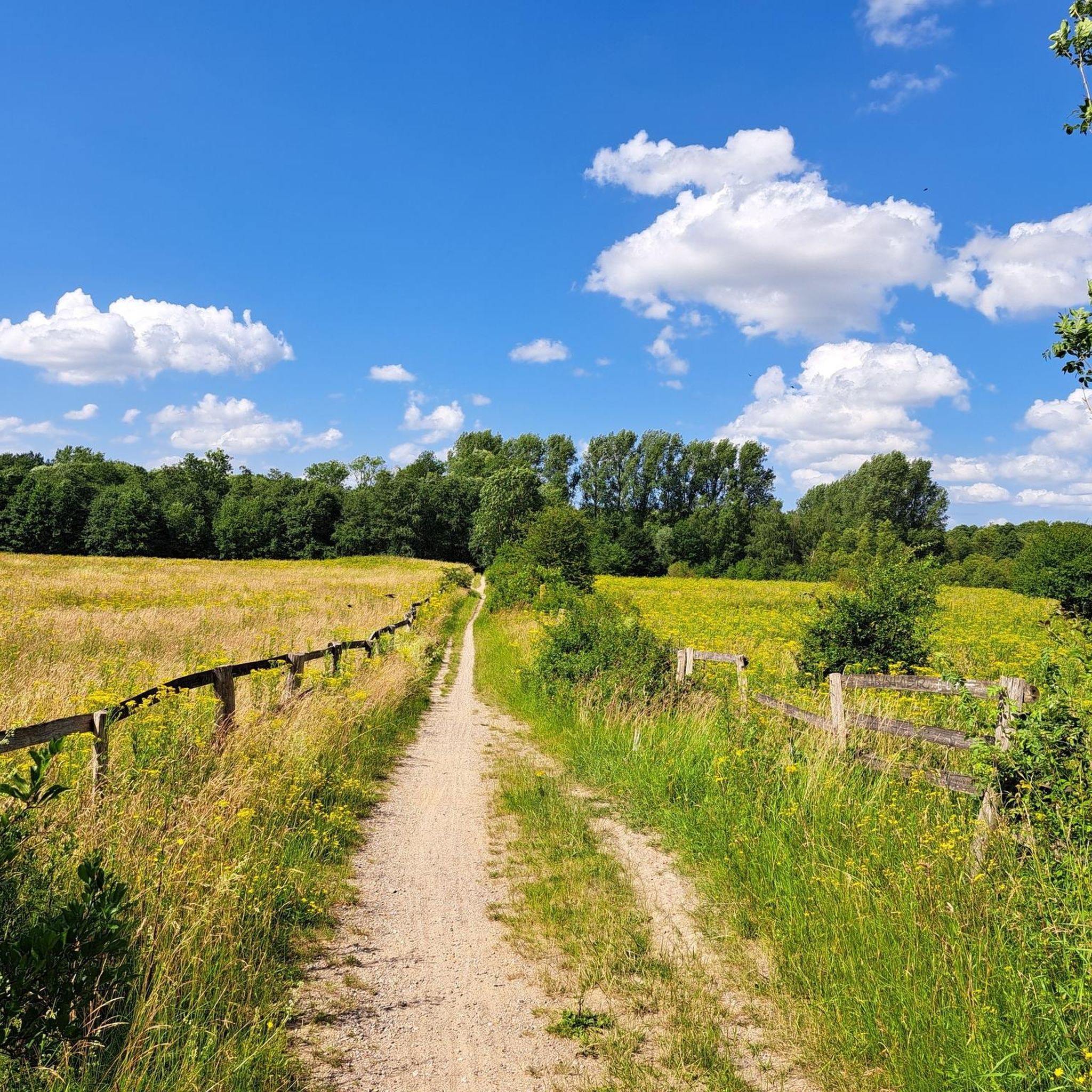

Tips from the Community

Great place, very nice for a walk.
4
0
The geese feel very comfortable here.
5
0

Idyllic view of the lake invites you to linger or enjoy
3
0

You can change from the Ratzeburg ships to the Wakenitz shipping and gondola to Lübeck.
5
0

Rothenhusen: Perfect starting point for cycling, hiking or canoe tours to Lübeck or Ratzeburg. Easily accessible by car (short detour from the A20), free forest parking lot to park your car, stop at Rothenhuser Fährthaus possible
4
0

Nice bike path through great nature.
4
0

If it weren't designated as a heritage site, you wouldn't recognize it here at all. But it's good that things from the past are remembered here. Liubice (also: Leubice) or Alt-Lübeck was a Slavic predecessor settlement of today's Lübeck that existed from around 819 to 1138 at the confluence of the Schwartau and Trave rivers. Liubice was about six kilometers down the Trave from the old town island of today's Lübeck, opposite today's Teerhofinsel, on a peninsula formed by a bend (today: old arm) of the Trave and the confluence of the Schwartau. The settlement site is entered as an archaeological monument in the monument list of the Hanseatic City of Lübeck. https://de.wikipedia.org/wiki/Liubice
6
1

The nature reserve extends along the Wakenitz between Lake Ratzeburg and the Lübeck district of Eichholz. It protects the Wakenitz with its lowlands and some adjacent areas. Large parts of the nature reserve lie in the Green Belt along the former inner-German border. The Wakenitz with open water areas, floating leaf and reed siltation zones, side bays and side arms is accompanied over long stretches by alder forest with black alder as the dominant tree species and ash and, especially in the south of the protected area, by wet meadows. In some cases there are forests with deciduous forest communities. For example, marsh iris, marsh calla, bittersweet nightshade and water primrose live in the herbaceous layer of the swamp forests. The wet meadows are home to, among others: Marsh marigold, cuckoo carnation and meadowfoam,[5] but also broad-leaved orchid and meadowsweet. In the north of the nature reserve, the “Krögerland”, a moist side valley of the Wakenitz, is included in the nature reserve. It is predominantly characterized by wet grassland with sour grasses, rushes, marsh marigolds and orchids such as broad-leaved orchid.[6] The wet grassland borders on the quarry forest that accompanies the Wakenitz and is otherwise completely surrounded by the Lübeck settlement area and an allotment garden area. The Wakenitz is dammed in Lübeck. It forms the “Small Lake” in the south of the city, which is almost completely surrounded by alder forest. The quarry forest is adjoined by a reed belt of reeds and cattails as well as fields of sea lilies and pond lilies. There is a natural swimming pool on the eastern bank of the small lake. Source: Wikipedia
6
0
Frequently Asked Questions
What kind of natural features can I expect to see around Groß Grönau?
The landscape around Groß Grönau is characterized by its location at the northern edge of the Naturpark Lauenburgische Seen. You'll find a diverse environment shaped by the last ice age, featuring extensive forests, numerous lakes, and marshland. The area also boasts woodlands, picturesque lime avenues, natural meadows, and agricultural fields, providing varied settings for exploration.
What wildlife can be spotted in the natural monuments area?
The region is rich in biodiversity. In the Naturpark Lauenburgische Seen, you might encounter rare species such as kingfishers, white-tailed eagles, cranes, and moor frogs. The Large lagoon in the Lauerholz conservation area is particularly known for its diverse birdlife, including geese, cormorants, and ducks, with opportunities to spot white-tailed eagles.
Are there any significant lakes or rivers to explore?
Yes, the area is defined by its water features. The Naturpark Lauenburgische Seen includes major bodies of water like the Ratzeburger See and Schaalsee. You can also visit the View of Kleiner See for exceptional views of the Wakenitz, or the Confluence of the Trave and Elbe-Lübeck Canal, a scenic river junction with a towpath bridge offering elevated views.
What makes the Naturpark Lauenburgische Seen special?
As the oldest nature park in Schleswig-Holstein, established in 1961, the Naturpark Lauenburgische Seen is a major natural highlight. It spans 474 square kilometers, offering a unique mosaic landscape of forests, meadows, fields, and hedge walls. Its diverse habitats support a rich variety of flora and fauna, and it serves as a crucial resting site for migratory birds. You can find more information about the park on Wikipedia or Mölln Tourismus.
What outdoor activities are popular near the natural monuments?
The region offers a wide range of outdoor activities. You can enjoy hiking, cycling, and canoeing along well-developed trails and waterways within the Naturpark Lauenburgische Seen. For more specific routes, there are dedicated guides for MTB Trails, Gravel Biking, and Running Trails around Groß Grönau.
Are there family-friendly natural monuments around Groß Grönau?
Yes, many natural monuments in the area are suitable for families. The Large lagoon in the Lauerholz conservation area, View of Kleiner See, and Confluence of the Trave and Elbe-Lübeck Canal are all considered family-friendly, offering accessible paths and interesting sights for all ages. The Naturpark Lauenburgische Seen also provides educational paths and picnic areas.
What historical sites are near the natural monuments?
While primarily focused on natural beauty, the area also has historical significance. The Alt-Lübeck Archaeological Site and Memorial Stone marks the location of the Slavic predecessor settlement of the Hanseatic city, offering a glimpse into the region's past alongside beautiful views. The Wakenitz Arch Bridge is near Rothenhusen, a medieval customs post.
What is the best season to visit the natural monuments around Groß Grönau?
The natural monuments around Groß Grönau offer beauty in every season. Spring brings blooming flora, while summer is ideal for water activities and longer hikes. Autumn showcases vibrant foliage, and even in cooler seasons, viewpoints like the View of Kleiner See provide wide, beautiful vistas. Birdwatching is excellent during migratory periods.
Are there accessible paths for visitors with limited mobility?
Many areas within the Naturpark Lauenburgische Seen and around Groß Grönau feature well-developed paths suitable for walking and cycling. While specific accessibility details vary, the general network of trails starting from Groß Grönau is designed to be easily accessible for exploration, including some paths along the Wakenitz and near the lakes.
What do visitors enjoy most about the natural monuments in this region?
Visitors frequently appreciate the tranquility and diverse natural beauty. The opportunity to spot various bird species at the Large lagoon in the Lauerholz conservation area is a highlight. The exceptional views from spots like the View of Kleiner See are also highly praised, offering different perspectives of the Wakenitz throughout the year.
Can I rent canoes or boats to explore the waterways?
Yes, at the Wakenitz Arch Bridge near Rothenhusen, you can rent canoes to paddle on the Wakenitz or the Ratzeburger See, offering a unique way to experience the natural beauty from the water.
Are there opportunities for birdwatching?
Absolutely. The region is a haven for birdwatchers. The Naturpark Lauenburgische Seen is a significant resting site for migratory birds, and areas like the Large lagoon in the Lauerholz conservation area are particularly rich in birdlife, including geese, cormorants, ducks, and even white-tailed eagles.
What is the significance of the former Inner German Border Strip in this natural area?
The area benefits from a 40-year period of tranquility along the former border strip between East and West Germany. This historical boundary inadvertently created a unique ecological corridor where nature developed largely undisturbed, allowing for the preservation and flourishing of rare flora and fauna. It offers a glimpse into a more untouched natural environment.
Most popular routes around Groß Grönau
Most popular attractions around Groß Grönau

Get inspired with the komoot mobile app


Explore more
Extend your search for the best caves by checking out these guides of the top ones around Groß Grönau:
