Top 20 Natural Monuments around Meisburg
Best natural monuments around Meisburg showcase the Vulkaneifel region's unique geological history, characterized by its volcanic origins. The landscape features a variety of natural formations, including volcanic craters, ancient caves, and dramatic gorges. These sites offer insights into both natural processes and historical human interaction with the environment. Visitors can explore diverse natural features that highlight the area's rich geological heritage.
Best natural monuments around Meisburg
- The most popular natural monuments is Freudenkoppe Castle Ruins, a castle ruin located…
Last updated: May 11, 2026
Millstone Cave at Nerother Kopf
Highlight • Cave
The millstone cave consists of lava boards and is an artificial cave in the Vulkaneifel, Rhineland-Palatinate. It was created by the production of …
Translated by Google •
Tip by

Windsborn Crater summit
Highlight • Viewpoint
Translated by Google •
Tip by

Sign up now to discover places like this
Get recommendations on the best single tracks, peaks, & plenty of other exciting outdoor places.
Sign up for free
Wolfsschlucht (Vulkaneifel)
Highlight • Gorge
Translated by Google •
Tip by

Freudenkoppe Castle Ruins
Highlight • Castle
Translated by Google •
Tip by
Dietzenley Observation Tower
Highlight • Viewpoint
Translated by Google •
Tip by

Sign up for free to discover even more natural monuments around Meisburg.
Sign up for free
Already have an account?
Start today with a free account
Your next adventure awaits.
Login or Signup
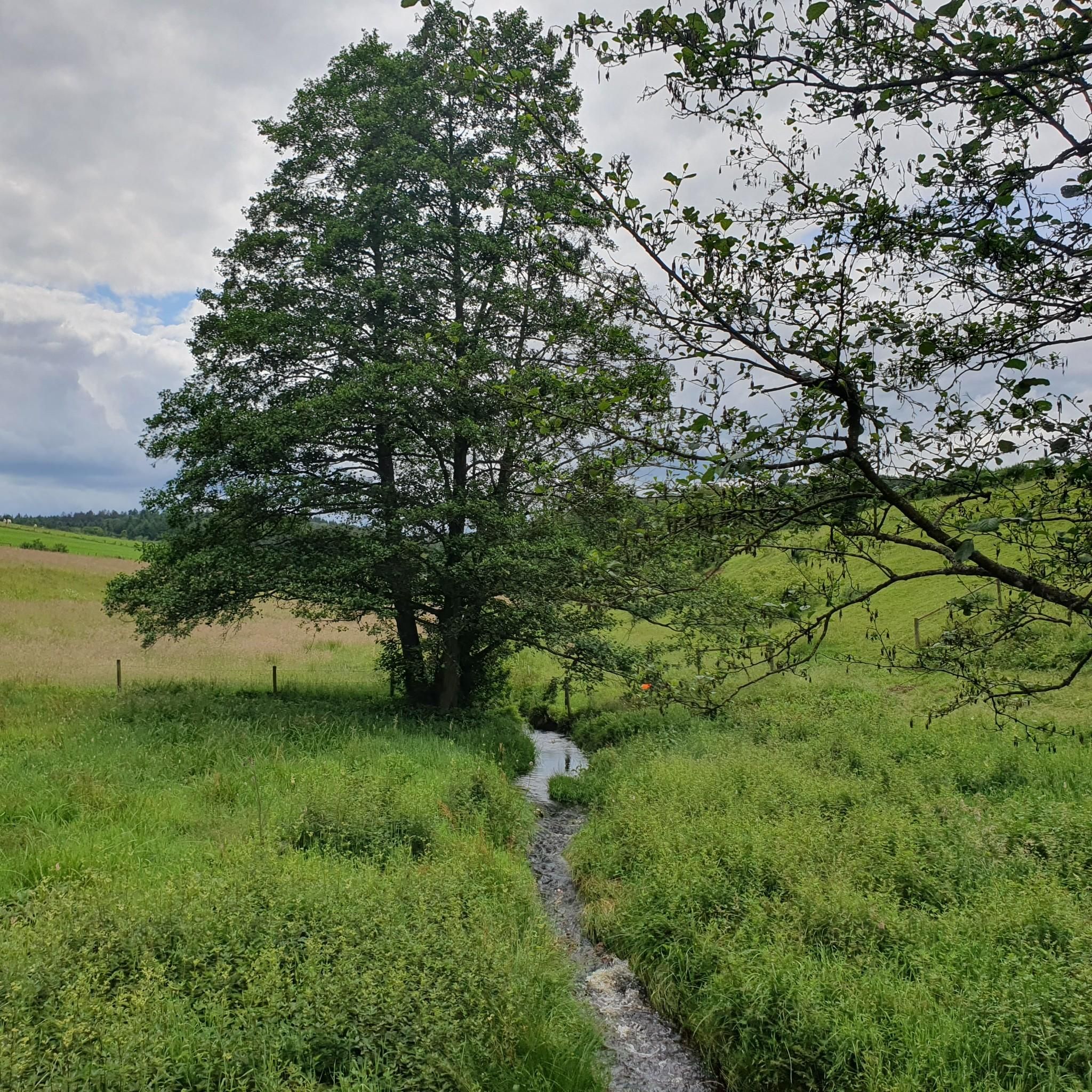
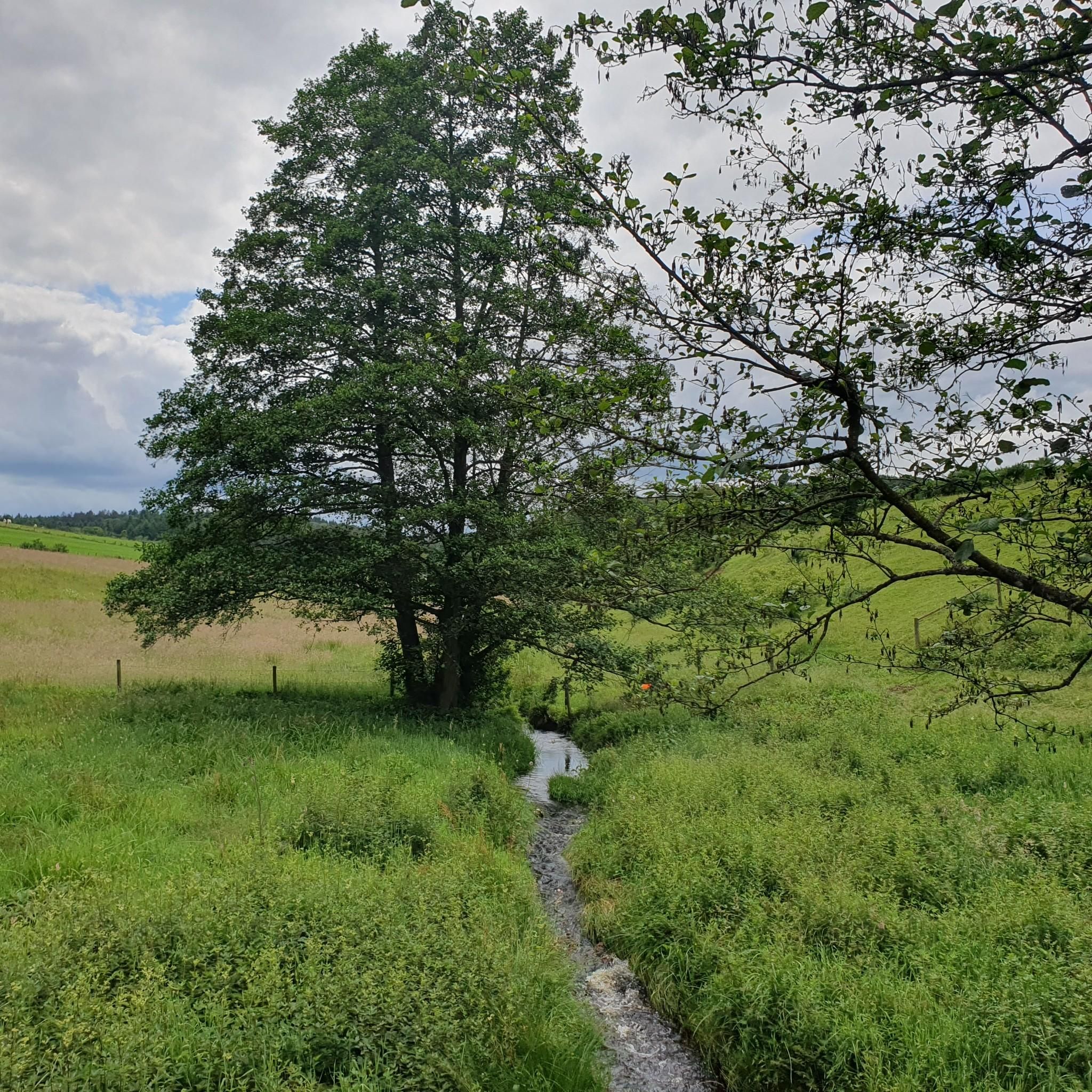
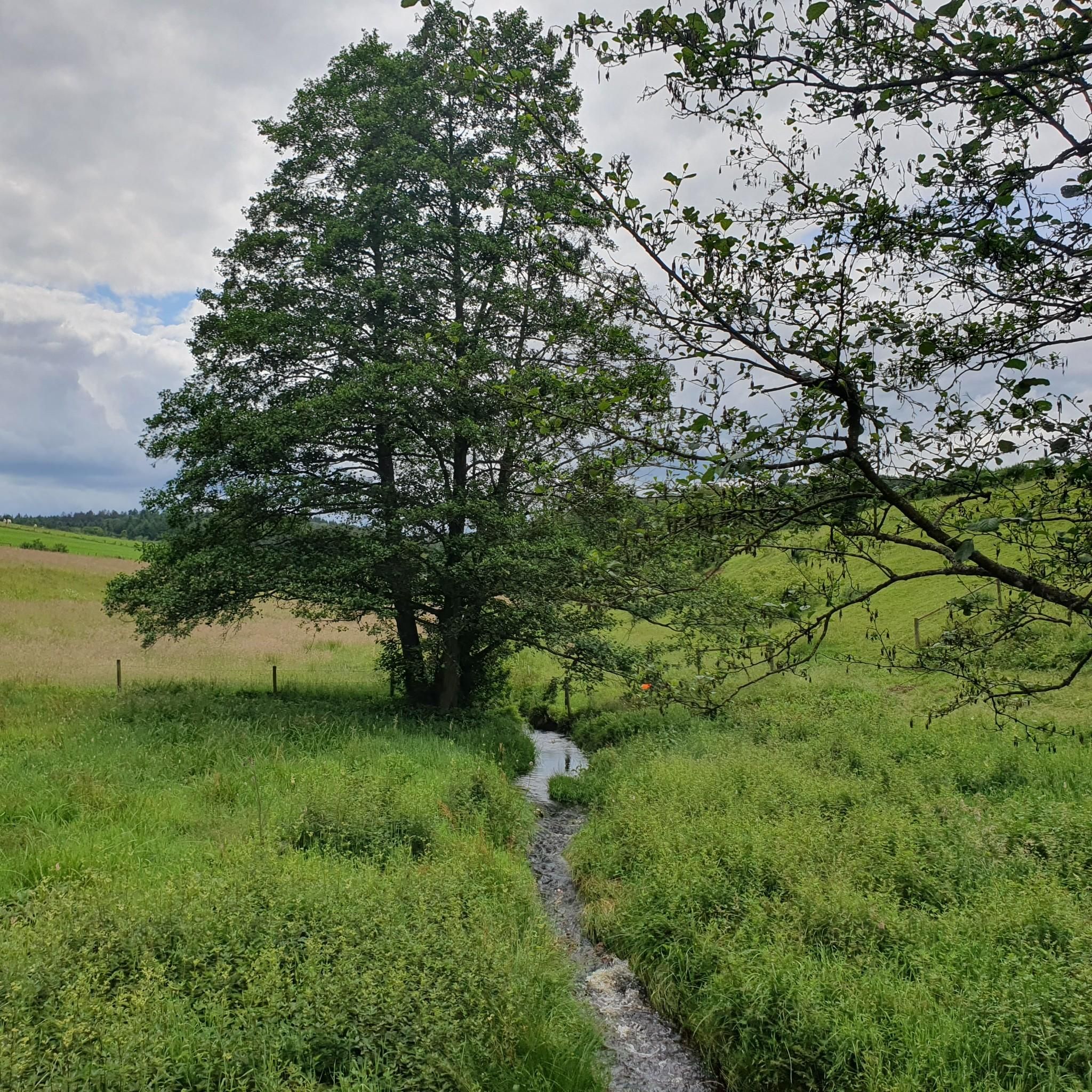
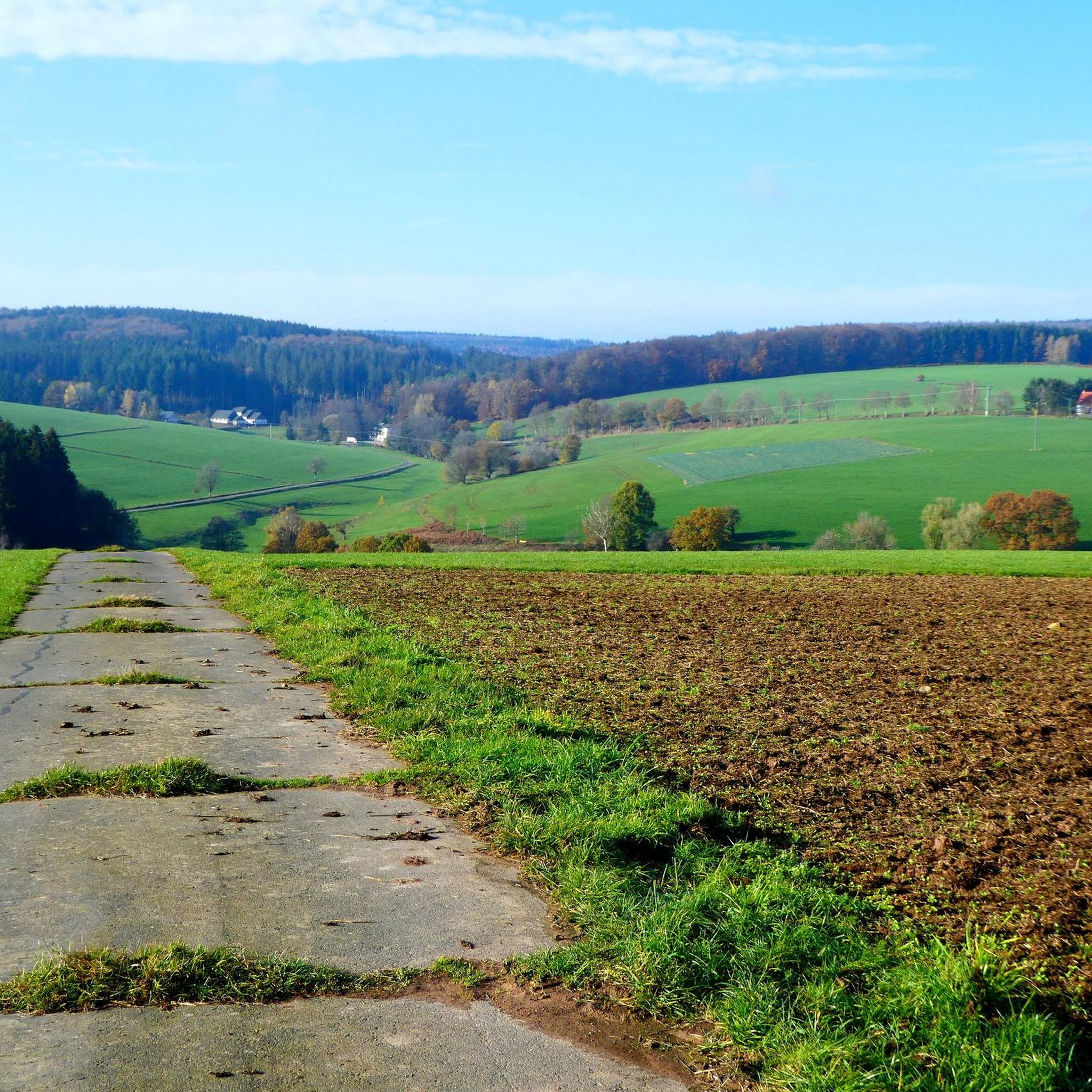


Tips from the Community

As beautiful as the Wolfsschlucht is, you should always be careful when hiking through it. If it has rained, the rocky path can be very slippery. Sturdy, well-profiled shoes are therefore strongly recommended.
4
0

Very interesting hiking trail, recommended
3
0

The Wolfsschlucht with its basalt columns can be crossed via, among other things, the Kleine Kyll mindfulness path. A beautiful, narrow path leads up the gorge, you have to wear proper shoes, the rocky path is wet and slippery. Going up is - at least for my taste - more comfortable than going down. At one point there is a wooden railing and steps help up the mountain. The gorge is incredibly beautiful and mystical. The moss-covered boulders create a very interesting atmosphere.
4
0
The Wolfsschlucht with its basalt columns can be crossed via, among other things, the Kleine Kyll mindfulness path. A beautiful, narrow path leads up the gorge, you have to wear proper shoes, the rocky path is wet and slippery. Going up is - at least for my taste - more comfortable than going down. At one point there is a wooden railing and steps help up the mountain. The gorge is incredibly beautiful and mystical. The moss-covered boulders create a very interesting atmosphere.
7
2

You feel like you're in another world here. It just looks beautiful. This is an absolute place of power!
3
0

The steep climb to the castle is quite difficult. A real calf biter! But once at the top you forget it all. Beautiful ruin and the cave is more than worth it.
5
0

The stony paths are great... good shoes to recommend
2
0

The delightfully bumpy climb through the Wolfsschlucht is part of the VulkaMaar trail. From the former Moseberg volcano above, the lava made its way down the mountain, through the Horngraben and the Wolfsschlucht into the valley of the Kleine Kyll. We hiked through the gorge on a wintry Monday and didn't meet a soul.
3
0
Frequently Asked Questions
What makes the natural monuments around Meisburg unique?
The natural monuments around Meisburg are unique due to the region's rich volcanic history. You'll find a variety of geological formations, including volcanic craters, ancient caves formed by lava boards, and dramatic gorges. These sites offer a fascinating glimpse into both natural processes and historical human interaction with the environment, such as millstone production.
Are there any volcanic crater lakes near Meisburg?
Yes, the Windsborn Crater summit offers a unique viewpoint overlooking one of the few volcanic crater lakes north of the Alps. This lake formed around 30,000 years ago within a stratovolcano, providing a clear illustration of volcanic geology. It's a tranquil spot ideal for a break and nature observation.
Can I explore caves in the Meisburg area?
Absolutely. You can explore the Millstone Cave at Nerother Kopf, an artificial cave formed from lava boards due to historical millstone production. It's 18 meters deep with a vault up to ten meters high, and a flashlight is required for exploration. Additionally, the Eishöhlen Birresborn (Ice Caves of Birresborn) are tunnels created from basalt quarrying, known for their unique cold microclimate where ice can persist until early summer. They are open from April to October.
What are the Eishöhlen Birresborn?
The Eishöhlen Birresborn are fascinating tunnels, up to 40 meters long, that resulted from underground basalt quarrying for millstones. They are known as 'ice caves' because of a 'cold trap' effect that keeps temperatures consistently low, often not exceeding 7 degrees Celsius even in summer. This unique microclimate allows ice to persist from winter until early summer. They serve as a winter refuge for bats and are open to the public from April to October.
Are there any gorges to explore near Meisburg?
Yes, the Wolfsschlucht (Vulkaneifel) is a beautiful gorge with moss-covered rocks and the sound of a stream, offering a mystical atmosphere. It features basalt columns and can be crossed via paths like the Kleine Kyll mindfulness path. Sturdy, well-profiled shoes are recommended, especially after rain, as the rocky path can be slippery.
Do any natural monuments have historical significance?
Many natural monuments in the area have historical ties. The Millstone Cave at Nerother Kopf is an artificial cave created by centuries of millstone extraction. Nearby, the Freudenkoppe Castle Ruins, built on a basalt cone, used lava slag from the millstone cave for its construction. The Dietzenley Observation Tower stands on a site that was once a Celtic housing settlement about 2500 years ago.
What are the best viewpoints in the Meisburg area?
For impressive panoramic views, visit the Windsborn Crater summit, which offers a unique perspective over the crater lake and the surrounding Eifel landscape. The Dietzenley Observation Tower also provides an extensive view over Gerolstein and Büscheich, and on clear days, you can see as far as Lissinger Kaserne, Birresborn, Salm, and the Kasselburg.
What is the best time to visit the natural monuments around Meisburg?
The natural monuments around Meisburg can be enjoyed throughout the year. The Windsborn Crater summit is suitable for nature observation in any season. For exploring the Eishöhlen Birresborn, the caves are open from April to October. Spring and autumn offer pleasant temperatures for hiking, while summer allows for longer daylight hours. Always check local conditions, especially for potentially slippery paths in gorges like the Wolfsschlucht.
Are there hiking trails near these natural monuments?
Yes, the Vulkaneifel region is excellent for hiking. Many natural monuments, like the Millstone Cave at Nerother Kopf and the Windsborn Crater summit, are accessible via hiking trails. For more detailed hiking options, you can explore the various Running Trails around Meisburg, which often pass by or near these natural attractions.
What other outdoor activities can I do near these natural monuments?
Beyond hiking, the Meisburg area offers excellent opportunities for cycling. You can find numerous routes for touring bicycles and road cycling that allow you to explore the volcanic landscape and its natural monuments. These routes vary in difficulty, catering to different fitness levels.
Are the natural monuments around Meisburg family-friendly?
Many natural monuments in the Meisburg area can be enjoyed by families. Exploring the Millstone Cave at Nerother Kopf with a flashlight can be an exciting adventure for children. The Windsborn Crater summit offers an accessible viewpoint and a chance to learn about volcanoes. The Geo-Circular Path leading to the Eishöhlen Birresborn also provides an engaging walk through picturesque landscapes suitable for families.
What do visitors enjoy most about the natural monuments around Meisburg?
Visitors frequently praise the unique geological insights and the adventurous exploration opportunities. The Millstone Cave is often highlighted as an impressive and interesting experience, especially when combined with the nearby castle ruins. The tranquil beauty and geological significance of the Windsborn Crater summit are also highly appreciated, offering a perfect spot for a break and panoramic views. The mystical atmosphere of the Wolfsschlucht is another favorite for its natural charm.
Most popular routes around Meisburg
Most popular attractions around Meisburg

Get inspired with the komoot mobile app


Explore more
Extend your search for the best caves by checking out these guides of the top ones around Meisburg:
