Top 20 Natural Monuments around Rheinau/Rhinau
Natural monuments around Rheinau/Rhinau are characterized by the unique ecosystems of the Rhine floodplains, spanning both German and French territories. This cross-border region features significant protected areas, including the Rastatter Rheinaue in Germany and the Île de Rhinau National Nature Reserve in France. These areas preserve dynamic alluvial forests, wetlands, and old Rhine arms, which are vital for diverse flora and fauna. The landscape offers opportunities to observe natural processes and rich biodiversity.
Best natural monuments around Rheinau/Rhinau
- The most…
Last updated: July 8, 2026
Taubergießen Floodplain
Highlight • Natural
Translated by Google •
Tip by

Fish Ladder at the Taubergießen Weir
Highlight • Structure
Translated by Google •
Tip by

Sign up now to discover places like this
Get recommendations on the best single tracks, peaks, & plenty of other exciting outdoor places.
Sign up for free
Elzwehr near Wittenweier
Highlight • Monument
Translated by Google •
Tip by

Prince's Garden, Ettenheim
Highlight • Natural Monument
Translated by Google •
Tip by

Elzwiesen Nature Reserve
Highlight • Natural Monument
Translated by Google •
Tip by

Sign up for free to discover even more natural monuments around Rheinau/Rhinau.
Sign up for free
Already have an account?
Start today with a free account
Your next adventure awaits.
Login or Signup
Tips from the Community

An absolute natural idyll. Absolutely beautiful!!
1
0


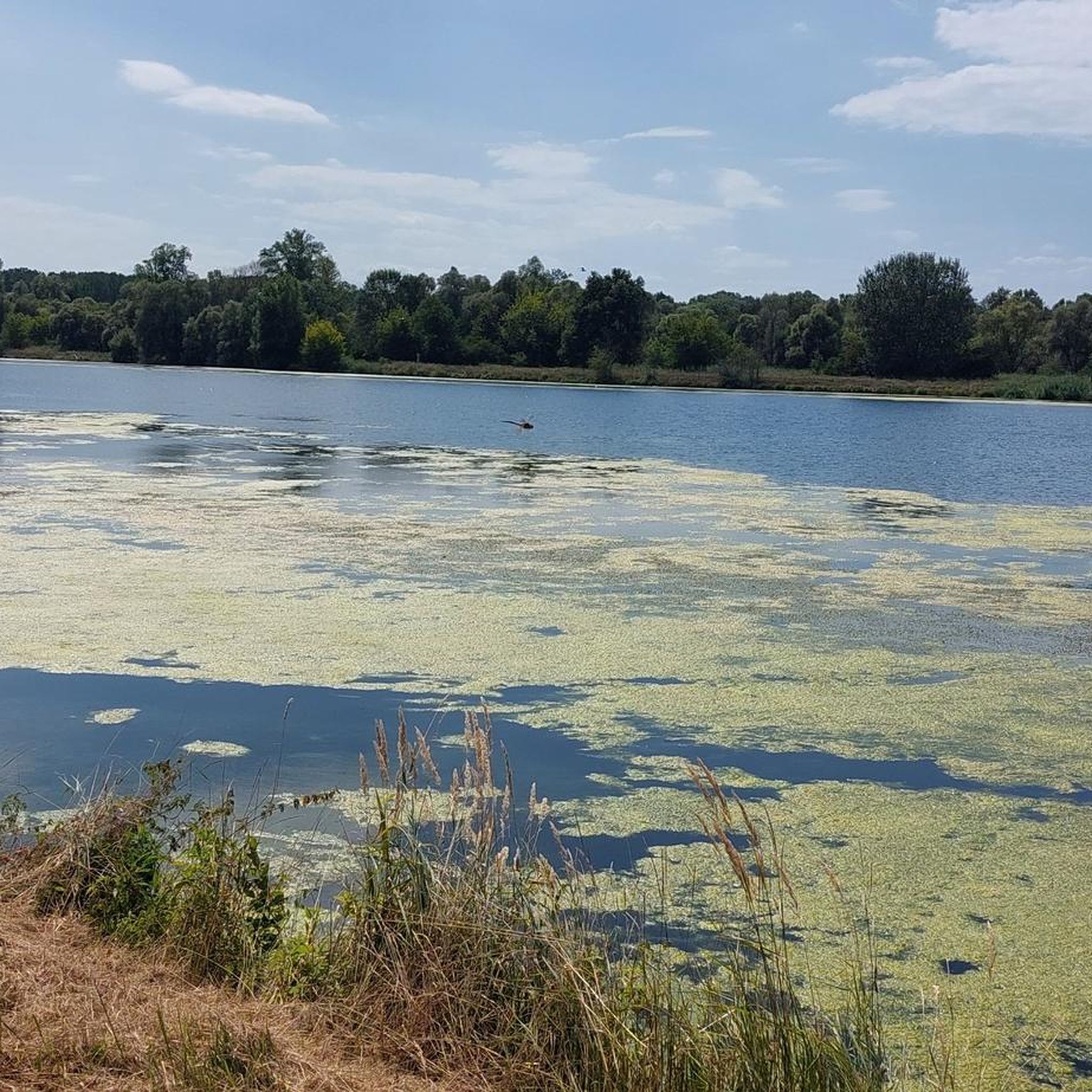
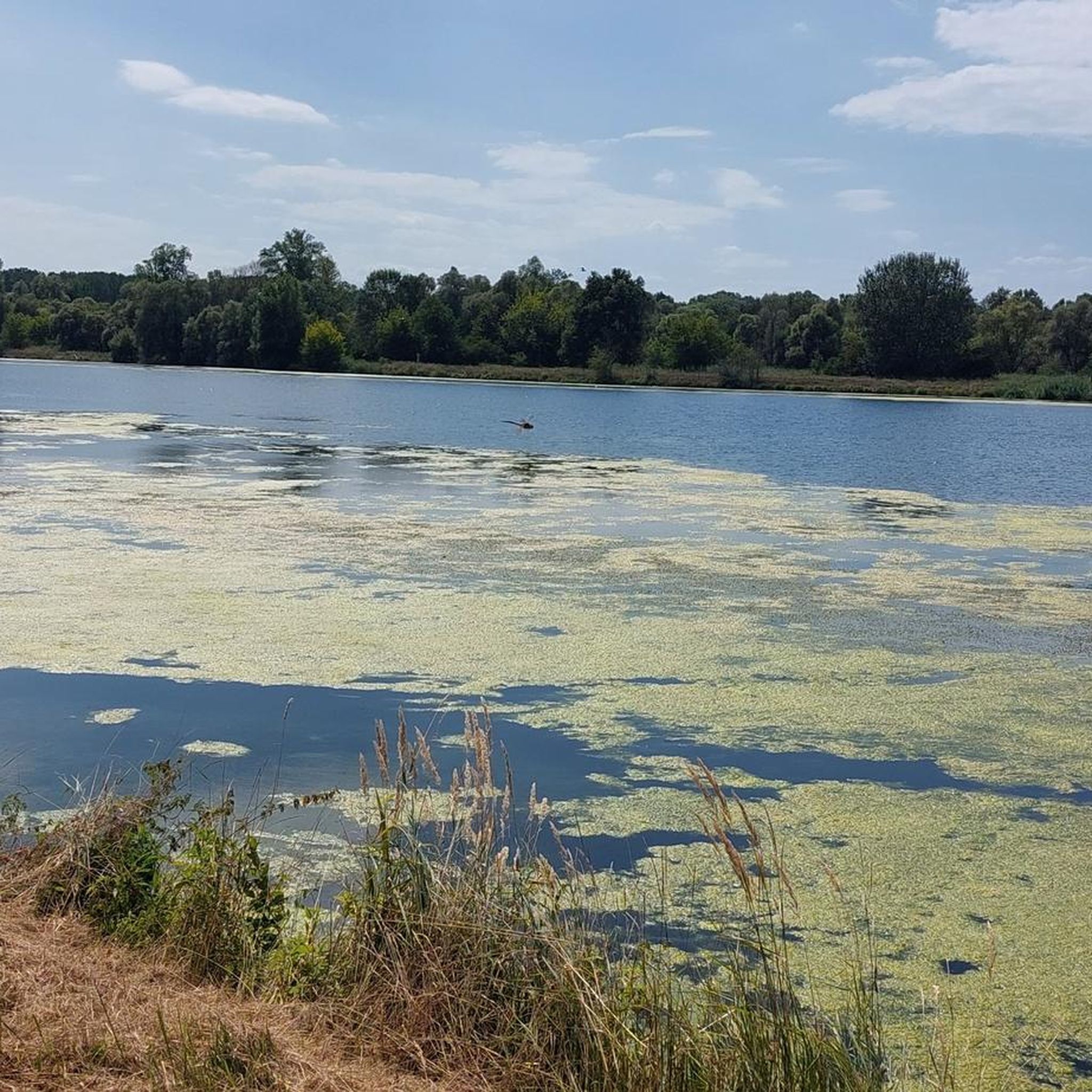
The Elzwiesen meadows have been a nature reserve since 1990. The area covers a total area of 410 hectares along the Elz River between Rust, Rheinhausen, and Herbolzheim. This area is particularly important because comparable grassland areas are becoming increasingly scarce. Due to development and increased use of the land for arable land, the breeding and refuge sites, as well as resting places, for many birds are disappearing throughout Europe.
0
0

The Grafmüller butcher's shop with its legendary black sausages no longer exists. The Café Casu on Marienplatz is also history. So why cycle to Ettenheim, the town that makes the car the centre of urban life? The huge signs at the entrances to the town saying "600 free parking spaces" create traffic looking for parking in the narrow streets and make it a little less pleasant to stay for a long time. You will look in vain for bicycle parking spaces (except for Café Rohan). A single car parking space, for example in front of the gate to the Prinzengarten, could make 10 cyclists happy. 10 quiet cyclists for one roaring motorist!
0
0

The Prinzengarten is a beautiful garden that was redesigned according to historical models in the early 2000s by the Friends of the Prinzengarten Ettenheim e.V.
0
0

The former faschinat is now a defensive structure and probably a ford at low water.
0
0

If you are lucky you will see fish jumping up the stairs
0
0

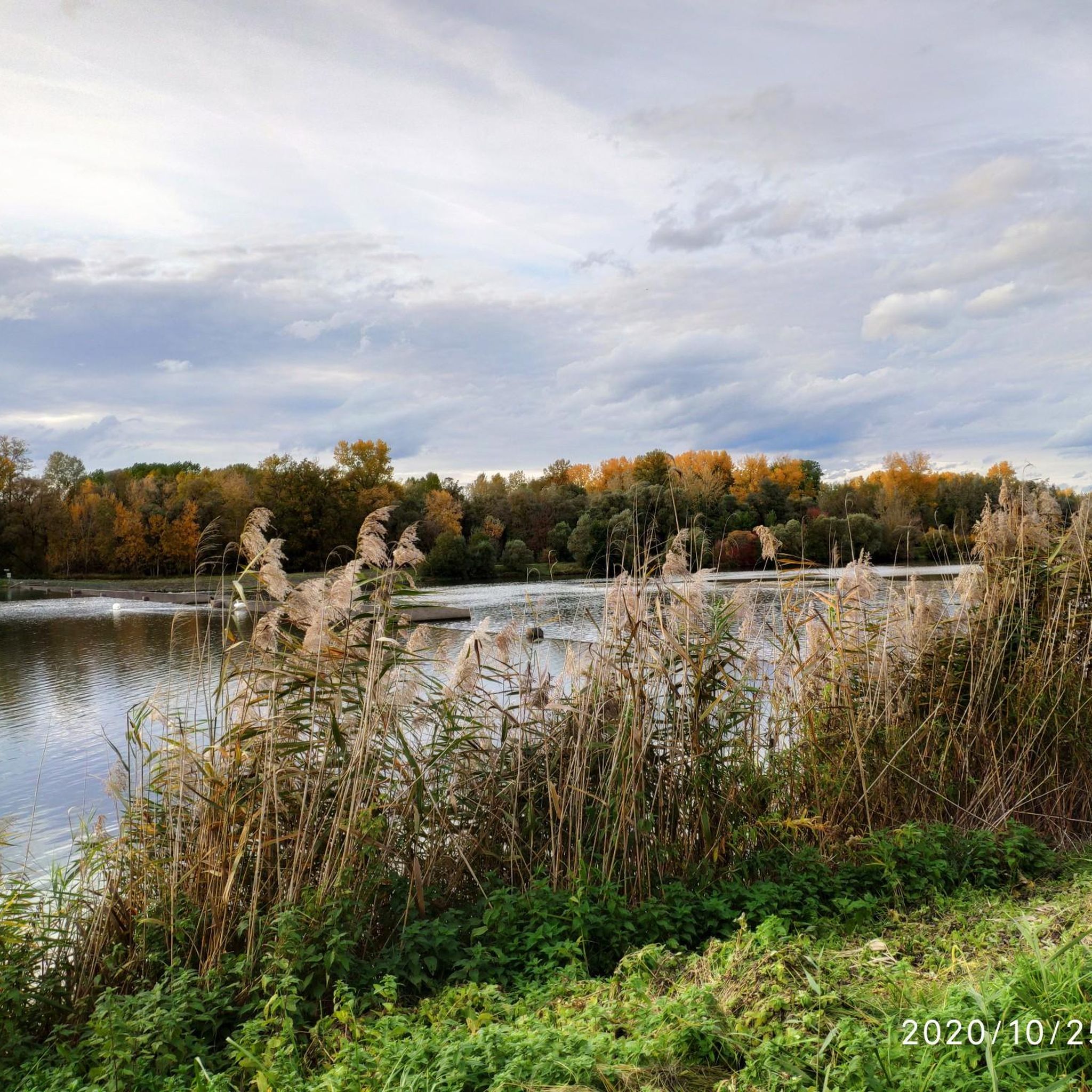
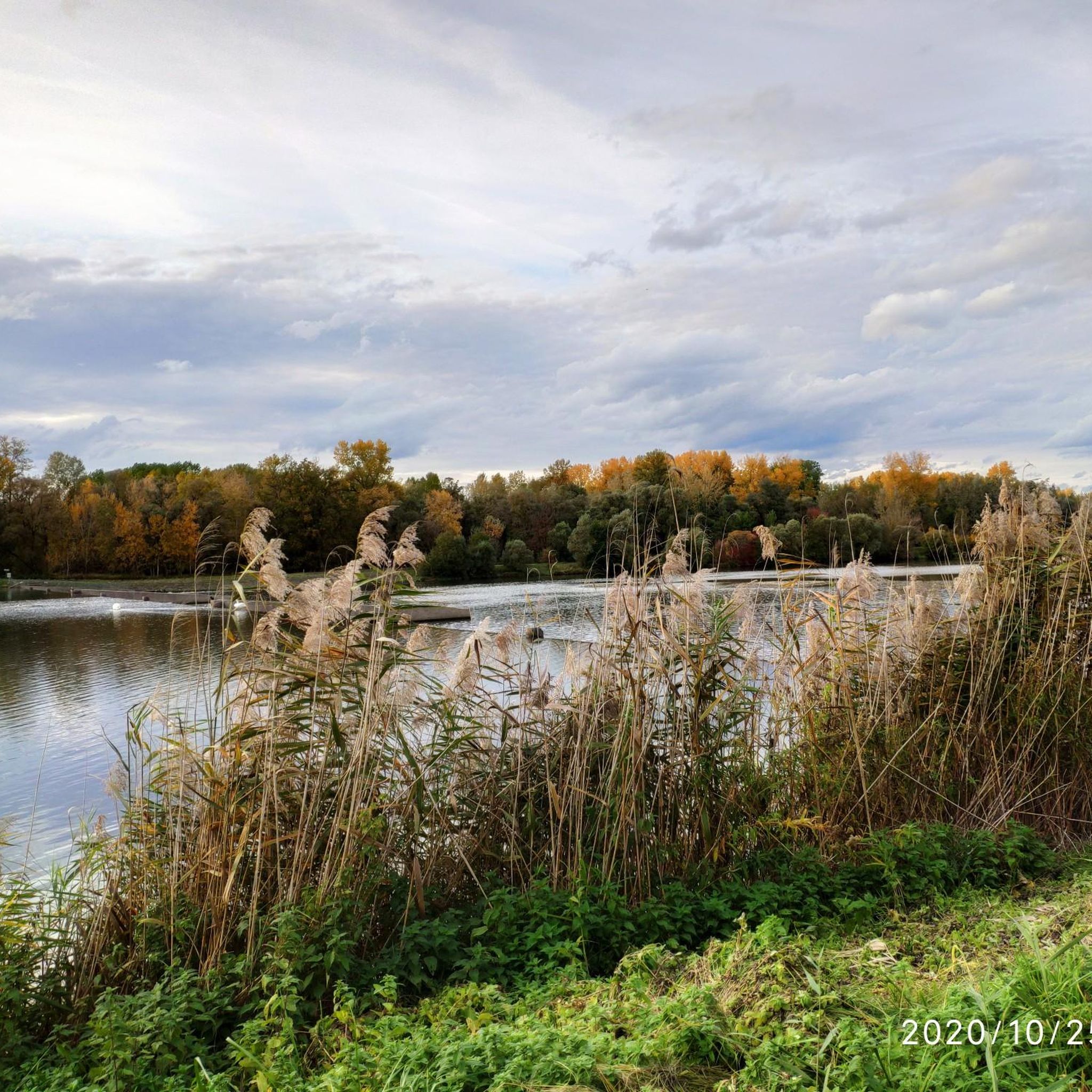
The Elzwehr is currently being rebuilt because of the Rhine polder near Wittenweier.
0
0
Frequently Asked Questions
What kind of natural features can I expect to see in the Rheinau/Rhinau natural monuments?
The natural monuments around Rheinau/Rhinau are primarily characterized by the unique ecosystems of the Rhine floodplains. You'll encounter dynamic alluvial forests, wetlands, old Rhine arms, and diverse meadows. Specific highlights include the beautiful riparian forests of the Taubergießen Floodplain and the rushing offshoots of the Rhine near Elzwehr near Wittenweier.
Are there family-friendly natural monuments in the Rheinau/Rhinau area?
Yes, several natural monuments in the Rheinau/Rhinau area are suitable for families. The Taubergießen Floodplain offers pleasant cycling through riparian forests. The Fish Ladder at the Taubergießen Weir is an interesting spot where you can observe fish and the contrast between calm and rushing water. Even the Prince's Garden, Ettenheim, while a man-made park, is family-friendly with public restrooms and space for relaxation.
What wildlife can I observe in the natural monuments of Rheinau/Rhinau?
The Rhine floodplains are rich in biodiversity. In the Île de Rhinau National Nature Reserve, you can observe a variety of flora and fauna, including dragonflies, amphibians, rare fish, and numerous bird species, especially migratory birds. The Rastatter Rheinaue in Germany is home to kingfishers, resting whooper swans, rare dragonflies, wildcats, and yellow-bellied toads. Keep an eye out for swans near the Elzwehr near Wittenweier.
When is the best time to visit the natural monuments in Rheinau/Rhinau?
The natural monuments offer different experiences throughout the year. Spring is particularly beautiful when the landscape is not yet overgrown with lush greenery, making it easier to appreciate the unique ecosystems. The seasonal flooding of the Rhine, crucial for the ecosystem, occurs at various times. Summer provides pleasant cool spots in the floodplains' forests, while winter offers opportunities for observing migratory birds.
What makes the Île de Rhinau National Nature Reserve special?
The Île de Rhinau National Nature Reserve in France is a prime example of a Rhine alluvial forest, often called an "Alsatian jungle." It's one of the last remaining areas of Rhine forest still subject to river flooding, which maintains its distinctive character. The reserve boasts exceptional biodiversity, with a mosaic of forests, wet meadows, and ponds, providing habitat for a rich variety of species. It's also ecologically connected to the Taubergiessen nature reserve in Germany.
What is unique about the Rastatter Rheinaue in Germany?
The Rastatter Rheinaue is one of the last intact floodplains in Europe, where the dynamic water levels of the Rhine are vital for its ecosystem. This German nature reserve features a unique landscape of tangled old Rhine arms, moist depressions, and high gravel ridges known as "Köpfel." It protects dense alluvial forests and species-rich old waters, providing a habitat for many rare animal and plant species. Informational signs along paths like the "Schafköpfelweg" help visitors understand its natural phenomena.
Are there hiking trails near these natural monuments?
Yes, the region offers numerous hiking opportunities. You can find easy hiking trails like the Forest trail along the Taubergießen, which leads through quiet, unspoiled sections of forest. For more options, explore the various hiking routes around Rheinau/Rhinau, including loops through the Taubergießen Wetlands.
Can I go cycling or mountain biking near the natural monuments?
Absolutely! The area is well-suited for cycling. You can cycle through the beautiful riparian forests of the Taubergießen Floodplain. For more dedicated routes, check out the MTB Trails around Rheinau/Rhinau or the Running Trails around Rheinau/Rhinau, which include longer loops like the Taubergießen Weir – View of the Rhine loop from Rhinau.
What do visitors particularly enjoy about the natural monuments here?
Visitors appreciate the tranquility and natural beauty of the area. Many enjoy cycling through the riparian forests, finding quiet spots along the shore for a break, and observing the sparkling water. The contrast between calm and rushing water at the weirs, like the Fish Ladder at the Taubergießen Weir, is also a popular highlight. The unspoiled sections of forest and the feeling of being close to nature are frequently mentioned.
Are there any natural monuments suitable for winter walks?
Yes, the floodplains offer unique experiences even in winter. The Forest trail along the Taubergießen, for example, is idyllic and quiet in November. The floodplains provide protection from the wind, and the winter landscape can be quite serene, offering opportunities to observe migratory birds that visit the wetlands during colder months.
Are dogs allowed in the natural monuments?
While many natural areas in Germany and France are dog-friendly, it's important to keep dogs on a leash, especially in nature reserves like the Île de Rhinau and Rastatter Rheinaue, to protect wildlife and sensitive ecosystems. Always check local signage for specific rules and restrictions in designated protected areas.
How can I reach the natural monuments using public transport?
Access to some natural monuments, particularly those within the Île de Rhinau National Nature Reserve, can be challenging via public transport directly to the heart of the reserve. It's often easier to reach nearby towns by train or bus and then proceed by bike or on foot. For the Rastatter Rheinaue, public transport might take you to the vicinity of Rheinau, but further exploration often requires a car or bicycle. Always check local bus and train schedules for the most up-to-date information.
Are there any hidden natural gems worth exploring?
Beyond the well-known areas, the vastness of the Rhine floodplains holds many quieter spots. Exploring the less-traveled paths within the Taubergießen area, especially during off-peak seasons, can reveal serene, idyllic sections of forest and riverbanks. These areas often provide a deeper sense of connection to the unspoiled nature of the region.
Most popular routes around Rheinau/Rhinau
Most popular attractions around Rheinau/Rhinau

Get inspired with the komoot mobile app


Explore more
Extend your search for the best caves by checking out these guides of the top ones around Rheinau/Rhinau:
