Top 20 Natural Monuments around Borler
Natural monuments around Borler offer diverse geological features and unique natural formations. The region is characterized by its volcanic past and the resulting landscapes, including craters and rock faces. Visitors can explore a variety of natural sites, from waterfalls to former quarries, showcasing the area's natural history. These landmarks provide insights into the geological evolution of the Borler region.
Best natural monuments around Borler
- The most popular natural monuments is Dreimühlen Waterfall, a waterfall that was artificially created by…
Last updated: August 18, 2026
Dreimühlen Waterfall
Highlight • Waterfall
Translated by Google •
Tip by

Rock face at Nohner Mühle
Highlight • Natural Monument
Translated by Google •
Tip by

Sign up now to discover places like this
Get recommendations on the best single tracks, peaks, & plenty of other exciting outdoor places.
Sign up for free
Former marble quarry Berndorf
Highlight • Structure
Translated by Google •
Tip by

Arensberg Volcanic Crater and Stone Labyrinth
Highlight • Volcano
The …
Translated by Google •
Tip by

Rock overhang with wooden cross below the Dreimühlen ruin
Highlight • Cave
Translated by Google •
Tip by

Sign up for free to discover even more natural monuments around Borler.
Sign up for free
Already have an account?
Start today with a free account
Your next adventure awaits.
Login or Signup

Tips from the Community


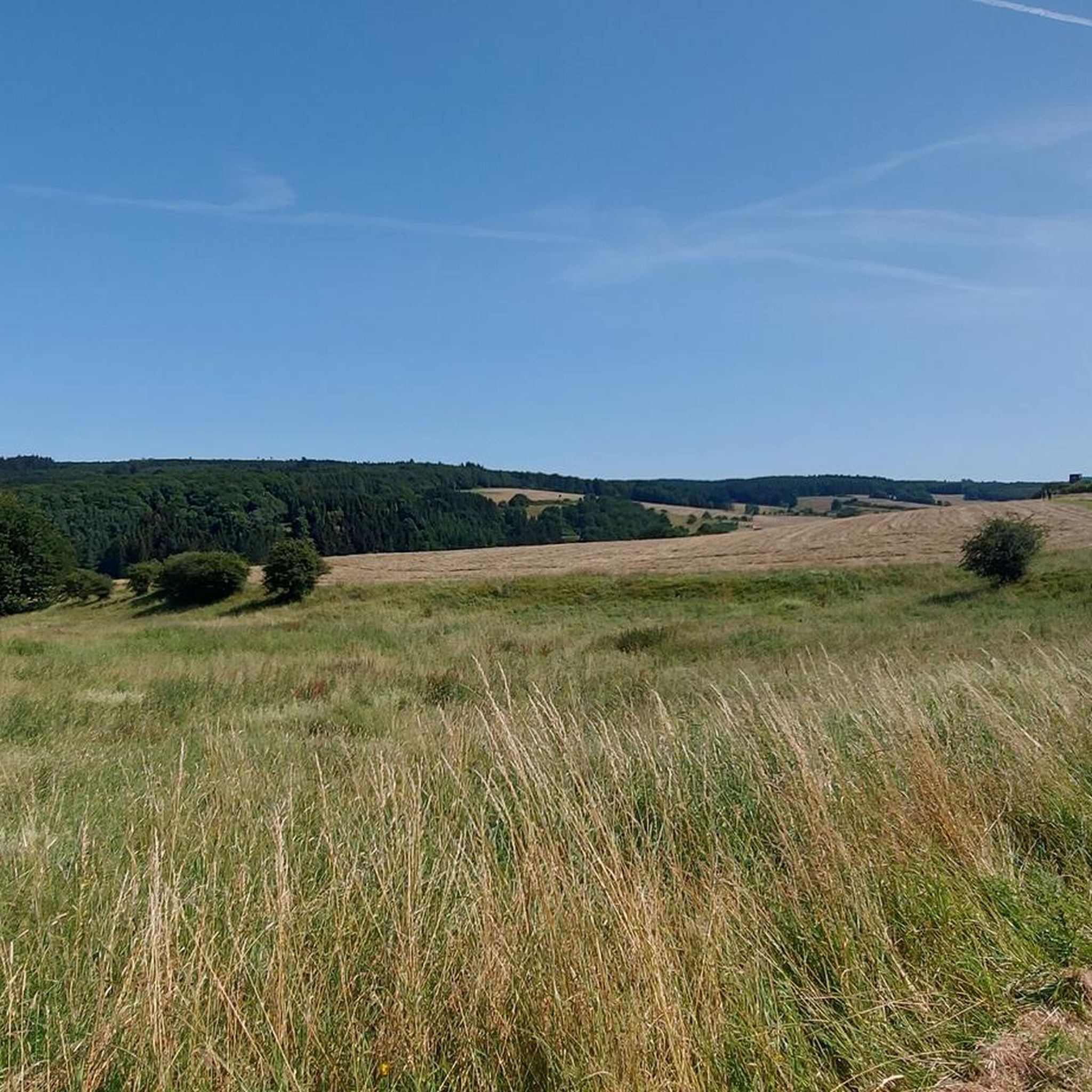
From large stone blocks, a barrier has been erected around the area - for good reason - signs indicate a prohibition of entry, which should absolutely be observed for your own safety. Partially, fossil inclusions are recognizable in the stone blocks from the hiking trail.
0
0
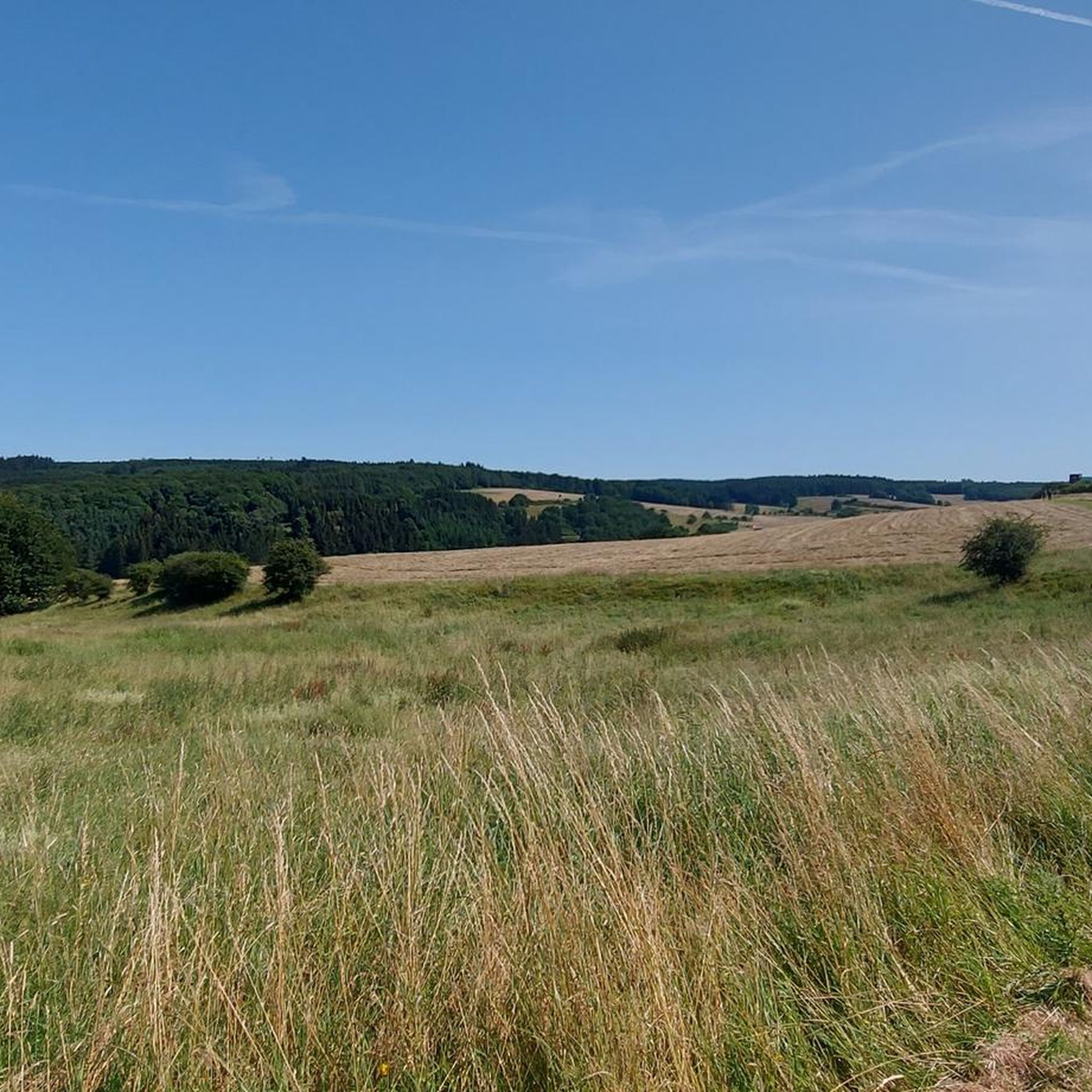
On the way to the Dreimühlen waterfall, which is well-known beyond the Vulkaneifel region and a popular excursion destination, the hiker sees the limestone rock formation towering over the water a little beforehand. It's a bit reminiscent of the Swabian Jura, as someone told me on the way today.
1
0

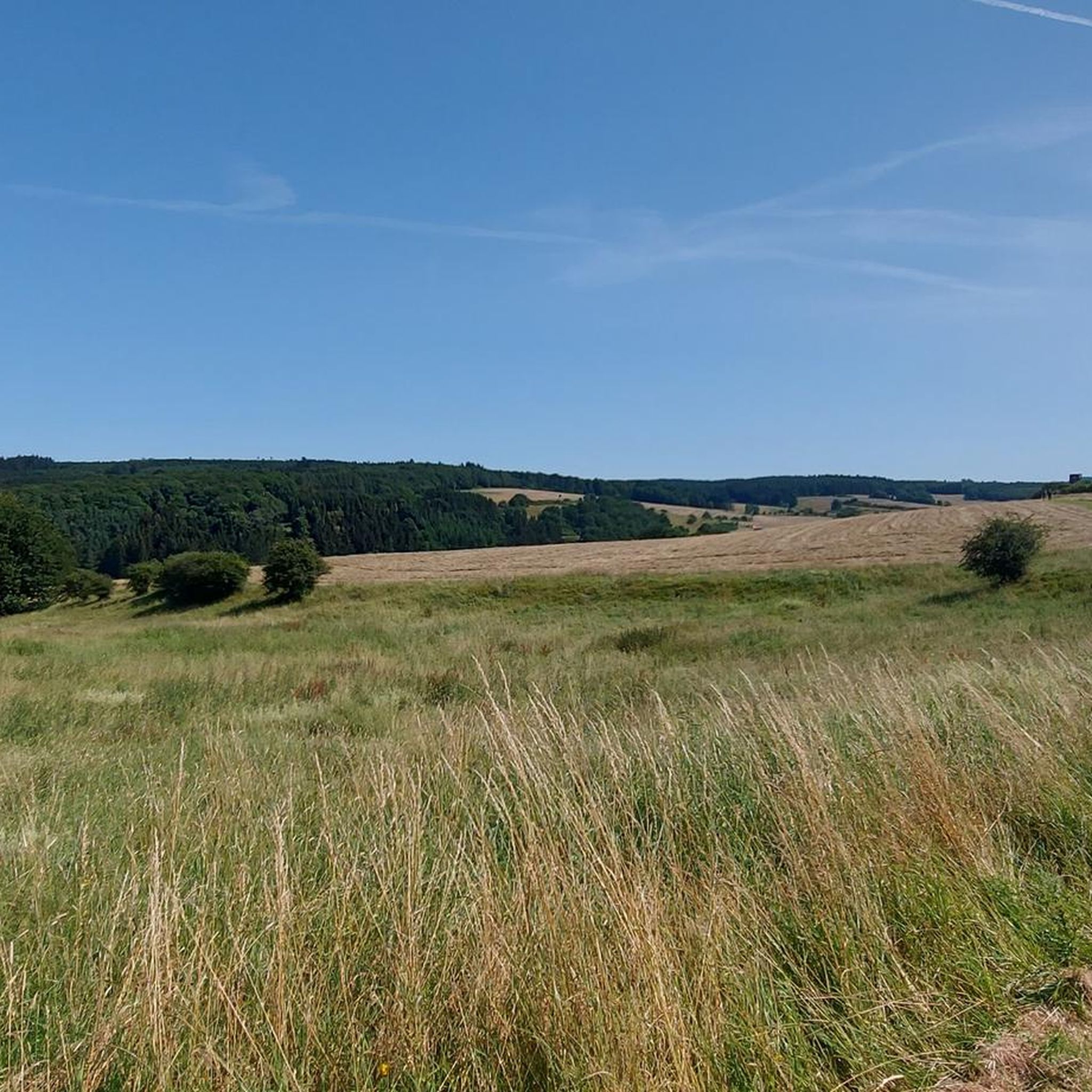
The karstified limestone cliffs are the first highlight on the path from the parking lot to the waterfall. Here, the stream has carved its way through the limestone, creating the rock face. The limestone originated as a deposit of dead marine organisms on the seabed of a shallow ocean that covered this area millions of years ago. Later, the ground was uplifted by tectonic processes. Limestone reacts with acid and is therefore dissolved by rainwater and surface water, which is slightly carbonated due to the CO2 in the air. This process creates weathered formations and caves. The formation of the Dreimühlen Waterfall is also related to this process.
5
0

Beautiful rock face to see.
5
0

For information about the limestone cliffs, see e.g. https://kreis-ahrweiler.de/kvar/VT/hjb1960/hjb1960.54.htm
2
0

Imposing limestone wall behind the Nohner Mill
2
0

The so-called Dreimühlen waterfall is also known as the Nohn waterfall. The name Nohn waterfall comes from the waterfall's proximity to the town of Nohn. The houses on the outskirts of Nohn are only a few hundred meters above the waterfall. Most people talk about the Dreimühlen waterfall, however. The name Dreimühlen comes from a former castle called Dreimühlen. Today, however, only the remains of the walls are said to remain. We looked for the former castle on our trip, but couldn't find anything of it. The waterfall in the Eifel is located between the towns of Üxheim, Kerpen and Nohn. Although the other large towns in the Eifel are not located here, many visitors come here. Some of them travel especially to visit the waterfall. The Dreimühlen waterfall is one of the most visited Eifel attractions. Almost every holidaymaker in the area comes to the waterfall at least once during their Eifel vacation. In addition, many day tourists travel from outside, making it the most visited waterfall in the Eifel. They all want to see the unique natural wonder.
16
1
Frequently Asked Questions
What unique geological features can I explore around Borler?
The Borler region is rich in geological history, particularly its volcanic past. You can explore sites like the Arensberg Volcanic Crater and Stone Labyrinth, which showcases two eruption phases from millions of years ago. Other notable features include the prominent Rock face at Nohner Mühle and the unique Dreimühlen Waterfall, which 'grows' through limescale deposits.
Are there family-friendly natural monuments to visit near Borler?
Yes, several natural monuments around Borler are suitable for families. The Dreimühlen Waterfall is a popular spot, and its former railway line is now a cycling and hiking trail, making it accessible. The Arensberg Volcanic Crater and Stone Labyrinth also offers an engaging experience for families with its geological history and labyrinth.
What kind of hiking trails are available near the natural monuments?
The natural monuments in the Borler area are often starting points or part of various hiking routes. For example, the Rock face at Nohner Mühle is located near a parking area that serves as a starting point for trails leading to the Dreimühlen Waterfall. Many trails in the region utilize former railway lines, offering relatively easy paths. You can find more hiking options in the Borler hiking guide.
Can I find historical sites among the natural monuments?
Yes, some natural monuments in the Borler region also have historical significance. The Former marble quarry Berndorf, for instance, operated until the 1980s and offers insights into local industry and geology. The Arensberg Volcanic Crater also revealed Roman and medieval finds during its time as a quarry.
What outdoor activities can I do near these natural monuments?
Beyond exploring the natural monuments themselves, the Borler region offers various outdoor activities. You can find numerous cycling routes, including easy and difficult options, such as the 'Dreimühlen Waterfall – Bridge Over Quarry Access Road loop from Nohn'. Mountain biking trails are also available, like the 'Nohner Mill Café – Dreimühlen Waterfall loop'. For more details, check out the Cycling around Borler and MTB Trails around Borler guides.
What do visitors enjoy most about the natural monuments around Borler?
Visitors frequently praise the unique natural beauty and geological insights. The 'self-growing' aspect of the Dreimühlen Waterfall is a particular highlight, often described as a 'real small and nice surprise'. The Arensberg Volcanic Crater and Stone Labyrinth is appreciated for its unique silence and opportunity for reflection within the crater.
Are there any natural monuments with viewpoints or scenic overlooks?
Yes, several natural monuments offer excellent viewpoints. The Rock face at Nohner Mühle provides a prominent natural view. Additionally, the Rock overhang with wooden cross below the Dreimühlen ruin is a scenic spot where you can observe interesting rock formations created by karstification.
Is there parking available near the natural monuments?
Yes, parking is generally available. For instance, the Rock face at Nohner Mühle is conveniently located right at a parking area, which also serves as a starting point for trails to the Dreimühlen Waterfall.
Can I visit the natural monuments with my dog?
While specific dog-friendly designations for each monument are not always listed, many natural outdoor areas and trails in the Borler region are generally suitable for dogs, provided they are kept on a leash and owners clean up after them. The trails around the Dreimühlen Waterfall, for example, are popular for walks with pets.
What is the best time to visit the natural monuments around Borler?
The natural monuments around Borler can be enjoyed throughout the year, but each season offers a different experience. Spring and autumn provide pleasant temperatures for hiking and cycling, with vibrant foliage or blooming nature. Summer is ideal for longer days outdoors, while winter can offer a serene, snow-covered landscape, though some paths might be more challenging. Always check local conditions before your visit.
How long should I plan for a visit to these natural monuments?
The duration of your visit depends on which natural monuments you choose to explore and what activities you plan. A quick stop at a single site like the Rock face at Nohner Mühle might take less than an hour. However, if you combine a visit to the Dreimühlen Waterfall with a hike or cycle along the former railway line, you could easily spend a half-day. Exploring the Arensberg Volcanic Crater and Stone Labyrinth could also take a couple of hours, especially if you delve into the geological information.
Are there any cafes or restaurants near the natural monuments?
While specific cafes directly adjacent to every natural monument are not detailed, the region around Borler, particularly in nearby villages, offers options for refreshments. For example, the 'Nohner Mill Café' is mentioned in some nearby MTB routes, suggesting places to eat and drink are accessible within the wider area.
Most popular attractions around Borler

Get inspired with the komoot mobile app


Explore more
Extend your search for the best caves by checking out these guides of the top ones around Borler:
