Top 20 Natural Monuments around Wimbach
Best natural monuments around Wimbach offer diverse natural and geological features. This region provides opportunities to explore unique landscapes, from waterfalls to volcanic formations. Visitors can discover a variety of natural attractions, including rock faces and ancient geological sites. The area is well-suited for those seeking to experience natural beauty and geological history.
Best natural monuments around Wimbach
- The most popular natural monuments is Dreimühlen Waterfall, a waterfall that was created through the construction of a railway line by…
Last updated: August 18, 2026
Dreimühlen Waterfall
Highlight • Waterfall
Translated by Google •
Tip by

Kaiser Wilhelm Tower on the Hohe Acht
Highlight • Monument
Translated by Google •
Tip by

Sign up now to discover places like this
Get recommendations on the best single tracks, peaks, & plenty of other exciting outdoor places.
Sign up for free
Rock face at Nohner Mühle
Highlight • Natural Monument
Translated by Google •
Tip by

Boos Eifel Observation Tower
Highlight • Viewpoint
Translated by Google •
Tip by

Boos Lava Bomb
Highlight • Natural Monument
Translated by Google •
Tip by

Sign up for free to discover even more natural monuments around Wimbach.
Sign up for free
Already have an account?
Start today with a free account
Your next adventure awaits.
Login or Signup
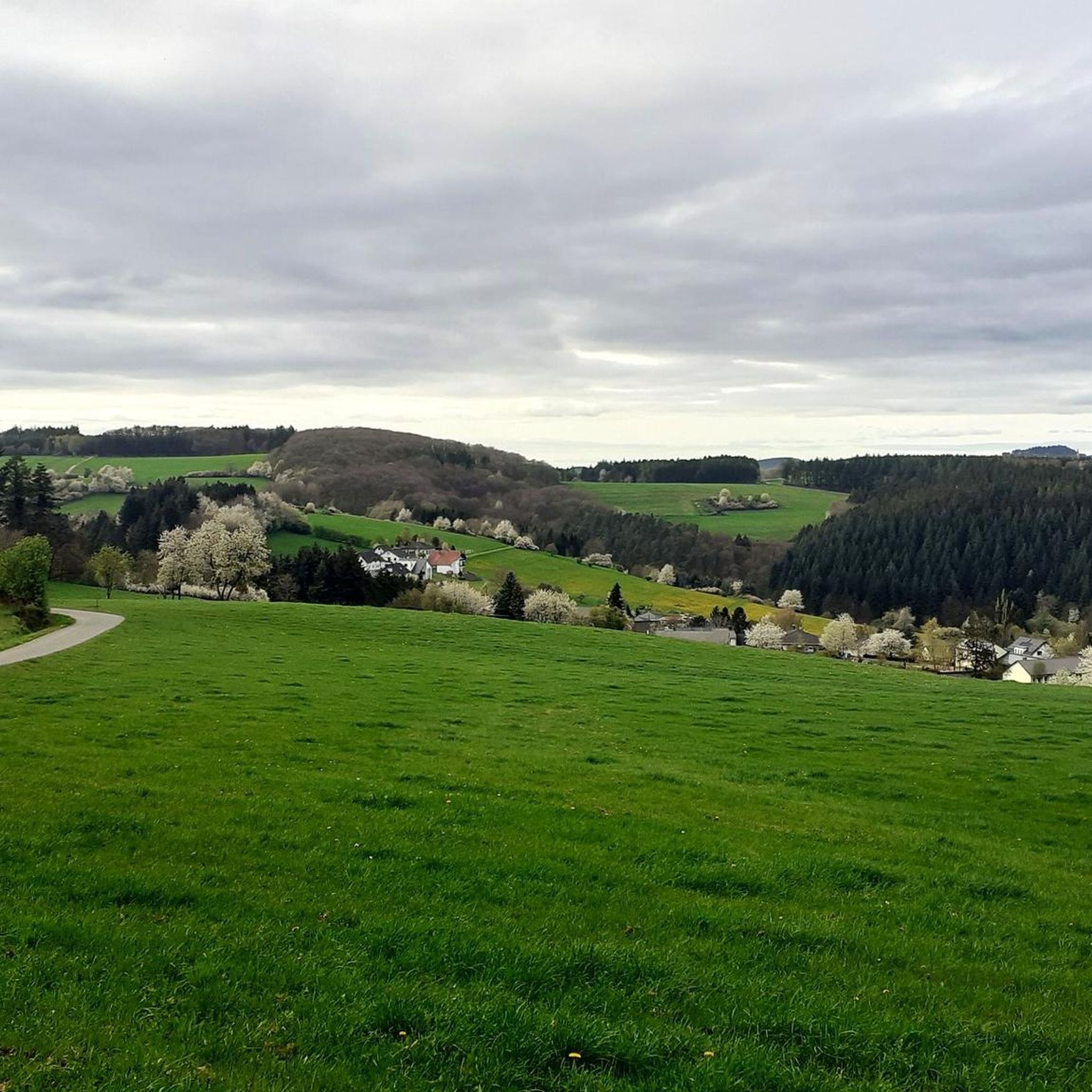
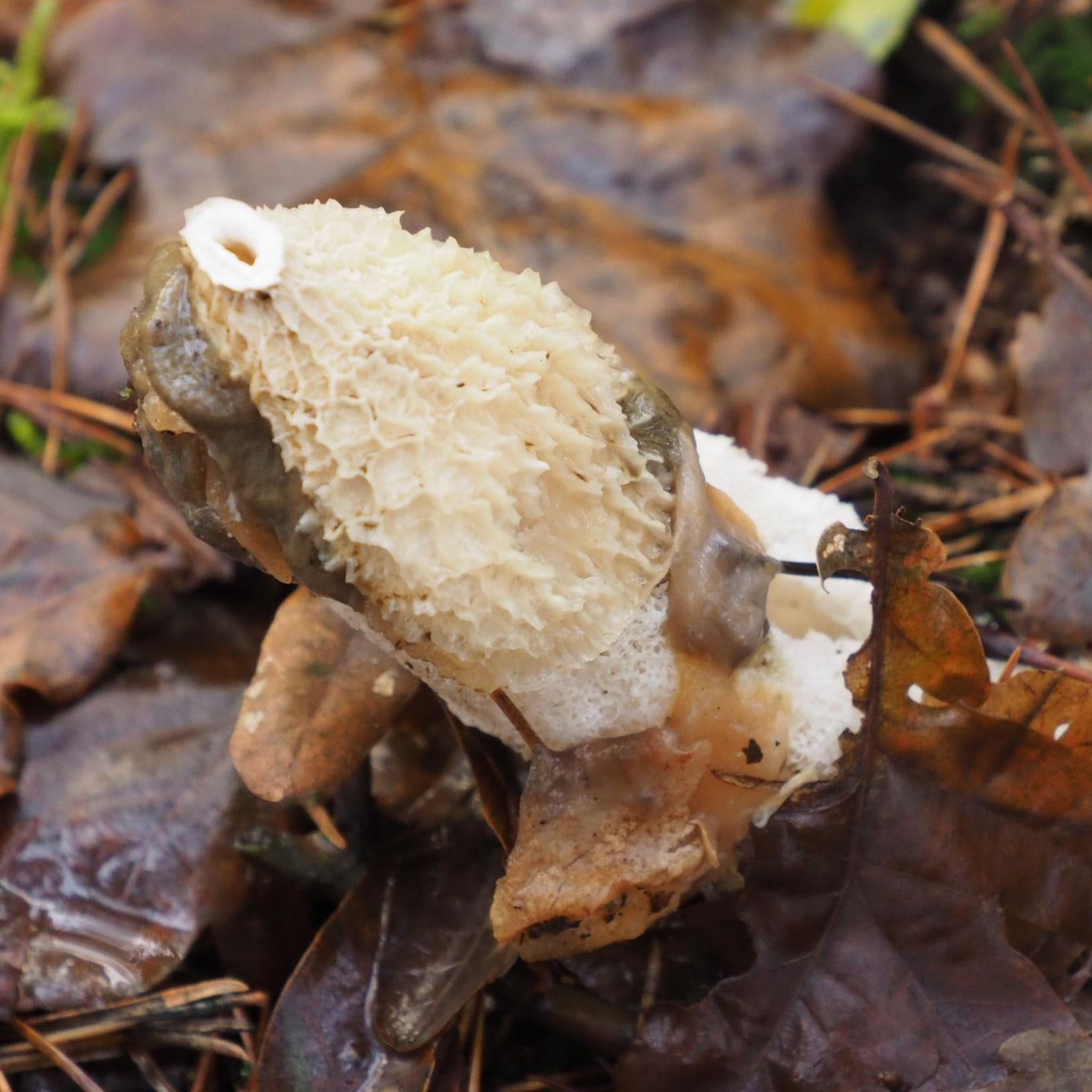
Tips from the Community

On the way to the Dreimühlen waterfall, which is well-known beyond the Vulkaneifel region and a popular excursion destination, the hiker sees the limestone rock formation towering over the water a little beforehand. It's a bit reminiscent of the Swabian Jura, as someone told me on the way today.
1
0

The karstified limestone cliffs are the first highlight on the path from the parking lot to the waterfall. Here, the stream has carved its way through the limestone, creating the rock face. The limestone originated as a deposit of dead marine organisms on the seabed of a shallow ocean that covered this area millions of years ago. Later, the ground was uplifted by tectonic processes. Limestone reacts with acid and is therefore dissolved by rainwater and surface water, which is slightly carbonated due to the CO2 in the air. This process creates weathered formations and caves. The formation of the Dreimühlen Waterfall is also related to this process.
5
0

Beautiful rock face to see.
5
0

For information about the limestone cliffs, see e.g. https://kreis-ahrweiler.de/kvar/VT/hjb1960/hjb1960.54.htm
2
0

Imposing limestone wall behind the Nohner Mill
2
0

The so-called Dreimühlen waterfall is also known as the Nohn waterfall. The name Nohn waterfall comes from the waterfall's proximity to the town of Nohn. The houses on the outskirts of Nohn are only a few hundred meters above the waterfall. Most people talk about the Dreimühlen waterfall, however. The name Dreimühlen comes from a former castle called Dreimühlen. Today, however, only the remains of the walls are said to remain. We looked for the former castle on our trip, but couldn't find anything of it. The waterfall in the Eifel is located between the towns of Üxheim, Kerpen and Nohn. Although the other large towns in the Eifel are not located here, many visitors come here. Some of them travel especially to visit the waterfall. The Dreimühlen waterfall is one of the most visited Eifel attractions. Almost every holidaymaker in the area comes to the waterfall at least once during their Eifel vacation. In addition, many day tourists travel from outside, making it the most visited waterfall in the Eifel. They all want to see the unique natural wonder.
16
1

Nice entrance to hiking tours to the waterfall
2
0

The egg-shaped ejected particles are 6 cm or larger and deform the layers of earth when impacted. They are clearly visible here on the rock walls.
2
0
Frequently Asked Questions
What unique natural features can I discover around Wimbach?
The Wimbach area is rich in diverse natural and geological features. You can explore unique landscapes such as the Dreimühlen Waterfall, an artificial waterfall that 'grows' through limescale deposits, making it a unique natural phenomenon. There's also the impressive Rock face at Nohner Mühle, and the Boos Lava Bomb, which offers insights into ancient geological events with explanatory panels.
Are there any family-friendly natural monuments in the Wimbach region?
Yes, several natural monuments are suitable for families. The Dreimühlen Waterfall is considered family-friendly and offers a pleasant experience. Additionally, the Boos Lava Bomb is also noted as family-friendly, providing an interesting educational experience about the earth's history.
What kind of geological formations are prominent in the Wimbach area?
The Wimbach area is characterized by a variety of geological formations, including waterfalls, rock formations, and volcanic features. The Boos Lava Bomb is a prime example of the region's volcanic past, with explanatory panels detailing ancient geological events. The Rock face at Nohner Mühle showcases impressive rock structures.
What outdoor activities can I do near the natural monuments around Wimbach?
The Wimbach area offers a range of outdoor activities. You can enjoy hiking on various trails, with options like the 'View of the Wimbach Valley – View of Nürburg loop' which is an easy route. For more challenging hikes, consider the 'Barweiler Mill Fishing Ponds – View of Honerath Village loop'. There are also numerous road cycling and gravel biking routes available. You can find more details on these activities in the hiking guide, road cycling guide, and gravel biking guide for Wimbach.
Are there hiking trails suitable for beginners near Wimbach's natural monuments?
Yes, there are hiking trails suitable for beginners. An easy option is the 'View of the Wimbach Valley – View of Nürburg loop from Wimbach', which covers a distance of approximately 6 km. This allows for a pleasant introduction to hiking in the area while enjoying the natural surroundings. More hiking options can be found in the hiking around Wimbach guide.
What do visitors particularly enjoy about the natural monuments in Wimbach?
Visitors frequently praise the unique and refreshing experiences offered by the natural monuments. For instance, the Dreimühlen Waterfall is described as a 'real small and nice surprise' and a 'self-growing waterfall' that is definitely worth visiting. The Boos Lava Bomb is appreciated for its 'good insight into what happened at this spot ages ago' and the impressive shifting of soil layers.
Is there a viewpoint to get a good overview of the Wimbach area's natural beauty?
Yes, for panoramic views, the Kaiser Wilhelm Tower on the Hohe Acht offers a great perspective over the Eifel region. While not directly a natural monument, it provides an excellent vantage point to appreciate the surrounding natural landscape. The Boos Eifel Observation Tower also provides fantastic views, including towards the Nürburgring and Hohe Acht.
Can I find historical sites or monuments alongside natural attractions in Wimbach?
While the focus is on natural monuments, the region does offer some historical context. The Kaiser Wilhelm Tower on the Hohe Acht is a man-made monument with historical significance, commemorating Emperor Wilhelm I. It stands on the highest elevation in the Eifel, offering both historical interest and natural views.
Are there any natural monuments that are particularly interesting for geology enthusiasts?
Absolutely. The Boos Lava Bomb is a must-see for geology enthusiasts, featuring explanatory panels that provide detailed insights into ancient geological events and the shifting of soil layers. The Dreimühlen Waterfall is also geologically unique due to its formation and continuous growth through limescale deposits.
What is the best time to visit the natural monuments around Wimbach?
The best time to visit the natural monuments around Wimbach generally depends on the specific site and your preferred activities. For many outdoor activities and to fully enjoy the landscapes, the warmer months from spring to autumn are ideal. However, some sites like the Boos Lava Bomb can be impressive even in winter, as noted by visitors who have explored it in colder temperatures.
Are there any natural monuments that are particularly good for photography?
Many natural monuments in the Wimbach area offer excellent photographic opportunities. The Dreimühlen Waterfall, with its unique 'growing' nature and lush surroundings, is a popular spot for capturing beautiful scenes. The dramatic Rock face at Nohner Mühle also provides a striking subject for photographers.
Most popular routes around Wimbach
Most popular attractions around Wimbach

Get inspired with the komoot mobile app


Explore more
Extend your search for the best caves by checking out these guides of the top ones around Wimbach:
