Top 20 Natural Monuments around Ursensollen
Best natural monuments around Ursensollen are found within the serene natural environment of the Hirschwald Nature Park. This region offers a variety of captivating natural formations for exploration. Visitors can discover geological features, historical sites integrated with nature, and unique landscapes. The area provides opportunities for outdoor activities amidst its diverse natural attractions.
Best natural monuments around Ursensollen
- The most popular natural monuments is Poppberg Castle Ruins, a natural monument that features a well-preserved ruin on the highest elevation…
Last updated: August 18, 2026
Lauterach River
Highlight (Segment) • River
Translated by Google •
Tip by

Seven Springs Karst Springs
Highlight • Natural Monument
Translated by Google •
Tip by

Sign up now to discover places like this
Get recommendations on the best single tracks, peaks, & plenty of other exciting outdoor places.
Sign up for free
Water wheel at the Landesgartenschau grounds
Highlight • Monument
Translated by Google •
Tip by

Poppberg Castle Ruins
Highlight • Castle
Translated by Google •
Tip by

Osterloch Cave
Highlight • Cave
Translated by Google •
Tip by
Sign up for free to discover even more natural monuments around Ursensollen.
Sign up for free
Already have an account?
Start today with a free account
Your next adventure awaits.
Login or Signup
Popular around Ursensollen
11 Days on the Erzweg Quality Hiking Trail
Auf dem Erzweg im Naturpark Hirschwald
Radfahren im Naturpark Hirschwald
Kunstwandern im Naturpark Hirschwald
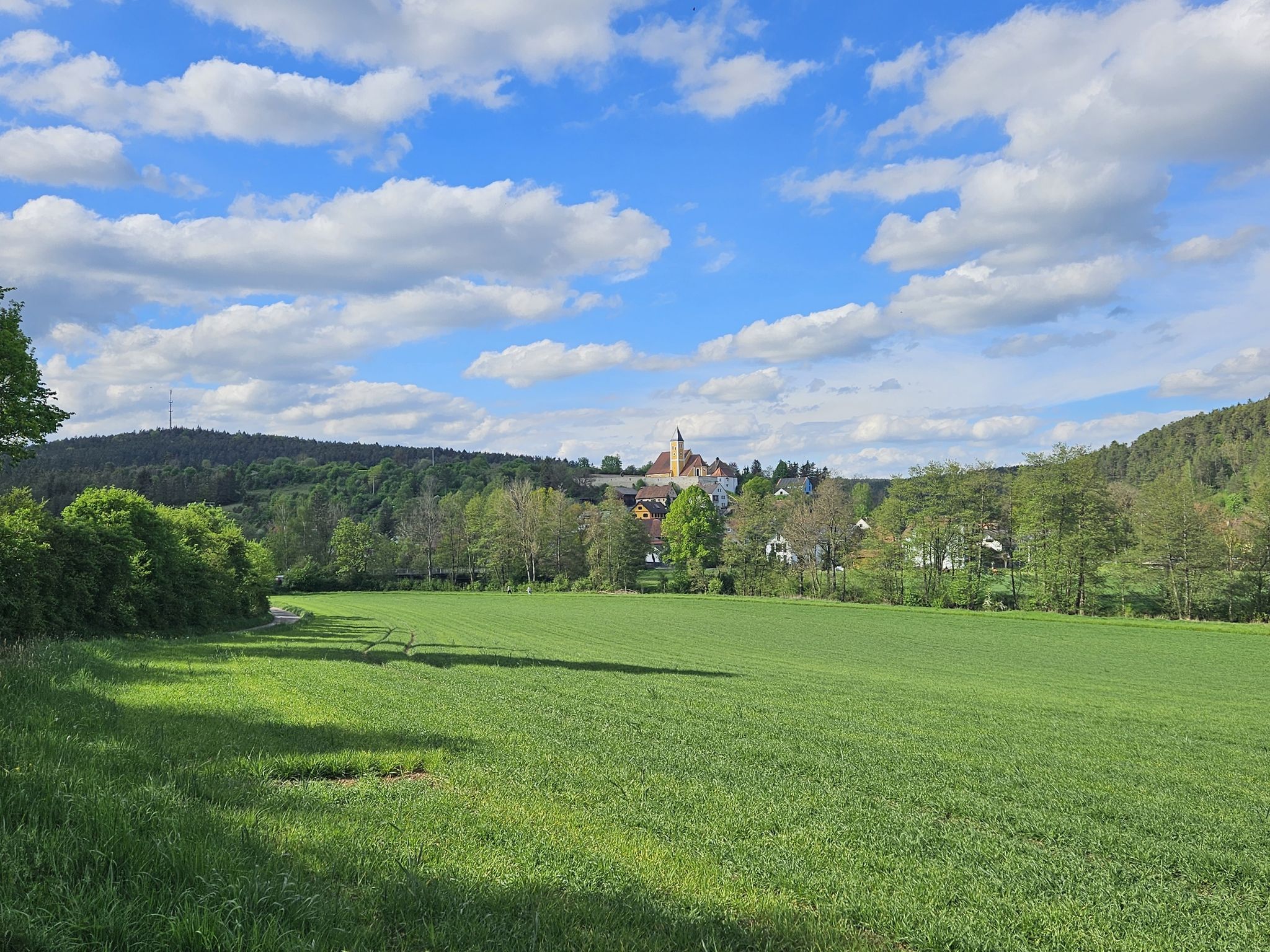
Wandern im Naturpark Hirschwald
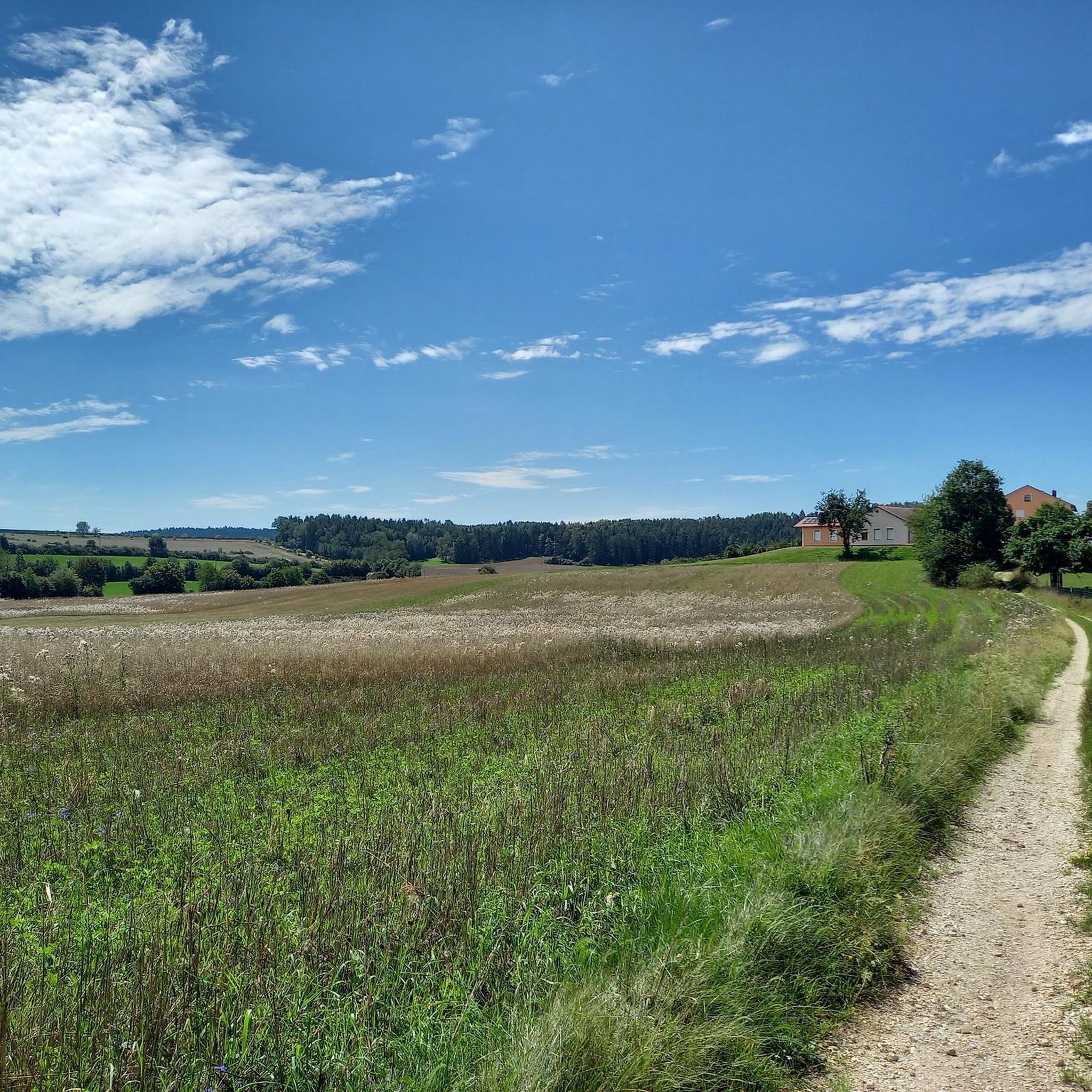
Cycling around Ursensollen
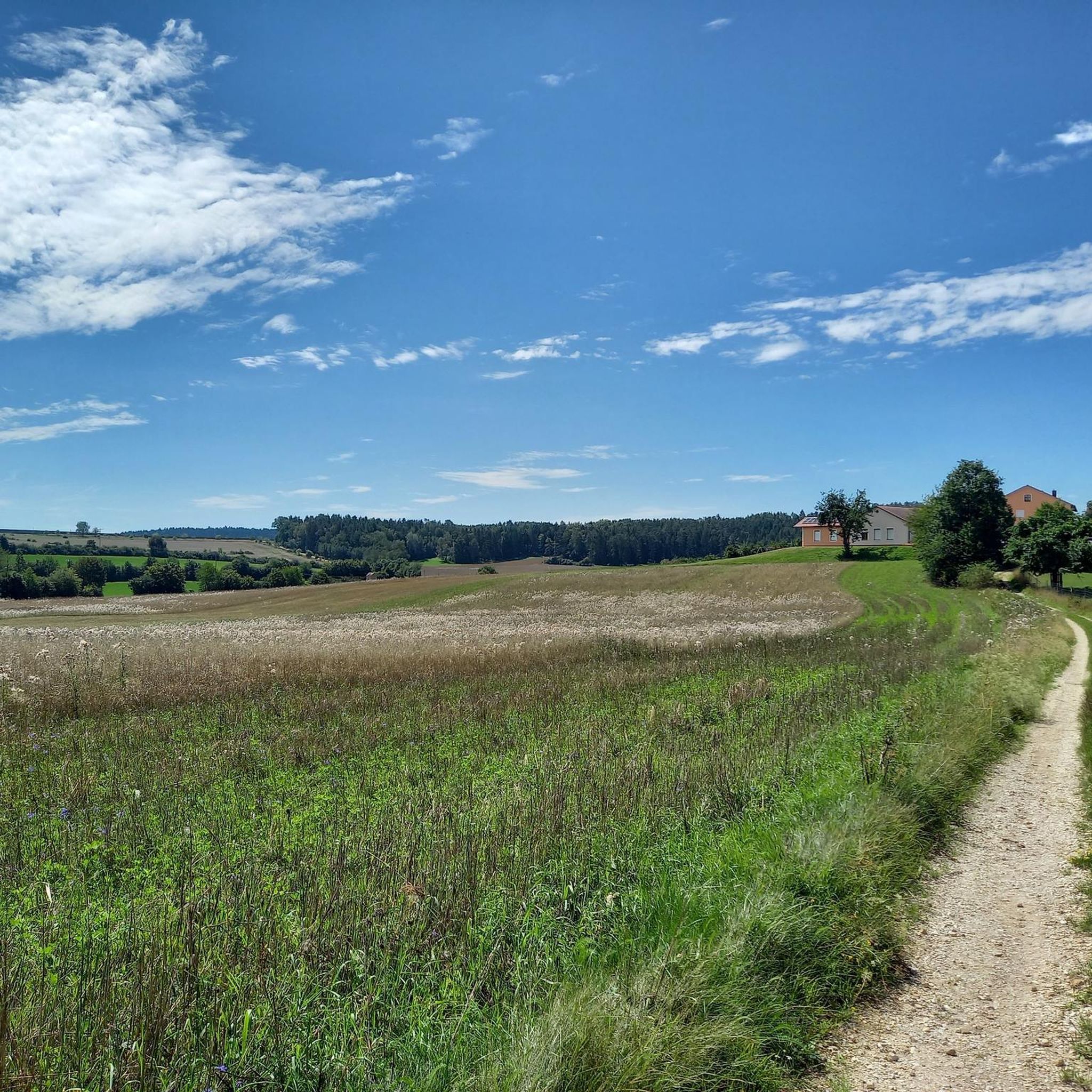
Hiking around Ursensollen

Gravel biking around Ursensollen
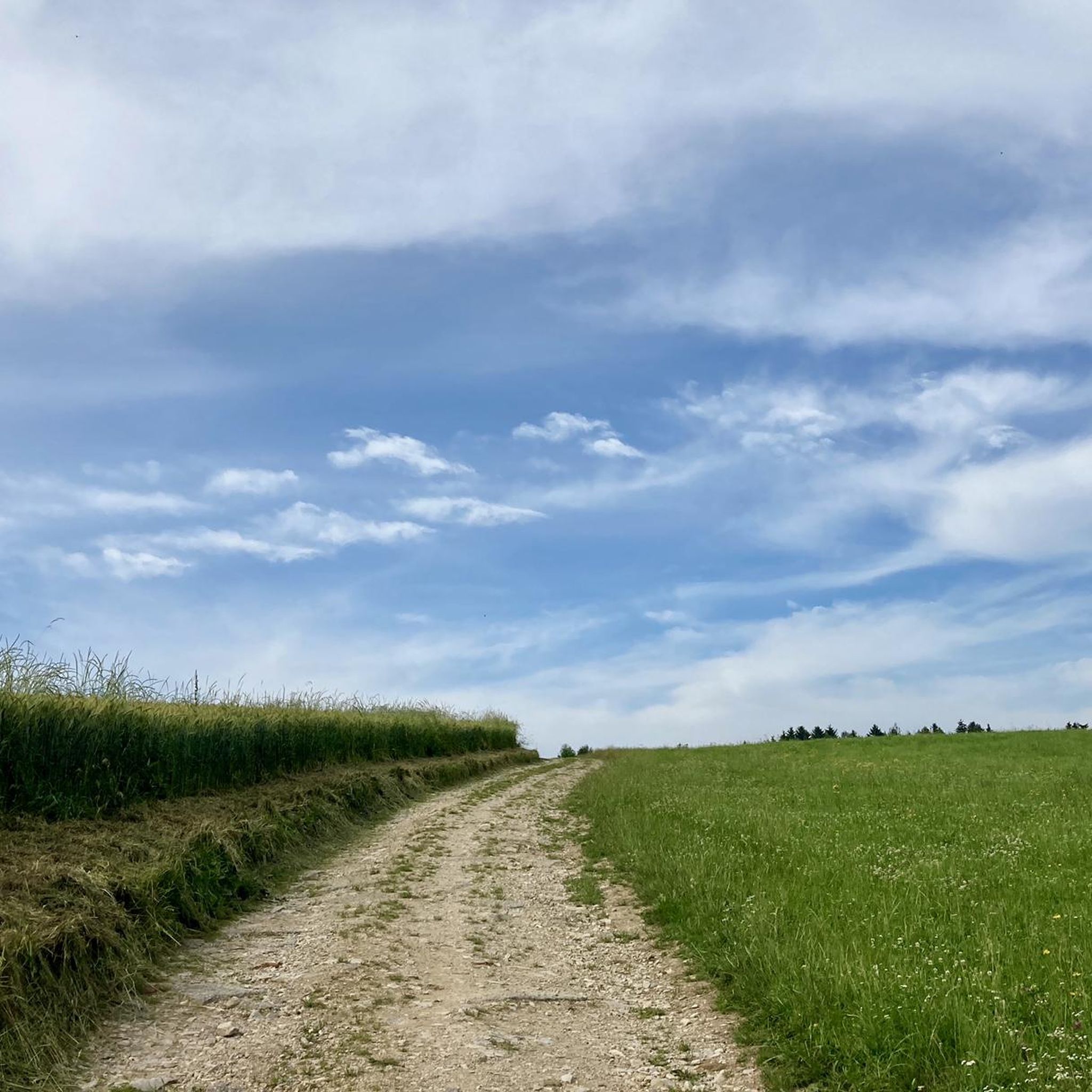
MTB Trails around Ursensollen
Running Trails around Ursensollen
Other adventures around Ursensollen


Tips from the Community

Poppberg Castle Ruins It is difficult to determine from the sources when the castle was built. It is particularly unclear whether the mentioned castles and lords of the "Puchberg," "Puckberg," or "Pocksberg" are identical with the Poppbergs. A coat of arms of the "Pocksberg" appears in the Kastl monastery church in the row of founders' coats of arms on the south side of the nave. It can be assumed that the castle was founded to control the "high road" from Prague to Nuremberg, perhaps even under the Counts of Sulzbach, who ruled until 1188. In any case, the village of Poppberg is mentioned as belonging to the Fürnried parish as early as 1139. However, the castle's existing buildings show no signs of such an early foundation; they are more consistent with the period after 1300, when tower-like residential buildings became fashionable. The first truly confirmed reference to the castle appears in 1373, when the so-called New Bohemian Lands of Emperor Charles IV passed into the hands of the Bavarian duke. Poppberg was part of this Bohemian territory on Upper Palatinate soil, founded by Charles in 1353, but dissolved after his death. The Bavarian dukes pawned the castle to their Palatinate relatives in 1395, but redeemed the pledge in 1451. What seems odd is that two years later the castle is described as "deserted and desolate," meaning it was already abandoned. In 1505, after the Landshut War of Succession, Poppberg passed to the Duchy of Palatinate-Sulzbach, and in 1791 to Bavaria, but remained abandoned and fell into disrepair until the present day. The entrance to the castle is protected by a narrow tower on a pointed rock formation that forms the highest point of the castle. The upper part of the tower is occupied by a recently built, concreted shelter, which served as an air observation post during World War II. A circular wall adjoins the rock formation, forming a clearly visible edge of the terrain and extending extensively around the entire area. Traces of soil near the entrance suggest several utility buildings. The most impressive part of Poppberg is the residential building, a typical late medieval mixture of residential tower and palace dating from after 1300. The lower floor of the building probably served as a pantry and kitchen. The second floor is much more residential, with larger windows and two large entrances leading to the former battlements on either side. A third floor is suspected. Source: www.burgenseite.de
5
0

Very nice here
3
0

The water wheel on the State Garden Show site is a fascinating piece of technical history that is perfectly integrated into the natural environment. The wheel was originally used to pump water for agricultural purposes. Today it is a popular photo subject and an impressive example of sustainable energy generation in times gone by.
4
0

Beautiful karst springs surrounded by rocks. Hikers can take a break at a shady rest area.
15
0

Nice little castle ruins and easy to get to;
2
0

nice little cave - you can find the cave plan here https://www.via-ferrata.de/poi/listing/osterloch-bei-hegendorf-hoehle-hersbrucker-schweiz
1
0

Beautiful cave with very narrow entrance. Inside the cave opens and you can stand comfortably. As with any cave, you should have a head or flashlight with you.
1
0

The Poppberg castle ruins are privately owned. Entry is prohibited.
5
1
Frequently Asked Questions
What types of natural monuments can I explore around Ursensollen?
The region around Ursensollen, nestled within the Hirschwald Nature Park, offers a diverse range of natural monuments. You can discover impressive geological formations like the Seven Springs Karst Springs with its surrounding rocks, or the Osterloch Cave, an important geotope. Additionally, you'll find scenic rivers such as the Lauterach River, and historical sites integrated into natural landscapes, like the Poppberg Castle Ruins.
Are there family-friendly natural monuments suitable for children?
Yes, several natural monuments around Ursensollen are great for families. The Seven Springs Karst Springs, for instance, is described as a 'climbing paradise for children' with its rocks and offers a lovely spot to observe nature. The Osterloch Cave is also accessible and can be an exciting discovery for kids. The Lauterach River area provides beautiful bike paths with hardly any gradients, perfect for family cycling.
What are some notable viewpoints among the natural monuments?
Many natural monuments in the area offer excellent viewpoints. The Poppberg Castle Ruins, situated on the highest elevation in the Franconian Alb, provides expansive vistas. While not directly in Ursensollen, the nearby Teufelskanzel & Kalmusfelsen are renowned for their panoramic views of the surrounding natural beauty.
Can I find hiking trails near the natural monuments around Ursensollen?
Absolutely. The natural monuments are often integrated into or accessible via hiking trails. For example, a well-developed hiking trail runs along the elongated rock ridge where the Osterloch Cave is located. You can find various hiking routes in the region, including those that pass by these natural attractions. Explore more options on the Hiking around Ursensollen guide.
Are there opportunities for cycling or mountain biking near these natural sites?
Yes, the area is well-suited for cycling. The Lauterach River features beautiful bike paths with good surfaces and gentle gradients. For mountain biking enthusiasts, there are numerous trails, some of which incorporate natural highlights like the Seven Springs Karst Springs. Discover more routes on the MTB Trails around Ursensollen guide.
What is the best time of year to visit the natural monuments in this region?
The natural monuments around Ursensollen can be enjoyed throughout the year, with each season offering a unique experience. Spring and autumn provide pleasant temperatures for hiking and cycling, with vibrant foliage or blooming nature. Summer is ideal for enjoying the outdoors, while winter can offer a serene, snow-covered landscape, though some paths might be less accessible. Always check local conditions before your visit.
Are there any historical sites combined with natural monuments?
Yes, the region beautifully integrates history with nature. The Poppberg Castle Ruins is a prime example, featuring a well-preserved ruin on the highest elevation in the Franconian Alb, with a narrow tower on a pointed rock formation. The Osterloch Cave also has historical significance, with prehistoric finds having been made there.
What do visitors particularly enjoy about the natural monuments around Ursensollen?
Visitors frequently praise the natural beauty and tranquility of the area. They appreciate the opportunity to observe nature, take a break at scenic spots like the Seven Springs Karst Springs, and explore unique geological features such as the Osterloch Cave. The combination of historical sites with natural landscapes, like the Poppberg Castle Ruins, is also highly valued.
Is public transport available to reach natural monuments near Ursensollen?
While specific public transport routes directly to every natural monument might be limited, Ursensollen itself has public transport connections. For reaching hiking areas and natural sites further afield, it's advisable to check local bus schedules or consider personal transport for greater flexibility. Information on public transport to hiking areas around Ursensollen can be found through local transport authorities.
Are there any unique natural features or formations to look out for?
Beyond the well-known sites, the region is characterized by its geological formations. The Seven Springs Karst Springs are a fascinating example of karst topography. The nearby Teufelskanzel & Kalmusfelsen in Illschwang feature a striking 20 to 30-meter high rock wall and a rock tower, offering a dramatic landscape for exploration.
What should I bring when visiting the natural monuments?
When exploring the natural monuments, it's recommended to wear sturdy shoes suitable for hiking, especially if you plan to venture onto trails or uneven terrain. Bringing water, snacks, and appropriate clothing for the weather is always a good idea. For places like the Osterloch Cave, a flashlight is essential. If visiting during bat times, be mindful of any specific guidelines.
Are the natural monuments around Ursensollen dog-friendly?
Many natural areas and trails in the Hirschwald Nature Park are generally dog-friendly, allowing you to enjoy the outdoors with your canine companion. However, it's always best to keep dogs on a leash, especially in protected areas or near wildlife. Specific rules might apply to certain sites, so look for signage. For example, the Seven Springs Karst Springs area is under landscape protection.
Most popular routes around Ursensollen
Most popular attractions around Ursensollen

Get inspired with the komoot mobile app


Explore more
Extend your search for the best caves by checking out these guides of the top ones around Ursensollen:
