Top 20 Natural Monuments around Lonnerstadt
Best natural monuments around Lonnerstadt offer diverse natural features within the market town and its surrounding district of Erlangen-Höchstadt, Germany. The region is characterized by its natural heritage, including designated natural monuments and nature reserves. Visitors can explore areas with specific natural creations, such as individual trees or groups of trees, and landscapes with ecological significance. These sites provide opportunities to connect with the local natural environment and appreciate the region's flora.
Best natural monuments around Lonnerstadt
- The most popular…
Last updated: September 28, 2026
Wolf's Spring
Highlight • Natural Monument
Translated by Google •
Tip by

Neuhaus Rainbow Memorial Forest
Highlight • Monument
Translated by Google •
Tip by

Sign up now to discover places like this
Get recommendations on the best single tracks, peaks, & plenty of other exciting outdoor places.
Weissenstein Castle Park
Highlight • Viewpoint
Translated by Google •
Tip by

Information board Celtic tree circle
Highlight • Monument
Translated by Google •
Tip by

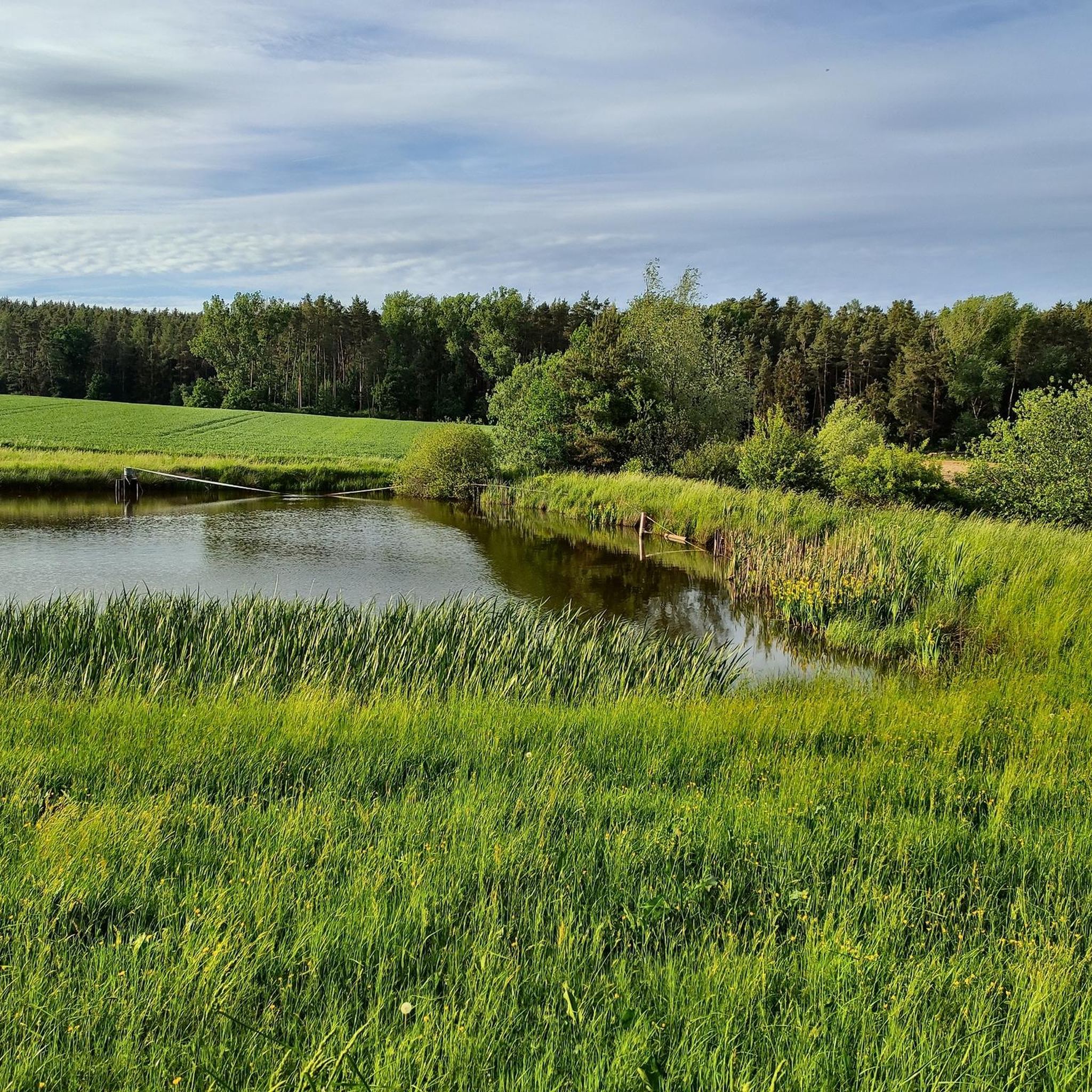
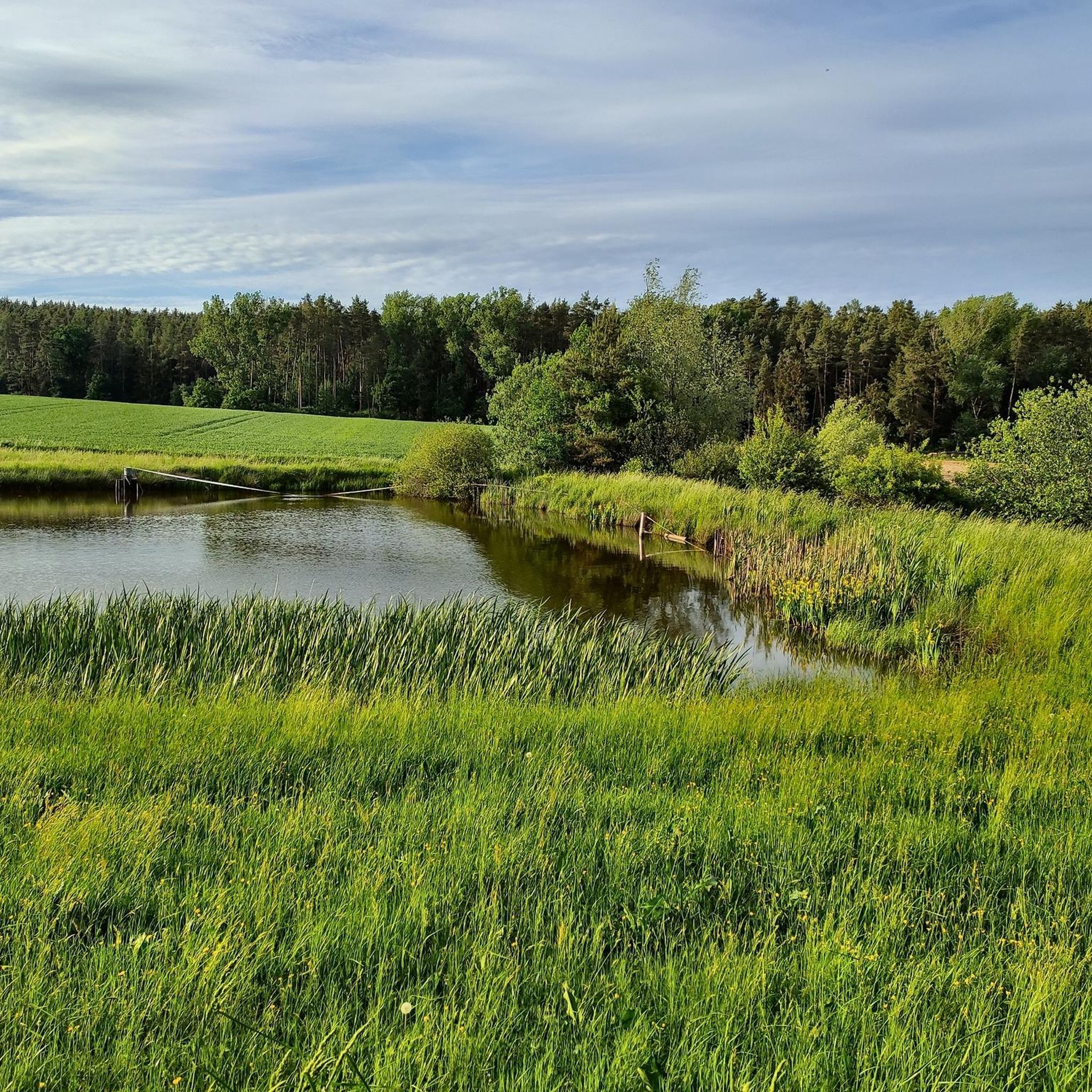
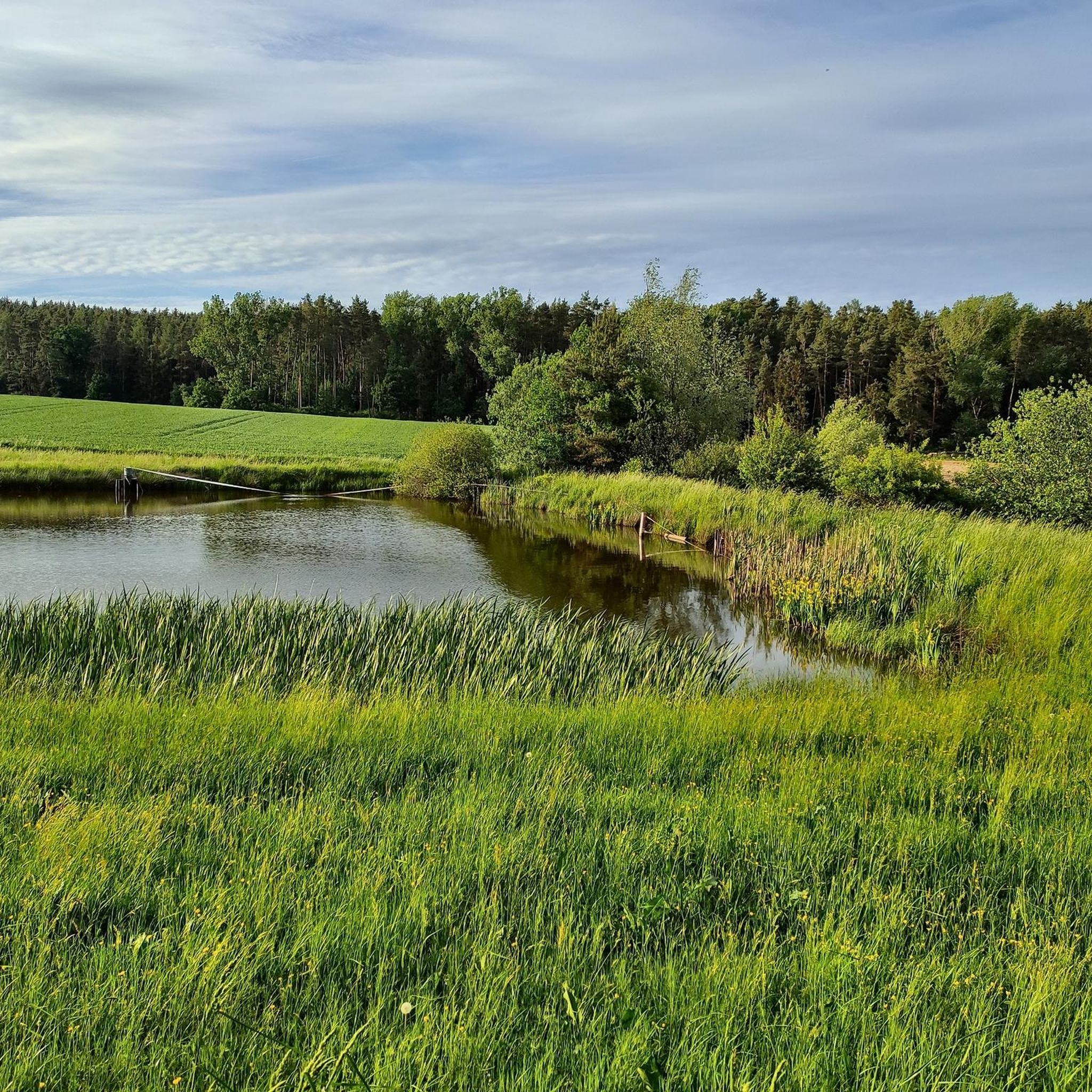
Vogelfreistätte Weihergebiet bei Mohrhof Nature Reserve
Highlight • Natural Monument
Translated by Google •
Tip by

Sign up for free to discover even more natural monuments around Lonnerstadt.
Already have an account?
Start today with a free account
Your next adventure awaits.

Tips from the Community

A special highlight 👍☀️
0
0
Great garden with many positive stations
0
0

Beautiful view from Poppenwind to Weinbertsee.
0
0

Large park with fallow deer. If you're ever here, you should take a walk around and enjoy the view of the castle from the other side.
0
0

A very beautiful memorial place for mourners who have lost their child.
0
0

A beautiful place, created with a lot of love as a memory of deceased children. It is absolutely worth seeing how much love and detail was put into creating this place. We were speechless and totally impressed. Every tree represents a deceased child. With lots of seating, 2 porch swings, a large bench with a table, where you can also close three sides with a roll-up tarpaulin to protect against the wind, a very beautiful fire bowl made from horseshoes - GREAT GREAT GREAT
0
0

Part of the Münchsteinach nature trail. Great for a little break. Unfortunately, the weather was wet. The mosquitoes 🦟 wanted our blood 😖
2
0

The Celts had a completely different understanding of their environment than we humans do today. The tree, which had a sacred meaning, was a primal symbol of the immortality of nature. They had also acquired a great deal of knowledge about nature and the environment and lived in harmony with them. The ancient people believed that man had his origins in trees and that man came to life from a tree through divine power. On the one hand, the traditional tree circle represents the gateway to universal Celtic knowledge, and on the other hand, it serves as access to the world of trees and their extraordinary powers and abilities. When it came to trees and plants, the Celts mainly spoke of healing and health-promoting properties. The Celtic tree circle, also known as the tree of life circle, plays an important role in Celtic mythology. The circle was developed 2,000 years ago by Celtic Druids who studied the energetic properties of trees. From their findings, they created a tree calendar in which, according to today's time, each month had around 28 days. In keeping with the seasons, the Celts divided the year into two half-years. The light season was initiated by the oak tree (March 21st) and the dark season by the olive tree (September 23rd). The Celtic tree calendar assigned 18 trees to the different phases of the year, which when combined formed a tree horoscope. The seasonal trees only appear once on a specific date in the Celtic tree circle, while the remaining trees appear twice in the Celtic calendar. For the Celts, each individual tree had a unique meaning and a handful of special properties. These characteristics are transferable to people who were born in the time interval of a particular tree. This goes back to the Celtic belief that humans have their origins in trees. The Celts believed that man came to life from a tree. Therefore, every person has a so-called “birth tree” that reflects their own characteristics and character traits. We are now offering every birth tree in miniature to take with you. Whether as a gift or simply for your own garden, each tree shines with its own uniqueness.
1
0
Frequently Asked Questions
What are some of the most popular natural monuments around Lonnerstadt?
Visitors frequently enjoy Wolf's Spring, a tranquil spot in the forest with benches. Another favorite is the Weiherkette North of Bösenbechhofen Nature Reserve, known for its carp ponds and ecological value. The Weissenstein Castle Park is also highly regarded for its well-kept grounds and natural monument elements.
Are there family-friendly natural monuments in the Lonnerstadt area?
Yes, several natural monuments are suitable for families. Wolf's Spring offers a pleasant resting area, and the Weissenstein Castle Park allows for walks where fallow deer can be observed. The Weiherkette North of Bösenbechhofen Nature Reserve and Vogelfreistätte Weihergebiet bei Mohrhof Nature Reserve are also great for family outings, offering opportunities to explore pond landscapes and observe nature.
What kind of natural features can I expect to see at these monuments?
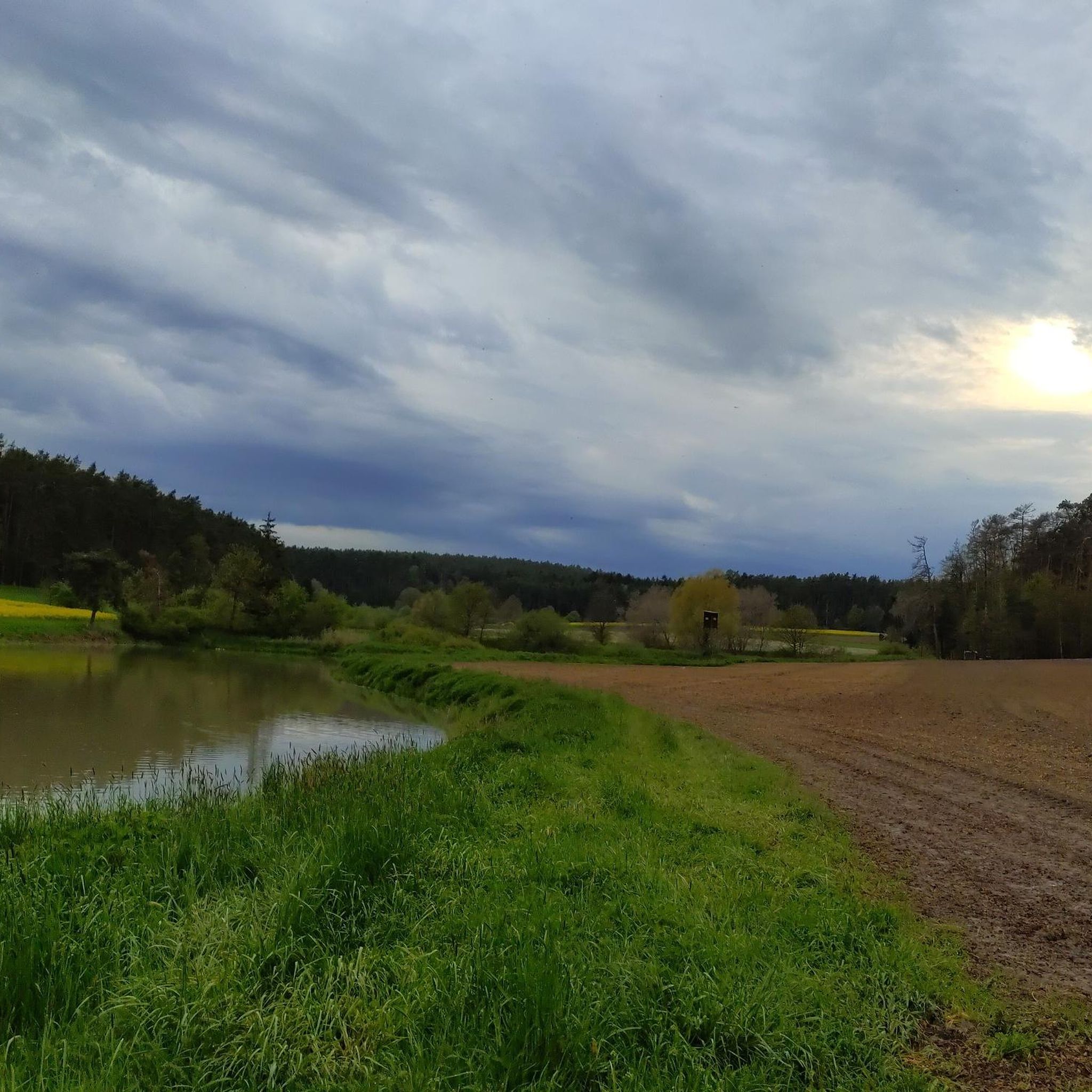
The natural monuments around Lonnerstadt showcase diverse features. You'll find individual trees or groups of trees, such as the historic '4 Linden' in Mailach. There are also significant pond systems like the Weiherkette North of Bösenbechhofen Nature Reserve and the Vogelfreistätte Weihergebiet bei Mohrhof Nature Reserve, which are home to unique plant and animal species. Forested areas and small springs, like Wolf's Spring, are also prominent.
Are there any historical or cultural sites integrated with the natural monuments?
Yes, the Weissenstein Castle Park is a notable example, combining natural monument elements with a historic palace garden. While not strictly a natural monument, the Neuhaus Rainbow Memorial Forest is a unique place for reflection within a forest setting, offering a poignant blend of nature and human remembrance.
What outdoor activities can I do near Lonnerstadt's natural monuments?
The region offers various outdoor activities. You can find numerous routes for gravel biking, cycling, and running. For example, there are moderate gravel biking loops like the 'Black Pond – Main-Danube Canal Cycle Path loop' and easy cycling routes such as the 'Old Aisch Bridge, Höchstadt – Aischwiesen Nature Area loop'. Running trails, including the 'Höchstadt Castle – Aischwiesen Nature Area loop', are also available. You can explore these and more on the respective guide pages for gravel biking, cycling, and running around Lonnerstadt.
Are there specific hiking trails to natural monuments around Lonnerstadt?
While dedicated hiking guides specifically for natural monuments are not listed, many of the running and cycling routes pass through or near these areas. For instance, trails around the pond landscapes like the Vogelfreistätte Weihergebiet bei Mohrhof Nature Reserve offer excellent walking opportunities. You can find various routes, including those with moderate difficulty, on the running trails guide for Lonnerstadt, which often involve walking through natural settings.
What do visitors enjoy most about the natural monuments in Lonnerstadt?
Visitors particularly appreciate the tranquility and natural beauty. Many enjoy the peaceful atmosphere of places like Wolf's Spring, which offers a quiet spot for resting. The ecological value and diverse wildlife of the pond systems, such as the Weiherkette North of Bösenbechhofen Nature Reserve, are also highly valued. The opportunity to observe fallow deer in the Weissenstein Castle Park is another highlight.
Are there any hidden natural gems near Lonnerstadt worth exploring?
Beyond the more well-known sites, the '4 Linden' (Four Lime Trees) natural monument in the Mailach district of Lonnerstadt offers a serene and historically significant spot. While less extensively documented, these trees provide a tranquil connection to the local natural heritage within the Waldbereich Sichardshof forest area, perfect for quiet contemplation.
What is the best time of year to visit the natural monuments around Lonnerstadt?
The natural monuments can be enjoyed year-round. Spring and summer are ideal for experiencing lush greenery and active wildlife, especially around the pond systems like the Vogelfreistätte Weihergebiet bei Mohrhof Nature Reserve where many birds can be watched. Autumn brings beautiful foliage, particularly in forested areas. Even in winter, a visit can offer a peaceful and reflective experience, though some paths might be less accessible depending on snow conditions.
Are the natural monuments around Lonnerstadt dog-friendly?
Many natural areas in Germany are generally dog-friendly, especially if dogs are kept on a leash. While specific regulations for each natural monument are not detailed, places like Wolf's Spring and the various forest paths and nature reserves are typically suitable for walks with dogs, provided owners clean up after their pets and respect local wildlife.
Are there any natural monuments near Lonnerstadt that are particularly good for wildlife observation?
Yes, the pond systems are excellent for wildlife. The Weiherkette North of Bösenbechhofen Nature Reserve and the Vogelfreistätte Weihergebiet bei Mohrhof Nature Reserve are internationally recognized for their diverse and rare bird life, as well as unique plant species. You might also spot fallow deer in the Weissenstein Castle Park.
What are the typical difficulty levels for trails near Lonnerstadt's natural monuments?
The trails in the Lonnerstadt area vary in difficulty. Many cycling and running routes are classified as 'easy' to 'moderate,' making them accessible for a wide range of fitness levels. For example, you can find easy cycling loops like the 'Aischwiesen Nature Area – Old Aisch Bridge, Höchstadt loop' or moderate running trails such as the 'Bikepark Höchstadt – View of Höchstadt loop'. More challenging options are also available for those seeking a greater workout.
Most popular routes around Lonnerstadt
Most popular attractions around Lonnerstadt

Get inspired with the komoot mobile app


Explore more
Extend your search for the best caves by checking out these guides of the top ones around Lonnerstadt:
