Top 20 Natural Monuments around Forst Tennenlohe
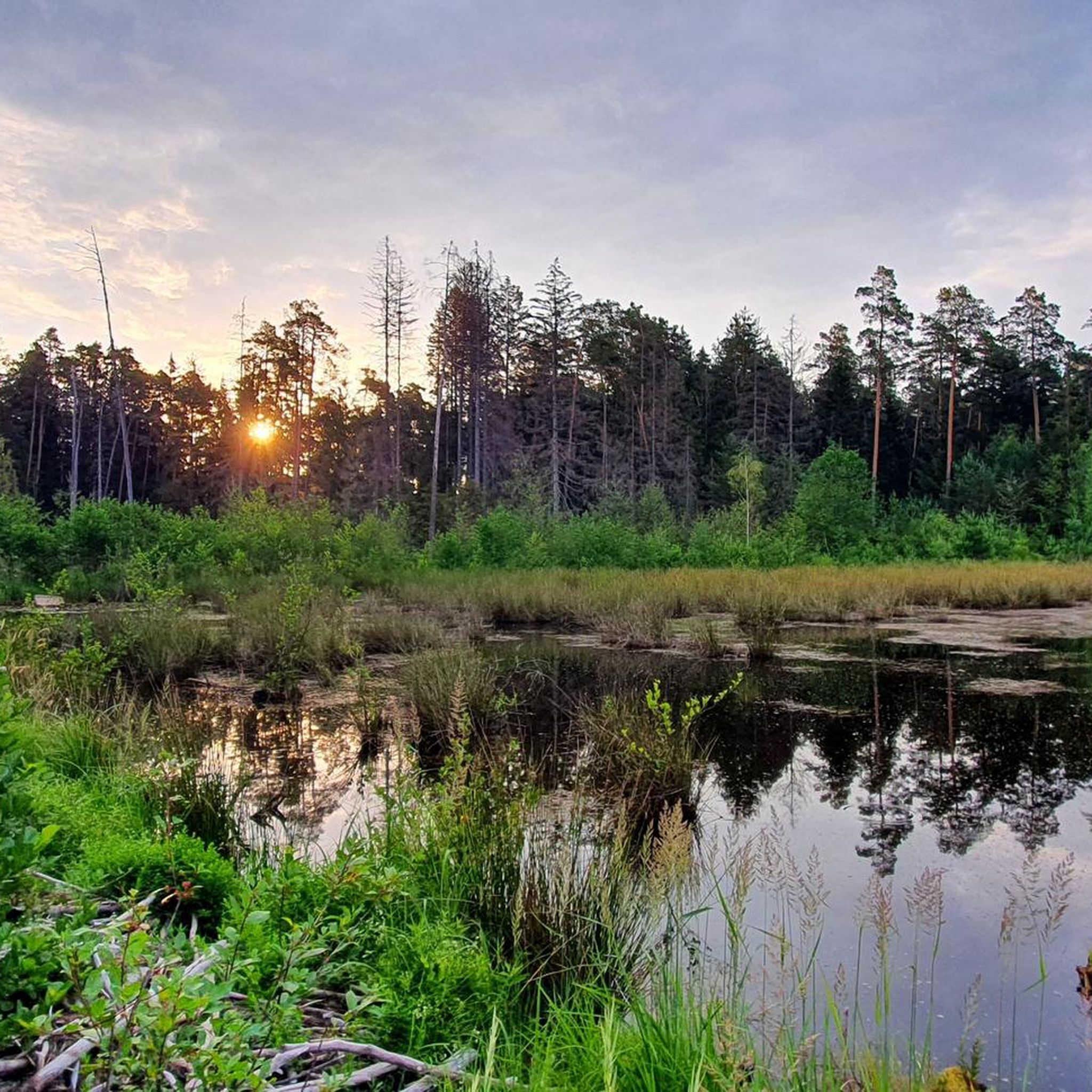
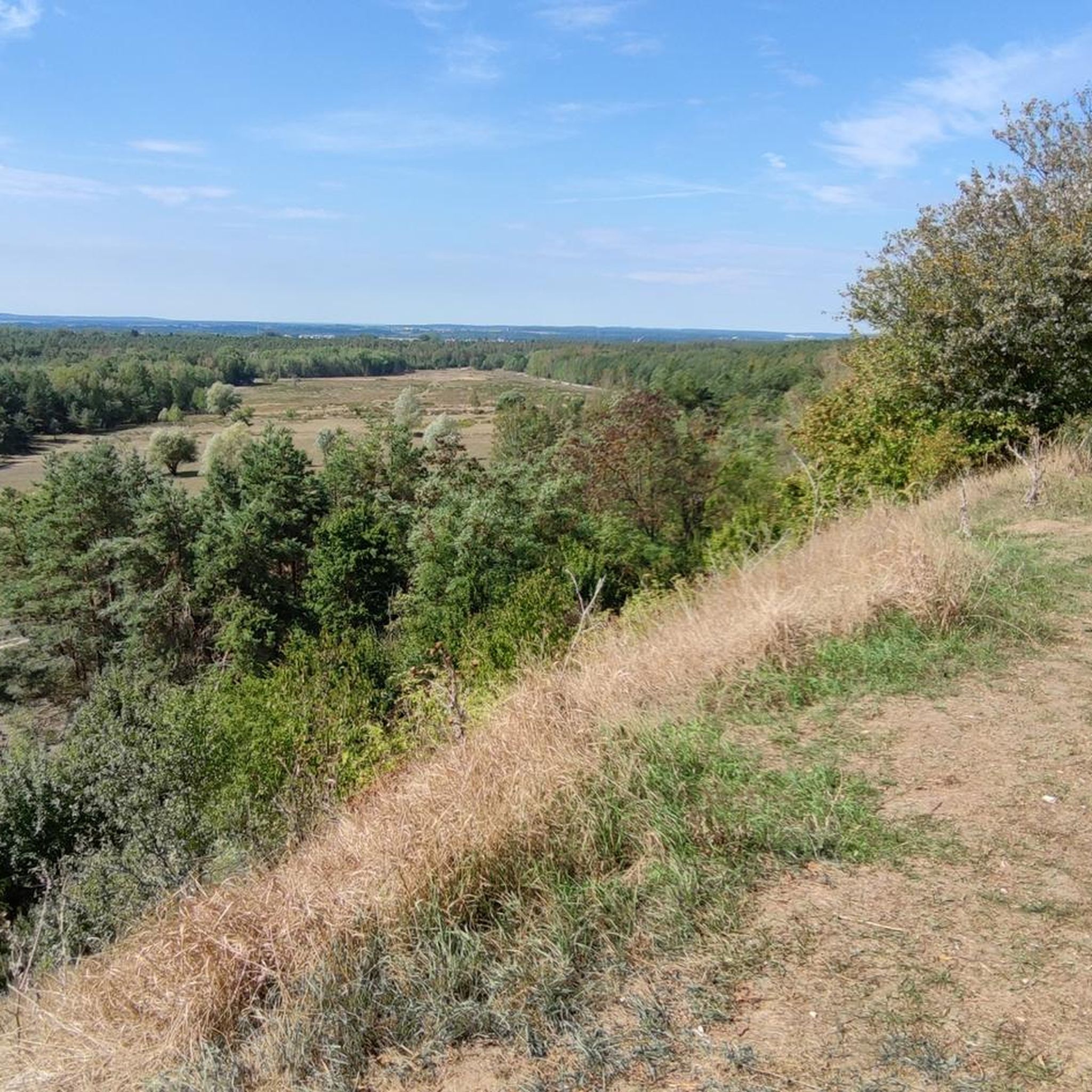
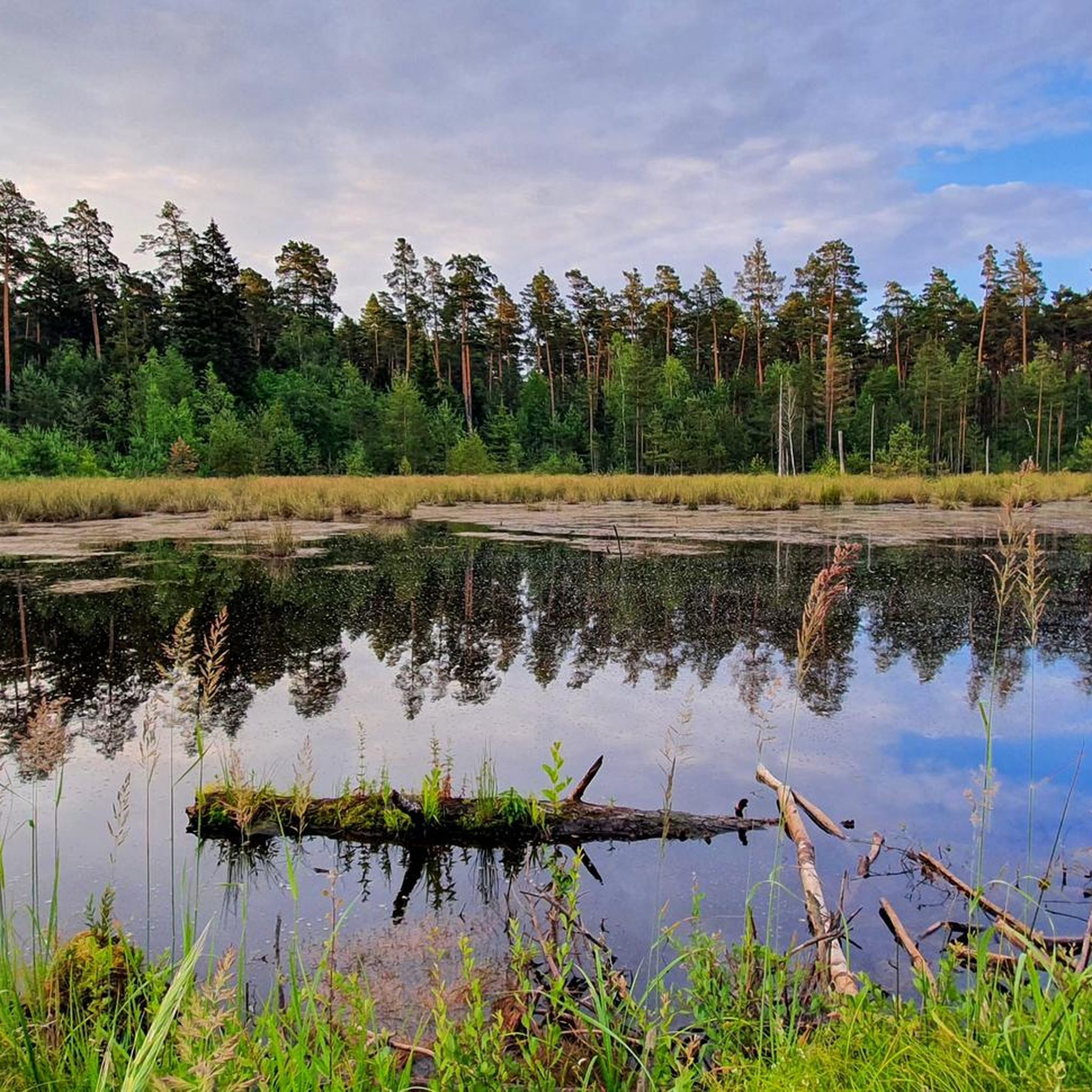
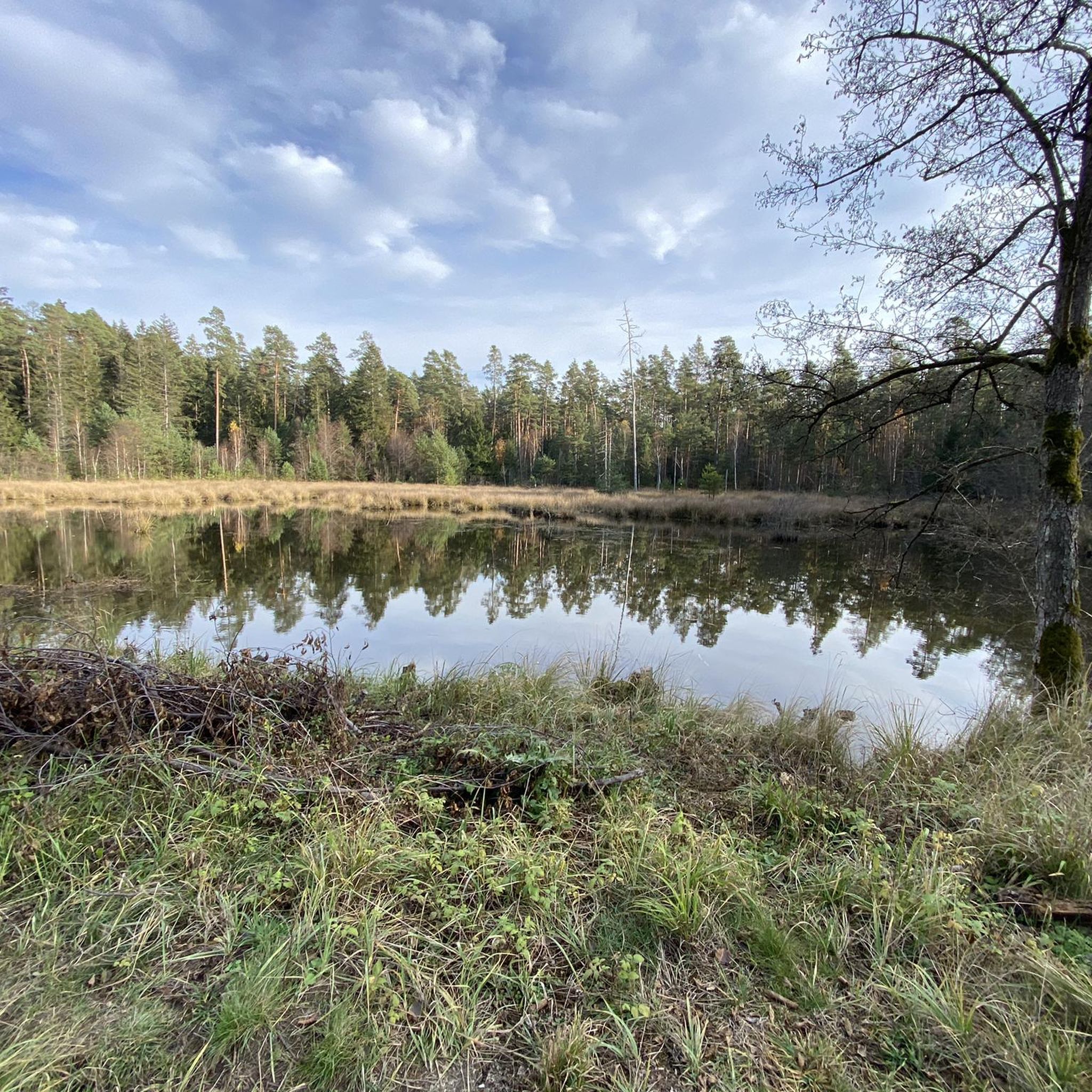
Best natural monuments around Forst Tennenlohe include a 934-hectare nature reserve east of Fürth, Germany, recognized as one of southern Germany's largest sand ecosystems. This protected site, established in 1994, safeguards unique sandy habitats and preserves natural biodiversity. Visitors can explore diverse landscapes, from open sandy areas and heathlands to rare bog and wetland environments. The area offers well-maintained paths for various outdoor activities, making it a popular destination for nature enthusiasts.
Best natural monuments around Forst Tennenlohe
- The most…
Last updated: September 1, 2026
Nuremberg Main Market
Highlight • Settlement
Translated by Google •
Tip by

Przewalski Horse Enclosure, Tennenloher Forest
Highlight (Segment) • Natural Monument
Currently, Przewalski stallions from Hellabrunn Zoo and Nuremberg …
Translated by Google •
Tip by

Sign up now to discover places like this
Get recommendations on the best single tracks, peaks, & plenty of other exciting outdoor places.
Sign up for free
Przewalski Horses in Tennenloher Forest
Highlight • Natural
Translated by Google •
Tip by

Beautiful Fountain
Highlight • Monument
Translated by Google •
Tip by

Confluence of the Rednitz and Pegnitz (the Spitz)
Highlight • River
Translated by Google •
Tip by

Sign up for free to discover even more natural monuments around Forst Tennenlohe.
Sign up for free
Already have an account?
Start today with a free account
Your next adventure awaits.
Login or Signup
Tips from the Community

Since 2003, the last truly wild horses have lived in a large enclosure in the Tennenlohe Forest near Erlangen. They help maintain the open sandy areas by grazing on grasses and young shrubs. A circular path leads around the enclosure – with a bit of luck, you can observe the animals from the path.
8
0

From here on, the Rednitz, after it has now absorbed the Pegnitz, is called Regnitz. The point of land to Überplanken certainly has the advantage that you don't have to deal with mud or wild growth. The disadvantage is that the boards, despite the corrugations, quickly turn into a slide as soon as they get wet.
8
0

The main market is the central square of Nuremberg's old town. Unfortunately, the main market was badly damaged in World War II, and the only architecturally significant buildings left on the market square today are the Frauenkirche and the Schöne Brunnen. The weekly market takes place every weekday on the main market. The annual Nuremberg Christmas market is a particular attraction.
13
4
The beautiful fountain stands on the edge of Nuremberg's main market square. It is shaped like a Gothic church spire and is one of Nuremberg's main attractions and is also part of the Historical Mile. Legend has it that whoever turns the golden ring on the fountain's grille will have three wishes granted. There is another black ring on the opposite side of the fountain. Some people claim that this is the real lucky ring and that the "golden" one is the tourist ring... Just try it out! 😉
20
4

The myth of the brass ring, which is seamlessly forged into the iron grate, also has a legend. It is said to have got in like this: Master Kuhn, who built the grate around the well, had a daughter called Margret, who was courted by his apprentice. But because he did not want to give his child to a poor boy, he forbade this courtship and threw him out. It is said to have said something like: "It will come to nothing! It will come to nothing, just as you can make the rings on the well grate turn!" The master then went away and the apprentice wanted to prove that he could do something and secretly made the ring. Then he cut it open, inserted it into the grate, soldered, hammered and filed until you could no longer see the seam. Then he left town and never came back. When the master returned home, he realized that he had been too strict. He regretted being thrown out and would have liked to have the clever apprentice back and given him his daughter too, but it was too late and Margret cried her eyes out. One of the rings is considered a lucky charm; according to legend, whoever turns it will be blessed with children. The brass ring is usually thought to be the lucky charm, but many Nuremberg residents believe that the iron ring is the "real ring" and therefore the lucky charm. According to another legend, the sculpture of the fountain was actually commissioned as the top of the tower of the Frauenkirche (also on the main market), but this was rejected due to the lack of a way to lift it.
13
3

The weekly market also takes place on the main market. It is open from Monday to Saturday, with core sales times from 9 a.m. to 6 p.m. Around 40 traders offer their fresh products at stalls. In addition to fruit and vegetables, these include flowers, delicatessen specialties and cheese, eggs and poultry, honey, spices, coffee and smoothies. The culinary offering ranges from Nuremberg grilled sausages to oriental dishes, sushi and Baumstriezel.
18
6
Master Kuhn, who built the gate around the fountain, had a daughter called Margret, who was courted by his apprentice. But because he did not want to give his child to a poor boy, he forbade this courtship and threw him out. The apprentice is said to have said: "It will be as little use as you can make the rings on the fountain gate turn!" The master went away on a trip and the apprentice wanted to prove that he could do something and secretly made the ring. Then he cut it open, inserted it into the gate, soldered, hammered and filed until the seam was no longer visible. He then left the city and never returned. When the master returned home, he regretted being thrown out and would have liked to have the clever apprentice back and give him his daughter too. The brass ring is usually considered to be the lucky charm, but many Nuremberg residents believe that the iron ring is the "real ring" and therefore the lucky charm.
27
6

The real "lucky" ring is in the west of the gate. West is where Norma is roughly 😉. Oh yes... and the ring is also supposed to make you return to Nuremberg as a foreigner (tourist) 😍
29
7
Frequently Asked Questions
What unique natural features can I explore in Forst Tennenlohe?
Forst Tennenlohe is renowned for its diverse ecosystems. You can explore extensive sandy habitats and heathlands, which are crucial for biodiversity. Additionally, the area features rare bog and wetland areas, including alder swamps, which are vital habitats for species like the yellow-bellied toad and natterjack toad. Wooden pathways allow for easy exploration of these unique environments.
Where can I see wild horses in Forst Tennenlohe?
You can observe the last truly wild horse species, the Przewalski horses, at the Przewalski Horse Enclosure, Tennenloher Forest. These horses, along with peacock goats, graze the sandy habitats to maintain the grasslands. A circular path surrounds the enclosure, and an observation bridge provides excellent vantage points to see these robust animals year-round.
Are there family-friendly activities or natural monuments in Forst Tennenlohe?
Yes, Forst Tennenlohe is very family-friendly. The Przewalski Horse Enclosure is a popular spot for families to observe wild horses and goats. The bog and wetland areas, with their wooden pathways and footbridges, offer an exciting experience for children to spot frogs and lizards. The tranquil atmosphere and well-maintained paths are suitable for walks with children.
What kind of wildlife can I expect to see in Forst Tennenlohe?
Forst Tennenlohe is home to diverse wildlife, particularly in its unique ecosystems. In the Przewalski Horse Enclosure, you can see the wild horses and peacock goats. The bog and wetland areas are vital habitats for amphibians like the yellow-bellied toad and natterjack toad, as well as various mosses, lichens, frogs, and lizards. The overall tranquility and vast greenery also offer opportunities for general wildlife observation.
Are there historical or cultural landmarks within the natural monuments area?
Yes, within the natural landscape of Forst Tennenlohe, you can find the Siebenstein Stone Cross. This 16th-century cross, made of Burgsandstein, stands in the Siebenstein forest section. While its exact original purpose is uncertain, it represents a historical and cultural element integrated into the natural surroundings, offering a point of contemplation during your visit.
What outdoor activities can I do near the natural monuments in Forst Tennenlohe?
Forst Tennenlohe offers well-maintained paths suitable for various outdoor activities. You can enjoy walking, cycling, and jogging. For more specific routes, consider exploring the Running Trails around Forst Tennenlohe, MTB Trails around Forst Tennenlohe, or Road Cycling Routes around Forst Tennenlohe.
Are there specific hiking trails to explore the natural monuments?
Yes, there are numerous hiking opportunities. You can find trails that lead you through the sandy habitats, past the Przewalski Horse Enclosure, and into the bog areas. For detailed routes, you can check out the Running Trails around Forst Tennenlohe, which include paths like the 'Siebenstein Stone Cross loop'.
What is the best time of year to visit Forst Tennenlohe?
Forst Tennenlohe can be visited year-round. The Przewalski horses are well-adapted to both summer sun and winter cold, making them visible throughout the seasons. Spring and summer are ideal for enjoying the lush greenery and observing amphibians in the wetlands, while autumn offers beautiful foliage. Even in winter, the tranquil landscape provides a peaceful retreat.
Is there an information point about the natural heritage of Forst Tennenlohe?
Yes, an important feature in the area is the DBU Natural Heritage Tennenlohe Information Board. While not a natural monument itself, it provides valuable details about the ecological importance and ongoing conservation efforts within Forst Tennenlohe, helping visitors understand the significance of the protected site.
What is the Märchenweiher and where can I find it?
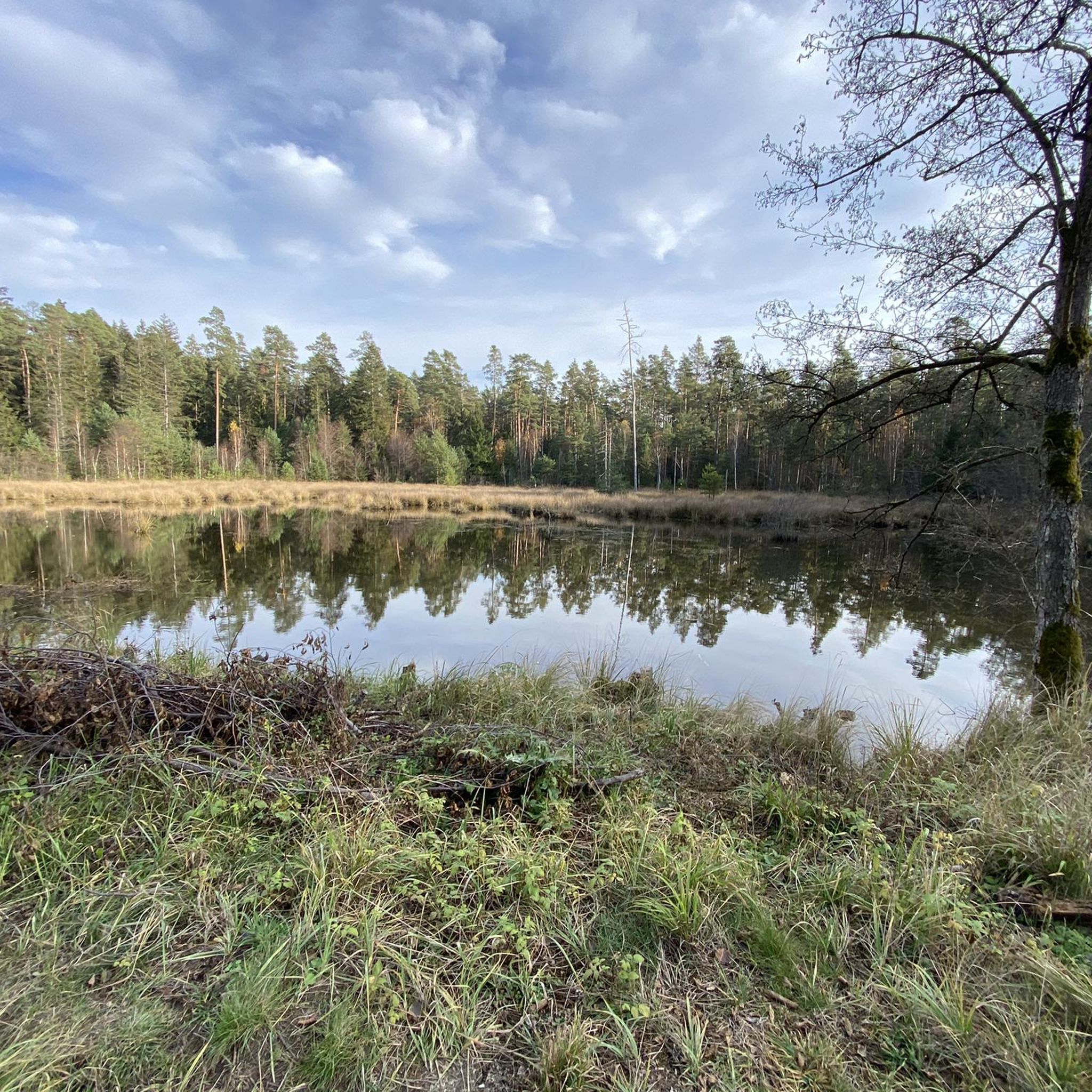
The Märchenweiher near Atzelsberg, also known as the Fairy Tale Pond, is a peaceful lake located within the forest. It is fed by two small springs, including the Western spring of the Märchenweiher. This area is known for its tranquil atmosphere, offering a serene spot to relax amidst nature.
Are the paths in Forst Tennenlohe suitable for cycling?
Yes, Forst Tennenlohe offers well-maintained paths that are suitable for cycling. You can find various routes for both mountain biking and road cycling. For specific cycling trails, you can explore the MTB Trails around Forst Tennenlohe or the Road Cycling Routes around Forst Tennenlohe.
Most popular routes around Forst Tennenlohe
Most popular attractions around Forst Tennenlohe

Get inspired with the komoot mobile app


Explore more
Extend your search for the best caves by checking out these guides of the top ones around Forst Tennenlohe:
