Top 20 Natural Monuments around Dieterskirchen
Natural monuments around Dieterskirchen offer diverse natural landscapes in Bavaria. The region features a blend of geological formations, historical sites, and protected areas. Visitors can explore former quarries, moorlands, and unique rock structures. These sites provide opportunities to observe natural rehabilitation and delicate ecosystems.
Best natural monuments around Dieterskirchen
- The most popular natural monuments is Stone Wall (Schwarzwihrberg), a natural monument that features a path with ropes for assistance. It is known for its adventurous yet safe climb and…
Last updated: May 11, 2026
Stone Wall (Schwarzwihrberg)
Highlight (Segment) • Natural Monument
Translated by Google •
Tip by

Wildstein Castle Ruins
Highlight • Castle
Translated by Google •
Tip by

Sign up now to discover places like this
Get recommendations on the best single tracks, peaks, & plenty of other exciting outdoor places.
Sign up for free
Wildstein Castle Ruins and Summit
Highlight • Castle
Translated by Google •
Tip by

Frauenstein Castle Ruins
Highlight • Castle
Translated by Google •
Tip by

Druids' Stone
Highlight • Natural Monument
Translated by Google •
Tip by

Sign up for free to discover even more natural monuments around Dieterskirchen.
Sign up for free
Already have an account?
Start today with a free account
Your next adventure awaits.
Login or Signup

Tips from the Community

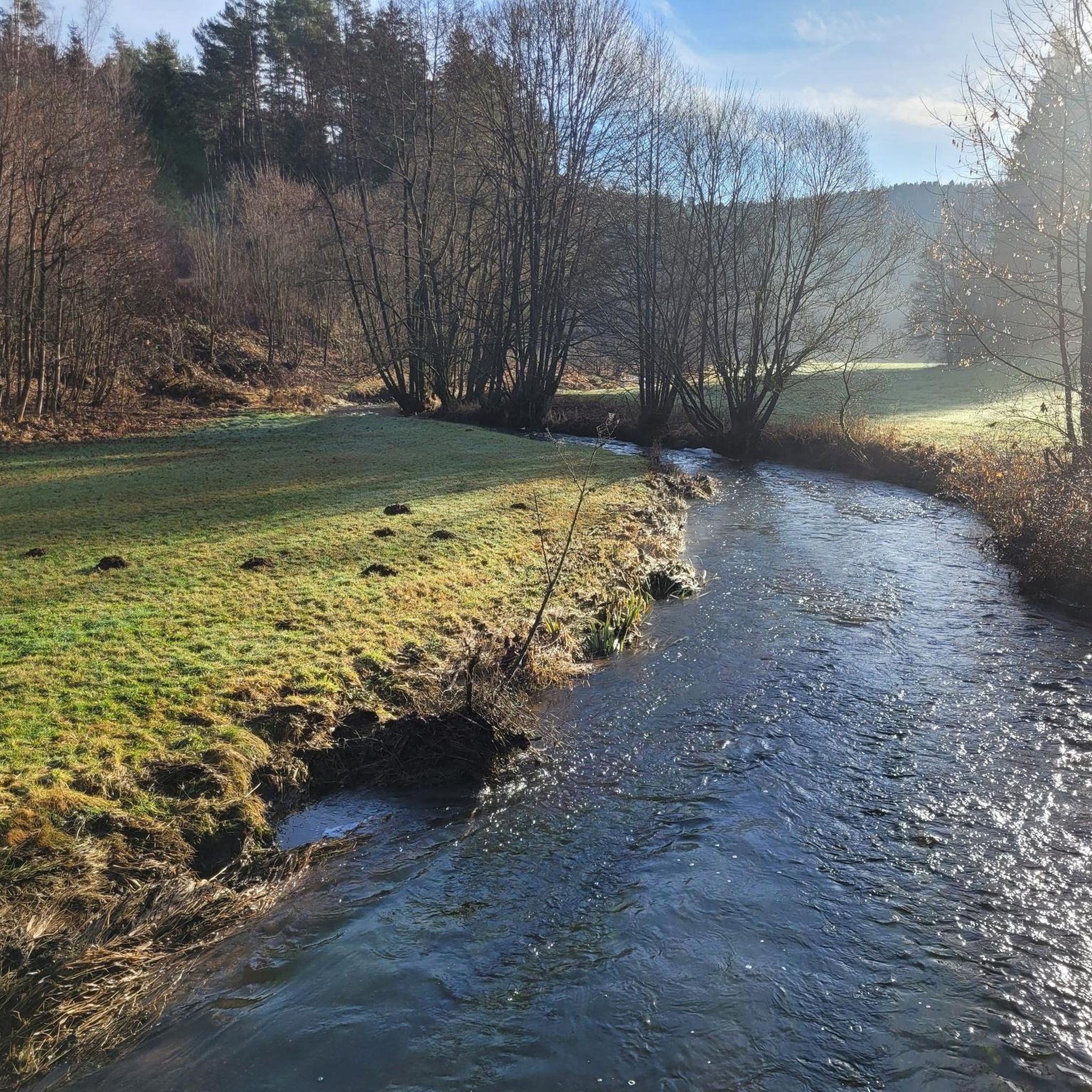
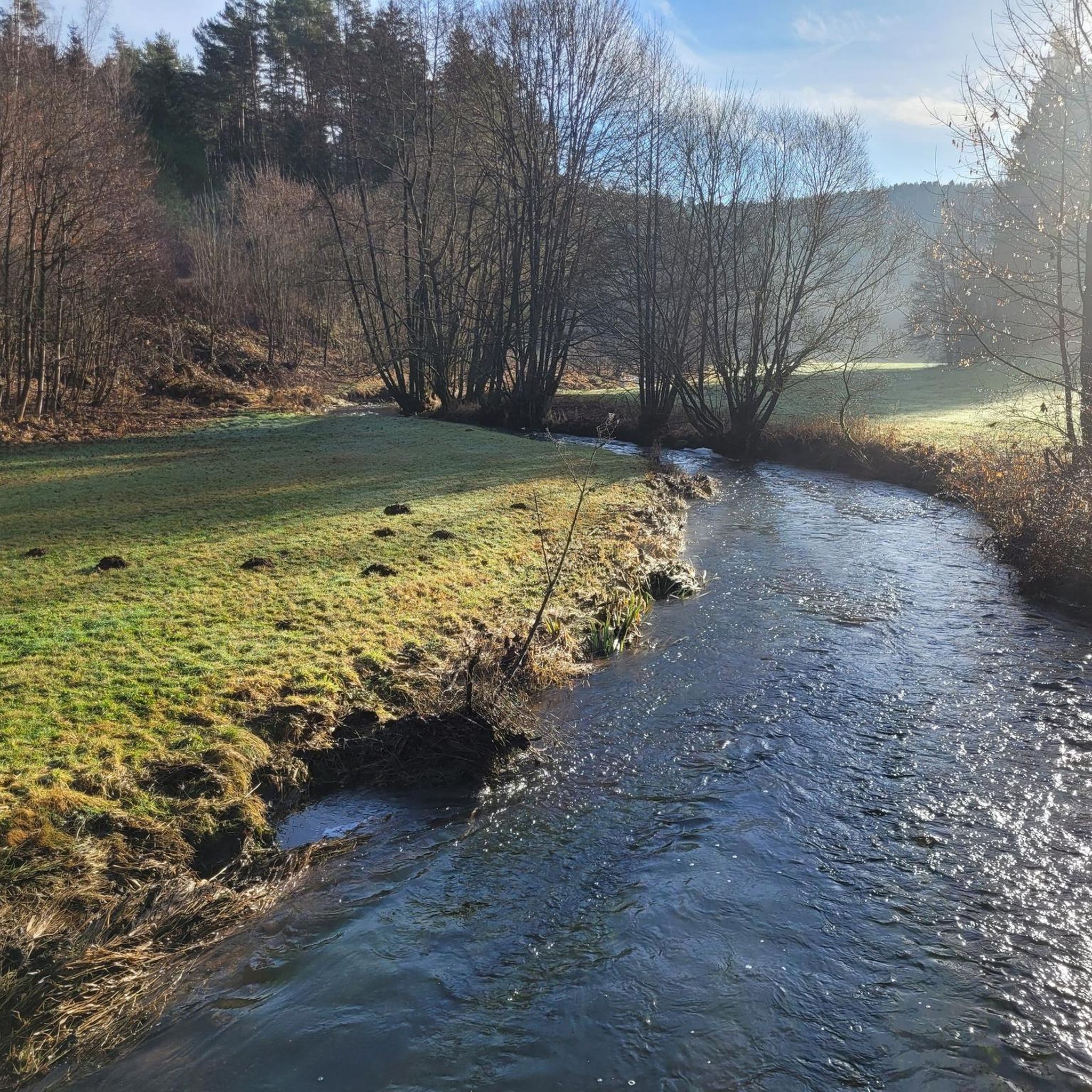
Frauenstein Castle Ruins The village of Weiding belonged to the Frauenstein lordship in hereditary servitude, about whose beginnings nothing is known. In the second half of the 13th century, Duke Heinrich of Lower Bavaria bought Frauenstein from Fredrich the Siegenhofer. This source states that the area around the village of Weiding, which had a brick church, was largely deserted. In the 14th century, the Frauenstein lordship and thus Weiding became a fief of the King of Bohemia. The Satzenhofers, Zengers, Fuchs and the Lords of Murach followed as further owners. In 1512, Hans von Selbitz (knight, friend of Götz von Berlichingen) appears as the owner of Frauenstein Castle. On January 29, 1580, Emperor Rudolf II enfeoffed Andreas Georg von Murach auf Kürnberg und Winklarn and his wife Anna, daughter of the late Hans Fuchs zum Schneeberg, with the two desolate castles Frauenstein and Reichenstein, today preserved as the Reichenstein castle ruins, the small town of Schönsee and the villages of Weiding and others. On November 26, 1605, Hans Friedrich Fuchs received an imperial letter of fief. His hereditary possessions included the castles Frauenstein and Reichenstein, the town of Schönsee, Weiding, Pondorf, Gaisthal, Schönau, Stadlern and Schwand with the iron hammer. Today, unfortunately, only a few remains of the walls in a romantic location remain. Only the tip of an entrance arch protrudes from the overgrown piles of rubble. A little higher up, further east, a wall remains that is about to collapse rises from the collapsed material. Large piles of bricks lie everywhere. The whole thing impressively shows the decay of a castle and looks a bit like a sunken fairytale castle. Source: www.wikipedia.de
3
0

Frauenstein, one of the five mysterious vanishing points of the early Middle Ages - next to Hirštejn (Czech Republic, between Závist (Neid) and Nemanice (Wassersuppen)), Reichenstein (between Stadlern and Ebene or Böhmerwaldturm, Drachenturm (Treffelstein) and Thanstein. You have to experience them all with all their secrets in order to get to the bottom of the secrets of the “Schwarzachtaler holiday region 🤣).
3
0

Beautiful rock formation and a great view, a trip to the Burgstall is worth it.
6
0

Beautiful hike from Hannesried to the Frauenstein................
3
0

Once again enjoyed the Wildstein. Very beautiful
5
0


Frequently Asked Questions
What unique natural features can I explore around Dieterskirchen?
Dieterskirchen offers a variety of unique natural features. You can discover the dramatic geological formations of the Druids' Stone, known for its weathered granite blocks and legendary status. Another highlight is the Murnthal, a wild and romantic gorge where the Schwarzach river flows through steep granite walls and polished blocks.
Are there any natural monuments with historical significance in the area?
Yes, several natural monuments around Dieterskirchen blend natural beauty with historical elements. The Frauenstein Castle Ruins offer a glimpse into historical structures being reclaimed by nature, nestled among trees. Similarly, the Wildstein Castle Ruins, dating back to the 14th century, provide a historical context with remnants of a castle and a magnificent panoramic view over the Upper Palatinate Forest.
What kind of natural reserves or protected areas can I visit near Dieterskirchen?
You can visit the Prackendorfer und Kulzer Moos Nature Reserve, an 80-hectare protected area featuring diverse moorland types. Wooden boardwalks allow you to explore this fragile ecosystem, observe rare flora like carnivorous plants, and learn about its history of peat extraction. It's an excellent spot for nature lovers and birdwatchers.
Are there any former industrial sites that have been reclaimed by nature?
Absolutely. The former granite quarry southeast of Prackendorf is a prime example. Operational until the 1960s, nature has since transformed it into a serene lake set against dramatic, steep quarry faces. It's a fascinating site for those interested in geology, industrial heritage, and how nature reclaims human-altered landscapes.
What are some adventurous natural monuments to explore?
For an adventurous experience, head to the Stone Wall (Schwarzwihrberg). This natural monument features a path with ropes for assistance, offering an adventurous yet safe climb and rewarding panoramic views. Sturdy shoes and sure-footedness are recommended for this trail.
Are there family-friendly natural monuments around Dieterskirchen?
Yes, several natural monuments are suitable for families. The Wildstein Castle Ruins are listed as family-friendly, offering historical exploration with a view. The Druids' Stone, with its legendary granite blocks, also provides an engaging experience for families.
What outdoor activities can I do near these natural monuments?
The region around Dieterskirchen offers various outdoor activities. You can find numerous routes for gravel biking, road cycling, and running. For instance, explore gravel biking trails like the 'Schwarzachtal Cycle Path' or road cycling routes such as the 'Murnthal Manor House – Stone Circle in Baumhof loop'. Running enthusiasts can enjoy trails like the 'Galgenberg loop'. You can find more details on these activities in the gravel biking, road cycling, and running guides for Dieterskirchen.
What is the best season to visit the natural monuments in Dieterskirchen?
The natural monuments around Dieterskirchen can be enjoyed throughout the year, each season offering a different charm. Spring and autumn provide pleasant temperatures for hiking and exploring the moorlands and quarries. Summer is ideal for longer outdoor activities, while winter can offer a unique, tranquil experience, especially in areas like the Prackendorfer und Kulzer Moos, though some trails might require appropriate gear for snow or ice.
What do visitors enjoy most about the natural monuments in Dieterskirchen?
Visitors particularly appreciate the blend of adventure, history, and natural beauty. Many enjoy the adventurous yet safe climb at the Stone Wall (Schwarzwihrberg) and the unique geological formations of the Druids' Stone. The tranquil atmosphere of sites like the former granite quarry and the immersive experience of the Prackendorfer und Kulzer Moos Nature Reserve are also highly valued.
Are there any circular walks or hiking trails specifically around these natural monuments?
Yes, many natural monuments are integrated into local hiking networks. For example, the Murnthal is part of the wild and romantic Schwarzachtal, with hiking trails leading directly along the river. The Prackendorfer und Kulzer Moos Nature Reserve features wooden boardwalks designed for circular exploration of the moorland. For specific routes, you can check the gravel biking, road cycling, and running guides for Dieterskirchen, which often include routes passing by or through these natural areas.
What should I wear for hiking and exploring the natural monuments?
Given the varied terrain, including adventurous climbs and moorland boardwalks, it's advisable to wear sturdy, comfortable hiking shoes. Layered clothing is also recommended to adapt to changing weather conditions, especially if you plan to explore areas like the Stone Wall or the Prackendorfer und Kulzer Moos, where paths can be uneven or wet.
Most popular routes around Dieterskirchen
Most popular attractions around Dieterskirchen

Get inspired with the komoot mobile app


Explore more
Extend your search for the best caves by checking out these guides of the top ones around Dieterskirchen:
