Top 20 Natural Monuments around Graineter Wald
Best natural monuments around Graineter Wald include a diverse range of geological formations and natural landscapes within the Bavarian Forest. The region is characterized by its granite rock formations, dense forests, and unique natural features. Visitors can explore significant natural monuments that showcase the area's geological history and ecological importance. These sites offer opportunities to experience the natural beauty and distinct character of the Graineter Wald.
Best natural monuments around Graineter Wald
- The most popular natural monuments is Tripoint Monument…
Last updated: June 24, 2026
Dreisessel Rock
Highlight • Natural Monument
Impressive along the way is especially the "Stone Sea", a huge cluster of large …
Translated by Google •
Tip by

Tripoint Monument (Germany–Austria–Czech Republic)
Highlight • Monument
If …
Translated by Google •
Tip by

Sign up now to discover places like this
Get recommendations on the best single tracks, peaks, & plenty of other exciting outdoor places.
Sign up for free
Stone Sea at Plöckenstein
Highlight (Segment) • Natural Monument
Translated by Google •
Tip by

ridgeway
Highlight • Trail
Translated by Google •
Tip by

Hochstein Summit (Dreisesselberg)
Highlight • Summit
Translated by Google •
Tip by

Sign up for free to discover even more natural monuments around Graineter Wald.
Sign up for free
Already have an account?
Start today with a free account
Your next adventure awaits.
Login or Signup

Tips from the Community

A path, which is partly heavily blocked and surrounded by thousands of dead trees, leads from the Dreisessel to the border triangle. The Hochkammweg is a really beautiful hiking trail. There are also wonderful views of the Bohemian Forest.
5
0
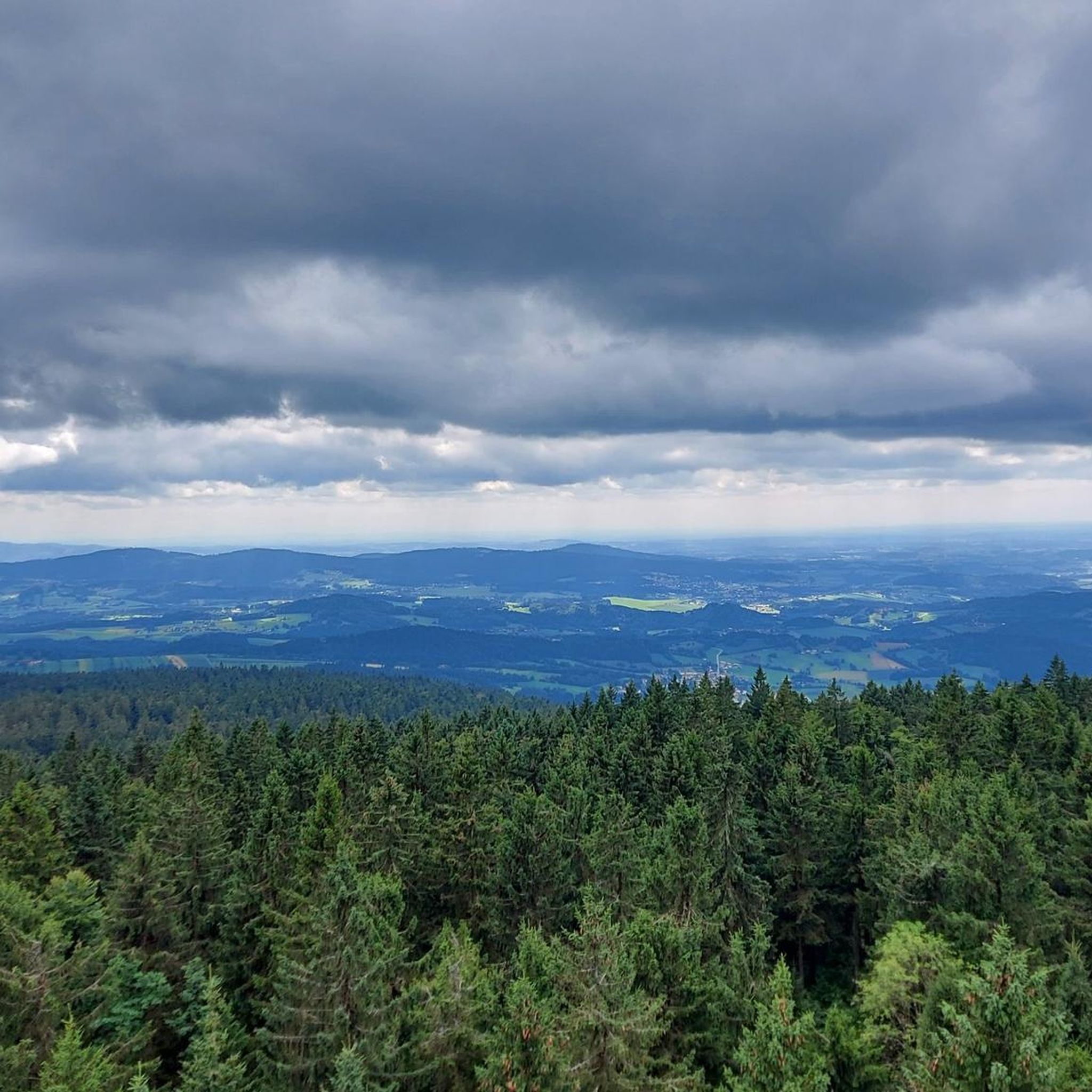
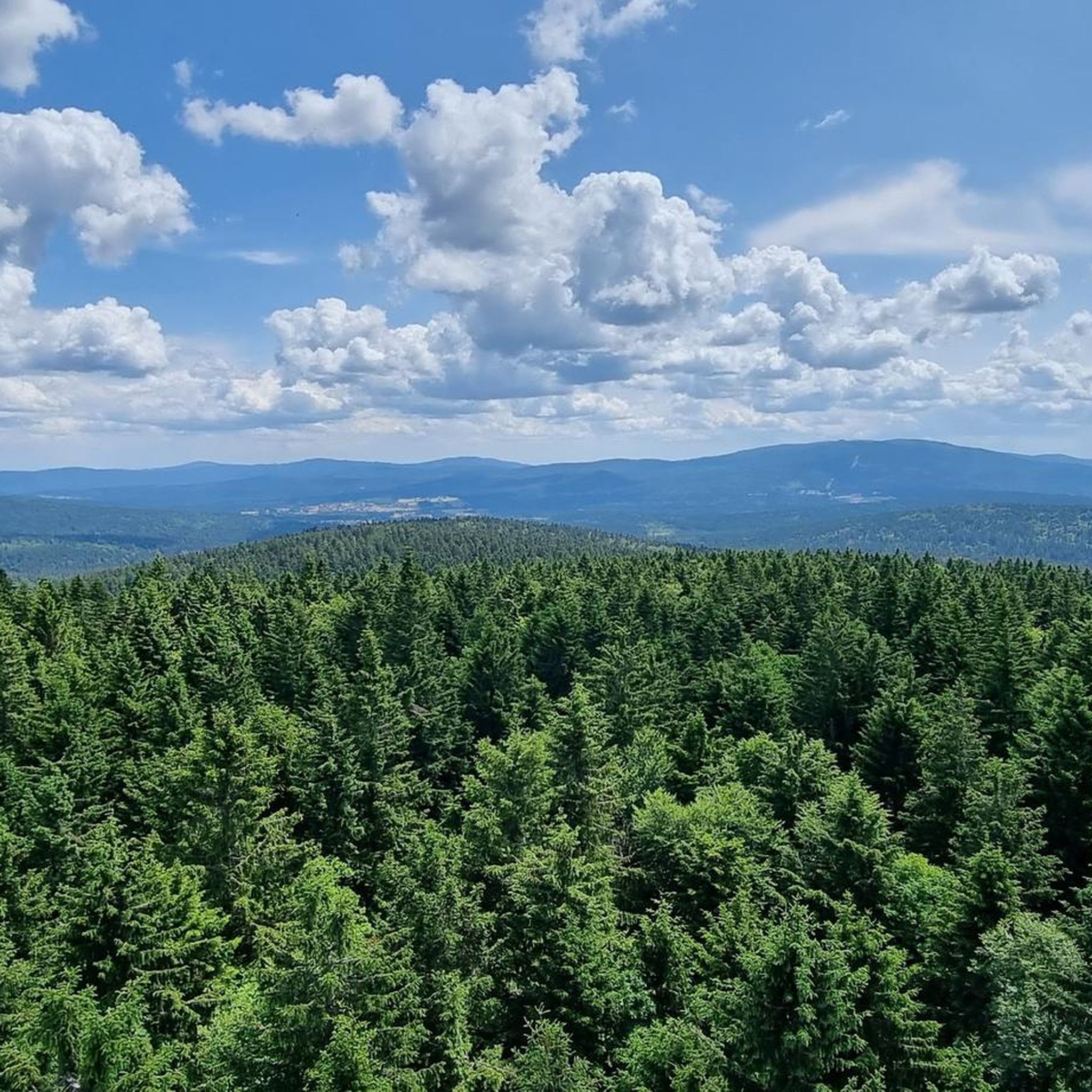
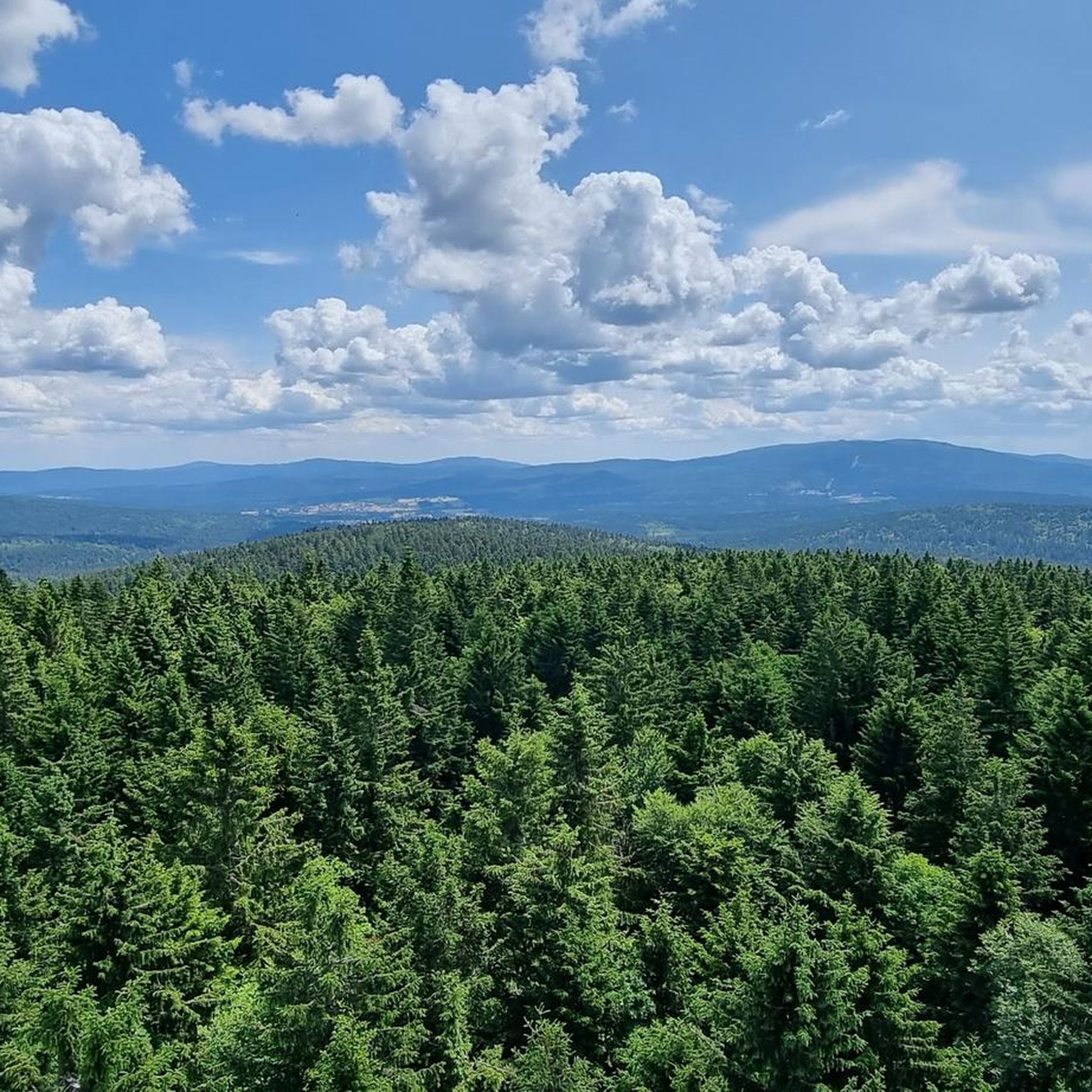
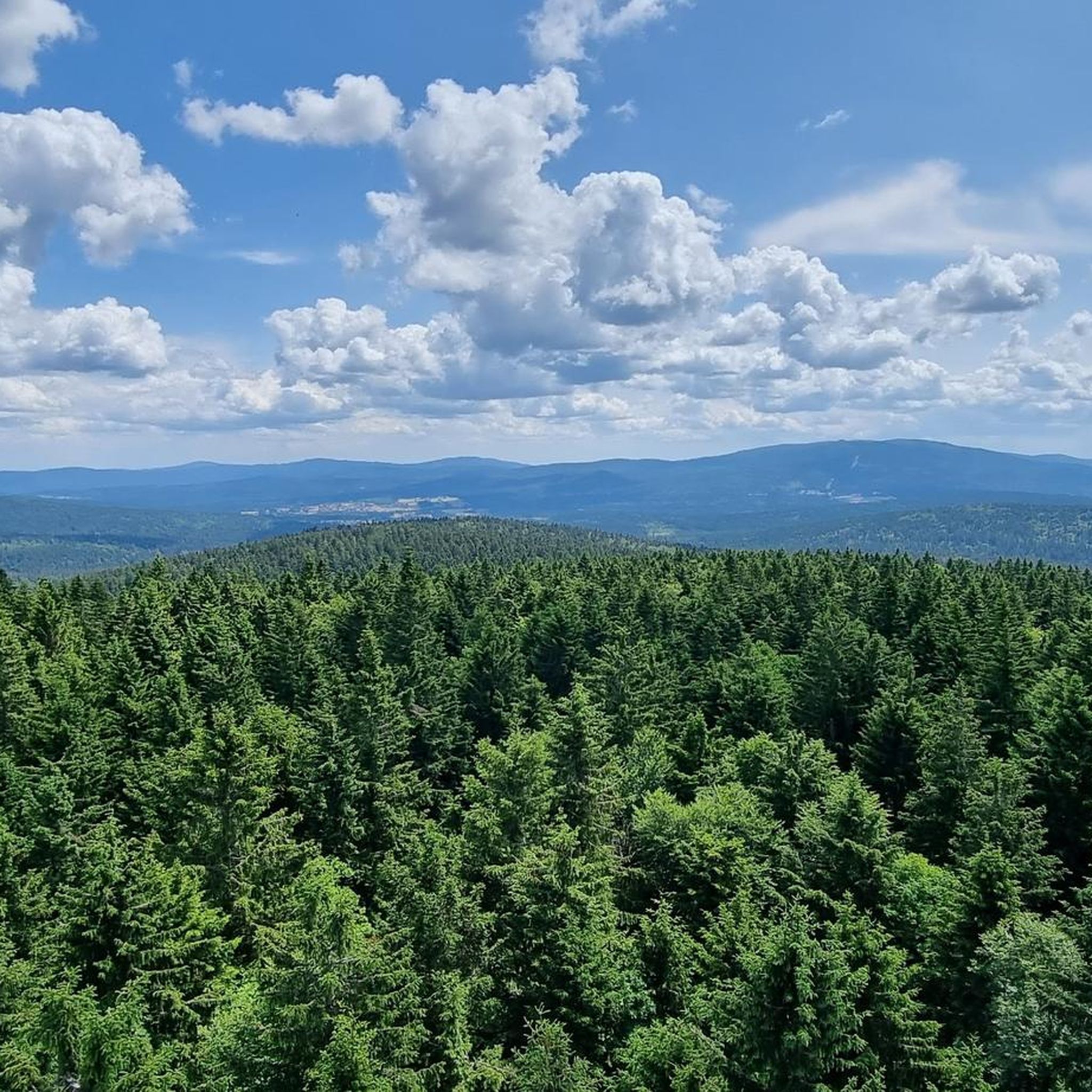
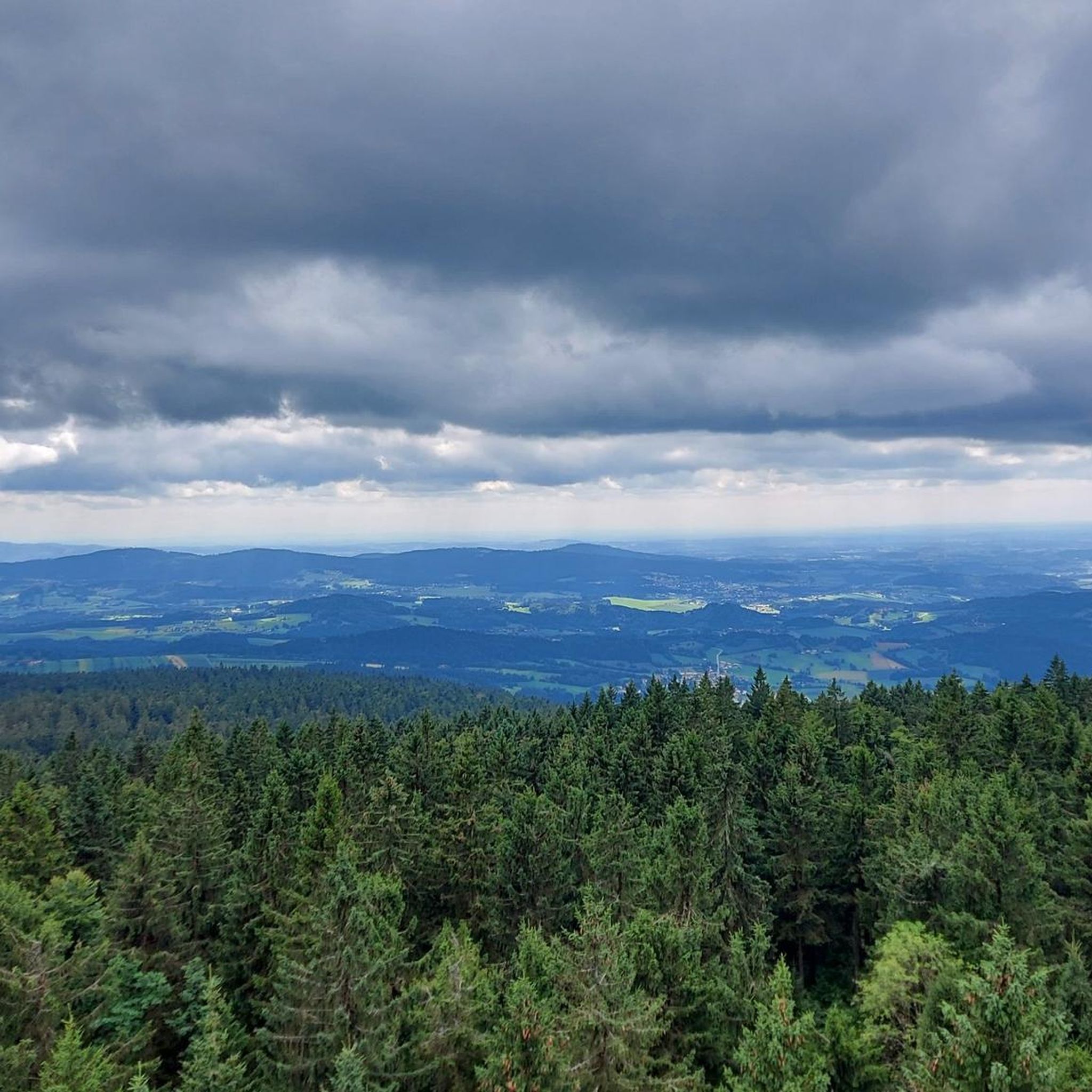
The Dreisessel in the Bavarian Forest border triangle is one of the most popular excursion and hiking destinations. Well-signposted paths lead to its peaks Dreisesselfels, Hochstein and Bayerischer Plöckenstein (Czech: Trojmezná hora), offering a wonderful view of the Bavarian Forest, the Bohemian Forest and the Mühlviertel.
5
0
A path, which is partly heavily blocked and surrounded by thousands of dead trees, leads from the Dreisessel to the border triangle. The ridge path is a really beautiful hiking trail. There are also beautiful views of the Bohemian Forest.
5
0

It is located in the Lower Bavarian district of Freyung-Grafenau around 370 m (as the crow flies) northwest of the German-Czech border. The mighty rock with a large summit cross can be climbed via a stone staircase. The panorama ranges from the Plöckenstein over parts of the Bohemian Forest, the Almberg, the Haidel and the Lusen to the Rachel. On a clear day, you can see as far as the Alps. Due to the public Dreisesselstraße, which leads to the Dreisesselhaus ("Berggasthof Dreisessel"), which is almost 450 m (as the crow flies) south of the Hochstein, the Dreisesselberg, especially the Hochstein, is often heavily frequented. But there are also marked hiking trails from all directions, for example from the Kreuzbachklause, from Haidmühle-Frauenberg or the Czech Nové Údolí to the Hochstein.
8
0

... worth a visit in every season ... Great hike
8
0
Always beautiful. A different, very special setting.
5
0

great view especially in the evening light
5
0

A wonderful view but also a lot going on
4
0
Frequently Asked Questions
What are some of the most unique natural monuments to visit around Graineter Wald?
The region offers several distinctive natural monuments. You can experience the geological marvel of the Stone Sea at Plöckenstein, a block heap formed during the ice age, or stand at the Tripoint Monument (Germany–Austria–Czech Republic), where three countries meet. Another fascinating site is the Wackelstein (Rocking Stone) near Entschenreuth, a massive granite block that can be gently rocked.
What geological features can I expect to see among the natural monuments?
The natural monuments around Graineter Wald are characterized by impressive granite formations. The Stone Sea at Plöckenstein is a prime example, featuring large stone slabs and blocks, some stacked into impressive rock castles. The Wackelstein (Rocking Stone) also showcases the unique properties of granite, allowing a large boulder to rock on a flat slab.
Are there any historical or cultural aspects associated with these natural monuments?
Yes, the Dreisessel Rock, a prominent summit, is steeped in local legend. Its name, meaning 'three armchairs,' comes from a tale that kings of Bavaria, Bohemia, and Austria once met there to define their borders. The rock formation itself is considered one of Bavaria's most beautiful geotopes.
Are the natural monuments around Graineter Wald suitable for families?
Many natural monuments and their surrounding trails are suitable for families. For instance, the Wackelstein offers a hands-on experience that children often enjoy. Trails leading to sites like the Tripoint Monument or the Stone Sea at Plöckenstein can be explored by families, though some sections might require good footwear due to uneven terrain.
What is the best time of year to visit the natural monuments around Graineter Wald?
The natural monuments are beautiful year-round. Spring and autumn offer pleasant temperatures for hiking and vibrant foliage. Summer is ideal for longer explorations, while winter transforms the landscape into a serene, snow-covered wonderland, though some paths might be more challenging. Early mornings or late afternoons often provide the best light for photography and fewer crowds.
Are dogs allowed on trails near the natural monuments?
Generally, dogs are welcome on most hiking trails in the Bavarian Forest, including those leading to natural monuments. However, it's always recommended to keep them on a leash, especially in nature protection areas or near wildlife, and to clean up after them. Specific restrictions might apply in certain sensitive ecological zones, so always check local signage.
What outdoor activities can I do near the natural monuments around Graineter Wald?
The region is excellent for various outdoor activities. You can enjoy hiking on trails like the 'Wackelstein Steig-Nr. 84' or explore the numerous hiking routes around Graineter Wald. Cycling and mountain biking are also popular, with options ranging from easy gravel paths to challenging MTB trails. The Ilz River, known as the 'Black Pearl,' offers opportunities for serene walks along its banks and, in certain sections, kayaking or canoeing.
Are there hiking trails that lead to these natural monuments?
Yes, many natural monuments are accessible via well-marked hiking trails. For example, the Dreisessel Rock is part of a beautiful hike that includes the Stone Sea and the Tripoint Monument. The 'Wackelstein Steig-Nr. 84' leads directly to the Wackelstein. You can find a variety of options, from easy to challenging, in the hiking guide for Graineter Wald.
What is the Ilz River known for?
The Ilz River, often called the 'Black Pearl' of the Bavarian Forest, is renowned for its wild and untouched character. Its distinctive dark, brownish hue comes from tannins leached from surrounding peat bogs and forests. It's one of the last largely natural wild rivers in eastern Bavaria, supporting diverse ecosystems and providing habitats for species like otters and kingfishers. It's a protected Natura 2000 site, ideal for nature enthusiasts.
What is the 'ridgeway' natural monument?
The ridgeway is a unique path that connects the Dreisessel to the Tripoint Monument. It's known for its impressive landscape, partly heavily blocked and surrounded by thousands of dead trees, offering a very special setting and beautiful views of the Bohemian Forest. It's a testament to nature's regeneration.
Can I observe wildlife near the natural monuments?
Yes, the pristine natural environments around Graineter Wald offer opportunities for wildlife observation. The Ilz River, for instance, is home to diverse species including otters, kingfishers, and huchen. The dense forests and protected areas provide habitats for various birds, insects, and mammals. Patience and quiet observation are key to spotting local fauna.
What is the Hochwald Deadwood Area?
The Hochwald Deadwood Area is a natural monument that showcases the natural regeneration process of the forest. While some bare trees, affected by bark beetles, still stand, nature is actively reclaiming its habitat. Bushes, herbs, and young spruce and fir trees are growing between the skeletonized trunks, illustrating the cycle of dying and emergence in the forest, which is part of the nature park concept.
Most popular routes around Graineter Wald
Most popular attractions around Graineter Wald

Get inspired with the komoot mobile app


Explore more
Extend your search for the best caves by checking out these guides of the top ones around Graineter Wald:
