Top 20 Natural Monuments around Wertingen
Best natural monuments around Wertingen are found in the district of Dillingen an der Donau, Bavaria, Germany. This region features a landscape with various natural monuments and protected landscape components. These areas offer tranquil spots for nature appreciation and local exploration, contributing to local biodiversity and green infrastructure. Visitors can explore a mix of natural features within the town's vicinity.
Best natural monuments around Wertingen
- The most popular natural monument is Ice Pond, a lake that offers a quiet…
Last updated: May 11, 2026
Eglesee
Highlight • Lake
Translated by Google •
Tip by

Ice Pond
Highlight • Lake
The ice pond got its name because …
Translated by Google •
Tip by

Sign up now to discover places like this
Get recommendations on the best single tracks, peaks, & plenty of other exciting outdoor places.
Sign up for free
LandArt Trail Bonstetten
Highlight (Segment) • Trail
Translated by Google •
Tip by

Snow castle rampart
Highlight (Segment) • Historical Site
Translated by Google •
Tip by

Taglilienfeld Nature Monument
Highlight • Natural Monument
Translated by Google •
Tip by

Sign up for free to discover even more natural monuments around Wertingen.
Sign up for free
Already have an account?
Start today with a free account
Your next adventure awaits.
Login or Signup

Tips from the Community

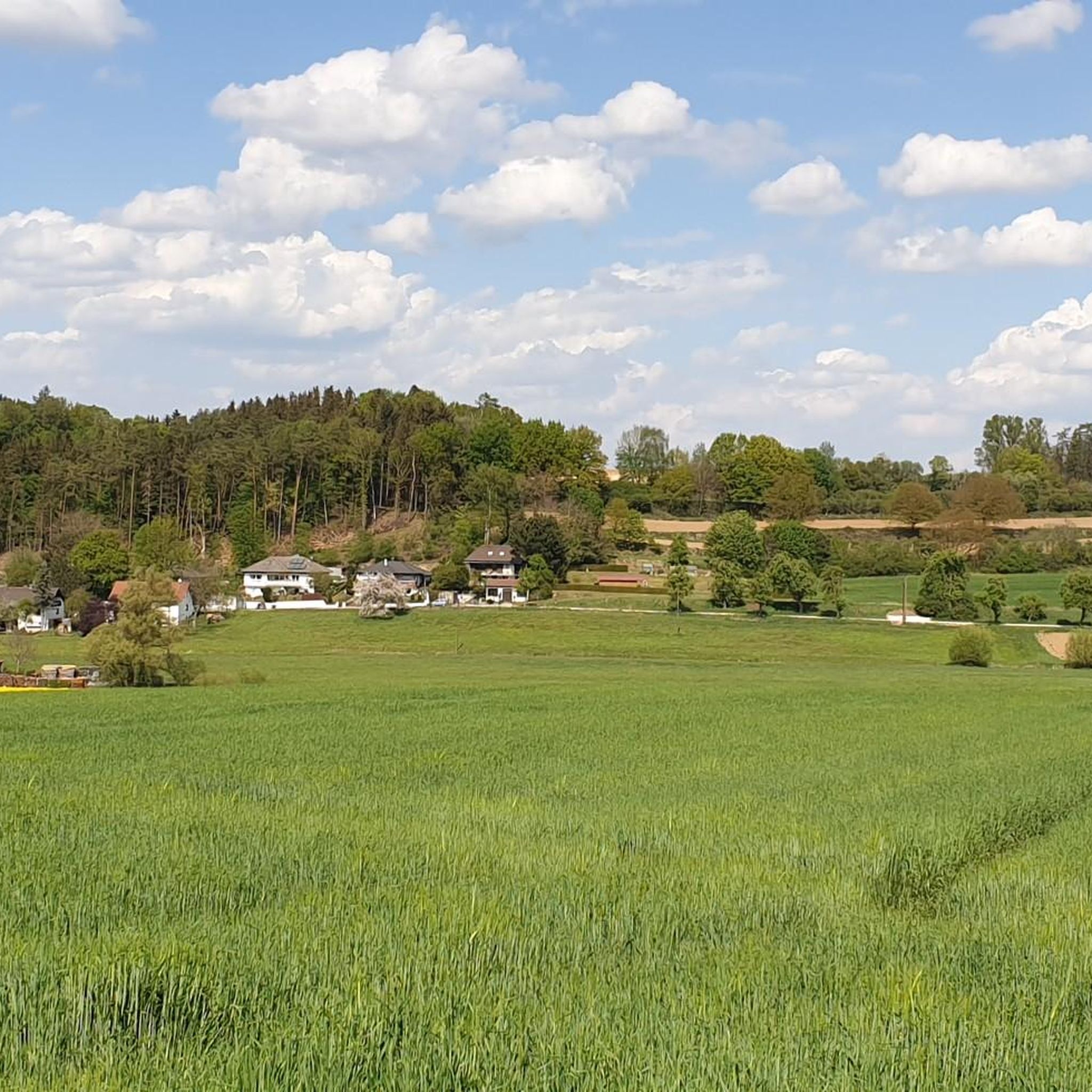
The ringfort of Schneeburg is not the remains of a castle, but rather an archaeological monument that only reveals itself upon closer inspection. There were never any towers or stone walls here – the fortification consisted of earthworks, wooden palisades, and timber structures. Today, primarily ditches, ramparts, and the shape of the site are visible in the landscape. Historians assume that the oldest traces of Schneeburg date back to the Bronze Age. In the Middle Ages, it offered the local population protection from Hungarian invasions.
1
0

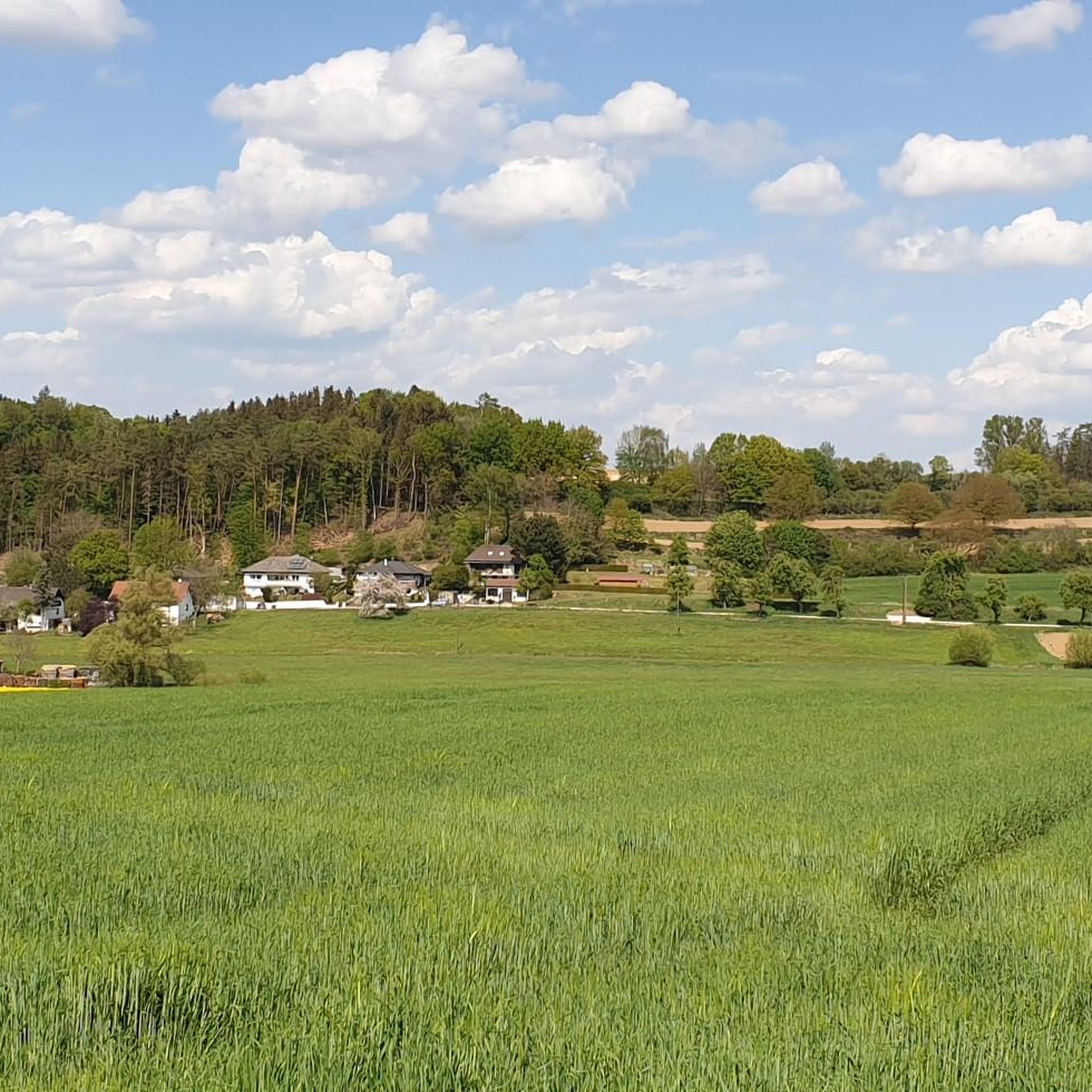
The daylily field near St. Stephan is the largest daylily field in Europe. Daylilies and other orchid species bloom every June. The biotope borders the Lech floodplain forest. Picking is strictly prohibited!
0
0

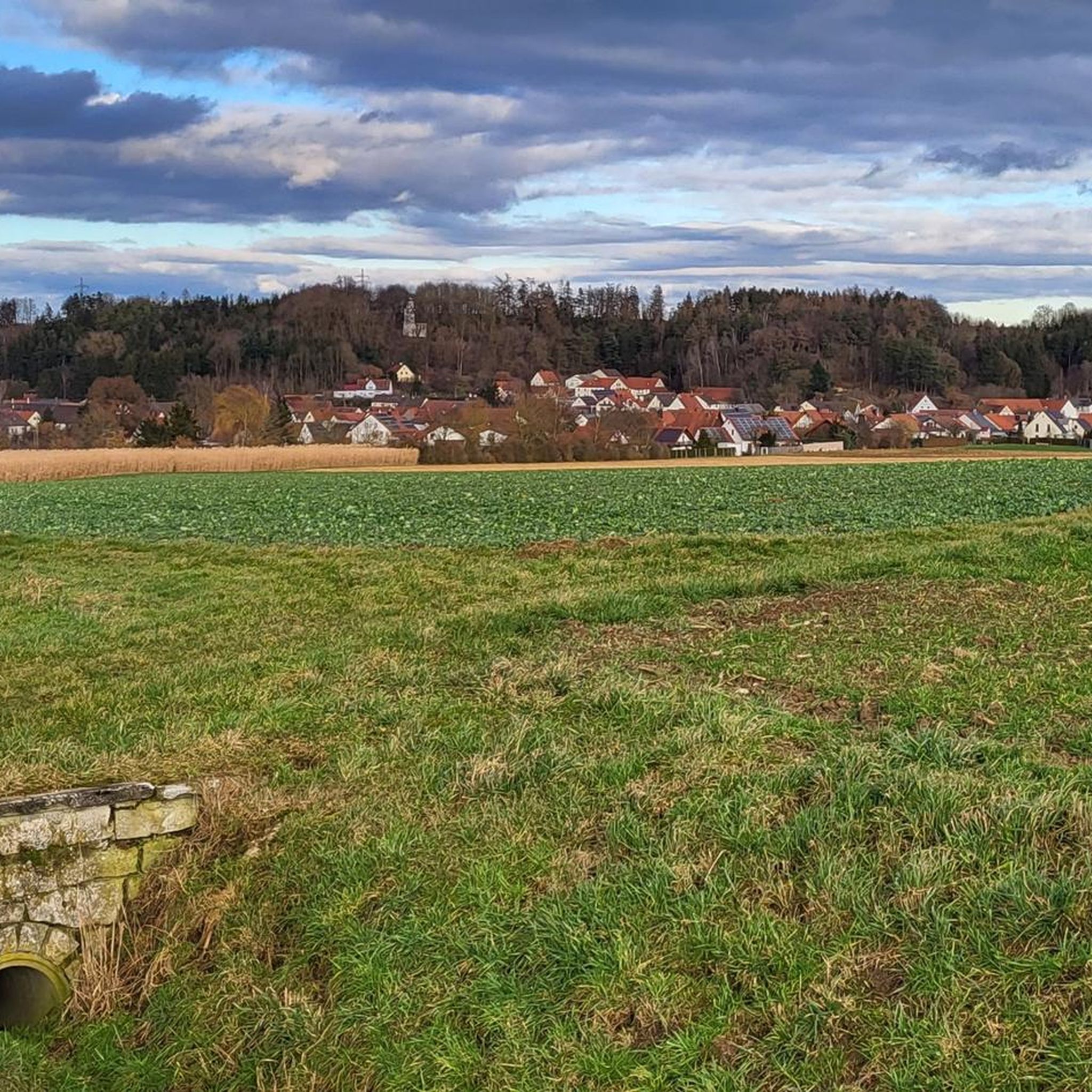
LandArt: Nature as an art space LandArt uses natural materials from the environment that are left to the forces of nature and transience. In this way, works of art merge with their surroundings, become part of nature and ultimately return to it. The internationally active artist Hama Lohrmann created nine works of art in the Augsburg - Western Forests Nature Park, near 86456 Bonstetten. These works are connected via the LandArt Bonstetten Art Trail, a 6 km long circular tour through hilly terrain. The trail begins and ends in the town of Bonstetten. LandArt Bonstetten Art Trail https://www.augsburg-tourismus.de/de/landart/landart-kunstpfad-bonstetten There is an audio tour of the LandArt Bonstetten Art Trail in a free app called "Bayerisch-Schwaben-Lauschtour". The route and objects are discussed there. Information about the app and various listening tours; Link: https://www.bayerisch-schwaben.de/region-highlights/lauschtouren Sustainable excursion: On the LandArt art trail in Bonstetten https://lifeguide-augsburg.de/de/magazin/nachhaltiger-ausflug-dem-landart-kunstpfad-bonstetten
0
0

The DAYLILY FIELD is part of the Lech floodplain forest with its natural growth of trees and shrubs. The floodplain forest is to be preserved as a vegetation bridge between the Alps and the Jura, as climate protection and as a landscape element of the Lech plain. The Lech once had its bed with its widely branched arms at the level of the daylily field. The NATURAL MONUMENT "DAYLILY FIELD" was placed under protection in 1982. The purpose of the protection is to preserve the characteristic remaining area of the original Lech floodplain landscape and to protect the existing plants. The existing, mostly rare plants here include the daylily, as well as the bumblebee orchid, the spider orchid, various types of hagwort, the lady's slipper, the Turk's cap lily, the lemon balm, the flax, the Siberian iris, the daphne and the laserwort. The tendrils of the clematis are also typical of the floodplain forest. The daylily (scientific name from the Greek "Hemerocallis lilio-asphodelus" - which corresponds to the German translation "day beauty") blooms in June. The plant is not native to Central Europe, but to the Mediterranean countries and southeastern Europe. However, it was naturalized in Germany centuries ago. The individual flower usually only opens for one Day. There are up to 8 flowers on one stem, which bloom on consecutive days. The LILY MEADOW with a closed population of thousands of plants is now a botanical treasure and can be described as unique in Central Europe. The property has been owned by the Swabian Natural Science Association since 1930. The annual maintenance is carried out by the "Friends of Nature" e.V. St. Stephan association.
1
0


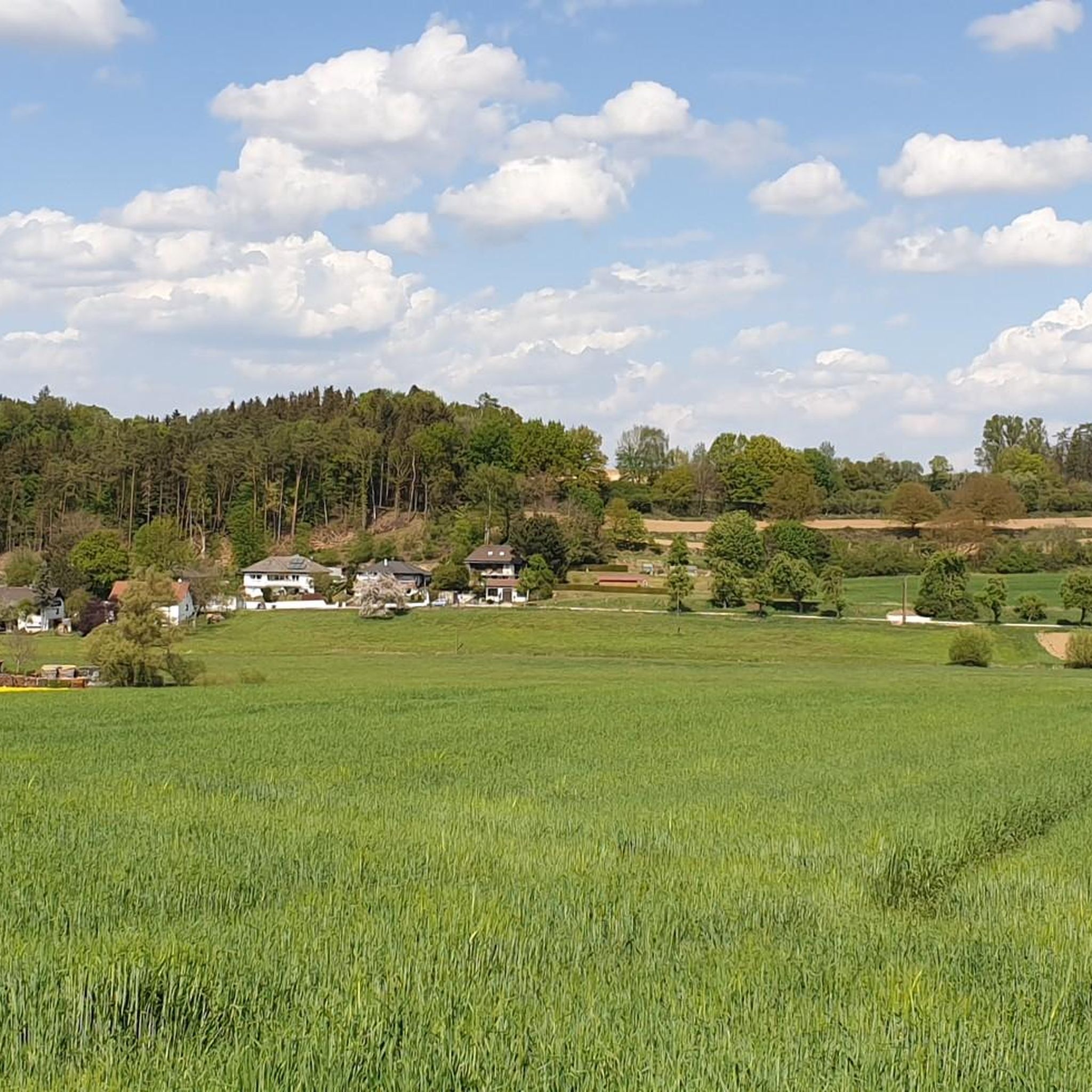
A beautiful landscape and now and then a nature-related art object.
0
0

Frequently Asked Questions
What are some unique natural monuments to visit around Wertingen?
Wertingen offers a variety of unique natural monuments. You can explore the Ice Pond, known for its historical connection to supplying ice to local beer cellars. Another interesting spot is the LandArt Trail Bonstetten, which features art objects integrated into the natural landscape, offering an entertaining way to experience the area. For botanical enthusiasts, the Taglilienfeld Nature Monument is Europe's largest field of daylilies, showcasing a stunning display of flowers, especially in June.
Are there natural monuments suitable for families in Wertingen?
Yes, several natural monuments around Wertingen are family-friendly. The Ice Pond is a quiet place for a break, and the LandArt Trail Bonstetten is well-signposted and engaging for all ages. The Eglesee, a lake nestled in a forest, is also considered family-friendly and offers a peaceful environment. Additionally, the Taglilienfeld Nature Monument provides a beautiful natural setting for families to enjoy.
Can I bring my dog to the natural monuments in Wertingen?
Many natural areas around Wertingen are dog-friendly. For instance, the Eglesee is noted as a great place for dogs to swim and enjoy the peace. While most natural monuments welcome dogs, it's always advisable to keep them on a leash and clean up after them to respect the environment and other visitors.
What kind of outdoor activities can I do near Wertingen's natural monuments?
The natural monuments around Wertingen are excellent starting points for various outdoor activities. You can find numerous hiking, running, and cycling routes. For hiking, consider trails like the 'Private Chapel – Hasenbrünnle loop' or the 'Napoleonstanne Viewpoint loop'. Runners might enjoy the 'Eierhäusle loop', and cyclists have options such as the 'Wertingen Town Center – Picnic Area by the Zusam loop'. You can find more details on these activities in the Hiking around Wertingen, Running Trails around Wertingen, and Cycling around Wertingen guides.
Are there any historical natural monuments in the Wertingen area?
Yes, the region has natural monuments with historical connections. The Ice Pond, for example, is named for its past role in supplying ice to local beer cellars. Additionally, the **Napoleonstanne** (Napoleon's Fir) is recognized as a natural monument and viewpoint, suggesting a tree or group of trees with significant age, size, or historical association, likely offering scenic views.
Where can I find botanical natural monuments near Wertingen?
The most prominent botanical natural monument is the Taglilienfeld Nature Monument in the St. Stephan district of Rehlingen. It is Europe's largest field of daylilies and also hosts various types of orchids and other rare wild flowers. This area is part of the Lech floodplain forest, preserving a unique original Central European landscape.
What are the best times to visit the natural monuments around Wertingen?
The best time to visit depends on your interests. For the full splendor of the daylilies at the Taglilienfeld Nature Monument, June is ideal. Generally, spring and autumn offer pleasant temperatures for hiking and exploring. Summer is great for enjoying lakes like Eglesee and Ice Pond. Even in winter, the natural landscapes can offer serene beauty, though some paths might be less accessible.
Are there viewpoints among the natural monuments in Wertingen?
Yes, several natural monuments offer scenic viewpoints. The **Napoleonstanne** is specifically recognized as a viewpoint, likely providing panoramic vistas of the surrounding landscape. Other highlights like the Ice Pond, LandArt Trail Bonstetten, and Ganghofer Allee are also noted for their scenic qualities and opportunities for observation.
What do visitors particularly enjoy about the natural monuments in Wertingen?
Visitors appreciate the tranquility and natural beauty of the area. Many enjoy the peaceful atmosphere of places like the Eglesee, especially for quiet breaks or dog walks. The LandArt Trail Bonstetten is praised for its well-signposted path and the engaging integration of art into nature. The historical connection of the Ice Pond also adds to its appeal for many.
What are 'protected landscape components' in Wertingen?
In Wertingen, 'Geschützter Landschaftsbestandteil' (protected landscape components) are areas similar to natural monuments, designated to preserve specific natural features. Examples include a collection of **6 Oaks, 1 Larch, several Pines and Shrubs on the Kapellenberg**, valued for their ecological role and aesthetic beauty. Another such component consists of **Trees and Shrubs below the School**, contributing to local biodiversity and offering small pockets of nature within the town.
Are there easy hiking trails near Wertingen's natural monuments?
Yes, there are several easy hiking trails that allow you to explore the natural monuments. For instance, the 'Wertingen Kneipp Facility – Water Wheel and Waterfall loop' and the 'Zusam Weir and Bridge View loop' are both rated as easy. The 'Napoleonstanne Viewpoint loop' is also an easy option, allowing you to visit this historical natural monument. More details can be found in the Hiking around Wertingen guide.
What kind of natural features can I see around Wertingen?
Wertingen's natural monuments primarily feature lakes, forests, and significant trees. You can find serene lakes like Eglesee and the Ice Pond, often surrounded by forests. There are also notable tree formations, such as the **Napoleonstanne** and the protected **6 Oaks, 1 Larch, several Pines and Shrubs on the Kapellenberg**. The Taglilienfeld Nature Monument showcases unique botanical diversity within a floodplain forest.
Most popular routes around Wertingen
Most popular attractions around Wertingen

Get inspired with the komoot mobile app


Explore more
Extend your search for the best caves by checking out these guides of the top ones around Wertingen:
