Top 20 Natural Monuments around Laugna
Best natural monuments around Laugna are situated in a municipality within the district of Dillingen in Bavaria, Germany. The area offers a natural environment suitable for outdoor activities, including cycling and hiking routes. While large-scale, widely recognized natural monuments are not extensively documented, the region features smaller, locally appreciated natural features. These areas provide opportunities to explore the landscape of Laugna.
Best natural monuments around Laugna
- The most popular natural monuments is Ice Pond, a lake known for its…
Last updated: May 11, 2026
Eglesee
Highlight • Lake
Translated by Google •
Tip by

Ice Pond
Highlight • Lake
The ice pond got its name because …
Translated by Google •
Tip by

Sign up now to discover places like this
Get recommendations on the best single tracks, peaks, & plenty of other exciting outdoor places.
Sign up for free
LandArt Trail Bonstetten
Highlight (Segment) • Trail
Translated by Google •
Tip by

Snow castle rampart
Highlight (Segment) • Historical Site
Translated by Google •
Tip by

Taglilienfeld Nature Monument
Highlight • Natural Monument
Translated by Google •
Tip by

Sign up for free to discover even more natural monuments around Laugna.
Sign up for free
Already have an account?
Start today with a free account
Your next adventure awaits.
Login or Signup

Tips from the Community

The ringfort of Schneeburg is not the remains of a castle, but rather an archaeological monument that only reveals itself upon closer inspection. There were never any towers or stone walls here – the fortification consisted of earthworks, wooden palisades, and timber structures. Today, primarily ditches, ramparts, and the shape of the site are visible in the landscape. Historians assume that the oldest traces of Schneeburg date back to the Bronze Age. In the Middle Ages, it offered the local population protection from Hungarian invasions.
1
0

The daylily field near St. Stephan is the largest daylily field in Europe. Daylilies and other orchid species bloom every June. The biotope borders the Lech floodplain forest. Picking is strictly prohibited!
0
0

LandArt: Nature as an art space LandArt uses natural materials from the environment that are left to the forces of nature and transience. In this way, works of art merge with their surroundings, become part of nature and ultimately return to it. The internationally active artist Hama Lohrmann created nine works of art in the Augsburg - Western Forests Nature Park, near 86456 Bonstetten. These works are connected via the LandArt Bonstetten Art Trail, a 6 km long circular tour through hilly terrain. The trail begins and ends in the town of Bonstetten. LandArt Bonstetten Art Trail https://www.augsburg-tourismus.de/de/landart/landart-kunstpfad-bonstetten There is an audio tour of the LandArt Bonstetten Art Trail in a free app called "Bayerisch-Schwaben-Lauschtour". The route and objects are discussed there. Information about the app and various listening tours; Link: https://www.bayerisch-schwaben.de/region-highlights/lauschtouren Sustainable excursion: On the LandArt art trail in Bonstetten https://lifeguide-augsburg.de/de/magazin/nachhaltiger-ausflug-dem-landart-kunstpfad-bonstetten
0
0

The DAYLILY FIELD is part of the Lech floodplain forest with its natural growth of trees and shrubs. The floodplain forest is to be preserved as a vegetation bridge between the Alps and the Jura, as climate protection and as a landscape element of the Lech plain. The Lech once had its bed with its widely branched arms at the level of the daylily field. The NATURAL MONUMENT "DAYLILY FIELD" was placed under protection in 1982. The purpose of the protection is to preserve the characteristic remaining area of the original Lech floodplain landscape and to protect the existing plants. The existing, mostly rare plants here include the daylily, as well as the bumblebee orchid, the spider orchid, various types of hagwort, the lady's slipper, the Turk's cap lily, the lemon balm, the flax, the Siberian iris, the daphne and the laserwort. The tendrils of the clematis are also typical of the floodplain forest. The daylily (scientific name from the Greek "Hemerocallis lilio-asphodelus" - which corresponds to the German translation "day beauty") blooms in June. The plant is not native to Central Europe, but to the Mediterranean countries and southeastern Europe. However, it was naturalized in Germany centuries ago. The individual flower usually only opens for one Day. There are up to 8 flowers on one stem, which bloom on consecutive days. The LILY MEADOW with a closed population of thousands of plants is now a botanical treasure and can be described as unique in Central Europe. The property has been owned by the Swabian Natural Science Association since 1930. The annual maintenance is carried out by the "Friends of Nature" e.V. St. Stephan association.
1
0


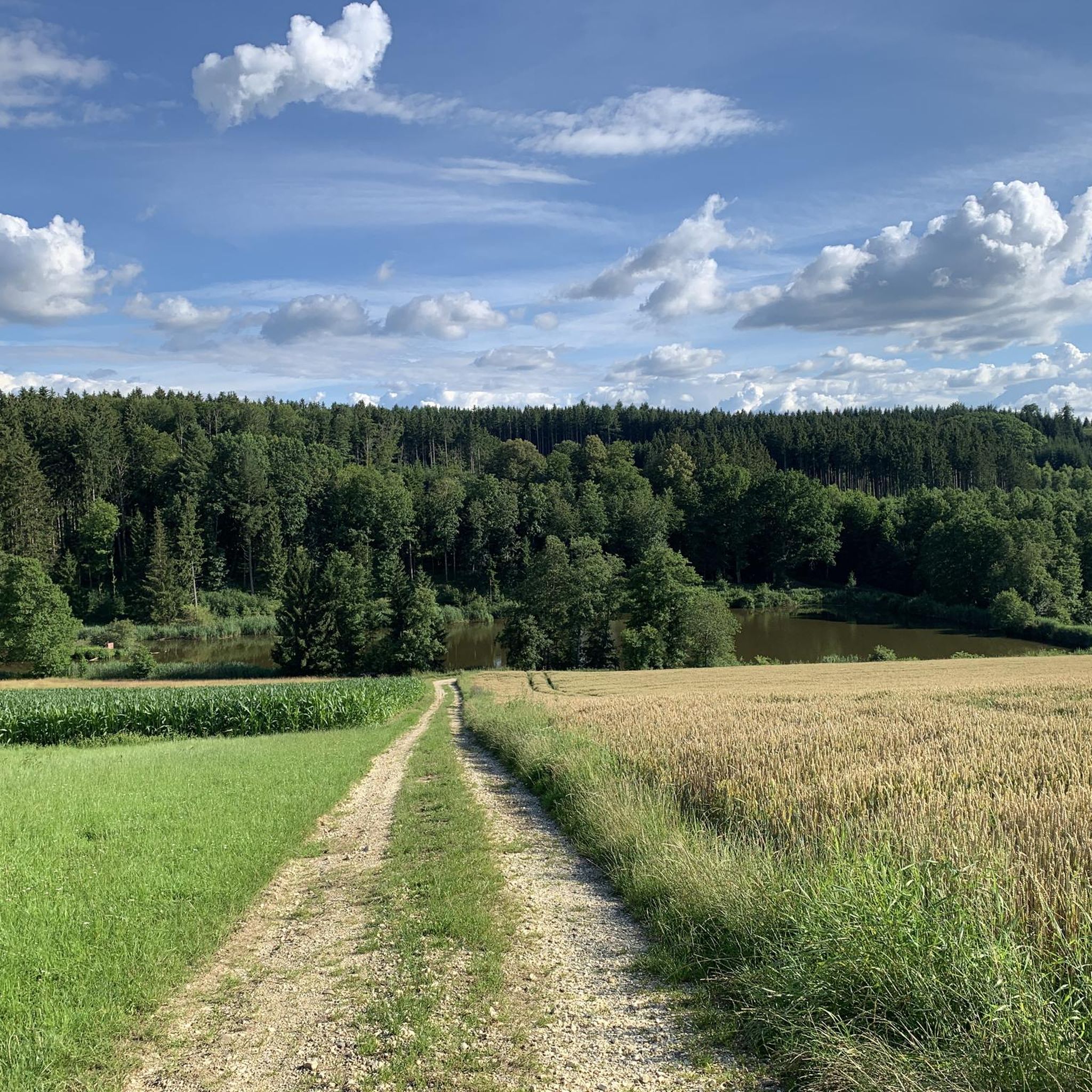
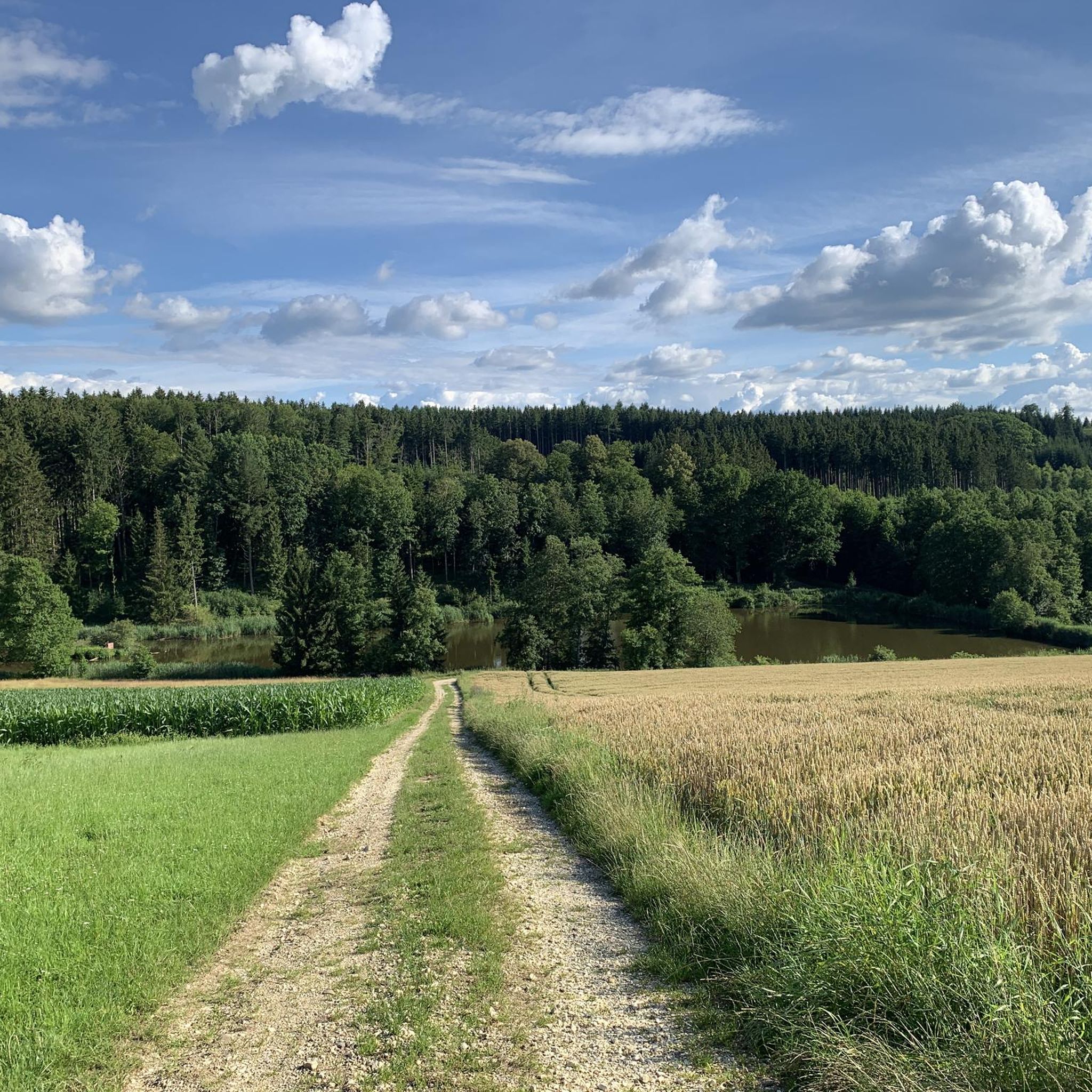
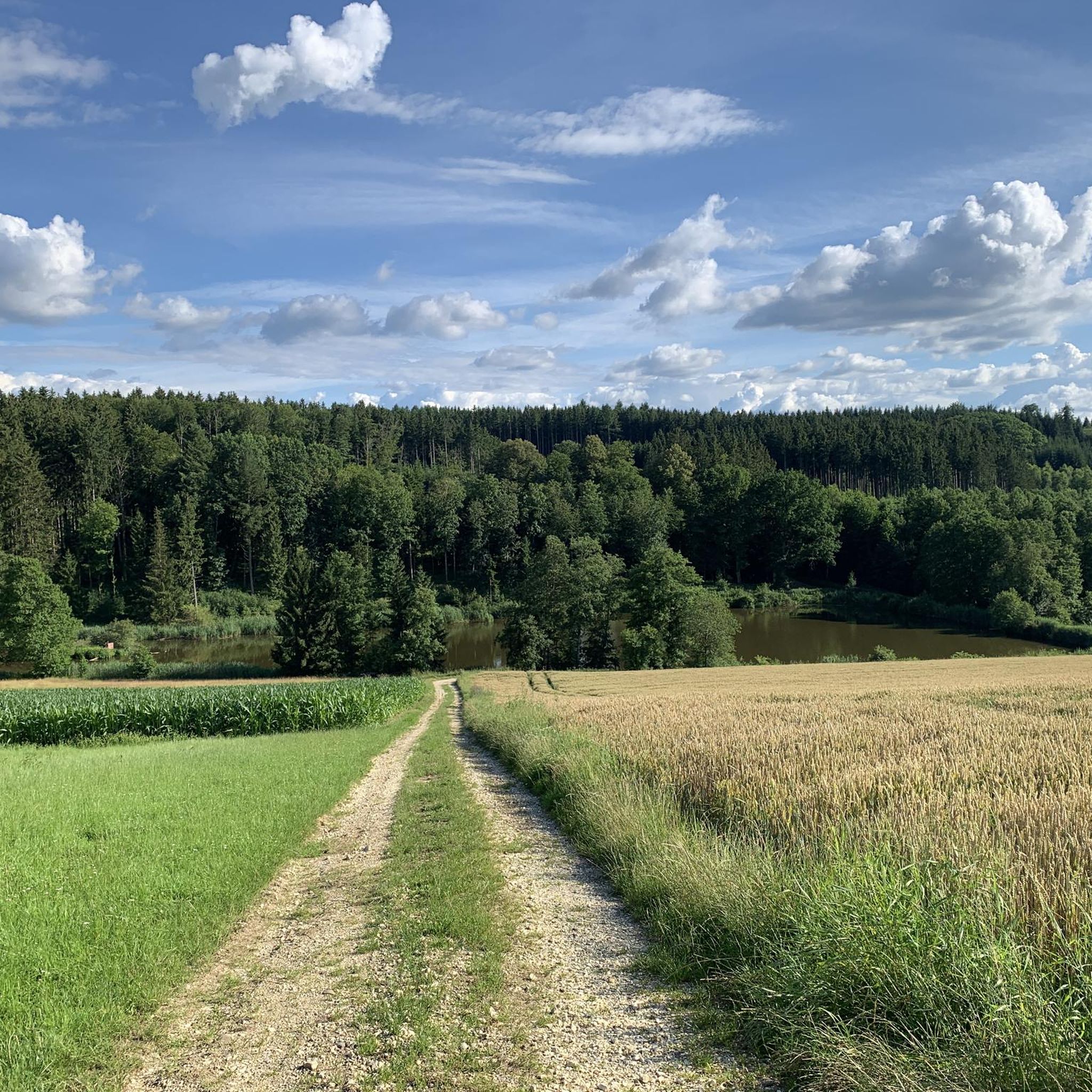
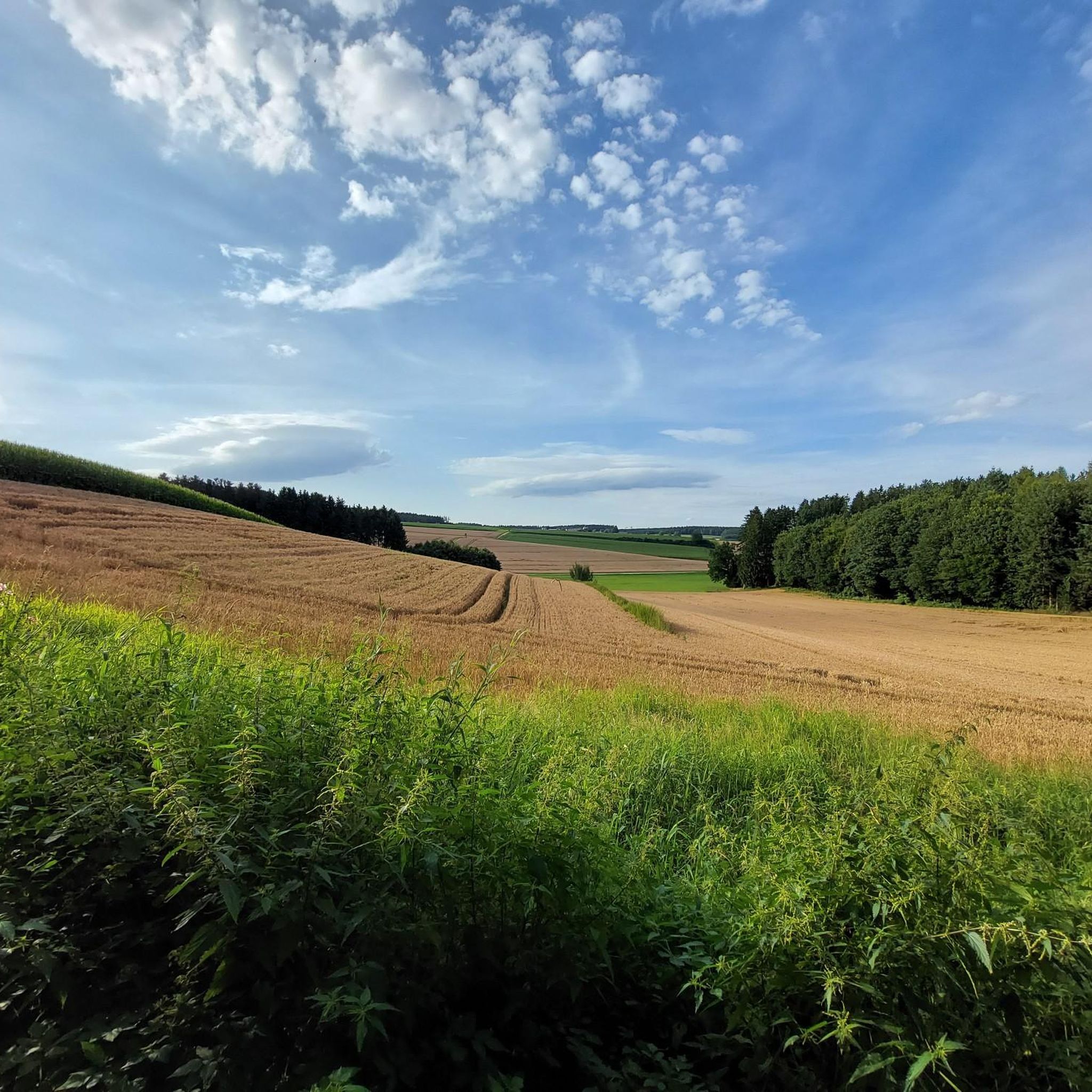
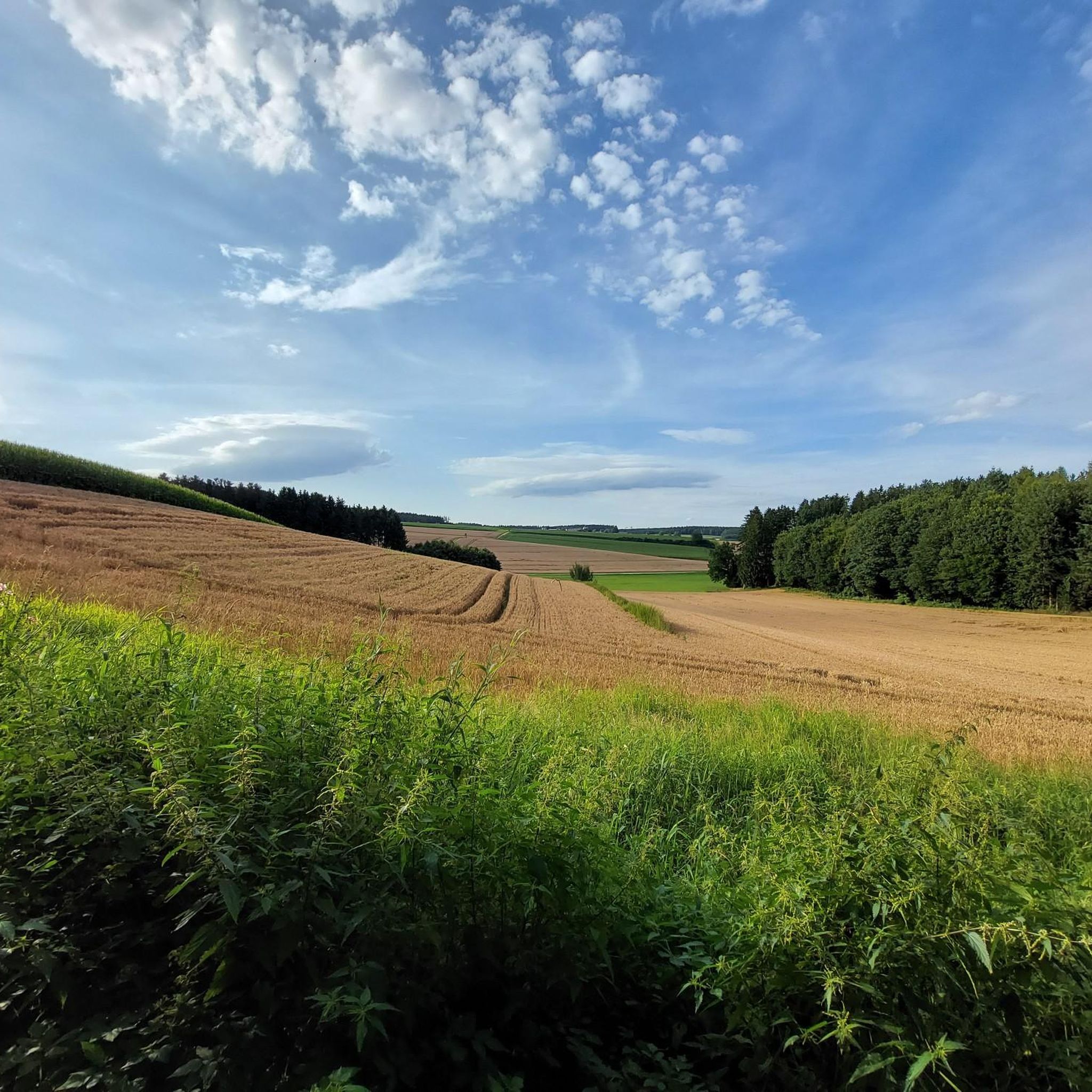
A beautiful landscape and now and then a nature-related art object.
0
0

Frequently Asked Questions
What unique natural features can I explore around Laugna?
Laugna offers a variety of natural features. You can visit the Ice Pond, a tranquil lake historically used to supply ice to local beer cellars. Another unique spot is the Taglilienfeld Nature Monument, which is Europe's largest field of endangered daylilies, blooming in June, and also home to various rare orchids. The Hühnerberg Nature Monument and Schmutter Steep Slopes offer impressive views and are a protected biotope with rare plant species.
Are there any historical natural monuments in the Laugna area?
Yes, the Hühnerberg Nature Monument and Schmutter Steep Slopes is a site steeped in history, with evidence of human habitation since ancient times. The Ice Pond also has historical significance, as it was once a source of ice for local beer cellars.
What kind of outdoor activities can I do near Laugna's natural monuments?
The Laugna area is well-suited for various outdoor activities. You can find numerous hiking routes, such as the 'View of Bocksberger Castle Ruins loop from Emersacker' or the 'Laugna Stream loop from Hinterbuch'. For cycling enthusiasts, there are MTB trails and gravel biking routes available. You can explore more options on the Hiking around Laugna, MTB Trails around Laugna, and Gravel biking around Laugna guide pages.
Are there family-friendly natural monuments suitable for children?
Absolutely. The Eglesee is a peaceful lake in the forest, perfect for a family outing. The Ice Pond also offers a quiet spot with a resting bench. Additionally, the LandArt Trail Bonstetten combines natural landscapes with engaging art objects, making it an interesting experience for all ages. The Taglilienfeld Nature Monument is also considered family-friendly, especially when the flowers are in bloom.
Can I bring my dog to the natural monuments around Laugna?
Yes, some natural monuments are dog-friendly. The Eglesee is particularly noted as being perfect for traveling with dogs, where they can bathe and enjoy the peace. However, always be mindful of local regulations and protected areas, especially around sensitive biotopes like the Taglilienfeld.
When is the best time of year to visit the natural monuments in Laugna?
The best time to visit depends on what you wish to see. For instance, the Taglilienfeld Nature Monument is most spectacular in June when the daylilies are in full bloom. Generally, spring and summer offer pleasant weather for hiking and cycling, while autumn provides beautiful foliage. The Hühnerberg Nature Monument and Schmutter Steep Slopes are ideal for sunset views.
Where can I find impressive views or viewpoints in the Laugna area?
For scenic vistas, head to the Hühnerberg Nature Monument and Schmutter Steep Slopes, which offers a beautiful view of the valley, especially at sunset. Many trails in the region also feature viewpoints, such as the 'View of Bocksberger Castle Ruins loop' mentioned in the hiking guide.
What makes the LandArt Trail Bonstetten special?
The LandArt Trail Bonstetten is a unique path that combines natural landscapes with nature-related art objects. It's well-signposted and offers an engaging experience, often accompanied by a listening tour that guides you from station to station, making it both entertaining and interesting.
What are the typical terrain and difficulty levels of trails around Laugna's natural monuments?
The trails around Laugna generally offer a mix of easy to moderate difficulty. Many routes, like the 'Laugna Stream loop from Hinterbuch', are considered easy, while others, such as the 'View of Bocksberger Castle Ruins loop from Emersacker', are moderate. The terrain often includes forest paths, lakeside trails, and some areas with steeper slopes, like those found at the Hühnerberg Nature Monument.
Is public transport available to reach natural monuments in Laugna?
While Laugna is a municipality within the district of Dillingen, specific public transport connections directly to smaller, local natural monuments may be limited. It is advisable to check local bus schedules or consider personal transport for easier access to some of the more secluded natural features.
Are there any specific regulations or permits needed to visit Laugna's natural areas?
Many natural areas around Laugna, such as the Taglilienfeld Nature Monument and the Hühnerberg Nature Monument and Schmutter Steep Slopes, are designated as protected biotopes due to their rare flora. Visitors are generally asked to stay on designated paths, avoid disturbing plants and wildlife, and refrain from littering. No specific permits are typically required for general access, but always respect local signage and conservation efforts.
Where can I find refreshments or accommodation near Laugna's natural monuments?
Laugna is a small municipality, but you can find cafes, pubs, and accommodation options in the surrounding towns and villages, particularly in Wertingen, which is part of the same municipal association. It's recommended to check local listings for establishments closest to your chosen natural monument.
What kind of wildlife might I encounter near Laugna's natural monuments?
The natural areas around Laugna, including forests and lakes like Eglesee and Ice Pond, provide habitats for various local wildlife. You might encounter common forest animals, birds, and aquatic life. The protected biotopes, such as the Taglilienfeld Nature Monument, are particularly important for rare plant species and the insects that depend on them, like bumblebee and spider orchids.
Most popular attractions around Laugna

Get inspired with the komoot mobile app


Explore more
Extend your search for the best caves by checking out these guides of the top ones around Laugna:
