Top 20 Natural Monuments around Biburg
Natural monuments around Biburg feature diverse geological formations and natural landscapes. The region offers a variety of natural attractions, including unique inland dunes, significant wetlands, and distinctive river features. These sites provide opportunities to observe geological processes and local ecosystems. Visitors can explore a range of natural environments within the broader Bavarian region.
Best natural monuments around Biburg
- The most popular natural monuments is Old Danube Oxbow, Pförring, a lake that represents a former branch of the Danube River. This standing body of water was created after the Danube's regulation in 1854.
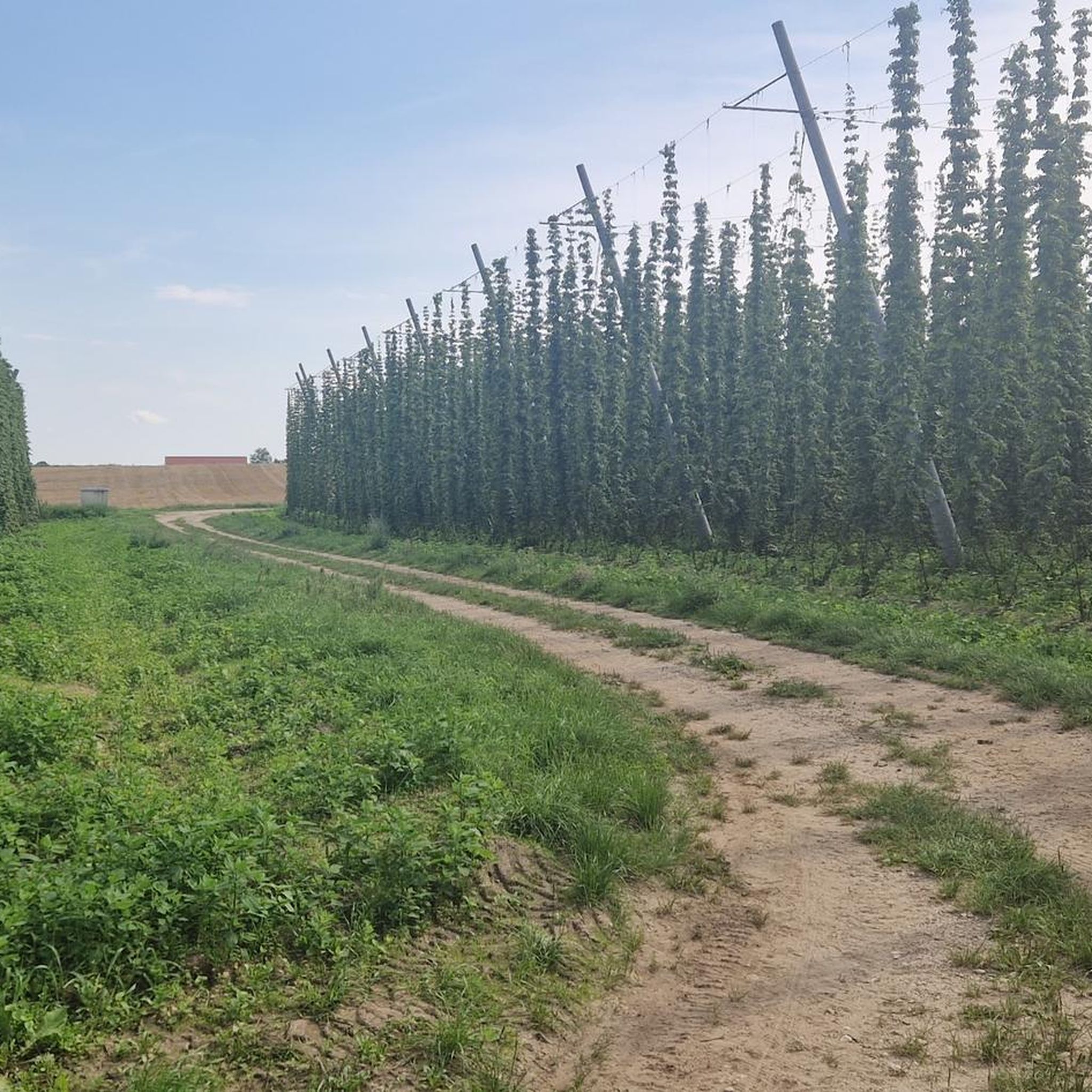
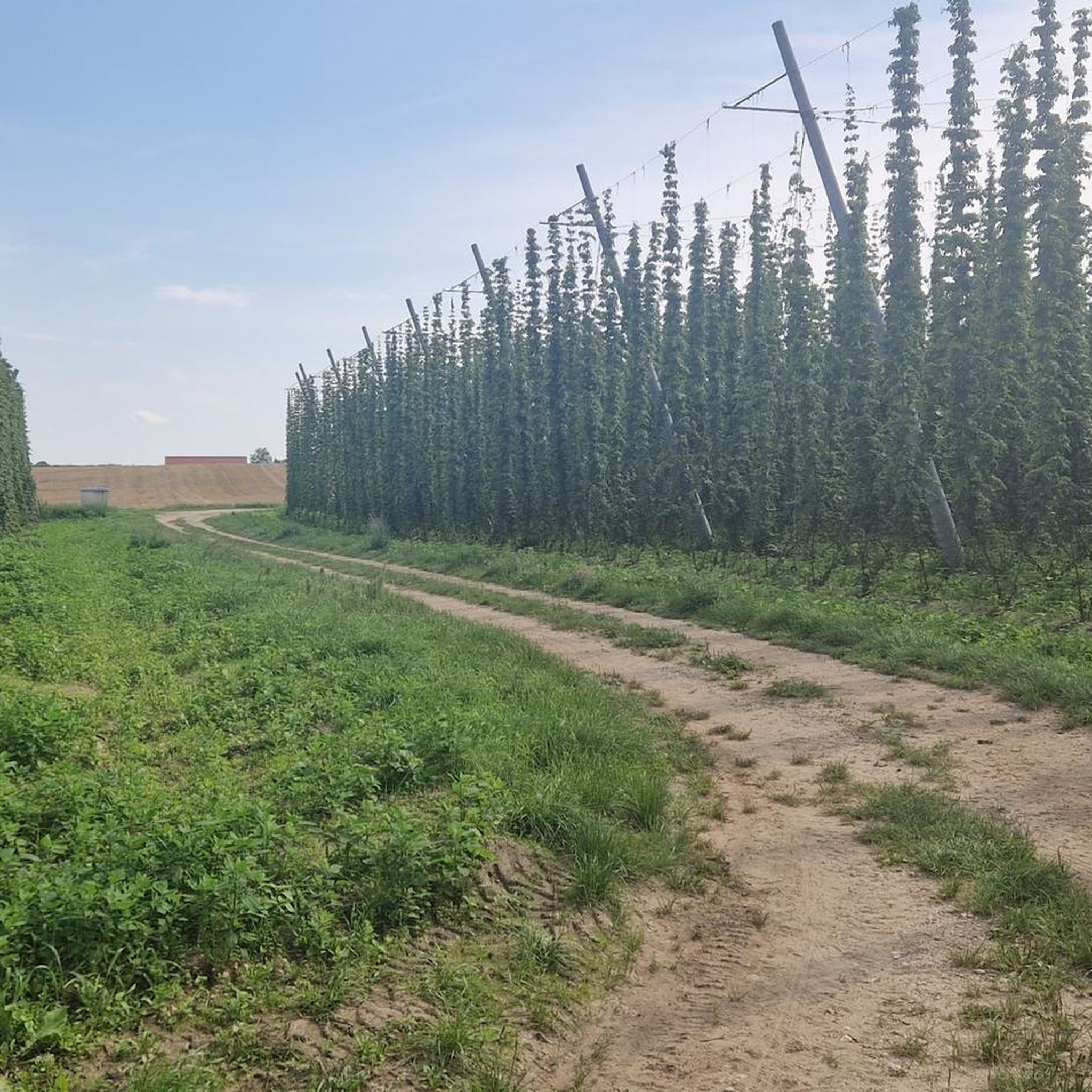
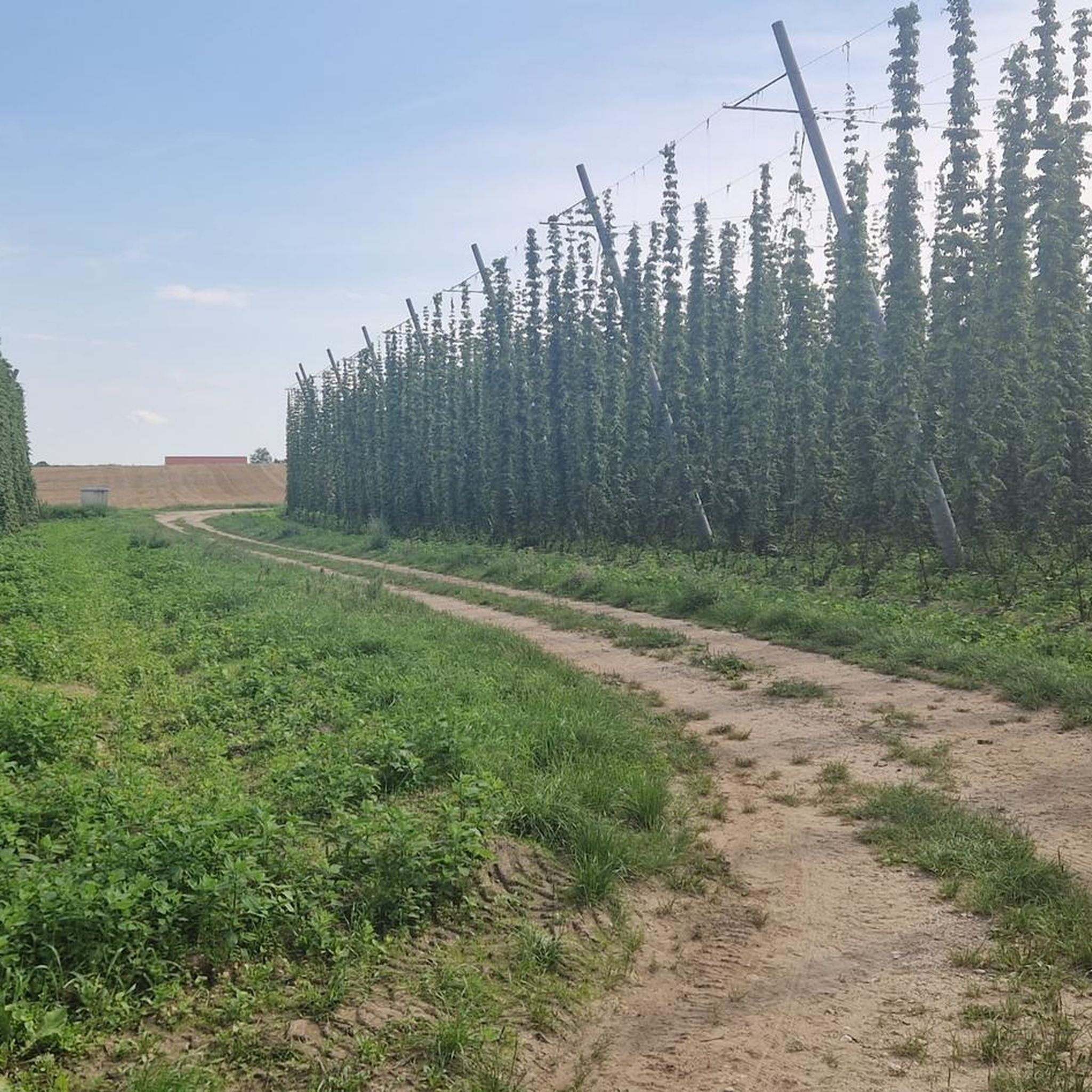
- Another must-see spot is Hopfenbach sinkhole, a waterfall where a small stream disappears into the Jurassic karst. This geological feature demonstrates the interaction between water and limestone.
- Visitors also love Inland dunes in the Seeholz near Offenstetten, a natural monument featuring sand dunes covered by pine and heather-like vegetation. These dunes are a geological phenomenon created after the last ice age.
- Biburg is known for its inland dunes, river oxbows, sinkholes, and moors. The area offers a variety of natural monuments to see and explore, showcasing diverse geological and ecological features.
- The natural monuments around Biburg are appreciated by the komoot community, with 16 upvotes and 12 photos shared by visitors.
Last updated: June 24, 2026
Sippenauer Moor Nature Reserve
Highlight • Natural
Translated by Google •
Tip by

Inland dunes in the Seeholz near Offenstetten
Highlight • Natural Monument
They were created after the last ice age (possibly last cold period), i.e. probably 10,000 years ago.
The soil was not suitable for agriculture, and it became increasingly poor in nutrients as a result of the removal of material.
The wavy ground, which is partly light forest, partly open, I find remarkable and worth seeing, even if it doesn't make an obvious impression.
There are other inland dunes near Offenstetten. In comparison, the latter are not that impressive. Together they form the nature reserve inland dunes near Siegenburg and Offenstetten. Here in Offenstetten is also the plaque for the Geotop ("Dunes in the Seeholz").
Translated by Google •
Tip by

Sign up now to discover places like this
Get recommendations on the best single tracks, peaks, & plenty of other exciting outdoor places.
Sign up for free
Old Danube Oxbow, Pförring
Highlight • Lake
Translated by Google •
Tip by

Hopfenbach sinkhole
Highlight • Waterfall
Translated by Google •
Tip by

Sulphur Spring in Sippenauer Moor
Highlight • Natural Monument
On the southern edge of the Feckinger Valley, around 20 smaller springs with discharges of up to 5 l/s emerge. The spring water, which has a special feature in some cases and a distinct smell of hydrogen sulphide (H2S), comes from the karstified Malm beneath the Molasse Basin. The springs trace a fault zone where the Malm limestone plateau has broken up and which offers good transport routes for the karst water. Characteristic white bacterial lawns line the watercourses of the "sulphur waters". Bavarian State Office for the Environment (LfU).
umweltatlas.bayern.de/standortauskunft/rest/reporting/sb_geotope/generate?additionallayerfieldvalue=273Q001
Translated by Google •
Tip by

Sign up for free to discover even more natural monuments around Biburg.
Sign up for free
Already have an account?
Start today with a free account
Your next adventure awaits.
Login or Signup

Tips from the Community

Don't jump in but nature is just great
1
0

The Sippenau Moor provides a habitat for numerous rare species, some of which are found only here. It is also known for its colonies of snowdrops.
1
0

Interesting information can be read.
1
0
The sulphur springs in the Sippenauer Moor > a geotope On the southern edge of the Feckinger Valley, around 20 smaller springs with discharges of up to 5 l/s emerge. The spring water, which has a special feature in some cases and a distinct smell of hydrogen sulphide (H2S), comes from the karstified Malm beneath the Molasse Basin. The springs trace a fault zone where the Malm limestone plateau has broken up and which offers good transport routes for the karst water. Characteristic white bacterial lawns line the watercourses of the "sulphur waters". Bavarian State Office for the Environment (LfU). https://www.umweltatlas.bayern.de/standortauskunft/rest/reporting/sb_geotope/generate?additionallayerfieldvalue=273Q001
1
0
The dunes in the Seeholz of Offenstetten are a significant geotope In the Seeholz between Abensberg and Offenstetten, on high terrace gravel (Altaben's terrace), there are remains of an extensive dune landscape from the late to postglacial period. The geomorphological wealth of forms has been preserved under the forest cover (in contrast to agricultural areas). The dunes are mainly formed as line dunes directed W-E, but there are also transverse and sickle dunes. Towards the W, the relief forms flatten out to form gently undulating drifting sand covers. The geotope has been awarded the seal of approval "Bavaria's 100 most beautiful geotopes" and is explained on site with an information board. Further information at https://www.lfu.bayern.de/geologie/bayerns_schoenste_geotope/78/index.htm Bavarian State Office for the Environment (LfU), https://www.umweltatlas.bayern.de/standortauskunft/rest/reporting/sb_geotope/generate?additionallayerfieldvalue=273R011
0
0


Beautiful old arm of the Danube near Pförring.
2
0

I was there yesterday too, but there was no water to be seen.
0
0
Frequently Asked Questions
What unique natural features can I explore around Biburg?
The Biburg area offers diverse natural features, including unique inland dunes, significant wetlands, and distinctive river formations. You can visit the Inland dunes in the Seeholz near Offenstetten, which are sand dunes covered by pine and heather-like vegetation, formed after the last ice age. Another interesting feature is the Old Danube Oxbow, Pförring, a standing body of water that was once a main branch of the Danube River.
Are there any geological curiosities to discover near Biburg?
Yes, the region boasts several geological curiosities. The Hopfenbach sinkhole is a fascinating spot where a small stream disappears into the Jurassic karst, showcasing the interaction between water and limestone. Additionally, the Sulphur Spring in Sippenauer Moor is a geotope where springs with a distinct hydrogen sulphide smell emerge from karstified Malm, tracing a fault zone.
What are some family-friendly natural monuments in the Biburg area?
For families, the Old Danube Oxbow, Pförring is a great choice, offering calm waters and beautiful reflections, especially in autumn. The Hopfenbach sinkhole is also considered family-friendly, providing an interesting natural phenomenon for children to observe, though paths can be overgrown in late summer.
Can I find any nature reserves or protected areas near Biburg?
Absolutely. The Sippenauer Moor Nature Reserve is a significant protected area known for its exceptional flora and as a habitat for numerous rare species, including colonies of snowdrops. It offers a glimpse into ecosystems typically found in the Alpine foothills.
What kind of wildlife might I encounter in the natural monuments around Biburg?
In areas like the Sippenauer Moor Nature Reserve, you might encounter various rare plant species, including snowdrops. While specific large wildlife sightings are not guaranteed, wetlands and forest areas generally support diverse birdlife, insects, and smaller mammals. The broader Bavarian Forest Nature Park, though further afield, is known for species like lynx, bears, wolves, and beavers.
Are there opportunities for hiking or other outdoor activities near these natural monuments?
Yes, the region around Biburg offers various outdoor activities. You can find numerous routes for gravel biking, mountain biking, and running. For instance, there are gravel biking routes like the 'View of the Danube' or 'Danube Gorge at Weltenburg'. If you prefer mountain biking, explore MTB trails such as the 'Klosterbiergarten Biburg' loop. For runners, there are several running trails around Biburg and Etzenbach.
What are the best times to visit the natural monuments around Biburg?
The natural monuments around Biburg can be enjoyed throughout the year, depending on your interests. Autumn is particularly recommended for places like the Old Danube Oxbow, Pförring, where you can witness beautiful reflections of trees and colorful leaves. Spring is ideal for seeing the exceptional flora, such as snowdrops, in the Sippenauer Moor Nature Reserve.
How were the natural monuments around Biburg formed?
The natural monuments in the Biburg area have diverse origins. The Inland dunes in the Seeholz near Offenstetten were created after the last ice age, approximately 10,000 years ago, from drifting sand. The Old Danube Oxbow, Pförring is a result of the Danube River's regulation in 1854, which cut off a former river branch. The Hopfenbach sinkhole and Sulphur Spring in Sippenauer Moor are geological features formed by water interacting with karstified limestone over millennia.
Are there any natural monuments that are less known or 'hidden gems' near Biburg?
While not widely publicized, the Sulphur Spring in Sippenauer Moor could be considered a hidden gem. It's a geotope with unique sulphur springs and bacterial lawns, offering a distinct sensory experience due to the hydrogen sulphide smell. The Inland dunes in the Seeholz near Offenstetten are also a rather inconspicuous geological phenomenon, appreciated by those who seek out unique natural formations.
What do visitors enjoy most about the natural monuments around Biburg?
Visitors appreciate the diverse geological and ecological features of the region. The unique inland dunes are noted for their historical formation, while the Sippenauer Moor is valued for its exceptional flora and rare species. The Old Danube Oxbow is loved for its scenic beauty and tranquil atmosphere, especially during autumn. The geological curiosities like the Hopfenbach sinkhole and Sulphur Spring offer intriguing insights into natural processes.
Are there any natural monuments in the wider Bavarian region that are worth visiting from Biburg?
While Biburg itself is small, it's well-situated for exploring impressive natural attractions in the wider Bavarian region. Notable sites include the Weltenburger Enge and Danube Gorge, a striking nature reserve with high limestone rocks, and the unique Growing Rocks of Usterling, where a limestone-rich stream has created bizarre rock formations. The Altmühl Valley Nature Park is famous for its geological significance and fossil discoveries, while the Bavarian Forest Nature Park offers extensive hiking trails through protected forests.
Are the natural monuments around Biburg accessible by public transport?
Specific public transport details for each individual natural monument are not readily available. However, Biburg itself has some public transport connections. For visiting the natural monuments, it is generally advisable to check local bus schedules or consider using a car, especially for sites further afield in the wider Bavarian region. Parking information for specific hiking trails around Biburg can be found in local guides.
Most popular attractions around Biburg

Get inspired with the komoot mobile app


Explore more
Extend your search for the best caves by checking out these guides of the top ones around Biburg:
